
REVIEW · FRANCE
Cellar visit and Alsace wine tasting with a feminine touch
The most appealing part of this Domaine Gueth visit is the freedom to shape your own tasting. Instead of receiving a fixed flight, you can choose seven wines from a selection of more than 20, then taste them while learning how this family estate handles organic farming, spontaneous fermentation, and low-intervention winemaking. I especially like the direct connection with the producer and the chance to compare classic Alsace wines with less usual local bottles.
I also like the practical mix of cellar visit, clear explanations, and simple Alsatian snacks. The one-hour format works well on a wine-road day, and the $20 price is fair for seven tastings and a guided visit. One consideration: if you book mainly for the promised feminine approach, ask about that theme during the visit. The wine philosophy is explained, but the feminine angle may not receive as much specific attention as the title suggests.
Key points
- Seven wines chosen to suit your taste: Select your own tasting from more than 20 organic wines.
- A working family estate: See Domaine Gueth’s cellar and facilities after seven generations of winemaking.
- Organic, nature-focused production: Learn about High Environmental Value certification, organic farming, and spontaneous fermentation.
- Classic and unusual Alsace bottles: Compare traditional wines, old-vine selections, atypical wines, and local varieties.
- Small local bites included: Taste with an Alsatian pretzel, a slice of kougelhopf, and crackers.
- Easy one-hour stop: Meet at the estate, use the free on-site parking, and choose French, English, or German for the tour.
A one-hour stop on the Alsace Wine Route
Domaine Gueth offers a compact introduction to Alsace wine in Grand Est, France. You meet at the estate itself, where parking is free and available inside the domain. With only 10 places listed for the experience, the setting should feel more personal than a large commercial tasting room, though the exact group size can vary by booking.
The visit lasts about one hour. That is enough time to see the cellar and winery facilities, hear how the estate works, and taste seven wines. It is not a full-day winery program, and you should not expect a long vineyard walk or a meal. Think of it as a focused stop that fits neatly between villages, viewpoints, and other wineries along the Alsace Wine Route.
The price is $20 per person. I consider that good value if you are interested in wine beyond simply sampling a few glasses. You receive a guided explanation, access to the cellar and installations, seven tastings, and snacks. The value is even better if you plan to buy a bottle or two directly from the producer, since the tasting lets you make a more informed choice.
More cellar visits in France:
- Epernay: Guided Tour of Champagne Cellar with Tastings
★ 4.7 · 507 reviews - Beaune: Maison Champy Guided Cellar Tour with Wine Tasting
★ 4.7 · 213 reviews - Alsatian Guided Wine Tasting and Immersive wine cellar tour
★ 4.7 · 110 reviews
Meeting Muriel and a family wine estate
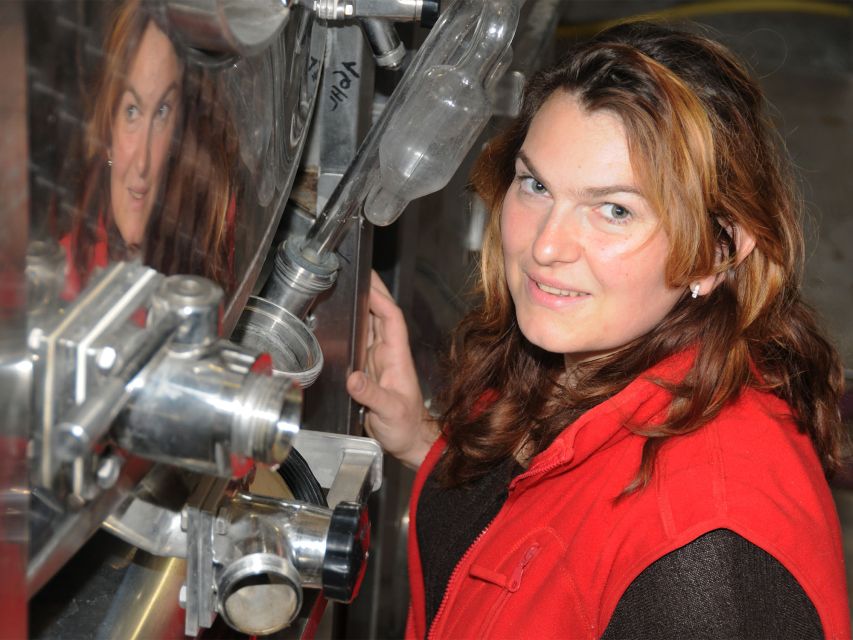
Domaine Gueth has seven generations of winemaking behind it. Muriel brings a newer voice to that family tradition, presenting the estate with what the experience calls a feminine and modern touch. She is associated with fruity, elegant wines made with close attention to nature and presented in a contemporary setting.
That wording matters because this is not only a tasting of grape varieties. You are also invited to hear how the estate thinks about wine. The stated approach is to avoid forcing the wine through every stage, allowing it to follow its own path from vine to bottle. Spontaneous fermentation is part of that philosophy.
You may meet Muriel herself, although the visit can also be led by her husband. A January tasting was handled by her husband, and the experience became more engaging after the group showed interest and asked into the subject. My advice is simple: arrive ready to ask questions. A quiet, passive tasting may feel somewhat formal at first, while genuine curiosity seems to open the conversation.
The estate carries both High Environmental Value and Organic Farming labels. Those credentials do not tell you whether every bottle will suit your palate, but they give useful context for the production choices you will hear about. You can ask how organic farming affects the vines, how spontaneous fermentation changes the cellar work, and how the family balances tradition with a lighter hand.
Seeing the cellar and winery facilities
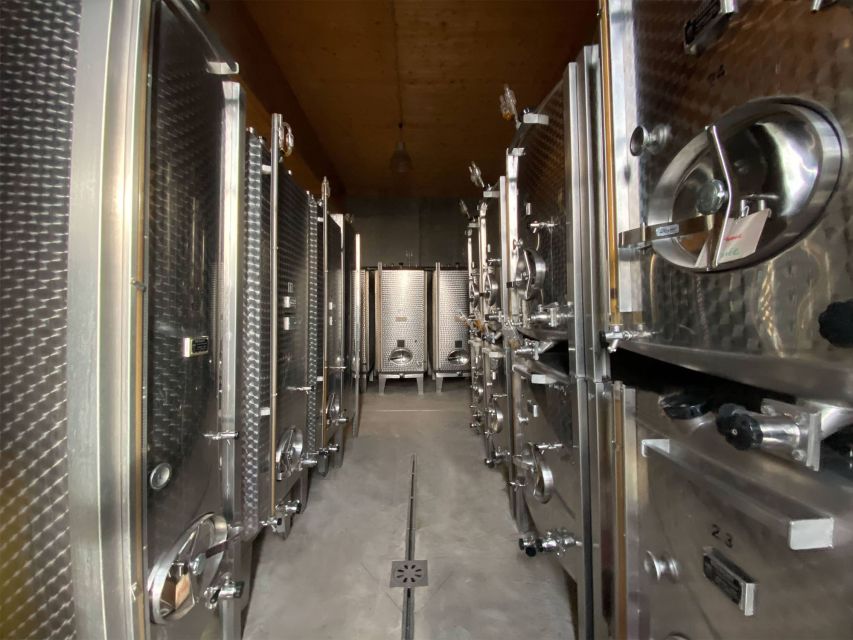
The visit begins with the estate’s cellar and installations. This part is important because it turns the tasting from a row of anonymous glasses into a look at how the wine is made. You get an explanation of the facilities and the estate’s way of raising wine without constraint.
The cellar is described as small. That can be a plus if you prefer a family-scale operation to a large industrial facility. You are likely to feel closer to the actual work of the estate, and the visit can stay focused on the choices made by the people producing the bottles.
At the same time, keep your expectations in check. A small cellar is not a grand architectural attraction. The main reward is the explanation, not a spectacular building. If your main interest is wine production, the compact facilities should be enough. If you want extensive machinery, underground tunnels, or a long technical tour, this one-hour visit may feel brief.
The estate’s approach centers on letting the wines develop naturally. That does not mean every wine tastes rustic or unpredictable. The stated aim is fruity and elegant wine, with a range that includes familiar Alsace styles as well as more unusual bottles. The cellar visit gives you a useful framework for noticing those differences during the tasting.
Choosing seven wines from more than 20
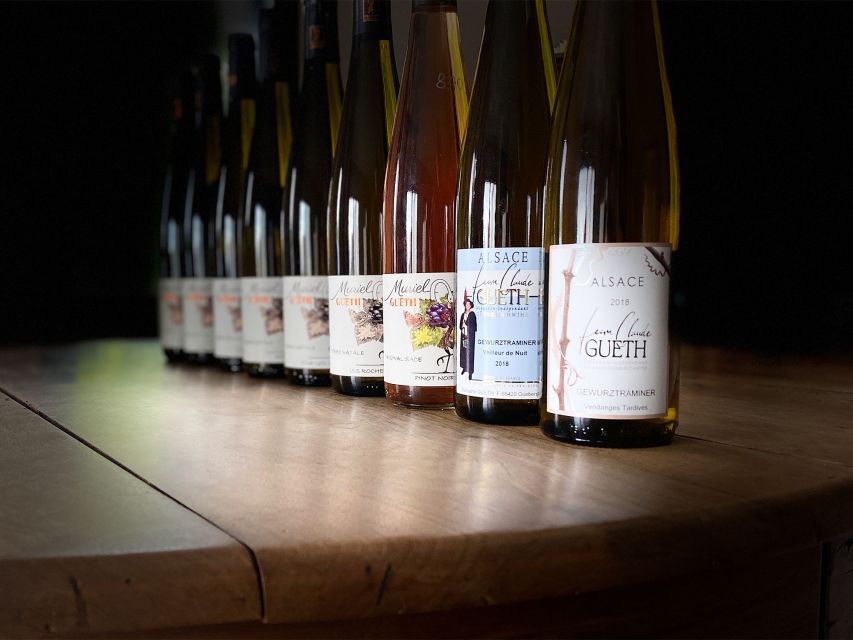
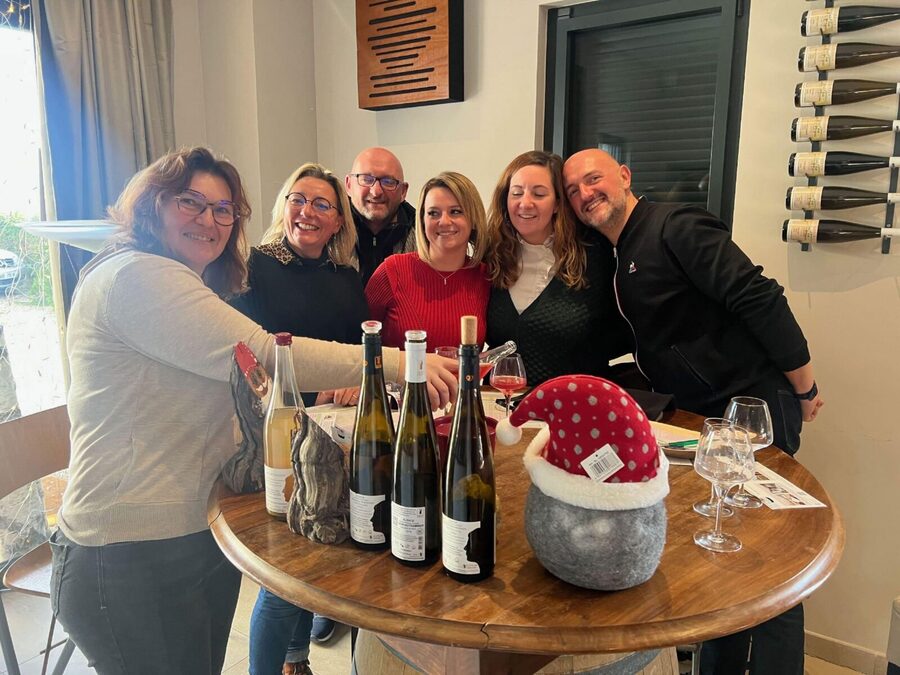
The most flexible part of the experience comes at the tasting table. You do not simply receive seven wines selected for everyone. You can choose the seven that appeal to you from more than 20 wines made by the estate.
That choice is useful for two reasons. First, you can stay with styles you already enjoy, which makes the $20 fee feel safer for a mixed group. Second, you can use the tasting to try something unfamiliar without committing to a full bottle. If you like dry, aromatic wines, you can focus in that direction. If you are curious about old-vine selections, local wines, or atypical bottles, you can ask for guidance.
The wine list includes traditional wines, selections from old vines, atypical wines, and local wines. The exact bottles available can change, so you should not arrive expecting a fixed list of seven named wines. Instead, treat the choice as part of the experience.
The wines are known for being aromatic. That can be a strength if you enjoy expressive Alsace styles with clear fragrance and fruit. It may be less ideal if you prefer very restrained or neutral wines. A useful tip is to tell the guide what you usually drink before choosing. The tasting is intended to follow your preferences, and clear explanations of terroir and vinification can help you understand why one bottle feels different from another.
The tasting is richly commented, with attention to the relationship between the local growing conditions, the grapes, and the winemaking process. You can expect more than a quick pour and a bottle name. Still, the depth of the discussion depends partly on your questions and the person leading the session. One tasting felt a little stiff at first, then became more involved once the group showed interest. Speak up early if you want a more detailed exchange.
More tastings around France:
- Bordeaux: Cité du Vin Entry Ticket and Wine Tasting
★ 4.6 · 3,885 reviews - Montmartre Hill French Gourmet Food and Wine Tasting Walking Tour
★ 5.0 · 2,588 reviews - From Paris: Loire Valley Castles Day Trip With Wine Tasting
★ 4.6 · 1,727 reviews - From Bordeaux: Afternoon Saint-Emilion Wine Tasting & snack
★ 4.8 · 1,581 reviews
What the Alsace wines can teach you
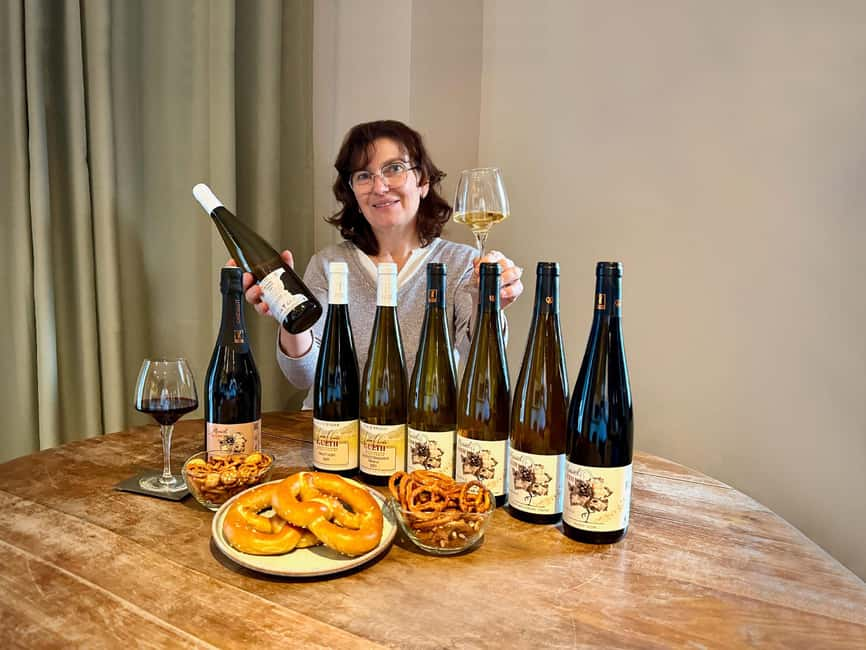
Alsace wines have a strong regional identity. At Domaine Gueth, the goal is to show those local traits while also offering bottles that do not fit a narrow traditional mold. This gives you a chance to compare the familiar with the unexpected.
The classic wines can help you understand the basic character of Alsace production. The old-vine selections add another layer, since older vines are presented as a distinct part of the estate’s range. Atypical wines and local wines then broaden the picture. You may find that the most memorable bottle is not the one you expected to choose.
The tasting is also a practical way to understand the word organic in a real winery setting. You hear about respect for the environment, the organic label, and the choice to let wine develop without unnecessary constraint. These ideas are not separate from the tasting. They help explain why the bottles may show different textures, aromas, or levels of polish.
Do not assume that organic means one single flavor style. The estate offers more than 20 wines, and the range is broad. Some may be fruity and easy to enjoy, while others may show a more distinctive character. The point is not to find one correct interpretation of Alsace wine. It is to work out what you like.
Pretzel, kougelhopf, and a little food with the wine
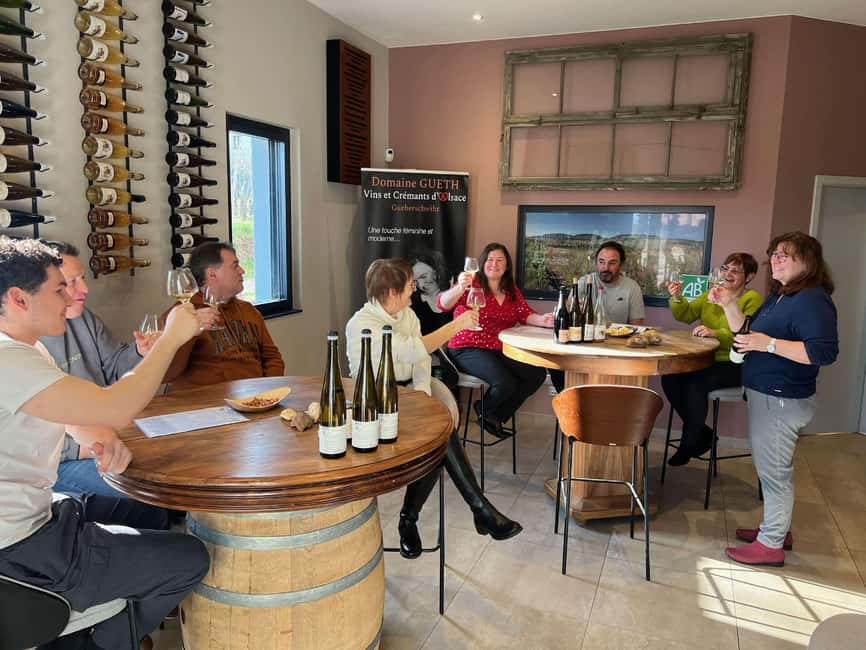
The tasting comes with an Alsatian pretzel or a slice of kougelhopf, plus crackers. These are modest snacks, not a substitute for lunch, but they make the tasting more comfortable and give you something to eat between wines.
The pretzel is the more obvious regional pairing. Kougelhopf, a traditional Alsatian cake, adds a softer and slightly sweeter option. The snacks also help clear the palate and keep the experience from feeling like a rapid succession of alcohol samples.
Because the visit lasts only an hour, the food is sensibly limited. If you need a full meal, eat before or after. The included bites are there to support the tasting, not turn it into a restaurant visit.
For anyone who does not drink alcohol, the estate offers 100 percent organic grape juice from its vineyards instead. This is a thoughtful option for non-drinkers and for adults who want to take part in the visit without tasting wine. The experience is for adults only, even when someone chooses grape juice.
How convincing is the feminine approach?
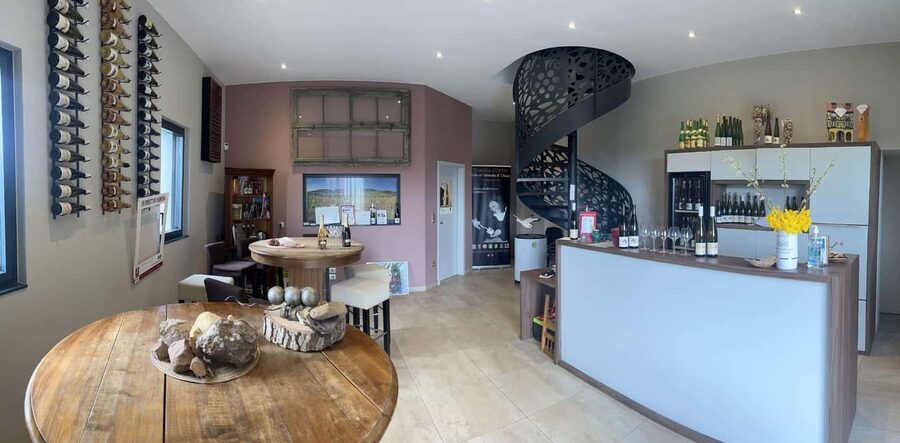
The feminine theme is the most distinctive promise of the experience, and it deserves a careful explanation. Muriel’s role gives the estate a modern female perspective after seven generations of family winemaking. The experience connects that perspective with fruit-forward, elegant wines, environmental care, and a less forceful approach to raising wine.
But the phrase can mean different things to different people. If you expect a clearly structured discussion of women in winemaking, gender and vineyard work, or specific female-led cellar practices, you may find the theme underdeveloped. One participant specifically wanted to know how the feminine approach appeared in the vineyard, cellar, or labels, and did not feel that question was fully answered.
I suggest asking directly: What does the feminine approach mean here in practical terms? You might hear more about Muriel’s choices, the estate’s working methods, or the way the wines are presented. If the answer remains general, judge the experience by the quality of the cellar visit and tasting rather than by the title alone.
This is not a reason to dismiss the visit. It is simply the main point to clarify before booking. The wine education itself is solidly defined: organic farming, environmental respect, spontaneous fermentation, terroir, and vinification. The feminine label is more personal and less precisely explained.
Who will enjoy Domaine Gueth most?
I would recommend this experience to you if you want a short, personal wine stop with real choice at the tasting table. It suits couples, small groups, and anyone spending a day along the Alsace Wine Route who wants to meet a producer rather than only browse a shop.
It is also a good match for mixed wine preferences. Since you choose seven wines from the estate’s wider range, one person can focus on traditional styles while another tries old-vine or atypical bottles. The grape-juice option makes it easier for a non-drinker to join the visit.
You may want a different experience if you are looking for a long vineyard walk, a large historic cellar, a full meal, or a highly technical masterclass. The program is short and centered on tasting. The small cellar is part of its family-estate character, not a major attraction on its own.
Language should be straightforward for most international visitors. The guide can conduct the experience in French, English, or German. Wheelchair access is available, though the supplied details do not explain every surface or facility, so you may wish to confirm any specific access needs in advance.
Booking, timing, and buying bottles
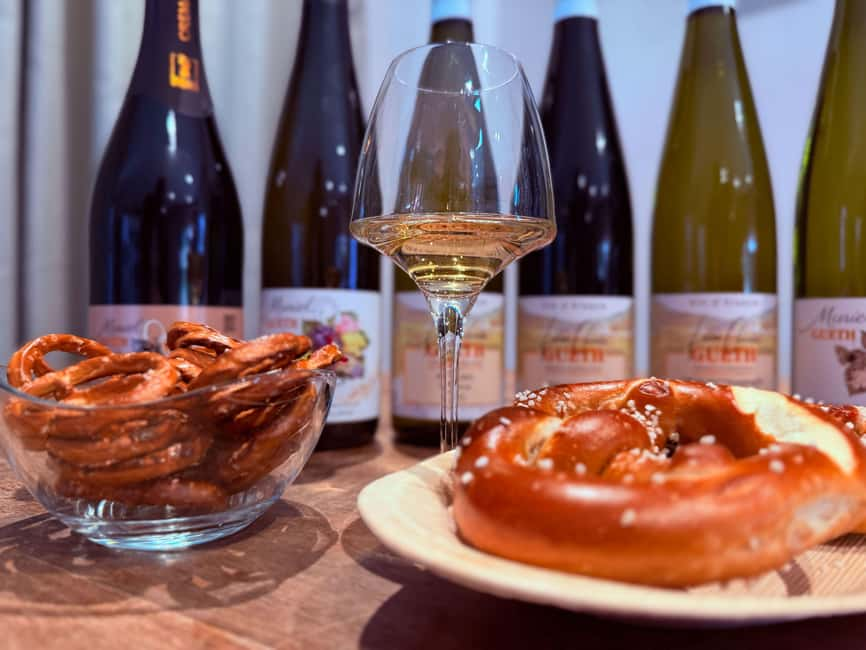
The meeting point is Domaine Gueth, with free parking inside the estate. That makes this a simple stop if you are touring by car. Ten places are available, so booking ahead is sensible if your route depends on a particular time.
You can reserve now and pay later, which helps if your Alsace plans are still taking shape. Cancellation is free up to 24 hours before the experience for a full refund. Starting times depend on availability, so check the schedule rather than assuming a fixed departure.
After tasting, you can buy the wines directly from the producer. This is one of the strongest practical benefits of the visit. You can taste first, ask about food or drinking occasions, and then decide what belongs in your luggage. Direct purchase also keeps the connection between the tasting and the estate itself.
Remember that the program is for adults. Anyone choosing not to drink can request the organic grape juice, but the adult-only rule still applies.
Should you book this Domaine Gueth tasting?
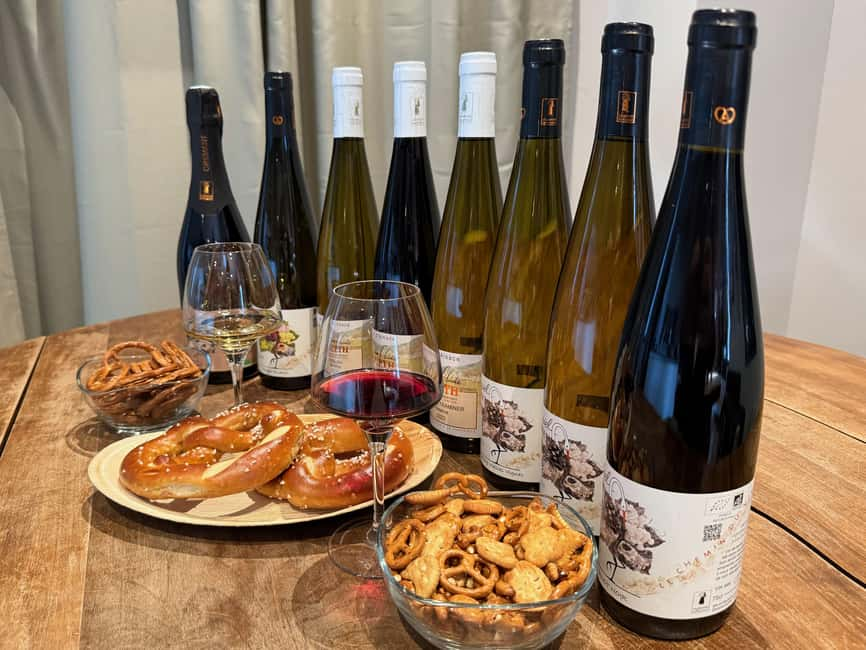
Book it if you want seven individually chosen wines, a clear introduction to organic Alsace winemaking, and a compact family-estate visit for $20. The direct purchase option, local snacks, free parking, and three-language guiding make it easy to add to a driving day.
Go in with realistic expectations about the feminine theme. Muriel’s modern role and the family’s nature-focused philosophy give the idea a genuine basis, but the visit may not offer a detailed account of feminine winemaking practices unless you ask for one.
For a one-hour stop, the balance is good: cellar access, explanation, seven tastings, and a chance to discover wines you might not pick from a shelf. I would choose Domaine Gueth for a personal and flexible introduction to Alsace wine, especially if you enjoy aromatic bottles and want the freedom to set the direction of your tasting.
FAQ
How long does the Domaine Gueth wine tasting last?
The experience lasts one hour. It includes the cellar and winery visit, an explanation of the estate’s philosophy, and a tasting of seven wines.
How much does the experience cost?
The price is $20 per person.
How many wines can I taste?
You can choose and taste seven wines from the estate’s selection of more than 20 wines.
Are the wines organic?
The estate has the Organic Farming label, and the tasting includes seven organic wines from its vintages.
Which languages are available?
The live guide can conduct the visit in French, English, or German.
Can someone who does not drink wine take part?
Yes. Adults who prefer not to drink wine can replace the tastings with 100 percent organic grape juice from the estate’s vineyards.
Is parking available at Domaine Gueth?
Yes. Free parking is available inside the domain, near the meeting point.
More Food & Drink in France
- Authentic Parisian Gourmet Food Tour with 10 Local Dishes & Wines
★ 5.0 · 4,754 reviews - Medoc or Saint Emilion Wine Tasting and Chateau from Bordeaux
★ 5.0 · 1,415 reviews - Saint-Émilion: Grand Cru Classé Winery Visit and Tasting
★ 4.6 · 1,118 reviews - Saint Emilion Half-Day Trip with Wine Tasting & Winery Visit from Bordeaux
★ 4.5 · 1,034 reviews
Just added around France
- Bordeaux Wines Masterclass paired with cheeses & charcuterie★ 5.0 · 110 reviews
- Bordeaux Médoc Region Private Wine Lovers Tour with Chateau Visits & Tastings★ 5.0 · 40 reviews
- Bordeaux Food and Wine Tour : Authentic Artisanal Flavors★ 5.0 · 62 reviews
- Saint-Emilion Winery Morning Tour with Local Guide★ 5.0 · 67 reviews
- Médoc luxury wine tour aboard a Citroën DS Limousine Convertible★ 5.0 · 41 reviews
- Saint Emilion Morning Wine Tour – Winery & Tastings from Bordeaux★ 5.0 · 186 reviews
- Introduction to Bordeaux wines paired with cheeses & charcuterie★ 5.0 · 175 reviews
- Free Walking Bordeaux Tour ENG + 1 glass of wine (Tip based)★ 5.0 · 90 reviews
Wine Tours in France, compared.
Authentic Parisian Gourmet Food Tour with 10 Local Dishes & Wines
Read our review →
Loire Valley Castles Day Trip from Paris with Complementary Wine
Read our review →

River Garonne Cruise with Glass of Wine and Canelé
Read our review →
Montmartre Hill French Gourmet Food and Wine Tasting Walking Tour
Read our review →
Montmartre Cheese, Wine & Pastry Guided Walking Tour
Read our review →
Loire Valley Castles Day Trip With Wine Tasting
Read our review →
Afternoon Saint-Emilion Wine Tasting & snack
Read our review →Browse the lists this tour appears in