
REVIEW · BORDEAUX
Introduction to Bordeaux wines paired with cheeses & charcuterie
Bordeaux can feel like a wall of grand names, French labels, and unfamiliar regions. This one-hour tasting near the Grand Theatre gives you a useful map before you start ordering bottles. You taste three wines, learn the basic method for tasting, and compare the Left Bank with the Right Bank without needing any previous wine knowledge.
I like two things here. First, the small maximum of 12 people keeps the session personal, and hosts such as Antoine, Toku, Anna, Vincent, and Helene have been praised for making the material clear and fun. Second, the tasting includes local cheese, charcuterie, baguette, and water, so the $35.09 price feels fair for a compact city experience. The main drawback is the pace: some sessions feel rushed, and a fast-speaking host or strong French accent can make details harder to follow.
Key points at a glance
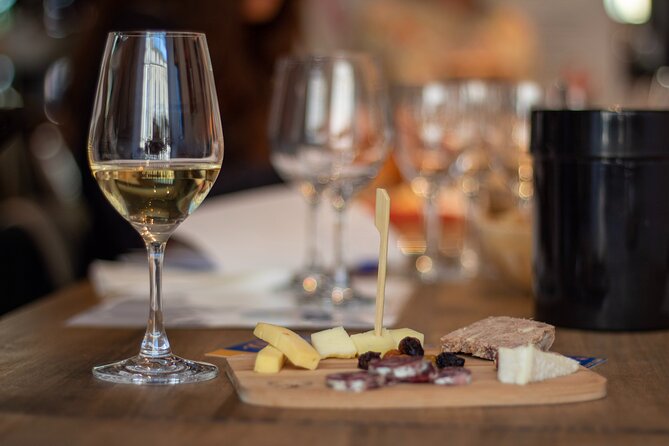
- Three wines with a clear purpose: Start with white wine, then compare a Left Bank red and a Right Bank red, including one Bordeaux Grand Cru.
- A practical Bordeaux lesson: Learn terroir, grape varieties, appellations, and the basic steps of professional tasting.
- Food is included: Local cheeses, cold cuts, fresh baguette, and water accompany the wines at no extra charge.
- A central meeting point: Begin at 2ter Rue Mably, only a short walk from Bordeaux’s Grand Theatre.
- Small-group attention: The activity accepts no more than 12 people, with a private tasting format and time for questions.
- Good for a short stay: The advertised duration is about one hour, although some sessions run closer to 90 minutes.
Starting near the Grand Theatre
You meet at 2ter Rue Mably, 33000 Bordeaux, at 2:30 pm. The location is in the center, close to the Grand Theatre, so this fits neatly into a day of exploring central Bordeaux. You do not need to arrange a vineyard transfer or spend half a day outside the city.
The central setting is a real strength. Bordeaux is one of the world’s most important wine cities, yet the famous estates are spread across the countryside. This workshop brings a small piece of that wine culture into town. You can learn the basic ideas here, then use them when you visit a wine shop, order dinner, or head out to the Médoc or Libournais.
The tasting takes place in an atmosphere somewhere between a wine bar and a short oenology class. That description matters. This is not a formal lecture with a long academic presentation, but it is also more than three glasses placed in front of you with no explanation.
The host guides the group through the wines and encourages questions. The experience is offered in English, though you should pay attention to the host assigned to your session. One session was conducted mainly in French despite an English booking preference, with the facilitator making an effort to include English. A translation app helped fill the gaps. For an English-only visitor, it is sensible to confirm the language when booking if that option is important to you.
More Wine Tours in Bordeaux
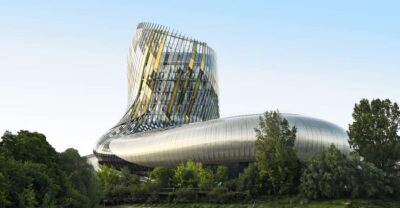
- Bordeaux: Cité du Vin Entry Ticket and Wine Tasting
★ 4.6 · 3,885 reviews - Bordeaux: River Garonne Cruise with Glass of Wine and Canelé
★ 4.5 · 3,630 reviews - From Bordeaux: Afternoon Saint-Emilion Wine Tasting & snack
★ 4.8 · 1,581 reviews
The first glass teaches you how to taste
The tasting starts with a white wine. This is not simply an opening drink. It serves as a lesson in the basic tasting method used across the wine world.
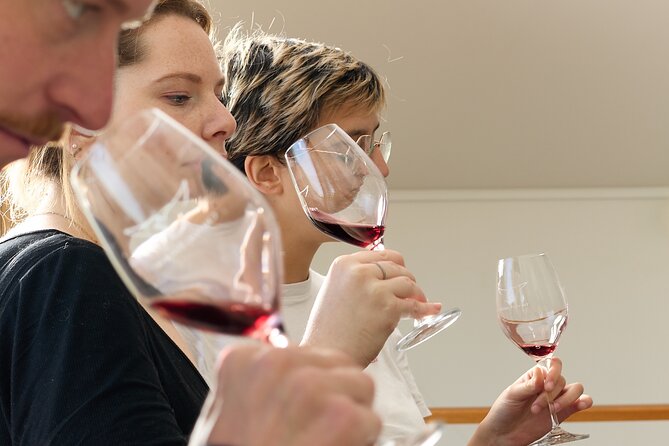
You learn to look at the wine, smell it, and taste it in a set order. The method gives you a way to talk about wine without relying on vague claims or feeling embarrassed by unfamiliar words. You might not leave able to identify every grape in a blind tasting, but you should feel more comfortable describing what is in your glass.
The white wine also gives the session a useful change of pace before the reds arrive. Bordeaux is famous for red wine, but beginning with white wine helps you notice how color, aroma, acidity, and texture can differ. It makes the later comparisons easier to understand.
The host introduces basic ideas such as terroir, grape varieties, and appellations. Terroir refers to the natural conditions that affect a wine, while an appellation identifies a regulated wine-producing area and its rules. You do not need to memorize technical definitions. The value is learning how these ideas appear on French labels and why two wines from the same broad region can taste different.
Comparing the Left Bank and Right Bank
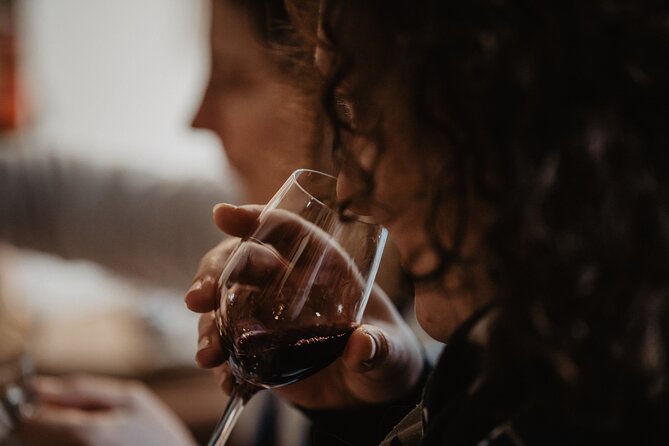
The most useful part of the tasting is the comparison of two red wines. One comes from Bordeaux’s Left Bank and the other from the Right Bank. One of these is a Bordeaux Grand Cru.
This side-by-side approach gives you a simple framework for understanding Bordeaux. The Left Bank includes the Médoc, while the Right Bank includes the Libournais. These areas have different traditions, dominant grape blends, and styles, and the host explains the broad differences without asking you to become a wine scholar in an afternoon.
That comparison is more helpful than tasting three unrelated bottles. You can focus on how the wines differ, then connect those differences to place and production. It also gives you a better chance of understanding a Bordeaux restaurant list later in your trip.
The Grand Cru adds interest, but it is worth keeping expectations sensible. A Grand Cru is not automatically the perfect wine for every palate. Its place in the tasting is useful because it lets you examine a more prestigious Bordeaux example, not because the session promises unlimited pours or a full bottle of your favorite.
The portions are designed for tasting rather than drinking to excess. The experience includes three wine tastings, and the class format keeps the attention on learning. If you want a long, leisurely wine lunch, this is not the right choice. If you want a focused introduction before dinner, it fits well.
Cheese, charcuterie, and the French table
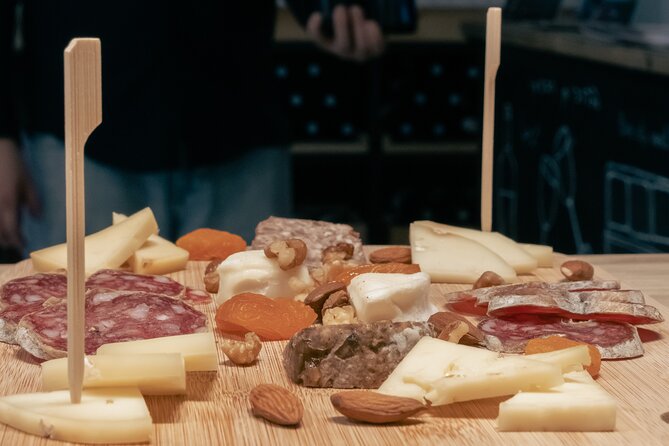
The food board includes an assortment of local cheeses and charcuterie, or cold cuts. Fresh baguette is available, and water is included. These are not separate add-ons, which helps the price feel reasonable.
The food also gives the class a cultural purpose. French wine is usually discussed at the table, not in isolation. Cheese, cured meat, bread, and wine show how a bottle can work with food, and the host covers basic pairing ideas.
Keep your expectations clear. The board is a snack selection, not a full meal. It should take the edge off hunger, but you may still want lunch or dinner before or after the tasting. One useful criticism is that the wines and food are not always paired in a strict, course-by-course way. You may taste the wines alongside the board rather than receive a carefully staged pairing for every cheese and slice of meat.
That is not necessarily a flaw for a casual introduction. It keeps the event relaxed and social. Still, if you want a detailed cheese-by-cheese pairing lesson, ask questions during the session and do not expect a formal tasting menu.
Food allergies should be raised ahead of time. One food allergy was accommodated, but the supplied information does not promise that every dietary request can be handled. The safest plan is to contact the provider before arrival.
More food-paired tastings in Bordeaux:
- Tasting of 6 Bordeaux wines and pairing charcuterie & cheese
★ 5.0 · 199 reviews - Guided Bordeaux Wine Tasting Class with 6 Wines and pairings
★ 4.9 · 181 reviews - Bordeaux Wines Masterclass paired with cheeses & charcuterie
★ 5.0 · 110 reviews - Workshop Bordeaux wine tasting: 4 reds & charcuterie pairing
★ 5.0 · 72 reviews
Hosts who make the difference
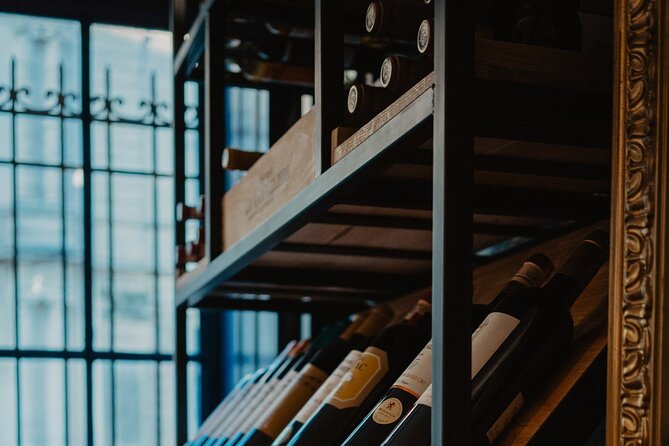
The host is central to this experience. The strongest sessions depend on someone who can explain Bordeaux without making the subject feel stuffy.
Antoine has been especially praised for his humor, interaction, and ability to help beginners leave with more confidence. Toku is noted for answering many questions and offering ideas for other things to do in Bordeaux. Anna brought a sensory challenge into the tasting, adding a playful way to test your sense of smell.
Vincent has led a relaxed private tasting, while other sessions have been guided by hosts including Helene. The names matter because the tone can vary from one appointment to another. The common aim is an approachable lesson, but the speed and style may not be identical every time.
The best approach is to ask questions early. If you want to understand the Left Bank and Right Bank, say so. If a French term or explanation moves too quickly, ask the host to repeat it. The class is designed to adapt to beginners and people who already know something about wine, so you do not need to pretend to understand more than you do.
The small group helps here. With a maximum of 12 people, you have a better chance of getting an answer than in a large public tasting. Some bookings may feel almost private, especially when attendance is low.
How long does it really take?
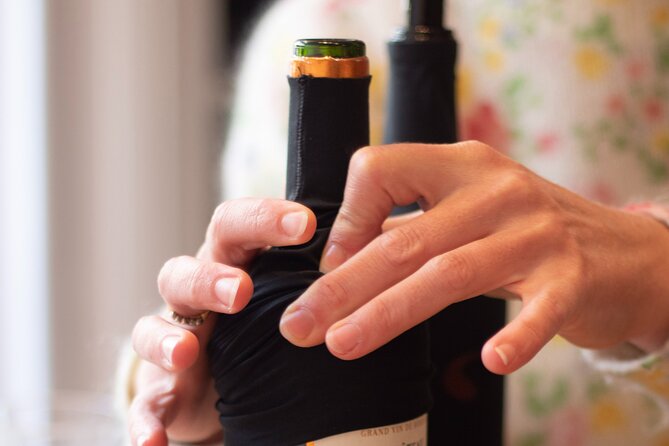
The stated duration is approximately one hour. That makes this a convenient choice before an evening meal, a museum visit, or a later appointment.
The actual pace can vary. One session was described as about 90 minutes, while another felt rushed because the room needed to be prepared for a second group. You should treat one hour as the working estimate and avoid scheduling something immediately afterward if you want time for questions.
This difference also explains some of the mixed impressions about the experience. A lively host who invites discussion may run longer. A full group or a tight room schedule may make the class feel compressed. If you are short on time, the structure still covers a lot: tasting technique, Bordeaux regions, three wines, food, and questions.
The venue is small and personable, according to the experience details. That supports conversation, but it may not be ideal on a very hot day. Fans were running during one especially warm session, yet the room still felt uncomfortable. If you are visiting in hot weather, dress lightly and keep the small indoor setting in mind.
Is $35.09 a fair price?
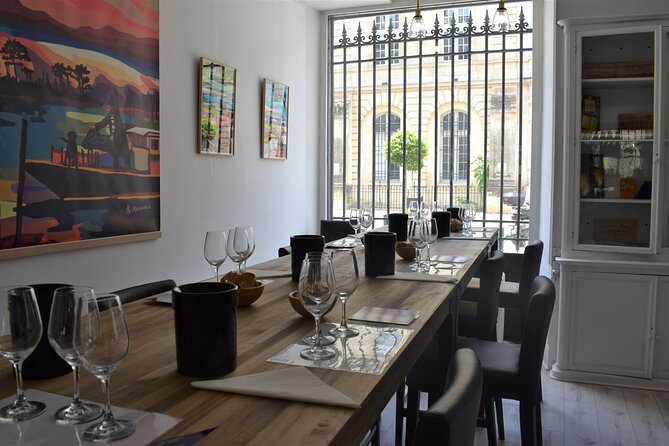
At $35.09 per person, this is priced as an affordable introduction rather than a premium wine event. You receive three tastings, a cheese and charcuterie board, baguette, water, an expert-led presentation, and printed information.
The value is strongest if you are new to Bordeaux wine or have only a short time in the city. A single bottle purchased without context can cost more than this, and you may not know what you are buying. Here, you get a basic vocabulary and a regional framework that can guide later purchases.
The price is less compelling if you already have a strong understanding of Bordeaux and want rare vintages, generous pours, or a full meal. The Grand Cru adds interest, but this is still a teaching session with tasting portions.
There is no stated promise that you can buy a full glass of your favorite wine at the end. One practical wish is that the session offered that option, but you should not count on it. You may be able to purchase bottles or additional wine depending on the venue and the arrangements that day, but that is not included in the listed package.
Who will enjoy this Bordeaux tasting?
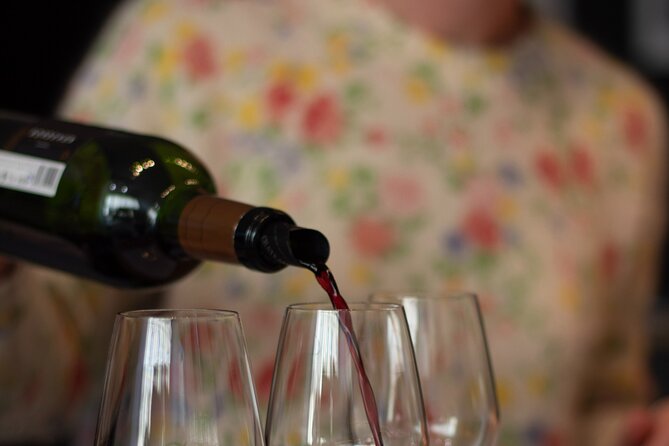
I would choose this for a first visit to Bordeaux, especially if you want a quick introduction before visiting vineyards. It suits couples, solo visitors, and small groups who enjoy learning in a relaxed room rather than joining a large bus excursion.
It is also a good fit for people who feel uncertain about French wine labels. The explanation of appellations and regions can make a wine shop feel less intimidating. After the class, you should have a clearer idea of what the Médoc and Libournais refer to and why the Left Bank and Right Bank are discussed so often.
You do not need prior wine knowledge. More experienced wine drinkers can still enjoy the regional comparison and ask detailed questions, but the class is aimed at broad understanding rather than specialist study.
I would be cautious about booking it if you want a formal meal, a long cellar visit, or a countryside estate tour. This happens in central Bordeaux and lasts about an hour. It gives you a useful starting point, not a complete picture of the region’s vineyards.
The activity is near public transportation, and service animals are allowed. Confirmation is received at booking. You can cancel for a full refund up to 24 hours before the start time. Cancellations or changes made inside that window are not refunded or accepted, and poor weather may lead to a new date or full refund.
Should you book it?
Book this tasting if you want a friendly, compact introduction to Bordeaux wine with enough food to make the hour comfortable. The Left Bank and Right Bank comparison is the most useful feature, while the small group and lively hosts make the technical material easier to follow.
I would book it early in your Bordeaux stay, ideally before a vineyard outing or an evening of wine shopping. If English instruction is essential, confirm that point in advance. Also leave a little space after the scheduled finish, since a discussion-based session can run longer than the advertised hour.
Skip it if you already know Bordeaux well and want rare bottles or a substantial meal. For everyone else, $35.09 buys a practical lesson, three wines, local snacks, and a better chance of choosing your next bottle with confidence.
FAQ
Where does the Bordeaux wine tasting begin?
The meeting point is 2ter Rue Mably, 33000 Bordeaux, France, close to the Grand Theatre.
What time does the experience start?
The listed start time is 2:30 pm.
How many wines will I taste?
You will taste three wines: one white wine, one red wine from the Left Bank, and one red wine from the Right Bank. One of the red wines is a Bordeaux Grand Cru.
Is food included?
Yes. The experience includes a board of local cheeses and charcuterie, fresh baguette, and water.
Do I need previous wine knowledge?
No. The host introduces basic ideas such as terroir, grape varieties, appellations, and the standard steps of wine tasting. The session can adapt to beginners and people with more wine experience.
How many people can join?
The activity has a maximum of 12 people.
Can I cancel for a full refund?
Yes. You can cancel at least 24 hours before the experience start time for a full refund. Cancellations or changes made less than 24 hours in advance are not accepted or refunded.
Just added around Bordeaux
- Bordeaux Wines Masterclass paired with cheeses & charcuterie★ 5.0 · 110 reviews
- Bordeaux Médoc Region Private Wine Lovers Tour with Chateau Visits & Tastings★ 5.0 · 40 reviews
- Médoc luxury wine tour aboard a Citroën DS Limousine Convertible★ 5.0 · 41 reviews
- Bordeaux Food and Wine Tour : Authentic Artisanal Flavors★ 5.0 · 62 reviews
- Saint-Emilion Winery Morning Tour with Local Guide★ 5.0 · 67 reviews
- Saint Emilion Morning Wine Tour – Winery & Tastings from Bordeaux★ 5.0 · 186 reviews
- Free Walking Bordeaux Tour ENG + 1 glass of wine (Tip based)★ 5.0 · 90 reviews
- Tasting of 6 Bordeaux wines and pairing charcuterie & cheese★ 5.0 · 199 reviews
Wine Tours in Bordeaux, compared.
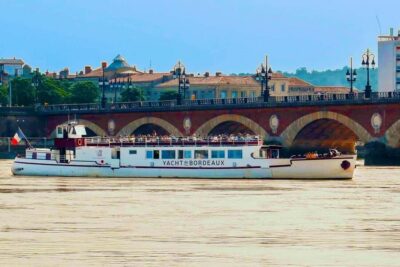
River Garonne Cruise with Glass of Wine and Canelé
Read our review →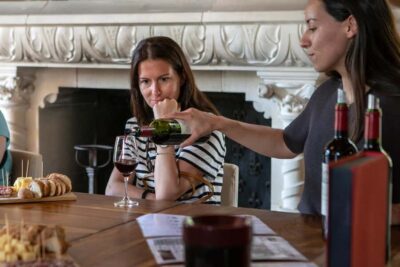
Afternoon Saint-Emilion Wine Tasting & snack
Read our review →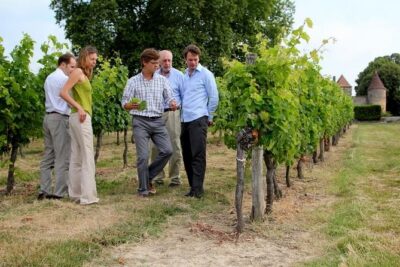
Medoc or Saint Emilion Wine Tasting and Chateau from Bordeaux
Read our review →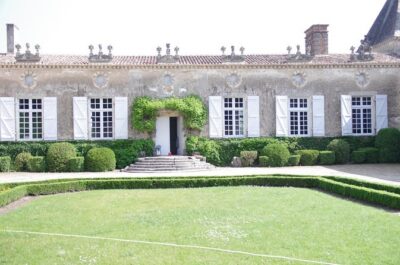
Saint Emilion Day Trip with Sightseeing Tour & Wine Tastings from Bordeaux
Read our review →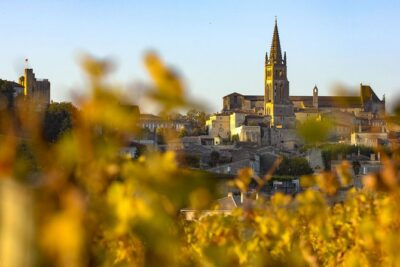
Saint Emilion Half-Day Trip with Wine Tasting & Winery Visit from Bordeaux
Read our review →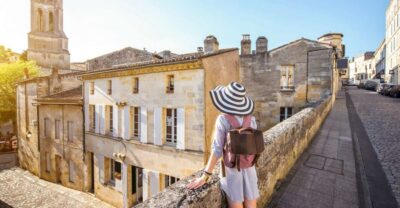
Browse the lists this tour appears in