
REVIEW · BORDEAUX
Medoc or Saint Emilion Wine Tasting and Chateau from Bordeaux
Bordeaux’s best wine lesson may be the simple comparison between Médoc and Saint-Émilion. This half-day outing lets you choose one side of the Gironde wine world, then see a château, taste local bottles, and hear how soil, grapes, and old family estates shape the wine in your glass. You do not need to know a cabernet from a corkscrew.
I like the small group of up to eight and the fact that you can leave the driving to someone else. I also like the food pairing: cheese, cured meats, baguette, and dark chocolate make the tasting feel like part of French life, not a row of tiny pours in a sterile room.
The main catch is time. Four and a half hours goes quickly, and the Saint-Émilion version visits only one château with roughly three wines. Traffic can also eat into the afternoon, especially on the Médoc roads.
Key points to know before booking
- Choose Médoc for more wine variety: The outing generally includes two château visits and about five wines, with stops around Margaux, Saint-Julien, or Haut-Médoc.
- Choose Saint-Émilion for the village: You visit one Grand Cru Classé château, taste about three or four wines, and walk through the UNESCO-listed village.
- Small-group format matters: The air-conditioned minivan carries no more than eight people, making questions and conversation easier.
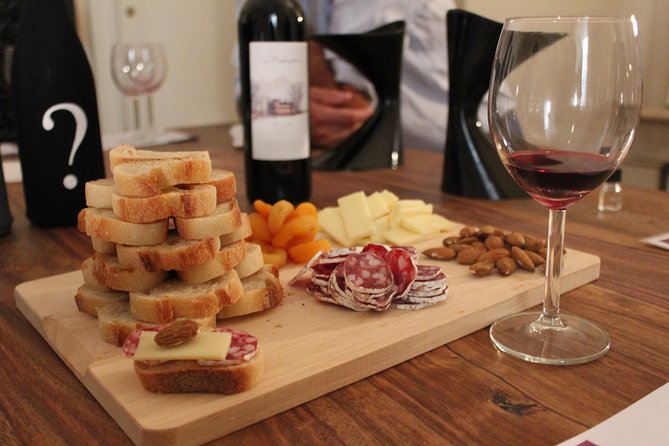
- Local food is part of the lesson: Expect cheese, bread, cured meats, and, on the Médoc route, dark chocolate and an aperitif platter.
- Guides shape the experience: Mélanie, Thibault, Nina, Axel, Theo, Gabriel, and others are praised for clear explanations, humor, and good local suggestions.
- Bring sensible shoes: Saint-Émilion’s old streets are charming but can be uneven, and the village portion involves walking.
Two Bordeaux wine regions, two different afternoons
This is not one fixed tour with two interchangeable names. You select either Médoc or Saint-Émilion at booking, and the afternoon feels different depending on your choice.
Médoc is the better fit if you want a classic château drive, several tastings, and a quick look at famous names such as Margaux, Mouton-Rothschild, or Latour. Saint-Émilion works better if you want wine plus a historic village walk and a slower look at one estate.
Both options begin at 2 p.m. near Place des Quinconces in central Bordeaux. You meet your guide and small group, then ride in an air-conditioned minivan. At the end, you return to the same meeting point, which is useful if you have dinner plans or an evening train.
The price is about $114.88 per person. I consider that reasonable for a half-day trip when you add round-trip transport, a guide, château access, tastings, and food. It is not the cheapest way to sample Bordeaux wine, but hiring a car, arranging visits, and staying sober enough to drive would quickly reduce the savings.
More Wine Tours in Bordeaux
- Bordeaux: Cité du Vin Entry Ticket and Wine Tasting
★ 4.6 · 3,885 reviews - Bordeaux: River Garonne Cruise with Glass of Wine and Canelé
★ 4.5 · 3,630 reviews - From Bordeaux: Afternoon Saint-Emilion Wine Tasting & snack
★ 4.8 · 1,581 reviews
Médoc: château country along the Castle Road
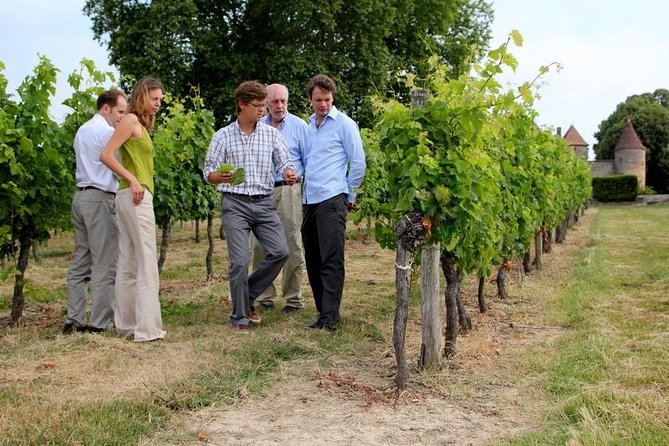
The Médoc route gives you the more traditional wine-country drive. You leave Bordeaux and follow the famous Castle Road through appellations such as Margaux, Saint-Julien, and Haut-Médoc.
The drive is part of the lesson. Your guide explains the left-bank wine area, the role of cabernet sauvignon, and why certain estates carry such weight in Bordeaux. Guides including Mélanie, Marion, Fabien, and Thibault have been especially praised for making this information easy to follow, even if your wine knowledge begins and ends with red or white.
You may pass grand names such as Mouton-Rothschild, Latour, and Margaux. Passing them is not the same as visiting them, so keep expectations in check. The actual château stops depend on the day’s schedule. You can expect visits to two different wineries, rather than entry into every celebrated estate along the road.
A photo stop at Château Margaux adds a memorable landmark. It is a useful pause after time in the van, though it is a photo opportunity rather than a full interior visit.
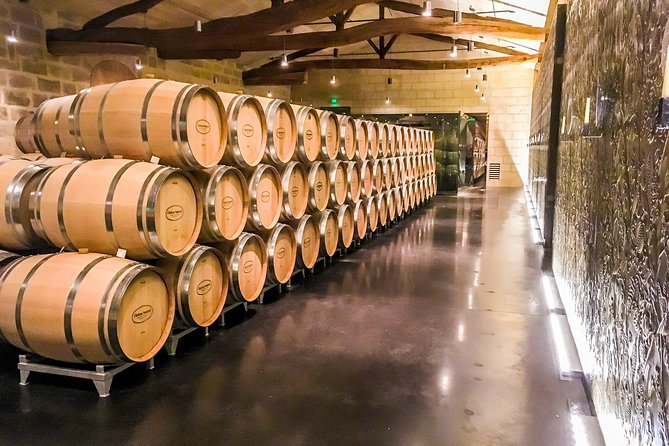
At the first classified growth château, you tour the cellar and learn how grapes become wine. The details may include planting, pruning, growing, fermentation, and aging. This practical side is one of the strongest parts of the outing because it gives you something to look for when you taste the wine afterward.
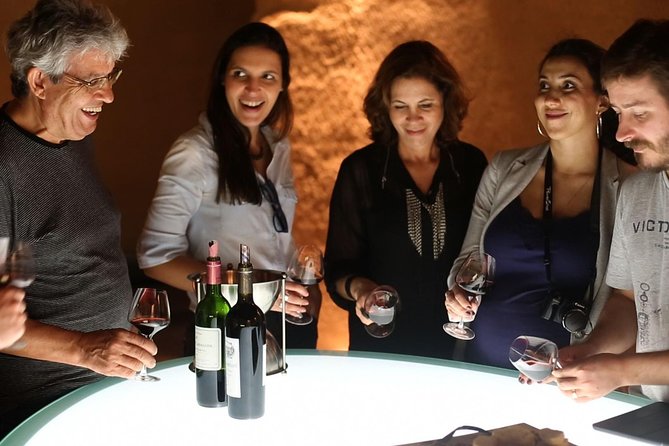
The second stop typically adds a more relaxed food setting. You taste more local bottles with an aperitif platter of cured meats, cheese, baguette, and dark chocolate. The food is not a full meal, so I would eat a light lunch before departure. It does, however, give you a useful way to compare how salt, fat, bread, and chocolate affect wine.
Médoc offers about five wines in total. That makes it the stronger choice if tasting range matters most to you. The tradeoff is road time. The region is spread out, and traffic can slow the afternoon. One disappointing outing was affected by a long time in the minivan and congestion, so you should not book this expecting four and a half hours of uninterrupted vineyard visits.
Saint-Émilion: one château and a medieval village
Saint-Émilion gives you more variety in scenery and activity. After the drive through the French countryside, you visit a classified growth château and taste its wines with local cheese, fresh bread, and cured meats.
The château visit covers the wine-making process and usually includes about three or four wines. This is enough to learn the estate’s style, but it is less generous in scope than Médoc. If you want to visit two or three vineyards, Saint-Émilion may leave you wishing for another stop.
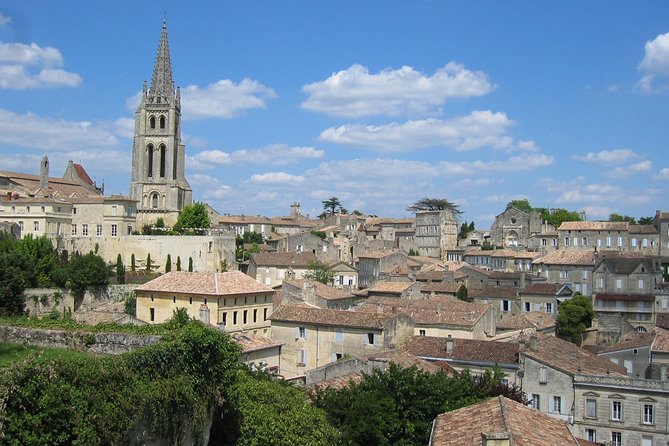
The reward comes afterward, when you tour Saint-Émilion itself. The village is a UNESCO World Heritage Site, and the walking portion gives the afternoon a stronger sense of place than a simple cellar visit. The old streets, stone buildings, and long wine tradition make it easy to understand why the village is one of Bordeaux’s most popular side trips.
Wear good walking shoes. The streets are old and can be uneven, and you will get more from the village if you are comfortable walking rather than watching your feet every few steps.
Guides such as Axel, Theo, Nina, Gabriel, and Thibault have received warm praise for their storytelling and local explanations. That matters here. Saint-Émilion is not just a tasting room. A guide who can connect the village, the vineyards, and the region’s past makes the stop feel coherent instead of rushed.
I would choose Saint-Émilion if this is your first visit to Bordeaux and you want one compact outing that includes wine, countryside, architecture, and a walk. I would choose Médoc if you already plan to see Bordeaux’s historic center and want the afternoon focused more squarely on estates and wine.
What the tasting teaches you
A good Bordeaux tasting is not only about deciding which bottle you prefer. It shows you how much a wine’s identity depends on place, grape blend, cellar work, and the decisions made by the château.
The guides explain the difference between Bordeaux’s left and right banks. You do not need to memorize technical terms, but this basic map helps you understand why Médoc and Saint-Émilion can produce wines with different character and structure.
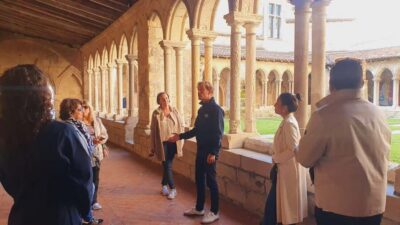
At the château, you see where production happens before tasting the result. That order is helpful. Instead of hearing abstract claims about barrels or aging, you can connect the explanation to the cellar and then test your impressions in the glass.
Do not worry if you are new to wine. The experience is aimed at mixed levels, and the guides are used to answering basic questions. Fabien, for example, is praised for bringing people up to speed without making beginners feel out of place. This is not a formal qualification course, and you are not expected to identify every aroma correctly.
Pours can be small, particularly if the group is tasting several wines. That is normal for a guided tasting, but it is worth knowing if you measure value by the amount in your glass. Médoc gives you more labels to compare, while Saint-Émilion gives you a closer look at one château and its setting.
More tastings around Bordeaux:
- Saint Emilion Day Trip with Sightseeing Tour & Wine Tastings from Bordeaux
★ 5.0 · 1,120 reviews - Saint Emilion Half-Day Trip with Wine Tasting & Winery Visit from Bordeaux
★ 4.5 · 1,034 reviews - From Bordeaux: Half-Day Saint-Émilion Tour and Wine Tasting
★ 4.7 · 699 reviews - Saint-Emilion Electric Bike Day Tour with Wine Tastings & Lunch
★ 5.0 · 696 reviews
The food makes the afternoon more relaxed
The local snack is a practical part of the experience, not decoration. Cheese, bread, and cured meats help settle the alcohol and give you familiar flavors to compare with the wine.
The Médoc version includes an aperitif platter with dark chocolate as well. Chocolate is not an obvious partner for dry red wine, but the contrast can be fun and shows how food changes your perception of a bottle.
You should still eat before the tour. The included food is a generous snack rather than lunch or dinner, and the start time falls in the middle of the afternoon. If you are sensitive to alcohol, take it slowly and use the food and water breaks sensibly.
Why the eight-person van is worth paying for
Large coach tours can make winery visits feel like a production line. This one is capped at eight people, so the guide can answer questions and keep an eye on the group without shouting across a bus.
The small vehicle also makes the ride more social. Guides such as Mélanie and Thibault are praised for being friendly, funny, and open to questions. Several guides also offer suggestions for places to eat and bottles or regional drinks to try later in Bordeaux.
There is one practical limitation: the group may combine French and English speakers. The tour is offered in English, but explanations can sometimes be shared across languages. If you want a private English-only experience, this is not the right format.
The transport is air-conditioned, which is welcome on a warm afternoon. It also removes the difficult choice between tasting wine and driving country roads. Private transport is not included because the shared minivan is the transport arrangement for the tour.
The guides are the real difference
The châteaux matter, but the guide controls how much you understand and how smoothly the afternoon runs. Names frequently praised for strong hosting include Mélanie, Thibault, Nina, Axel, Theo, Gabriel, Gabrielle, Dorian, Marion, Fabien, and Tebo.
The common thread is not a scripted lecture. The best guides explain Bordeaux’s wine areas, answer questions, add local history, and keep the van ride lively. Theo is especially praised for combining wine information with French history and anecdotes, while Nina is noted for high energy and a helpful attitude.
Guide assignments are not guaranteed, so do not book this expecting one particular person. Still, the range of positive comments suggests that the provider has a solid team rather than relying on a single star guide.
The experience suits curious beginners especially well. Wine experts may find the tasting basic, but they can still enjoy the estate settings and the chance to compare several appellations without arranging a car.
Timing, age rules, and the small print
The tour lasts about four and a half hours and starts at 2 p.m. The meeting point is 2792 Place des Quinconces, 33000 Bordeaux. You return there at the end.
You must be at least 18 to drink alcohol, while the minimum age for the tour itself is four. Children can therefore join, but the outing is clearly built around wine, cellar visits, and tasting rather than child-focused activities. Pets are not allowed.
The tour requires at least two participants. If that minimum is not reached, the operator can cancel and offer a different date or a full refund. It is sensible to avoid booking this as your only plan on a tightly scheduled day.
Free cancellation is available up to 24 hours before the start time. Changes or cancellations inside that window are not accepted for a refund. Since the tour is often booked well ahead, reserving around 25 days before your visit is a reasonable guide if your dates are fixed.
Which version should you choose?
Choose Médoc when you want:
- About five wines
- Two château visits
- A scenic drive along the Castle Road
- A photo stop near Château Margaux
- More attention to famous left-bank appellations
Choose Saint-Émilion when you want:
- One classified growth château
- About three or four wines
- A village tour at a UNESCO World Heritage Site
- More walking and architecture
- A gentler introduction to Bordeaux’s wine country
The choice also depends on your wider Bordeaux plans. If you will spend several days visiting villages and historic sites, Médoc gives you a more focused wine afternoon. If you have limited time and want a mix of village character and wine, Saint-Émilion offers more variety in one trip.
Should you book this Bordeaux wine tour?
I would book it if you want a well-organized half-day outside Bordeaux without renting a car. The small group, air-conditioned transport, château access, tasting, and local food add up to good value at about $114.88, especially for first-time wine visitors.
Pick Médoc if tasting more wine is your priority, and accept that traffic may reduce time at the estates. Pick Saint-Émilion if you care more about a memorable village and a balanced afternoon of walking, wine, and food, but understand that one château and three or four wines may feel limited.
This is not the tour for serious collectors seeking private access to top estates. It is a friendly, practical introduction to Bordeaux’s wine country, with enough substance to teach you something and enough scenery to make the afternoon worthwhile.
FAQ
Where does the tour start and finish?
It starts at 2792 Place des Quinconces in central Bordeaux and ends back at the same meeting point.
What time does the tour begin?
The listed start time is 2 p.m., and the experience lasts about four and a half hours.
Can I choose between Médoc and Saint-Émilion?
Yes. You select either the Médoc wine region or the Saint-Émilion wine region when booking.
How many people are in the group?
The tour has a maximum of eight participants and operates with a minimum of two travelers.
How old must participants be?
The minimum age for the activity is four. You must be at least 18 years old to drink alcohol.
Can I cancel for a refund?
You can cancel up to 24 hours before the start time for a full refund. Cancellations or changes made less than 24 hours before departure are not accepted for a refund.
More Food & Drink in Bordeaux
- Bordeaux Wine and Trade Museum Admission Ticket with Wine Tasting
★ 4.5 · 599 reviews - Bordeaux: Vineyards Wine Tasting Half-Day Trip
★ 4.2 · 470 reviews - From Bordeaux: Saint-Émilion Half-Day Tour with Wine Tasting
★ 4.9 · 389 reviews - From Bordeaux: Saint-Emilion Guided Wine Tasting Tour
★ 4.8 · 319 reviews
Just added around Bordeaux
- Bordeaux Wines Masterclass paired with cheeses & charcuterie★ 5.0 · 110 reviews
- Bordeaux Médoc Region Private Wine Lovers Tour with Chateau Visits & Tastings★ 5.0 · 40 reviews
- Bordeaux Food and Wine Tour : Authentic Artisanal Flavors★ 5.0 · 62 reviews
- Saint-Emilion Winery Morning Tour with Local Guide★ 5.0 · 67 reviews
- Médoc luxury wine tour aboard a Citroën DS Limousine Convertible★ 5.0 · 41 reviews
- Saint Emilion Morning Wine Tour – Winery & Tastings from Bordeaux★ 5.0 · 186 reviews
- Introduction to Bordeaux wines paired with cheeses & charcuterie★ 5.0 · 175 reviews
- Free Walking Bordeaux Tour ENG + 1 glass of wine (Tip based)★ 5.0 · 90 reviews
Wine Tours in Bordeaux, compared.

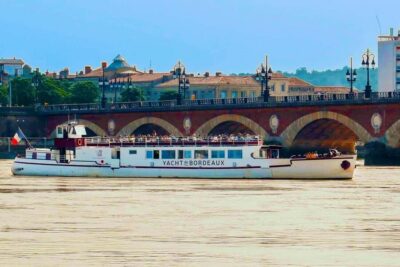
River Garonne Cruise with Glass of Wine and Canelé
Read our review →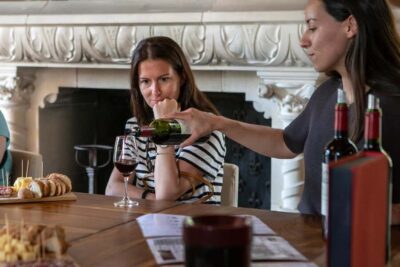
Afternoon Saint-Emilion Wine Tasting & snack
Read our review →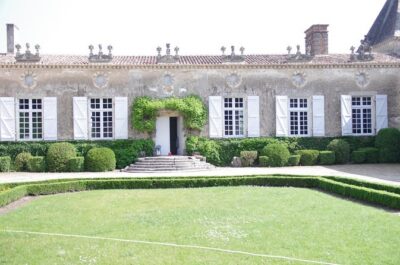
Saint Emilion Day Trip with Sightseeing Tour & Wine Tastings from Bordeaux
Read our review →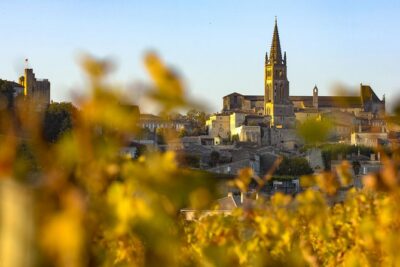
Saint Emilion Half-Day Trip with Wine Tasting & Winery Visit from Bordeaux
Read our review →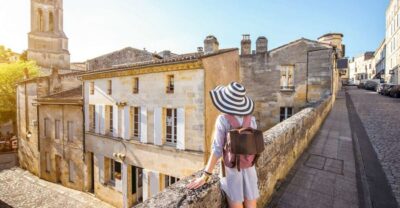
Saint-Emilion Electric Bike Day Tour with Wine Tastings & Lunch
Read our review →Browse the lists this tour appears in