
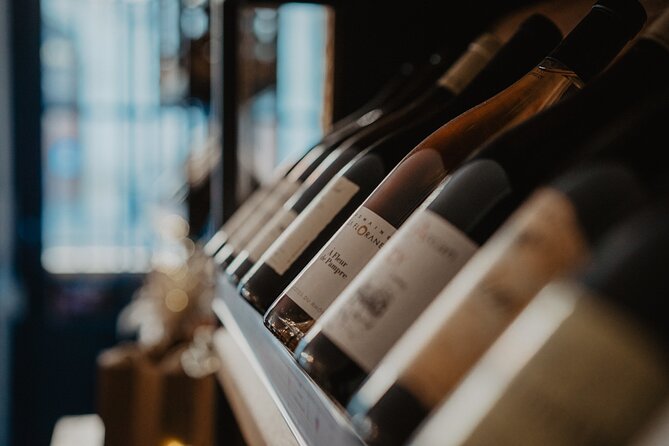
REVIEW · BORDEAUX
Bordeaux Wines Masterclass paired with cheeses & charcuterie
Bordeaux wine can look like a code at first: appellations, Left Bank, Right Bank, château names, blends, vintages. This 90-minute masterclass makes that code easier to read, using single-grape reds before moving to finished Bordeaux wines. It is a smart first step before ordering bottles or planning visits outside the city.
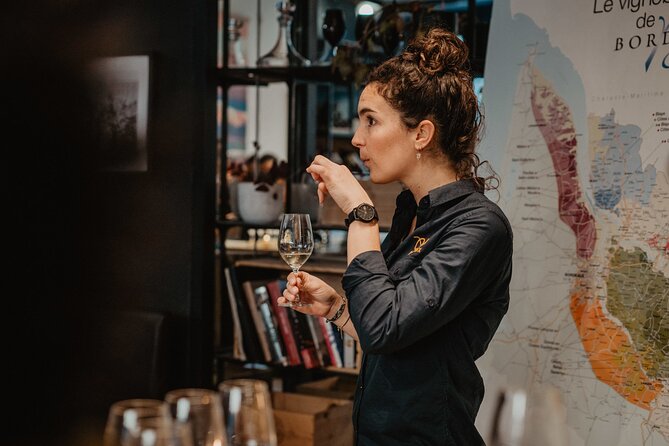
I like the small format, with no more than 10 people, and the central meeting point just two steps from the Grand Théâtre. I also like the teaching style. Guides such as Hugo, Vincent, Matilde, Antoine, Noe, and Ana have been praised for explaining complex ideas in plain language and adjusting the session to the group.
The main caution is timing. The advertised length is about 90 minutes, but the class can run longer when questions and discussion take off. The room has also felt hot on at least one occasion, and one poor report raised concerns about odor and food handling. That appears to be an isolated complaint, but it is worth keeping in mind if you are sensitive to heat or strong cheese aromas.
Key points at a glance
- Compare grapes before tasting blends: Three single-grape red wines help you understand why Bordeaux producers combine varieties.
- Sample both sides of the river: The final wines include one from Bordeaux’s Left Bank and one from the Right Bank, with one Grand Cru.
- Learn a practical tasting method: You will work through sight, smell, and taste instead of simply drinking a series of samples.
- Eat local while you learn: Artisanal cheeses, charcuterie, and fresh baguette show how food changes the taste of wine.
- Small and central setting: The session takes place at 2ter Rue Mably, near the Grand Théâtre, with a maximum of 10 people.
- Good value for a first lesson: At $54.42, the cost includes six listed wines, food, water, teaching, and printed information.
Starting near Bordeaux’s Grand Théâtre
The class begins at 11 a.m. at 2ter Rue Mably, a handy location in central Bordeaux. You finish at the same place, so there is no transport to arrange and no vineyard transfer to factor into your morning.
The setting sits somewhere between a wine bar and a short oenology course. That matters. You are not being rushed from one château to another, and you are not simply handed a glass with a vague description. The focus is on learning how Bordeaux wine works.
The room is designed for a small group, capped at 10 people. That gives you a better chance to ask about a grape, appellation, or bottle you have encountered elsewhere. It also makes the session more personal than a large tasting where the presenter must stick to a script.
The space has been described as clean and quiet, with a storefront appearance matching its photographs. One report complained of heat and an unpleasant smell. Cheese has a strong natural aroma, of course, but if comfort is important to you, remember that this is an intimate tasting room rather than a spacious vineyard estate.
More Wine Tours in Bordeaux
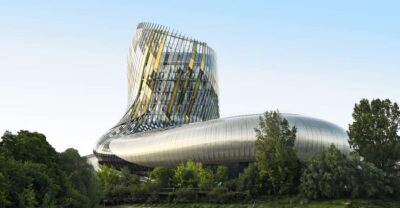
- Bordeaux: Cité du Vin Entry Ticket and Wine Tasting
★ 4.6 · 3,885 reviews - Bordeaux: River Garonne Cruise with Glass of Wine and Canelé
★ 4.5 · 3,630 reviews - From Bordeaux: Afternoon Saint-Emilion Wine Tasting & snack
★ 4.8 · 1,581 reviews
Learning the basic language of Bordeaux wine
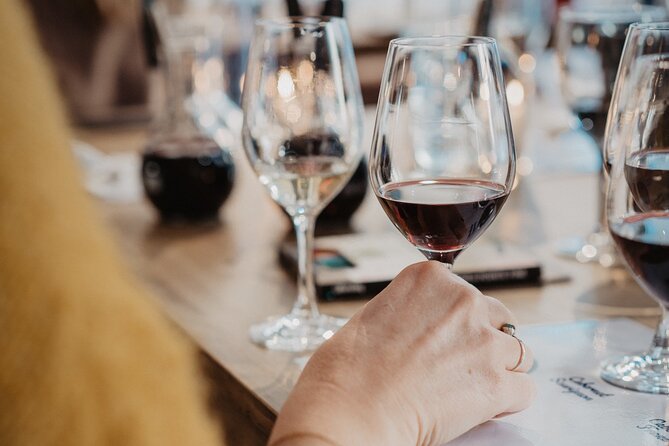
The class begins with the ideas you need to understand the rest of the tasting. You cover terroir, grape varieties, appellations, classification, winemaking, aging, storage, and the proper way to serve wine.
That list may sound technical, but the teaching is aimed at beginners as well as people who already drink Bordeaux. Guides have included Antoine, Hugo, Noe, Vincent, Matilde, and Ana. The strongest teaching pattern is practical: explain a term, taste an example, then use the glass to make the point clear.
Terroir is especially useful for anyone planning to visit the wine country around Bordeaux. It refers broadly to the combination of soil, climate, place, and local growing conditions that shape a wine. You do not need to memorize a dictionary definition. You need to understand why two wines made from related grapes can taste different when they come from different areas.
You also learn how Bordeaux labels can guide your choices. Appellation, château, and area can tell you something about a bottle before you open it. The class does not promise to turn you into a sommelier in one morning, but it gives you a working base for choosing wine with less guesswork.
The first glass: a white wine tasting lesson
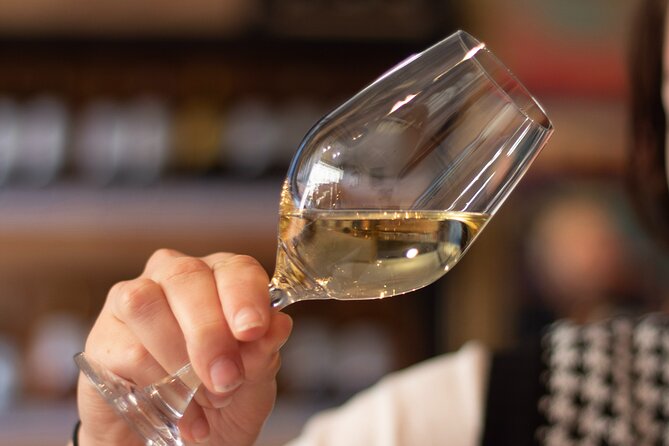
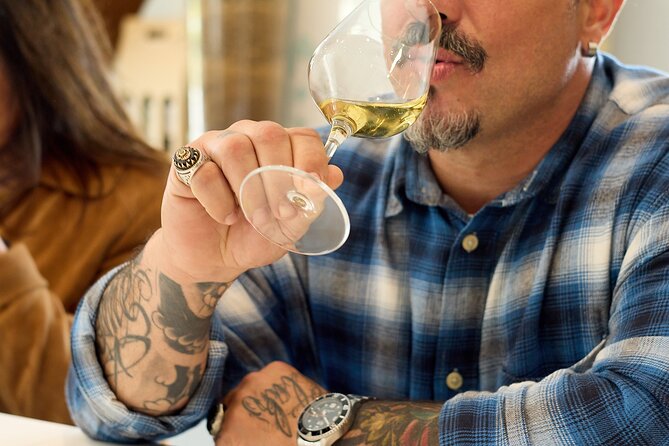
The tasting opens with one white wine. This first glass is used to teach a standard method for tasting, rather than being treated as a warm-up drink.
You learn to look at the wine, smell it, and taste it with purpose. The sense of smell receives special attention, including the difference between primary, secondary, and tertiary aromas. A scent-recognition game may be used to help you connect what you smell with what is in the glass.
This is one of the most useful parts for beginners. Many people think wine tasting depends on having an impressive vocabulary. In practice, you need a repeatable method and permission to describe what you notice in ordinary words.
The white wine also prevents the class from becoming a red-wine-only lesson. Bordeaux is famous for its reds, but the opening glass reminds you that the region produces more than one style. The exact bottle can change, since the wines and schedule may vary while the standard of the experience remains the same.
Three single-grape reds and the logic of blending
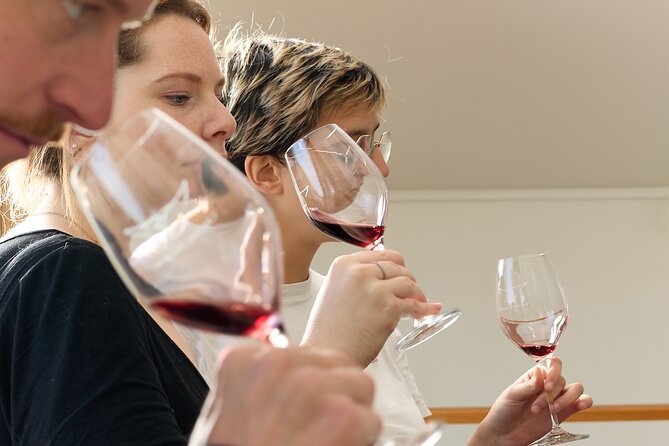
The middle of the class is the most instructive part for understanding Bordeaux. You taste three regional red wines made from single grape varieties, then consider how those grapes work together in a blend.
This is a useful choice. Bordeaux wines are often blends, so tasting one grape at a time lets you notice each variety more clearly. You can pay attention to body, aroma, acidity, tannin, and finish without several grapes competing for attention.
The point is not to declare one grape the winner. The point is to see what each contributes. One may bring structure, another fragrance, and another a softer or fuller feel. Blending lets a producer balance those traits.
The class connects the tasting to the region’s winemaking habits. That is more useful than memorizing isolated grape names because it gives you a way to think about a finished bottle. When you later see a Bordeaux blend on a menu or shop shelf, you will have a clearer idea of why the producer combined those varieties.
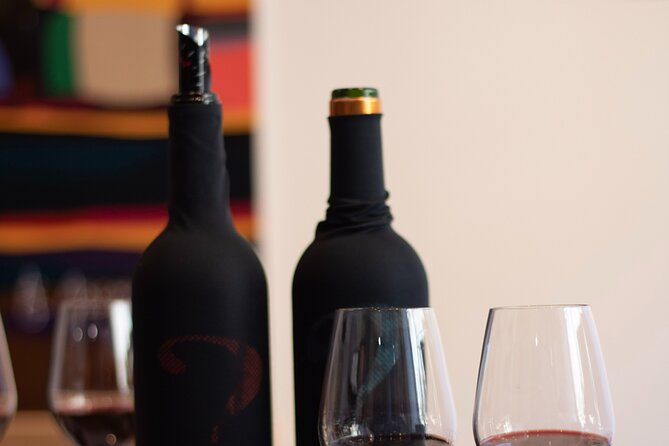
Some sessions have included a blind tasting or a small test at the end. That keeps the lesson active and gives you a chance to put the method into practice. The exact exercise is not guaranteed, but sensory activities have formed part of several sessions.
More food-paired tastings in Bordeaux:
- Tasting of 6 Bordeaux wines and pairing charcuterie & cheese
★ 5.0 · 199 reviews - Guided Bordeaux Wine Tasting Class with 6 Wines and pairings
★ 4.9 · 181 reviews - Introduction to Bordeaux wines paired with cheeses & charcuterie
★ 5.0 · 175 reviews - Workshop Bordeaux wine tasting: 4 reds & charcuterie pairing
★ 5.0 · 72 reviews
Left Bank, Right Bank, and one Grand Cru
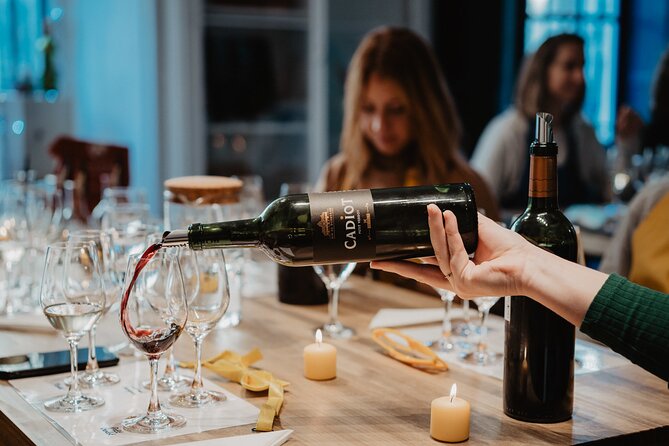
The final stage moves from individual grape traits to the regional character of Bordeaux. You taste two fine wines, one from the Left Bank and one from the Right Bank. One of these is a Bordeaux Grand Cru.
This comparison is central to the class. The Left Bank and Right Bank are not just tourist labels. They point you toward different parts of Bordeaux and different traditions in blending and style. The session gives you a foundation for exploring both areas independently.
You should not expect a full survey of every appellation or château. Ninety minutes is enough for orientation, not an exhaustive study of Bordeaux. What you get is a clear framework that can help you decide which areas to visit, what kind of bottle to order, or how to read a wine list.
The term Grand Cru can also confuse newcomers because Bordeaux classifications are not one simple ladder. The class introduces the idea in context, alongside the wines and the region, which is more helpful than treating it as a badge that automatically tells you what you will like.
Cheese, charcuterie, and the fresh baguette
The food is more than decoration. You receive a board of local cheeses and cold cuts, with fresh baguette available throughout the tasting. The food helps show how wine changes when it meets salt, fat, creaminess, and texture.
That makes the pairing lesson easy to grasp. A wine that seems sharp on its own may feel more balanced with food. A structured red can behave differently beside cured meat than it does in a clean tasting glass.
The portions are described as a snack board rather than a full meal. Plan to eat lunch afterward, especially if this is your only morning activity. The food is generous enough to support the tasting, but it should not replace a meal.
The artisanal cheese is also the likely source of the room’s characteristic food smell. Most people will see that as part of the French wine-bar setting. If you prefer neutral surroundings, a sterile tasting room, or a full restaurant lunch, this experience may not be your best fit.
What $54.42 buys you
At $54.42 per person, the price is fair for a central Bordeaux class that includes alcohol, food, teaching, and printed material. You are paying not only for six listed wines, one white and five reds, but also for a guided comparison that would be hard to reproduce by ordering random glasses at a bar.
The value is strongest if you are new to Bordeaux wine. A single well-structured lesson can save you from ordering bottles based only on a familiar name or an attractive label. It can also make later tastings more rewarding because you will know what questions to ask.
More experienced wine drinkers may still find useful material here, particularly the single-grape comparison, sensory exercises, and regional contrast. Still, the class is built as an introduction. If you already know Bordeaux appellations, grape proportions, classifications, and tasting technique, some of the basic material may feel familiar.
The wines are not promised to be the most rare or prestigious examples available in Bordeaux. One session may offer a stronger lineup than another because bottles can change. The value comes from the range and explanation, not from expecting six luxury pours.
Timing, comfort, and planning your morning
The listed start time is 11 a.m., and the advertised duration is approximately one hour and 30 minutes. Build in extra time afterward. A presenter may continue beyond 90 minutes when the group has questions, and the structure works better when nobody is watching the clock.
That extra time can be a benefit if you enjoy conversation. It can be a problem if you have booked a timed museum entry, train, lunch reservation, or afternoon excursion immediately afterward.
The tasting is available in English. It is near public transportation, and the activity returns to the meeting point. Mobile tickets are accepted, and confirmation is provided when you book.
Children under 16 and pets are not accepted in the group format. Service animals are allowed. If your party includes younger children or pets, a private tasting or another arrangement would be more suitable, though the supplied details do not specify the private option’s price or schedule.
You can cancel for a full refund up to 24 hours before the local start time. Changes or cancellations made inside that window are not accepted for a refund.
Who will get the most from this class
I would choose this for a first or second day in Bordeaux. The lesson gives you a map of the region before you start ordering bottles, visiting wine bars, or heading to château country.
It is especially suitable for:
- Wine beginners who want a clear method without feeling tested.
- Bordeaux visitors who cannot fit a full vineyard excursion into their schedule.
- Couples and small groups who enjoy discussion over wine and food.
- Regular wine drinkers who want to understand blends and the Left Bank and Right Bank distinction.
- People traveling without a car who want a central experience in Bordeaux.
I would be more cautious if you want a formal meal, a grand château setting, or a rare-wine tasting. This is a compact city workshop, not a full-day vineyard tour. You should also avoid booking it back-to-back with an important appointment because the class may last longer than its stated 90 minutes.
Should you book the Bordeaux Wines Masterclass?
Book it if you want a useful introduction to Bordeaux rather than a simple round of drinks. The single-grape red comparison, regional contrast, and sensory guidance give the class real teaching value, while the cheese, charcuterie, and baguette keep it relaxed.
At $54.42, the experience makes sense for most first-time visitors, especially if you are curious about French labels but do not yet know where to begin. Just allow extra time, expect a small tasting-room setting, and remember that the exact wines may change.
Skip it if you already have strong knowledge of Bordeaux or want a vineyard visit with scenery and château architecture. For everyone else, this is a practical way to get your bearings in the city and make smarter wine choices for the rest of your trip.
FAQ
Where does the Bordeaux Wines Masterclass start?
It starts at 2ter Rue Mably, 33000 Bordeaux, France, near the Grand Théâtre.
What time does the experience begin?
The scheduled start time is 11 a.m.
How long does the tasting last?
The advertised duration is approximately one hour and 30 minutes. It may run longer if the discussion continues.
How many wines are included?
The stated tasting includes one white wine and five red wines, for six wines in total. The exact wines and schedule may vary.
What kinds of red wines will I taste?
The session includes three regional red wines made from single grape varieties, followed by two fine wines, one from the Left Bank and one from the Right Bank. One of the final wines is a Bordeaux Grand Cru.
Is food included?
Yes. The experience includes a board of local cheeses and charcuterie, plus fresh baguette and water.
Is the class taught in English?
Yes. The experience is offered in English.
Can children attend?
Children under 16 are not allowed in the group tasting. A private tour or tasting may be more suitable, but private pricing and arrangements are not provided here.
What is the cancellation policy?
You can cancel at least 24 hours before the local start time for a full refund. Cancellations or changes made less than 24 hours before the start are not accepted for a refund.
Just added around Bordeaux
- Bordeaux Médoc Region Private Wine Lovers Tour with Chateau Visits & Tastings★ 5.0 · 40 reviews
- Bordeaux Food and Wine Tour : Authentic Artisanal Flavors★ 5.0 · 62 reviews
- Saint-Emilion Winery Morning Tour with Local Guide★ 5.0 · 67 reviews
- Médoc luxury wine tour aboard a Citroën DS Limousine Convertible★ 5.0 · 41 reviews
- Saint Emilion Morning Wine Tour – Winery & Tastings from Bordeaux★ 5.0 · 186 reviews
- Introduction to Bordeaux wines paired with cheeses & charcuterie★ 5.0 · 175 reviews
- Free Walking Bordeaux Tour ENG + 1 glass of wine (Tip based)★ 5.0 · 90 reviews
- Tasting of 6 Bordeaux wines and pairing charcuterie & cheese★ 5.0 · 199 reviews
Wine Tours in Bordeaux, compared.
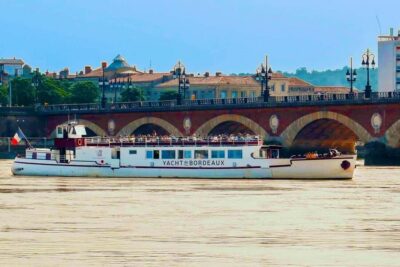
River Garonne Cruise with Glass of Wine and Canelé
Read our review →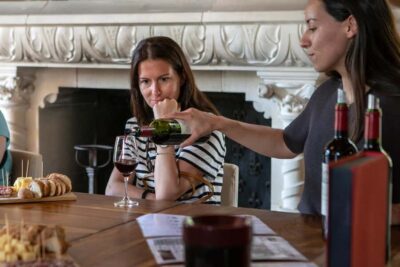
Afternoon Saint-Emilion Wine Tasting & snack
Read our review →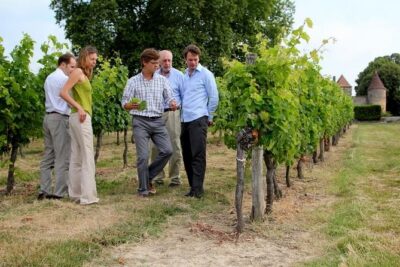
Medoc or Saint Emilion Wine Tasting and Chateau from Bordeaux
Read our review →
Saint Emilion Day Trip with Sightseeing Tour & Wine Tastings from Bordeaux
Read our review →
Saint Emilion Half-Day Trip with Wine Tasting & Winery Visit from Bordeaux
Read our review →
Browse the lists this tour appears in