
REVIEW · FRANCE
Epernay: Guided Tour of Champagne Cellar with Tastings
Vollereaux gives you a close look at Champagne production without the grand-company polish of a huge brand. This sixth-generation family house, founded in 1805, opens its working cellars and production areas for a one-hour visit, followed by three generous tastings.
I like the small-scale setting and the clear explanation of the full process, from grapes and bottles to cellar aging and finishing. I also like the value: at $20, you get a guided visit and three champagnes, not just a quick sip at a shop counter. The main thing to consider is the cellar temperature, around 10°C, so bring a sweater or vest even on a warm day.
Key points
- Six generations of one family: Vollereaux has operated since 1805 and remains family-managed.
- A working production visit: You may see equipment and cellar areas used in the Champagne-making process.
- Three champagnes included: The tasting follows the tour in the house boutique or bar.
- Small and personal: Groups are limited to about 12 people, according to the tour information provided.
- Bilingual guiding: Tours are offered in English and French, with guides such as Aurore and Antoine praised for their clear explanations.
- Easy timing: The visit lasts one hour, with about 40 minutes for the tour and 20 minutes for tasting.
A family Champagne house near Épernay
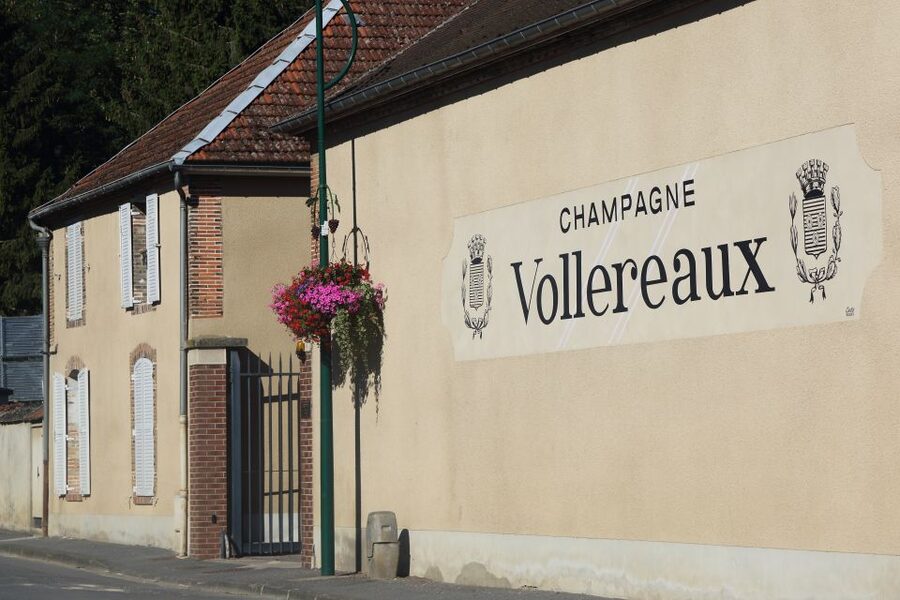
Vollereaux Champagne is in the Marne Valley, at 48 Rue Léon Bourgeois. The house traces its beginnings to 1805 and now works across more than 100 acres in 13 villages of the Coteaux Sud d’Épernay.
That scale matters. Vollereaux is not a tiny grower with only a few rows of vines, but it is also not one of the giant Champagne names built around grand visitor centers and heavy branding. You get a working family operation with enough production activity to show you the machinery, cellar, and stages of bottle preparation.
I find this middle ground appealing. A very small grower may offer a personal welcome but have little production equipment to show. A major house may have a polished route, large groups, and a carefully controlled presentation. Vollereaux offers a more direct look at how a family Champagne business operates.
The house remains under Vollereaux family management after six generations. That family continuity gives the visit a useful human thread. You are not simply learning a set of technical steps. You are seeing how a family has kept a wine business going across roughly two centuries.
More cellar visits in France:
- Beaune: Maison Champy Guided Cellar Tour with Wine Tasting
★ 4.7 · 213 reviews - Alsatian Guided Wine Tasting and Immersive wine cellar tour
★ 4.7 · 110 reviews - Paris: Cheese and Wine Class in a 17th Century Cellar
★ 4.8 · 91 reviews
What happens during the 40-minute cellar tour
The visit begins with a guided walk through the historic cellars and production areas. The tour information divides the hour into about 40 minutes of guided touring and 20 minutes of tasting, though some visits have lasted longer.
Your guide explains the history of the house and the Champagne-making process. The focus is practical: you learn how the grapes become sparkling wine, how the bottles are handled, and why the cellar is such an important part of the process.
The tour can include equipment such as crush machines, mechanical riddlers, bottle-washing machinery, and labeling equipment. These details help turn an abstract explanation into something you can see. Champagne production is often presented as a glamorous final product, but the machinery shows the careful, repetitive work behind each bottle.
One especially useful part is the explanation of bottling and cellar storage. The wine must pass through several stages before it reaches the shelf, and the guide walks you through those stages in order. If the equipment is operating during your visit, you might see more of the process in action. One machine, used to freeze the neck of the bottle, was not running during one visit, so you should not expect every piece of equipment to operate at every time.
That is a fair limitation for a working production site. The house cannot switch every machine on simply for a tour. Still, seeing the actual production areas gives the visit more substance than a tasting alone.
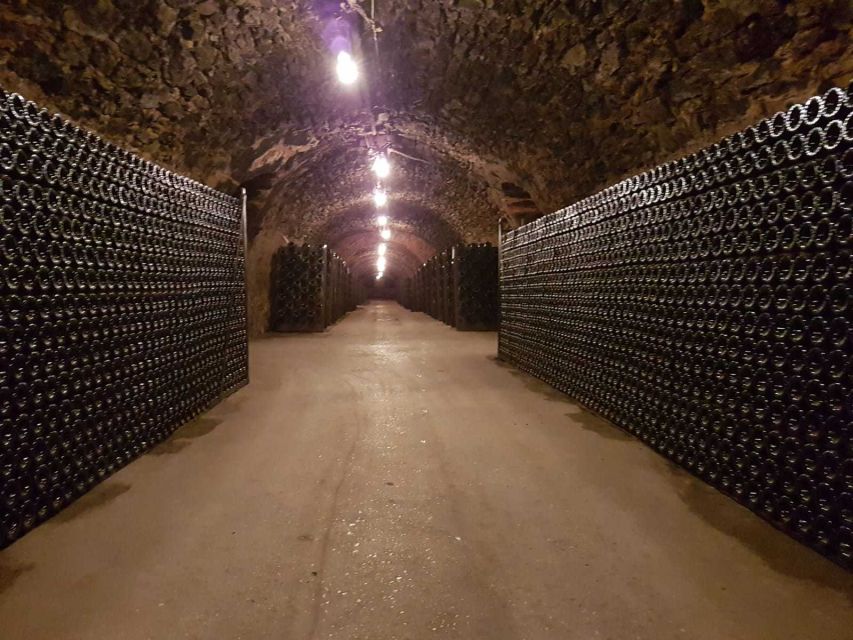
The cellar temperature is about 10°C. You should wear a sweater, jacket, or vest. This is not a small point: the cool air feels pleasant at first, but 40 minutes underground can become chilly, especially if you are dressed for summer in Épernay.
Champagne explained without too much ceremony
A good cellar tour should leave you with a better sense of why Champagne costs what it does. Vollereaux’s tour covers the method and bottling process in a way that allows time for questions.
Guides including Aurore and Antoine have been singled out for warm, clear presentations. Aurore is described as especially strong at explaining the Champagne method and answering detailed questions. English is available, though you may notice a French accent. The important point is that the tour is conducted in English or French and is intended to be interactive.
You can ask about the production steps, the equipment, the family house, and the wines you taste afterward. That question time is more useful than a memorized speech, especially if you have already visited another Champagne producer and want to compare methods.
The language is not aimed only at wine experts. You do not need to arrive knowing the difference between every production stage. The explanations begin with the basics, then give you enough detail to understand what you are seeing.
The guides also appear to keep the mood relaxed. This helps because Champagne production can become technical very quickly. You want the facts, but you also want to enjoy the visit. Vollereaux seems to strike that balance well.
The tasting: three champagnes in 20 minutes
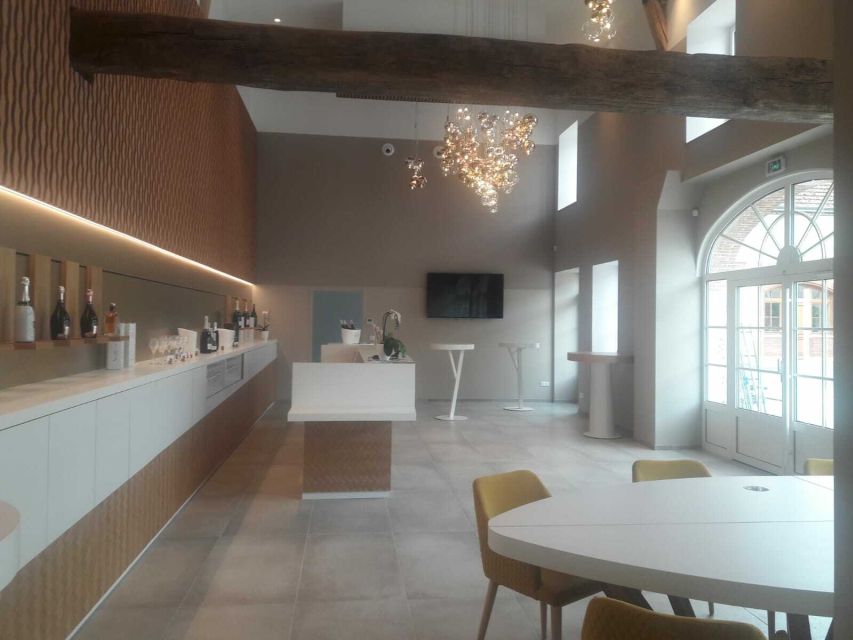
After the cellar tour, you move to the boutique or bar for three Champagne tastings. This is the part that turns the production lesson into a more complete experience.
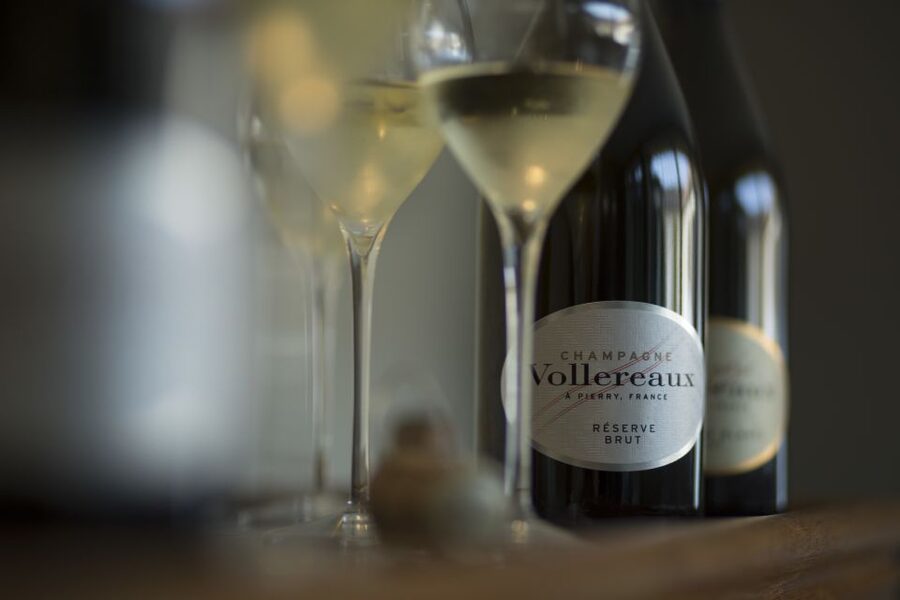
Three glasses allow you to compare the house style rather than judge one bottle in isolation. Pay attention to differences in aroma, sweetness, texture, and finish. You can connect what you taste with what you have just learned about grapes, aging, blending, and bottling.
The tasting is described as generous, and some visits have included the option of alternative tastings. The exact wines can vary, so you should not assume a particular cuvée or rosé will always be served.
You can also buy bottles after the tasting. The shop has been described as moderately priced, and the absence of hard selling is a plus if you simply want to taste and leave. If you find a bottle you like, buying directly from the house gives you a practical way to continue the experience after returning home.
At $20 per person, three pours alone make the price reasonable in Champagne, where a single glass in a central bar can cost a surprising amount. Add the cellar visit and the explanation of production, and the overall value is strong.
The tasting is not a substitute for a long wine-pairing session. You get 20 minutes within a one-hour activity, so expect a focused introduction rather than a leisurely afternoon. For most visitors, that is a strength. You can fit it into a day of sightseeing without giving up half your schedule.
More champagne houses worth the trip:
- Paris: Moulin Rouge Cabaret Show Ticket with Champagne
★ 4.7 · 16,088 reviews - Paris: Paradis Latin Cabaret Show with Optional Champagne
★ 4.6 · 2,231 reviews - Paris 3-Courses Gourmet Dinner Seine River Cruise with Champagne
★ 4.0 · 1,659 reviews - Top Private Cruises in Paris with French Champagne and surprises
★ 5.0 · 1,553 reviews
Why the smaller scale matters
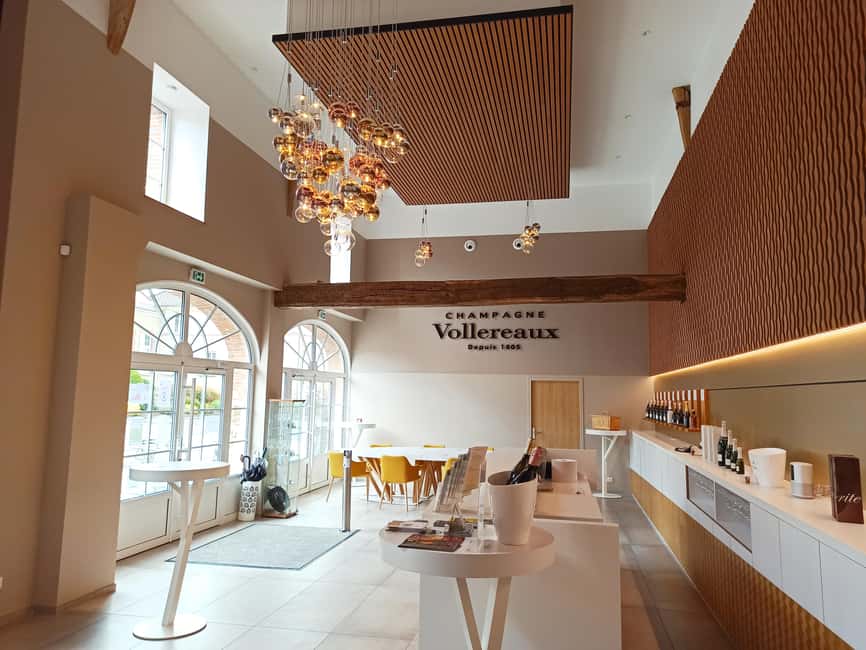
The group size is limited to about 12 people. That creates a better setting for questions and makes it easier to see the production areas without being swallowed by a crowd.
A smaller group also gives the guide room to adjust the pace. If everyone wants a basic overview, the tour can move along. If the group has several wine enthusiasts, there is more room for technical questions.
This personal approach is one of the best reasons to choose Vollereaux over a larger Champagne name. The tour is not built around a grand branded spectacle. It is about the house, its cellar, its family, and the work behind the wine.
That does not mean the visit is rustic or improvised. The house covers a sizable area and has proper production equipment. You still get a structured presentation and a clear route through the visit.
The trade-off is that the experience may feel less theatrical than a major Champagne house. If you want monumental architecture, elaborate visitor displays, or a long underground tunnel system, another producer may suit you better. If you want a direct look at a family business, Vollereaux is the better fit.
Timing, access, and practical details
The activity lasts one hour, with starting times available according to the date you choose. The listed starting and ending point is 48 Rue Léon Bourgeois, though the exact meeting point can vary with the option booked.
The house is in the Marne Valley near Épernay. One past visitor found it possible to walk from the city center, while another appreciated parking directly outside. Since transport details can vary with your plans, check the meeting instructions carefully before setting out.
The tour is wheelchair accessible. Pets are not allowed, so leave animals elsewhere. English and French guiding is available.
The cellar is cool, and comfortable shoes are sensible for walking through production and storage areas. The official advice is to wear a vest or sweater because the temperature is around 10°C.
Cancellation is flexible: you can cancel up to 24 hours ahead for a full refund. A reserve-now, pay-later option is also available, which helps if your Champagne itinerary is still shifting.
Who will enjoy this visit most
I would choose this tour if you want a short, well-priced introduction to Champagne production. It suits first-time visitors who want more than a tasting but do not want a half-day wine program.
It also works well for couples and small groups. The limited group size keeps the visit personal, and the three tastings give you enough wine to compare styles without turning the activity into a long drinking session.
Wine enthusiasts should appreciate the chance to ask questions about equipment, bottling, and cellar work. The tour may also appeal to anyone interested in family businesses, since Vollereaux remains under sixth-generation management.
Families should consider the nature of the activity carefully. The tour is educational and takes place in a cool cellar, with Champagne tasting at the end. It is best suited to adults and older children who can appreciate the production explanation.
You may want a different experience if your main goal is a vineyard walk. The provided tour centers on the Champagne house, production areas, historic cellars, and tasting. It does not promise a guided stroll through the vineyards.
Is $20 good value?
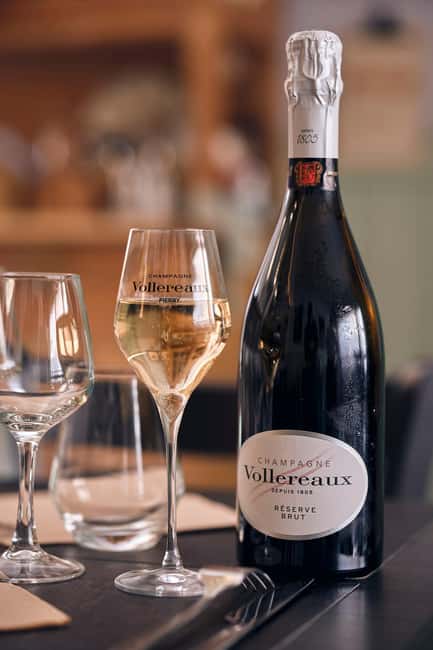
Yes, especially if you compare it with the cost of separate cellar visits and tastings at better-known houses. For $20, you receive a guided tour, an explanation of the Champagne process, and three tastings.
The value is not only in the number of glasses. The guide helps you understand what you are tasting and how it was made. That context makes the final pours more meaningful.
The tour is also efficient. At one hour, it leaves room for lunch, another cellar visit, a walk through Épernay, or a trip through the Marne Valley. You get a real introduction without committing to a full-day wine schedule.
Keep your expectations in line with the price. This is not a private tasting, a vineyard picnic, or an extended technical seminar. It is a compact guided visit at a family Champagne house, followed by three samples. Within those limits, the price is hard to fault.
Should you book Vollereaux Champagne House?
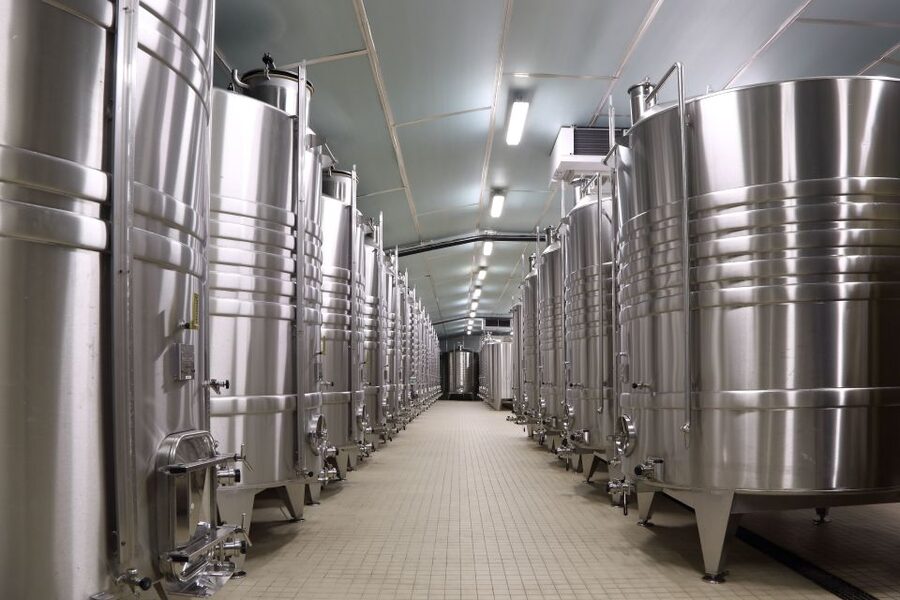
Book it if you value a personal family-run visit, clear explanations, and three tastings at a modest price. The combination of a working production area, historic cellar, bilingual guide, and small group gives you a useful look at Champagne beyond the famous labels.
I would especially recommend it for a first visit to the region, or as a counterpoint to a larger commercial house. The tour gives you enough detail to understand the process, while the tasting keeps the experience enjoyable rather than overly academic.
Skip it only if you want a long vineyard excursion, grand architecture, or a full afternoon of wine tasting. For a focused one-hour visit near Épernay, with a cool cellar, family history, and three glasses included, Vollereaux is a smart choice.
FAQ
How long does the Vollereaux Champagne tour last?
The activity lasts one hour. About 40 minutes are allocated to the guided tour, followed by about 20 minutes for tasting three champagnes.
Where does the tour take place?
The Champagne house is in the Marne Valley at 48 Rue Léon Bourgeois. The exact meeting point may vary depending on the option booked.
How many champagnes are included?
The tour includes a tasting of three different champagnes after the guided visit.
Is the tour available in English?
Yes. The live tour guide is available in English and French.
What should I wear for the cellar visit?
The cellar temperature is around 10°C, so wear a sweater, vest, or light jacket.
Is the tour wheelchair accessible?
Yes, the activity is wheelchair accessible. Pets are not allowed.
Just added around France
- Bordeaux Wines Masterclass paired with cheeses & charcuterie★ 5.0 · 110 reviews
- Bordeaux Médoc Region Private Wine Lovers Tour with Chateau Visits & Tastings★ 5.0 · 40 reviews
- Bordeaux Food and Wine Tour : Authentic Artisanal Flavors★ 5.0 · 62 reviews
- Saint-Emilion Winery Morning Tour with Local Guide★ 5.0 · 67 reviews
- Médoc luxury wine tour aboard a Citroën DS Limousine Convertible★ 5.0 · 41 reviews
- Saint Emilion Morning Wine Tour – Winery & Tastings from Bordeaux★ 5.0 · 186 reviews
- Introduction to Bordeaux wines paired with cheeses & charcuterie★ 5.0 · 175 reviews
- Free Walking Bordeaux Tour ENG + 1 glass of wine (Tip based)★ 5.0 · 90 reviews
Wine Tours in France, compared.
Authentic Parisian Gourmet Food Tour with 10 Local Dishes & Wines
Read our review →
Loire Valley Castles Day Trip from Paris with Complementary Wine
Read our review →
River Garonne Cruise with Glass of Wine and Canelé
Read our review →
Montmartre Hill French Gourmet Food and Wine Tasting Walking Tour
Read our review →
Montmartre Cheese, Wine & Pastry Guided Walking Tour
Read our review →
Loire Valley Castles Day Trip With Wine Tasting
Read our review →
Afternoon Saint-Emilion Wine Tasting & snack
Read our review →Browse the lists this tour appears in