
REVIEW · DIJON
Burgundy wine tasting tour Half-Day Beaune from Dijon
Burgundy makes you work a little for its wine. There are no grand winery gates at every turn. Instead, tiny parcels, old villages, stone walls, and famous names such as Romanée-Conti, Clos de Vougeot, Chambertin, and Montrachet unfold along the road. This half-day trip gives you a useful introduction without asking you to plan the route yourself.
I like the mix of serious wine instruction and time in Beaune, where you can browse shops selling mustard, blackcurrant liquor, honey spice cake, and aniseed from Flavigny. I also like the small group, limited to eight people, since guides such as Paul, Anne, Sébastien, and Sonia have room to answer questions rather than deliver a fixed speech.
The main consideration is the tasting format. You may taste 5 to 7 good wines, sometimes including Premier Cru or Grand Cru, but the tour usually centers on one tasting stop rather than several working wineries. If your priority is visiting multiple producers and drinking generous pours, this may feel brief.
Key points to know before booking
- Follow Burgundy’s famous Grand Cru road: See the vineyards linked with Romanée-Conti, Clos de Vougeot, Chambertin, and Montrachet while passing old villages, castles, abbeys, and Romanesque churches.
- Taste Côte de Beaune and Côte de Nuits wines: Expect a guided introduction to white Burgundy and Pinot Noir, with 5 to 7 wines and, at times, Premier Cru or Grand Cru examples.
- Get a practical wine lesson: Guides explain terroir, vineyard divisions, labels, grape varieties, local history, and the difference between nearby plots.
- Explore Beaune independently: Free time lets you stroll the medieval center, shop for local specialties, or visit the 500-year-old Hôtel-Dieu if your schedule allows.
- Ride in a small group from Dijon: Transportation is included, and the group is capped at eight people. A minimum of four participants is required for the tour to operate.
- Allow for a compact schedule: The outing lasts five hours, so it is a smart overview rather than a slow, multi-estate wine holiday.
Why this five-hour Burgundy tour works
Burgundy is one of France’s most confusing wine regions for newcomers. A bottle label may emphasize a village, vineyard, or tiny plot rather than a familiar producer or grape. The result can feel like a code until someone explains how the pieces fit together.
That is the real value here. You are not simply driven through pretty vineyards and handed a glass. The guide connects the road outside the van with what you taste later. You learn why Côte de Nuits is closely associated with Pinot Noir, why Côte de Beaune is important for Chardonnay as well as red wine, and why two vineyards close to each other can produce wines with different character.
The guides named in the feedback include Paul, Anne, Gabriel, Sébastien, Dylan, Sonia, Matthieu, Thomas, and others. Their styles vary, but the strongest pattern is clear: the tour depends heavily on the person leading it. Past guides have included sommeliers, producers, collectors, and local specialists. You can expect the guide to explain wine in plain language, answer questions, and add stories about Burgundy’s villages and winemaking traditions.
That makes this a good choice even if you are not already a wine enthusiast. One participant began as someone who did not care much for wine and finished with a better understanding and appreciation of it. You do not need to know how to taste wine before joining.
More Wine Tours in Dijon
- Dijon: La Cave du Palais Burgundy Wine Tasting Experience
★ 4.8 · 400 reviews - Small-Group Full-Day Tour of Côte de Nuits, Côte de Beaune Vineyards and Beaune Historical District
★ 5.0 · 364 reviews - Pinot Noir Masterclass – Wine tasting in Dijon
★ 5.0 · 147 reviews
Leaving Dijon for the Grand Cru route
The tour departs from Dijon, with the minivan stopping in the bus lane beside the kiosk called SIZZLE & CHILL. Arrive five minutes early. The driver-guide may wait up to ten minutes for late arrivals, but after that the booking is treated as a no-show. Use the supplied Google Maps location rather than Apple Maps, which is specifically noted as showing the wrong place.
Once aboard, the drive becomes part of the lesson. Burgundy’s best-known vineyards are not isolated behind large visitor centers. They are woven into a working countryside of narrow village roads, old stone buildings, church towers, walled estates, and rows of vines. Your guide points out the names and boundaries that can be hard to spot from the road.
The Grand Cru names matter because they represent the top level of Burgundy’s vineyard classification. Hearing Romanée-Conti, Clos de Vougeot, Chambertin, and Montrachet while you are near the actual parcels gives the names a physical setting. You begin to understand that Burgundy wine is tied closely to a particular patch of soil, not simply to a broad region.
The drive also passes through villages with long winemaking traditions. Reviews describe the scenery as some of the most memorable of the day, even outside the growing season. In winter, the vines may be bare, but you can see vineyard workers and the structure of the rows more clearly. In warmer months, the greenery changes the view, but the tour’s value does not depend only on the vines being in bloom.
Côte de Nuits and Côte de Beaune in one outing
A useful feature of the route is that it brings together the Côte de Nuits and Côte de Beaune. For someone planning a first Burgundy visit, this is more helpful than spending the entire afternoon in one village without understanding the wider region.
The Côte de Nuits is associated with celebrated red Burgundy, especially Pinot Noir. The Côte de Beaune is known for important white wines as well as reds. The guide explains how grape varieties, soil, slope, vineyard position, producer choices, and local classifications shape the bottle in your glass.
Several people appreciated learning about terroir, a French term covering the combined effect of soil, site, climate, and cultivation. One guide reportedly showed how the character of vineyards can change from one side of the road to the other. That kind of explanation is useful because it turns an abstract wine word into something you can observe during the drive.
You should not expect a long walking tour through each vineyard. The itinerary is mainly a scenic and educational drive, with views from the minivan and commentary along the way. That is efficient, but it also means the experience is more about understanding Burgundy than getting muddy among the vines.
The tasting: 5 to 7 wines with a regional focus
The tasting is the heart of the tour. You are introduced to a selection of Côte de Beaune and Côte de Nuits wines, generally including white Burgundy and Pinot Noir reds. The stated range is 5 to 7 wines, and past tastings have included Premier Cru and, in some cases, Grand Cru wine.
This is a strong selection for a five-hour outing. It gives you enough glasses to compare styles without turning the afternoon into a rushed drinking session. The guide or tasting-room specialist explains aromas, flavors, structure, and the reasons wines from nearby areas can taste different.
One tasting included six wines at a local distributor. Another involved seven fine wines in a private cellar. One account refers to nine wines, though the planned range is 5 to 7, so you should treat that larger number as an occasional variation rather than a promise.
The setting may not be a traditional family winery. Burgundy has many small producers and limited public visitor facilities, so the tasting can take place at a cellar, specialist venue, or distributor rather than at a large estate with rows of barrels and a polished visitor center. This is an important point for anyone used to wine tourism in Australia, California, or other regions where each stop often has its own tasting room.
The upside is that you can sample a wider regional selection in one place. The downside is that you may not see a producer actively making wine. One past participant specifically wished for another vineyard tasting, while another felt the quality and explanation made the single stop worthwhile.
Pours are tasting portions, not full glasses. If you want a cellar visit at several estates, this is not the right format. If you want a clear first lesson in Burgundy wines while someone else handles the driving, the arrangement makes good sense.
More tastings around France:
- Bordeaux: Cité du Vin Entry Ticket and Wine Tasting
★ 4.6 · 3,885 reviews - Montmartre Hill French Gourmet Food and Wine Tasting Walking Tour
★ 5.0 · 2,588 reviews - From Paris: Loire Valley Castles Day Trip With Wine Tasting
★ 4.6 · 1,727 reviews - From Bordeaux: Afternoon Saint-Emilion Wine Tasting & snack
★ 4.8 · 1,581 reviews
What the wine lesson can teach you
The most praised part of the experience is the guide’s ability to make a complicated subject understandable. Past guides explained vineyard history, wine-growing traditions, geology, grape varieties, producer differences, and how to read Burgundy labels.
That last point is especially practical. Burgundy labels can be intimidating because the village and vineyard name may matter more than the grape variety. After the tour, you should have a better idea of how to read names from the region and how Premier Cru and Grand Cru fit into the classification system.
You can also ask questions about buying wine. Dylan, for example, helped with choices after the tasting. That advice can be useful in Burgundy, where the most expensive bottle is not automatically the best match for your taste or budget.
The teaching style seems to matter as much as the subject. Guides such as Thomas, John, Jean, and Michel were praised for being friendly, clear, lively, or funny. A good guide keeps five hours moving at a comfortable pace and avoids making wine feel like a school exam.
Beaune: free time in Burgundy’s wine capital
The stop in Beaune gives the tour a welcome change of pace. After several hours of vineyard names and wine terminology, you can walk on your own through the historic center, browse traditional shops, and choose how to spend your free time.
The available time is generally around an hour, though some past versions of the outing allowed longer. That is enough for a short walk and a few shops, but not enough to see every museum and monument at a relaxed pace. You should plan your priorities before arriving.
The most important sight is the Hôtel-Dieu, the 500-year-old hospital with its famous patterned roof. One past participant strongly recommended allowing an hour for it. If the visit is important to you, check how much free time your particular departure gives you, since the published tour duration is five hours and the schedule must also include the drive and tasting.
Beaune’s food shops are another reason to enjoy the stop. Look for crème de cassis, Burgundy’s blackcurrant liquor, mustard, honey spice cake, and the aniseed sweets of Flavigny. These make easy gifts and give you a taste of the region beyond wine.
The limitation is simple: Beaune is an introduction, not a full city tour. You are free to wander rather than follow a dedicated guide through its streets. I like that arrangement because it lets you choose between a monument, shopping, a quick meal, or simply a walk through the old center.
Price, group size, and practical value
At $112 per person, the price includes transportation, an English or French-speaking wine expert, and the wine tasting. For five hours from Dijon, that is a reasonable package if you would otherwise need to arrange a car, navigate the vineyard roads, book tastings, and coordinate a visit to Beaune.
The small group is important. With a maximum of eight people, you have a better chance of asking about a label, a grape, or a village without losing the guide’s attention. One past group had only another couple aboard, which made the experience feel especially personal.
The tradeoff is that the tour needs at least four participants to run. If your plans are rigid, keep that requirement in mind. Free cancellation is available up to 24 hours before departure, and you can reserve now and pay later, which helps if your Dijon schedule is still changing.
The tour is listed as wheelchair accessible. Since accessibility can depend on the specific vehicle and stop arrangements, it is sensible to confirm details when booking if you need assistance.
Transport received a perfect score from 88 percent of people who rated that part of the experience. The overall rating is 4.7 from 182 reviews, with repeated praise for the vans, the guides, and the balance between driving, tasting, and Beaune.
Who should book this Burgundy wine tour
I would choose this tour if you are staying in Dijon and want a fast, structured introduction to the region. It suits first-time Burgundy visitors, couples, small groups, and anyone who wants to taste without driving afterward.
It is also a good fit for people who do not yet speak the language of wine. The guide can explain Burgundy from the ground up, and the mix of scenery, history, and tasting keeps the subject from becoming too technical.
You may want a different arrangement if your main goal is to visit several individual estates, meet multiple producers, or spend a full day tasting. The tour offers context and comparison, but it does not promise a series of winery appointments.
Should you book it?
Book this half-day Burgundy wine tasting tour if you want the major wine-road sights, a well-explained tasting, and time in Beaune without renting a car. The strongest reason to go is the guide-led education. You will see why these vineyards matter, then taste examples from the two main Côte regions.
Skip it if you want long cellar visits, large pours, or a slow day built around several separate producers. For most visitors based in Dijon, though, the five-hour format gives you a useful first look at Burgundy and leaves enough time for other plans.
FAQ
Where does the tour depart from?
The minivans stop in the bus lane beside the SIZZLE & CHILL kiosk. You should arrive five minutes before departure and use the supplied Google Maps location, since Apple Maps shows the wrong location.
How long does the tour last?
The tour lasts five hours, including transportation from Dijon, the Grand Cru route, the wine tasting, and free time in Beaune.
How many wines will I taste?
The planned tasting includes 5 to 7 Burgundy wines from the Côte de Beaune and Côte de Nuits. The selection includes white wines and Pinot Noir reds, with some tastings featuring Premier Cru or Grand Cru wine.
Is Beaune included in the itinerary?
Yes. You have free time to walk through Beaune’s historic center and visit traditional shops selling regional products such as blackcurrant liquor, mustard, honey spice cake, and aniseed from Flavigny.
What languages are available?
The tour is available with a live guide in English or French.
What happens if I need to cancel?
You can cancel up to 24 hours before departure for a full refund. You can also reserve your place and pay later.
More Half-Day in France
- From Bordeaux: St. Emilion Village Half-Day Wine Tour
★ 4.7 · 728 reviews - From Bordeaux: Half-Day Saint-Émilion Tour and Wine Tasting
★ 4.7 · 699 reviews - Bordeaux: Vineyards Wine Tasting Half-Day Trip
★ 4.2 · 470 reviews - Half-Day Wine tour across Bordeaux’s Vineyards
★ 3.5 · 429 reviews
More Food & Drink in France
- Authentic Parisian Gourmet Food Tour with 10 Local Dishes & Wines
★ 5.0 · 4,754 reviews - Medoc or Saint Emilion Wine Tasting and Chateau from Bordeaux
★ 5.0 · 1,415 reviews - Saint-Émilion: Grand Cru Classé Winery Visit and Tasting
★ 4.6 · 1,118 reviews - Saint Emilion Half-Day Trip with Wine Tasting & Winery Visit from Bordeaux
★ 4.5 · 1,034 reviews
Just added around France
- Bordeaux Wines Masterclass paired with cheeses & charcuterie★ 5.0 · 110 reviews
- Bordeaux Médoc Region Private Wine Lovers Tour with Chateau Visits & Tastings★ 5.0 · 40 reviews
- Bordeaux Food and Wine Tour : Authentic Artisanal Flavors★ 5.0 · 62 reviews
- Saint-Emilion Winery Morning Tour with Local Guide★ 5.0 · 67 reviews
- Médoc luxury wine tour aboard a Citroën DS Limousine Convertible★ 5.0 · 41 reviews
- Saint Emilion Morning Wine Tour – Winery & Tastings from Bordeaux★ 5.0 · 186 reviews
- Introduction to Bordeaux wines paired with cheeses & charcuterie★ 5.0 · 175 reviews
- Free Walking Bordeaux Tour ENG + 1 glass of wine (Tip based)★ 5.0 · 90 reviews
Wine Tours in Dijon, compared.
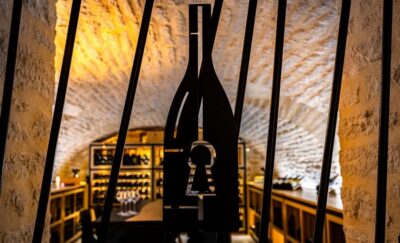
La Cave du Palais Burgundy Wine Tasting Experience
Read our review →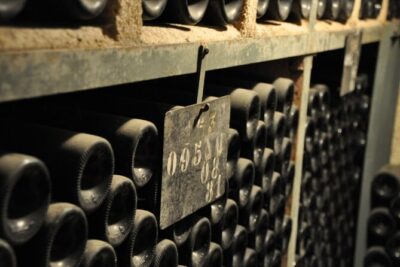
Small-Group Full-Day Tour of Côte de Nuits, Côte de Beaune Vineyards and Beaune Historical District
Read our review →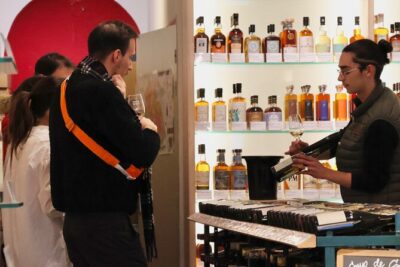
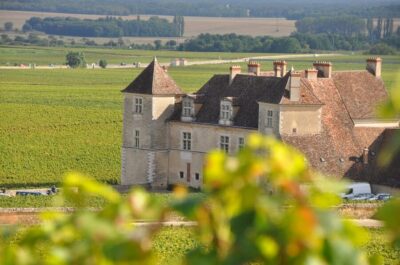
Burgundy Wines Full-Day Tasting Tour from Dijon
Read our review →
Bike tour and Tastings in the Vineyards of Burgundy
Read our review →
Historic Center of Dijon : Discovery Tasting Wine Burgundy
Read our review →Browse the lists this tour appears in