
REVIEW · DIJON
Dijon: La Cave du Palais Burgundy Wine Tasting Experience
La Cave du Palais puts Burgundy’s complicated wine world in a wonderfully simple setting: an old vaulted cellar in central Dijon, with six wines in your glass and a guide explaining what makes each one different. I like the small groups of up to eight, which leave room for real questions, and the way guides such as Antoine, Leo, Robin, and Prune turn technical subjects into friendly conversation. You are not just handed a tasting sheet and left to guess.
I also like the range, from regional appellations up to Grand Cru, and the chance to compare red and white Burgundy in one sitting. The main thing to consider is that this is a cellar tasting, not a visit to working vineyards. If you want vines, estate buildings, and a trip into the countryside, you will need a separate excursion.
Key points to know before you book
- Six Burgundy wines in 90 minutes: Expect a focused tasting rather than a long meal or a full-day winery trip.
- A historic cellar in central Dijon: La Cave du Palais sits inside the Hotel du Palais, about a five-minute walk from Place de la République.
- From regional to Grand Cru: The tasting shows how Burgundy’s appellation system affects a wine’s status, character, and price.
- Guides who encourage questions: Hosts including Antoine, Leo, Robin, Prune, and Sebastian have led relaxed sessions in French and English.
- A genuinely small group: With no more than eight participants, the conversation can adapt to beginners and experienced wine drinkers.
- Not suitable for everyone: Participants must be over 18, and the activity is not suitable for children, pregnant women, or wheelchair users.
Entering La Cave du Palais in central Dijon
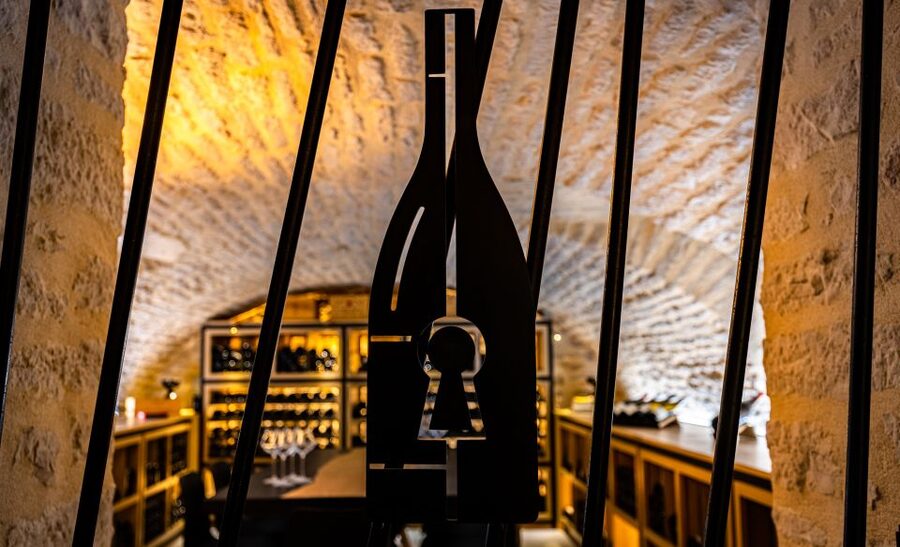
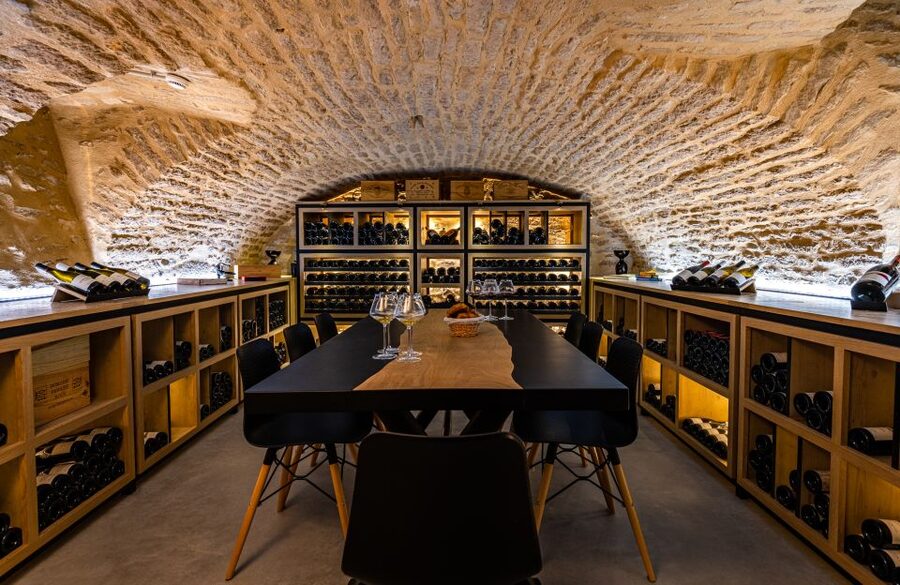
The setting does much of the work before the first glass is poured. La Cave du Palais is located at the Hotel du Palais, only about five minutes on foot from Place de la République. You can reach it easily from Dijon’s center without a car, which matters if this tasting is part of a short city break.
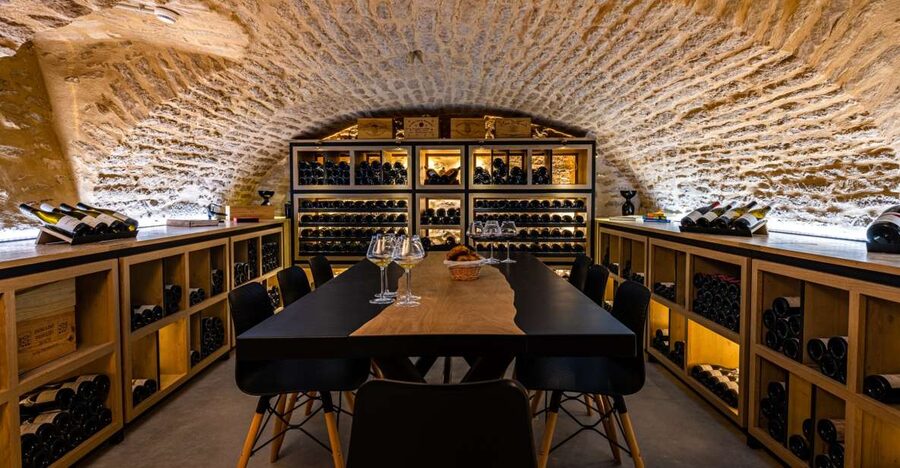
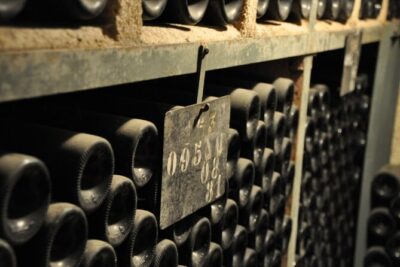
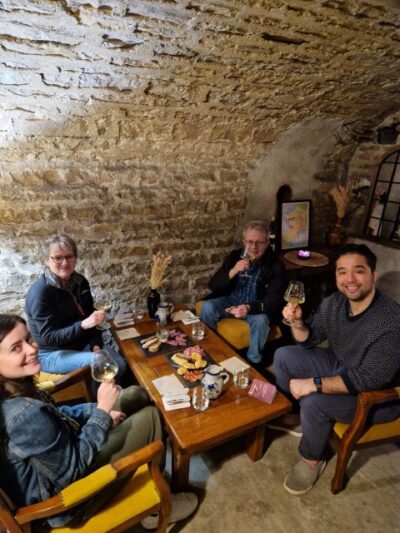
The cellar is an original underground space with vaulted ceilings and a cozy, carefully designed feel. It is not a grand château or a country estate. That is part of its appeal. You are tasting Burgundy in the city where you are staying, in a room that feels tied to Dijon’s older fabric rather than placed in a modern tourist center.
I would plan this for late afternoon or early evening. Ninety minutes is long enough to settle into the subject without taking over your whole day. It also works well before dinner, especially since the tasting gives you a better sense of what to order with a Burgundian meal afterward.
The location is easy to reach, but the cellar setting may not suit anyone who has trouble with underground spaces or stairs. The available information does not promise wheelchair access, and the activity is specifically listed as unsuitable for wheelchair users. Check the exact meeting instructions before you go.
More Wine Tours in Dijon
- Small-Group Full-Day Tour of Côte de Nuits, Côte de Beaune Vineyards and Beaune Historical District
★ 5.0 · 364 reviews - Burgundy wine tasting tour Half-Day Beaune from Dijon
★ 4.7 · 182 reviews - Pinot Noir Masterclass – Wine tasting in Dijon
★ 5.0 · 147 reviews
Six glasses that explain Burgundy
The tasting is built around six wines, with pours selected to show the breadth of Burgundy. The precise bottles can vary, so you should not book expecting a fixed producer or vintage. What remains central is the comparison: regional wines alongside more highly classified appellations, including Grand Cru.
This range gives you a useful frame of reference. A regional Burgundy may come from a wider area, while a more specific appellation points to a narrower place. The Grand Cru bottle represents the top level of Burgundy’s classification system. You are not simply sampling six unrelated wines. You are seeing how place and classification guide the way Burgundy is understood and sold.
Past sessions have included three red and three white wines, giving you a balanced look at both sides of the region. That mix is especially useful if you normally focus on one color. A white Burgundy can make the discussion of soil, vintage, and aging feel quite different from the same ideas applied to a red.
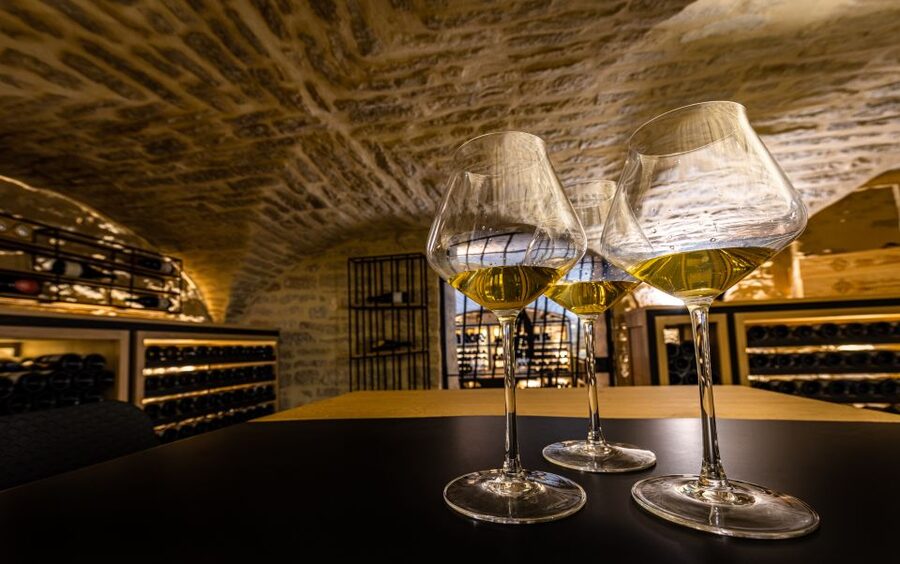
Do not expect six full glasses. This is a tasting, not six servings of wine. Still, the selection is substantial enough to compare color, aroma, texture, and finish. You may also have the chance to buy a bottle after the tasting, but there is no obligation to purchase anything.
Why climate, terroir, and vintage matter
Burgundy wine can seem intimidating because the labels are built around places more than famous grape brands. The session helps turn that puzzle into something you can use.
You learn about Burgundy’s climats, the named vineyard sites that reflect specific places and growing conditions. The discussion connects those locations to soil, geography, exposure, and the qualities found in the grapes. This is not just abstract wine vocabulary. The point is to taste the difference in the glass.
Vintage is another key part of the lesson. The year a wine was produced affects growing conditions and the final character of the bottle. Your guide explains why the same broad area can produce wines with different qualities from one year to another.
Aging also gets proper attention. You learn why some wines are enjoyed for their freshness while others gain complexity over time. The guide may compare the structure and balance of different bottles as you taste, helping you understand why age matters without turning the session into a lecture on cellar management.
This is where the tasting earns its keep. You are given a way to make sense of differences that can otherwise feel vague. The best guides, including Antoine, Leo, Robin, and Prune in various sessions, have been praised for answering questions clearly and keeping the discussion open rather than overly formal.
A guide-led lesson, not a stiff wine class
The tone is relaxed and interactive. You can ask about a label, a region, a flavor, or the classification system as you go. The host explains the wines while you taste them, so the information has an immediate point of reference.
That format suits beginners particularly well. You do not need to know the difference between an appellation and a vineyard before arriving. You can listen, taste, and ask a basic question without feeling out of place.
It also has enough substance for people who already drink wine. One session was particularly well received by people working in the American wine trade, who still found the guide’s regional and global comparisons useful. The quality of the discussion depends partly on your host, but the repeated strengths are clear: friendly delivery, patience, and plenty of time for questions.
Language should not be a major barrier. The hosts speak French and English, and some sessions have included Spanish as well. Several guides are French, but their English has been described as very strong. If your group includes different language backgrounds, tell the host what you need at the start so the conversation can work for everyone.
More tastings around France:
- Bordeaux: Cité du Vin Entry Ticket and Wine Tasting
★ 4.6 · 3,885 reviews - Montmartre Hill French Gourmet Food and Wine Tasting Walking Tour
★ 5.0 · 2,588 reviews - From Paris: Loire Valley Castles Day Trip With Wine Tasting
★ 4.6 · 1,727 reviews - From Bordeaux: Afternoon Saint-Emilion Wine Tasting & snack
★ 4.8 · 1,581 reviews
What the 90-minute itinerary feels like
The opening portion usually sets the scene. You meet in the cellar, get introduced to the subject, and begin with an explanation of Burgundy’s wine areas and classification system. This gives you a map before the tasting becomes more detailed.
The middle of the session is the heart of the activity. You work through the six wines while the guide explains the places and years behind them. The conversation moves between red and white wines, appellations, terroir, aging, and the qualities that separate a regional bottle from a Grand Cru.
Because the group is small, the session can adjust to the people at the table. A beginner might ask how to compare two wines, while a more experienced drinker may want to discuss production or classification. Guides have also helped participants take photos of the bottles, which is a useful touch if you want to remember what you tasted or search for a bottle later.
The closing part gives you time to ask final questions and decide if any bottle appeals to you. A purchase may be possible, but the tasting does not require it. If you find a wine you like, take a photo of the label and ask the guide where it fits within the wider Burgundy system.
The 90-minute limit is a strength and a weakness. You get a clear introduction in a compact format, but the subject is large. You will not cover every village, producer, or vineyard in Burgundy. Think of this as a well-made orientation, not a complete education.
How the price compares with a vineyard visit
At $64 per person, the value depends on what you want from a wine activity. For six tastings, a small group, live instruction, and a distinctive cellar in central Dijon, the price is reasonable. You are paying for the guide’s explanation as much as for the wine itself.
A countryside winery visit might offer vineyard views and a closer look at production, but it would take more time and usually require transport beyond Dijon. La Cave du Palais is the practical choice if you have only a day or two in the city, are traveling without a car, or want a structured introduction before visiting estates on your own.
The setting also makes the activity useful on a rainy day or outside the main vineyard season. You get the Burgundy connection without building half a day around transport. For a first visit to Dijon, I consider that a real advantage.
The value is less clear if you are seeking rare pours, a large meal, or an advanced tasting focused on one producer. Extra tastings are not included, so you should treat the six scheduled wines as the full package. The activity is also not designed as a food pairing event.
The guides make the difference
The host is central to the experience. Antoine has been praised for his humor, clear answers, and easy presentation. Leo has guided sessions for both curious beginners and people already involved in wine. Robin is known for explaining the regions in an engaging way, while Prune has offered both wine advice and useful Dijon restaurant suggestions.
These names may not be your guide on the day, so I would not book around a particular person. Still, they show the kind of hosting you can expect: informed, local, and conversational rather than scripted.
The best sessions feel like a discussion around a table. You are encouraged to speak up, compare impressions, and ask why one wine feels different from another. That matters because wine tasting is more useful when you can connect the explanation to your own senses.
A good guide will not insist that you detect a particular flavor or pretend there is only one correct response. If you are new to wine, that relaxed approach can make the hour and a half much more enjoyable.
Who should book this Dijon tasting
I would choose La Cave du Palais if you want to understand Burgundy before spending more money on bottles or vineyard tours. It is also a good fit for couples, solo visitors, and small groups who like talking with people from other countries.
The activity suits:
- First-time Burgundy visitors who want a clear introduction
- Wine drinkers who want to compare regional, village-level, and Grand Cru classifications
- Visitors without a car
- People with limited time in Dijon
- Couples looking for an evening activity before dinner
- Mixed groups with French and English speakers
I would look elsewhere if you want to walk through vines, see winemaking equipment, or spend a full day at an estate. It is also not suitable for anyone under 18, pregnant participants, or wheelchair users.
You should eat something before the tasting, though the supplied details do not describe food being served. Six wines in 90 minutes can feel substantial, and you will enjoy the discussion more if you are not trying to rush through it.
Practical details for planning your visit
The tasting costs $64 per person and lasts 90 minutes. It is offered in French and English, with groups limited to eight participants. The cellar is in the Hotel du Palais, around five minutes from Place de la République in Dijon’s center.
You must be over 18, and pets are not allowed. The activity is not suitable for children, pregnant women, or wheelchair users. If accessibility is important for you, contact the provider before booking rather than relying on the general meeting-point description.
You can cancel up to 24 hours before the start for a full refund. A reserve-now, pay-later option is also available, which helps if your Dijon plans may change.
Should you book La Cave du Palais?
Book it if you want a friendly, focused introduction to Burgundy wine without leaving Dijon. The vaulted cellar, six-wine range, small group, and patient French and English commentary create a strong package for the price.
Skip it if your main goal is a vineyard walk or a technical producer visit. For everyone else, especially first-time Burgundy drinkers, this is a smart way to spend 90 minutes. You leave with a better grasp of appellations, vintages, and Grand Cru, plus a much better chance of choosing a bottle or restaurant wine with confidence.
FAQ
Where does the wine tasting take place?
It takes place at La Cave du Palais in the Hotel du Palais, in central Dijon. The cellar is about a five-minute walk from Place de la République.
How long does the experience last?
The tasting lasts 90 minutes.
How many wines are included?
Six wine tastings are included. The selection covers Burgundy wines from regional appellations to Grand Cru.
Is the tasting available in English?
Yes. The host or greeter speaks French and English. Some sessions may also include Spanish support.
How large is the group?
The activity is limited to eight participants.
Do I need to be over 18?
Yes. You must be over 18 to take part in the wine tasting.
Are extra tastings included?
No. Extra tastings are not included in the stated price.
Can I buy a bottle after the tasting?
A purchase may be possible after the tasting, but buying wine is not required.
Is the activity suitable for wheelchair users?
No. The experience is listed as unsuitable for wheelchair users.
Can I cancel my booking?
Yes. You can cancel up to 24 hours in advance for a full refund. A reserve-now, pay-later option is also available.
More Food & Drink in France
- Authentic Parisian Gourmet Food Tour with 10 Local Dishes & Wines
★ 5.0 · 4,754 reviews - Medoc or Saint Emilion Wine Tasting and Chateau from Bordeaux
★ 5.0 · 1,415 reviews - Saint-Émilion: Grand Cru Classé Winery Visit and Tasting
★ 4.6 · 1,118 reviews - Saint Emilion Half-Day Trip with Wine Tasting & Winery Visit from Bordeaux
★ 4.5 · 1,034 reviews
Just added around France
- Bordeaux Wines Masterclass paired with cheeses & charcuterie★ 5.0 · 110 reviews
- Bordeaux Médoc Region Private Wine Lovers Tour with Chateau Visits & Tastings★ 5.0 · 40 reviews
- Bordeaux Food and Wine Tour : Authentic Artisanal Flavors★ 5.0 · 62 reviews
- Saint-Emilion Winery Morning Tour with Local Guide★ 5.0 · 67 reviews
- Médoc luxury wine tour aboard a Citroën DS Limousine Convertible★ 5.0 · 41 reviews
- Saint Emilion Morning Wine Tour – Winery & Tastings from Bordeaux★ 5.0 · 186 reviews
- Introduction to Bordeaux wines paired with cheeses & charcuterie★ 5.0 · 175 reviews
- Free Walking Bordeaux Tour ENG + 1 glass of wine (Tip based)★ 5.0 · 90 reviews
Wine Tours in Dijon, compared.
Small-Group Full-Day Tour of Côte de Nuits, Côte de Beaune Vineyards and Beaune Historical District
Read our review →Burgundy wine tasting tour Half-Day Beaune from Dijon
Read our review →
Burgundy Wines Full-Day Tasting Tour from Dijon
Read our review →
Bike tour and Tastings in the Vineyards of Burgundy
Read our review →
Historic Center of Dijon : Discovery Tasting Wine Burgundy
Read our review →Browse the lists this tour appears in