
REVIEW · BORDEAUX
Bordeaux: Wine and Trade Museum Entry Ticket & Wine Tasting
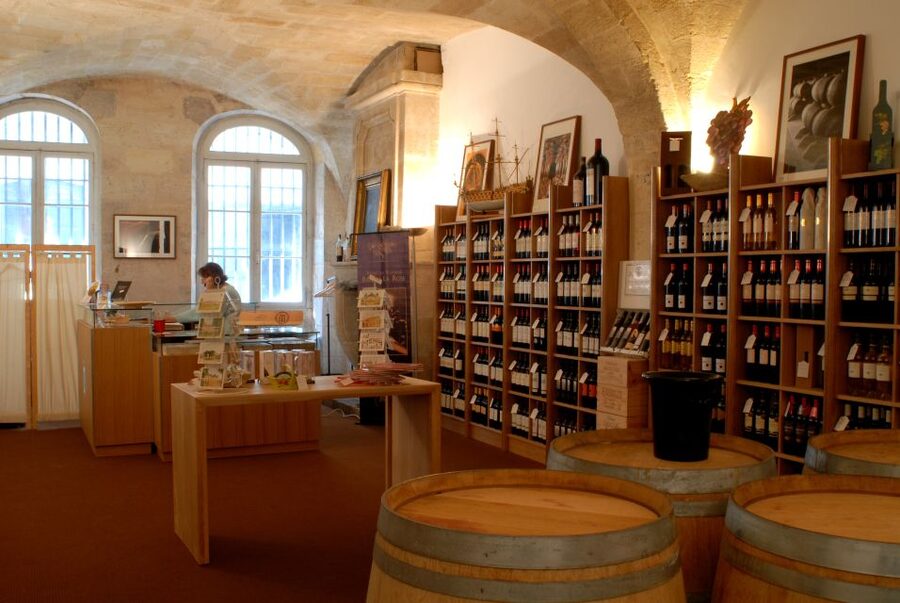
Bordeaux’s wine story becomes much easier to understand when you see it in the old vaulted cellars where merchants once stored barrels. I like the mix of self-guided museum time and a short tasting session, and I like that the presentation explains grape varieties, AOC rules, terroir, and classifications before you taste. The small groups, limited to nine people, also keep the final tasting from feeling like a crowded bar.
The main drawback is that this is not a fully guided museum tour. You explore with a paper guide or audio guide, then join the vineyard presentation and tasting. If you want a long visit to famous châteaux or a full day in the countryside, this compact city experience will feel too modest. At $14, though, it offers a lot for a first look at Bordeaux wine.
Key points at a glance
- Historic cellars from around 1720: Walk through two atmospheric underground spaces tied to Bordeaux’s traditional wine trade.
- Two local wines with regional sweets: The tasting pairs wine with chocolate-coated raisins and canelés de Bordeaux.
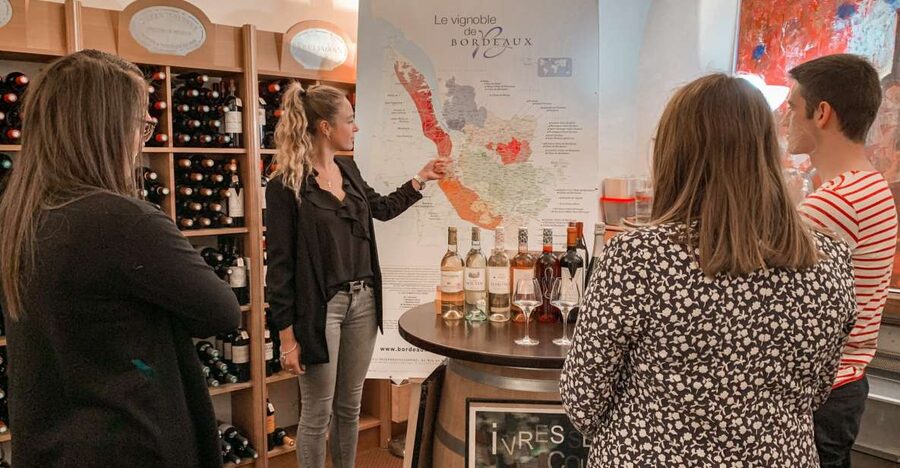
- A useful vineyard presentation: Learn how grapes, appellations, terroir, and classification affect the bottle in your glass.
- Paper guide or audio guide: Explore the museum at your own pace in one of many listed languages.
- Small tasting groups: The experience limits the group to nine participants.
- Good value at $14: You receive museum entry, a guide, the vineyard presentation, and a two-wine tasting.
Start at the former royal broker’s residence
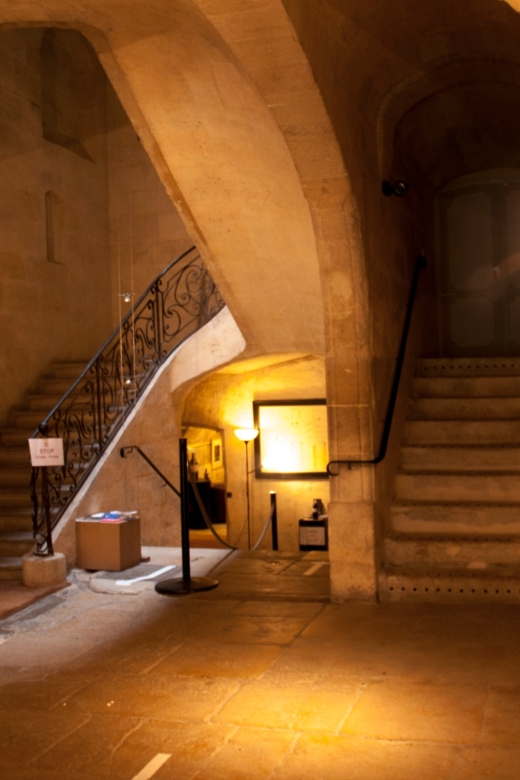
The Wine and Trade Museum occupies the former home of Louis XV’s royal broker, a fitting address for a museum about Bordeaux merchants and their international wine business. You begin here, rather than at a distant château, so this experience fits neatly into a day of sightseeing in the city.
I like that the museum focuses on the people and trade behind the bottle. Bordeaux wine is often presented through grand estates and famous names, but merchants, brokers, coopers, storage cellars, and shipping networks helped turn regional wine into an international product.
Your entry is valid for one day, and the activity begins at the museum itself. That makes the plan simple: arrive at the meeting point, collect your paper guide or audio guide, and set your own pace through the exhibits.
The museum is not presented as a conventional live guided tour. That matters if you prefer to stop often, read carefully, or move quickly through familiar material. It also means you should pay attention to the timing of the vineyard presentation and tasting, since those are the parts with a set format.
More Wine Tours in Bordeaux
- Bordeaux: Cité du Vin Entry Ticket and Wine Tasting
★ 4.6 · 3,885 reviews - Bordeaux: River Garonne Cruise with Glass of Wine and Canelé
★ 4.5 · 3,630 reviews - From Bordeaux: Afternoon Saint-Emilion Wine Tasting & snack
★ 4.8 · 1,581 reviews
Two vaulted cellars and three centuries of wine trade
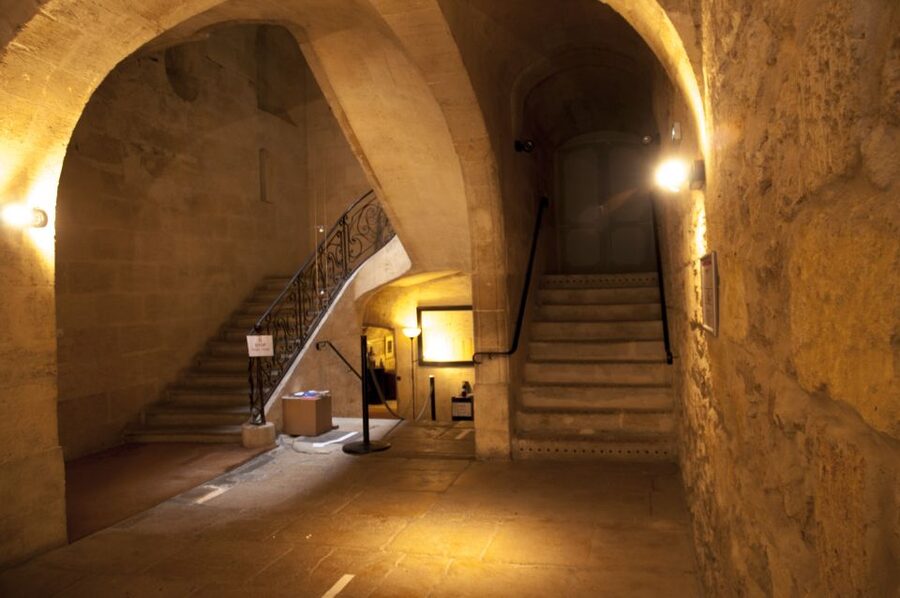
The historic cellars are the most distinctive physical part of the visit. Dating from around 1720, they show how wine was kept and handled before modern temperature-controlled facilities became standard.
As you walk through the two cellar spaces, look for the traditional barrels and the signs of the cooper’s craft. A cooper makes and repairs wooden barrels, and barrel work was central to the old wine trade. Here, the storage rooms help explain why aging wine was not only a matter of taste, but also a practical part of merchant operations.
I find this kind of setting more useful than a display of bottles alone. A cellar gives you a sense of scale and working conditions. It also makes the long timeline easier to picture, from Bordeaux’s earlier merchant culture to the region’s modern reputation.
The cellars are atmospheric, but do not expect a working château visit. You are seeing historic spaces connected with wine storage and trade, not touring vineyard rows, production tanks, or a large modern cellar complex. If you want to watch harvesting or winemaking in progress, you will need a different experience outside the city.
Use the guide to explore at your own speed
You can choose a paper guidebook or an audio guide, with options listed in French, Portuguese, Spanish, Russian, Korean, Chinese, Japanese, Italian, English, German, and Dutch. That range is one of the practical strengths of the visit.
I would choose the audio guide if you want a smoother flow through the cellars and exhibits. A paper guide suits you better if you like to pause, compare details, or avoid listening through headphones. The self-guided format also works well for couples or small groups who do not all read at the same speed.
The museum visit gives you context before the tasting. You can learn about Bordeaux’s wine merchants, the development of the trade, and the role of storage and barrels. Then, when you reach the tasting, terms such as grape variety and appellation have a little more meaning.
Do not expect a host to lead every step of the museum portion. The listed host and greeter languages are extensive, but the visit itself is designed around your chosen guide material rather than a continuous personal tour. The live element comes later, with the vineyard presentation and guided tasting.
The vineyard presentation puts the tasting in context
At the end of the museum visit, you join a presentation about the Bordeaux vineyards. This is the bridge between looking at objects and tasting wine.
The presentation covers key ideas such as grape varieties, AOC, terroir, and regional classifications. In plain terms, you learn how the type of grape, the legally defined origin of a wine, the local soil and growing conditions, and Bordeaux’s classification systems all shape what appears in the bottle.
This is especially helpful if Bordeaux wine labels usually leave you guessing. Bordeaux often identifies wines by estate, appellation, and region rather than by printing the grape variety in large type. A short explanation before tasting can make the label and the flavor seem less mysterious.
I also like the focus on environment. The point is not simply that one grape tastes a certain way. The surrounding conditions, growing area, and regional rules influence the final wine. You will not become a wine expert in one sitting, but you should leave with a better framework for comparing bottles.
The presentation is described as dedicated and commented, but the available information does not name a specific presenter or guide. If having a particular wine educator is important to you, book this for the subject matter rather than for a named personality.
More tastings around Bordeaux:
- Medoc or Saint Emilion Wine Tasting and Chateau from Bordeaux
★ 5.0 · 1,415 reviews - Saint Emilion Day Trip with Sightseeing Tour & Wine Tastings from Bordeaux
★ 5.0 · 1,120 reviews - Saint Emilion Half-Day Trip with Wine Tasting & Winery Visit from Bordeaux
★ 4.5 · 1,034 reviews - From Bordeaux: Half-Day Saint-Émilion Tour and Wine Tasting
★ 4.7 · 699 reviews
Taste two wines with Bordeaux-style treats
The final tasting includes two locally selected wines. The wines are chosen in-house, so the exact bottles may vary. That is worth keeping in mind if you are hoping to taste a particular château, vintage, or appellation.
The tasting is paired with raisins dorés, chocolate-coated raisins, and traditional canelés de Bordeaux. The canelé is a small French pastry associated with Bordeaux, with a dark caramelized exterior and a soft center. The sweet pairing gives you a simple way to notice how food changes the feel of wine.
The experience information specifically promises two wines. One recent account described three wines instead, so the number may occasionally vary, but I would plan your visit around two. That keeps your expectations realistic and avoids treating an extra pour as part of the guaranteed offer.
One useful caution: the included items clearly mention raisins dorés, while the broader description also mentions canelés. The canelé is part of the stated tasting description, but the formal inclusions list only raisins dorés. If the pastry pairing is a deciding factor for you, confirm the current serving details before booking.
The small group limit of nine is important here. A tasting works better when you can hear the explanation and take a moment with each glass. It also makes it easier to ask a question without turning the session into a public lecture.
Still, this is an introductory tasting, not a large wine course. You will taste two wines and receive commentary, but the experience does not promise extensive food pairings, a cellar tour beyond the museum spaces, or a bottle to take home.
Why the $14 price makes sense
At $14 per person, this is one of the more accessible ways to add a wine activity to a Bordeaux sightseeing day. The price includes museum admission, the paper guidebook, the vineyard presentation, the guided tasting of two local wines, and raisins dorés.
I see the value in the combination. Museum entry alone gives you a historic setting and background on Bordeaux’s merchants. The tasting then turns that information into something practical. You are not paying only for a glass of wine, and you are not paying only to read display panels.
The price is also low enough that you can treat this as an introduction rather than a major investment. If you already have a full château itinerary, the museum can fill a free hour or two without competing with a costly vineyard excursion.
The tradeoff is scope. This ticket does not include transport into the countryside, a guided château visit, a vineyard walk, or a large tasting flight. If your main goal is to compare many wines or meet a producer at the source, spend more on a dedicated vineyard outing.
You can reserve now and pay later, and cancellation is free up to 24 hours before the experience for a full refund. Those terms help if your Bordeaux schedule is still shifting, but the core value comes from the museum and tasting rather than booking flexibility.
Who will get the most from this visit
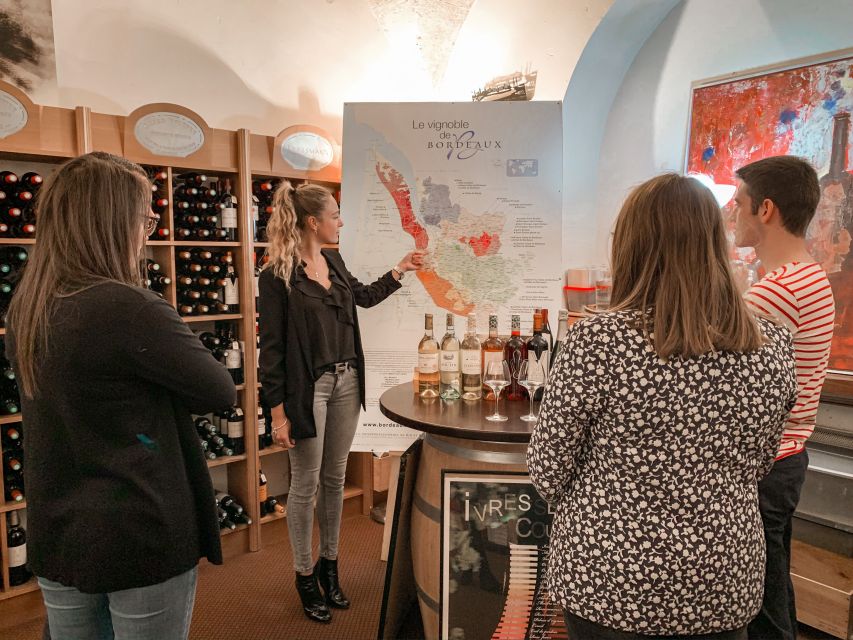
I would recommend this experience if you are staying in Bordeaux and want a first, city-based introduction to local wine. It suits you especially well if you like museums, old commercial buildings, and a tasting with enough explanation to make the wine easier to understand.
It also works for mixed groups. A serious wine enthusiast can focus on the trade and classification material, while a casual drinker can enjoy the cellar setting, the pastry, and the chance to try two local wines without committing to a full-day excursion.
The many guide language options make it practical for international visitors. The small group size is another plus for couples and small parties who want a quieter tasting.
I would be less likely to choose it if you have already visited several Bordeaux wine estates and want technical cellar work, vineyard time, or a broad tasting lineup. The museum is about Bordeaux wine culture and commerce, not a substitute for an estate visit in the countryside.
The experience is also not ideal if you want every minute led by a live guide. Much of the museum portion is self-guided, using the paper or audio material. That freedom is useful, but it requires a little initiative from you.
How to plan your time
The activity is valid for one day, with starting times based on availability. The supplied information does not give a fixed total visit length, so allow enough time for both the self-guided museum portion and the scheduled presentation and tasting.
I would avoid arriving at the last possible moment. You need time to begin at the museum, select or receive your guide format, and explore the two cellars before the final session.
Because the visit stays in Bordeaux, it is easy to pair with other city sightseeing. You can schedule it as a cultural stop rather than building an entire day around transport. The museum setting also gives you a change of pace from churches, riverfront walks, and busy streets.
The experience is best approached with modest expectations and a curious palate. Listen for one or two ideas in the vineyard presentation, then see if you can spot them in the wines. You do not need to know Bordeaux classifications beforehand.
What the high rating tells you to expect
The experience has a 4.4 rating from 121 reviews, with repeated praise for the museum staff, the historical account of Bordeaux wine, the audio guide, and the tasting itself. Those strengths match the design of the activity: clear background, independent exploration, and a short guided finish.
The audio guide receives particular praise, so I would choose it if you want more structure than a quick walk through the displays. The staff also receive credit for professionalism, which matters when the experience combines ticketing, museum guidance, and a timed tasting.
The tasting is often described as a highlight, but the format remains small and simple. You receive two local wines with regional sweet treats, not a full meal or a wide flight. One person noted receiving three wines but wished for a small savory bite, which gives you a useful expectation: the food pairing is light and sweet.
That balance is important. If you want a snack with your wine, the raisins and canelé may be enough for a taste, but they are not lunch. Plan another meal separately.
Should you book the Bordeaux Wine and Trade Museum tasting?
I would book this for good value and useful context. For $14, you get access to historic cellars, a choice of guide formats, a presentation on Bordeaux vineyards, and a small guided tasting. It is a sensible first step before spending more on a château tour.
Book it if you want an easy city activity, enjoy learning the story behind a regional product, or prefer a short tasting over a full-day wine excursion. Choose the audio guide if you want more direction, and remember that the guaranteed tasting is two wines.
Skip it if you need vineyard views, producer contact, or a large selection of wines. For everyone else, this is a practical introduction to Bordeaux’s wine world, with enough history to make the glass in your hand more interesting.
FAQ
Where does the experience begin?
It begins at the Bordeaux Wine and Trade Museum.
What is included in the ticket?
The ticket includes museum entry, a paper guidebook, a Bordeaux vineyard presentation, a guided tasting of two local wines, and raisins dorés.
How many wines are included?
The experience is advertised with a guided tasting of two local wines. One account described receiving three wines, but you should plan on two.
What food is served with the wine?
The tasting includes raisins dorés, which are chocolate-coated raisins. The experience description also mentions traditional canelés de Bordeaux.
Is the museum visit guided?
The museum portion is self-guided with either a paper guide or an audio guide. The vineyard presentation and wine tasting are guided.
Which languages are available?
The listed languages are French, Portuguese, Spanish, Russian, Korean, Chinese, Japanese, Italian, English, German, and Dutch.
Can I cancel the booking?
You can cancel up to 24 hours in advance for a full refund. You can also reserve now and pay later.
More Museums in Bordeaux
- Porto: Cálem Cellar Tour, Interactive Museum & Wine Tasting
★ 4.5 · 4,113 reviews - Porto: The Wine Experience, Best Wine Museum in the World
★ 4.7 · 621 reviews - Picasso Museum and Walking Tour Plus Optional Wine & Food Tasting
★ 5.0 · 596 reviews - Tenerife: Wine Museum Ticket with Local Wines & Food Tasting
★ 4.5 · 393 reviews
More Food & Drink in Bordeaux
- Bordeaux Wine and Trade Museum Admission Ticket with Wine Tasting
★ 4.5 · 599 reviews - Bordeaux: Vineyards Wine Tasting Half-Day Trip
★ 4.2 · 470 reviews - From Bordeaux: Saint-Émilion Half-Day Tour with Wine Tasting
★ 4.9 · 389 reviews - From Bordeaux: Saint-Emilion Guided Wine Tasting Tour
★ 4.8 · 319 reviews
Just added around Bordeaux
- Bordeaux Wines Masterclass paired with cheeses & charcuterie★ 5.0 · 110 reviews
- Bordeaux Médoc Region Private Wine Lovers Tour with Chateau Visits & Tastings★ 5.0 · 40 reviews
- Bordeaux Food and Wine Tour : Authentic Artisanal Flavors★ 5.0 · 62 reviews
- Saint-Emilion Winery Morning Tour with Local Guide★ 5.0 · 67 reviews
- Médoc luxury wine tour aboard a Citroën DS Limousine Convertible★ 5.0 · 41 reviews
- Introduction to Bordeaux wines paired with cheeses & charcuterie★ 5.0 · 175 reviews
- Saint Emilion Morning Wine Tour – Winery & Tastings from Bordeaux★ 5.0 · 186 reviews
- Free Walking Bordeaux Tour ENG + 1 glass of wine (Tip based)★ 5.0 · 90 reviews
Wine Tours in Bordeaux, compared.
River Garonne Cruise with Glass of Wine and Canelé
Read our review →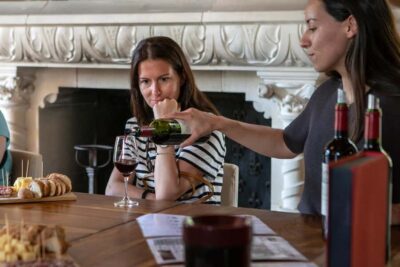
Afternoon Saint-Emilion Wine Tasting & snack
Read our review →
Medoc or Saint Emilion Wine Tasting and Chateau from Bordeaux
Read our review →
Saint Emilion Day Trip with Sightseeing Tour & Wine Tastings from Bordeaux
Read our review →
Saint Emilion Half-Day Trip with Wine Tasting & Winery Visit from Bordeaux
Read our review →
Browse the lists this tour appears in