
REVIEW · PORTUGAL
Porto: Cálem Cellar Tour, Interactive Museum & Wine Tasting
The most interesting part of this Cálem experience is the way it connects the Douro Valley with the cool, dark cellars of Vila Nova de Gaia. You see how grapes grown upriver become Port, then finish with two styles in the glass.
I like the short, well-shaped format and the interactive museum, which gives you useful context before the cellar tour begins. I also like the guides’ mix of facts and humor. Guides including Claudia and Erin have led engaging sessions. The main drawback is that one hour goes quickly, and sound from nearby groups can make parts of the tour feel rushed.
Key points to know before you book
- The tasting includes two Ports: Cálem Fine White and Cálem Special Reserve Tawny.
- The museum takes about 15 minutes: You explore it at your own pace before joining the guide.
- The cellar tour lasts about 30 minutes: It covers Port production, ageing, the Douro region, and Cálem’s history.
- The location is easy to pair with sightseeing: Cálem Cellars sits at Avenida Diogo Leite, 344, beside the Douro in Vila Nova de Gaia.
- The basic price is about $23: That is fair for a museum, guided cellar visit, and tasting, though premium tastings may offer more for a small extra charge.
- The tour works for many visitors: It is wheelchair accessible and offered in English, Spanish, French, and Portuguese.
Why Cálem is a good first Port cellar
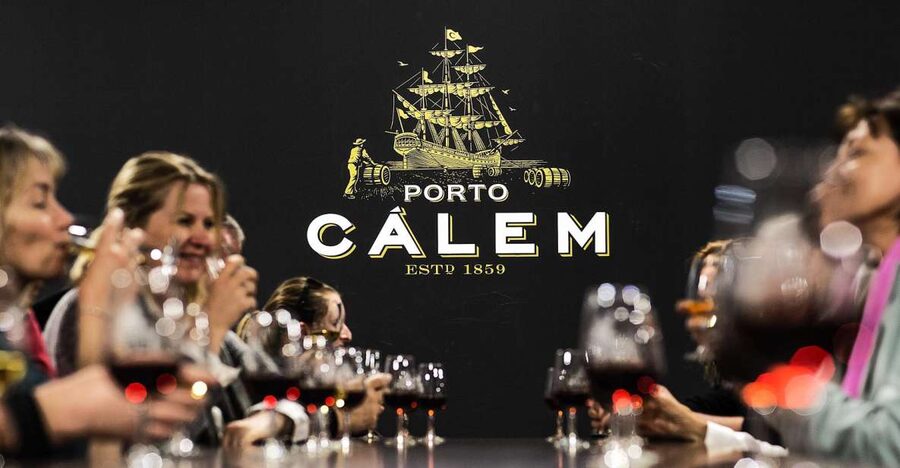
If you are new to Port, Cálem gives you the essential story without asking you to spend half a day at a wine estate. In one compact visit, you learn about the Douro growing region, the production process, storage in Gaia, and the different types of Port.
That makes it especially useful early in a Porto visit. The next day, if you head into the Douro Valley, you will already understand why the grapes are grown there and why the finished wine is traditionally stored across the river in Gaia.
The setting helps. Cálem Cellars is on Avenida Diogo Leite, the waterfront road lined with Port houses. You can combine the tour with a stroll along the Douro, a meal in Vila Nova de Gaia, or a walk across the Dom Luís I Bridge into Porto.
Cálem is also a practical choice if you have only an hour free. The advertised price is about $23 per person, and that includes the museum, guided visit, and two samples. For a short activity in a central location, I consider that good value, particularly if you want an introduction rather than a long technical tasting.
More cellar visits in Portugal:
- Porto: Bridges Cruise & Sunset & Port Wine Cellar Option
★ 4.2 · 4,180 reviews - Porto: Cálem Cellar Tour, Fado Show & Wine Tasting
★ 4.4 · 3,530 reviews - Porto: City Train Tour, River Cruise & Wine Cellar
★ 3.9 · 2,601 reviews
Starting with the 15-minute interactive museum
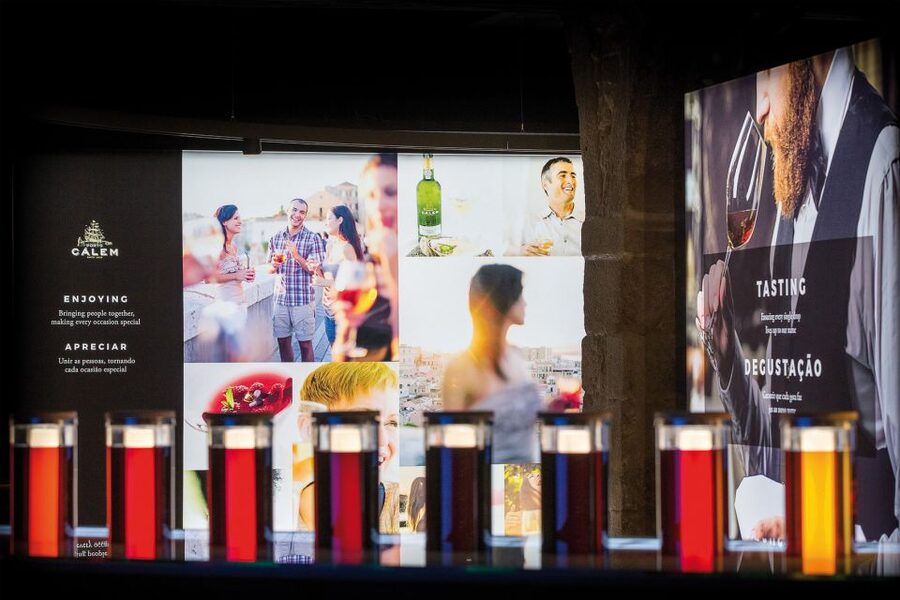
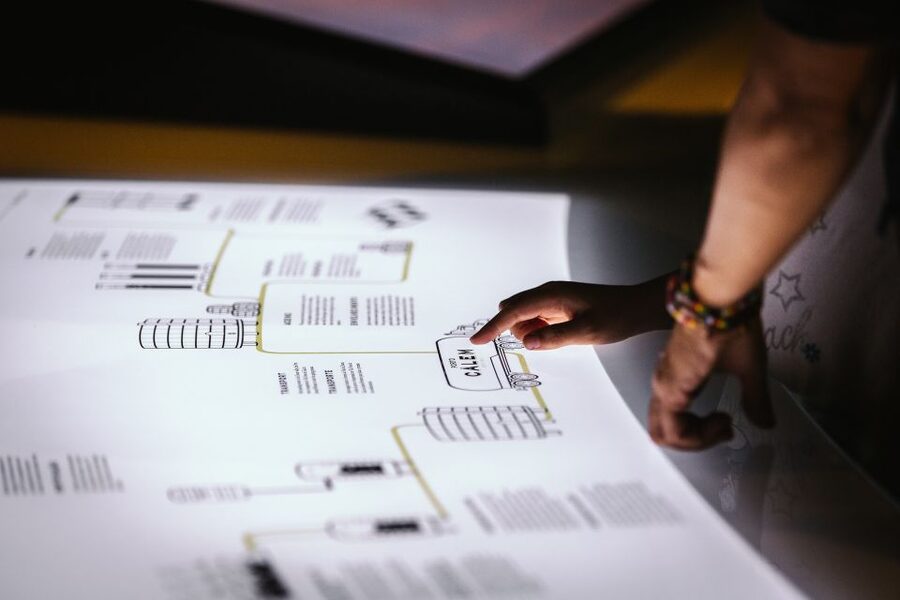
The visit begins with roughly 15 minutes in Cálem’s interactive museum. This section uses modern displays to explain the Douro region and the basic stages of Port production.
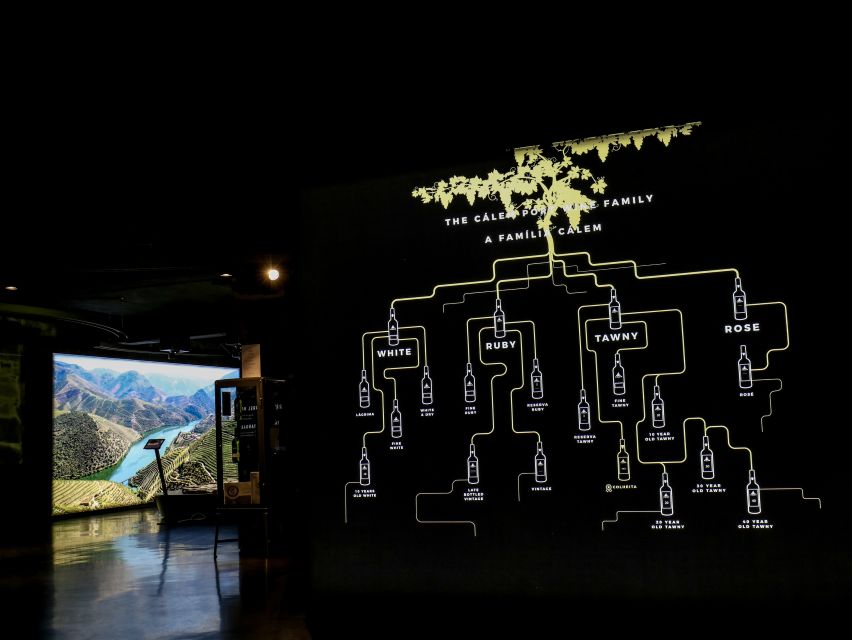
You can learn about the climate and terrain of the valley, the grapes, and the reasons the wine develops its character. The material also helps explain the relationship between the Douro and Gaia. Port is made from grapes grown in the Douro, but the historic cellars are in Vila Nova de Gaia, where the wine has traditionally been stored and aged.
I like this order. You get the vocabulary and broad picture before entering the cellar, so the barrels and storage areas have a purpose rather than looking like rows of old wood.
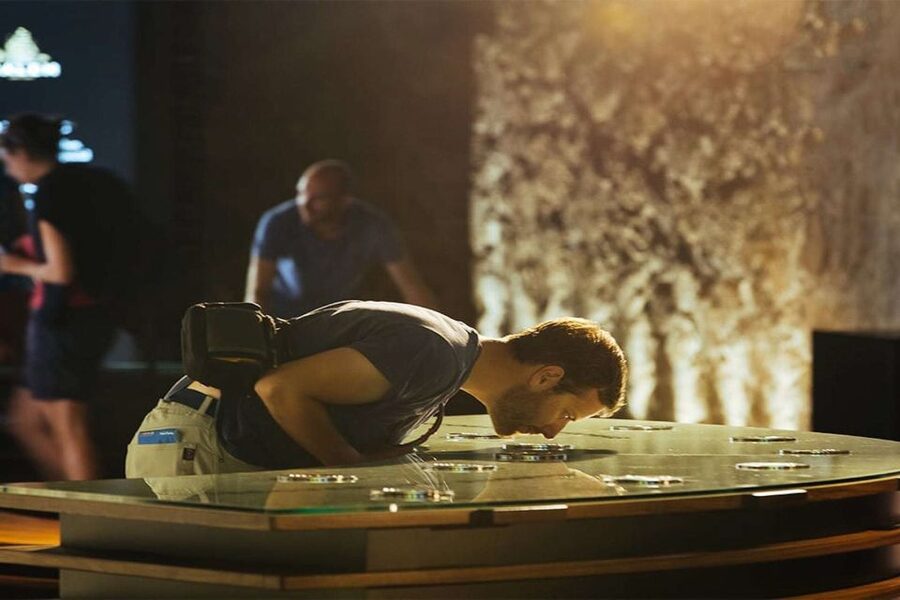
The museum is self-guided, and that gives you some control over the pace. If you enjoy displays, aromas, colors, and interactive material, you may want more than the allotted time. Several parts are designed to make the subject approachable, not just to explain wine production in technical terms.
The limitation is that 15 minutes is not enough for a careful look at every exhibit. If you are interested in the Douro region, arrive ready to use this opening period well. Read the key panels, try the interactive elements, and save less important details for another time.
A few people have found the museum more satisfying than expected, while others would prefer more guidance during this opening section. I see it as an introduction, not a full museum visit. The real explanation comes next.
Inside the historic Cálem cellars
The guided cellar tour lasts about 30 minutes. This is where the visit shifts from modern presentation to the atmosphere of the working wine house.
Your guide explains how grapes from the Douro are turned into Port and what happens during ageing. You learn why the wine is fortified, how different styles develop, and how storage affects the final result. The tour also covers the history of the demarcated Douro region, one of the key ideas behind Port.
The phrase demarcated region matters. It refers to the defined area where Port grapes are produced, with rules tied to the region’s conditions and wine production. You do not need to know the details before arriving. The guide sets out the basic connection between place, grapes, production, and ageing in a way that makes the tasting more meaningful.
You also hear why Gaia became home to the cellars. The location across the river from Porto is not random. It is part of the old Port trade and storage system, and the tour places Cálem within that wider story.
Guides such as Claudia and Erin have led tours that combine a prepared explanation with room for questions. That balance suits the subject. Port can become dry and technical, but a personable guide keeps it moving. The strongest guides use humor without losing the important facts.
There is one practical issue: the cellar walls do not block all sound. If another group is touring nearby, you may hear a second guide speaking. This can make it harder to catch every word, especially if your guide speaks quickly. Stay close enough to hear clearly, and ask questions when the guide pauses.
The tour is not designed as a slow, private inspection of every corner. It is a short group visit. If you want a detailed study of barrels, labels, or production methods, you may find the pace brisk. If you want a clear overview before tasting, the 30 minutes are well used.
What you learn about Port production
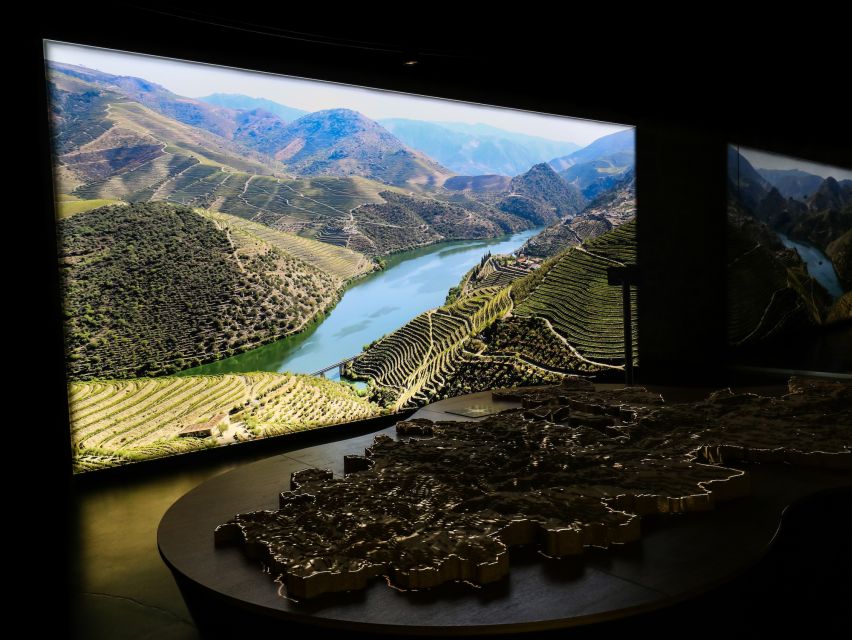
The useful part of this experience is the full chain from vineyard to glass. You are not simply shown a cellar and handed a drink. The explanation links the Douro’s climate and steep terrain with the finished Port.
The guide discusses how grapes are grown, how the wine is made, and how the ageing process creates differences between styles. You also get a sense of what makes Vintage Port different from other Ports, along with an explanation of storage and cellar conditions.
This helps with the tasting. A white Port is not just a pale version of a red. A tawny Port is not merely a sweeter red wine. Each style has its own character, and the cellar visit gives you a framework for noticing those differences.
The tour also answers a question many people have after arriving in Porto: why are so many Port cellars in Gaia rather than on the Porto side of the river? The answer is tied to the historic wine trade and the cellars’ role in storing and ageing Port.
You may not leave able to identify every Port style on a restaurant menu, but you should understand the main categories better. That is enough to make more confident choices during the rest of your trip.
More tastings around Portugal:
- From Porto: Douro Valley w/ Boat Tour, Wine Tasting & Lunch
★ 4.7 · 19,061 reviews - Complete Douro Valley Wine Tour with Lunch, Wine Tastings and River Cruise
★ 5.0 · 12,920 reviews - Douro Valley Small-Group Tour with Wine Tasting, Lunch and Boat
★ 5.0 · 3,642 reviews - Porto: Douro Valley Tour with Wine Tasting, Cruise and Lunch
★ 4.7 · 2,714 reviews
The tasting: white and tawny Port
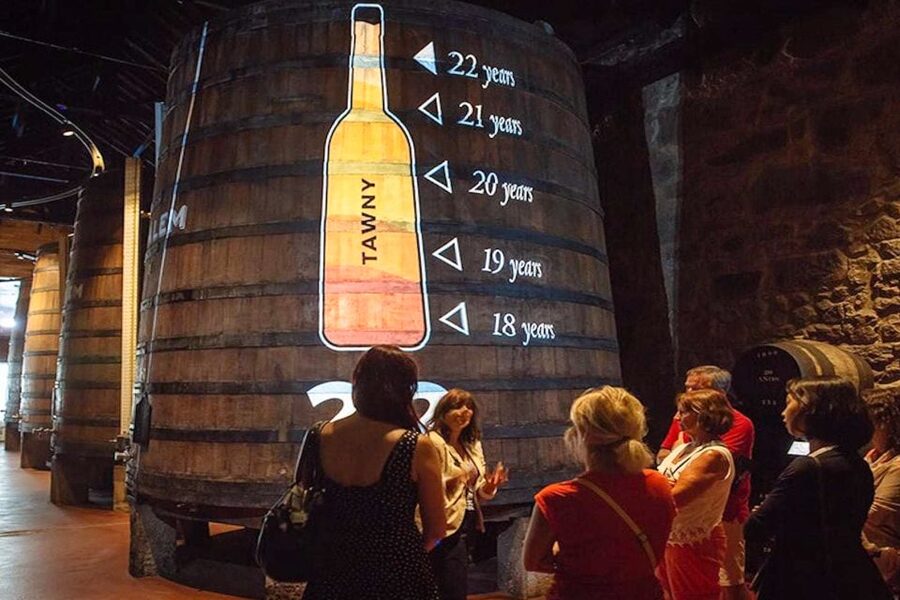
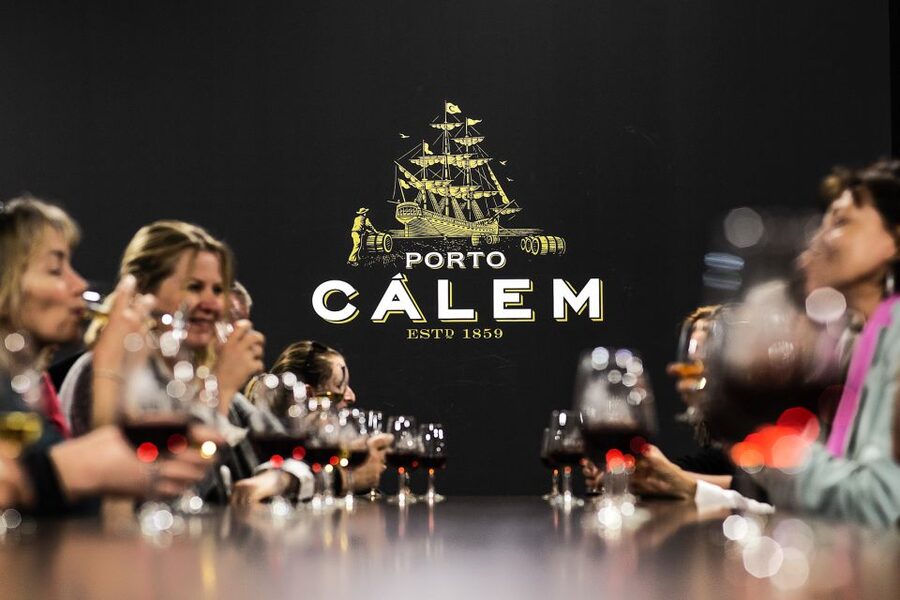
The tasting is the payoff, and it is handled at the end of the visit. The standard included selection is Cálem Fine White and Cálem Special Reserve Tawny.
The white Port may surprise you if you have only associated Port with dark, sweet wines. It gives you a different starting point and helps show that Port covers more ground than many first-time drinkers expect.
The tawny offers a useful contrast. Its style reflects the ageing process and gives you a chance to compare color, aroma, texture, and flavor with the white. The guide can help you understand what you are tasting, and questions are welcome during the session.
The tasting has sometimes included three glasses in practice, depending on the booking or tasting option, but the stated standard inclusion is two wines. Check exactly what your reservation covers. Some visitors have preferred the premium tasting, which offers three Ports for only a small additional cost when available. If you already enjoy fortified wine, that upgrade may give you better value and a broader comparison.
If you are new to Port, the classic tasting is enough. Port is strong, and two samples can be plenty, especially if you have more sightseeing afterward. If you want to compare several styles or are particularly interested in the wine, look for the premium option before booking rather than assuming it is included.
There is no pressure to buy wine at the end. You can enjoy the tasting as part of the tour and continue on your way.
Remember that wine is not served to anyone under 18. Children can join the educational parts, and one family found that a seven-year-old stayed engaged, but the tasting is for adults only.
How the one-hour schedule feels
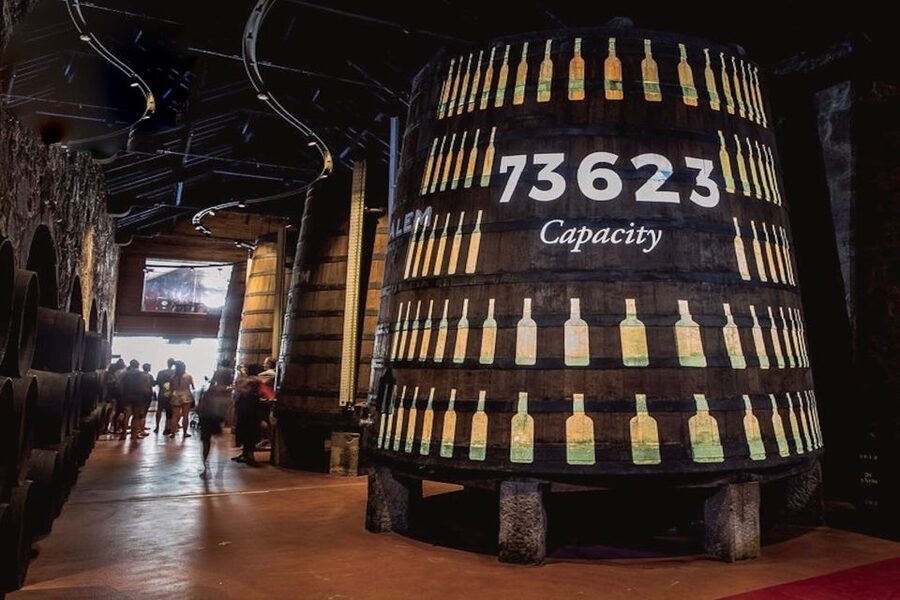
The full experience lasts about one hour: approximately 15 minutes in the museum, 30 minutes with the guide, and the remaining time for the tasting and transitions.
That is a sensible length for a busy Porto itinerary. You get a proper introduction without committing to a long wine program. It fits neatly before lunch, after a walk along the river, or as an early stop before exploring Gaia’s other cellars.
The tradeoff is pace. You do not have much spare time if the group arrives late, the museum captures your attention, or you want extended questions. The guided portion is structured, and some explanations may feel fast.
I would not book this expecting a quiet, unhurried tasting room experience. I would book it as a lively orientation to Port. The strongest sessions feel friendly and polished, but nearby groups can create background noise.
The cellar’s modern presentation also means the experience is less rustic than some visitors expect. If you want old-world atmosphere, you still get historic storage spaces and the wine-cellar setting. If you want a purely traditional visit, the interactive technology may feel a little packaged. For most first-time visitors, that mix makes the subject easier to follow.
Language, access, and location details
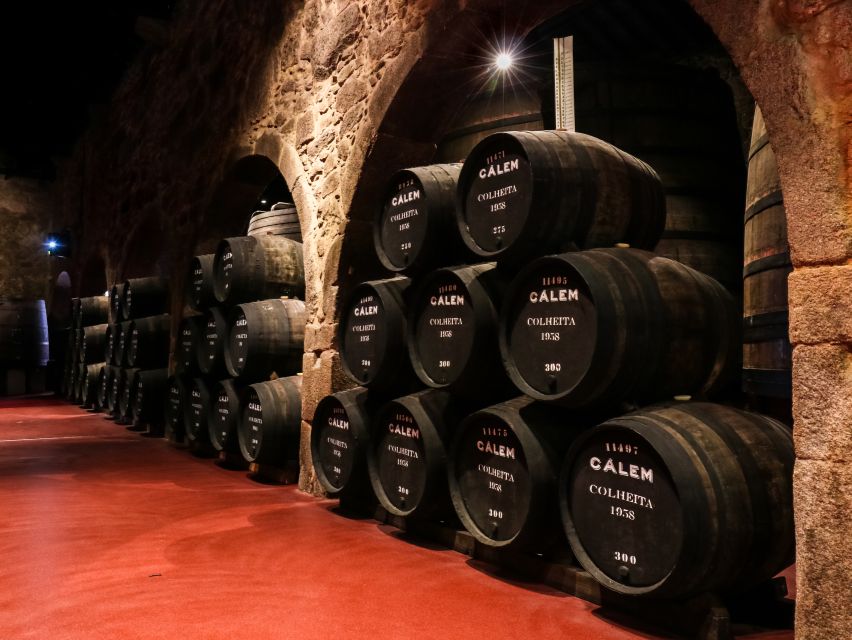
The live tour is offered in English, Spanish, French, and Portuguese. Select your preferred language when booking and check the available starting time, since the visit runs at set times.
The meeting point is Cálem Cellars at Avenida Diogo Leite, 344, Vila Nova de Gaia. Use the main Cálem entrance. That is the clearest arrival point, especially if you are following a booking app with a less precise map pin.
The cellar is wheelchair accessible. The central location makes it easy to combine with riverfront sightseeing, although the tour itself remains a fixed one-hour activity rather than an open-ended museum visit.
The booking terms are useful for a changing itinerary. You can cancel up to 24 hours before the start for a full refund, and the reserve-now, pay-later option lets you hold a place without paying immediately. These policies are worth checking at the time of booking because your selected option controls the final terms.
Who will get the most from Cálem
I would choose this tour for:
- First-time Port drinkers who want a clear introduction.
- Couples looking for a short wine activity near the river.
- Visitors with only one free hour in Vila Nova de Gaia.
- Families who want an educational stop, with the reminder that only adults can taste.
- Wine drinkers who want to compare white and tawny Port.
- Anyone planning a Douro Valley visit and wanting useful background first.
I would think twice if you have already visited several Port cellars and want an in-depth, specialist tasting. The standard experience is introductory and tightly timed. You may prefer a longer premium tasting or a cellar visit with more time for questions.
The $23 price works best when you value the combination of museum, guide, and tasting. If you care mainly about drinking Port, a bar may offer more flexibility. If you want to understand what is in the glass, Cálem gives you much more context for the money.
Should you book the Cálem Cellar Tour?
Yes, if you want a friendly, efficient introduction to Port in a historic riverside setting. The best reasons to book are the clear production story, the modern museum, the convenient location, and the chance to compare white and tawny Port at the end.
Book the standard option if you want a one-hour overview and two well-chosen samples. Consider the premium tasting if the small price difference is available and you want three Ports instead. Just keep your expectations realistic: the tour can be busy, nearby voices may carry, and the museum and cellar visit move at a firm pace.
For a first Port cellar in Porto, Cálem is a sensible choice. It gives you enough history, process, and tasting experience to make the rest of your time in Portugal more rewarding.
FAQ
How long does the Cálem Cellar Tour last?
The activity lasts one hour. The experience includes about 15 minutes in the interactive museum, a 30-minute guided cellar tour, and a Port tasting.
What wines are included in the standard tasting?
The standard tasting includes Cálem Fine White and Cálem Special Reserve Tawny.
Is the tasting included in the ticket price?
Yes. The activity includes the museum, guided cellar tour, and the stated two-wine tasting.
Is the tour offered in English?
Yes. Guided tours are available in English, Portuguese, Spanish, and French.
Where does the tour meet?
The meeting point is Cálem Cellars at Avenida Diogo Leite, 344, in Vila Nova de Gaia. Use the main Cálem entrance.
Can children join the tour?
Children can join the educational parts of the activity, but wine is not served to anyone under 18.
Is Cálem Cellars wheelchair accessible?
Yes. The activity is listed as wheelchair accessible.
Can I cancel the booking?
You can cancel up to 24 hours in advance for a full refund, according to the stated booking terms.
Can I reserve now and pay later?
Yes. The reserve-now, pay-later option allows you to book your place without paying immediately.
More Museums in Portugal
- Porto: The Wine Experience, Best Wine Museum in the World
★ 4.7 · 621 reviews - Bordeaux Wine and Trade Museum Admission Ticket with Wine Tasting
★ 4.5 · 599 reviews - Picasso Museum and Walking Tour Plus Optional Wine & Food Tasting
★ 5.0 · 596 reviews - Tenerife: Wine Museum Ticket with Local Wines & Food Tasting
★ 4.5 · 393 reviews
More Food & Drink in Portugal
- Winner 2025 Undiscovered Lisbon Food & Wine Tour by Eating Europe
★ 5.0 · 6,390 reviews - Lisbon: Food and Wine Small Group Walking Tour
★ 4.9 · 4,082 reviews - Lisbon Small-Group Portuguese Food and Wine Tour
★ 5.0 · 3,972 reviews - Douro Valley Tour: Wine Tasting, Cruise and Lunch from Porto
★ 4.5 · 2,645 reviews
Just added around Portugal
- Grande Prova Honrado Vineyards★ 5.0 · 46 reviews
- Wines and Moonshines of Terceira★ 5.0 · 55 reviews
- Albufeira Wine Tasting: Boutique Winery Tour & Historic Silves★ 5.0 · 380 reviews
- Albufeira Wine Tour: 2 Vineyards, 6 Tastings & Historic Silves★ 5.0 · 123 reviews
- Wine Lovers: Winery Tour w/ Tasting & Tapas (Albufeira/Vilamoura)★ 4.5 · 246 reviews
- Wine Tasting, Chicken Piri Piri & Sights (Albufeira/Vilamoura)★ 5.0 · 137 reviews
- Albufeira Food Experience: Land & Sea Tapas w/ Wines★ 4.5 · 45 reviews
- Sunset Beach Safari w/ Champagne & Chicken Piri Piri Dinner★ 5.0 · 53 reviews
Wine Tours in Portugal, compared.

Douro Valley w/ Boat Tour, Wine Tasting & Lunch
Read our review →
Complete Douro Valley Wine Tour with Lunch, Wine Tastings and River Cruise
Read our review →
Douro Valley with Winery Lunch, Tastings & Cruise
Read our review →
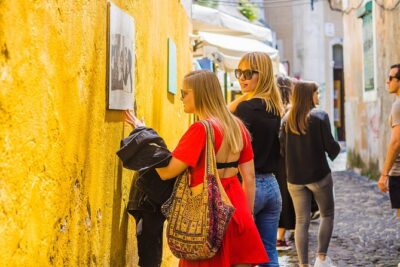
Winner 2025 Undiscovered Lisbon Food & Wine Tour by Eating Europe
Read our review →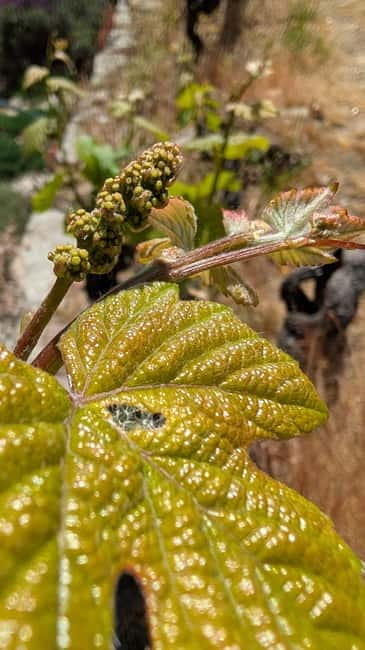
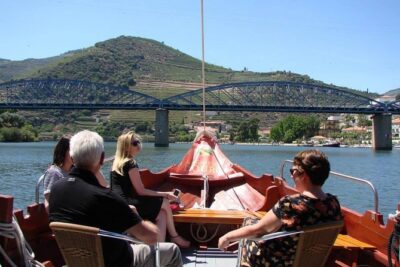
Historical Sites, Wine Experience, Lunch & Cruise
Read our review →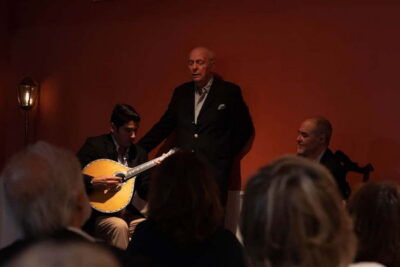
Live Fado Show with Port Wine at Lisboa em Fado
Read our review →Browse the lists this tour appears in