
REVIEW · BORDEAUX
Bordeaux Wine and Trade Museum Admission Ticket with Wine Tasting
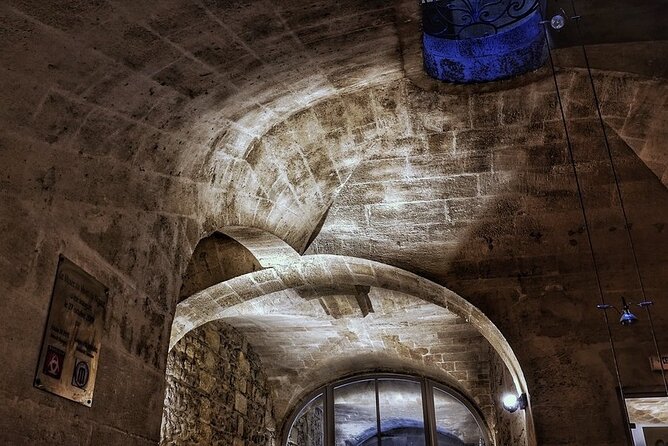
Bordeaux’s Wine and Trade Museum puts you in the city’s old wine quarter, inside vaulted cellars built in 1720. You’ll trace how Bordeaux wine was aged, shipped, and sold, then sit down for two tastings that explain the difference between Merlot and Cabernet Sauvignon and between merchant and château wines.
I like the small scale and the price. At $14.51, you get a focused museum visit and a guided tasting, often with plenty of time for questions. I also like that the tasting gives the displays a practical finish, moving from barrels, bottles, and trade records to the wine in your glass.
The main consideration is the format. This is mostly self-guided, not a scheduled walking tour with a guide leading you from room to room. The museum is intimate, and the old cellars can smell musty or moldy, especially if you are sensitive to damp spaces.
Key points to know before you go
- Two vaulted cellars from 1720: See the working setting of an old Bordeaux wine merchant rather than a large modern museum.
- Two wines included: The tasting focuses on Bordeaux varieties such as Merlot and Cabernet Sauvignon.
- English support: English notes, explanations, and staff assistance make the visit manageable for English speakers.
- A short, focused visit: Plan on about one to two hours, though a quick reader may finish the museum in roughly 45 minutes.
- Wine trade is the subject: You learn about merchants, château wines, aging, cooperage, bottling, shipping, and Bordeaux’s appellations.
- Good value for a modest price: The tasting may be worth the admission alone if you want an explanation with your wine, not just a sample.
Inside the old Chartrons wine quarter
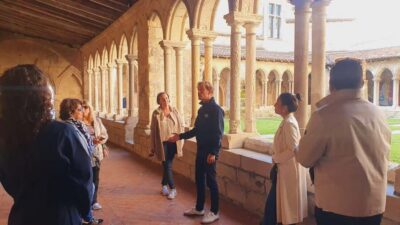
The museum occupies the former building of Louis XV’s royal broker, in the Chartrons area associated with Bordeaux’s wine trade. That setting does a lot of the teaching. Instead of looking at a polished display built for a new attraction, you walk through low, vaulted cellars where wine was once handled and stored.
The cellars were built in 1720 and show how wine merchants worked in the nineteenth century. You’ll see references to coopers, the workers who made and repaired barrels, along with the traditional methods used to age wine. The surroundings are part of the experience, though the damp conditions that helped preserve wine can also create a strong musty smell.
I would set your expectations correctly. This is a small museum in two semi-underground cellars, not a huge collection. The displays pack a lot into a limited area, so you may find folders, wall text, archival documents, objects, and videos rather than a long sequence of grand rooms.
That compact design works well for a first look at Bordeaux wine. You can understand the basic machinery of the trade without giving up half a day. If you want a large, high-tech museum with interactive installations, this may feel restrained. If you prefer a place with an old working atmosphere, the cellars are a real advantage.
More Wine Tours in Bordeaux
- Bordeaux: Cité du Vin Entry Ticket and Wine Tasting
★ 4.6 · 3,885 reviews - Bordeaux: River Garonne Cruise with Glass of Wine and Canelé
★ 4.5 · 3,630 reviews - From Bordeaux: Afternoon Saint-Emilion Wine Tasting & snack
★ 4.8 · 1,581 reviews
What the self-guided museum explains
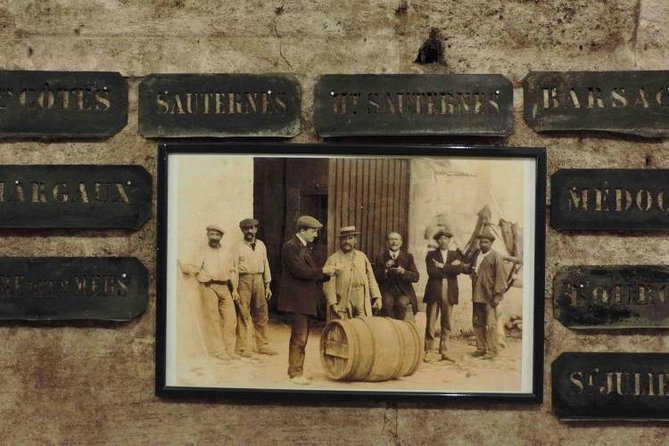
Your visit begins with the story of Bordeaux wine and the people who made its trade possible. Archival documents and collections trace the careers of major merchant families, while other material focuses on the practical skill of cellar workers.
The museum also explains the relationship between Bordeaux’s vineyards and its merchants. A château wine and a merchant wine are not simply two labels for the same thing. The tasting later helps clarify that distinction, but the museum gives you the commercial background first.
Look for information about:
- Barrel making and the work of coopers
- Traditional wine aging in Bordeaux cellars
- Bottling and the movement of wine through the trade
- Bordeaux’s merchant families
- The development of the Chartrons district
- The relationship between vineyard producers and merchants
- The city’s connections beyond the nearby rivers and coastline
English-speaking visitors receive English notes and explanations for the displays. Some material is presented through folders or small printed text, and the audio or video elements may require a little patience. I would take your time with the explanatory material rather than simply walking through the rooms, since the museum’s value is in the details.
Some displays are dense. You might read about soil, climate, appellations, production, and trade in one small area. That is useful if you want to learn, but it can feel crowded if you prefer a highly interactive presentation.
The tasting turns information into something practical
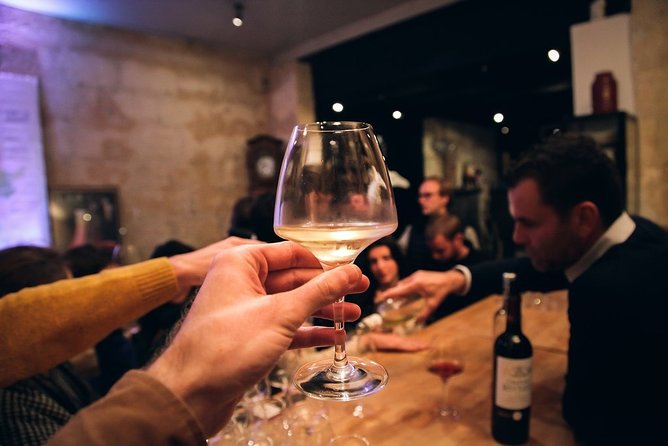
At the end, you go to the museum boutique for a tasting of two wines. The usual focus is Merlot and Cabernet Sauvignon, giving you a simple comparison between two important Bordeaux grape varieties.
The staff explain what you are drinking and can discuss the Bordeaux appellations, soil, climate, and the role of merchants. This is the strongest part of the experience for many people because you are not left to guess what makes one Bordeaux wine different from another.
You should expect a short tasting, not a full winery workshop. The pours are described as modest, and the tasting does not last for a long time. That is perfectly reasonable at this price, but it matters if you are hoping for a large flight of wines or a meal.
Ask questions. The staff are available to explain the wines, and the tasting is more useful when you connect it to what you have just seen in the cellars. You can ask about the two grape varieties, the difference between a merchant and a château wine, or how Bordeaux’s regions affect the final bottle.
The presentation can vary in depth. Some sessions provide a detailed explanation of appellations and production. Others may feel briefer unless you ask for more information. If you are curious, speak up. The museum team specifically encourages questions about Bordeaux wines.
Cristina is one staff member singled out for attentive guiding and a clear presentation. The museum staff also speak English well, so you do not need to know French to follow the tasting.
Why the museum’s small size can be an advantage
A small museum can be a useful break from Bordeaux’s larger attractions. You will not need to commit to a long visit, and the subject stays tightly focused on wine commerce. In about an hour, you can get the essentials. If you read every folder and watch the videos, you may comfortably spend closer to two hours.
I like this format for a first or final morning in Bordeaux. It gives you enough background to make sense of the wine shops, labels, and vineyard names you encounter elsewhere. It also works well when you want an indoor activity without spending an entire afternoon inside.
The museum is not as polished or interactive as the city’s larger wine museum. Some displays use printed folders and small text rather than touch screens or theatrical presentation. The audio material may feel confusing, and the museum does not offer the continuous guide commentary you would get on a fully led tour.
That tradeoff is clear: you get atmosphere and a low price, but less polish and less structure. I would choose this museum for its old cellar setting and its focus on commerce. I would choose a larger museum if you want broad coverage of world wine, extensive multimedia, or a more dramatic presentation.
More tastings around Bordeaux:
- Medoc or Saint Emilion Wine Tasting and Chateau from Bordeaux
★ 5.0 · 1,415 reviews - Saint Emilion Day Trip with Sightseeing Tour & Wine Tastings from Bordeaux
★ 5.0 · 1,120 reviews - Saint Emilion Half-Day Trip with Wine Tasting & Winery Visit from Bordeaux
★ 4.5 · 1,034 reviews - From Bordeaux: Half-Day Saint-Émilion Tour and Wine Tasting
★ 4.7 · 699 reviews
How long to allow and when to visit
The stated duration is about one to two hours. I would allow at least 60 minutes so you have time for the museum and tasting without rushing. Add more time if you enjoy reading archival information or want a longer conversation with the tasting staff.
The museum is open daily from 10 a.m. to 6 p.m. for the published period running from January 3, 2025, through February 16, 2027. Several visit times are offered during the day, so you can fit it around other Bordeaux plans.
The attraction is near public transportation, and one account places it about a five-minute walk from a cruise boat. That makes it a practical stop for a cruise-day schedule or a short visit near the historic wine-trade district.
Try not to arrive expecting a formal group departure. You receive material and explore the museum independently, then take part in the tasting at the end. This gives you flexibility, but it also means you need to manage your own pace.
Price, value, and what is included
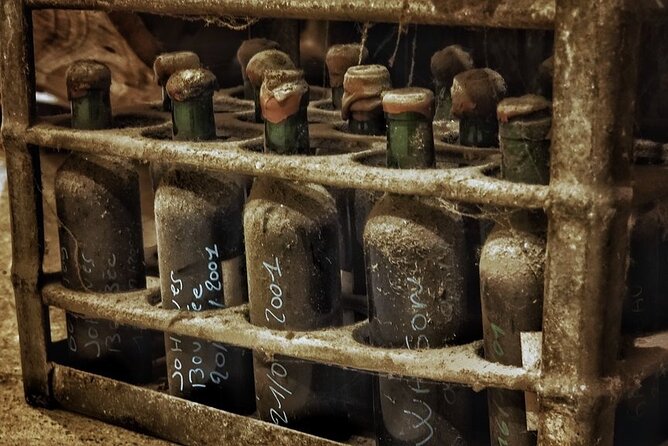
The admission price is listed at $14.51 per person. For Bordeaux, that is a modest charge for an indoor museum visit plus two wine samples and an explanation of the wines.
The best value comes if you want context with your tasting. A shop or bar can give you a glass of Bordeaux, but it will not necessarily explain the history of the Chartrons trade, the work of coopers, or the distinction between a merchant and château wine. Here, the tasting is tied to the museum subject.
The value is weaker if you only want to drink wine. The pours are not large, and the tasting is not designed as a long social session. You are paying for the combination of place, information, and guided comparison.
Additional food and drinks are not included unless specifically stated. The museum has a boutique where wine and souvenirs are sold. One visit included an unexpected complimentary bottle, but you should not book on the assumption that this is a standard part of the admission.
Who will enjoy this Bordeaux visit
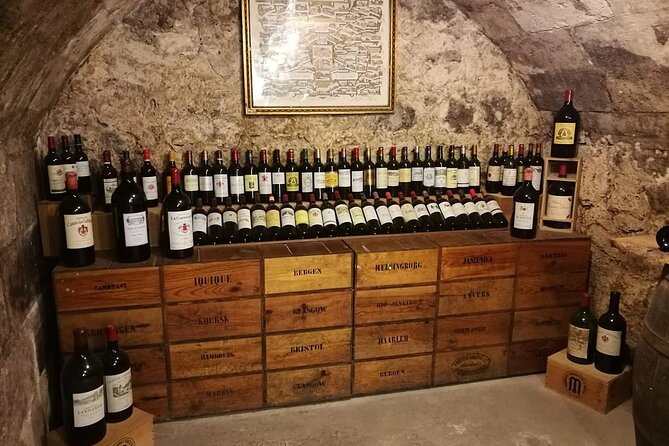
I would recommend it to first-time Bordeaux visitors who want a clear introduction to the city’s wine trade. It suits people who enjoy museums but do not want a giant institution, and it gives you useful background before visiting wine bars or buying bottles.
It also works for couples, older children, and families who can handle a self-guided display. One tasting session included a scent game for children, which can give younger visitors something to do while adults taste. That activity should not be treated as a guaranteed feature, but the museum can work for a family if you keep expectations realistic.
Non-drinkers are not left out. A visitor accompanying a wine-drinking partner was served excellent grape juice during the tasting. The official inclusion is wine tasting, so mention your preference to staff, but the museum has shown that a nonalcoholic option may be possible.
I would be less likely to recommend it to anyone who dislikes enclosed, damp spaces. The cellars can have a strong musty or moldy smell. I would also steer you elsewhere if you want an interactive, high-tech museum or a fully guided tour from the entrance onward.
Avoiding the most common booking mistake
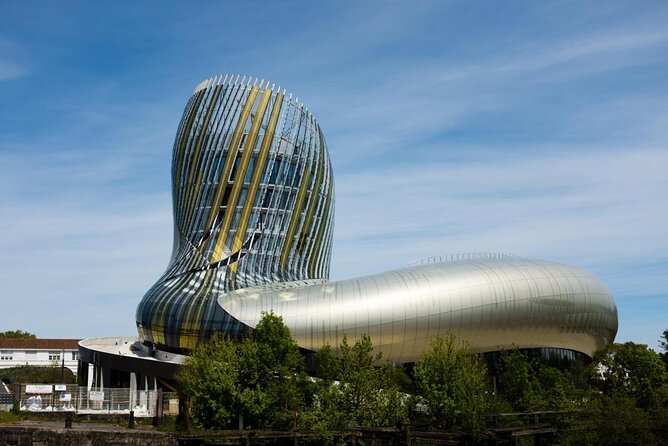
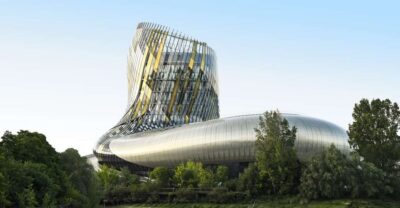
Do not confuse this museum with Bordeaux’s Cité du Vin. They are separate attractions.
The Wine and Trade Museum is the smaller, older-style museum in merchant cellars. Cité du Vin is the larger modern wine museum. Both can be worthwhile, but they offer different experiences. Check the full name and location before booking, especially if you are comparing several Bordeaux wine attractions.
The museum’s admission is generally flexible because you explore on your own. Still, confirm the time on your booking and arrive within the stated opening hours. Free cancellation is available if you cancel at least 24 hours before the start time. Changes or cancellations made later are not accepted for a refund.
My verdict on the tasting and museum balance
The tasting is the reason I would make room for this visit. It gives you two wines, a comparison between Merlot and Cabernet Sauvignon, and a chance to ask direct questions about Bordeaux production and trade.
The museum itself is more uneven. Its information is useful and its cellars are atmospheric, but the presentation is limited by the small space. You may enjoy it greatly if you like reading and historic interiors. You may finish quickly if you want touch screens, large displays, or a more theatrical experience.
The strongest visits combine both parts. Read enough of the museum to understand the merchants, barrels, and aging practices, then use the tasting to test those ideas in the glass. If you rush straight to the boutique, you lose much of what makes the admission worthwhile.
Should you book this Bordeaux wine museum?
Book it if you want an affordable, compact introduction to Bordeaux wine and the city’s merchant tradition. The combination of old cellars, English information, and two guided tastings makes it a sensible choice for a first visit, a cruise stop, or a spare morning.
Skip it if you want a large interactive museum, a long tasting, or a fully guided tour. In that case, Cité du Vin may suit you better, though it is a different type of attraction.
For most wine-curious visitors, I think the price is fair. Go for the cellars and the tasting, ask questions, and give yourself about an hour to two hours. Just remember that the musty atmosphere and self-guided format are part of the deal.
FAQ
How long does the Wine and Trade Museum visit take?
The visit lasts about one to two hours. If you move quickly through the self-guided displays, you may finish the museum section in about 45 minutes, followed by the tasting.
What wines are included in the tasting?
The tasting includes two wines and focuses on the Bordeaux grape varieties Merlot and Cabernet Sauvignon. Staff explain the wines and the difference between merchant and château wines.
Is the experience offered in English?
Yes. English notes and explanations are available, and staff can provide assistance in English during the visit and tasting.
Is this the same as Cité du Vin?
No. The Wine and Trade Museum is a separate, smaller museum in old vaulted merchant cellars. Do not confuse its name or location with Cité du Vin.
What are the opening hours?
The published opening hours are 10 a.m. to 6 p.m., Monday through Sunday, for the period from January 3, 2025, through February 16, 2027.
Can I cancel for a full refund?
Yes, if you cancel at least 24 hours before the experience start time. Cancellations or changes made less than 24 hours in advance are not accepted for a refund.
More Museums in Bordeaux
- Bordeaux: Wine and Trade Museum Entry Ticket & Wine Tasting
★ 4.4 · 121 reviews - Porto: Cálem Cellar Tour, Interactive Museum & Wine Tasting
★ 4.5 · 4,113 reviews - Porto: The Wine Experience, Best Wine Museum in the World
★ 4.7 · 621 reviews - Picasso Museum and Walking Tour Plus Optional Wine & Food Tasting
★ 5.0 · 596 reviews
More Food & Drink in Bordeaux
- Bordeaux: Vineyards Wine Tasting Half-Day Trip
★ 4.2 · 470 reviews - From Bordeaux: Saint-Émilion Half-Day Tour with Wine Tasting
★ 4.9 · 389 reviews - From Bordeaux: Saint-Emilion Guided Wine Tasting Tour
★ 4.8 · 319 reviews - From Bordeaux: Full-Day St Emilion Wine Tasting Tour
★ 4.8 · 280 reviews
Just added around Bordeaux
- Bordeaux Wines Masterclass paired with cheeses & charcuterie★ 5.0 · 110 reviews
- Bordeaux Médoc Region Private Wine Lovers Tour with Chateau Visits & Tastings★ 5.0 · 40 reviews
- Bordeaux Food and Wine Tour : Authentic Artisanal Flavors★ 5.0 · 62 reviews
- Saint-Emilion Winery Morning Tour with Local Guide★ 5.0 · 67 reviews
- Médoc luxury wine tour aboard a Citroën DS Limousine Convertible★ 5.0 · 41 reviews
- Saint Emilion Morning Wine Tour – Winery & Tastings from Bordeaux★ 5.0 · 186 reviews
- Introduction to Bordeaux wines paired with cheeses & charcuterie★ 5.0 · 175 reviews
- Free Walking Bordeaux Tour ENG + 1 glass of wine (Tip based)★ 5.0 · 90 reviews
Wine Tours in Bordeaux, compared.
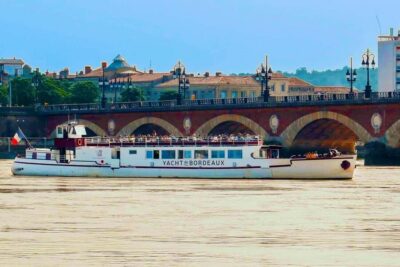
River Garonne Cruise with Glass of Wine and Canelé
Read our review →
Afternoon Saint-Emilion Wine Tasting & snack
Read our review →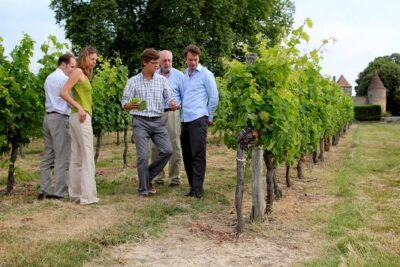
Medoc or Saint Emilion Wine Tasting and Chateau from Bordeaux
Read our review →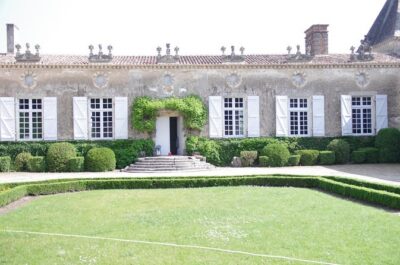
Saint Emilion Day Trip with Sightseeing Tour & Wine Tastings from Bordeaux
Read our review →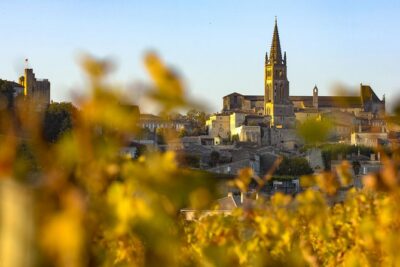
Saint Emilion Half-Day Trip with Wine Tasting & Winery Visit from Bordeaux
Read our review →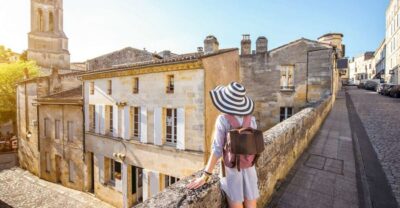
Browse the lists this tour appears in