
REVIEW · DIJON
Côte de Beaune Half-Day Wine Tour from Dijon
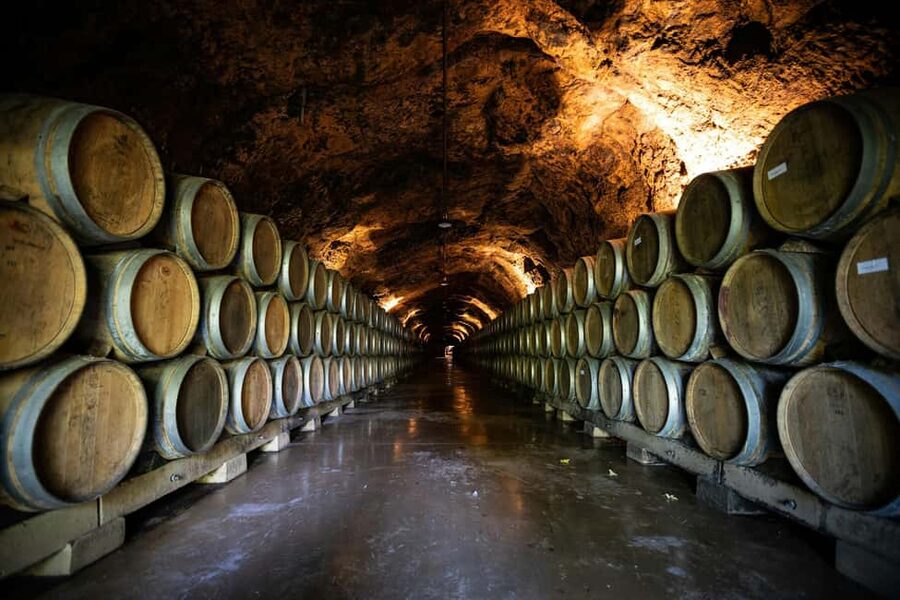
The best part of this four-hour outing is the quick shift from Dijon streets to the Route des Grands Crus, where famous wine villages and carefully tended vineyards fill the view. You visit two wineries, taste Burgundy wines that may include Premier Cru and Grand Cru bottles, and return to Dijon without giving up a full day.
I like the small group of no more than eight and the chance to ask direct questions. I also like the two-stop format: you get both a scenic drive and serious tasting time, rather than spending the whole morning in a vehicle. The main drawback is its short length. You will see only a slice of the Côte de Beaune, and the tour may focus more on tasting than on cellars, barrels, or the full winemaking process.
Key points to know before booking
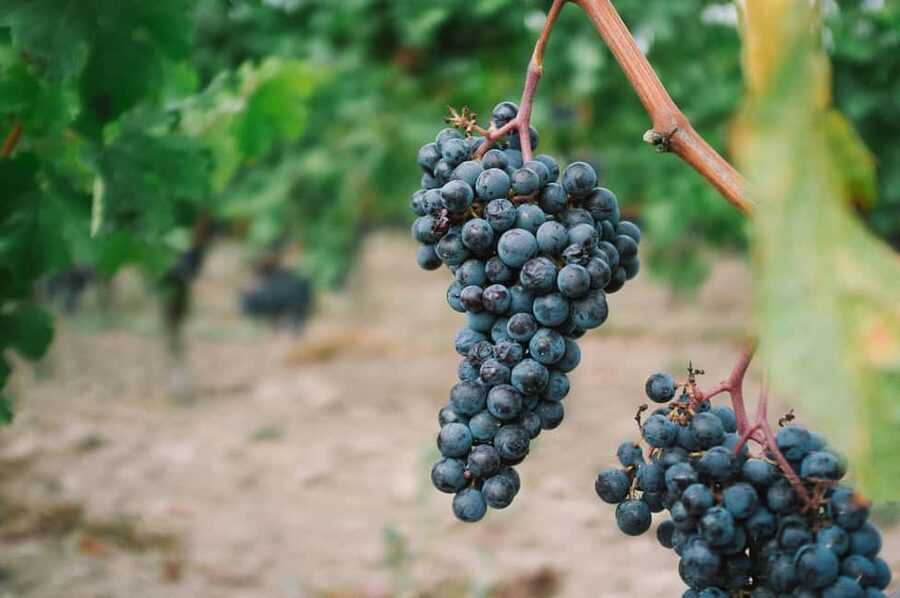
- Two winery visits: Guided tastings at two wineries or wine cellars are included, with tasting fees covered.
- A compact Burgundy introduction: Four hours is enough for a strong first look, but not a broad survey of the whole region.
- Small English-speaking group: The van holds up to eight people, making questions and conversation easier.
- Premier Cru and Grand Cru potential: The experience is aimed at Burgundy’s top wines, though the exact bottles can vary.
- Guides make a difference: Adam has been praised for an easygoing, funny style, while Valentin is noted for excellent English and clear explanations.
- Eat before you go: French tastings usually do not include snacks, so have breakfast or lunch first.
From Place Darcy to the Côte de Beaune
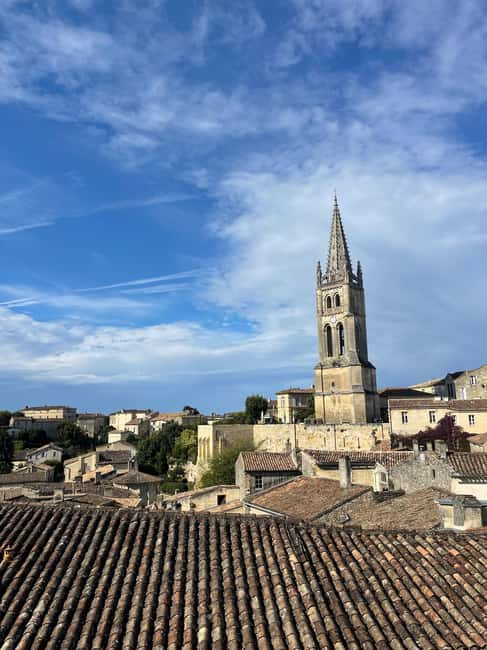
Your meeting point is at 16 Place Darcy, a central spot in Dijon. The tour includes pickup and drop-off there, which keeps the morning simple if you are staying in the city center.
Once aboard the premium vehicle, allow about an hour for the first drive. That may sound long for a half-day outing, but it is part of the experience. Your guide uses the drive to explain Burgundy’s wine regions, grape growing, and the meaning of terms such as Premier Cru and Grand Cru.
The long first leg also gives you a useful look at how quickly Burgundy changes outside Dijon. Urban streets give way to open countryside, vineyards, and villages whose names are familiar to wine drinkers around the world. You are not just being moved from one tasting room to another. The drive supplies the geographic context that makes the labels easier to understand.
Ask questions early. With a small group, the guide can tailor the conversation to your interests, whether you are trying Burgundy for the first time or already know your Pinot Noir from your Chardonnay. Adam has been singled out for being relaxed, funny, and easy to talk with. Valentin has also earned praise for his English and clear explanations. The specific guide depends on the departure, but the small-group format gives you a good chance to speak directly with whoever leads your tour.
More Wine Tours in Dijon
- Dijon: La Cave du Palais Burgundy Wine Tasting Experience
★ 4.8 · 400 reviews - Small-Group Full-Day Tour of Côte de Nuits, Côte de Beaune Vineyards and Beaune Historical District
★ 5.0 · 364 reviews - Burgundy wine tasting tour Half-Day Beaune from Dijon
★ 4.7 · 182 reviews
Reading Burgundy through the vineyards
The Côte de Beaune is famous for both red and white wines, and the route helps explain why place matters so much in Burgundy. Rather than treating the region as one large wine area, your guide can point out the differences between villages, slopes, and vineyard sites.
You may pass through or near well-known places such as Aloxe-Corton and Meursault. These names are not just stops on a map. They are useful reference points when you taste the wines later. A white wine from Meursault and a red from Aloxe-Corton can offer a practical lesson in how local conditions shape the bottle.
The scenery is one of the tour’s real rewards. Expect rows of vines, low hills, village rooftops, and broad views across the Burgundy countryside. Weather permitting, there are photo opportunities at notable points, including the Château du Clos de Vougeot. Bring your camera, but keep the weather in mind. This is a working wine region, not a sightseeing route with guaranteed stops at every monument.
The itinerary includes van time of roughly one hour before the first tasting, 15 minutes between the two tasting stops, and about an hour for the return to Dijon. That leaves around two hours for the winery visits, which is a sensible split for a four-hour tour.
Two winery visits, with the focus on the glass
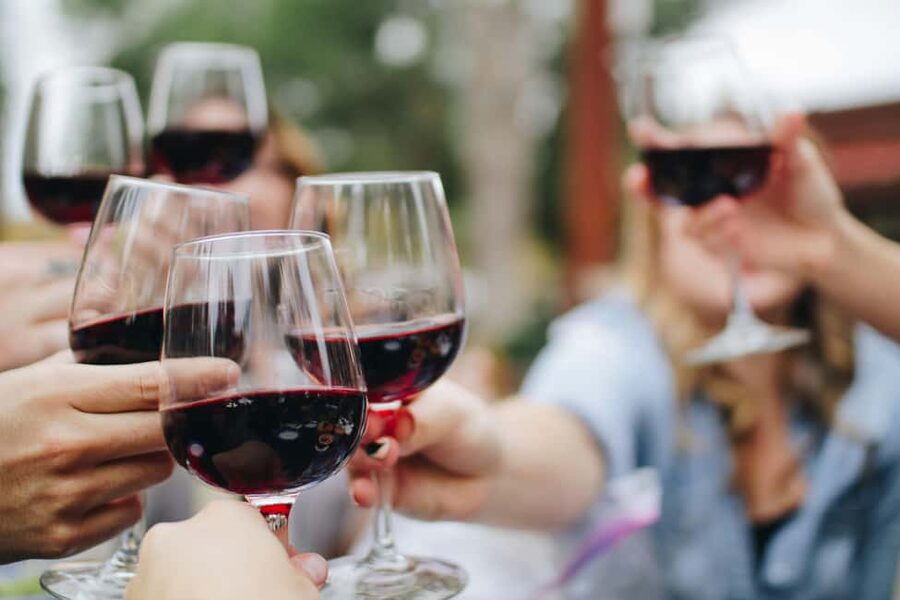
The core of the outing is the pair of guided tastings. All tasting fees are included, and the selections can include Burgundy whites and reds, along with Premier Cru and Grand Cru wines.
This is valuable because high-level Burgundy can be expensive to sample on your own. A $176 tour price is not cheap, but it covers transport, a specialist guide, two winery visits, and the wine itself. If the tastings include several well-regarded bottles, the cost can compare favorably with arranging individual visits and paying for transport between villages.
The exact tasting lineup is not fixed in the information provided, so you should not book expecting one specific vintage or bottle. That flexibility is normal in Burgundy, where availability changes and wineries present different selections. You may receive a small number of carefully chosen pours rather than a long list of ordinary wines.
One tasting account describes three wines with mixed quality, but says the first two were very good and interesting. That is a fair reminder to keep your expectations realistic. Even a prestigious region cannot guarantee that every pour will suit your taste. The pleasure is partly in comparing styles, asking why one bottle works better for you, and learning how the guide evaluates it.
The tastings are presented by staff at the wineries or châteaux, with the tour guide adding wider context. Some groups have found the choices extensive and the presentations polished. You may get a more formal tasting at one stop and a simpler one at the next. That contrast can be useful, since Burgundy wine culture is not limited to one kind of cellar or sales presentation.
What you may learn about Premier Cru and Grand Cru
The terms Premier Cru and Grand Cru can sound like shorthand for expensive wine, but the tour gives them a place-based meaning. They refer to recognized vineyard classifications, and understanding that system helps you read Burgundy labels with less confusion.
Do not expect a full wine-school course in four hours. You will get an introduction to the factors that make Côte de Beaune wines distinctive, including vineyard location, soil, slope, village identity, and grape variety. The guide can also help you compare the red and white wines in front of you rather than leaving the classification as an abstract idea.
This is where an experienced guide adds real value. A bottle label may tell you the village and vineyard, but it does not explain how those names connect. Guides such as Adam have been praised for answering questions about both the wine and the area. That personal exchange is especially useful if you do not already speak the language of Burgundy’s wine labels.
Still, the tour is not designed as a hands-on cellar workshop. One participant wanted to see more of the actual winemaking process, including barrels. If your priority is fermentation tanks, barrel rooms, or production methods, ask about the day’s winery stops before booking. The supplied details promise visits and tastings, not a behind-the-scenes production tour.
A few more wine days around France worth comparing
- Saint Emilion Half-Day Trip with Wine Tasting & Winery Visit from Bordeaux
★ 4.5 · 1,034 reviews - From Bordeaux: St. Emilion Village Half-Day Wine Tour
★ 4.7 · 728 reviews - From Bordeaux: Half-Day Saint-Émilion Tour and Wine Tasting
★ 4.7 · 699 reviews - Bordeaux: Vineyards Wine Tasting Half-Day Trip
★ 4.2 · 470 reviews
Why the small group matters
A limit of eight people changes the feel of a wine excursion. You are less likely to lose the guide’s voice in a crowd, and you can ask about a wine without waiting through a long line of questions.
The group can also affect the pace. If everyone is curious, the drive becomes a running conversation about Burgundy. If the group is quiet, you can simply watch the vineyards pass by. One departure even operated with only two participants because the other people did not arrive in time. That is not something to count on, but it shows how personal the format can become.
The guide also drives the vehicle, so the tour does not use a separate chauffeur and lecturer. That keeps the operation compact, though it means the guide is busy during the road sections. A question about wine may need to wait until the vehicle is safely stopped.
A small group does not guarantee a private tour. The minimum is two adults, and the van can carry up to eight. The experience is also adult-only, with no children under 18 accepted. That makes the atmosphere better suited to people who want to spend the morning talking about wine without family sightseeing demands.
Timing, food, and practical comfort
Four hours passes quickly. The schedule gives you two tasting sessions, but the drive takes a large share of the morning. I would choose this tour if you want a focused introduction from Dijon, not if you want to visit many villages or spend hours at one estate.
Wear comfortable shoes. You will have some walking at the winery stops, even though this is not described as a strenuous outing. The tour is not suitable for wheelchair users, and pregnant women are advised not to book. Pets are not allowed, apart from assistance dogs.
Bring a reusable water bottle. More important, eat before departure. Snacks are generally not provided during French wine tastings because they can affect how the wine smells and tastes. A proper breakfast or lunch will make the tasting more enjoyable and will help you avoid drinking on an empty stomach.
You should also plan for the weather. The scenery and photo opportunities depend on conditions, and vineyard views can look very different under bright sun, cloud, or rain. The tour runs as a wine visit first and a photography trip second.
Is $176 a fair price?
At $176 per person, this is a mid-to-high priced half-day activity. The value depends on what you would otherwise need to arrange.
The price includes return transport from central Dijon, an English-speaking driver and wine guide, two winery or cellar visits, and all tasting fees. It also removes the need to navigate rural roads after drinking wine, which is a significant practical benefit. You are paying for access, interpretation, and convenience as much as for the pours.
The value is strongest if you are staying in Dijon and do not have a car. Booking separate taxis or private transport to the Côte de Beaune could quickly become expensive, while driving yourself would mean limiting your tasting. The small group also gives you more personal attention than a large coach tour.
The value is weaker if you want a full production tour, a long lunch, or a full-day route through many appellations. This is a concentrated introduction, not an exhaustive survey. You may taste excellent wines, but you should not assume every pour will be a favorite or that every Grand Cru named in the promotional description will appear in your glass.
The experience has a 4.7 rating from 32 reviews, and transport received a perfect score from 86 percent of the people who rated that part. Those figures support the idea that the vehicle, timing, and guide service are strong points, while the precise winery experience can vary.
Who should book this Côte de Beaune tour?
I would recommend it to first-time Burgundy visitors who want a well-organized introduction without spending a full day away from Dijon. It also suits wine drinkers who care about Premier Cru and Grand Cru classifications but want someone else to explain the system.
You will get the most from it if you enjoy asking questions, comparing wines, and watching the countryside between stops. The tour is particularly useful for people without a rental car, since the route is rural and tasting wine makes self-driving a poor choice.
I would hesitate if you need step-free access, are traveling with children, or want a detailed look at winemaking equipment. I would also choose a longer excursion if your main aim is to visit many villages rather than taste at two selected wineries.
FAQ
Where does the tour begin and end?
The tour begins and ends at 16 Place Darcy parking in Dijon. Pickup and drop-off at this meeting point are included.
How long does the tour last?
The tour lasts four hours. The schedule includes about one hour by van to the first tasting, one hour at the first tasting, 15 minutes to the second tasting, one hour there, and about one hour back to Dijon.
How many people are in the group?
The group is limited to eight participants. At least two adults are required for the tour to operate.
Are winery visits and tasting fees included?
Yes. The price includes visits and wine tastings at two wineries or wine cellars, along with the tasting fees.
Is the tour conducted in English?
Yes. The live guide speaks English, and the driver is also the tour guide. Guides named in the tour information include Adam and Valentin.
Are children allowed?
No. This is an adult-only tour, and children under 18 are not accepted.
Are snacks provided during the tastings?
No snacks are normally provided. You should eat a good breakfast or lunch before the tour because food is generally avoided during French tastings to preserve the wine’s flavor.
Is the tour suitable for wheelchair users?
No. The tour is not suitable for wheelchair users and includes some walking, so comfortable shoes are recommended.
What is included besides the wine tastings?
The tour includes transport from Place Darcy in a premium vehicle, an English-speaking driver and wine guide, the two winery visits, tasting fees, and photo opportunities when weather permits. Personal expenses, travel insurance, and any entrance fees not specifically mentioned are excluded.
Should you book it?
Book this tour if you want a compact, guided taste of Burgundy with reliable transport from Dijon, two winery stops, and a small group that leaves room for questions. Its strongest features are the setting, the guides, and the ease of reaching the Côte de Beaune without driving.
Skip it if you want a full-day wine education, extended cellar access, or a meal among the vineyards. For most adults making a short stay in Dijon, though, $176 buys a practical and well-focused introduction to one of France’s most famous wine regions.
Just added around France
- Bordeaux Wines Masterclass paired with cheeses & charcuterie★ 5.0 · 110 reviews
- Bordeaux Médoc Region Private Wine Lovers Tour with Chateau Visits & Tastings★ 5.0 · 40 reviews
- Bordeaux Food and Wine Tour : Authentic Artisanal Flavors★ 5.0 · 62 reviews
- Saint-Emilion Winery Morning Tour with Local Guide★ 5.0 · 67 reviews
- Médoc luxury wine tour aboard a Citroën DS Limousine Convertible★ 5.0 · 41 reviews
- Saint Emilion Morning Wine Tour – Winery & Tastings from Bordeaux★ 5.0 · 186 reviews
- Introduction to Bordeaux wines paired with cheeses & charcuterie★ 5.0 · 175 reviews
- Free Walking Bordeaux Tour ENG + 1 glass of wine (Tip based)★ 5.0 · 90 reviews
Wine Tours in Dijon, compared.
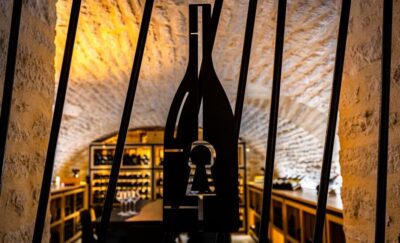
La Cave du Palais Burgundy Wine Tasting Experience
Read our review →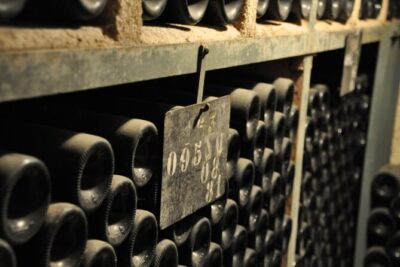
Small-Group Full-Day Tour of Côte de Nuits, Côte de Beaune Vineyards and Beaune Historical District
Read our review →Burgundy wine tasting tour Half-Day Beaune from Dijon
Read our review →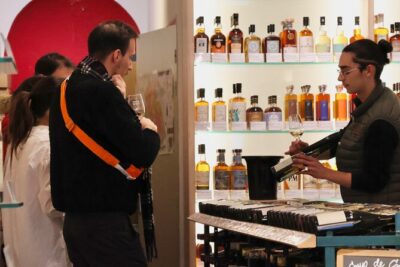
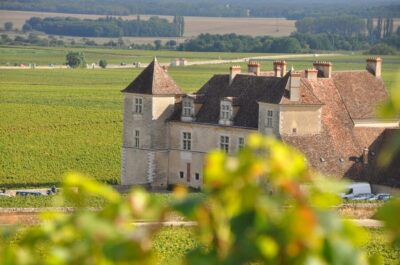
Burgundy Wines Full-Day Tasting Tour from Dijon
Read our review →
Bike tour and Tastings in the Vineyards of Burgundy
Read our review →Browse the lists this tour appears in