
REVIEW · FRANCE
Champagne: Champagne Tasting Class with Lunch
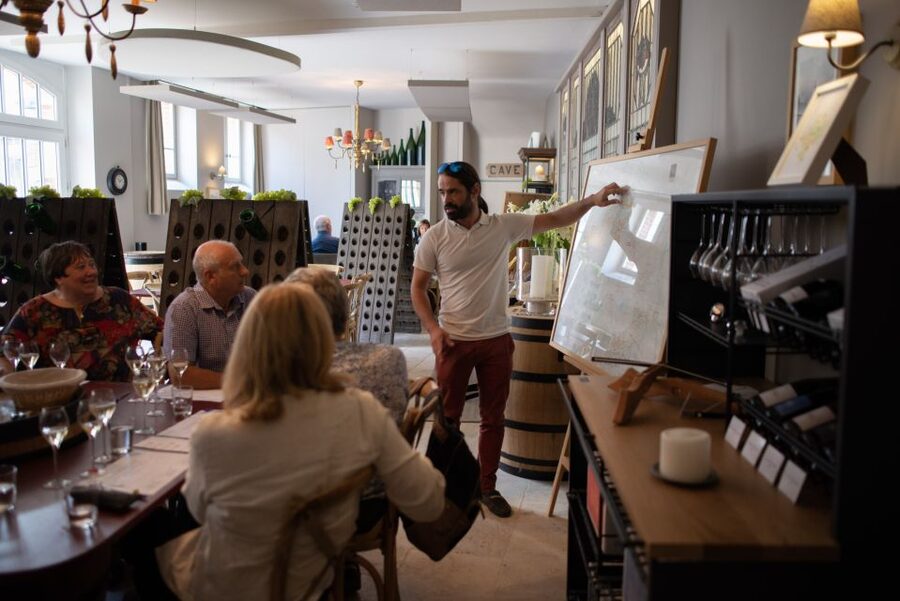
Le Clos Corbier turns a Champagne visit into a hands-on lesson, not just a quick pour and a walk past stainless-steel tanks. You learn to smell and taste with purpose, visit cellars cut in the 1850s, and test yourself on three Champagnes from small producers before sitting down to a regional lunch.
I especially like the nose and palate workshop, which gives beginners a useful way to talk about what they taste. I also like the family-house setting and the chance to try less familiar local drinks, including Côteaux Champenois red wine and Ratafia. The main consideration is that the three-hour visit is conducted in both English and French when needed, which can make parts of the presentation run longer.
Key points to know before you book
- A real tasting class: Learn how grape varieties, aromas, and production methods shape Champagne.
- Cellars from the 1850s: See historic underground spaces and a traditional press at Le Clos Corbier.
- Three Champagnes to compare: Blind tasting turns the lesson into a friendly guessing game.
- A full regional lunch: Expect homemade specialties, Champagne pairings, red wine, and Ratafia.
- Small-producer focus: This is a family domain rather than a large famous Champagne brand.
- Bring a jacket: The cellars average about 10°C, even when the weather outside is warm.
Why this Champagne class feels different
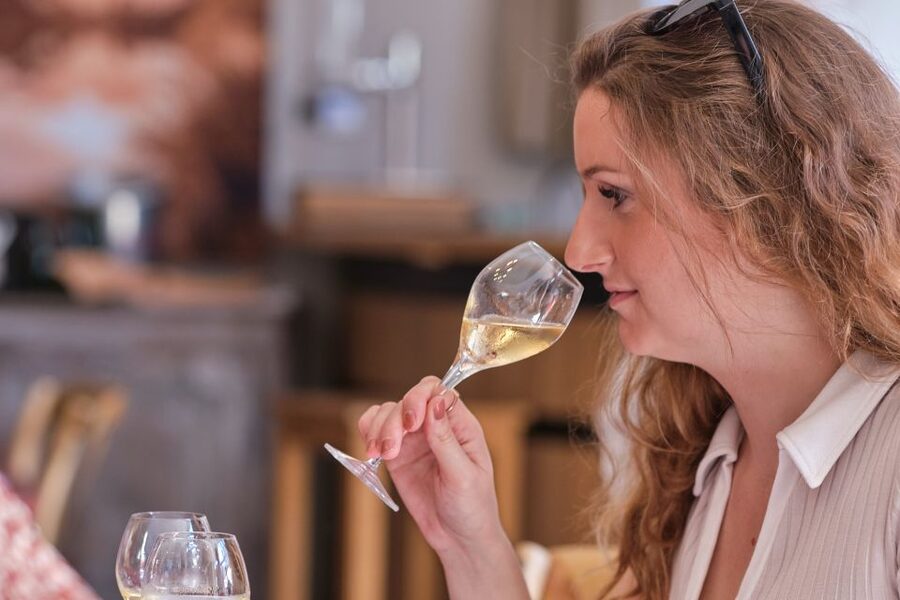
Many Champagne visits follow a familiar pattern: walk through a cellar, hear a production explanation, and taste a glass or two. Le Clos Corbier adds structure and playfulness. You do not simply hear that Champagne has floral, fruity, or toasty notes. You train your nose to find them.
That makes this a strong choice if you are new to wine tasting. You do not need an experienced palate or a large vocabulary. The exercises give you a simple way to notice aromas and compare wines without feeling tested in a serious or intimidating way.
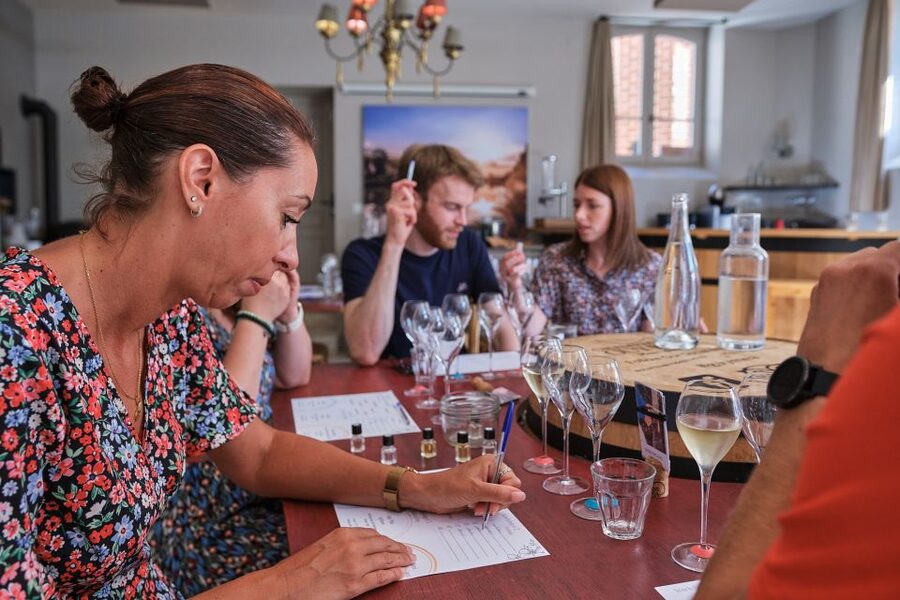
The tasting class includes a Champagne quiz, followed by an olfactory workshop. You work with scents and flavors that can appear in the wine, then put the lesson to use in a blind tasting. Three Champagnes from different small wineries are served with local snacks. The goal is not to identify a famous label. It is to notice differences in style, taste, and balance.
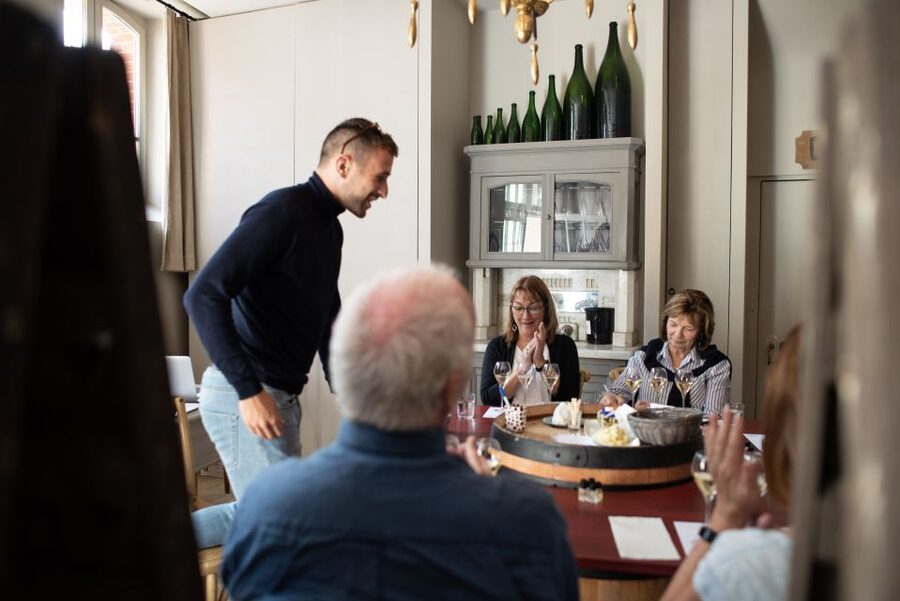
The tone is friendly and social. Guides such as Emma, Charlotte, Marie, Amanda, Estelle, and Thomas have led sessions at different times, and the experience is designed around conversation and questions. English and French are available. If your group needs both languages, expect a little extra explanation time.
More champagne houses worth the trip:
- Paris: Moulin Rouge Cabaret Show Ticket with Champagne
★ 4.7 · 16,088 reviews - Paris: Paradis Latin Cabaret Show with Optional Champagne
★ 4.6 · 2,231 reviews - Paris 3-Courses Gourmet Dinner Seine River Cruise with Champagne
★ 4.0 · 1,659 reviews
Arriving at Le Clos Corbier in Aÿ-Champagne
Le Clos Corbier is in Aÿ-Champagne, one of the celebrated wine villages in the Champagne region. At the property, look for the Clos Corbier sign and ring the doorbell. Transportation is not included, so you need to arrange your own way there.
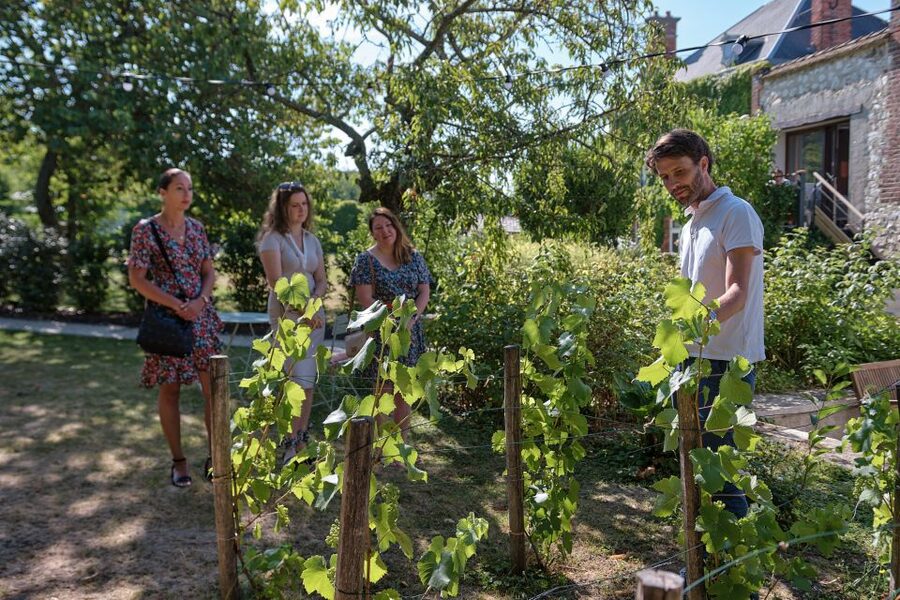
The setting is a working family Champagne house in the middle of the local wine country. That gives the visit a more personal feel than a polished tour built around a major international label. You may learn about the family and the property as well as the mechanics of making Champagne.
Set your expectations correctly. This is not primarily a vineyard walking tour. The main visit takes place around the house, cellars, tasting room, and lunch setting. One useful advantage is that the experience works in poor weather, since much of it is indoors. A rainy morning does not ruin the plan.
The property has also been described as attractive and pleasant for lunch outdoors when the weather allows. Outdoor seating is not guaranteed, so treat it as a bonus rather than a fixed part of the program.
Cellars, presses, and the Champagne-making process
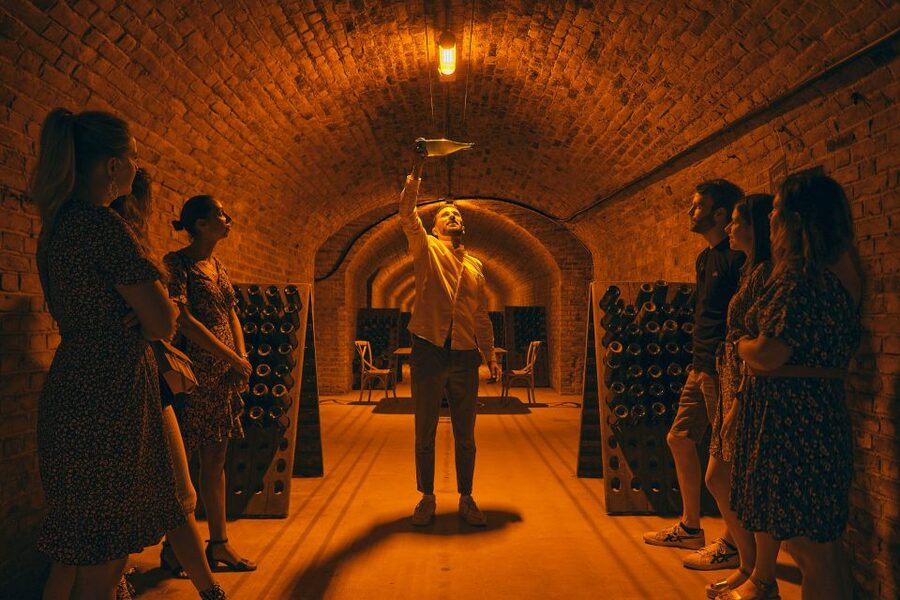
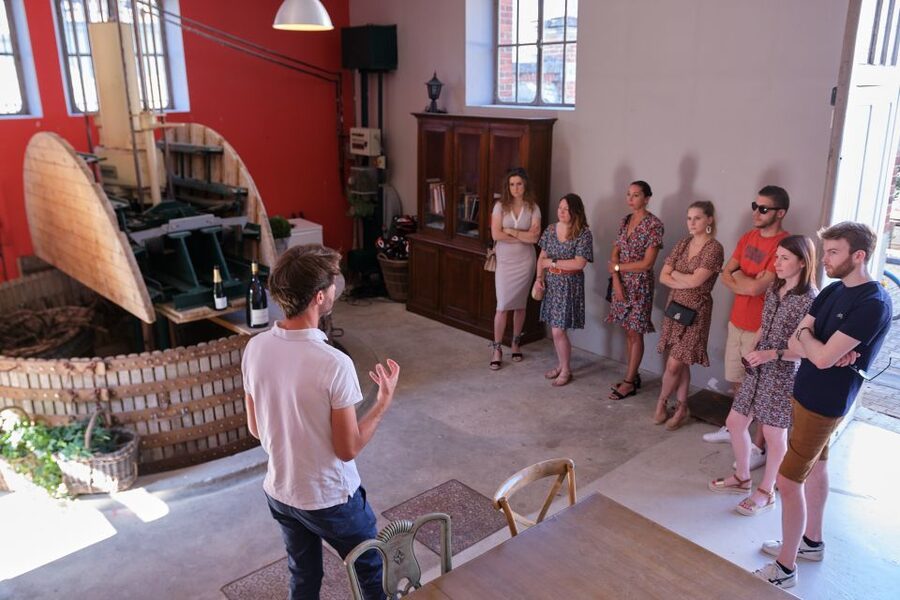
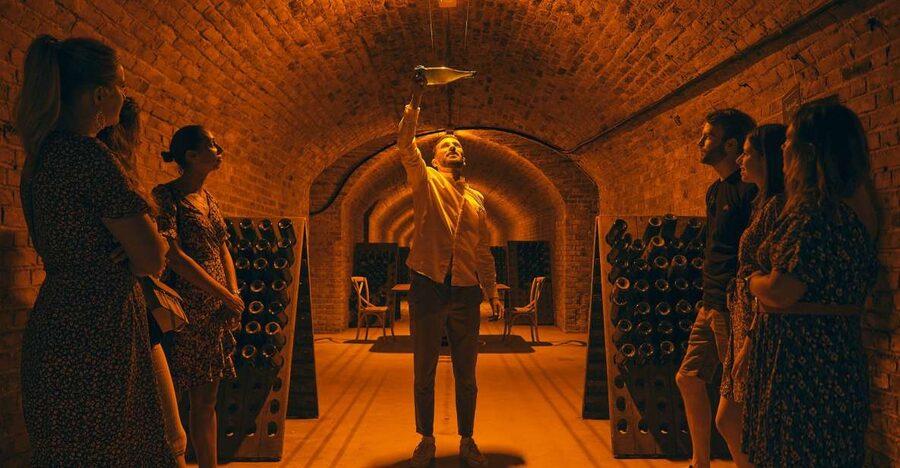
The cellar visit gives the lesson a physical setting. You see underground cellars dug in the 1850s and a traditional press. These details help connect the drink in your glass with the work that happens before it reaches a bottle.
Your guide explains the Champagne-making process and the role of the region’s grapes. You can ask about cultivation, pressing, fermentation, and the stages that give the wine its familiar character. The visit is especially helpful if you plan to visit other Champagne houses during your trip. Understanding the basic process here can make later tours easier to follow.
The cellar temperature averages about 10°C. Bring a jacket, even if Aÿ-Champagne is sunny and warm when you arrive. The walk is not presented as a long hike, but comfortable shoes and an extra layer make sense for any underground visit.
This portion is educational rather than theatrical. You will not get the scale of a giant commercial cellar, and that is part of the point. The family-domain setting lets you focus on how Champagne is made and how smaller producers work.
The aroma workshop and Champagne quiz
After the cellar visit, you sit down for the tasting class. The quiz helps you recall the main ideas without turning the session into a lecture. It also gives the group something to talk about before the glasses arrive.
The aroma workshop is the most useful feature for anyone who normally says, I like it, but I cannot explain why. You practice identifying smells and connecting them with flavors. This does not turn you into a professional taster in an afternoon, but it gives you a method you can reuse at restaurants, wine bars, and future tastings.
The teaching style seems to be a major strength of the experience. Guides are expected to explain in English or French and answer questions throughout the class. Several guides have been praised for making complex points clear, especially for beginners. Emma has been called a Champagne sensei by one couple, while Charlotte, Marie, Amanda, and Estelle have also led sessions praised for their warmth and clarity.
Guide assignments can change, so you should not book on the assumption that one particular person will lead your visit. The important point is the format: questions, games, explanations, and tasting rather than a one-way speech.
More wine days with lunch in France:
- From Paris: Day Trip to Champagne with 8 Tastings & Lunch
★ 4.8 · 1,501 reviews - Paris Cooking Class and Lunch with Wine plus Market Visit Option
★ 5.0 · 1,024 reviews - Saint-Emilion Electric Bike Day Tour with Wine Tastings & Lunch
★ 5.0 · 696 reviews - Champagne Day Trip from Paris with 8 Tastings & Lunch
★ 4.5 · 607 reviews
Blind tasting three different Champagnes
The blind tasting brings some friendly competition into the morning. You taste three Champagnes from different small wineries while eating local snacks, then try to identify or compare them.
This is a smart way to teach. When you see a label, you may decide what you expect before taking a sip. A blind tasting removes that shortcut. You have to pay attention to the wine itself. The class also shows that Champagne is not one single flavor or style.
The servings are described as generous, which adds value to the tasting portion. Still, this is an alcohol-focused activity, so pace yourself. The experience lasts three hours and includes more wine with lunch, followed by regional red wine and Ratafia. Eat the snacks, drink water when available, and do not plan to drive after the visit if you are drinking.
The exact number of pours can seem confusing at first. The activity includes six wine tastings, while the central comparison features three Champagnes. The full tasting lineup also includes Champagne with lunch, Côteaux Champenois, and Ratafia. Think of it as a sequence of regional samples rather than six versions of the same sparkling wine.
A generous lunch with Champagne pairings
Lunch is not an afterthought here. It is a central part of the experience and a good reason to choose this visit over a shorter tasting.
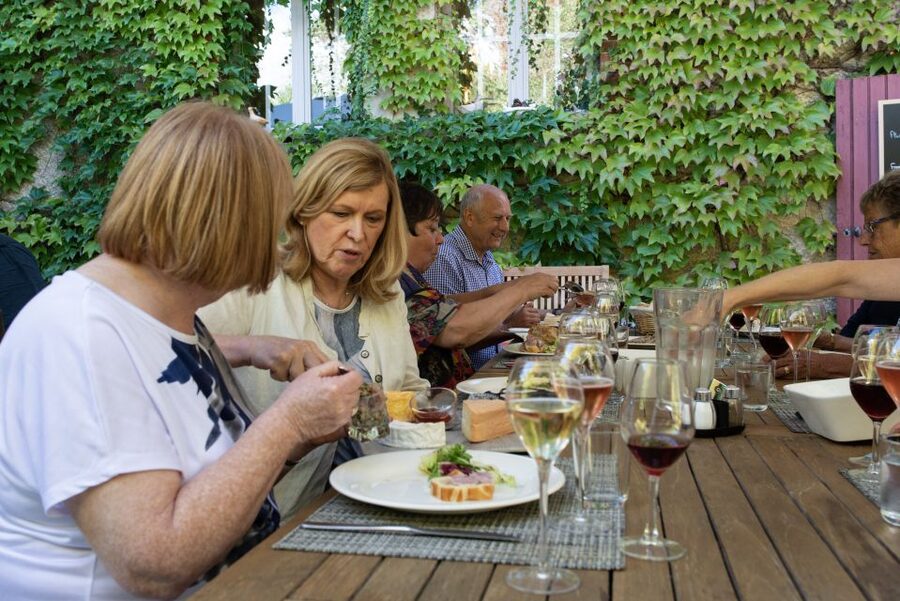
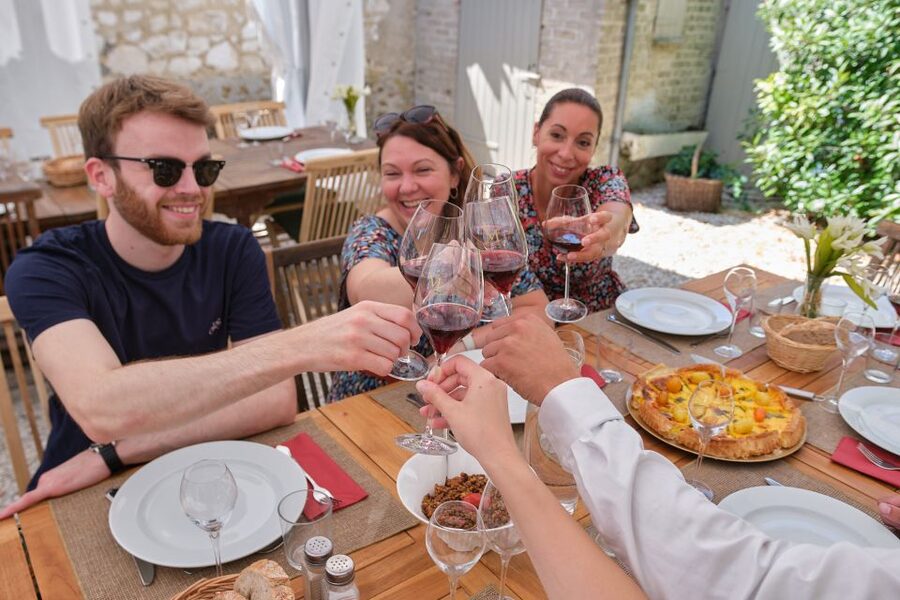
The menu features homemade regional specialties. Depending on the day, you might be served pâté en croûte, a meat-filled pastry; Langres cheese; or pink biscuit cake. These are local, traditional foods rather than generic cheese and crackers. They give you a better sense of how Champagne fits into everyday French dining.
The meal is paired with a variety of wines, including more Champagne. You also taste Côteaux Champenois, the region’s still red wine, and Ratafia, a local liquor. These are useful additions because they show that the Champagne region produces more than sparkling wine.
The lunch is casual, but the food can still feel special. Portions are described as generous, and dietary needs or allergies can be accommodated when arranged in advance. Tell the provider about your requirements before the visit rather than waiting until you sit down.
Lunch also gives the group time to relax. The quiz and blind tasting create conversation, then the meal lets you enjoy the house at a slower pace. If the weather is good, lunch may take place outside. In cooler or wet conditions, you should expect an indoor setting.
What the $106 price includes
At $106 per person, this is not the cheapest way to taste Champagne. It is also more than a basic cellar tour with one small sample. The price includes a local guide, entry fees, the winery tour, six wine tastings, local snacks, and lunch.
I see the value in the combination. You are paying for a three-hour program that joins instruction, a historic cellar, several wine styles, and a substantial regional meal. If you would otherwise book a separate lunch and two tasting stops, the total cost could easily approach the same amount.
The family-house setting also matters. You are not paying only for a name on a bottle. You are supporting a smaller producer and spending time with a business built around its own property and regional products.
The value is weaker if you only want a quick taste of Champagne or if you dislike structured learning. This is a class, not just a social drink. The quiz, aroma exercises, and blind tasting take time. For me, that is the reason to book it, but some people may prefer a shorter and less organized stop.
Who should book this experience?
I would choose Le Clos Corbier if you are visiting Champagne for the first time and want a clear introduction to how the wine is made. It suits couples, small groups, and solo visitors who enjoy meeting people over food and drink.
It is also a strong pick for anyone who has already visited a large Champagne house and wants a more personal contrast. The focus here is on a family domain, regional food, and smaller producers rather than brand marketing.
Beginners should feel comfortable. You are not expected to know the difference between grape varieties or production methods before arriving. The games give you a way to learn by doing.
This is less suitable for children under 18, who are not allowed to drink alcohol. The experience is wheelchair accessible, but the cellar setting may still be worth confirming in advance if you have specific mobility needs. Pets are not allowed, although assistance dogs are permitted.
Practical details that improve the visit
The activity lasts three hours and ends in the early afternoon. Check the available start times when booking, since the schedule can vary.
Bring a jacket for the 10°C cellars. Wear something comfortable for standing and walking during the tour, then enjoy a more relaxed meal afterward.
The meeting point is simple: find the Clos Corbier sign and ring the doorbell. Transportation is not included, so plan that part yourself.
English and French are offered by the host or greeter. If the guide speaks to the whole group in both languages, the class may take longer than a single-language presentation. That is useful for mixed groups, but keep it in mind if you have a tight afternoon schedule.
The lunch can be adapted for allergies or specific diets. Give advance notice so the kitchen has time to prepare.
The booking terms are flexible: you can cancel up to 24 hours before the activity for a full refund, and a reserve-now, pay-later option is available. Those terms are useful if your Champagne itinerary depends on weather or train plans.
Should you book Le Clos Corbier?
Book it if you want more than a glass in a tasting room. The historic cellars, aroma workshop, blind comparison, and generous lunch make this a well-rounded introduction to Champagne. I especially recommend it for first-time visitors, curious beginners, and anyone who prefers a family producer to a famous global brand.
Skip it if you want a short, highly polished brand tour or if you are not interested in learning tasting basics. The three-hour format asks you to take part, not simply follow a guide from room to room.
For $106, the strongest value comes from the complete package: six wine tastings, food, instruction, and a genuine look at a smaller Champagne house. Bring a jacket, arrive ready to taste carefully, and leave room in your afternoon for the pleasant effects of a long French lunch.
FAQ
Where does the Champagne tasting class take place?
It takes place at Le Clos Corbier in Aÿ-Champagne, in the Grand Est region of France. Look for the Clos Corbier sign and ring the doorbell at the meeting point.
How long does the experience last?
The activity lasts three hours and finishes after lunch in the early afternoon. Starting times vary, so check availability for your chosen date.
What is included in the price?
The $106 price includes a local guide, winery entry fees, the winery tour, six wine tastings, local snacks, and lunch.
How many Champagnes will I compare?
The class includes a blind comparison of three different Champagnes from small wineries. The full experience also includes other regional drinks, including Côteaux Champenois and Ratafia.
Is lunch included?
Yes. Lunch features homemade regional specialties such as pâté en croûte, Langres cheese, or pink biscuit cake, with Champagne and other regional drinks.
Can the lunch accommodate allergies or special diets?
Yes. The lunch can be adapted for allergies or specific diets. Provide the details in advance.
Is the experience offered in English?
Yes. The host or greeter speaks English and French. If both languages are needed for the group, some explanations may take longer.
What should I bring?
Bring a jacket because the cellars average about 10°C. Pets are not allowed, but assistance dogs are permitted.
Are children allowed to drink Champagne?
No. Children under 18 are not allowed to drink alcohol. The experience is centered on wine tasting, so consider this when planning a family visit.
More Workshops in France
- Paris: French Wine Tasting Class with Sommelier
★ 4.8 · 550 reviews - Aÿ-Champagne: Champagne House Tour and Tasting Class
★ 4.9 · 209 reviews - Bordeaux: Introduction to Bordeaux Wines Tasting Workshop
★ 4.8 · 196 reviews - Bordeaux Super Saver Wine Tasting class and St Emilion region
★ 5.0 · 184 reviews
More Food & Drink in France
- Authentic Parisian Gourmet Food Tour with 10 Local Dishes & Wines
★ 5.0 · 4,754 reviews - Bordeaux: Cité du Vin Entry Ticket and Wine Tasting
★ 4.6 · 3,885 reviews - Montmartre Hill French Gourmet Food and Wine Tasting Walking Tour
★ 5.0 · 2,588 reviews - From Paris: Loire Valley Castles Day Trip With Wine Tasting
★ 4.6 · 1,727 reviews
Just added around France
- Bordeaux Wines Masterclass paired with cheeses & charcuterie★ 5.0 · 110 reviews
- Bordeaux Médoc Region Private Wine Lovers Tour with Chateau Visits & Tastings★ 5.0 · 40 reviews
- Bordeaux Food and Wine Tour : Authentic Artisanal Flavors★ 5.0 · 62 reviews
- Saint-Emilion Winery Morning Tour with Local Guide★ 5.0 · 67 reviews
- Médoc luxury wine tour aboard a Citroën DS Limousine Convertible★ 5.0 · 41 reviews
- Saint Emilion Morning Wine Tour – Winery & Tastings from Bordeaux★ 5.0 · 186 reviews
- Introduction to Bordeaux wines paired with cheeses & charcuterie★ 5.0 · 175 reviews
- Free Walking Bordeaux Tour ENG + 1 glass of wine (Tip based)★ 5.0 · 90 reviews
Wine Tours in France, compared.
Authentic Parisian Gourmet Food Tour with 10 Local Dishes & Wines
Read our review →
Loire Valley Castles Day Trip from Paris with Complementary Wine
Read our review →
River Garonne Cruise with Glass of Wine and Canelé
Read our review →
Montmartre Hill French Gourmet Food and Wine Tasting Walking Tour
Read our review →
Montmartre Cheese, Wine & Pastry Guided Walking Tour
Read our review →
Loire Valley Castles Day Trip With Wine Tasting
Read our review →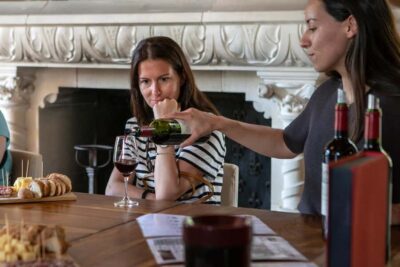
Afternoon Saint-Emilion Wine Tasting & snack
Read our review →Browse the lists this tour appears in