
REVIEW · PARIS
Paris: French Wine Tasting Class with Sommelier
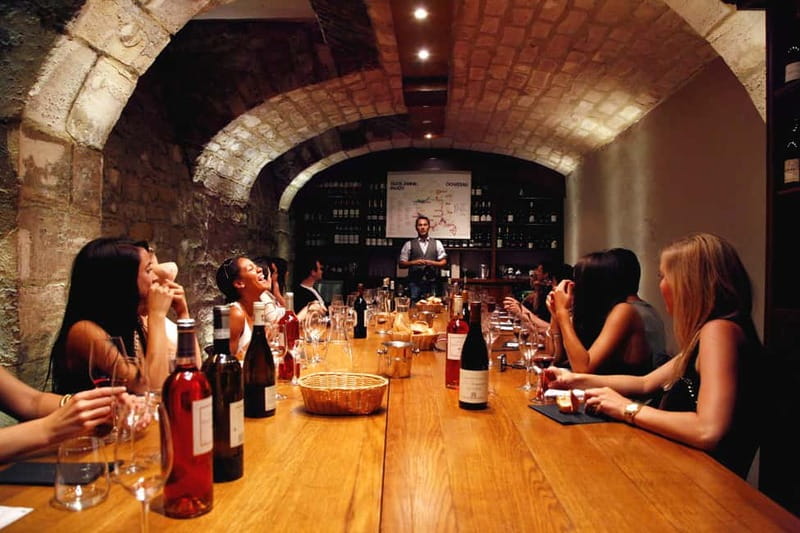
French wine becomes much less mysterious in this two-hour class near the Louvre. In a 17th-century wine cellar, an English-speaking sommelier walks you through Champagne, five more French wines, the main wine regions, and the labels that often confuse first-time buyers.
I like the six-region format, which lets you compare grapes, styles, and places in one sitting. I also like the relaxed teaching style: guides such as Laury, Paul, Felicity, Clement, and Jasmine have been praised for making beginners feel comfortable while still answering serious questions. The main drawback is the group size, which can reach about 25 people, so it may feel less personal and a little noisy.
Key points at a glance
- Six French pours in two hours: One Champagne and five wines representing six French regions.
- A useful label lesson: Learn how French bottles identify place, appellation, grape, and style.
- A cellar beside the Louvre: The meeting point at 68 Rue Jean-Jacques Rousseau is about a six-minute walk from the museum.
- Good for beginners: You learn how to look, smell, swirl, and taste without needing prior wine knowledge.
- Cheese costs extra: Add a cheese or charcuterie plate for €15 on site. The cheese option is a particularly sensible match for the wines.
- A social evening activity: The 5pm start finishes around 7pm, leaving you time for dinner nearby.
What happens inside the cellar at 5pm
The class begins at 5pm at Ô Chateau, a wine venue at 68 Rue Jean-Jacques Rousseau in Paris’s 1st arrondissement. You are close to the Louvre, with Louvre-Rivoli on Line 1 and Étienne Marcel on Line 4 both useful metro stops. From the meeting point, the Louvre is about a six-minute walk away.
That location makes this a handy pre-dinner plan. You can spend the afternoon around the Louvre, walk over for the tasting, and finish around 7pm with the rest of the evening still open. The timing also matters because wine tastings are more enjoyable when they do not consume half your day.
The cellar setting gives the class more character than a tasting held in an ordinary shop or hotel room. The room is described as attractive and social, though one practical note comes up: it can feel warm, especially in summer. I would wear light clothing rather than a heavy sweater or jacket.
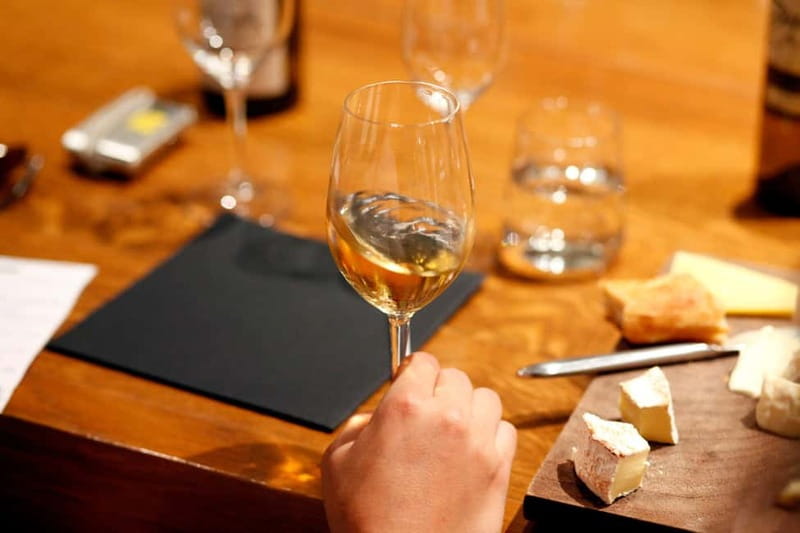
At the table, expect wine glasses, bread, and still water. Bread is included and helps clear your palate between pours. The setting is built for conversation, so you may share a table with people from several countries and find yourself chatting between explanations.
More Wine Tours in Paris
- Paris: Moulin Rouge Cabaret Show Ticket with Champagne
★ 4.7 · 16,088 reviews - Authentic Parisian Gourmet Food Tour with 10 Local Dishes & Wines
★ 5.0 · 4,754 reviews - Loire Valley Castles Day Trip from Paris with Complementary Wine
★ 4.5 · 3,907 reviews
Six regions, six different ways to understand French wine
The central idea is comparison. You taste one Champagne and five other French wines, with the selection covering six of the country’s main wine regions. The exact bottles can vary, so you should not book this expecting particular producers or vintages.
That changing selection is not a weakness. It lets the sommelier adjust the session to the wines available and explain what is in the glass on the day. You will look at the color, smell the wine, taste it, and discuss how the grape, climate, soil, and winemaking affect the result.
This is where the word terroir becomes useful rather than decorative. The sommelier explains how a wine reflects its growing place, including the soil, weather, slope, and local traditions. You also learn about appellation, the system that links a wine to a defined place and set of production rules.
For many visitors, this is the most practical part of the class. French wine labels often lead with a region or appellation rather than a grape name. After the session, you should have a better idea of what to look for when a bottle says Bordeaux, Burgundy, Champagne, or another French place instead of plainly advertising the grape on the front.
The class also covers the grapes grown in the main regions and the styles those areas produce. You are not expected to memorize every grape or appellation. The real benefit is learning a simple way to compare wines and ask better questions in a shop or restaurant.
Champagne first, then the tasting basics
Champagne receives its own explanation. You learn how Champagne is made before tasting it, giving you a framework for understanding the bubbles rather than treating the first glass as just a celebratory drink.
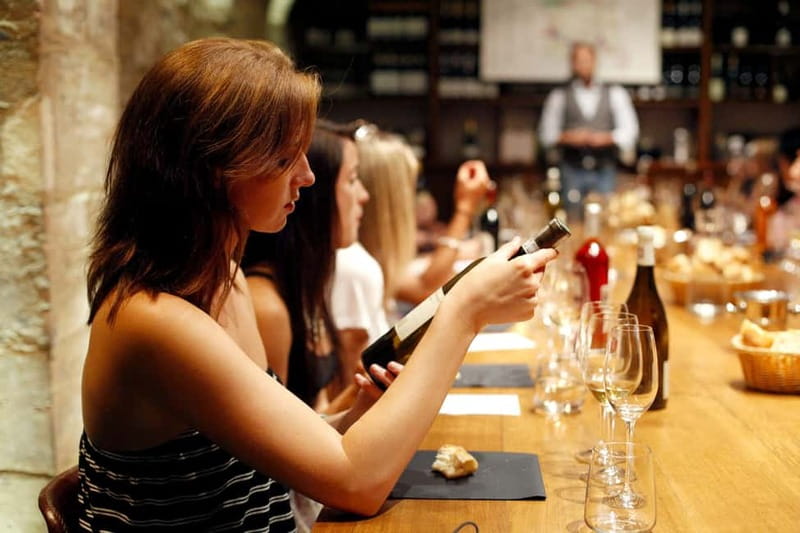
The sommelier also shows you how to taste wine. That normally means paying attention to appearance, aroma, texture, sweetness, acidity, tannins, and finish. The class is aimed at ordinary drinkers, not only people studying for wine exams, so the explanations are meant to be usable at the dinner table.
You will learn why swirling can release aromas, how to notice the balance between sweet and sharp flavors, and what tannins feel like in your mouth. One useful point from the class is that you do not need fancy vocabulary to taste well. You only need to notice what you like and describe it clearly.
The teaching style seems to be one of the experience’s strongest features. Paul, Laury, Clement, Felicity, Kim, Jasmina, Jasmine, and other sommeliers have each been praised for mixing humor with clear explanations. The individual guide matters, since each session has a different presenter, but the repeated praise for friendly, lively instruction is encouraging.
One especially helpful approach is asking the group what they hope to learn. Kim, for example, was praised for addressing different aims, including how to order French wine when you are more familiar with Italian or California bottles. That makes the class more useful than a fixed speech that ignores the people sitting at the table.
Reading French labels without guesswork
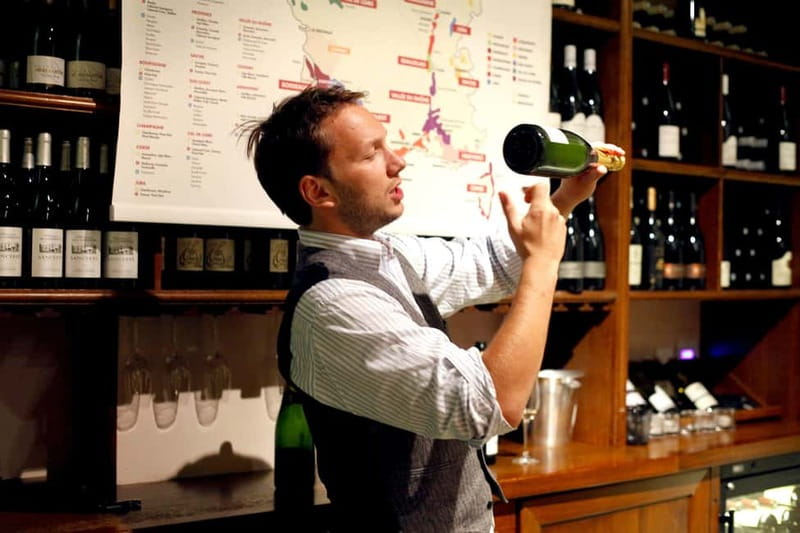
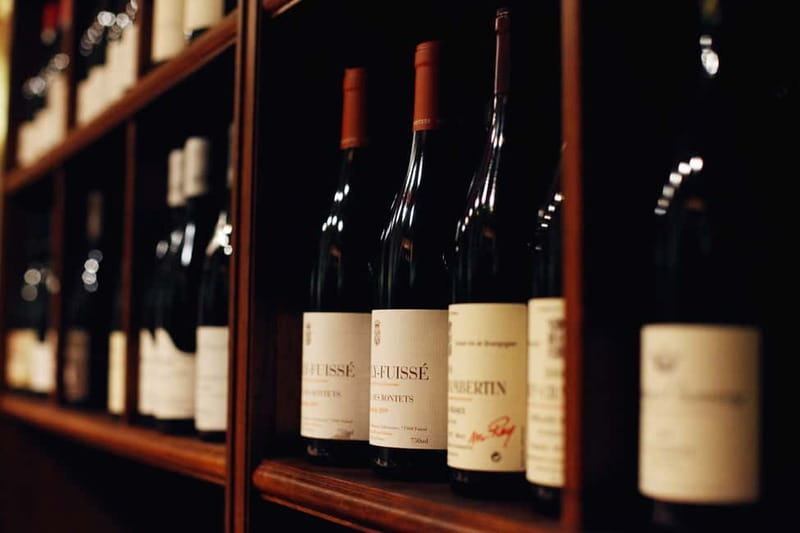
French labels can seem like a code when you first encounter them. This class gives you a way to read them with less hesitation.
You learn what an appellation tells you, how a region relates to a wine’s style, and why the grape may not be the main piece of information on the label. The sommelier also explains Champagne labels and the terms used to describe sparkling wine.
This section has direct value after you leave Paris. You can use the new information while buying a bottle, ordering from a wine list, or choosing a gift. Several participants have specifically appreciated learning how to order French wine with more confidence.
I would not expect to leave able to identify every bottle blind. That is not the point. You should leave able to ask a sharper question, such as which region a wine comes from, how dry it is, or what food would suit it.
More sommelier-led tastings in Paris:
- Paris Wine Tasting plus Cheese Lunch with an Expert Sommelier
★ 5.0 · 424 reviews - Paris: Wine and Cheese Tasting with a Chef Sommelier
★ 4.7 · 277 reviews - Paris: Champagne Cellars Tour and Tastings with a Sommelier
★ 4.9 · 74 reviews - Porto: Douro Valley Wine Tour with a Sommelier & Boat Trip
★ 5.0 · 463 reviews
Food pairing and the optional €15 plate
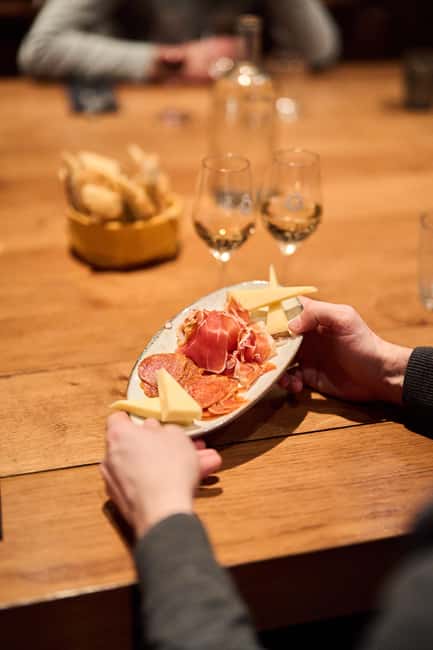
Food and wine pairing is part of the discussion, but cheese and charcuterie are not included in the base price. You can add either a cheese platter or a charcuterie platter for €15 on site.
The included bread gives you something to eat during the tasting, but I would seriously consider the cheese option if you enjoy pairing. Cheese adds texture, salt, and fat, making it easier to understand why a wine changes when you eat it with something. One particularly useful tip from the session is to choose the cheese plate rather than the meat and cheese combination if the selection is the priority.
Keep the extra charge in mind when comparing the total cost. The advertised price is $88 per person, and the €15 plate is optional. If you only want the teaching and wine, the base package covers Champagne, five French wines, the sommelier’s presentation, bread, water, and a wine list. If you want a more complete pre-dinner experience, the cheese makes the evening feel more substantial.
The food pairing section also gives you a chance to ask personal questions. You can ask which wine suits a particular dish, what to order in a French restaurant, or how to choose a bottle for a meal at home.
How much wine do you actually taste?
The class includes six samples, one from each of six French regions. The portions are described as healthy, so this is not merely a token sip of each bottle. By the end, you may feel pleasantly tipsy, as the organizers openly suggest.
That is worth planning around. Eat something before the class or add the cheese plate, and do not schedule a demanding museum visit afterward. The two-hour length is long enough to learn something but short enough to fit neatly into a Paris day.
The quality of the wine can vary by personal taste. Most of the available feedback praises the selection and describes the wines as delicious or excellent, but one assessment found them decent rather than remarkable. That is a fair expectation to set: you are paying for guided comparison and instruction, not for six rare or expensive bottles.
A strong sommelier can make an ordinary bottle educational, while an excellent bottle can be wasted without context. Here, the teaching is a major part of the value.
The group size and the social side
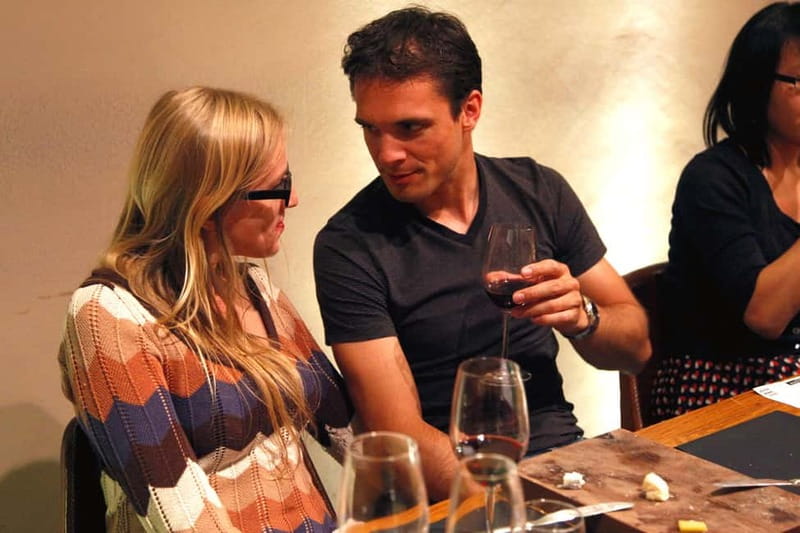
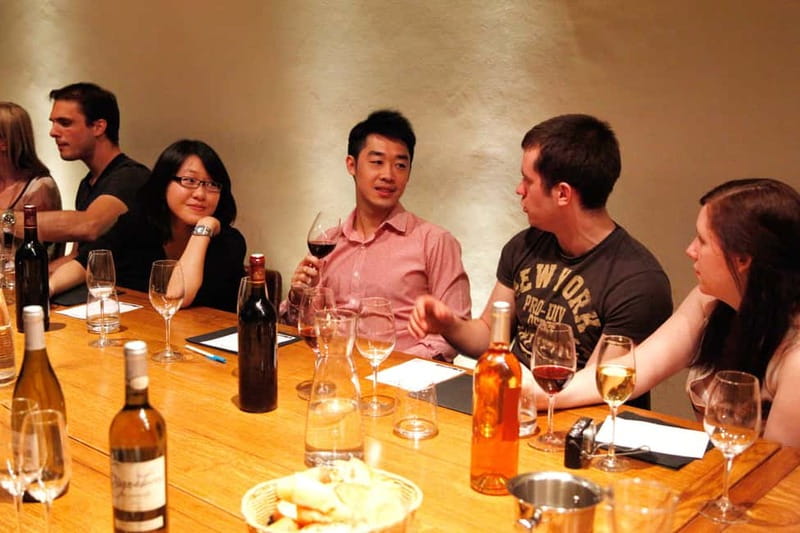
This is a group class, not a private consultation. A group of around 25 people has been possible, and a large table encourages a friendly atmosphere. You may meet couples, families, solo visitors, and people tasting wine for the first time.
That social format works well if you like asking questions aloud and comparing reactions with other people. It can also make the class feel relaxed rather than formal. Several guides have been praised for helping people settle in quickly and take part in the discussion.
The trade-off is noise. If people talk while the sommelier is presenting, you may miss parts of the explanation. Sitting near the front is a sensible choice if you care most about hearing every detail. A large group may also discourage shy participants from asking questions.
Families with adult children have enjoyed the class, and it can work well for couples looking for something beyond another monument or restaurant meal. It is less suited to anyone wanting a quiet, private tasting with detailed attention to one person’s preferences.
What guides bring to the experience
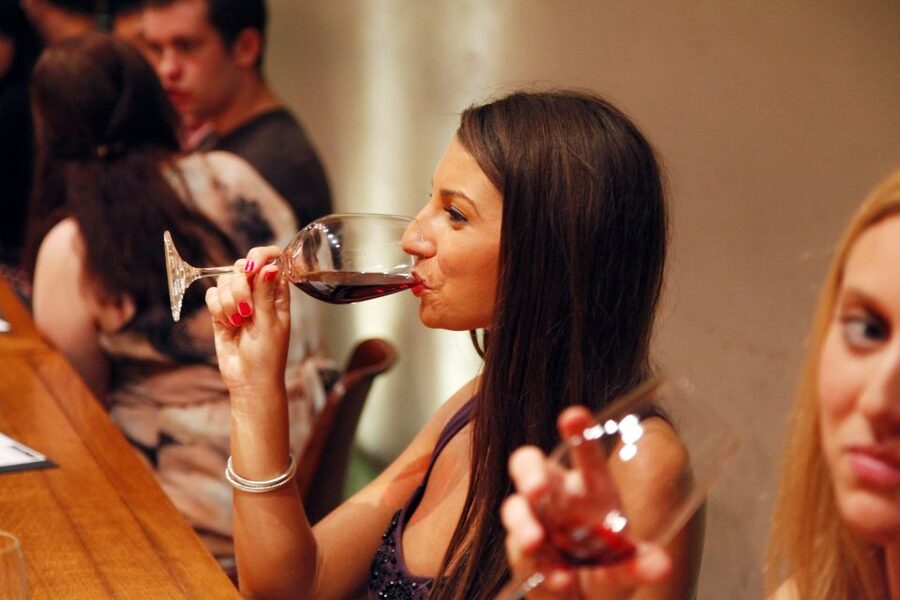
The sommelier is the engine of the class. The names that come up in the available feedback include Laury, Paul, Felicity, Clement, Kim, Jasmina, Jasmine, Pierre, Preston, Charlotte, and Lily.
The praise is consistent in a few areas: clear English, humor, strong command of the subject, and an ability to make beginners feel at ease. Clement, for instance, has been praised for explaining wine in an informative but relatable way. Pierre was appreciated for making a first tasting feel easy and fun, while Charlotte also gave useful suggestions for local wine shops.
Because the guide changes, the personality of the class can change too. One sommelier may focus more on history, another on labels or food pairing. That is normal for a presentation-led tasting and not a reason to expect a fixed script.
You should feel free to ask direct questions. The class is designed for this, with topics ranging from tannins and grape varieties to new wine trends and restaurant ordering.
Is $88 a fair price?
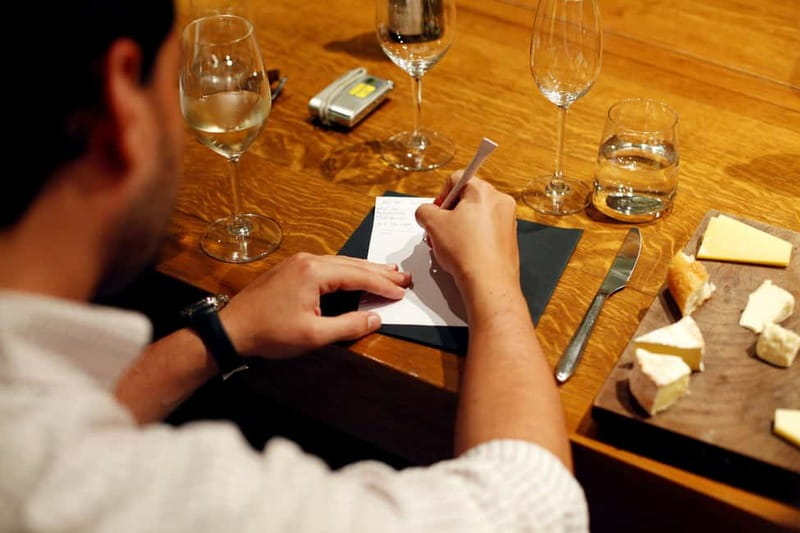
At $88 per person, this is not the cheapest way to drink six French wines in Paris. You can buy a bottle for less, but that misses the main point. The cost includes a central location, a dedicated cellar setting, six samples, an English-speaking sommelier, a structured lesson, bread, water, and a wine list.
I see the value most clearly if you are new to French wine or expect to buy bottles during your trip. The label lesson alone can save you from choosing a bottle based only on a familiar-looking name. The practical advice on ordering wine also carries beyond this one evening.
The value is less clear if you already know French regions well and mainly want premium wine. The bottles are selected for teaching, and at least one assessment found the wines pleasant but not exceptional. You are paying for guidance, setting, and comparison as much as for the liquid.
The optional €15 cheese or charcuterie plate raises the total, but it can turn the tasting into a light evening meal. For many people, that makes more sense than rushing straight from the cellar to dinner.
Who should book this tasting?
I would choose this for a first French wine experience, a couple’s evening, a family outing with adult children, or anyone who wants a useful activity near the Louvre. It also suits people who know wine from another country but feel lost when faced with French labels.
You do not need a refined palate or a large vocabulary. The whole point is to build a basic method: look, smell, taste, compare, and ask questions.
I would hesitate if you dislike group activities, want rare or luxury bottles, or need a fully quiet room. The class can be large, and the cellar may feel warm. Sit near the front, arrive ready to participate, and consider the cheese plate if you want food with the wine.
The experience allows cancellation up to 24 hours before the start for a full refund, and you can reserve while paying later. Check the available start time when booking, since the stated session begins at 5pm but availability can vary.
Should you book it?
Yes, if you want an entertaining lesson that makes French wine easier to understand. The strongest reasons are the six-region comparison, the label guidance, the central Louvre location, and the friendly teaching style associated with guides such as Laury, Paul, and Clement.
I would book it as a pre-dinner activity and add the cheese plate if you want more than bread. Just keep your expectations sensible: this is a lively educational tasting, not a private cellar visit or a luxury bottle showcase. For most beginners, the chance to leave Paris better able to read a French wine list makes the $88 worthwhile.
FAQ
Where does the French wine tasting take place?
The tasting takes place at Ô Chateau, 68 Rue Jean-Jacques Rousseau in Paris’s 1st arrondissement. It is about a six-minute walk from the Louvre.
Which metro stations are closest?
You can use Louvre-Rivoli on Line 1 or Étienne Marcel on Line 4. The meeting point is a short walk from either station.
What time does the tasting start?
The stated start time is 5pm, and the session finishes around 7pm. Check availability when booking because start times can vary.
How long does the experience last?
The wine class lasts two hours.
How many wines do I taste?
You taste six French samples from six regions. The selection includes one Champagne and five other French wines.
Is the tasting conducted in English?
Yes. The experience includes a live, English-speaking sommelier, and English is the listed language.
Is food included?
Bread and still water are included. Cheese or charcuterie is optional and costs €15 on site.
Do I need previous wine knowledge?
No. The class teaches beginners how to taste wine, understand tannins, read French labels, and compare regions and grape varieties.
Is the cheese or charcuterie plate included in the $88 price?
No. The optional cheese or charcuterie plate costs an additional €15.
Can I cancel for a refund?
Yes. You can cancel up to 24 hours in advance for a full refund. You can also reserve now and pay later.
More Food & Drink in Paris
- Private Montmartre Food Tour with Wine, Cheese & Pastries
★ 5.0 · 1,027 reviews - Paris Le Marais Food Tour With 10+ Tastings, Cheese, Wine & More
★ 5.0 · 985 reviews - Paris Montmartre Food & Wine Tour with Eating Europe
★ 5.0 · 718 reviews - Paris Seine River Champagne Tasting Cruise
★ 4.5 · 652 reviews
More Wine Tastings in Paris
- Montmartre Hill French Gourmet Food and Wine Tasting Walking Tour
★ 5.0 · 2,588 reviews - From Paris: Loire Valley Castles Day Trip With Wine Tasting
★ 4.6 · 1,727 reviews - Paris: Les Caves du Louvre Guided Tour with Wine Tastings
★ 4.7 · 932 reviews - Paris Le Marais District Original Food and Wine Tasting Tour
★ 4.5 · 880 reviews
Just added around Paris
- Top Private Cruises in Paris with Champagne + more surprises★ 5.0 · 309 reviews
- Private tour of Paris by Night with Champagne★ 4.7 · 323 reviews
- Paris: Wine Tasting Experience with 6 Wines and Cheese Board★ 4.9 · 80 reviews
- Paris: The Ultimate Wine and Cheese Tasting in English★ 5.0 · 33 reviews
- Paris: Wine and Cheese Tasting with a Chef Sommelier★ 4.7 · 277 reviews
- Paris: Tasting of 3 Wine and 3 Cheese★ 5.0 · 74 reviews
- Paris: Wine and Cheese Tasting★ 4.6 · 91 reviews
- Paris: Seine River Champagne Dinner Cruise with Live Music★ 4.4 · 287 reviews
Wine Tours in Paris, compared.
Authentic Parisian Gourmet Food Tour with 10 Local Dishes & Wines
Read our review →
Loire Valley Castles Day Trip from Paris with Complementary Wine
Read our review →
Montmartre Hill French Gourmet Food and Wine Tasting Walking Tour
Read our review →
Montmartre Cheese, Wine & Pastry Guided Walking Tour
Read our review →
Loire Valley Castles Day Trip With Wine Tasting
Read our review →
Top Private Cruises in Paris with French Champagne and surprises
Read our review →
Day Trip to Champagne with 8 Tastings & Lunch
Read our review →
First Show Moulin Rouge with Champagne & Seine Cruise
Read our review →Browse the lists this tour appears in