
REVIEW · FRANCE
Bordeaux: Explore an Organic Family Vineyard with Tasting
At Pestoury Vineyard, the wine story begins with the family, not the tasting glass. Marie, Isabelle, or Bertrand leads you through a five-generation property, explaining how soil, seasons, farming choices, fermentation, and aging shape the bottle. The family connection feels central, not tacked on as a bit of local color.
I especially like the clear introduction to Bordeaux’s 65 appellations and the chance to taste across the estate’s range, from dry white and sweet white to rosé, red, and sparkling wine. The main consideration is transport: getting to the vineyard is your responsibility, so you’ll need to plan that part before booking.
Key points
- Five generations at Pestoury Vineyard: Meet a family member and hear how the property has changed over time.
- Organic farming since 2020: Learn how fewer chemical inputs can support biodiversity and affect vineyard work.
- Up to 10 wines: The tasting can include Bordeaux whites, rosé, Côtes de Bordeaux reds, sparkling wines, and grape juice.
- A useful Bordeaux primer: The opening map places the vineyard in the wider world of 65 appellations.
- Small groups of up to 10: The format leaves room for questions and a more personal conversation.
- Good value at $21: A 90-minute vineyard tour, cellar visit, and broad tasting are included.
A Family Vineyard, Not a Wine Theme Park
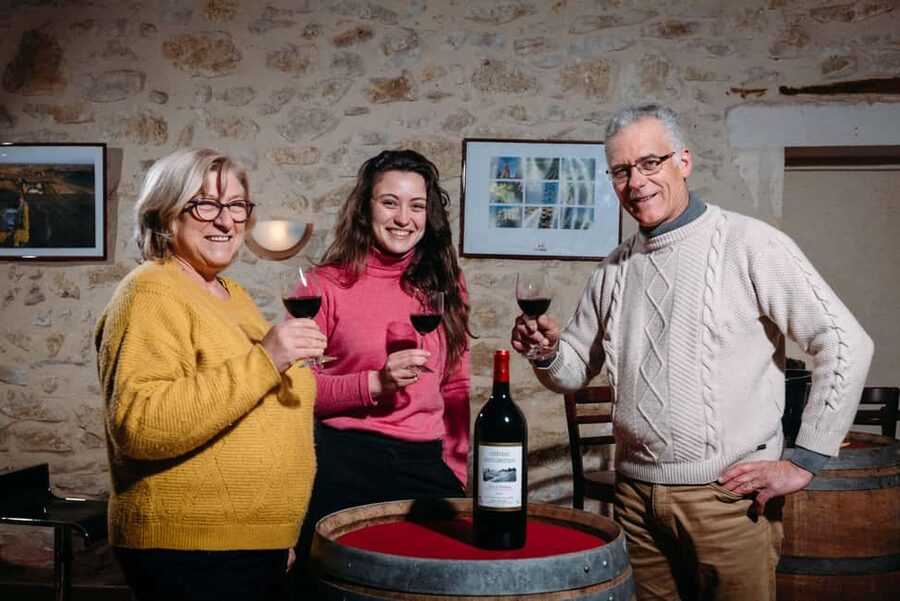
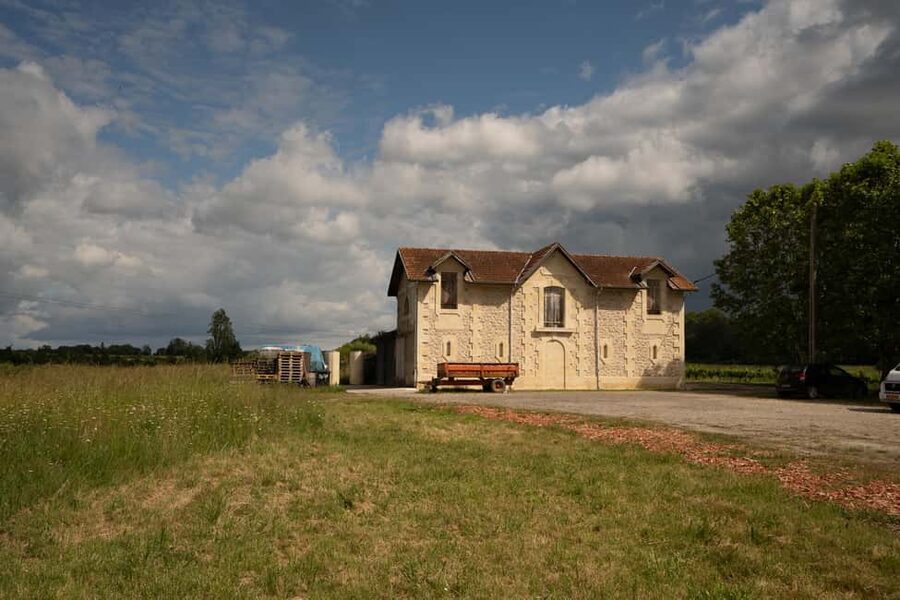
Pestoury Vineyard gives you a look at wine production on a personal scale. This is a family-run estate in Nouvelle-Aquitaine, where the people guiding you are part of the winemaking story. Marie grew up around the vines and is often your host, though Isabelle or Bertrand may lead the visit.
That detail matters. You are not simply being shown a cellar by someone reciting a standard script. The visit connects the vineyard’s daily work to the family’s own choices and experience. Marie can explain how the property has been passed through five generations, while also answering the practical questions that make wine easier to understand.
The tour lasts 90 minutes and is limited to 10 participants. That is long enough to cover the major stages of production without turning into a half-day commitment. The small group also suits you if you prefer to ask questions rather than stand at the back of a large crowd.
The tone is friendly and suitable for beginners. You do not need a strong wine vocabulary, and you do not need to arrive with a serious interest in collecting bottles. The explanations are designed to work for curious first-time tasters as well as people who already know their Bordeaux from their Burgundy.
More vineyard walks in France:
- Saint-Émilion: Bordeaux Vineyard Tour and Wine Tasting
★ 4.8 · 578 reviews - Bordeaux: Vineyards Wine Tasting Half-Day Trip
★ 4.2 · 470 reviews - Half-Day Wine tour across Bordeaux’s Vineyards
★ 3.5 · 429 reviews
Start With Bordeaux on a 65-Appellation Map
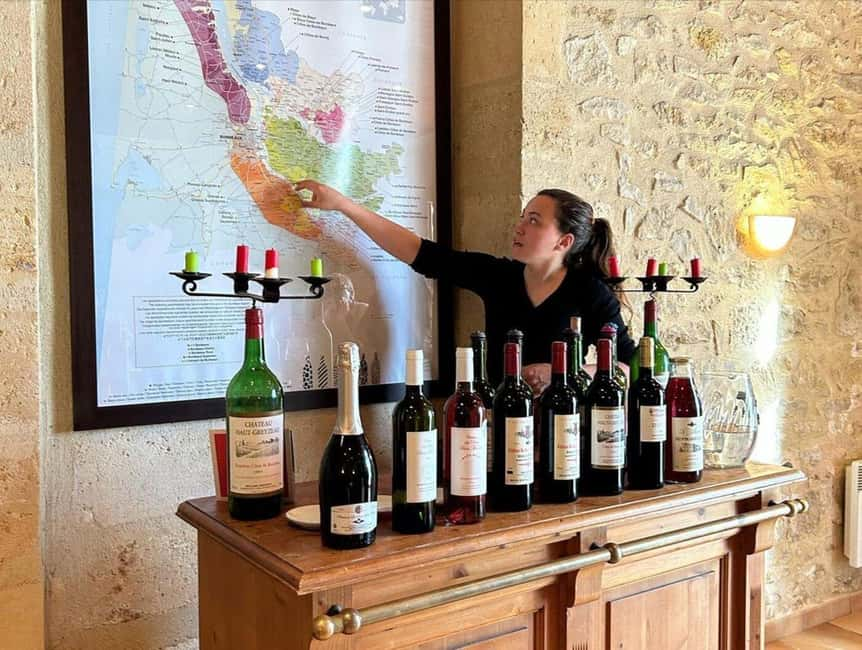
The visit begins with a map of Bordeaux. This is a smart first step because Bordeaux can otherwise feel like a blur of names, labels, and grape varieties. You get a quick explanation of the region and its 65 appellations before looking at one particular vineyard.
That map gives useful context to the wines you taste later. Bordeaux is not one single style of wine. Its output includes bold reds, dry whites, sweet whites, rosé, and sparkling wine, with differences shaped by location, soil, climate, and winemaking choices.
I like this part because it helps you place Pestoury within the wider region. Instead of tasting a red and simply hearing that it is from Bordeaux, you begin to understand that the name covers many distinct areas and traditions.
The introduction is also helpful if your knowledge of French wine is limited. You can ask questions early, then follow the rest of the visit with a clearer idea of why a particular wine looks, smells, or tastes the way it does.
Among the Vines: Soil, Seasons, and Organic Farming
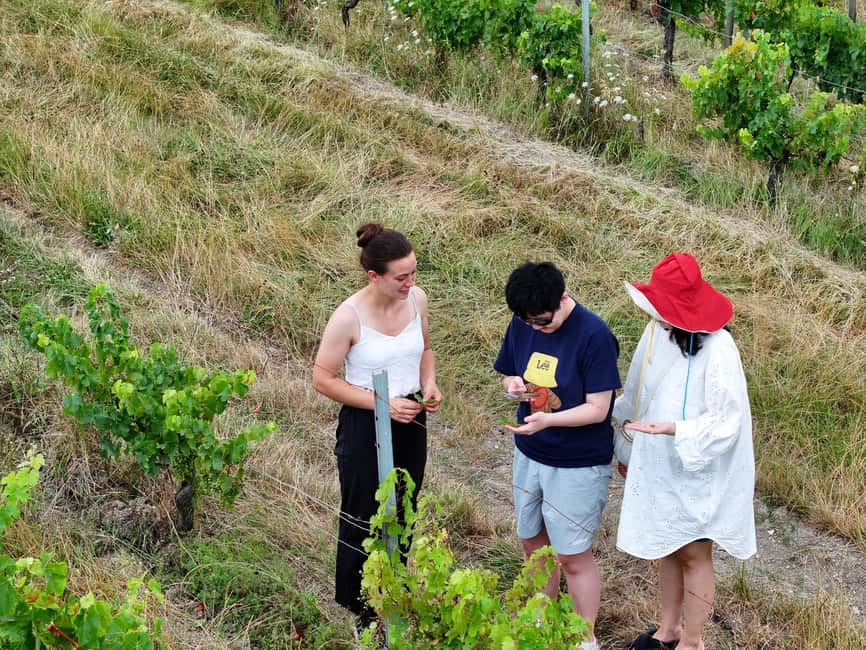
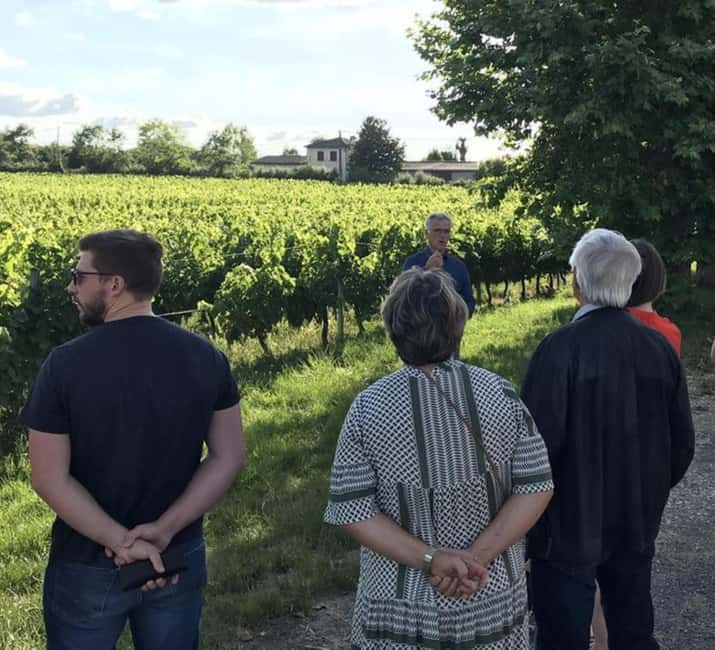
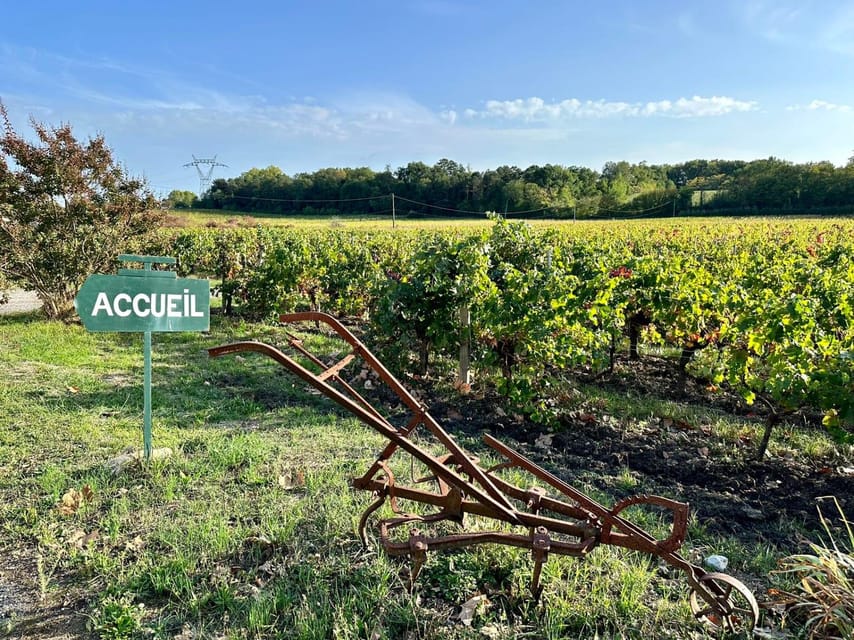
If the weather allows, the outdoor part begins among the vines. This is where the guide explains that a wine’s character starts long before fermentation. The grape variety, soil, climate, and work carried out through the year all affect what eventually reaches your glass.
You’ll learn about the vineyard’s grape varieties, terroirs, and soils, as well as the seasonal rhythm of vineyard work. That seasonal point is easy to overlook when you buy a bottle from a shop. Here, you get a sense of how the work changes during the year and why timing matters.
Since 2020, the family has been working toward organic farming practices. The discussion is not limited to a label on a bottle. You’ll hear about the environmental side of the change, including its effect on biodiversity and the broader relationship between farming and nature.
I find this especially useful because organic wine can mean different things to different people. At Pestoury, the subject is tied to real decisions in the vineyard and to the family’s effort to reduce environmental impact. The tour does not suggest that farming is effortless, either. Organic methods require attention to weather, plant health, and seasonal conditions.
Wear comfortable shoes and dress for the weather. The outdoor portion depends on conditions, and a rainy day may shift the balance of the visit indoors. That does not remove the content, but it can limit how much time you spend among the vines.
Inside the Cellar, From Fermentation to Bottle
The cellar brings the process into focus. You’ll see the tanks and barrels used for white, rosé, and red wines, then follow the basic path from harvested grapes to finished bottle.
The guide explains fermentation, aging, and the way different containers can affect flavor and texture. You’ll also hear about timing, including when to harvest and when to bottle. These are practical details, and they help explain why winemaking is not simply a matter of pressing grapes and waiting.
This section works well after the vineyard visit. First you see the growing conditions. Then you see the equipment and methods used to turn the crop into wine. The connection between field and cellar becomes much easier to grasp.
The cellar portion is not presented as a technical lecture. Marie’s role is important here because she can adjust the conversation to your questions. If you want the basics, you’ll get a clear overview. If you want to understand fermentation or barrel use in more detail, there is room to ask.
You should expect a family winery rather than a grand historic estate with a long list of elaborate rooms. That is part of the appeal, but it also sets the right expectation. The experience is about access to the work and the family story, not formal palace-style surroundings.
A few more wine days around France worth comparing
- Authentic Parisian Gourmet Food Tour with 10 Local Dishes & Wines
★ 5.0 · 4,754 reviews - Bordeaux: Cité du Vin Entry Ticket and Wine Tasting
★ 4.6 · 3,885 reviews - Montmartre Hill French Gourmet Food and Wine Tasting Walking Tour
★ 5.0 · 2,588 reviews - From Paris: Loire Valley Castles Day Trip With Wine Tasting
★ 4.6 · 1,727 reviews
A Broad Tasting for $21
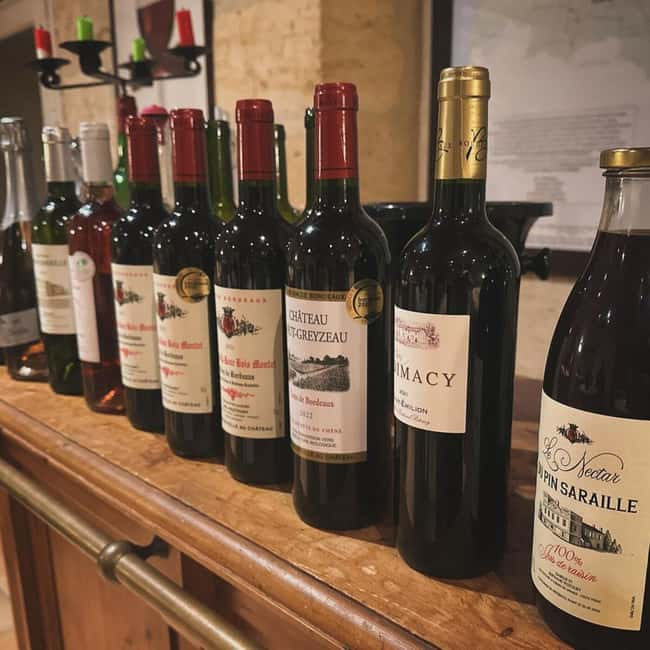
The tasting is the payoff, and the range is unusually broad for a 90-minute visit. Depending on availability, you may taste up to 10 wines, along with house-made grape juice. The selection can include:
- Bordeaux Blanc Sec, a dry white
- Sweet white wine
- Bordeaux Rosé
- Several Côtes de Bordeaux reds
- Sparkling wines
- House-made grape juice
The exact number varies. One visit may include seven wines, while another may reach 10. Grape juice is also subject to availability. It is worth keeping that in mind if you are comparing this experience based on the maximum tasting count.
You’ll be taught a simple method for tasting: look at the wine, smell it, then taste it. The guide explains what to notice and gives you a way to compare different styles without making the process feel stiff or intimidating.
I like the variety because it prevents the tasting from becoming a narrow study of one type of Bordeaux red. You can compare still and sparkling wines, dry and sweet whites, rosé, and several reds. That makes the experience useful for deciding what you actually enjoy.
The tasting also works for a mixed group. A person who does not drink wine can still follow the production story, smell the samples, and try the grape juice if it is available. If you are visiting with friends or family who have different levels of interest, that flexibility matters.
Several people have bought bottles after tasting, including sparkling rosé. Extra bottles are not included in the $21 price, but they are available for purchase. If you like something, ask about it during the tasting rather than trying to remember the name later.
Why the $21 Price Makes Sense
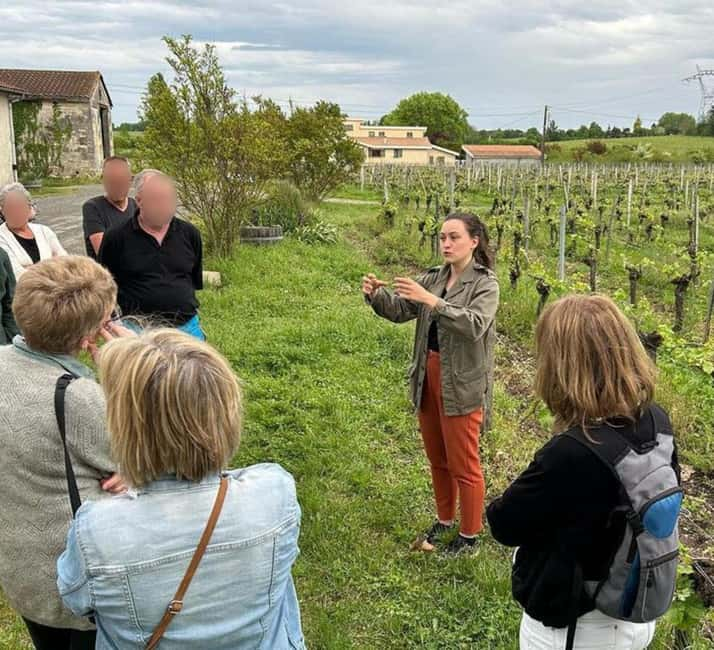
At $21 per person, this is a strong value if you want more than a quick pour at a shop. You receive a family-led tour, a regional introduction, a vineyard explanation, a cellar visit, and a tasting that may cover much of the estate’s range.
The value comes from the structure. You are not paying only for wine samples. You are paying for the connection between the map, the vines, the organic farming discussion, the cellar equipment, and the final tasting.
The 90-minute length also helps. It is substantial enough to feel like a real activity, but short enough to fit around other plans in Bordeaux. If you are building a day around the city, you will still need to allow time for transport because the price does not include getting to or from the vineyard.
There is a trade-off. Large, famous estates may offer bigger facilities or more formal presentations. Pestoury is better suited to you if personal contact, practical explanations, and support for a family producer matter more than grand architecture.
What the Small Group Changes
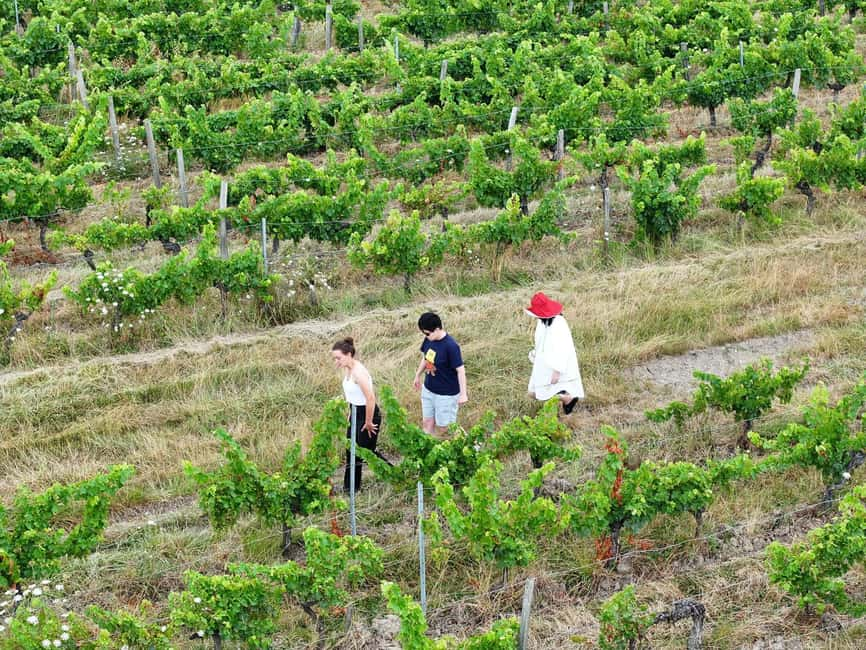
The maximum group size is 10, which is a useful limit for a vineyard visit. You should have a better chance to hear the guide clearly and ask questions without interrupting a large crowd.
The group can be even smaller. One morning, a couple had the full attention of Isabelle and Marie. That kind of setting allows the host to shape the tour around your interests, though you should not assume every departure will be private or nearly private.
The small-group format also fits the family-run character of the place. You are visiting a working vineyard, not moving through a large attraction with a fixed crowd pattern. The experience feels more conversational, and the guide can explain details at a comfortable pace.
French and English are offered. Marie, Isabelle, and Bertrand may lead the tour, with Marie most often serving as host. If having a particular guide is important to you, the available guide may depend on the date.
Weather, Access, and Practical Planning
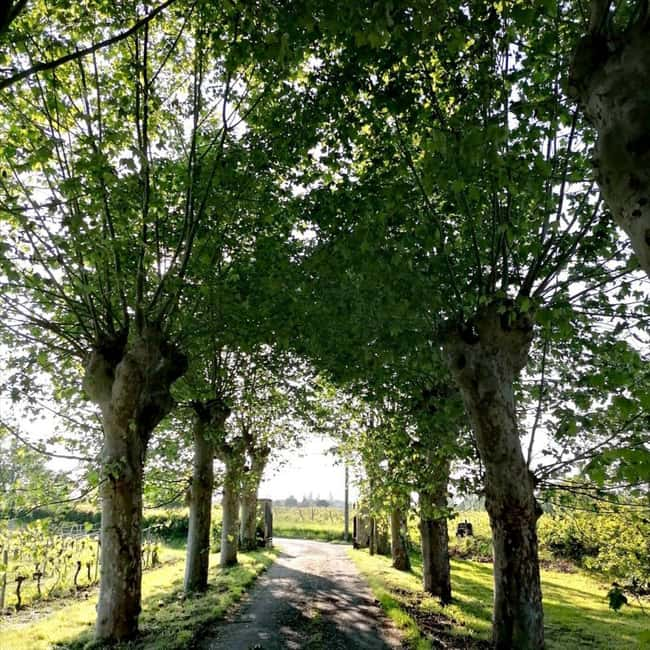
The vineyard portion depends on the weather, so bring clothing suited to the conditions and wear comfortable shoes. Rain does not necessarily cancel the experience. The tour can still cover the family history, production process, and tasting, though you may spend less time outside.
The vineyard is wheelchair accessible. Transport is not included, and the provider asks you to arrange your own way there. If you are unsure about transport options, you can contact the provider for guidance before the visit.
The tour is offered in French and English. Free cancellation is available up to 24 hours in advance, and you can reserve now and pay later. Those policies are useful if your Bordeaux schedule is still changing.
Because the experience includes wine tasting, think about how you will return afterward. The supplied information does not specify transport arrangements, so plan that part yourself rather than assuming a transfer is provided.
Who Will Enjoy Pestoury Vineyard Most
I would choose this for anyone who wants to understand wine from the ground up. It suits beginners particularly well because the guide explains tasting in plain terms and starts with Bordeaux’s regional basics.
It is also a good fit for people who prefer a family property to a large commercial operation. The five-generation story, the personal guiding, and the focus on current farming choices give the visit a sense of place without making it overly formal.
Wine enthusiasts will appreciate the chance to compare a full range of styles, especially if they want more than Bordeaux reds. The dry white, sweet white, rosé, sparkling wine, several reds, and grape juice make the tasting broad rather than repetitive.
Families and mixed groups can also make good use of the visit, particularly when not everyone drinks wine. The history, vineyard work, and cellar process provide plenty to follow beyond the alcohol itself.
I would think twice if your main goal is a grand château visit, a long meal, or a full-day wine route with several estates. This is one compact family vineyard experience, and its strength is personal access rather than scale.
Should You Book This Bordeaux Vineyard Visit?
Book it if you want a friendly, well-priced introduction to Bordeaux wine with real contact with the people who make it. The strongest reasons are the five-generation family story, the organic farming discussion, the clear map-based regional introduction, and the broad tasting for $21.
You should also book it if you value a guide who answers questions and adjusts the pace to the group. Marie is often your host, while Isabelle and Bertrand may lead on other dates. The experience is designed for both beginners and experienced wine drinkers.
Skip it if you cannot arrange transport to the vineyard or if you are looking specifically for a grand estate, formal architecture, or a full-day tasting route. For an accessible 90-minute visit with up to 10 wines and a close look at vineyard and cellar work, Pestoury is an easy recommendation.
FAQ
How long does the Pestoury Vineyard experience last?
The visit lasts 90 minutes, including the vineyard and cellar tour, Bordeaux introduction, and guided tasting.
How much does the experience cost?
The listed price is $21 per person.
How many wines can I taste?
You can taste up to 10 wines, depending on availability. One tasting may include seven wines, while another may include 10.
What types of wine are included?
The tasting can include Bordeaux Blanc Sec, sweet white, Bordeaux Rosé, several Côtes de Bordeaux reds, and sparkling wines. House-made grape juice may also be available.
Who leads the tour?
A family member leads the visit. Your guide may be Isabelle, Bertrand, or Marie, who is most often the host.
Is the tour offered in English?
Yes. The tour is available in English and French.
Is the vineyard wheelchair accessible?
Yes, the experience is wheelchair accessible.
Is transportation included?
No. You must arrange your own transportation to and from the vineyard, though you can contact the provider for guidance about transport options.
Just added around France
- Bordeaux Wines Masterclass paired with cheeses & charcuterie★ 5.0 · 110 reviews
- Bordeaux Médoc Region Private Wine Lovers Tour with Chateau Visits & Tastings★ 5.0 · 40 reviews
- Bordeaux Food and Wine Tour : Authentic Artisanal Flavors★ 5.0 · 62 reviews
- Saint-Emilion Winery Morning Tour with Local Guide★ 5.0 · 67 reviews
- Médoc luxury wine tour aboard a Citroën DS Limousine Convertible★ 5.0 · 41 reviews
- Saint Emilion Morning Wine Tour – Winery & Tastings from Bordeaux★ 5.0 · 186 reviews
- Introduction to Bordeaux wines paired with cheeses & charcuterie★ 5.0 · 175 reviews
- Tasting of 6 Bordeaux wines and pairing charcuterie & cheese★ 5.0 · 199 reviews
Wine Tours in France, compared.
Authentic Parisian Gourmet Food Tour with 10 Local Dishes & Wines
Read our review →
Loire Valley Castles Day Trip from Paris with Complementary Wine
Read our review →
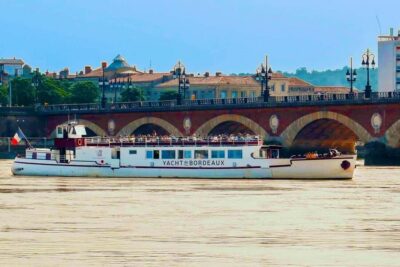
River Garonne Cruise with Glass of Wine and Canelé
Read our review →
Montmartre Hill French Gourmet Food and Wine Tasting Walking Tour
Read our review →
Montmartre Cheese, Wine & Pastry Guided Walking Tour
Read our review →
Loire Valley Castles Day Trip With Wine Tasting
Read our review →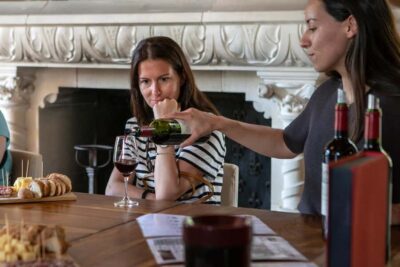
Afternoon Saint-Emilion Wine Tasting & snack
Read our review →Browse the lists this tour appears in