
REVIEW · EPERNAY
Champagne Cellar Experience: Explore our historic cellars
Champagne Harlin Père & Fils gives you a close look at small-producer Champagne, from the winery and cellar to a guided tasting of three champagnes and one Ratafia Champenois. The focus is not only on the bottle, but also on soil, climate, production methods, and the family’s work to protect biodiversity.
I like the direct contact with the producer and the clear sense of place across Mareuil-le-Port, Épernay, and Tours-sur-Marne. I also like that the tasting includes Ratafia Champenois, a regional drink many visitors never encounter. The main point to check is timing: the activity is advertised as one hour, while the detailed schedule allows one hour for the visit plus 30 minutes for tasting.
- Taste four different pours: Three champagnes and one Ratafia Champenois are included.
- Visit the working winery and cellar: The tour explains how Champagne Harlin makes its wines.
- Compare several terroirs: The cuvées reflect Mareuil-le-Port, Épernay, and Tours-sur-Marne.
- Learn about biodiversity: The producer discusses sustainable viticulture and protecting plant and animal life.
- Choose your language: Live guidance is offered in French or English.
- Reach it from the main Champagne towns: The cellar is less than two hours from Paris, 20 minutes from Épernay, and 30 minutes from Reims.
A Small Cellar With a Clear Sense of Place
Champagne is often sold through grand houses, polished visitor centers, and famous names. Champagne Harlin Père & Fils offers a different scale. You arrive at 8 Rue de la Fontaine and enter the courtyard, where your guide waits to meet you.
That simple meeting point matters. You are not being sent through a large attraction with a fixed script and a long line of visitors. You are being welcomed into a family Champagne setting, where the explanation centers on the producer’s own cellar, wines, and methods.
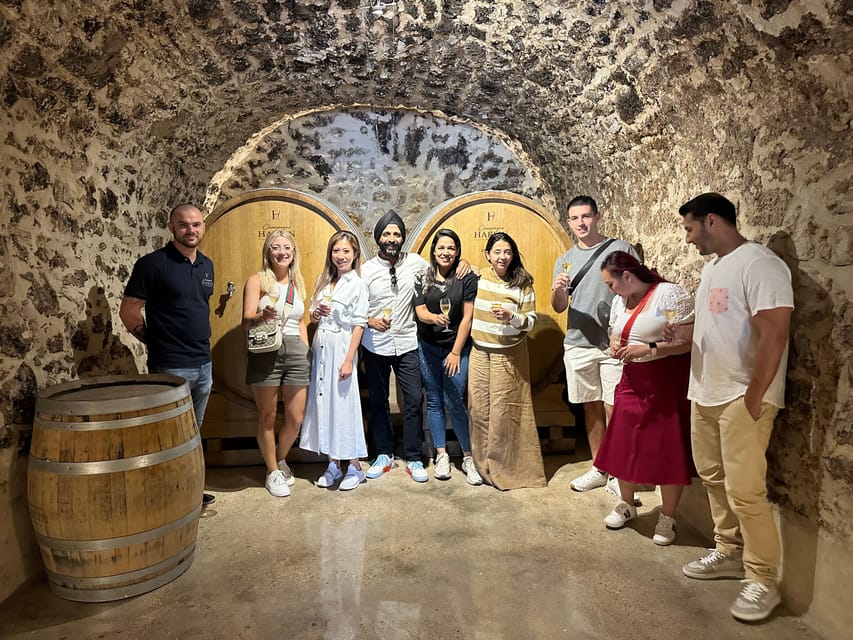
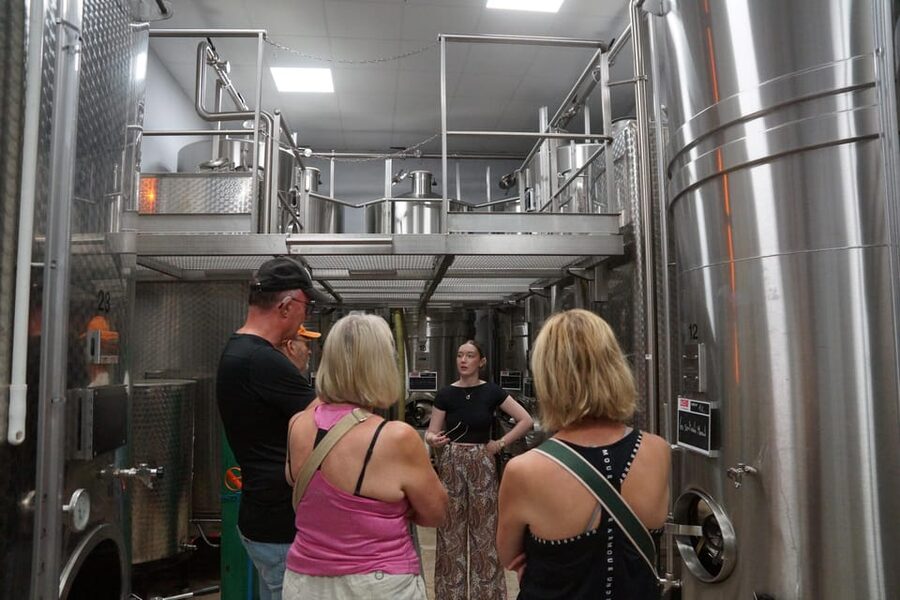
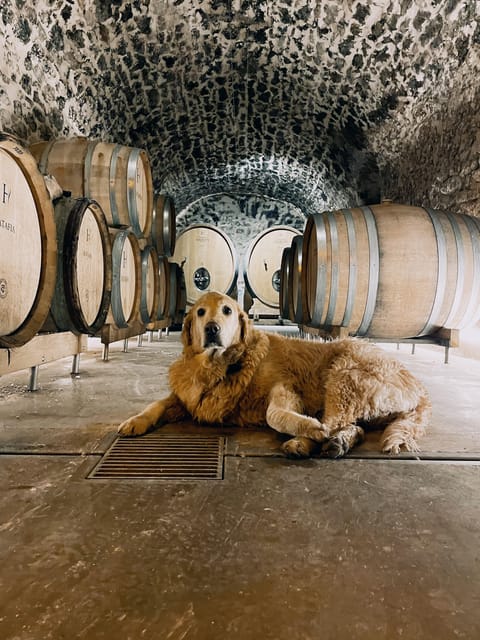
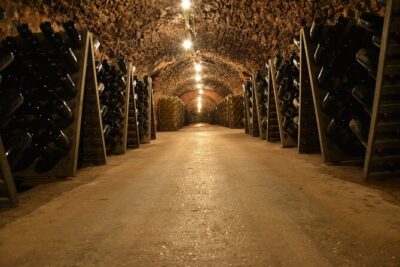
The experience begins with a guided visit to the winery and cellar. You will learn how the Champagne is made and how the cellar fits into that process. The available information does not promise a particular cellar feature, such as old oak barrels, a certain number of bottles, or a long underground tunnel, so you should not arrive expecting a dramatic architectural show.
The real value is the connection between production and tasting. When the guide later pours the wines, you have already heard about the work behind them. That makes it easier to understand why two Champagnes can taste different even when they come from the same region.
What the Winery Visit Adds
The first part is built around the production process. You can expect the guide to explain the specific way this Champagne house works, rather than giving only a broad lesson about Champagne as a whole. One particularly useful detail from the experience is the chance to understand how soil and climate affect each cuvée.
That is important because Champagne is not one uniform growing area. Mareuil-le-Port, Épernay, and Tours-sur-Marne each bring a different local identity to the wines presented here. The tasting is designed to make those differences easier to notice.
You may not leave knowing every technical term used by professional wine buyers, but you should come away with a better handle on the basics: how grapes become Champagne, why the growing site matters, and how a producer decides what goes into each cuvée.
The guide also discusses biodiversity preservation and sustainable viticulture. This gives the visit a wider purpose. You are not only learning how the bottle is made, but also how the producer thinks about the vineyard as a living place.
The information provided does not list a separate vineyard visit as part of this package. In fact, a vineyard tour is specifically not included. If walking among the vines is important to you, check whether Champagne Harlin offers that as a separate experience rather than assuming it forms part of this booking.
More Wine Tours in Epernay
- From Reims: Champagne and Family-Run Wineries Tour
★ 4.8 · 671 reviews - From Epernay : Champagne tasting with a vintage car
★ 4.9 · 133 reviews - From Epernay : Bubble Champagne Tour 6 tastings
★ 4.7 · 108 reviews
Three Champagnes, One Ratafia Champenois
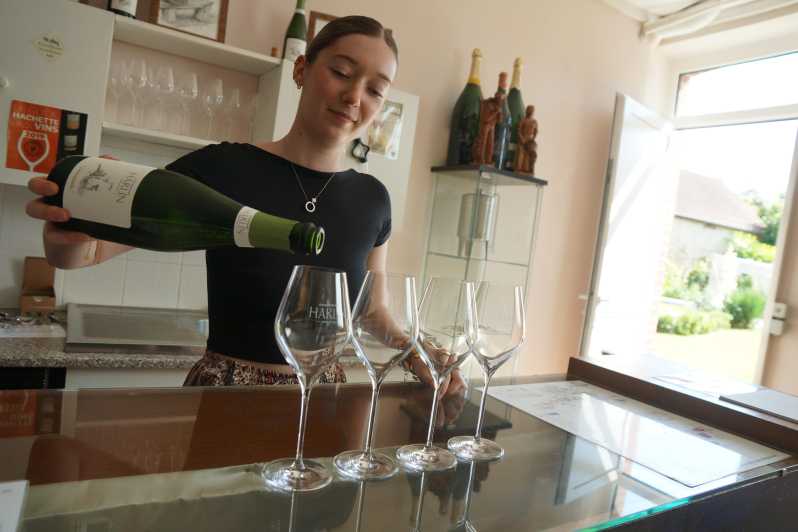
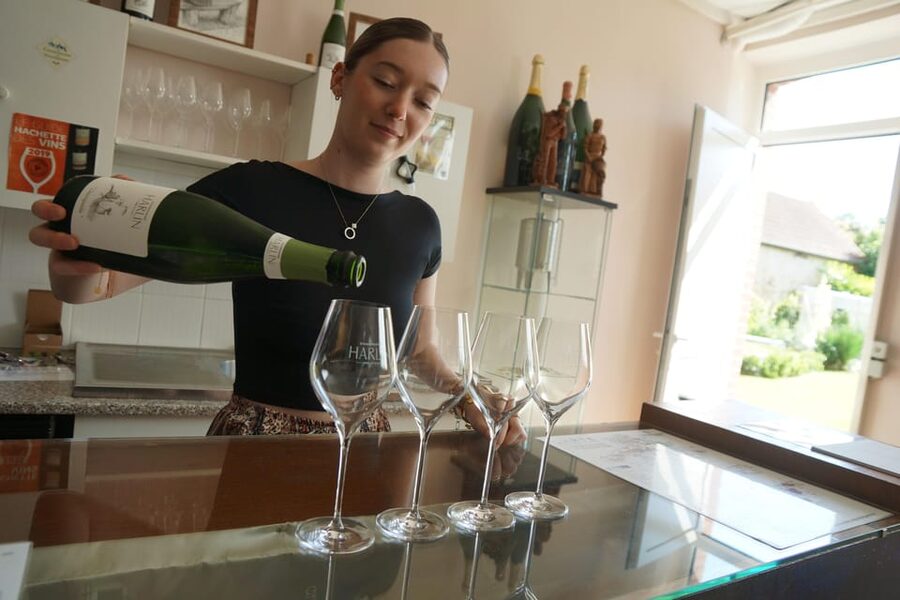
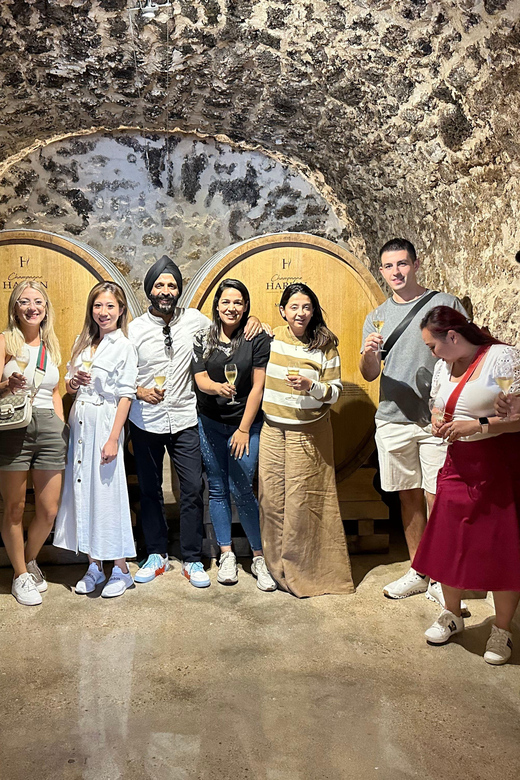
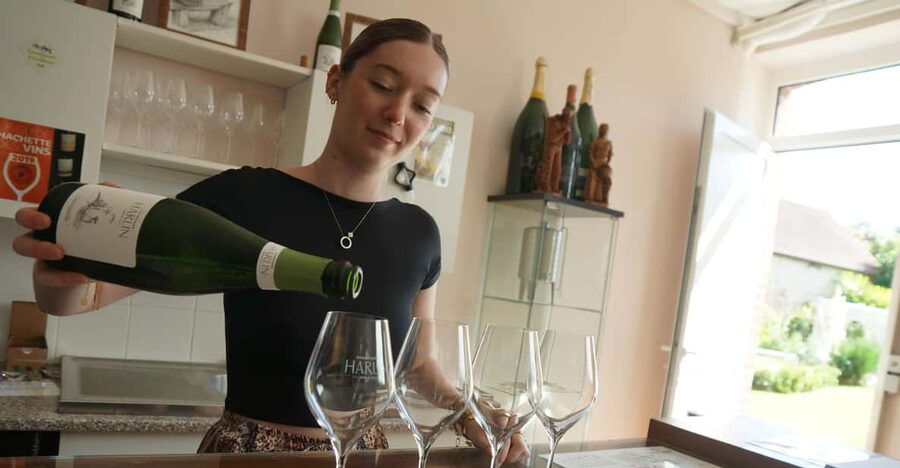
The tasting is the payoff, but it is not just a quick glass at the end. You receive three champagnes and one Ratafia Champenois, with the tasting explained by the guide.
The three Champagnes are linked to the house’s different terroirs. That gives you a useful comparison rather than three nearly identical pours. Pay attention to how the wines differ in aroma, freshness, body, and finish. The guide can help you connect those impressions with the places where the grapes grow.
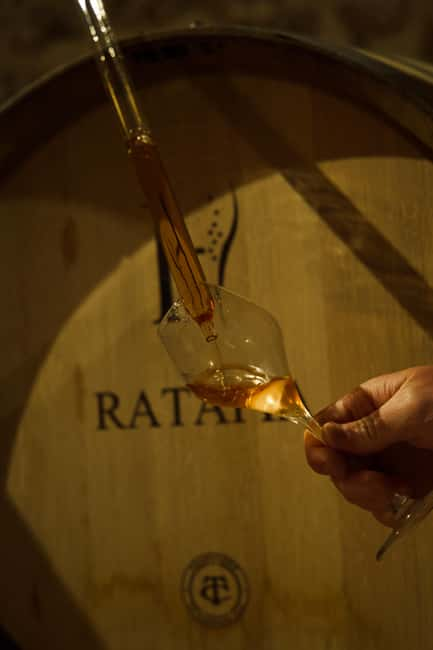
Ratafia Champenois is a particularly nice addition. It is a regional fortified wine made in Champagne, and it gives the tasting a different direction from the sparkling wines. If you have already visited several Champagne houses, this fourth pour helps keep the experience from feeling like a repeat of the same tasting format.
The tasting is also a good place to ask questions. You can ask about the cuvées, the production method, the local soils, and the producer’s approach to biodiversity. The available information describes the tasting as commented and educational, so you should expect more than a silent pour followed by a sales pitch.
Still, remember that this is a short experience. Four pours can introduce the house, but they cannot cover every style of Champagne or every detail of vineyard management. I would treat it as a focused introduction to Champagne Harlin, not a full wine course.
Why the Biodiversity Message Matters
Many cellar visits focus almost entirely on fermentation, bottle aging, and tasting notes. Champagne Harlin also puts attention on biodiversity preservation. That means the producer’s work includes concern for the wider vineyard environment, not only the final product.
For you, this adds useful context to the glass in front of you. Wine does not begin in the cellar. It begins with soil, plants, weather, and farming choices. The guide’s explanation can help you see sustainability as part of the wine’s story rather than as a separate marketing label.
The details supplied do not spell out which biodiversity measures are used. You should not assume the house follows a particular certification program or uses one specific farming technique. Instead, listen for the producer’s own approach and ask questions if this subject matters to you.
This part of the tour may be especially worthwhile if you want to support smaller producers who make their own choices about vineyard care. It also gives the visit more substance than a standard tasting that concentrates only on flavor.
Comparing Mareuil-le-Port, Épernay, and Tours-sur-Marne
The three named areas give the tasting a geographic thread. Épernay is familiar to many Champagne visitors, but Mareuil-le-Port and Tours-sur-Marne may be less familiar names on a first trip. Having all three represented lets you think about Champagne as a collection of local growing areas instead of one single style.
The point is not to memorize village names. I would use the comparison to ask simple questions:
- Which wine feels freshest or most rounded?
- Can you notice a difference in texture or aroma?
- Does the guide connect a certain character with the soil or climate?
- Which cuvée suits your own taste?
You do not need formal wine vocabulary. A good tasting should help you describe what you like in ordinary words. The guide can then add the technical explanation.
This is one reason the experience may suit visitors who have already toured a famous Champagne house. Large producers are useful for learning the broad picture, but a smaller cellar can show you how an individual producer interprets the region.
More cellar visits in France:
- Epernay: Guided Tour of Champagne Cellar with Tastings
★ 4.7 · 507 reviews - Beaune: Maison Champy Guided Cellar Tour with Wine Tasting
★ 4.7 · 213 reviews - Alsatian Guided Wine Tasting and Immersive wine cellar tour
★ 4.7 · 110 reviews - Paris: Cheese and Wine Class in a 17th Century Cellar
★ 4.8 · 91 reviews
Time, Location, and What to Plan
The meeting point is Champagne Harlin’s courtyard at 8 Rue de la Fontaine. Your guide should greet you there, and the experience returns to the same address.
The location is described as less than two hours from Paris, 20 minutes from Épernay, and 30 minutes from Reims. Those travel estimates make the cellar a possible stop during a Champagne day trip, but you should still allow time for your own transport and arrival. The experience does not include transportation.
There is a small timing wrinkle. The activity information gives a duration of one hour, while the schedule breaks the visit into one hour for the winery and cellar, followed by 30 minutes of wine tasting. For planning purposes, I would allow about 90 minutes on site and avoid booking a tight train, meal, or second tour immediately afterward. Check the exact start time when you reserve.
Live guidance is available in French and English. That is useful for international visitors, especially during the tasting, when a clear explanation can make the difference between simply drinking the wine and understanding it.
The price is $23 per person. For that amount, you receive the cellar tour, guided instruction, three Champagne tastings, and one Ratafia Champenois. I consider that good value if you want an educational visit at a small producer rather than an elaborate museum-style attraction.
The value is strongest for couples, small groups, and wine-minded visitors who want direct contact with a producer. It may feel less compelling if you are interested only in a grand cellar spectacle or want a long vineyard walk, since the vineyard tour is not included.
Who Will Enjoy This Most
I would recommend this for first-time Champagne visitors who want a clear introduction without committing to a half-day program. The combination of production explanation and tasting gives you a useful foundation.
It is also a good choice for repeat visitors. If you have already seen a major Champagne house, Champagne Harlin offers a different scale and a more personal look at one producer’s work.
The experience suits people who enjoy asking questions. The focus on terroir, sustainable viticulture, and biodiversity gives you several worthwhile topics beyond the usual tasting notes.
It may be less suitable for anyone looking for a large, highly theatrical attraction. The available information points to a direct cellar visit, not a show with extensive displays or entertainment.
Pregnant visitors are listed as not suitable for the activity. The information also says children under 18 are welcome to accompany adults, but they may not drink alcohol and do not need a ticket. Fruit juice is provided for them. Since the general suitability note also lists children under 18 as not suitable, families should confirm the current policy before booking.
Booking Flexibility and Practical Details
You can cancel up to 24 hours before the experience for a full refund. You can also reserve now and pay later, which helps if your Champagne route is still taking shape.
The experience is offered in French and English, and the guide is live rather than an audio recording. That is useful when you want to ask about a particular bottle or farming choice.
The package includes entry to the Champagne Harlin cellar tour and the guided Champagne and Ratafia tasting. It does not include the vineyard tour. Keep that distinction in mind when comparing this with other cellar visits in the area.
A rating of 4.7 from 46 ratings suggests a strong overall response, with repeated praise for the clear explanations, the guide’s patience, and the chance to learn how this particular cellar makes its Champagne. One especially useful point is that the experience has been appreciated as a more personal alternative to large tourist Champagne houses.
Should You Book Champagne Harlin?
Book it if you want a small-producer experience with a clear connection between cellar, terroir, farming, and tasting. The four pours give you enough variety to compare styles, while the biodiversity discussion adds a thoughtful layer that many short tastings skip.
I would choose it over a large-house visit if you value personal explanation and the chance to understand one producer’s point of view. I would choose a different activity if your priority is a vineyard walk, a grand underground cellar, or a longer technical tasting.
Allow more time than the headline one-hour duration suggests, confirm the child policy if you are visiting as a family, and remember that the vineyard tour costs extra or is otherwise separate. With those points clear, this looks like a well-priced and focused way to add a genuine local producer to a Reims or Épernay itinerary.
FAQ
Where does the Champagne Harlin experience take place?
It takes place at Champagne Harlin Père & Fils, 8 Rue de la Fontaine, in the Grand Est region of France.
How long does the experience last?
The activity is advertised as one hour, but the detailed schedule lists a one-hour winery and cellar visit followed by a 30-minute tasting. Allow about 90 minutes when planning your day.
What is included in the tasting?
You receive three champagnes and one Ratafia Champenois as part of the guided tasting.
Is the vineyard tour included?
No. The Champagne Harlin vineyard tour is not included in this cellar experience.
What languages are available?
The live tour guide can conduct the experience in French or English.
How far is the cellar from Épernay and Reims?
The cellar is described as 20 minutes from Épernay and 30 minutes from Reims. It is also less than two hours from Paris.
Can children attend?
The information says children under 18 may accompany adults, but they cannot drink alcohol, do not need a ticket, and receive fruit juice. It also lists children under 18 as not suitable, so families should confirm the current policy before booking.
Can I cancel the booking?
Yes. You can cancel up to 24 hours in advance for a full refund. A reserve-now, pay-later option is also available.
More Historical Tours in France
- Small-Group Full-Day Tour of Côte de Nuits, Côte de Beaune Vineyards and Beaune Historical District
★ 5.0 · 364 reviews - Nice : Wine Tasting at a Historic Château in a Land Rover !
★ 4.9 · 156 reviews - Nice: Sunset & Wine Tasting in a historic Land Rover
★ 5.0 · 91 reviews - Avignon: Historic District Guided Food & Wine Walking Tour
★ 4.8 · 84 reviews
More Champagne Tours in France
- Paris: Moulin Rouge Cabaret Show Ticket with Champagne
★ 4.7 · 16,088 reviews - Paris: Paradis Latin Cabaret Show with Optional Champagne
★ 4.6 · 2,231 reviews - Paris 3-Courses Gourmet Dinner Seine River Cruise with Champagne
★ 4.0 · 1,659 reviews - Top Private Cruises in Paris with French Champagne and surprises
★ 5.0 · 1,553 reviews
Just added around France
- Bordeaux Wines Masterclass paired with cheeses & charcuterie★ 5.0 · 110 reviews
- Bordeaux Médoc Region Private Wine Lovers Tour with Chateau Visits & Tastings★ 5.0 · 40 reviews
- Bordeaux Food and Wine Tour : Authentic Artisanal Flavors★ 5.0 · 62 reviews
- Saint-Emilion Winery Morning Tour with Local Guide★ 5.0 · 67 reviews
- Médoc luxury wine tour aboard a Citroën DS Limousine Convertible★ 5.0 · 41 reviews
- Saint Emilion Morning Wine Tour – Winery & Tastings from Bordeaux★ 5.0 · 186 reviews
- Introduction to Bordeaux wines paired with cheeses & charcuterie★ 5.0 · 175 reviews
- Free Walking Bordeaux Tour ENG + 1 glass of wine (Tip based)★ 5.0 · 90 reviews
Wine Tours in Epernay, compared.
Champagne experience with a vintage van from Epernay – 3 hours
Read our review →
Moët & Chandon and Family-Run Winery Day Tour & Lunch
Read our review →
Champagne Munoz Bruneau : Half Day Visit and Tasting
Read our review →
Browse the lists this tour appears in