
REVIEW · BOLOGNA
Bologna: Pasta & Wine Lesson Private Chef & Sommelier
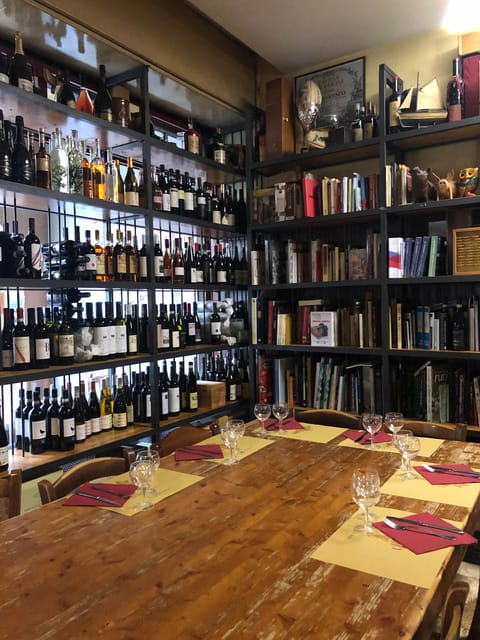
Bologna’s best food lesson may be the one that gets you out of a formal cooking studio and into a local home. Federico leads you through three kinds of fresh pasta, while Paola selects organic wines from small Italian producers and explains which bottle works with each dish. You finish around the table with pasta, wine, and a tiramisu based on his grandmother’s recipe.
I like the hands-on format and the warm setting. You do not just watch someone roll dough, you help make tortelloni, tagliatelle, and maccheroni, then eat what you prepared. I also like the practical follow-up: you receive recipes and ingredients in a PDF, along with photos of the experience. The main consideration is that the wine portion may feel more like generous wine service with food than a formal sommelier tasting, and the unlimited pours call for some restraint.
Key points at a glance
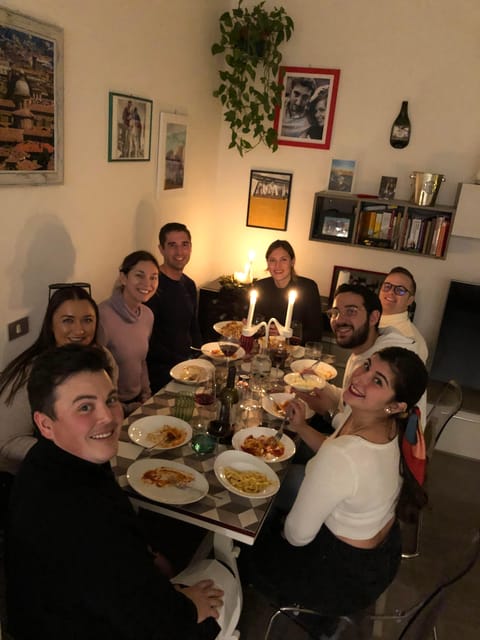
- Three pasta shapes in one class: Learn to make tortelloni, tagliatelle, and maccheroni rather than focusing on a single recipe.
- A meal inside a Bologna home: Federico and Paola welcome you into their air-conditioned apartment in a residential part of the city.
- Wine matched to each course: Paola chooses organic bottles from small Italian producers, many of which are not easy to find in ordinary shops.
- Traditional sauces on the table: Expect butter and sage, ragù, and other familiar Bolognese preparations.
- A family tiramisu to finish: Dessert follows a recipe from Federico’s grandmother.
- Useful take-home material: You receive a PDF of recipes and ingredients, plus photos from the class.
This is not simply a pasta demonstration followed by dinner. The lesson is designed as a complete meal, with wine introduced from the opening aperitivo through dessert.
That matters because Emilia-Romagna food is not only about the pasta itself. The sauce, cheese, butter, herbs, meat, and wine all affect how a dish tastes. Here, you learn to think about the meal as a whole. A soft filled pasta needs a different partner from a plate of tagliatelle with ragù, and the wine selection is meant to show that difference.
The class lasts about three hours and costs $97 per person. For Bologna, that is a fair price if you want a full meal, several pours of wine, a hands-on lesson, and a private-home setting rather than a short demonstration. It is less appealing if your main goal is a serious wine seminar or if you prefer a quick class with only one recipe.
The advertised rating is 4.4 from 40 ratings, and the strongest praise centers on the hosts, the active cooking, and the relaxed meal at the end. That gives you a useful sense of the experience: the social side is just as important as the technique.
The meeting point is listed as Ringbell Cooking class, 2nd floor. You should follow the meeting instructions carefully, since this is a private residence rather than a large commercial school with a prominent storefront.
Federico, also known as Fred in some class introductions, welcomes you with Paola. He handles the cooking lesson, while Paola is working toward a sommelier qualification and chooses the wines. Their small red cat, Ragù, is also part of the household. If you like cooking in a home with a personal touch, this setting adds warmth. If you prefer a quiet, highly polished studio, the cat and domestic setting may feel less formal.
The apartment has air conditioning, an important detail during Bologna’s hot summer months. The class takes place in one of the city’s residential areas, so you get a glimpse of everyday Bologna rather than a restaurant dining room built for short visits.
The mood is friendly and conversational. Past class members have described Federico as funny, organized, and good at involving everyone. That combination matters in a cooking class. A host can know the food but still leave half the group standing around. Here, the stated format and repeated praise point to an active lesson where you have a clear role.
The class is offered in English, French, Italian, and Spanish. Still, cooking vocabulary can move quickly, so it is sensible to ask questions as you go. The technique is the important part, and a good host should be able to show you with his hands even when a phrase gets lost in translation.
The heart of the class is the fresh pasta lesson. You make three types: tortelloni, tagliatelle, and maccheroni.
Tortelloni gives you the filled-pasta challenge. You need to handle the dough, place the filling, seal the edges, and shape the pieces without leaving air pockets or letting the filling escape. This is the part you will probably want to repeat at home, especially if you enjoy making food with family or friends.
Tagliatelle is a different lesson in precision. You learn how thin to roll the dough and how to cut it into long ribbons. The finished pasta has more surface area than a smooth dried noodle, which helps it hold onto sauce. The method also gives you a useful base for other fresh pasta dishes.
Maccheroni adds a third form and keeps the class from becoming a one-recipe workshop. The supplied information does not specify the exact shaping method used for this version, so you should expect an introduction to the shape rather than a detailed technical account before you arrive.
The value is in making all three in one sitting. You compare shapes and textures, then eat them with sauces chosen for the dish. You are not just collecting recipes. You are learning that pasta shape changes how a sauce behaves.
The lesson is described as a masterclass, but you should set your expectations at the level of a friendly home cooking class. It is suitable for people who want clear instruction and active participation. It is not presented as professional culinary training, and you do not need advanced pasta skills to take part.
Once the pasta is prepared, it is served as part of the meal. Traditional sauces include butter and sage and the sauce known locally as ragù. Many visitors call it Bolognese sauce, but in Bologna, ragù is the more natural local term.
Butter and sage gives the pasta a simple test. With a short ingredient list, the quality of the pasta and the balance of the sauce matter. Ragù offers a fuller, more familiar pairing and shows how fresh pasta works with a slow-cooked meat sauce.
One appealing feature is that the meal is made and eaten together. You sit at the table with the other class members, share the food, and talk about the dishes while they are still fresh from the kitchen. This is a social experience, not a silent lesson where everyone disappears after the final step.
The group may include people from different countries. That can be part of the fun, especially if you are traveling alone or want an evening that does not feel like another restaurant meal. You should also know that social energy varies from group to group. The hosts create a friendly atmosphere, but the pace and conversation will depend partly on the people booked for your session.
Wine begins during the aperitivo and continues through dessert. Paola selects organic wines from small Italian producers, including wineries making roughly 10,000 to 12,000 bottles a year. These are the sort of bottles that can be hard to find in a normal commercial shop.
The pairing idea is useful because it connects the wine to something you are eating right away. Rather than tasting a series of unrelated glasses, you see how a bottle changes the way a pasta dish tastes. The class is meant to teach you how to match Italian wines with different foods, not simply hand you a glass and move on.
The wine selection is described as unlimited, with the hosts able to open all the bottles they like. That sounds generous, but it is also the main point where you should use judgment. Unlimited wine can turn a cooking lesson into a long evening for some people. You can taste without finishing every pour, drink water, and keep your attention on the food and instruction.
One important distinction: this may not satisfy you if you are looking for a formal professional tasting with structured notes, detailed production theory, or a large flight of wines. The experience is first a cooking class and shared meal, with wine included and explained along the way. For many people, that is the better balance. You learn enough to make sensible pairings without spending three hours discussing wine in isolation.
The organic focus is a nice fit for anyone who prefers smaller producers and bottles with a clear sense of place. Exact wine labels and the number of wines served are not specified, so you should not book expecting a fixed tasting menu.
Dessert is tiramisu, made from a recipe connected to Federico’s grandmother. That family link gives the final course a personal touch, and it also makes the dish useful beyond the class. Tiramisu is familiar enough to recognize, but small changes in texture, sweetness, coffee, and cream can make a large difference.
You should not expect a separate pastry course. The supplied details focus on the family recipe and the shared dessert, not on a long technical lesson in Italian baking. Still, it is a fitting ending after pasta and wine, especially because the class provides the recipes and ingredients in a PDF.
The PDF is one of the most practical inclusions. You can use it when you return home instead of trying to remember measurements after a busy evening. The photos are also useful for recalling the process and the meal, although the details do not specify how many images you receive.
The timing works best as an evening activity. You arrive for the aperitivo, cook through the pasta lesson, sit down for the meal, and finish with tiramisu. The three-hour length gives the class enough space for cooking and conversation without taking up an entire day.
You should arrive ready to participate. This is not the right choice if you want to sit back and be served from start to finish. The strongest part of the experience is the chance to work with the dough, learn the shapes, and then taste the result.
The host style seems to be a major part of the value. Federico is described as organized, funny, and engaged with the whole group. Some class members particularly appreciated his extra recommendations for restaurants in Bologna and other Italian cities. Those suggestions can be helpful, but they are an informal bonus, not a promised tour-planning service.
Paola brings a different strength to the evening through the wine selection and explanations. Since she is close to earning a sommelier degree rather than presented as a fully certified sommelier, it is best to think of her as an enthusiastic wine guide with a strong interest in small organic producers.
I would choose this experience if you want food instruction wrapped in a social evening. It suits couples, solo visitors, and friends who enjoy eating with people from different countries. It is also a good pick for anyone who wants recipes that can be repeated at home.
The class should work well for first-time pasta makers because the format is active but approachable. More experienced cooks may still enjoy the setting, the sauces, and the wine pairings, though they may find the pasta techniques familiar.
Families should check the booking details directly before reserving if children are involved, since the supplied information does not state an age policy. The same applies to dietary restrictions. The listed menu includes pasta, sauces, wine, and tiramisu, but no vegetarian, vegan, gluten-free, or alcohol-free alternatives are specified.
This is less suited to you if you want a formal restaurant meal, a quiet private dinner, or a serious sommelier examination. The unlimited wine and home setting also mean the tone is relaxed rather than strictly professional.
At $97 per person, you receive a three-hour class, a full meal, dessert, wine tasting or wine service, recipes, ingredients, and photos. You also get the personal attention of a private chef and the setting of a local apartment.
In Bologna, you could easily spend a significant part of that amount on a good dinner alone. The added value here is the lesson and the chance to reproduce the meal later. If you cook the pasta again at home, the PDF and hands-on practice continue to pay off after your trip.
The value drops if you do not drink wine or do not enjoy group dining, since wine and conversation are central to the experience. It also drops if you are seeking a narrowly focused lesson on one advanced pasta shape. For a full evening of cooking, eating, and informal wine education, the price is reasonable.
You can cancel up to 24 hours before the activity for a full refund, and you can reserve now and pay later. Starting times vary, so check availability when you choose a date. If you want the possible gift bottle mentioned by the host, contact the provider before booking through the stated Instagram account, @stayhungrystaybologna. The gift is not something to assume automatically without making that contact first.
Book it if you want to learn by doing, eat a complete Bolognese meal, and spend an evening in a friendly home with hosts who enjoy sharing their food. The three pasta shapes, family tiramisu, small-producer wines, and take-home recipes give the class more substance than a quick pasta demonstration.
Think twice if your priority is a structured wine tasting, a fixed list of premium bottles, or a polished cooking school with a formal classroom feel. Also plan your evening around the wine. Unlimited pours sound appealing, but you will get more from the lesson if you taste carefully and keep your head clear.
For most food-focused visitors, this is a strong choice for a first Bologna cooking experience. You leave with a meal in you, recipes in your bag, and a better sense of why the city takes its pasta and ragù so seriously.
FAQ
More Wine Tours in Bologna
- Bologna Food & Market Tour with 6 Tastings, Pasta, Wines & More
★ 5.0 · 1,328 reviews - Bologna: Pasta Cooking Class, Ragu, Spritz, Wine & Gelato
★ 4.9 · 775 reviews - Bologna Local Pasta Cooking Class, Ragu, Spritz, Wine & Gelato
★ 5.0 · 527 reviews
How long does the Bologna pasta and wine class last?
The experience lasts three hours. Starting times vary, so you should check the available time slots when booking.
What pasta shapes will I learn to make?
You will learn to make tortelloni, tagliatelle, and maccheroni.
Is a full meal included?
Yes. The class includes the pasta you prepare with traditional sauces and a tiramisu for dessert.
More sommelier-led tastings in Bologna:
- Paris: French Wine Tasting Class with Sommelier
★ 4.8 · 550 reviews - Porto: Douro Valley Wine Tour with a Sommelier & Boat Trip
★ 5.0 · 463 reviews - Paris Wine Tasting plus Cheese Lunch with an Expert Sommelier
★ 5.0 · 424 reviews - Sommelier-Led Food & Wine Experience in Barcelona
★ 5.0 · 357 reviews
What wines are served?
The wine selection consists of organic wines from small Italian producers. Wine is served from the aperitivo through dessert, and the host describes how to pair different wines with the food.
Who leads the cooking and wine portions?
Private chef Federico leads the pasta and cooking lesson. His wife Paola chooses the wines and discusses pairings while working toward a sommelier degree.
What language is the class offered in?
The experience is offered in English, French, Italian, and Spanish.
Do I receive anything to use at home?
Yes. You receive a PDF with the recipes and ingredients, along with photos from the experience. You can also contact @stayhungrystaybologna before booking to ask about the possible gift bottle of wine.
More Workshops in Bologna
- Bologna: Tagliatelle & Ragù Home Cooking Class with wine
★ 4.5 · 55 reviews - Florence: Pasta Cooking Class with Unlimited Wine
★ 4.9 · 10,285 reviews - Florence: Pasta & Tiramisu Cooking Class with Unlimited Wine
★ 4.9 · 6,708 reviews - Florence: Pasta Cooking Class with Unlimited Wine
★ 5.0 · 6,413 reviews
More Pasta in Bologna
- Bologna: Pasta and Tiramisu Cooking Class with Wine
★ 4.7 · 507 reviews - Bologna: Pasta and Tiramisu Small Group Cooking Class with Wine
★ 5.0 · 409 reviews - Bologna: Pasta Tagliatelle al Ragu Cooking Class with Wine
★ 4.7 · 225 reviews - Bologna: Pasta Cooking Class, Ragu & Wine with Local Host
★ 4.9 · 113 reviews
Just added around Bologna
- Wine Degustation Ebrezze★ 4.5 · 86 reviews
- Bologna Food & Wine tour with a local Chef★ 3.0 · 30 reviews
- Bologna: Tagliatelle & Ragù Home Cooking Class with wine★ 4.5 · 55 reviews
- The downtown wine experience★ 5.0 · 35 reviews
- Parmigiano Wine and Balsamic Vinegar Experience from Bologna★ 5.0 · 30 reviews
- Eating Bologna Food and Wine Tour★ 5.0 · 96 reviews
- Private Bologna Food & Market Tour with 6 Tastings & Wine★ 5.0 · 102 reviews
- Bologna: Pasta and Tiramisu Small Group Cooking Class with Wine★ 5.0 · 409 reviews
Wine Tours in Bologna, compared.
Bologna Food & Market Tour with 6 Tastings, Pasta, Wines & More
Read our review →
Pasta Cooking Class, Ragu, Spritz, Wine & Gelato
Read our review →
Bologna Local Pasta Cooking Class, Ragu, Spritz, Wine & Gelato
Read our review →
Pasta and Tiramisu Small Group Cooking Class with Wine
Read our review →
Local Food Tour with Authentic Tastings and Wine
Read our review →
Pasta Tagliatelle al Ragu Cooking Class with Wine
Read our review →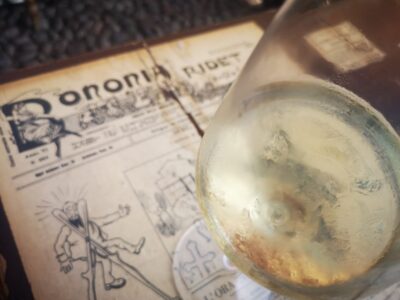
Browse the lists this tour appears in