
REVIEW · BOLOGNA
Bologna: Pasta Cooking Class, Ragu, Spritz, Wine & Gelato
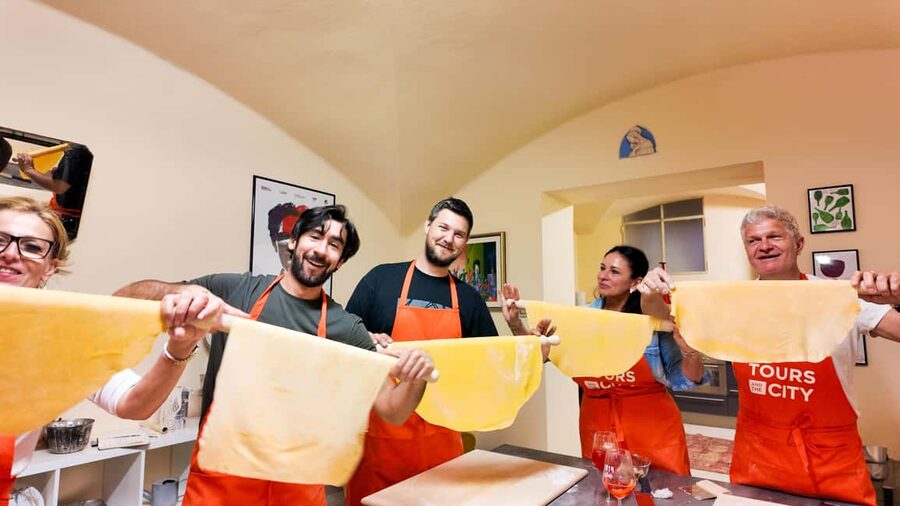
Bologna knows how to turn dinner into a social event, and this three-hour pasta class gets to the heart of that tradition. You make tagliatelle by hand with flour, eggs, a rolling pin, and plenty of guidance, then sit down to eat it with prepared ragù, Parmigiano Reggiano, and local wine.
I like the welcoming start: piadina, mortadella, and Pignoletto give you a quick taste of Emilia-Romagna before the work begins. I also like the unusual drinks program, especially the chance to mix a Casoni Spritz, a local herbal version rather than the standard international aperitivo.
The main consideration is that you do not prepare the ragù yourself. It is made in advance, so this is primarily a fresh-pasta workshop with a full meal, not a class covering every part of the sauce. Serious mobility needs are another concern, since the venue has a large flight of stairs.
Key points to know before booking
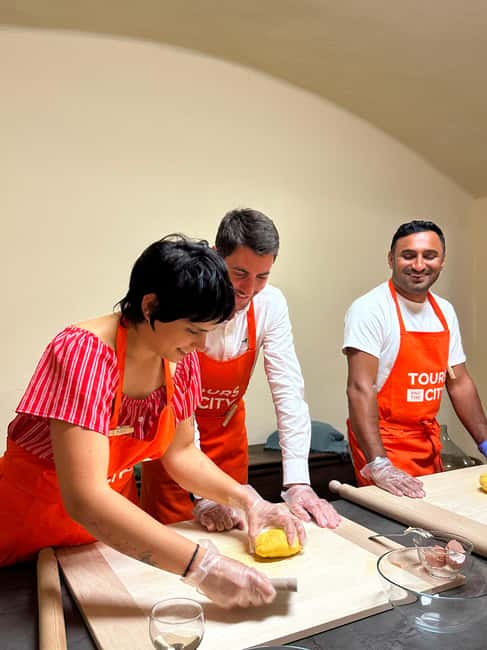
- Hand-rolled tagliatelle: You make the dough, roll it thin, cut the noodles, and cook what you have made.
- A local aperitivo: Begin with piadina, mortadella, Pignoletto, and a Casoni Spritz made during the class.
- A full Bolognese meal: Your pasta comes with house-made ragù, 24-month Parmigiano Reggiano, and Sangiovese.
- A social format: Guides such as Stella, Valentina, Roberta, Steffi, and Luca use games and conversation to get the group mixing.
- A generous finish: Moka coffee, a bitter digestif, gelato with balsamic vinegar, and leftovers to take away are included.
- Good value at $79: The price covers instruction, food, drinks, dessert, recipes by email, and three hours of activity.
Starting with piadina, mortadella, and Pignoletto
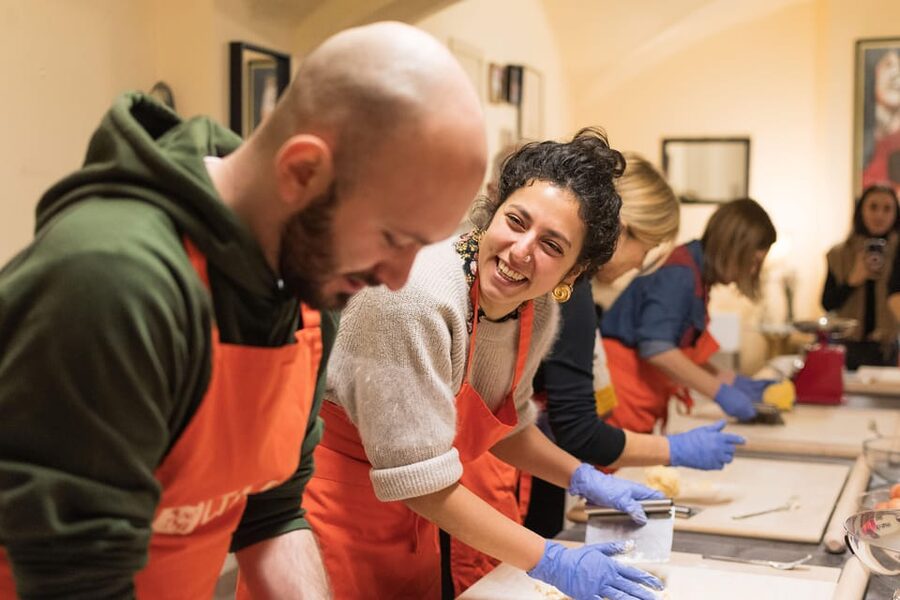
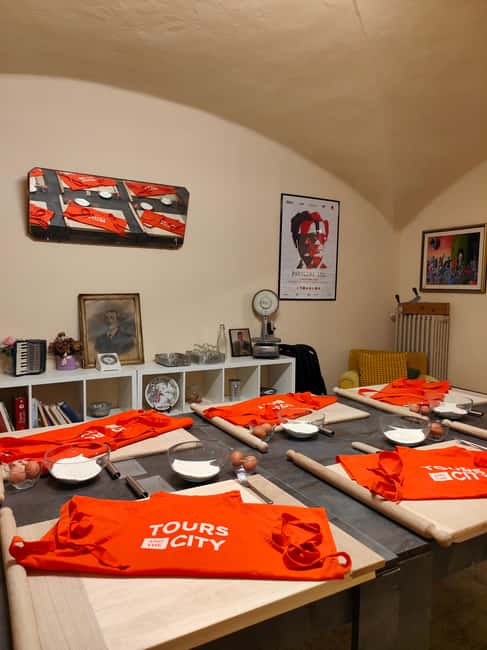
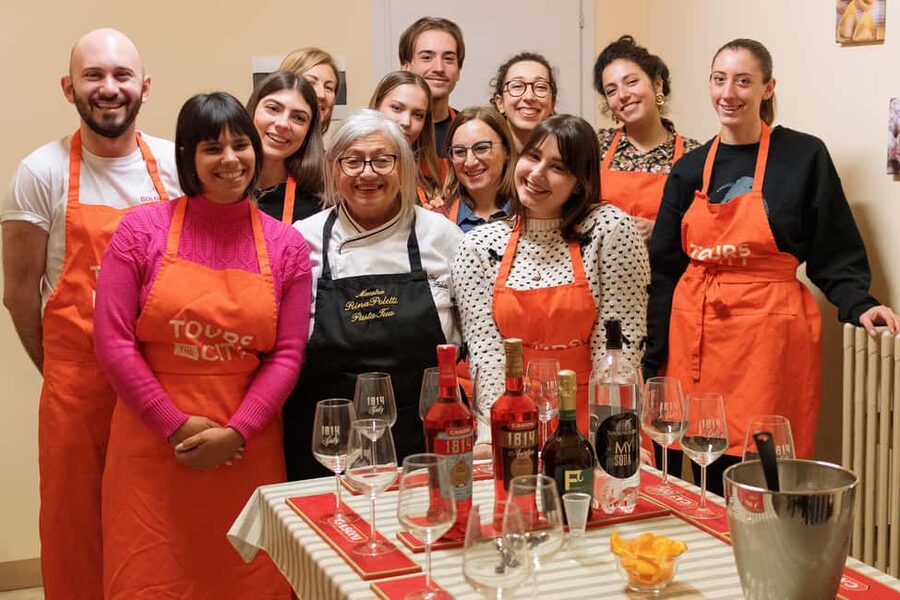
You meet the guides outside the central Bologna building at the exact booking time. Look for the orange apron. The guide escorts you inside, so you do not need to puzzle over an unfamiliar doorway or kitchen entrance.
The class opens with a traditional aperitivo: soft piadina, sliced mortadella, and a glass of local Pignoletto sparkling wine. This is more than a snack while people arrive. It gives you an early taste of Bologna’s everyday food culture and helps a mixed group relax before everyone starts handling flour.
That social side matters. The class brings together solo visitors, couples, families, and friends, and the instructors make a clear effort to get people talking. Some sessions include simple icebreaker games during pauses in the pasta process. If you are visiting alone, this format can be especially useful because you are not left at a table by yourself.
The setting is described as a traditional kitchen in the city center. One useful practical point: you should wear comfortable clothes and shoes. Flour, eggs, rolling pins, and a busy work surface are not a good match for formal clothing.
More Wine Tours in Bologna
- Bologna Food & Market Tour with 6 Tastings, Pasta, Wines & More
★ 5.0 · 1,328 reviews - Bologna Local Pasta Cooking Class, Ragu, Spritz, Wine & Gelato
★ 5.0 · 527 reviews - Bologna: Pasta and Tiramisu Cooking Class with Wine
★ 4.7 · 507 reviews
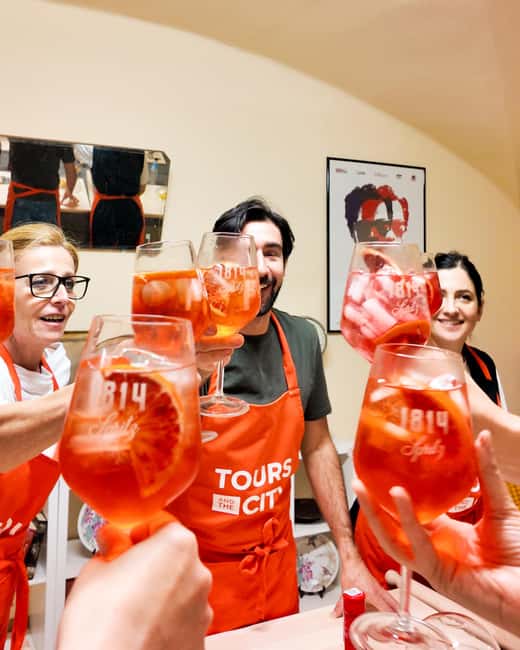
Mixing a Casoni Spritz instead of the usual Aperol
Partway through the activity, you prepare your own Casoni Spritz. Casoni is an Emilia-Romagna spirit flavored with local herbs and made from older regional recipes. It gives the drink a more local identity than the familiar Aperol version found across Italy.
You make and sip the spritz while the pasta work continues. This breaks up the cooking and keeps the class from feeling like a long technical lesson. It also adds a useful bit of regional context: Bologna’s food culture is not only about pasta and ragù, but also about the aperitivo hour and the habit of eating and drinking together.
The class includes cocktails or spritz, local Pignoletto, Sangiovese, unlimited water, and soft drinks. Alcohol is part of the experience, but you are not required to make the class revolve around drinking. The food and instruction remain the main event.
If you do not drink alcohol, the included water and soft drinks give you alternatives. Still, anyone seeking a strictly alcohol-free cooking course should check carefully before booking, since the aperitivo and wine are central parts of the format.
Making pasta the old-fashioned way
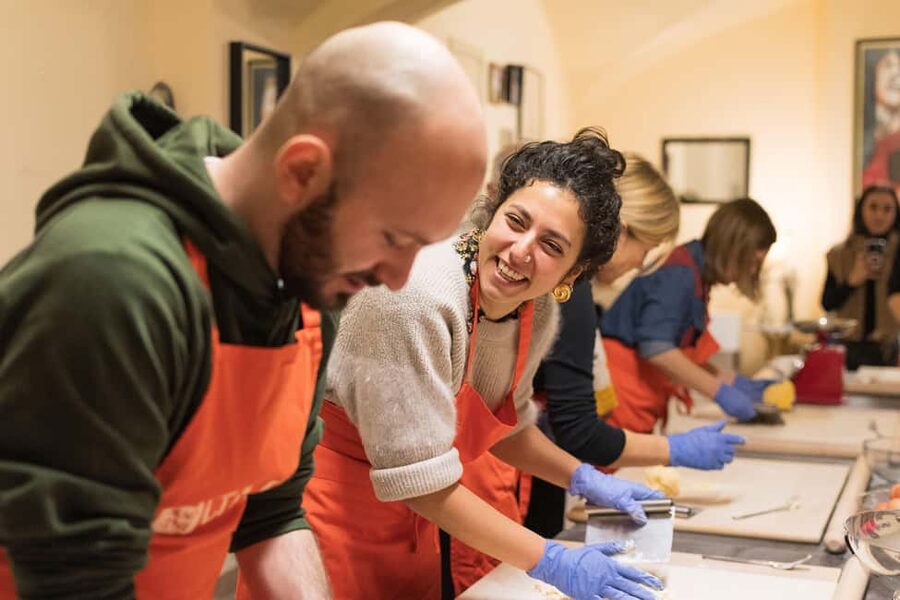
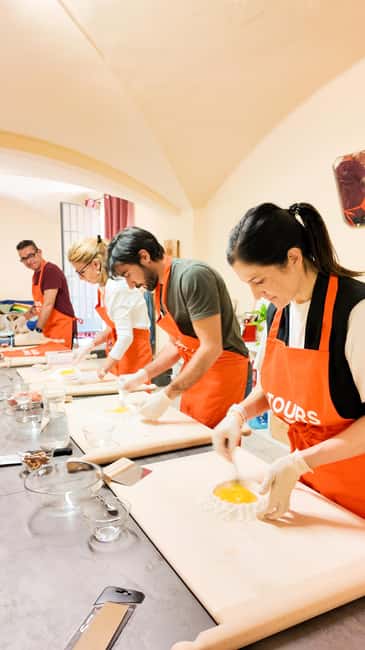
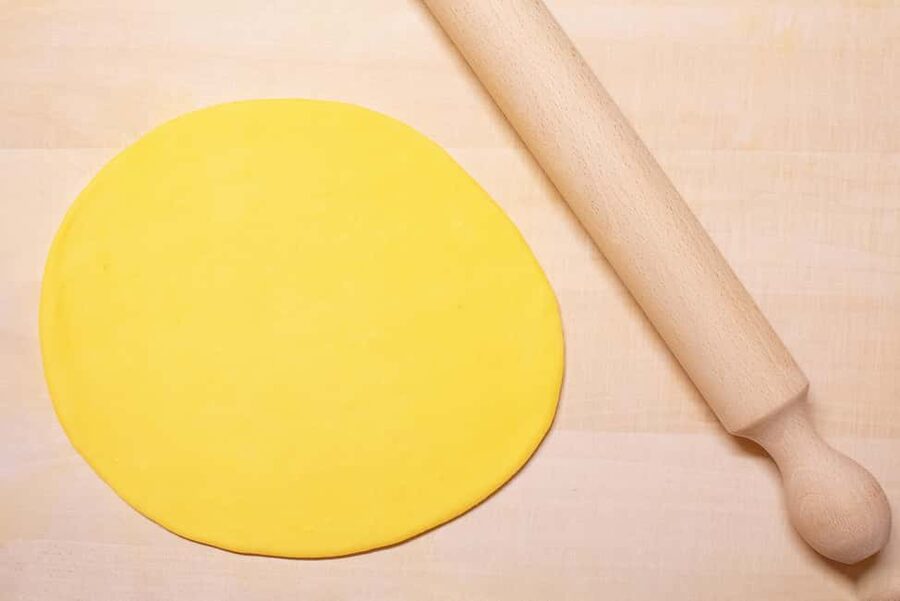
This is the hands-on center of the class. You mix fresh eggs and local flour, work the dough with your hands, and roll it with a wooden rolling pin. There are no pasta machines doing the hard work for you.
A skilled local sfoglina, the traditional name for a woman who makes fresh pasta, guides the process. The teaching style appears to focus on patience and practical correction. Guides including Valentina, Stella, Steffi, Roberta, Beatrice, and Luca have been praised for clear instructions and for helping people fix problems as they go.
You shape the dough, roll it thin, fold or prepare it for cutting, and slice it into tagliatelle. The point is not to produce identical noodles like a factory. It is to understand the feel of the dough and learn the basic hand movements well enough to try again at home.
That makes this a good class for a first attempt. You do not need prior pasta-making experience. Beginners can follow along, and the instructors adjust their help when a sheet is too thick, too dry, or difficult to handle.
The class also gives you something useful beyond the meal. Recipes are sent by email as PDF files on request, so you can try to repeat the tagliatelle after returning home. Takeaway leftovers are included too, giving you a small second taste and a chance to see how the pasta travels after cooking.
One point to keep clear: the ragù is not prepared by you. The sauce is made in advance each week according to a family tradition. That allows the schedule to fit into three hours, but it means the class does not teach you the full ragù recipe from start to finish.
Eating tagliatelle with prepared Bolognese ragù
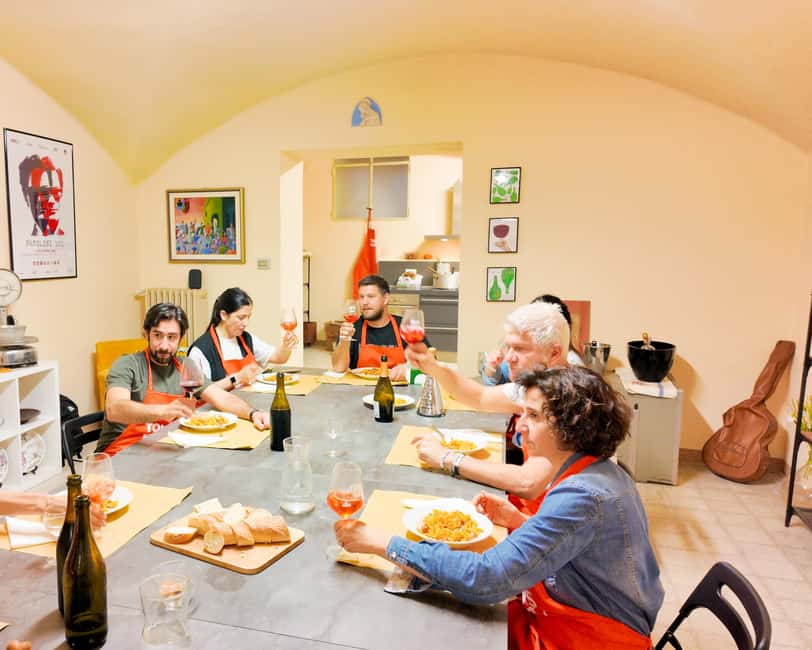
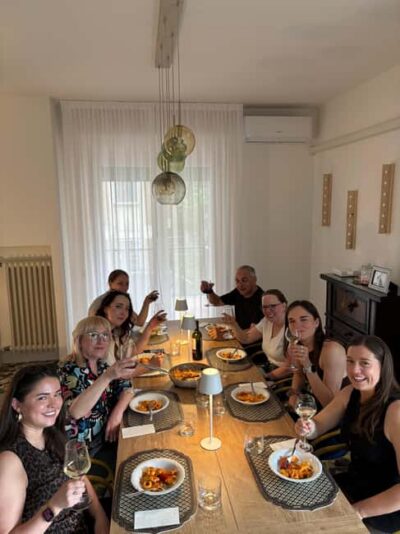
Once the noodles are cut, they are cooked and served with the house-made ragù. This is where the class turns from workshop into shared meal.
The sauce is made with care using the local Bolognese style, and the pasta is finished with 24-month-aged Parmigiano Reggiano from a nearby dairy. The combination gives you the dish most people hope to eat in Bologna, but with the added satisfaction of having made the noodles yourself.
You also receive local Sangiovese red wine with the meal. It is a natural match for ragù and adds another regional product to the table. The food is not presented as a restaurant tasting menu. It is a relaxed, communal meal built around the work you have just completed.
The difference between handmade pasta and packaged dried pasta is part of the lesson. Fresh tagliatelle cooks quickly and has a soft, tender texture that carries the sauce well. Even if your noodles are not perfectly even, the meal still gives you a clear sense of why fresh pasta matters in Emilia-Romagna.
The generous food program is one reason I consider the $79 price fair. You are not paying only for a short demonstration. The fee includes the welcome food, the pasta workshop, spritz, two regional wines, the main course, coffee, digestif, gelato, and recipes. Prices change, of course, but at the stated rate this is a substantial three-hour package in a central location.
More cooking classes with wine in Bologna:
- Bologna: Pasta and Tiramisu Small Group Cooking Class with Wine
★ 5.0 · 409 reviews - Bologna: Pasta Tagliatelle al Ragu Cooking Class with Wine
★ 4.7 · 225 reviews - Bologna: Pasta Cooking Class, Ragu & Wine with Local Host
★ 4.9 · 113 reviews - Bologna: Tagliatelle & Ragù Home Cooking Class with wine
★ 4.5 · 55 reviews
Finishing with Moka coffee, amaro, and gelato
The final course keeps the regional theme going. You finish with Moka coffee, a bitter digestif called Montenegro, and gelato served with balsamic vinegar.
The gelato is the playful part of the ending. Balsamic vinegar may sound odd with ice cream, but Emilia-Romagna is famous for traditional balsamic vinegar, and the sweet and sharp combination gives the dessert a local twist. The exact mystery dessert or presentation can vary, so you should expect a traditional surprise rather than a fixed restaurant-style dessert.
Coffee comes from a Modena roastery, while the spirits are sourced from Emilia-Romagna. The organizers also use local flour, free-range eggs from the Bologna province, and Parmigiano from a local dairy. These choices make the class feel tied to the surrounding region instead of using generic supermarket ingredients.
A small community-minded detail adds meaning to the food program. Extra pasta is donated to a nearby church. You are not simply taking part in a commercial meal; some of the excess food is put to use locally.
The guides shape the experience
The quality of this class depends heavily on the instructors, and the named guides receive unusually strong praise for their energy, patience, and humor. Stella and Martina, Roberta and Beatrice, Valentina, Luca and Gabriele, Steffi and Lucilla, and other team members lead different sessions.
That changing guide team means your exact personality match may vary. The consistent pattern is clear instruction, a welcoming manner, and a willingness to keep beginners comfortable. Several sessions were described as particularly good for families, solo participants, and people who had never made pasta before.
The guides also add information about Bologna, local food, and the history of the drinks and ingredients. This is not a formal lecture, so you should expect conversation woven into the cooking rather than a long cultural presentation.
The class works best if you are willing to participate. You will mix, roll, cut, stir, taste, and talk with the people around you. If you prefer to watch a professional cook do everything while you take notes, this is probably not the right format.
Who will enjoy this Bologna class most
I would recommend it most strongly to:
- First-time pasta makers who want clear help rather than a demanding chef-school lesson
- Couples and families looking for a shared activity
- Solo visitors who want an easy way to meet people
- Anyone with only a short stay in Bologna who wants food, drinks, and local context in one booking
- People who want to recreate fresh tagliatelle at home
- Visitors who enjoy a relaxed meal as much as the cooking itself
The class is less suitable for vegans, vegetarians, and people with gluten intolerance. Mortadella, eggs, flour, Parmigiano, ragù, and dairy are central to the experience, and the activity is not designed around substitutes.
You should also contact the provider about serious food allergies before booking. The supplied information warns that severe allergies may make it impossible to host you.
The venue has a large flight of stairs, so it is not recommended for people who need a wheelchair, crutches, or have significant mobility limitations. This is worth checking before you pay, since the setting is an indoor kitchen rather than a fully accessible modern venue.
Timing, cancellation, and practical value
The activity lasts three hours, with starting times depending on availability. That length is useful: it gives you enough time to make pasta without rushing, eat a proper meal, and enjoy the drinks and dessert.
The meeting procedure is simple. Arrive at the stated time and look for an orange apron outside the building. The guides escort you inside. Comfortable footwear matters more than dressing up.
The booking terms are traveler-friendly. You can cancel up to 24 hours in advance for a full refund, and you can reserve now and pay later. Those options help if your Bologna schedule depends on train plans or a changing city itinerary.
The activity is conducted in English. With the cooking actions in front of you and the instructors demonstrating each step, the class does not require advanced culinary vocabulary. Still, you should be comfortable following spoken English instructions.
At $79 per person, the value comes from the combination of instruction and hospitality. A cheaper pasta demonstration might teach you one technique, but this includes a welcome aperitivo, two wines, a cocktail workshop, a full pasta meal, dessert, coffee, amaro, recipes, and leftovers. The drawback is that the ragù is already made, so do not book this expecting a complete sauce-making lesson.
Should you book the Bologna pasta class?
Yes, if you want a friendly, hands-on introduction to Bolognese food in a single three-hour session. The strongest reasons are the old-fashioned rolling-pin method, the local drinks, the patient English-speaking guides, and the amount of food and drink included.
I would skip it if you are vegan, vegetarian, gluten intolerant, unable to manage a large flight of stairs, or mainly interested in learning ragù from scratch. For everyone else, this is a practical choice, especially if you have limited time in Bologna and want more than a restaurant meal.
Book it for the shared table, the flour-covered hands, and the chance to take a little of Bologna’s cooking tradition home with you.
FAQ
How long does the pasta cooking class last?
The class lasts three hours. It includes the pasta workshop, drinks, the meal, coffee, digestif, and gelato.
What pasta will I make?
You will make fresh tagliatelle by hand using flour, fresh eggs, your hands, and a rolling pin.
Do I make the ragù myself?
No. The ragù is prepared in advance each week according to a family tradition. You make the pasta and eat it with the prepared sauce.
What food and drinks are included?
The experience includes piadina, mortadella, Pignoletto sparkling wine, a Casoni Spritz, Sangiovese red wine, tagliatelle with ragù, Parmigiano Reggiano, water, soft drinks, Moka coffee, Montenegro, and gelato with balsamic vinegar.
Is the class suitable for dietary restrictions?
It is not suitable for vegans, vegetarians, or people with gluten intolerance. You should provide details about dietary requirements and serious allergies before booking.
Is the class accessible for wheelchair users?
The venue has a large flight of stairs, so the activity is not recommended for people who need a wheelchair, crutches, or have similar mobility needs.
What happens if I need to cancel?
You can cancel up to 24 hours before the activity for a full refund. You can also reserve now and pay later.
More Workshops in Bologna
- Rome: Pasta & Tiramisu Class with Fine Wine by the Vatican
★ 4.9 · 4,852 reviews - Rome: Pasta Making Class with Wine, Limoncello, and Dessert
★ 4.9 · 3,177 reviews - Florence: Cooking Class Pasta & Tiramisu Making Unlimited Wine
★ 5.0 · 2,234 reviews - Fettuccine & Tiramisù: Cooking Class with Wine & Limoncello
★ 4.9 · 2,103 reviews
More Pasta in Bologna
- Bologna: Pasta & Wine Lesson Private Chef & Sommelier
★ 4.4 · 40 reviews - Florence: Pasta Cooking Class with Unlimited Wine
★ 4.9 · 10,285 reviews - Florence: Pasta & Tiramisu Cooking Class with Unlimited Wine
★ 4.9 · 6,708 reviews - Florence: Pasta Cooking Class with Unlimited Wine
★ 5.0 · 6,413 reviews
Just added around Bologna
- Wine Degustation Ebrezze★ 4.5 · 86 reviews
- Bologna: Tagliatelle & Ragù Home Cooking Class with wine★ 4.5 · 55 reviews
- Bologna Food & Wine tour with a local Chef★ 3.0 · 30 reviews
- The downtown wine experience★ 5.0 · 35 reviews
- Parmigiano Wine and Balsamic Vinegar Experience from Bologna★ 5.0 · 30 reviews
- Eating Bologna Food and Wine Tour★ 5.0 · 96 reviews
- Private Bologna Food & Market Tour with 6 Tastings & Wine★ 5.0 · 102 reviews
- Bologna: Pasta and Tiramisu Small Group Cooking Class with Wine★ 5.0 · 409 reviews
Wine Tours in Bologna, compared.
Bologna Food & Market Tour with 6 Tastings, Pasta, Wines & More
Read our review →
Bologna Local Pasta Cooking Class, Ragu, Spritz, Wine & Gelato
Read our review →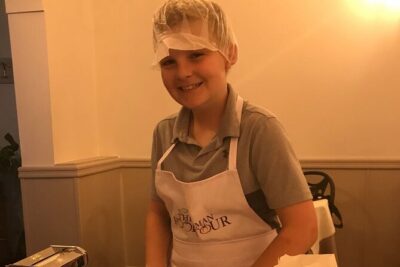
Pasta and Tiramisu Small Group Cooking Class with Wine
Read our review →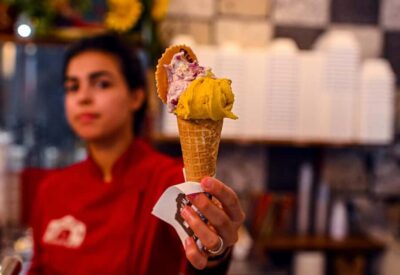
Local Food Tour with Authentic Tastings and Wine
Read our review →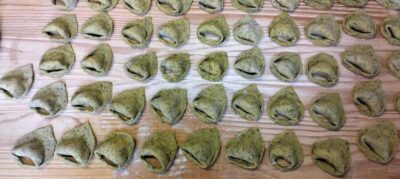
Pasta Tagliatelle al Ragu Cooking Class with Wine
Read our review →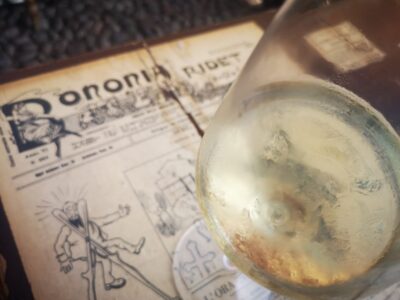
Browse the lists this tour appears in