
REVIEW · WINE AND FOOD PAIRING
Seoul: Kimchi Dishes Cooking Class with Wine Pairing
Kimchi is much more than a side dish in this Seoul class. You taste four styles, learn how fermentation changes flavor, then use kimchi in dishes such as pancakes, noodles, and fried rice. Suyeon’s wine background gives the class an unusual angle, since Korean food is rarely explained through wine pairing.
I like the small scale, limited to six people, and the practical recipes. I also like the location, only about five minutes from Gyeongbokgung Palace, which makes this a smart follow-up to a palace visit. The main consideration is the adult-only rule, and the exact cooking lineup can change with the number of participants.
Key points at a glance
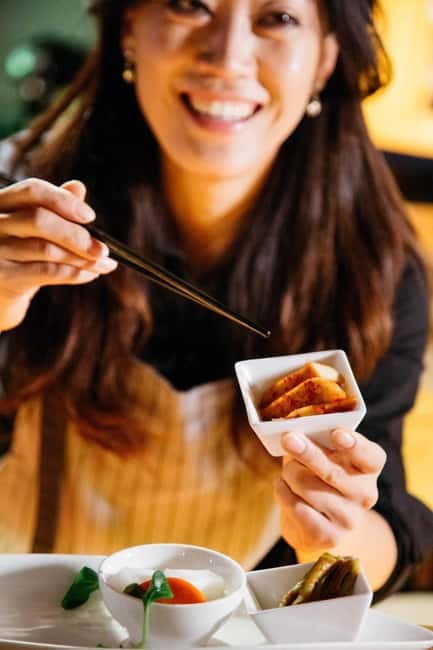
- Four kimchi styles: Compare cabbage kimchi, white kimchi, radish kimchi, and aged kimchi before cooking.
- Three possible dishes: Learn kimchi pancake, white kimchi noodles, or radish and bacon stir-fried rice.
- A sommelier’s perspective: Suyeon selects a wine pairing and explains how it matches spicy, sour, salty, and fermented flavors.
- A special shared dish: Aged kimchi with braised pork belly is prepared in advance and served to the group.
- Small, personal setting: The English-language class is limited to six participants.
- Easy Seoul pairing: Plan it after Gyeongbokgung Palace, with the studio near Exit 2 of Gyeongbokgung Station.
Why this kimchi class feels different
Many Korean cooking classes focus on making one dish from start to finish. This one begins with tasting. That small choice matters, because kimchi is not one fixed flavor. Fresh cabbage kimchi can be spicy and crisp, white kimchi is gentler and often refreshing, radish kimchi brings a firm bite, and aged kimchi has a deeper, more sour character.
You first learn to recognize those differences. Then the cooking makes more sense. You are not simply following instructions with a jar of red seasoning. You are seeing how the age and style of kimchi affect the dish in front of you.
Suyeon, also identified as Su-Yung in some booking details, leads the session in English. She previously owned a wine bar and works as a sommelier, so the class links Korean fermentation with a subject many visitors do not expect to encounter in Seoul: wine.
That combination gives the class a clear purpose. You learn food that you can recreate at home, but you also learn how to think about pairing. A crisp white wine may suit one kimchi better than another. A more mature kimchi may need a different match. The point is not to memorize a single correct bottle. It is to notice how acidity, spice, salt, and fermentation interact.
More food-paired tastings in the world:
- Pisa, Siena and San Gimignano Day Trip with Lunch & Wine Pairing
★ 4.5 · 6,006 reviews - Vila Nova de Gaia: Port Wine Tasting with Cheese Pairing
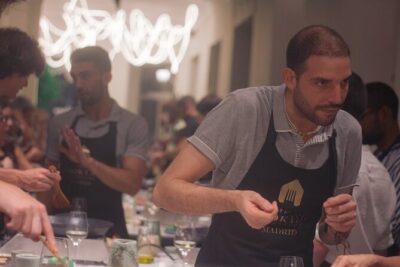
★ 4.8 · 1,074 reviews - Paella Cooking Class in Madrid with Bottomless Wine Pairing
★ 5.0 · 985 reviews
Four kimchi tastes before the cooking begins
The tasting section is the best foundation for the rest of the class. You sample cabbage, white, radish, and aged kimchi, while Suyeon explains the ingredients, preparation, and place of kimchi in Korean food culture.
Cabbage kimchi is the style most people picture first, with napa cabbage, seasoning, and the familiar spicy-sour profile. White kimchi offers a calmer contrast, since it does not rely on the same red pepper heat. Radish kimchi adds a denser texture and a sharper crunch.
Aged kimchi is the most useful one to understand for cooking. As it matures, its taste becomes stronger and more acidic. That can make it excellent in cooked dishes, particularly with rich ingredients such as pork. It may be too forceful for someone expecting a mild pickle, but that intensity is exactly why it works so well in a stew, pancake, or stir-fry.
I appreciate that the class treats kimchi as an ingredient with a life of its own. You learn that the jar in your refrigerator can change over time, and that older kimchi is not necessarily past its prime. It may simply be better suited to a different recipe.
The explanations also reach beyond cooking technique. Suyeon discusses the cultural background of kimchi and the role it plays in Korean meals. Several participants specifically valued the stories about Korean food and culture, so plan to ask questions if that side of the class interests you.
Choosing between pancakes, noodles, and fried rice
After tasting, participants choose which dish they want to prepare from three options:
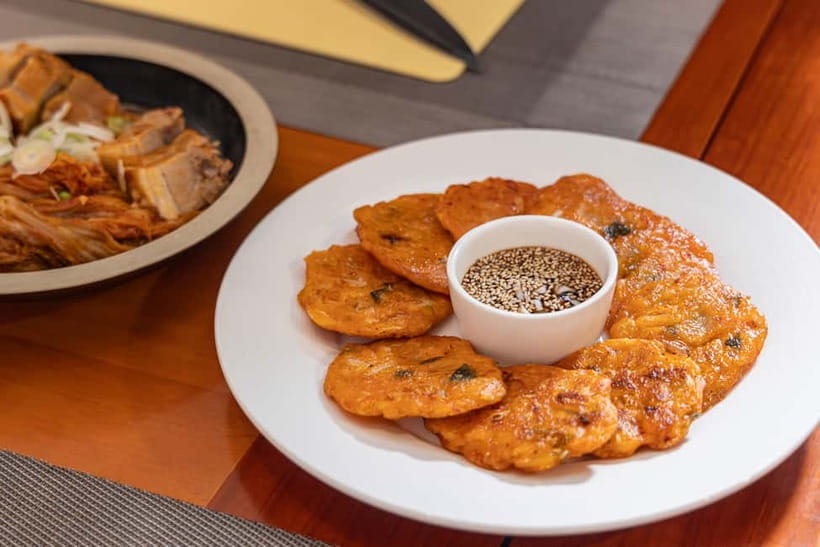
- Kimchi pancake
- White kimchi noodles
- Radish and bacon stir-fried rice
The exact setup can vary with the group. You may work on one selected recipe, or the class may divide tasks differently. In a small group, this is likely to feel more flexible than a large demonstration, but you should not book expecting a fixed menu with every person making all three dishes.
The kimchi pancake is the most immediately familiar choice. It is a good introduction to mixing kimchi into a batter and cooking it until the edges develop texture. It also makes a natural first course for the shared meal.
White kimchi noodles show the less fiery side of Korean cooking. The dish is useful for anyone who assumes kimchi-based food must always be hot. Its appeal is freshness and contrast, especially after tasting stronger varieties.
The radish and bacon stir-fried rice has a more substantial feel. Bacon adds salt and richness, while radish kimchi contributes crunch and acidity. It is the sort of practical home dish that can turn leftover rice and an open container of kimchi into a proper meal.
The recipes are designed for beginners. Instructions are explained step by step, and the ingredients are simple enough that you can feel capable of making the dishes again at home. That practical quality is one of the strongest reasons to choose this class over a purely food-focused tasting.
The pre-made pork belly dish
One dish is prepared by Suyeon rather than by the participants: aged kimchi with braised pork belly. It takes longer to cook and is more demanding for beginners, so preparing it ahead keeps the two-hour schedule moving.
This is not a shortcut that weakens the class. It gives you a chance to taste a dish that would be difficult to fit into a short lesson. Aged kimchi has enough acidity and strength to balance fatty pork, making the pairing a useful example of how Korean cooking handles rich ingredients.
The pork belly also rounds out the meal. Your own dish may be a pancake, noodles, or fried rice, while the braised pork offers a slower-cooked centerpiece to share. Since all the food is served communally, the final meal has more variety than any one participant could create alone.
Do keep the portions in perspective. This is a class with a meal at the end, not a full restaurant dinner with separate courses for each person. The menu is shared among the group, and the exact balance depends on how many people attend.
More cooking classes with wine in the world:
- Florence: Pasta Cooking Class with Unlimited Wine
★ 4.9 · 10,285 reviews - Florence: Pasta & Tiramisu Cooking Class with Unlimited Wine
★ 4.9 · 6,708 reviews - Florence: Pasta Cooking Class with Unlimited Wine
★ 5.0 · 6,413 reviews - Rome: Pasta Making Class with Wine, Limoncello, and Dessert
★ 4.9 · 3,177 reviews
Wine pairing with a Korean meal
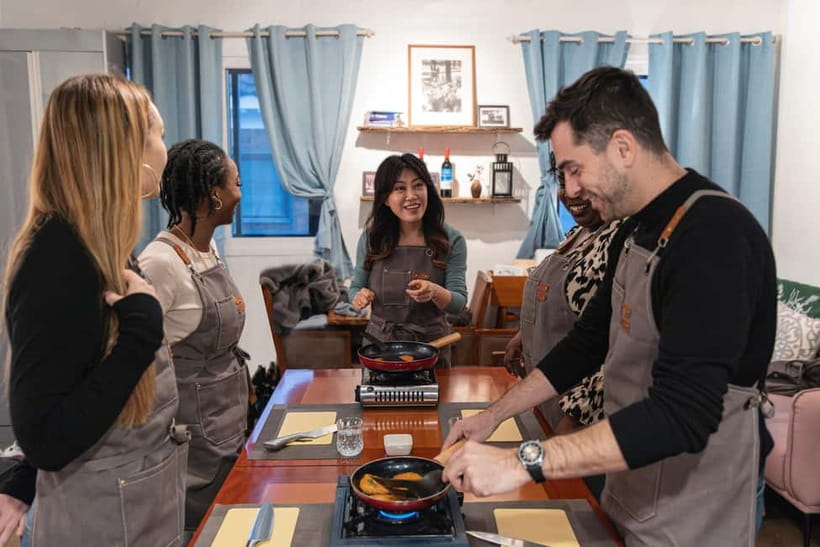
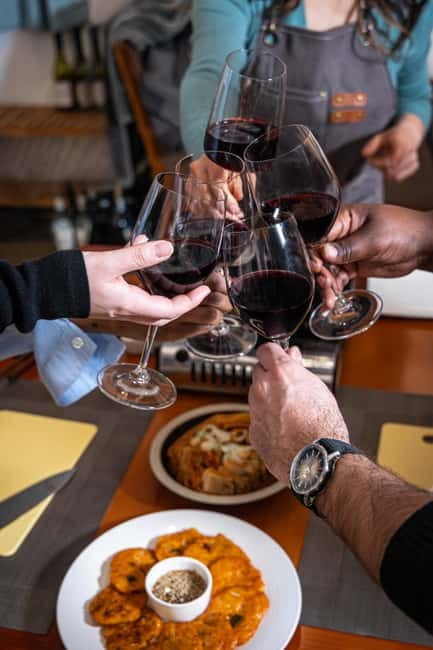
The wine element is what sets this activity apart from a standard Korean cooking lesson. Suyeon personally selects the pairing and explains why it works with the kimchi dishes.
Kimchi can be tricky with wine. It may be spicy, salty, sour, fermented, and sometimes sweet all at once. A pairing that works with mild white kimchi may not work with aged cabbage kimchi and pork belly. The class gives you a chance to taste those differences rather than treating wine as a separate drink at the end.
The listed experience includes a glass of wine with the shared meal. The feedback also refers to Italian white wine from Veneto and, in another session, yuja makgeolli. This suggests that the drink pairing may vary, so do not assume every date will serve the same beverage. The central promise is guided pairing, not one fixed label.
I like this part because it adds a useful lesson without turning the class into a formal wine seminar. You can simply pay attention to what happens when a sip of wine follows spicy or sour kimchi. For some people, the pairing will be the highlight. If you do not drink wine, check the available arrangement before booking, since the stated experience centers on wine and the activity is for adults.
A two-hour plan near Gyeongbokgung
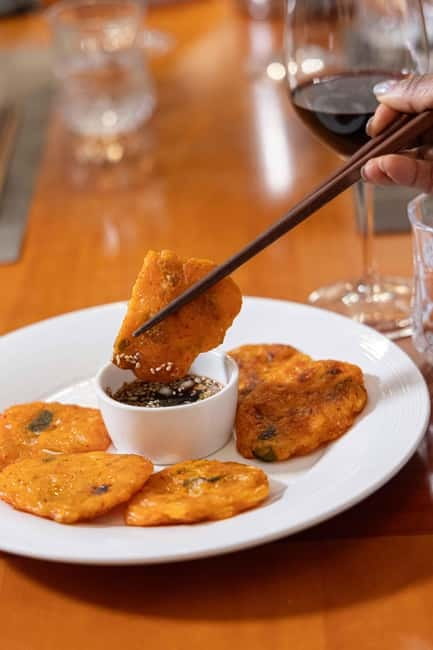
The location works well with a day in northern central Seoul. From Exit 2 of Gyeongbokgung Station, walk straight for about 200 meters, then turn left at Woori Bank. Pass the bar called Cham, and look for the building with Cuisine La Cle restaurant on the first floor. The studio is on the third floor.
The directions are specific, but allow a few minutes to find the correct entrance. A third-floor venue can be easy to miss if you are walking quickly or following a crowded palace visit. Check the meeting instructions before you leave the station.
The activity lasts two hours. A useful plan is to visit Gyeongbokgung Palace first, then walk to the class. The studio is about five minutes from the palace, making the pairing especially convenient. You can spend the morning or early afternoon with royal architecture and palace grounds, then shift to food and conversation nearby.
The class also works well on a rainy day, since it gives you a warm indoor activity with a clear start and finish. One participant even received umbrella help from the host after rain began, but do not treat that as a promised service. The practical point is that the location makes it easy to continue to nearby sights, bars, or museums after eating.
How personal is the small group?

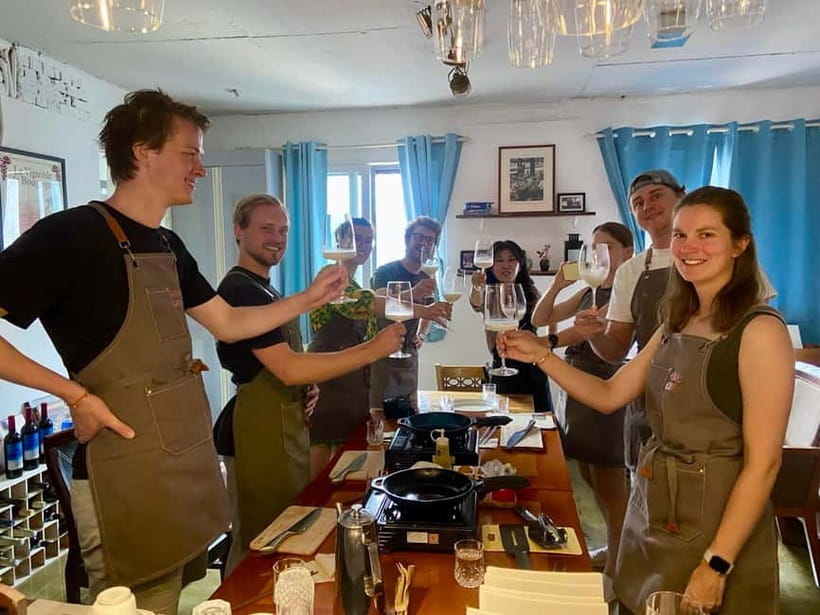
The class is limited to six participants, which is a major advantage for a hands-on activity. You can ask about fermentation, ingredients, Korean food customs, or wine without waiting for a guide to reach the back of a large room.
The setting is described as an intimate cooking studio and, in some comments, a home-like space. That creates a more personal atmosphere than a commercial kitchen built for dozens of people. Suyeon’s teaching style is patient and conversational, with room for questions about both recipes and Korean culture.
The small format can also affect the menu. With fewer participants, you may receive more individual attention, and the cooking tasks may be adjusted. In one low-season session, only two people attended and they made all three dishes together. That is an excellent possibility, but not something every date guarantees.
If you prefer a polished, fixed production with a printed schedule and separate plates, this may feel informal. If you like talking while you cook and sharing food at one table, the format should suit you well.
Is $58 good value?
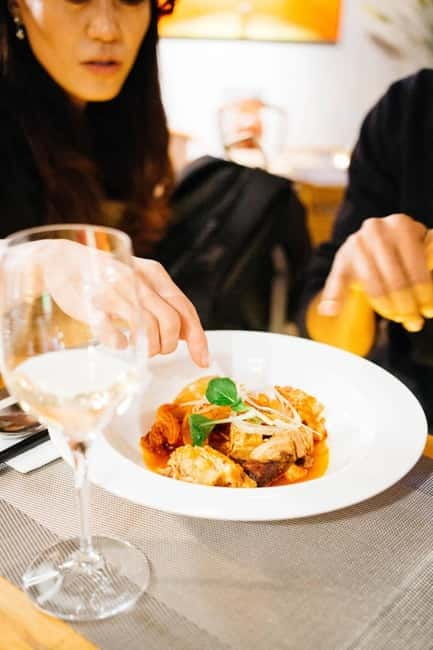
At $58 per person, the price is fair if you value instruction, food, and a small group rather than just a meal. You receive a two-hour lesson, four kimchi tastings, hands-on cooking, the host’s braised pork belly dish, and a drink pairing.
The strongest value is the practical knowledge. You do not only taste kimchi at a restaurant. You learn three simple ways to use it, and the recipes are approachable enough to repeat at home. That gives the experience a longer life than a one-time tasting.
The price also includes the guide’s expertise as a former wine bar owner and sommelier. A basic cooking class may teach technique, but this one adds context about how flavors work together. For food-focused visitors, that extra layer helps justify the cost.
Still, compare it with your priorities. If you want to make a full batch of kimchi from raw vegetables, this is not that kind of workshop. The focus is tasting prepared varieties and cooking dishes with kimchi. If you dislike group meals or do not want wine pairing, some of the value will be lost.
Who should book this experience?
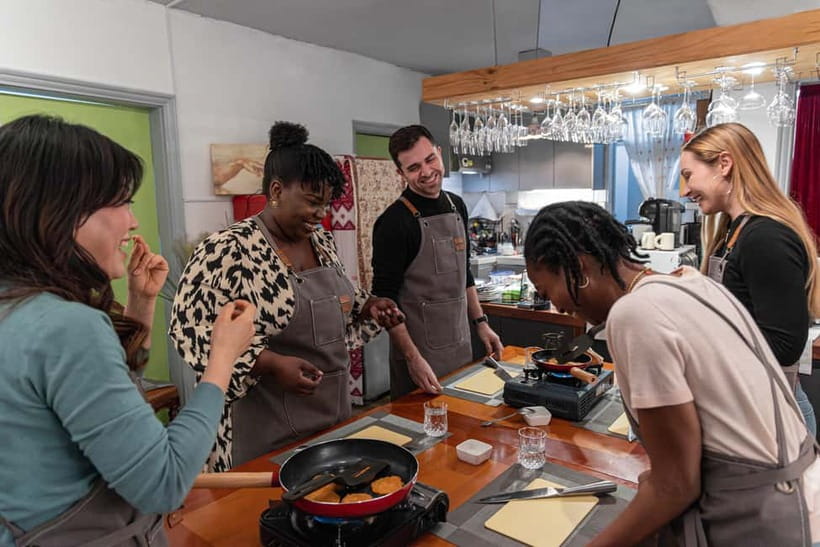
I would recommend it to adults who enjoy eating local food and want recipes they can use after returning home. It is particularly good for first-time visitors who want more context than a restaurant menu provides, and for couples or friends who enjoy a relaxed, social class.
It suits curious beginners. You do not need to arrive with Korean cooking experience, and the dishes are explained in a way that makes them feel manageable. The class also works for people who already like kimchi but want to understand the differences between fresh, white, radish, and aged versions.
It is less suitable for children under 18, since the activity has an adult-only restriction. It may also be a poor match for anyone seeking a strictly fixed menu, a large-scale professional kitchen, or a full lesson in fermenting kimchi from scratch.
Book it after Gyeongbokgung Palace if your schedule allows. That pairing gives you a satisfying half-day: royal Seoul first, then an intimate meal built around one of Korea’s most important foods.
Practical details before you reserve
The host or greeter speaks English, and the group is limited to six. The activity offers free cancellation up to 24 hours before the start time, and you can reserve now while paying later, which helps if your Seoul schedule is still changing.
The exact starting time depends on availability. Since the class includes food and a wine pairing, avoid placing it immediately before another major meal. You are likely to leave well fed, particularly once the pork belly and shared dishes reach the table.
Check the meeting directions carefully. The studio is near Gyeongbokgung Station, but it is on the third floor of a mixed-use building rather than in an obvious street-level storefront.
Should you book the kimchi and wine class?
Book it if you want a small, friendly lesson that connects Korean food, culture, and drinks. Suyeon’s strengths are clear: patient instruction, simple recipes, cultural context, and a pairing that gives the class a point of difference.
I would choose this over a standard cooking class if you are already planning to visit Gyeongbokgung Palace and want an easy next stop. I would skip it only if you need a child-friendly activity, want to ferment kimchi from the beginning, or prefer a fixed menu with no shared dishes.
At $58, the experience earns its price through the tasting, the hands-on cooking, the pre-made pork belly, and the sommelier-led pairing. You leave with a full meal, a better sense of how kimchi changes with age, and several dishes you can try at home.
FAQ
Where does the kimchi cooking class meet?
It meets at the kimchi and wine cooking studio near Gyeongbokgung Station. From Exit 2, walk straight about 200 meters to Woori Bank, turn left, pass the bar called Cham, and find the building with Cuisine La Cle restaurant on the first floor. The studio is on the third floor.
How long does the activity last?
The class lasts two hours.
How many people can join?
The group is limited to six participants.
Is the class taught in English?
Yes. The host or greeter speaks English.
Which kinds of kimchi will I taste?
You will taste cabbage kimchi, white kimchi, radish kimchi, and aged kimchi.
Which dishes can I learn to make?
The choices are kimchi pancake, white kimchi noodles, and radish and bacon stir-fried rice. The exact dishes can vary slightly with the number of participants.
Is the braised pork belly cooked during the class?
No. The host prepares the aged kimchi with braised pork belly in advance because it takes longer and can be difficult for beginners.
Is wine included?
The experience includes a glass of wine selected by the sommelier to pair with the meal. Some sessions have also included makgeolli, so the drink may vary.
Can children attend?
No. The activity is not suitable for children under 18.
More Workshops in the world
- Rome: Pasta & Tiramisu Class with Fine Wine by the Vatican
★ 4.9 · 4,852 reviews - Florence: Cooking Class Pasta & Tiramisu Making Unlimited Wine
★ 5.0 · 2,234 reviews - Fettuccine & Tiramisù: Cooking Class with Wine & Limoncello
★ 4.9 · 2,103 reviews - Sorrento: Pizza Lesson, Wine, and Limoncello at a Local Farm
★ 5.0 · 1,513 reviews
Just added around the world
- Bordeaux Wines Masterclass paired with cheeses & charcuterie★ 5.0 · 110 reviews
- Bordeaux Médoc Region Private Wine Lovers Tour with Chateau Visits & Tastings★ 5.0 · 40 reviews
- Bordeaux Food and Wine Tour : Authentic Artisanal Flavors★ 5.0 · 62 reviews
- Saint-Emilion Winery Morning Tour with Local Guide★ 5.0 · 67 reviews
- Médoc luxury wine tour aboard a Citroën DS Limousine Convertible★ 5.0 · 41 reviews
- Saint Emilion Morning Wine Tour – Winery & Tastings from Bordeaux★ 5.0 · 186 reviews
- Introduction to Bordeaux wines paired with cheeses & charcuterie★ 5.0 · 175 reviews
- Tasting of 6 Bordeaux wines and pairing charcuterie & cheese★ 5.0 · 199 reviews
Wine and Food Pairing, compared.

Pisa, Siena and San Gimignano Day Trip with Lunch & Wine Pairing
Read our review →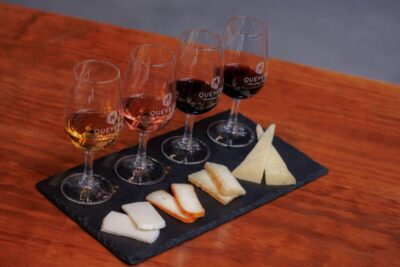
Paella Cooking Class in Madrid with Bottomless Wine Pairing
Read our review →
The Award-Winning Bilbao Food Tour & Wine Pairing by Basque Local
Read our review →
San Sebastian Food Tour: Pintxo Tasting Paired with Wines
Read our review →
Port Wine class with 3 or 5 Port tasting and pairings
Read our review →
Wine & Food Tour, Scenic Tastings & Paired Lunch
Read our review →
Orecchiette Cooking Class and Wine Pairing in Lecce
Read our review →Browse the lists this tour appears in