
REVIEW · FRANCE
Saint-Émilion: Family Vineyard Visit with Wine Tasting
Château Haute-Nauve gives you a close look at family-run Saint-Émilion winemaking without the polished, oversized feel of a major wine attraction. Marie-Anne or Florent leads you from the vines to the tanks and barrels, explaining fermentation, pumping, pressing, and aging in plain language. I like the direct access to the people who actually run the estate, and I like that the tasting includes four wines for just $18.
I also like the small group size, capped at 10 people, and the chance to buy or ship bottles directly from the estate. The main consideration is transport: you must make your own way to Château Haute-Nauve, and the experience does not include food. Wear comfortable shoes, and bring a hat if you’ll spend time outside.
Key points at a glance
- Fourth-generation hosts: Marie-Anne and Florent share the family’s story and current work at Château Haute-Nauve.
- From vine to bottle: You see the vineyard, vinification cellar, tanks, barrel cellar, and traditional production methods.
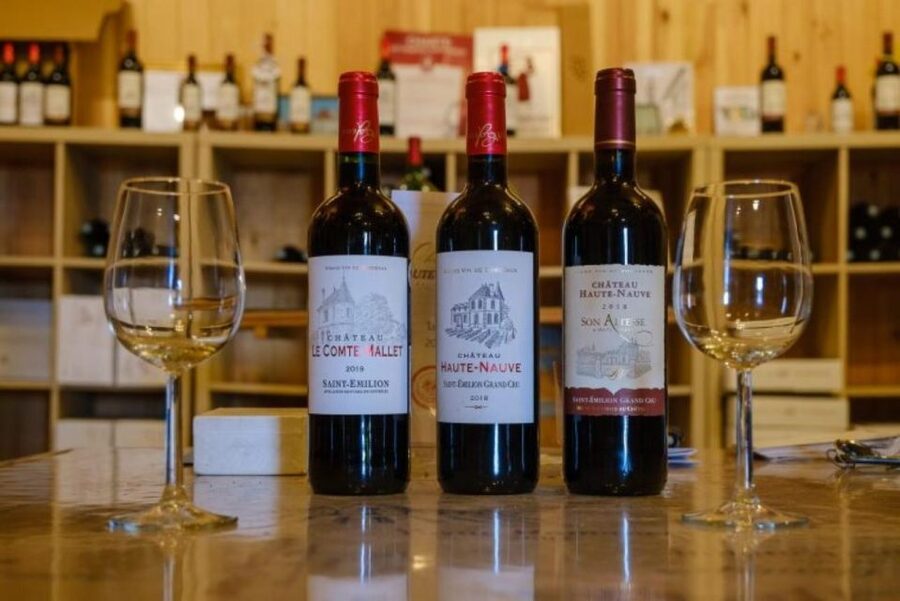
- Four wines included: The tasting covers two Saint-Émilion Grand Cru selections, one Saint-Émilion wine, and one rosé.
- Small and personal: Groups are limited to 10, making it easier to ask questions and follow the explanations.
- Good value at $18: The fee includes a 75-minute guided visit and four tastings.
- Easy souvenir option: You can buy favorite bottles at the estate or arrange shipping for home delivery.
Why this small Saint-Émilion estate is worth your time
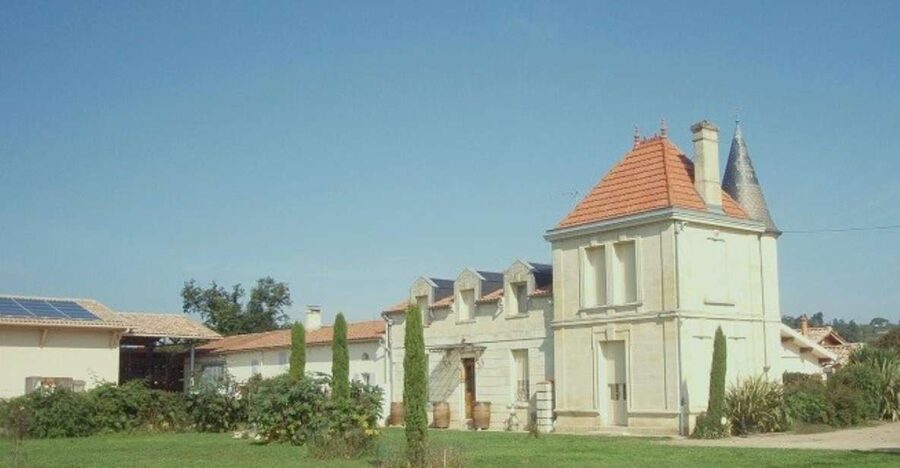
Saint-Émilion has no shortage of grand names and formal tasting rooms. Château Haute-Nauve offers something more personal: a working family estate that has been in the same family since 1930.
That family connection matters because the visit is not only about tasting wine. You hear how four generations have shaped the property, while also learning how the estate operates today. Florent represents the fourth generation, and Marie-Anne also leads tours. You are meeting the people behind the labels rather than being passed from one scripted station to another.
The experience has earned a perfect 5.0 rating from 212 bookings, and the praise centers on a few clear strengths: friendly hosts, useful explanations, delicious wines, and a relaxed tasting. Those are the qualities I would care about most in a short winery visit. You do not need to be an expert to follow along, and you have room to ask questions.
At $18 per person, the value is strong. The price covers a guided vineyard visit, the production areas, the barrel cellar, and four wines. That is a better deal than many formal tastings in famous wine regions, especially when the owner is doing the guiding. It is not a meal or a full-day wine excursion, but it gives you a useful introduction at a modest cost.
More vineyard walks in France:
- Saint-Émilion: Bordeaux Vineyard Tour and Wine Tasting
★ 4.8 · 578 reviews - Bordeaux: Vineyards Wine Tasting Half-Day Trip
★ 4.2 · 470 reviews - Half-Day Wine tour across Bordeaux’s Vineyards
★ 3.5 · 429 reviews
Meeting the family behind Château Haute-Nauve
Your guide will be Marie-Anne or Florent, mother and son and the fourth generation of the family to own the estate. That detail gives the tour its shape. You are not simply hearing general information about Bordeaux wine. You are learning how one family has kept its property going, how traditional methods remain part of the work, and how the estate is adapting to the present.
Florent is often described as warm, funny, and generous with his time. He has also used videos to make technical parts of production easier to understand. That can be useful if terms such as pumping, pressing, and fermentation are new to you.
The language options are French and English. You can book this comfortably if you do not speak French, though the experience may include visitors with different levels of wine knowledge. The small group limit of 10 helps keep the conversation manageable.
One unusual point is the estate’s willingness to question some common practices in the French wine business while holding on to traditional methods. You may find this especially interesting if you want more than a standard explanation of Bordeaux classifications and grape varieties.
Walking through the vineyard and Saint-Émilion grape varieties
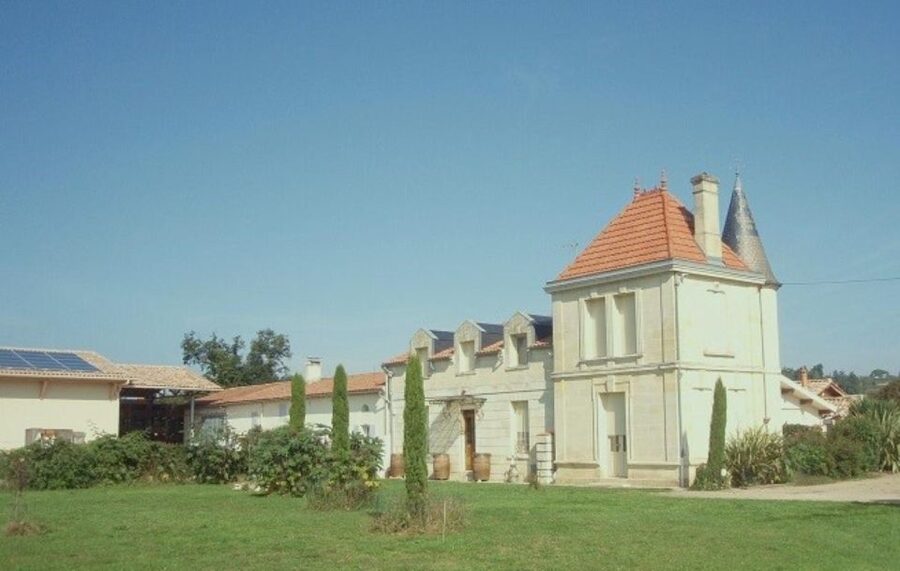
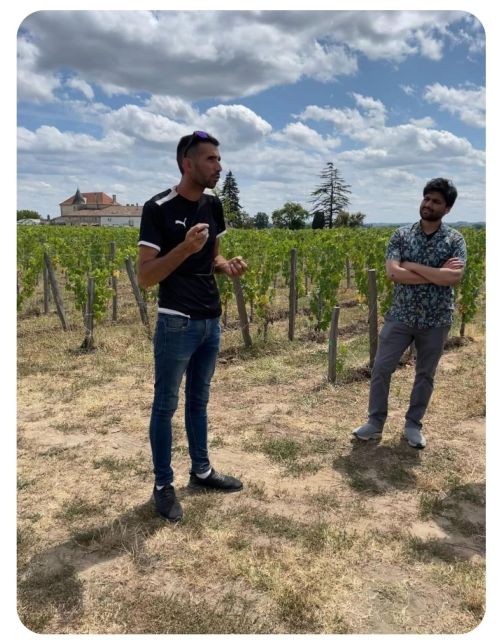
The visit begins with the vineyard and the story of the estate. You learn about the grape varieties used in the Saint-Émilion appellation and how the vines connect to the final wine in your glass.
The vineyard portion is important because it gives the technical information a physical setting. Instead of hearing only about grapes in a tasting room, you can connect the discussion to the rows of vines and the work required before harvest. The tour is not described as a long hike, but comfortable shoes are still a smart choice because you will be moving around an active estate.
A hat is also recommended. Weather can change, and even a short outdoor portion can feel sunny or exposed in summer. On rainy days, the cellar sections provide shelter, but you should still dress for the conditions.
The outdoor section also sets up the rest of the visit. Once you understand that winemaking begins with the vineyard, the tanks and barrels make more sense. You can follow the chain from grape growing to fermentation, aging, and tasting.
The vinification cellar: fermentation, pumping, and pressing
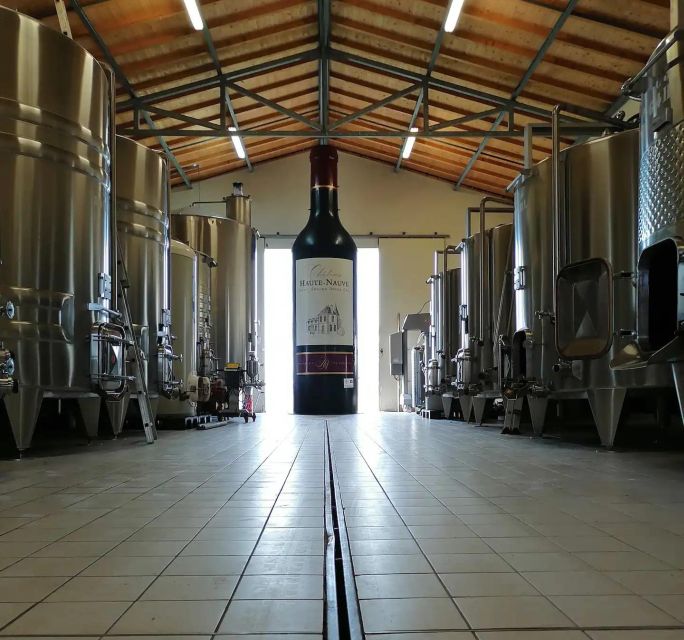
Next, you visit the vinification cellar, where the grapes are turned into wine. This is the most useful part of the tour for anyone who has tasted Bordeaux but never seen how it is made.
The explanations cover fermentation, pumping, and pressing. These are not throwaway details. They help explain why winemakers must control movement, timing, and handling during production. Florent’s style is reported to be clear even when the subject becomes technical, and he welcomes questions rather than assuming you already know the basics.
You may also see tanks and learn how the estate handles the stages between grape and barrel. The focus is on the full process, not just the finished bottle. That gives you a better sense of how much work takes place before wine reaches a shop or restaurant.
The cellar visit should suit both beginners and experienced drinkers. If you are new to wine, you can build a basic framework. If you already know the main steps, you can ask about the estate’s own choices and traditional methods.
More tastings around France:
- Bordeaux: Cité du Vin Entry Ticket and Wine Tasting
★ 4.6 · 3,885 reviews - Montmartre Hill French Gourmet Food and Wine Tasting Walking Tour
★ 5.0 · 2,588 reviews - From Paris: Loire Valley Castles Day Trip With Wine Tasting
★ 4.6 · 1,727 reviews - From Bordeaux: Afternoon Saint-Emilion Wine Tasting & snack
★ 4.8 · 1,581 reviews
The barrel cellar and traditional aging methods
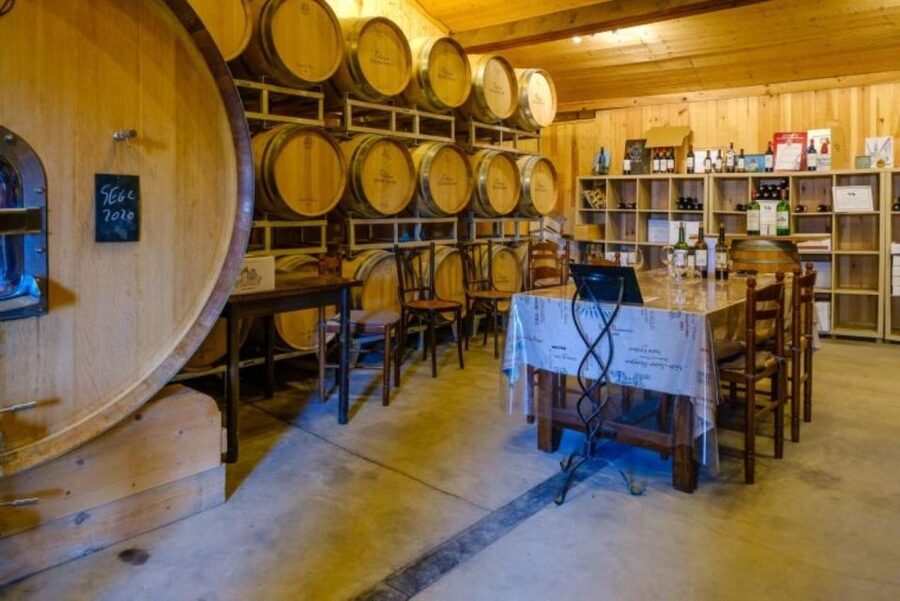
The barrel cellar has a different feel from the production area. Here, the discussion turns to aging and the way wine develops after fermentation.
The atmosphere of the barrel room is part of the appeal. You see where the wine rests and learn how traditional methods remain part of the estate’s approach. This helps explain why a bottle is not simply made, labeled, and shipped immediately. Time in the cellar is part of the winemaking plan.
The guide can connect what you see in the barrels to what you later taste. That is useful because the tasting becomes more than a pleasant stop at the end. You can pay attention to how the wines differ and consider how the production and aging choices may affect them.
Do not expect a museum-style display with a large collection of historic equipment. The value comes from seeing an active family operation and hearing how the work is done. The setting is practical, traditional, and tied to the estate’s current production.
Four wines at the tasting table
The tour ends with a guided tasting of four Château Haute-Nauve wines:
- Two Saint-Émilion Grand Cru selections
- One Saint-Émilion wine
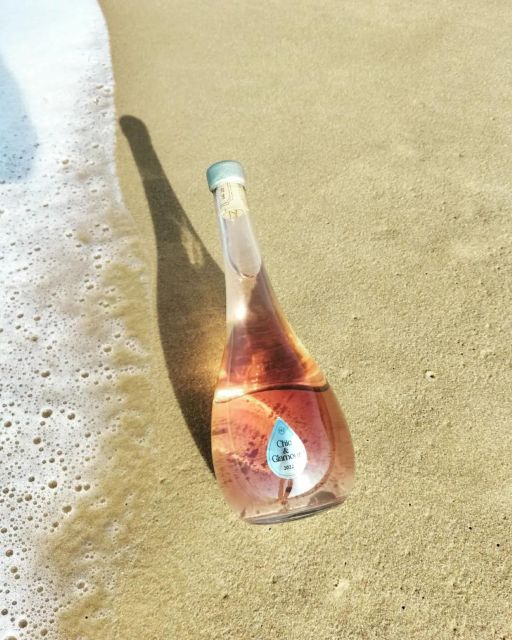
- One rosé
This range gives you a useful comparison. The two Grand Cru wines let you sample the estate’s more prestigious bottles, while the Saint-Émilion wine provides another point of reference. The rosé adds contrast and keeps the tasting from becoming four similar red wines.
The tasting is described as relaxed rather than formal. You can expect the guide to explain the wines and answer questions, but you do not need to arrive with technical tasting vocabulary. You can simply notice which bottle you prefer.
Several people purchase bottles after tasting them. That is a practical advantage of visiting the estate: you can buy something you already sampled instead of guessing from a label. The winery can also arrange shipping, which is helpful if you do not want to carry bottles through the rest of your trip.
Prices for bottles are not provided, so do not assume that every wine will fit a particular budget. Still, buying directly from the producer can make a meaningful souvenir, especially if you choose a bottle connected to the visit.
How the 75 minutes are likely to feel
The advertised duration is 75 minutes, which is long enough for a proper introduction but short enough to fit into a day in Saint-Émilion. You cover the vineyard, vinification cellar, barrel cellar, and tasting in one compact visit.
In practice, the pace may vary. Florent has sometimes spent extra time answering questions, and one visit reportedly ran about an hour longer than planned. That sounds like a benefit if you have a flexible schedule, but I would not place a tightly timed train, meal, or second tour immediately afterward.
The small group format is another advantage. With no more than 10 participants, you have a better chance to hear clearly and ask about anything that catches your attention. A private tour is not promised, so you may still share the experience with other language groups or families.
There is no food included. Plan a meal or snack separately, especially if this is part of a full day in the region. The tasting includes wine, not a food pairing.
Getting to Château Haute-Nauve
The meeting point is Château Haute-Nauve itself. Transportation is not included, so check your route before booking.
If you are coming from Saint-Émilion, allow time to arrange a car or ride service. A Bolt or Uber X has been used for the journey from town, but availability can vary, so it is wise not to leave the return trip until the last minute. The supplied information does not give a fixed distance, walking route, or public transport schedule, so you should confirm those details for your travel date.
This is not the right choice if you want a pickup from your hotel or a driver who will take you between several estates. It is a good choice if you can reach the property independently and prefer to spend your money on the visit and wine instead of bundled transport.
The estate is in Nouvelle-Aquitaine, in the Saint-Émilion wine area. Make sure your navigation is set to the château rather than only to the village center.
Who will enjoy this visit most
I would recommend Château Haute-Nauve to several kinds of visitors:
- Wine beginners who want a clear explanation from grape to bottle
- Couples and small groups who prefer a personal visit over a large commercial tasting
- Families interested in local business and tradition, since the fourth-generation story is central
- Bordeaux fans who want to taste two Grand Cru wines at the source
- Value-minded visitors looking for a useful, affordable activity
- English-speaking visitors who want a tour available in English
It may be less suitable if you want lunch, transport, a long vineyard walk, or a large collection of estates in one day. The visit focuses on one family winery, so its strength is depth and personal contact rather than variety.
It is also not a substitute for a full wine course. You will learn a lot in 75 minutes, but the experience is designed as an accessible introduction, not a detailed study of Bordeaux appellation law or professional tasting technique.
Booking details that matter
The cost is $18 per person. You can cancel up to 24 hours before the start for a full refund, and the reserve-now, pay-later option keeps your plans flexible.
Book ahead if you have a narrow schedule, since the group is limited to 10. Check the starting time carefully and build in time to reach the château. Comfortable shoes are essential, and a hat is recommended for the vineyard portion.
The overall rating is 5.0 from 212 bookings, but the more useful point is what people consistently value: Florent and Marie-Anne make the visit personal, the explanations are easy to follow, and the wines are enjoyable. Those strengths match the actual design of the experience.
Should you book Château Haute-Nauve?
Book it if you want an affordable, owner-led introduction to Saint-Émilion wine. The combination of vineyard, tanks, barrels, production lessons, and four wines gives you a lot for $18.
I would especially choose it over a more formal tasting if you care about meeting the family behind the estate and asking practical questions. Just plan your own transport, leave some flexibility after the 75-minute slot, and remember that food is not included.
If you want to taste several producers in one afternoon, arrange a driver, or enjoy a vineyard lunch, choose another type of outing. For a friendly, focused visit with real access to a fourth-generation family winery, Château Haute-Nauve is an easy recommendation.
FAQ
Where does the Château Haute-Nauve experience take place?
The meeting point is Château Haute-Nauve in the Saint-Émilion area of Nouvelle-Aquitaine, France.
How long does the visit last?
The scheduled duration is 75 minutes. The guide may spend extra time answering questions, so avoid booking another activity immediately afterward.
How much does the experience cost?
The listed price is $18 per person.
Which wines are included?
You taste four Château Haute-Nauve wines: two Saint-Émilion Grand Cru selections, one Saint-Émilion wine, and one rosé.
Is the tour available in English?
Yes. The live tour guide is available in English and French.
Is transportation included?
No. You must make your own way to Château Haute-Nauve, and transportation is not included.
Can I buy wine after the tasting?
Yes. You can purchase your favorite wines at the estate or arrange shipping so you can enjoy them at home.
More Food & Drink in France
- Authentic Parisian Gourmet Food Tour with 10 Local Dishes & Wines
★ 5.0 · 4,754 reviews - Medoc or Saint Emilion Wine Tasting and Chateau from Bordeaux
★ 5.0 · 1,415 reviews - Saint-Émilion: Grand Cru Classé Winery Visit and Tasting
★ 4.6 · 1,118 reviews - Saint Emilion Half-Day Trip with Wine Tasting & Winery Visit from Bordeaux
★ 4.5 · 1,034 reviews
Just added around France
- Bordeaux Wines Masterclass paired with cheeses & charcuterie★ 5.0 · 110 reviews
- Bordeaux Médoc Region Private Wine Lovers Tour with Chateau Visits & Tastings★ 5.0 · 40 reviews
- Bordeaux Food and Wine Tour : Authentic Artisanal Flavors★ 5.0 · 62 reviews
- Saint-Emilion Winery Morning Tour with Local Guide★ 5.0 · 67 reviews
- Médoc luxury wine tour aboard a Citroën DS Limousine Convertible★ 5.0 · 41 reviews
- Saint Emilion Morning Wine Tour – Winery & Tastings from Bordeaux★ 5.0 · 186 reviews
- Introduction to Bordeaux wines paired with cheeses & charcuterie★ 5.0 · 175 reviews
- Free Walking Bordeaux Tour ENG + 1 glass of wine (Tip based)★ 5.0 · 90 reviews
Wine Tours in France, compared.
Authentic Parisian Gourmet Food Tour with 10 Local Dishes & Wines
Read our review →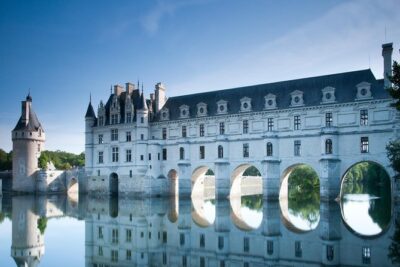
Loire Valley Castles Day Trip from Paris with Complementary Wine
Read our review →
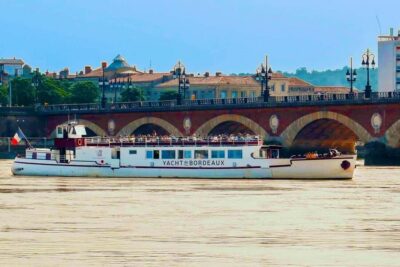
River Garonne Cruise with Glass of Wine and Canelé
Read our review →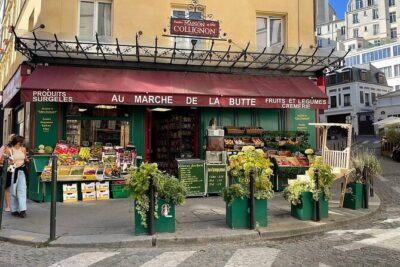
Montmartre Hill French Gourmet Food and Wine Tasting Walking Tour
Read our review →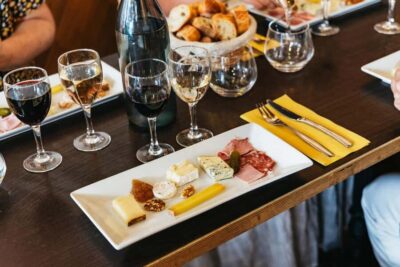
Montmartre Cheese, Wine & Pastry Guided Walking Tour
Read our review →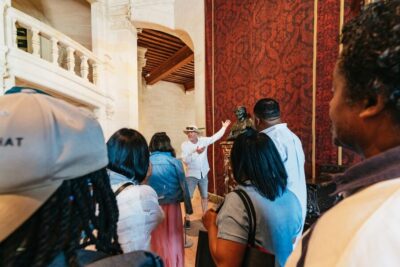
Loire Valley Castles Day Trip With Wine Tasting
Read our review →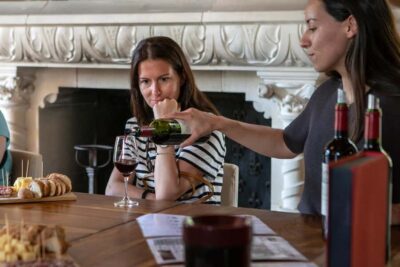
Afternoon Saint-Emilion Wine Tasting & snack
Read our review →Browse the lists this tour appears in