
REVIEW · FRANCE
Saint-Émilion: Bordeaux Vineyard Tour and Wine Tasting
Château Saint-Georges Côte Pavie gives you a useful introduction to Saint-Émilion wine without taking half a day. You visit a family estate on Pavie Hill, hear how five generations have worked the property, step into the cellar, and taste three wines for $21. I like the small groups, limited to eight, and the warm, conversational guiding style often provided by Valentin, Chloe, or Matthieu. I also like the location, roughly a 15 to 20-minute walk from the village and within easy reach of the train station.
The one-hour length is both its strength and its limit. You get a clear look at the vineyard and production rooms, but not an extensive tour of the wider Saint-Émilion wine region. The vineyard walk can also be less appealing in heavy rain or strong heat, so bring sensible shoes and dress for the weather.
Five useful things to know before you go
- Three wines are included: The tasting usually focuses on three red wines, including a leading wine from the estate.
- The estate is family-run: You hear about five generations of the founding family and their continuing work at the château.
- Pavie Hill matters: The guide explains how the property’s soil and position affect the grapes and the finished wine.
- It is easy to reach on foot: The château is between Saint-Émilion’s railway station and the old village, with the walk taking about 15 to 20 minutes.
- Small groups keep it personal: A maximum of eight people leaves room for questions and a relaxed pace.
- Adults only: Wine tasting is for people over 18 and is not suitable for children or pregnant women.
Why this short Saint-Émilion tour works
Saint-Émilion can feel like two places at once. The medieval village draws you in with steep lanes, stone buildings, and imposing church architecture. Outside the center, vineyards spread over rolling ground, and small estates explain why this corner of Bordeaux has such a strong wine identity.
This experience connects those two sides. You get the village atmosphere nearby, but the main focus is a working family property rather than a quick stop for a glass of wine. That gives the visit more meaning. You hear how the estate functions, then taste the result.
I would choose this tour if you want a first look at Bordeaux wine but do not yet know much about grape varieties, soil, barrels, or appellations. The guide keeps the explanation practical. Past guides including Valentin, Valentine, Chloe, Matthieu, and Matthew have been praised for clear English, good humor, and patience with questions. That matters in a wine region, where technical language can quickly become a fog of French terms.
The setting also helps. Château Saint-Georges Côte Pavie is close enough to fold into a day trip from Bordeaux. The train from Bordeaux Saint-Jean to Saint-Émilion takes about 30 minutes, according to the practical directions provided for the experience, and the château is less than a kilometer from the station. You can visit the village before or after the tasting without arranging a car.
More vineyard walks in France:
- Bordeaux: Vineyards Wine Tasting Half-Day Trip
★ 4.2 · 470 reviews - Half-Day Wine tour across Bordeaux’s Vineyards
★ 3.5 · 429 reviews - Saint-Émilion: Vineyard Walking Tour and Tasting
★ 5.0 · 404 reviews
Walking into the family estate on Pavie Hill
The visit begins at Château Saint-Georges Côte Pavie, not at another Saint-Georges property. That distinction is worth taking seriously because Saint-Émilion has several château names that can sound alike. One person arrived at the wrong château and lost time, while another group had to join only the tasting after arriving late. Check the exact name before setting out: Château Saint-Georges Côte Pavie.
Once there, the opening talk places the estate in its family setting. The founding family has worked the property for five generations, and that long connection gives the tour a personal frame. You are not simply hearing a general lecture about Bordeaux. You are learning how one estate has managed its vines and wine over time.
The guide explains the grape varieties used here, along with the soil around Pavie Hill. This is one of the most useful parts for a newcomer. Bordeaux wine labels can be difficult at first because the region is organized around estates and appellations rather than a simple grape-first system. Understanding the local soil and the blend of grapes gives you a better way to think about what you taste later.
The estate is part of the Saint-Émilion Grand Cru appellation. That term is important, but it does not mean every bottle will suit every palate or that the visit becomes formal and stiff. Here, the explanation is tied to the property itself. You learn why location, vineyard work, grape selection, and aging all matter to the style of the wine.
What you see in the vineyard
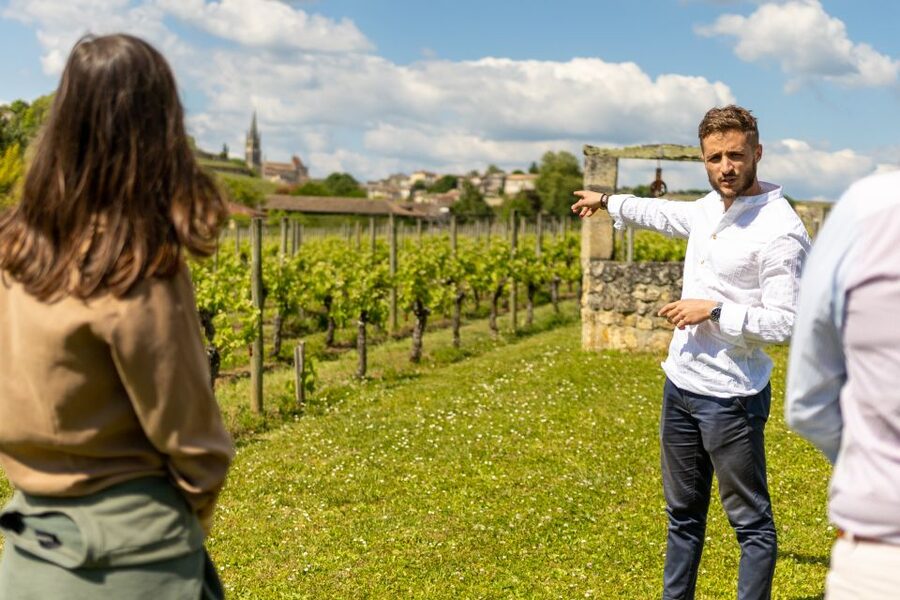
The outdoor portion is a walk through the property and its vineyard surroundings. You will not spend the whole hour wandering between rows, but the guide uses the setting to explain how the vines are worked and how the soil helps shape the harvest.
This is where the tour feels most connected to place. Saint-Émilion is not only a beautiful medieval town with wine shops. Its identity comes from the relationship between the village, the slopes, the soil, and the estates around it. From the property, you get a close look at that connection rather than only viewing vineyards from a coach window.
Weather can affect this part of the experience. In rain, the outdoor visit may be limited, though the cellar and tasting still provide the main substance. One particularly wet visit still worked because the guide adapted the explanation and kept the group engaged. In hot weather, the walk may feel more exposed, so water, comfortable shoes, and a hat are sensible choices.
The pace is gentle. Several people found the one-hour format easy to fit into a day, and the walk does not demand advanced wine knowledge. You can ask basic questions without feeling out of place. That makes this a good choice for a first tasting, including people who have visited wineries in California or elsewhere but want to understand the Bordeaux approach.
Inside the cellar: from grape to barrel
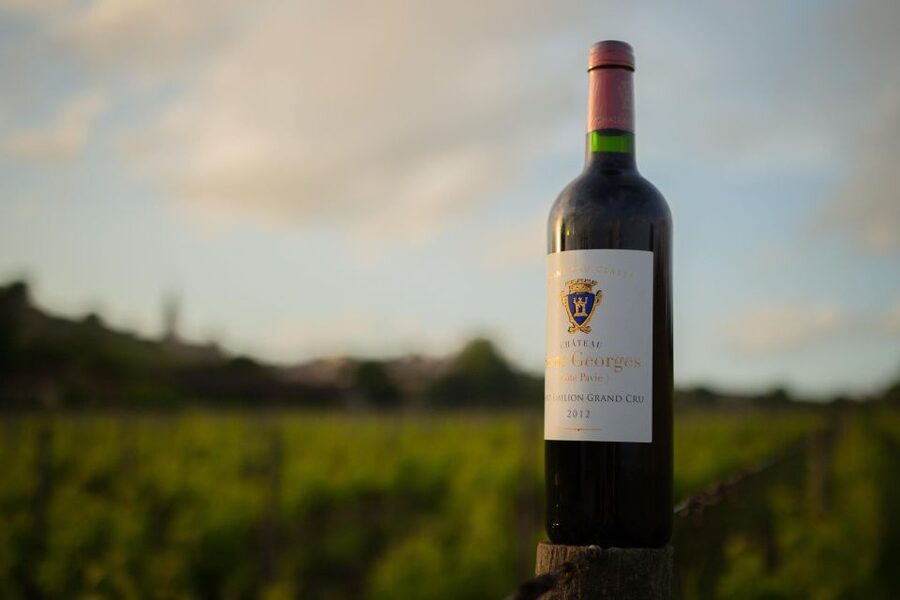
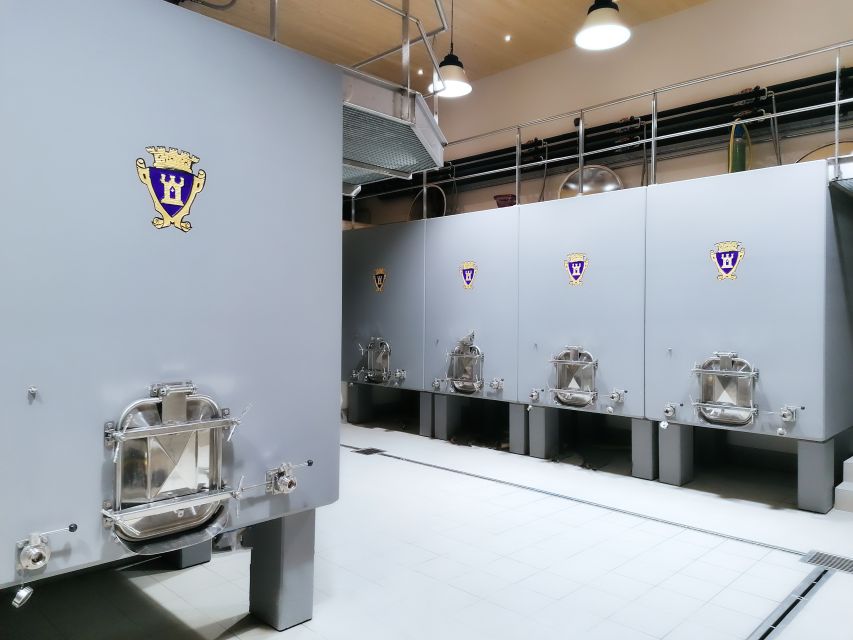
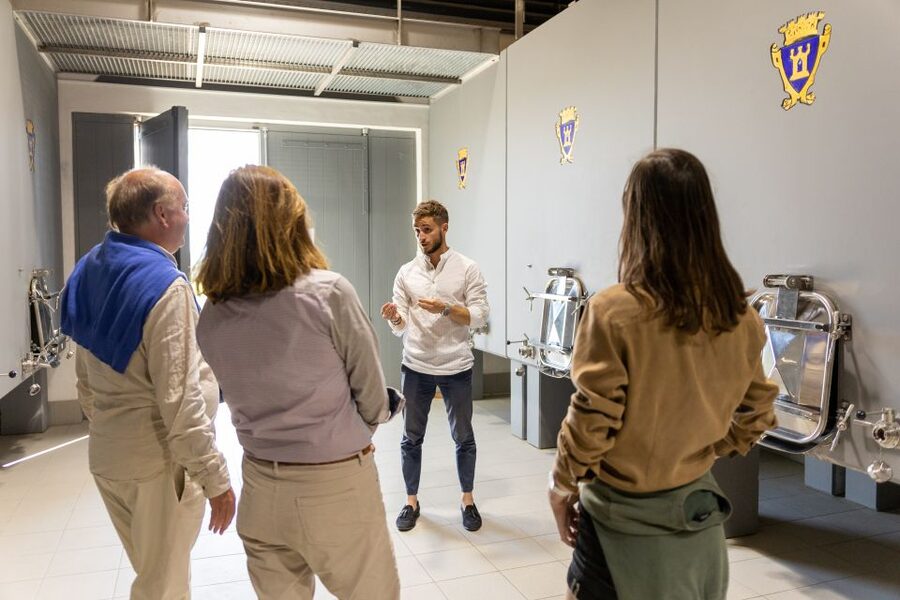
The cellar gives the tour its practical center. Here, the guide explains the winemaking process and the aging stage that takes place in barrels. You learn how the fruit becomes wine, then how time in wood affects the final character.
The value is not in seeing a huge production facility. This is a family château, and the rooms feel tied to the scale of the estate. You get to see some of the tools and winemaking spaces rather than simply hearing a polished sales pitch in a tasting room.
The guide explains the process in an easy order. First comes the work in the vineyard and the harvest. Then the wine is made and placed into barrels for aging. As you move through the cellar, the reasons behind each stage become easier to follow. The explanation is detailed enough to give you a foundation, but short enough to suit a one-hour visit.
If you already know a great deal about Bordeaux, you may want more detail on vintage variation, barrel types, or the technical differences between individual cuvées. Those subjects are not the main purpose here. The strength is clarity. You leave with a better sense of why the wine tastes the way it does.
More tastings around France:
- Bordeaux: Cité du Vin Entry Ticket and Wine Tasting
★ 4.6 · 3,885 reviews - Montmartre Hill French Gourmet Food and Wine Tasting Walking Tour
★ 5.0 · 2,588 reviews - From Paris: Loire Valley Castles Day Trip With Wine Tasting
★ 4.6 · 1,727 reviews - From Bordeaux: Afternoon Saint-Emilion Wine Tasting & snack
★ 4.8 · 1,581 reviews
Tasting three Saint-Émilion wines
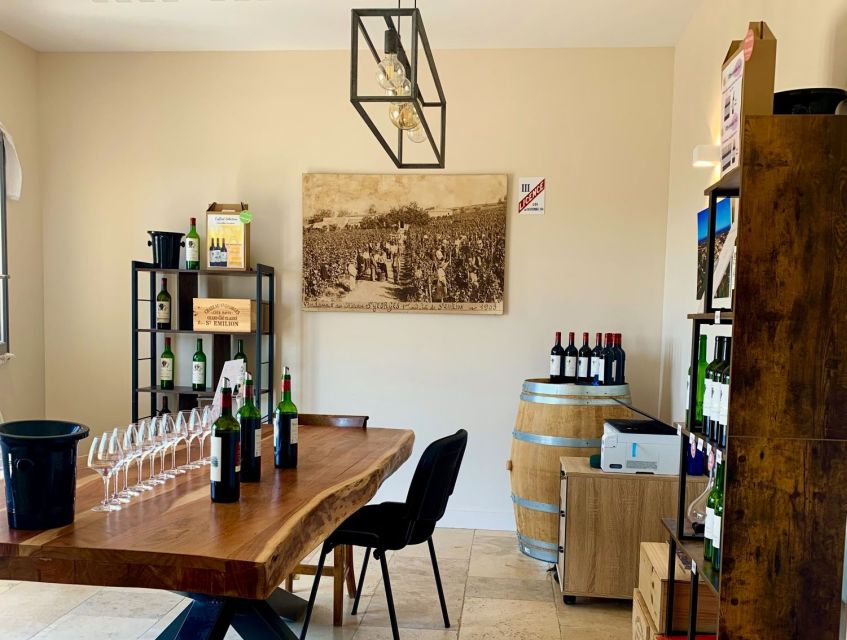
The tasting follows the tour and includes three wines from the estate. The wines are red, and the selection includes the property’s landmark wine. This is a strong part of the price because tasting three wines at a Bordeaux château gives you something to compare, not just a single sample.
You may notice differences in structure, fruit, oak, or finish, and the guide explains what to look for. The tasting is not treated as a test. You can ask how to approach a glass, how to compare the wines, or how food changes their character. One useful detail shared during a visit involved the way cheese acidity and lactic qualities can affect the taste of wine.
If you are new to tasting, pay attention to the order. Start with the appearance, then smell the wine, take a small sip, and notice how the flavor changes as you swallow. You do not need a trained palate. A good guide will help you put simple words to what you notice, such as dry, soft, firm, fruity, or full-bodied.
The three pours also help you judge value for yourself. At $21 per person, this is not just a quick glass in town. You receive a vineyard visit, a cellar explanation, family history, and three tastings. The tour remains inexpensive by the standards of a famous wine area, especially for a small group.
You can also buy wine at the château if you find a favorite. That is not required, but it can make the visit more useful if you want to take home a bottle tied to the place you just visited. Remember that the tasting is for adults over 18 only.
The guide makes the difference
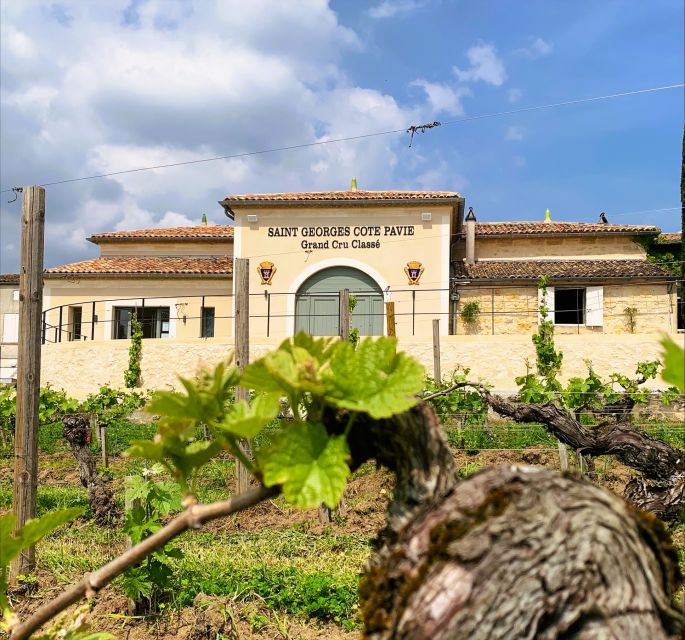
The strongest part of this experience is the guiding. Valentin is repeatedly described as friendly, patient, and clear, with a good sense of humor. Chloe is also praised for answering questions precisely and welcoming late arrivals with warmth. Matthieu and other guides have been appreciated for making the information easy to follow.
That range of names suggests a team rather than a single fixed host, so your guide may differ. The important point is the style: English and French are available, the groups are small, and the explanation leaves room for questions.
This is not a silent walk followed by glasses placed on a table. The guide talks through the estate’s story, grape varieties, soil, production, and aging. You can ask about the wine in front of you instead of waiting for a generic speech to end.
The tone also suits mixed groups. One person in your party might know the basics of Bordeaux, while another has never tasted wine at a château. The short format and informal approach help both types stay involved. I would especially recommend it for couples, friends, and first-time wine tasters who want substance without ceremony.
Timing your visit around Saint-Émilion
The tour lasts one hour, so timing is simple. Many people pair it with a walk through the village, either before the appointment or afterward. The château sits between the station and the main village area, which makes it a natural stop on a day out.
A 4:30 pm visit can work well after time in Saint-Émilion, giving you the chance to explore the medieval center first and then finish with wine. If you arrive by train, allow time for the walk and check the exact route to the château. The uphill and uneven streets around Saint-Émilion can slow you down, even when the distance looks short.
Do not confuse a one-hour wine visit with a full day of château hopping. This tour covers one estate in a focused way. If you want several wineries, a large vineyard region tour, or a long meal with wine pairings, you need a different plan.
The short duration is ideal for a first visit or a tight schedule. It also leaves time to see Saint-Émilion’s medieval architecture, shops, and lanes. The village itself is a major part of the appeal, so I would not rush away immediately after the tasting.
Who will get the most from the $21 price
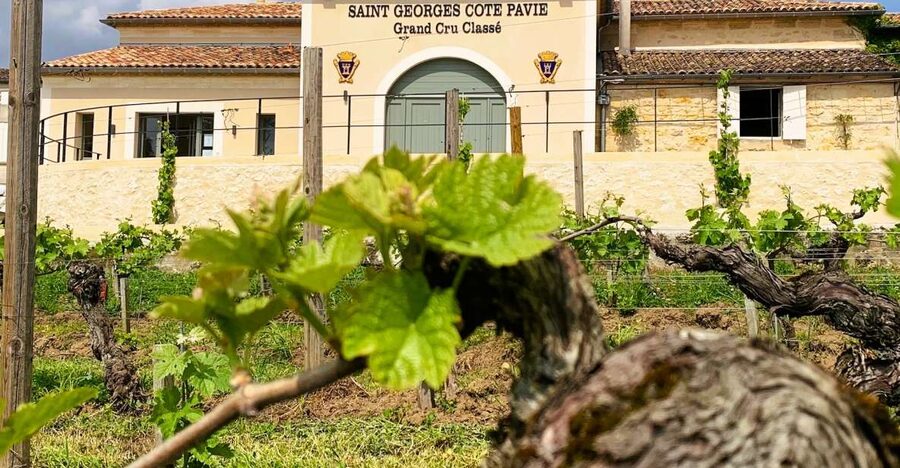
At $21, the value is clear if you want three things in one stop: a working vineyard, a cellar explanation, and wine tasting. The small group adds to that value because you have a better chance to speak directly with the guide.
I would book this for:
- A first visit to Bordeaux wine country
- Anyone traveling by train from Bordeaux
- People with only an hour to spare in Saint-Émilion
- Couples and small groups who prefer a calm visit
- Wine drinkers who want context before tasting
- Visitors who enjoy family-run places more than large commercial facilities
I would think twice if you want a long vineyard walk or an advanced technical session. The tour is introductory and focused. It gives you a solid base, not a specialist course.
The age rule also matters. Everyone tasting must be over 18, and the activity is not suitable for children or pregnant women. There is no reason to book it for a family group if some members cannot take part in the tasting.
The booking terms are flexible: you can cancel up to 24 hours before the visit for a full refund, and reserve now while paying later. Starting times vary, so check availability around your train and village plans.
Should you book Château Saint-Georges Côte Pavie?
I would book this tour if you want an affordable, well-organized introduction to Saint-Émilion wine and prefer a small family estate to a large group outing. The combination of Pavie Hill, five generations of family work, a cellar visit, three red wines, and an easy walk from town gives the hour real substance.
Do not book it expecting a grand, all-day vineyard production. Its appeal is the opposite: a compact visit, friendly guides, direct answers, and enough tasting to make the region easier to understand. Add a few hours in medieval Saint-Émilion, and you have a very sensible day from Bordeaux.
FAQ
How long does the Château Saint-Georges Côte Pavie tour last?
The visit lasts one hour, including the estate tour, cellar explanation, and tasting of three wines.
How many wines are included?
Three high-quality wines are included in the tasting. The wines are red, including the estate’s landmark wine.
Where does the tour meet?
The meeting point is Château Saint-Georges Côte Pavie.
Can I walk to the château from Saint-Émilion?
Yes. The château is described as walkable from both the railway station and the village, taking roughly 15 to 20 minutes depending on your starting point.
Is the tour offered in English?
Yes. Live guiding is available in English and French.
How many people can join the tour?
The group is limited to eight participants.
Can anyone take part in the wine tasting?
No. Participants must be over 18. The activity is not suitable for children under 18 or pregnant women.
More Food & Drink in France
- Authentic Parisian Gourmet Food Tour with 10 Local Dishes & Wines
★ 5.0 · 4,754 reviews - Medoc or Saint Emilion Wine Tasting and Chateau from Bordeaux
★ 5.0 · 1,415 reviews - Saint-Émilion: Grand Cru Classé Winery Visit and Tasting
★ 4.6 · 1,118 reviews - Saint Emilion Half-Day Trip with Wine Tasting & Winery Visit from Bordeaux
★ 4.5 · 1,034 reviews
Just added around France
- Bordeaux Médoc Region Private Wine Lovers Tour with Chateau Visits & Tastings★ 5.0 · 40 reviews
- Bordeaux Wines Masterclass paired with cheeses & charcuterie★ 5.0 · 110 reviews
- Bordeaux Food and Wine Tour : Authentic Artisanal Flavors★ 5.0 · 62 reviews
- Saint-Emilion Winery Morning Tour with Local Guide★ 5.0 · 67 reviews
- Médoc luxury wine tour aboard a Citroën DS Limousine Convertible★ 5.0 · 41 reviews
- Saint Emilion Morning Wine Tour – Winery & Tastings from Bordeaux★ 5.0 · 186 reviews
- Introduction to Bordeaux wines paired with cheeses & charcuterie★ 5.0 · 175 reviews
- Free Walking Bordeaux Tour ENG + 1 glass of wine (Tip based)★ 5.0 · 90 reviews
Wine Tours in France, compared.
Authentic Parisian Gourmet Food Tour with 10 Local Dishes & Wines
Read our review →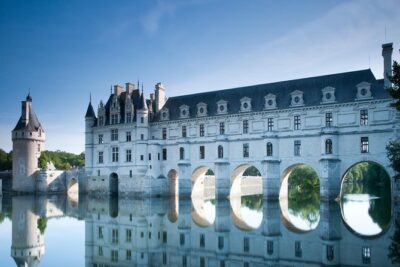
Loire Valley Castles Day Trip from Paris with Complementary Wine
Read our review →

River Garonne Cruise with Glass of Wine and Canelé
Read our review →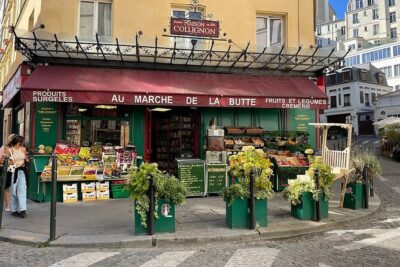
Montmartre Hill French Gourmet Food and Wine Tasting Walking Tour
Read our review →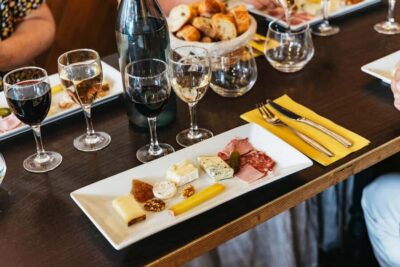
Montmartre Cheese, Wine & Pastry Guided Walking Tour
Read our review →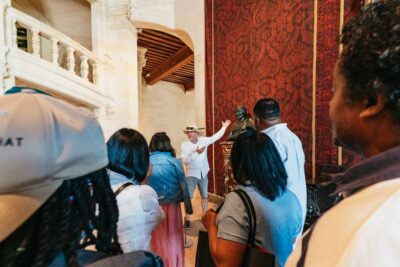
Loire Valley Castles Day Trip With Wine Tasting
Read our review →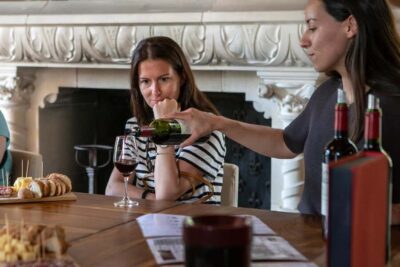
Afternoon Saint-Emilion Wine Tasting & snack
Read our review →Browse the lists this tour appears in