
REVIEW · THE CZECH REPUBLIC
Prague: Unique Wine Tasting Experience
This is not a formal tasting where someone pours three glasses and tells you what to think. You receive small samples from a large wine selection, then build your own route through Moravian wines, classic European bottles, and choices from farther away. I like the freedom to compare grapes, countries, styles, and prices side by side. I also like that the sommelier can step in with advice without hovering.
The main thing to consider is the self-guided format. If you want a carefully scripted lesson with detailed notes on every glass, you may need to ask questions. Food is not included, either, so plan to pay extra for a cheese or charcuterie board if you want something to eat.
Key points at a glance
- About 60 to 64 wines: Taste small samples from Moravia, Europe, and major wine-making countries around the world.
- Choose your own pace: Follow a suggested tasting order, ask for help, or explore without much guidance.
- A relaxed two-hour booking: Some people stay well beyond the booked time, if the venue is still open and the tasting credit remains available.
- Strong local focus: The selection includes Czech wine, more precisely wine from Moravia, the country’s main wine-producing area.
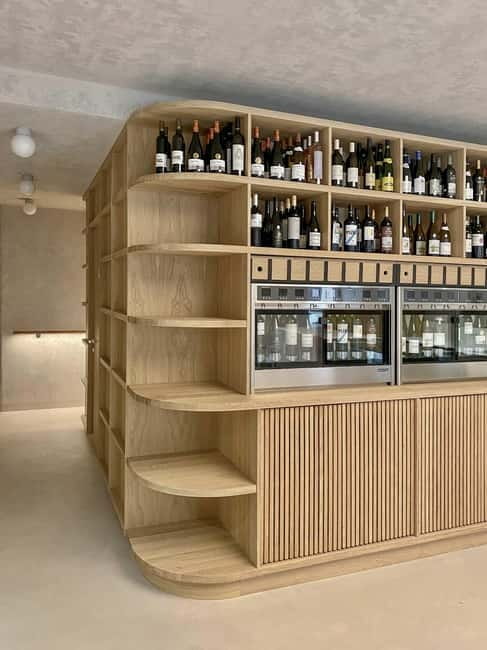
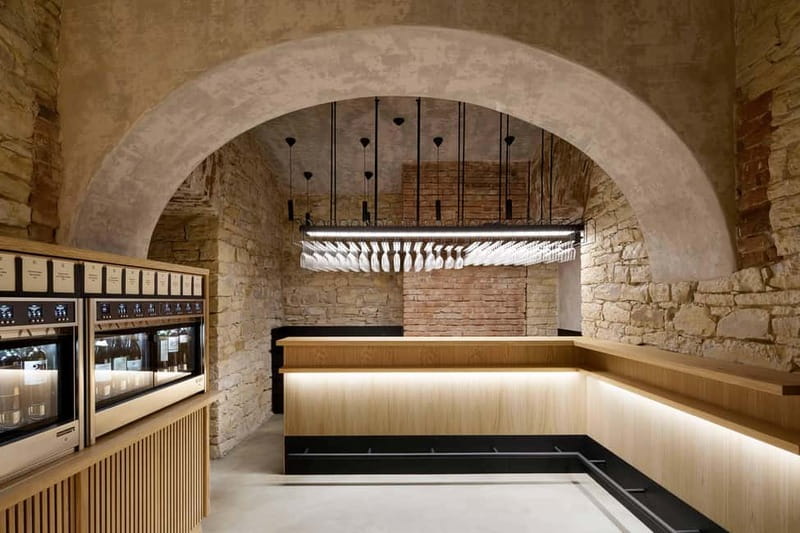
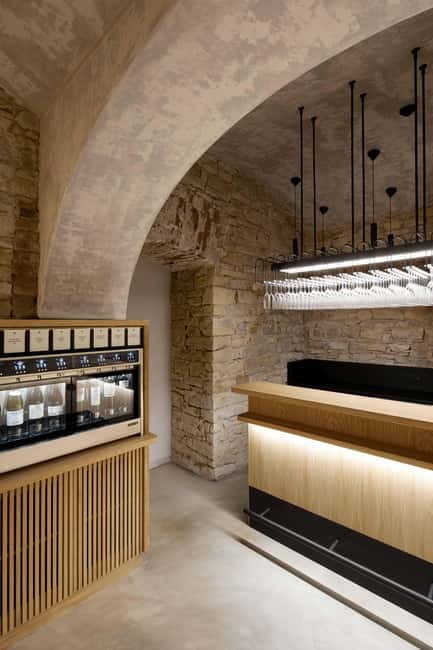
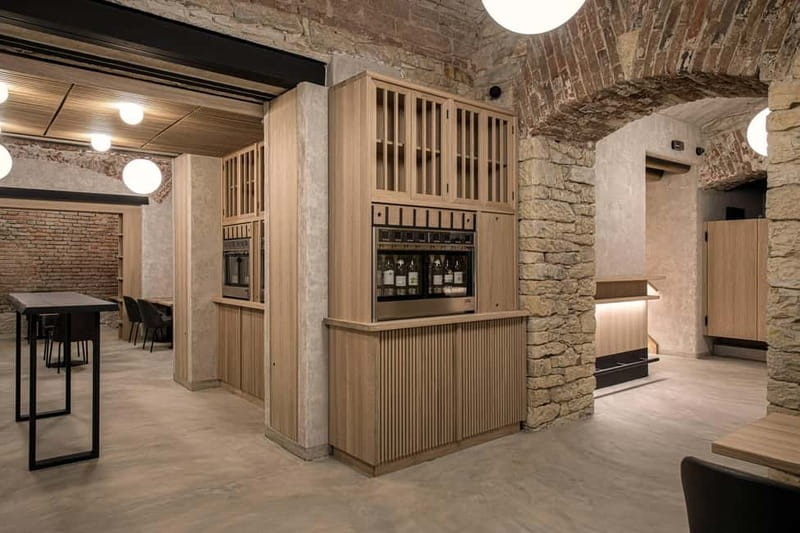
- Modern cellar setting: The room has a minimalist look with wine-serving machines and a calm atmosphere.
- Food costs extra: Cheese, bread, meats, and focaccia can add a useful savory break, but you do not need to order food.
A wine tasting that lets you take control
At $45 per person, this Prague experience gives you a broad tasting rather than one narrow flight. You can sample a large number of wines in small amounts, compare them, and return to the styles that suit you. That makes the format useful for both a curious beginner and someone who already knows the difference between a crisp Riesling and a heavy Cabernet.
The selection has been described as roughly 60 to 64 wines, depending on the current setup. You may see bottles from Moravia alongside wines from France, Italy, Spain, Germany, and other leading wine countries. The point is not simply to drink as much as possible. It is to notice what changes when the grape, region, price, and winemaking style change.
I particularly like this approach for people who are still learning what they enjoy. A standard tasting often gives you a fixed menu. Here, you can compare a dry white with a sweeter one, try a local red beside a French red, or test a budget bottle against a more expensive option. Small pours make that possible without committing to a full glass of something you dislike.
The experience is held in a modern cellar-style space in Prague. The setting is minimalist rather than rustic, with wine machines that help organize the selection. It sounds simple, but the setup matters. You can concentrate on tasting instead of waiting for each pour.
More tastings around the world:
- From Porto: Douro Valley w/ Boat Tour, Wine Tasting & Lunch
★ 4.7 · 19,061 reviews - Complete Douro Valley Wine Tour with Lunch, Wine Tastings and River Cruise
★ 5.0 · 12,920 reviews - Florence: Chianti Wineries Tour with Wine Tasting
★ 4.5 · 10,071 reviews
Your first few minutes: an introduction and a tasting plan
You begin with an explanation of how the experience works. This is when you can decide how much structure you want. Ask for a guided route if you are new to wine, request a list of wines in a sensible order, or take the more independent path and choose for yourself.
The staff members named in feedback include Justin, Matyas, Mathias, and Johana. Availability can change, but the useful point is that the English-speaking team is there to explain the wines and help match recommendations to your taste. You do not need expert vocabulary. Saying that you like light reds, dry whites, sweet wines, or something with a strong oak flavor gives the sommelier enough to begin.
Some people use a tasting sheet or a bingo-style card to track what they try. That is handy when the selection is large. Without notes, the names and labels can blur together after a dozen samples. I recommend marking each wine as like, dislike, or try again, then returning to your top choices near the end.
The opening explanation may be brief unless you ask for more detail. One useful criticism of the format is that you might not automatically receive a full account of every wine’s flavor profile and origin. If that information matters to you, ask directly before moving on.
Comparing Moravian wine with the rest of the world
The local part of the selection deserves your attention. The Czech Republic is often associated with beer, but Moravia has a serious wine tradition and produces many appealing whites, sparkling wines, and lighter reds. This tasting gives you a chance to place those wines beside better-known bottles from France, Italy, Spain, and elsewhere.
Moravian wine is especially worth trying if you have little experience with it. You may find a fresh white that suits a warm afternoon, a fragrant variety with floral notes, or a red that feels lighter than the bold styles often served in international tastings. The exact bottles change, so I would not arrive expecting a particular label.
The wider selection gives the local bottles context. A Moravian wine may seem delicate next to an Australian Shiraz, or wonderfully fresh beside a heavy, oak-aged white. Neither is automatically better. The comparison helps you understand what you actually enjoy instead of choosing a bottle only because the region is famous.
I would set aside part of the tasting for wines you do not recognize. The experience is designed for discovery, and the small portions reduce the risk. Ask for suggestions if you want to try something unusual without making a blind choice.
Self-guided tasting or sommelier-led advice
The best feature here is the choice between independence and guidance. You can let the sommelier recommend a starting point and then continue alone. You can also ask about each wine, request a regional comparison, or simply taste at your own speed.
For a beginner, I would start with a few questions:
- Which wines are dry, sweet, light, or full-bodied?
- Which Moravian wines should I try first?
- What is the best order for tasting the selection?
- Which bottles offer good value at their usual price?
- Can you suggest a wine similar to one I already like?
For an experienced drinker, the flexible format can be more useful than a basic introduction. You might choose a grape variety and compare several regions, or focus on a price range. You can also spend more time with fewer wines, since the tasting does not require you to sample everything.
Do not feel pressured to finish every sample. The selection is large, and the goal is to learn your preferences. Water is included, so use it regularly. It helps clear your palate and makes the later comparisons more useful.
A few more wine days around the world worth comparing
- Budapest: Unlimited Prosecco, Beer and Aperol Spritz Cruise
★ 4.8 · 37,304 reviews - From Split: Krka Waterfalls, Food & Wine Tasting Tour
★ 5.0 · 9,326 reviews - Small-Group Wine Tasting Experience in the Tuscan Countryside
★ 5.0 · 7,392 reviews - From Split: Krka Waterfalls, Food & Wine Tasting Tour
★ 4.9 · 6,598 reviews
How long does it really take?
The stated duration is two hours, with starting times that depend on availability. In practice, the pace can be loose. Some bookings have lasted around three or four hours, and a few people stayed until closing. That extra time is not something I would treat as guaranteed, so check the arrangement when you arrive.
If you want a relaxed evening, an earlier start may be the better choice. A 5:30 p.m. booking can leave more room for conversation and repeat pours than a later 7:30 p.m. arrival. Several people wished they had chosen the earlier slot after finding themselves eager to stay longer.
The timing also affects how you plan the rest of your evening. This is not a quick stop between major sights if you intend to taste widely. It works better as the main event for the evening, especially if you want to order food or spend time discussing favorites.
You should also think about alcohol. Small samples add up quickly when there are dozens of choices. Eat beforehand or order food during the tasting, drink water, and take your time. The stairs deserve extra care once you have had more than planned.
Cheese, bread, and charcuterie are optional
Food is not included in the $45 price, and no food order is required. That keeps the basic ticket focused on wine, which is helpful if you want to control the cost or have already eaten.
You can add a cheese board, bread, focaccia, meats, or charcuterie while you are there. These extras can make the tasting feel more like a full evening out. Salty foods also give you a break between wines and help prevent the experience from becoming a long series of empty-stomach samples.
One practical tip is to order food at the venue rather than adding it in advance, since the onsite option has been described as cheaper. I would confirm the current prices before ordering, as food offerings can change.
If you are visiting with a partner or friend, a shared board makes sense. Solo visitors can still order food, but you may prefer to wait until you know how much wine you plan to taste.
Is $45 good value?
The value depends on how you use the format. At $45, the ticket includes a wide range of wine samples, sommelier guidance, information about the wines, and water. If you taste only a few wines and leave after an hour, it may feel expensive. If you compare a dozen or more carefully chosen samples and use the advice, it becomes a strong deal.
The usual cost of separate glasses in Prague would make a broad comparison expensive, especially if you wanted to try 10 or 15 different bottles. Here, small pours let you sample widely without buying full glasses. You are paying for access and choice as much as for the liquid itself.
The price also makes sense for couples or small groups who enjoy comparing notes. A tasting card can turn the evening into a friendly contest, with each person picking favorites and guessing which bottles cost more. The experience is less useful if you dislike wine, want a full meal included, or prefer one large glass in a traditional wine bar.
Because cancellation is free up to 24 hours before the start, you have some flexibility if your Prague schedule changes. You can also reserve now and pay later, which helps when you are arranging several activities.
Who will enjoy this most?
I would recommend this for:
- Beginners who want to learn without sitting through a long lecture
- Wine drinkers who enjoy comparing regions and prices
- Couples looking for a relaxed evening activity
- Solo visitors who want a social setting but also freedom to explore alone
- People curious about Moravian wine
- Small groups who want to taste at different speeds
It is less suitable for children and anyone under 18, since this is an alcohol-focused activity. It is also not suitable for pregnant women. Smoking is not allowed.
You should also think about your preferred learning style. If you need detailed tasting notes placed beside every sample, you may find the independent format too loose. The sommelier can help, but you need to ask for the level of explanation you want.
Small details that improve the experience
Arrive ready to make choices. With about 60 or more wines available, wandering randomly can waste time. Ask the sommelier to create a path based on your taste, or begin with lighter wines and move toward fuller, sweeter, or stronger styles.
Keep track of favorites. A simple note on your phone can record the wine name, country, grape, and your reaction. The tasting card is even better if available, since it gives the experience a clear sense of progress.
Do not judge a wine after one rushed sip. Give each sample a moment, then compare it with another from the same broad style. The point is not to find the universally best wine. It is to find the bottles you would actually want to drink again.
Use the staff as a resource, but do not feel obliged to accept every recommendation. The format works because you can combine expert input with your own taste. That balance is more useful than being told what you are supposed to like.
Should you book this Prague wine tasting?
Book it if you want variety, freedom, and a chance to learn about Moravian wine alongside bottles from around the world. The friendly English-speaking sommeliers, modern cellar setting, large selection, and option to stay longer can make this one of the more flexible wine activities in Prague.
I would choose an earlier time, keep the evening open, and budget separately for food. Ask for guidance at the start, then use the tasting card or your own notes to track favorites. If you prefer a formal, tightly scripted tasting with a fixed flight and detailed commentary on every pour, this may not be your ideal match.
For most wine-curious adults, though, $45 buys a lot of room to explore. You get to decide what to taste, how much help you want, and which bottles deserve a second sample.
FAQ
Where does the wine tasting take place?
The experience takes place in Prague, in the Central Bohemian Region of the Czech Republic.
How long does the tasting last?
The stated duration is two hours. Some participants have stayed longer, sometimes until closing, but extra time depends on the venue and its opening hours.
How many wines can I try?
The selection includes roughly 60 to 64 wines, with small samples available. The exact number may vary.
Are Moravian wines included?
Yes. The selection includes wines from Moravia, the Czech Republic’s main wine-producing area.
Is a sommelier available?
Yes. An English-speaking sommelier can explain the wines and offer recommendations. You can also taste independently or follow a suggested order.
Is food included in the price?
No. Food is not included, and you do not need to order it. Cheese, bread, meats, focaccia, and similar options may be available for an additional charge.
Is water included?
Yes. Water is included with the tasting.
Can I cancel my booking?
Yes. You can cancel up to 24 hours in advance for a full refund. You can also reserve now and pay later.
Just added around the world
- Bordeaux Wines Masterclass paired with cheeses & charcuterie★ 5.0 · 110 reviews
- Bordeaux Médoc Region Private Wine Lovers Tour with Chateau Visits & Tastings★ 5.0 · 40 reviews
- Bordeaux Food and Wine Tour : Authentic Artisanal Flavors★ 5.0 · 62 reviews
- Saint-Emilion Winery Morning Tour with Local Guide★ 5.0 · 67 reviews
- Médoc luxury wine tour aboard a Citroën DS Limousine Convertible★ 5.0 · 41 reviews
- Saint Emilion Morning Wine Tour – Winery & Tastings from Bordeaux★ 5.0 · 186 reviews
- Introduction to Bordeaux wines paired with cheeses & charcuterie★ 5.0 · 175 reviews
- Tasting of 6 Bordeaux wines and pairing charcuterie & cheese★ 5.0 · 199 reviews
Wine Tours in the Czech Republic, compared.

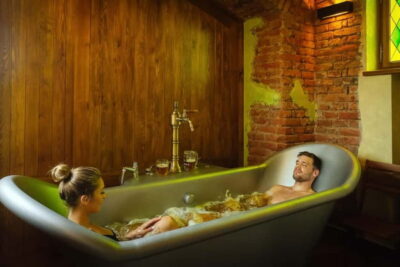
Beer and Wine Spa Bath with Salt Cave Experience
Read our review →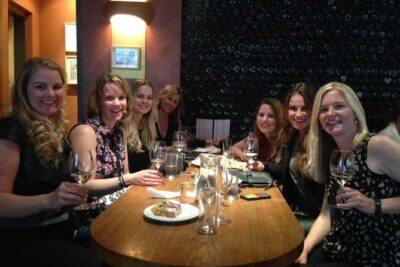
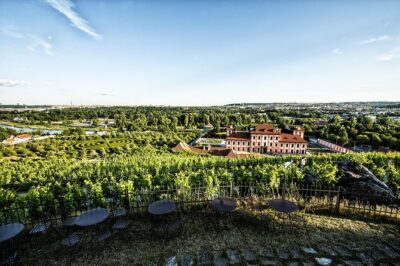

Private Bohemia Wine Tour from Prague with Gourmet Tastings
Read our review →Browse the lists this tour appears in