
REVIEW · WINERY TOURS
Građani: Winery Tour and Tasting at Winery Lipovac
Lipovac Winery gives you an unusual look at Montenegro’s wine past and present. You’ll see Georgian clay qvevri buried in the ground, Italian terracotta amphorae, modern bottling equipment, and a long underground cellar, all in one visit. I like the mix of old methods and high-tech production, and I like that the tasting includes local prosciutto, cheese, and olives rather than just four lonely glasses of wine. The one catch is that the experience lasts only 90 minutes, so it is a focused introduction rather than a slow afternoon at the estate.
I also like the setting on the mountain slopes above the Skadar Lake reserve, where the vineyard visit comes with open views and wild surroundings. At $35 per person, the tour offers solid value if you want wine, local food, and a short cultural stop in one package. It is not suited to children under 18 or people with mobility impairments, and you’ll need to arrange your own way to the winery.
Key points to know
- Ancient wine methods: See Georgian qvevri and Italian terracotta amphorae used alongside modern equipment.
- Four local wines: Taste Chardonnay, Vranac rosé, Vranac red, and a premium Vranac and Syrah blend.
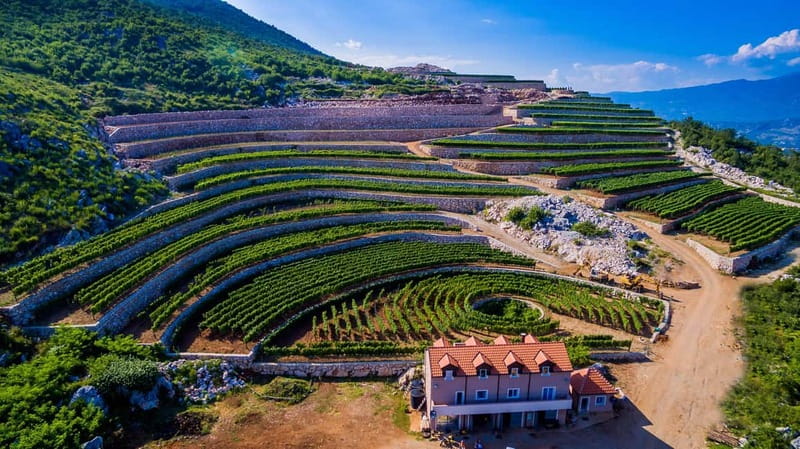
- Mountain setting: The vineyards sit on the slopes near the Skadar Lake reserve, with views and uncultivated surroundings.
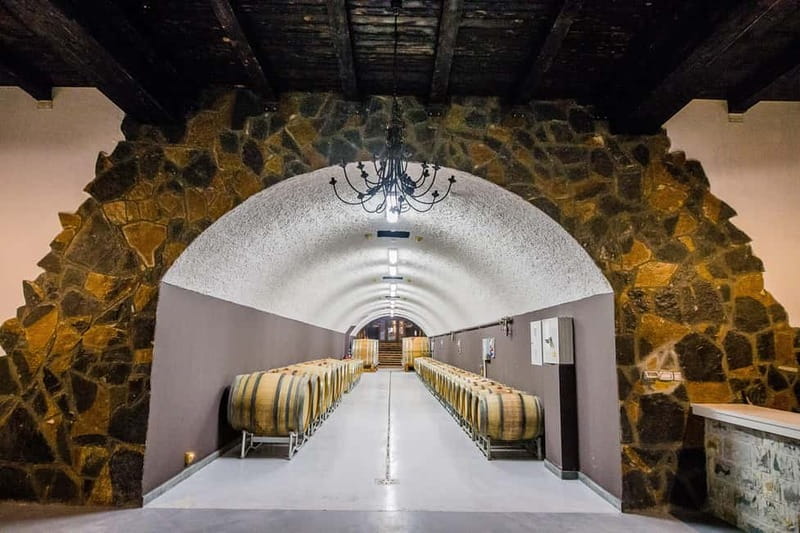
- A real production visit: The route includes the bottling hall and a 60-meter underground cellar.
- Good food pairing: The tasting comes with Montenegrin prosciutto, cheese, and olives.
- Short and easy to plan: Expect 45 minutes of touring followed by 45 minutes of tasting.
Reaching Lipovac Winery near Skadar Lake
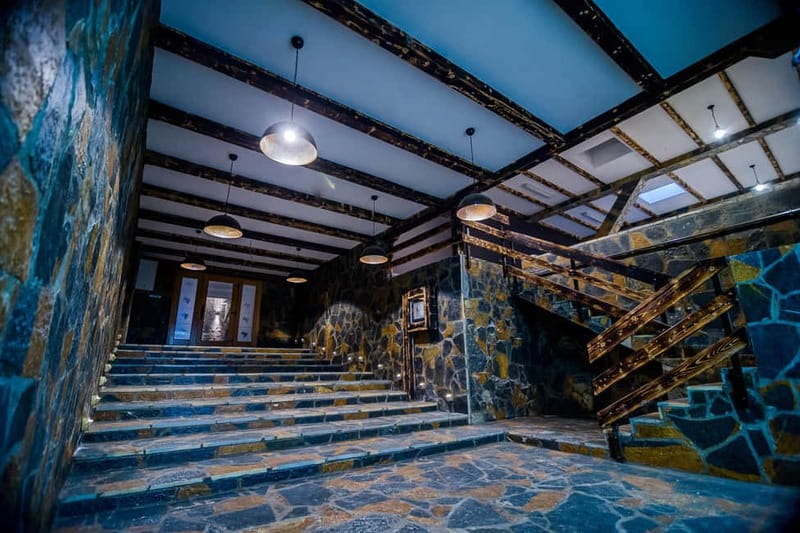
The visit begins at the entrance to Lipovac Winery, where you check in with the staff. The winery is on the mountain slopes of the Skadar Lake reserve, so the setting is part of the appeal. You get a view of Montenegro that feels rural and open, not polished into a resort attraction.
The vineyards contain autochthonous Montenegrin grape varieties, an important detail for anyone who wants more than familiar international labels. The tour gives you a chance to connect the wine in your glass with the local grapes and the place where they grow.
The available guide languages are English, Russian, and Serbian. No guide names are provided, so you should not expect to request a particular person. The tour is described as tailor-made, which suggests the guide can shape the explanation around the group, but the exact group size is not specified.
More wineries worth an afternoon in the world:
- Tuscany Day Trip from Florence: Siena, San Gimignano, Pisa and Lunch at a Winery
★ 5.0 · 21,634 reviews - Florence: Chianti Wineries Tour with Wine Tasting
★ 4.5 · 10,071 reviews - Porto: Douro Valley with Winery Lunch, Tastings & Cruise
★ 4.7 · 7,002 reviews
The 45-minute tour, from vineyard to bottling hall
The first half of the visit covers the vineyards, the production areas, and the cellar. The vineyard stop is more than a quick photo pause. You’ll see grape varieties associated with Montenegro and hear how winemaking fits into the country’s past.
The winery connects its wine traditions to the 3rd century BC. Archaeological finds of amphorae and jugs support that long timeline. That does not mean every bottle follows an ancient recipe, of course. It means the region has a genuine wine tradition that reaches back well before modern Montenegro.
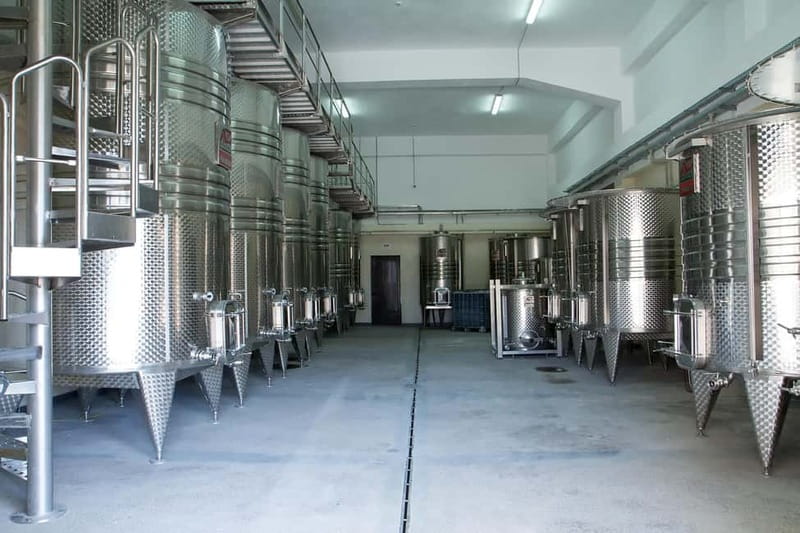
Next comes the technological hall. Here you see professional, high-tech bottling lines. This is useful because it shows the less romantic side of wine production: clean machinery, consistency, and the work needed to move wine from cellar to bottle.
I like this part because it prevents the visit from becoming a display of old objects alone. Lipovac uses modern tools while also preserving older techniques. You get a fuller picture of winemaking, from grape to finished bottle.
Inside the 60-meter underground cellar
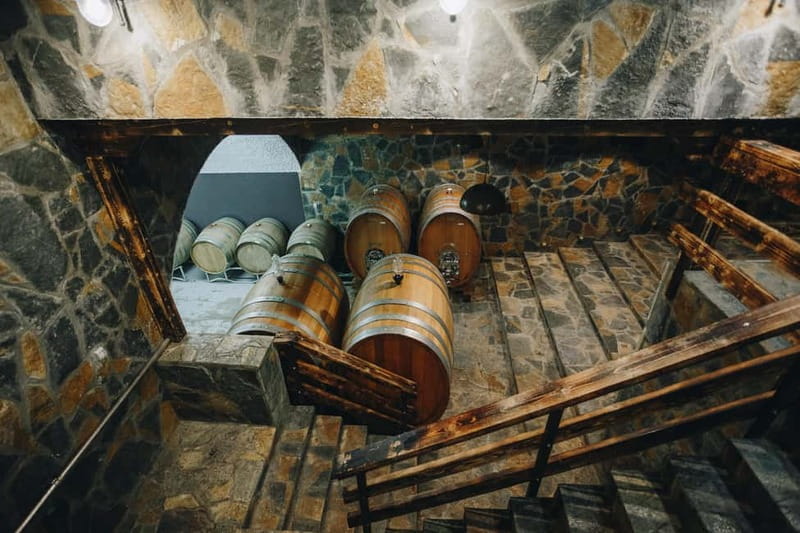
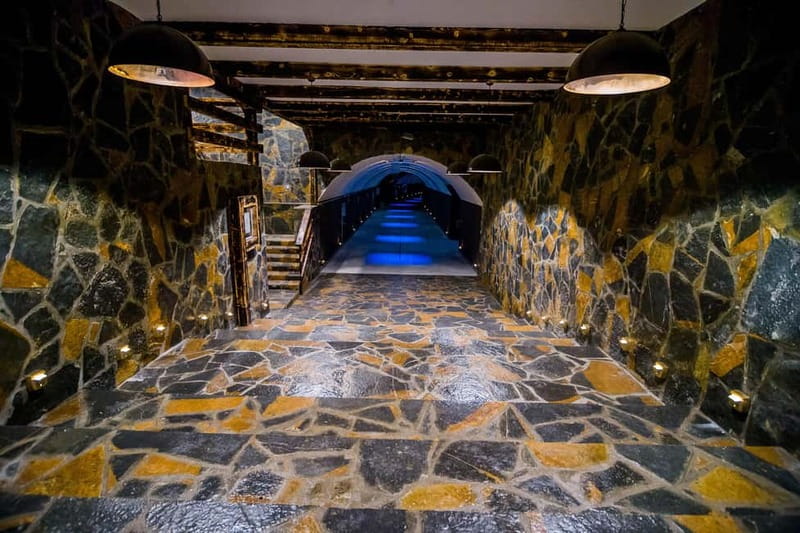
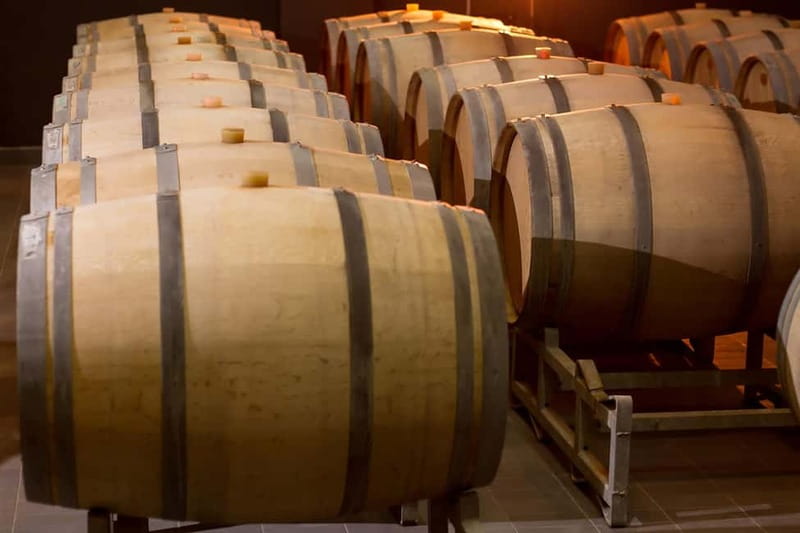
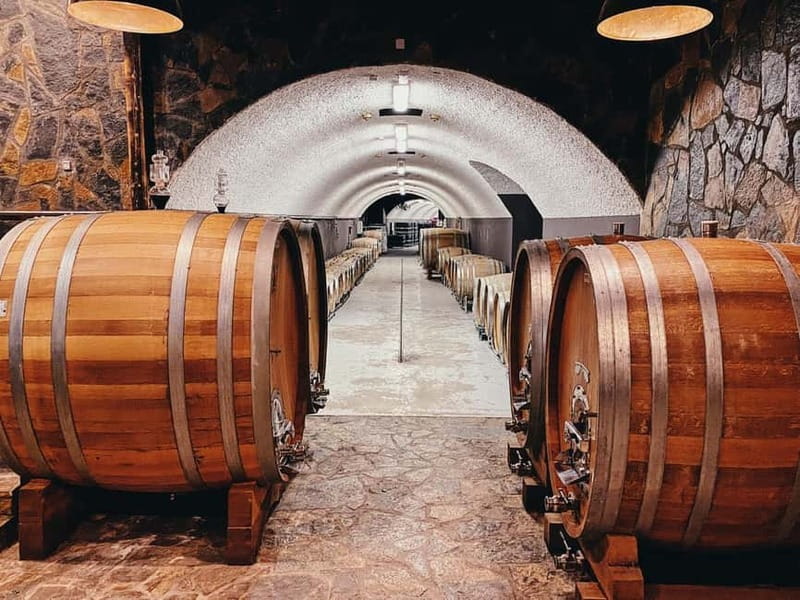
The cellar is described as entirely man-made, 60 meters long and 10 meters underground. It contains numerous barriques and large French oak barrels, including vessels with capacities of two tons or more.
A cellar like this gives you a better sense of scale than a tasting room can. You see that wine production is not just a few decorative barrels in a corner. It involves storage, aging, temperature control, and patience.
The French oak matters most for the two wines that use barrel aging, especially the Lipovac Idea Chardonnay. Oak can add texture and extra layers to white wine, though the result depends on how much time the wine spends in the barrel and how the winemaker handles it. The tour explains the method, but the tasting is where you decide if you enjoy the result.
The cellar is underground and includes stairs or uneven access points, so this is not a good choice if you have mobility limitations. The activity information specifically excludes people with mobility impairments. That restriction is worth taking seriously rather than treating it as routine fine print.
Qvevri and amphorae: two old ways to make wine
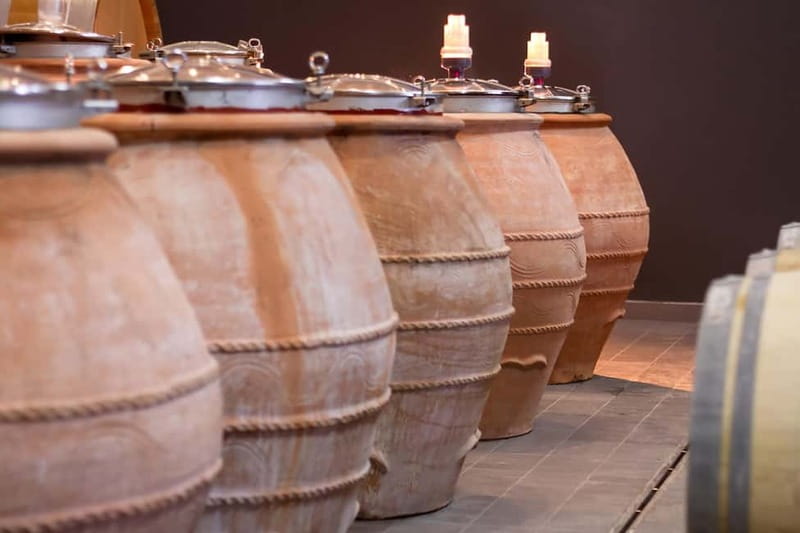
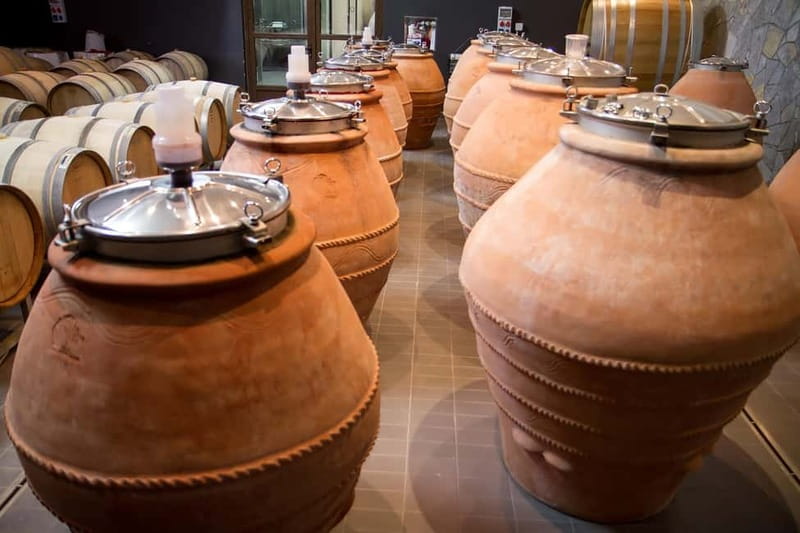
The most unusual stop is the section devoted to ancient-style vessels. Georgian qvevri are large clay containers placed directly in the ground. The traditional qvevri method was added to UNESCO’s Intangible Cultural Heritage List in 2011.
Qvevri winemaking can alter the texture and character of wine because the wine remains in contact with clay and, depending on the method, grape skins and other parts of the fruit. Lipovac’s qvevri offer a direct look at a technique that is very different from stainless steel tanks or French oak.
You’ll also see Italian terracotta amphorae. The winery presents amphora wine as a link to methods refined by the ancient Greeks and Romans. The vessels are not just museum pieces in this setting. They represent an attempt to use old techniques in a current working winery.
I find this contrast particularly worthwhile. Many winery tours show barrels and stainless steel tanks, then stop there. Lipovac adds qvevri and amphorae, giving you something specific to remember and a useful comparison between clay, oak, and modern machinery.
Keep your expectations in check, though. The experience introduces these methods, but it is still only 45 minutes before the tasting. You will not receive a full technical course in fermentation, grape chemistry, or aging. You will get the main ideas and see the equipment in person.
A few more wine days around the world worth comparing
- Budapest: Unlimited Prosecco, Beer and Aperol Spritz Cruise
★ 4.8 · 37,304 reviews - From Porto: Douro Valley w/ Boat Tour, Wine Tasting & Lunch
★ 4.7 · 19,061 reviews - From Split: Krka Waterfalls, Food & Wine Tasting Tour
★ 5.0 · 9,326 reviews - Small-Group Wine Tasting Experience in the Tuscan Countryside
★ 5.0 · 7,392 reviews
The 45-minute tasting and its four wines
The tasting follows the tour and lasts about 45 minutes. It includes four wines, each offering a different look at Lipovac’s production.
Lipovac Idea is a dry white Chardonnay aged in barrique. It has a light golden color and is described with white flower and white peach notes. The oak treatment should make this a more textured white than a simple young, unoaked Chardonnay.
Lipovac Harmonia is a dry rosé made from Vranac, the best-known grape in this tasting lineup. It has a specific color and brings raspberry and wild strawberry notes. Rosé can be an easy starting point for people who usually find red wine too heavy, and the Vranac base gives you a local angle rather than a generic summer pour.
Lipovac Concept is a dry red Vranac with a ruby color, medium body, and ripe-fruit character. The description points to a juicy style, so this may be the most approachable red of the four.
Lipovac Model is the premium dry red. It has a garnet color, an elegant structure, and the ability to age in the bottle for a long time. It combines Vranac and Syrah, giving you a chance to compare a local grape with an international variety in the same glass.
The tasting is served with cold cuts, including Montenegrin prosciutto, local cheese, and olives. That pairing matters. Wine tastes different with salty meat, creamy cheese, and briny olives, and the food also makes the tasting more satisfying than a small pour with no snack.
One useful tip: an eight-wine option has been available to at least some visitors, covering the full range of the estate’s wines. The standard experience described here includes four, so ask about the eight-wine tasting when you book if trying the full selection matters to you. Do not assume it is automatically included in the $35 price.
Is $35 a fair price?
At $35 per person, this is a reasonable price for a 90-minute winery visit with a guide, four wines, and local food. You are paying for more than a tasting flight. The price also covers access to the vineyards, bottling hall, underground cellar, qvevri, and amphorae.
The value is strongest if you are already planning time near Skadar Lake and can reach the winery without paying for a separate transfer. Transportation to Lipovac is not included in the information provided, so factor in your own transport costs.
The experience is less useful if you only want to drink wine and leave. The tour takes half the time and gives you the production story before the tasting. That is a benefit for curious wine drinkers, but it may feel slow to someone who wants a quick pour and a view.
The winery also sells wine and grappa directly from the cellar. If you find a bottle you like, buying it there can make the visit more worthwhile, though prices and shipping details are not provided.
Who will enjoy this winery visit?
I would choose Lipovac for adults who want a short cultural stop with a strong sense of place. It works especially well for people interested in wine production, archaeology, traditional vessels, or Montenegro’s native grapes.
It also suits a small group looking for something less standard than a city walking tour. The setting, qvevri, amphorae, and underground cellar give the visit a clear identity.
This is not a family activity. Children under 18 are not permitted. It is also a poor fit for anyone who struggles with stairs or walking through cellar and production areas.
The tour is available in English, Russian, and Serbian, which makes it practical for many visitors. Since the exact group size is not stated, you should ask if a private or small-group format is important to you.
Timing, flexibility, and practical details
Plan for 1.5 hours at the winery itself: 45 minutes for the guided visit and 45 minutes for tasting. Add your transport time, since no pickup service is included in the information available.
Check in with staff at the winery entrance. Starting times vary, so check availability before you commit to a day of sightseeing.
The activity allows cancellation up to 24 hours in advance for a full refund. You can also reserve now and pay later, which helps if your Montenegro plans are still moving around.
Wear something comfortable for walking around the vineyard and cellar. The supplied details do not give a dress code or weather policy, so it is wise to check conditions before setting out. The mountain setting can feel different from the coast, particularly if you are visiting during a cooler part of the year.
Should you book Lipovac Winery?
Book this tour if you want local wine, old production methods, and a scenic rural setting in a compact visit. The combination of Vranac wines, qvevri, amphorae, modern bottling lines, and Montenegrin snacks gives you plenty to talk about after the glasses are empty.
I would skip it if you need step-free access, are traveling with anyone under 18, or want a long, relaxed wine afternoon. For everyone else, $35 is a sensible price for a guided look at Montenegro’s wine culture, especially if Lipovac fits naturally into your route near Skadar Lake.
FAQ
Where is Lipovac Winery located?
Lipovac Winery is located on the mountain slopes of the Skadar Lake reserve in Montenegro.
How long does the winery experience last?
The experience lasts 1.5 hours. The guided tour takes about 45 minutes, followed by a 45-minute wine tasting.
How much does the tour cost?
The listed price is $35 per person.
Which wines are included?
The tasting includes Lipovac Idea, a dry barrique Chardonnay; Lipovac Harmonia, a dry Vranac rosé; Lipovac Concept, a dry Vranac red; and Lipovac Model, a premium red made from Vranac and Syrah.
Is food included with the wine tasting?
Yes. The tasting includes prosciutto, Montenegrin cheese, and olives.
What languages are available for the guided tour?
The live tour guide is available in English, Russian, and Serbian.
Can I see traditional winemaking equipment?
Yes. The visit includes Georgian clay qvevri placed in the ground and Italian terracotta amphorae, along with French oak barrels and modern bottling lines.
Are children allowed to join?
No. The experience is not suitable for children under 18.
Can I buy wine at the winery?
Yes. Wine and grappa may be purchased directly from the cellar.
Just added around the world
- Bordeaux Wines Masterclass paired with cheeses & charcuterie★ 5.0 · 110 reviews
- Bordeaux Médoc Region Private Wine Lovers Tour with Chateau Visits & Tastings★ 5.0 · 40 reviews
- Bordeaux Food and Wine Tour : Authentic Artisanal Flavors★ 5.0 · 62 reviews
- Saint-Emilion Winery Morning Tour with Local Guide★ 5.0 · 67 reviews
- Médoc luxury wine tour aboard a Citroën DS Limousine Convertible★ 5.0 · 41 reviews
- Saint Emilion Morning Wine Tour – Winery & Tastings from Bordeaux★ 5.0 · 186 reviews
- Introduction to Bordeaux wines paired with cheeses & charcuterie★ 5.0 · 175 reviews
- Tasting of 6 Bordeaux wines and pairing charcuterie & cheese★ 5.0 · 199 reviews
Winery Tours, compared.

Tuscany Day Trip from Florence: Siena, San Gimignano, Pisa and Lunch at a Winery
Read our review →
Douro Valley with Winery Lunch, Tastings & Cruise
Read our review →
Montserrat, Cogwheel, Black Madonna & Winery Tour
Read our review →
Montserrat with Black Madonna & Medieval Winery with Tapas/Lunch
Read our review →
Siena, San Gimignano, Pisa & Lunch at Winery
Read our review →
Wine Tour: Paarl, Franschhoek & Stellenbosch incl 3 wineries
Read our review →
Douro Valley Tour: 2 Vineyard Visits, River Cruise, Winery Lunch
Read our review →Browse the lists this tour appears in