
REVIEW · GERMANY
Trier: Guided City Walk with Wine Tasting
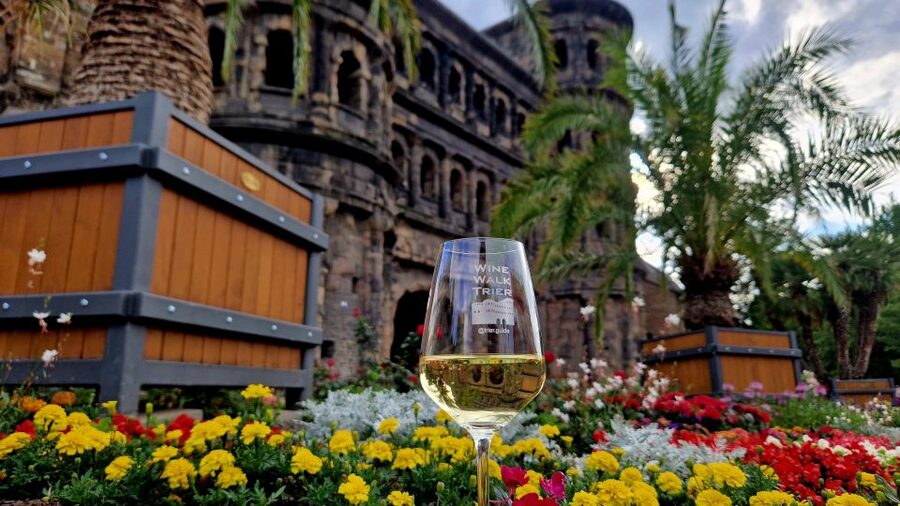
Trier’s Roman ruins and Moselle wines make a natural pair, and this two-hour walk brings both together without sending you out into the vineyards. You move from the Porta Nigra to the Forum Baths, tasting a wine tied to a building or place along the way. Simon, a Trier native, leads the English and German tours.
I like the way the tour gives you a quick sweep of Trier, from Roman rule to Christianity, medieval power, and later history. I also like the practical extras: water, breadsticks, five tastings in warm months, and a voucher for a glass of wine with a main course at Weinwirtschaft Friedrich-Wilhelm.
The main limitation is pace. You stop often for short explanations and tastings, but this is still a two-hour overview rather than a full visit inside every monument. City traffic and street noise can also make it harder to hear at times, so stay close to the guide.
Key points at a glance
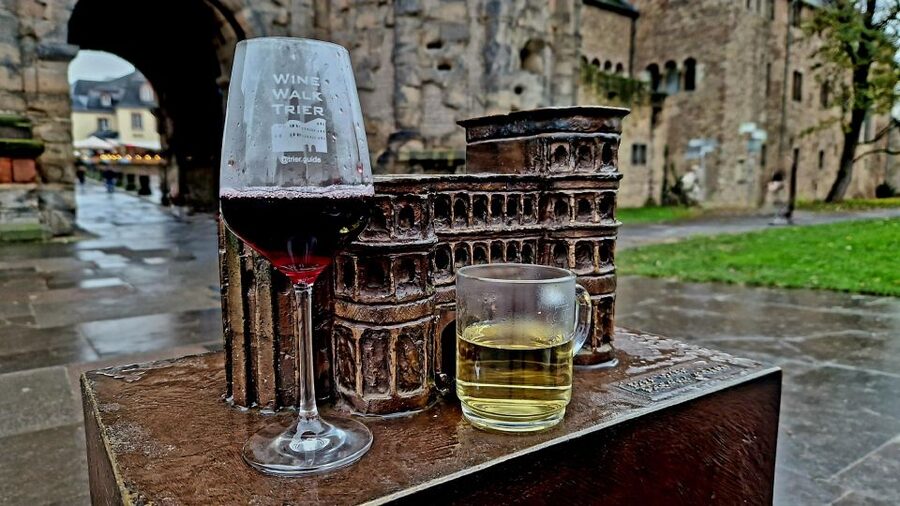
- Five wines with city connections: Summer tastings are matched to buildings or places in central Trier.
- Four winter mulled wines: From mid-November through January, the tasting changes to local Glühwein when at least six people register.
- Simon leads with local insight: His personal connection to Trier adds stories and details beyond a standard monument tour.
- A useful first look at Trier: The route links the Porta Nigra, cathedral, basilica, Roman baths, and main market.
- Easy, barrier-free walking: No steps are required, and the route is wheelchair accessible.
- Good value at $43: The fee covers the guide, walk, tastings, water, breadsticks, and a restaurant wine voucher.
Why this Trier walk works so well
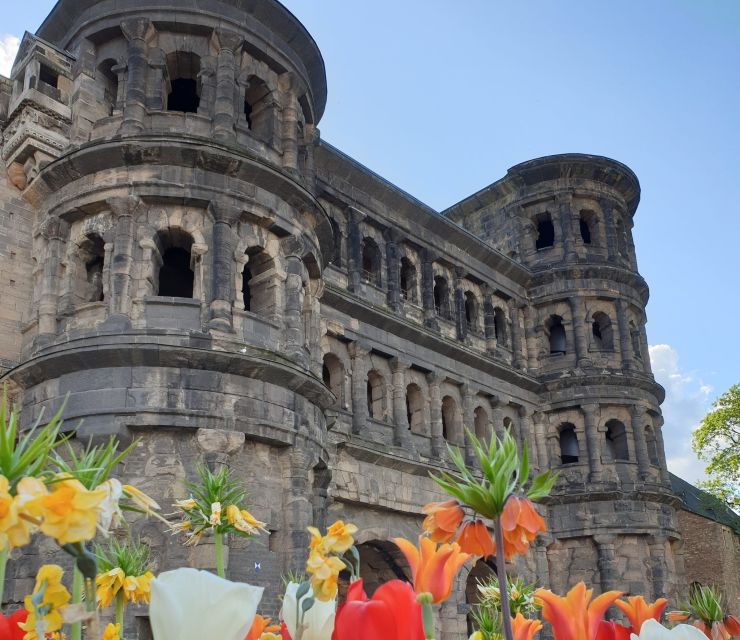
Trier is not a city you should rush through with a camera and a checklist. Its major sights sit close together, but each belongs to a different chapter of the city’s story. The Porta Nigra is Roman. The cathedral and Liebfrauenkirche reflect centuries of Christian power. The Electoral Palace shows the influence of Trier’s prince-electors. The Roman baths bring you back to the city’s ancient foundations.
This tour gives you a sensible route through that mix. You do not spend two hours tasting wine in a shop with a brief history talk added on. Instead, the wine arrives as part of the walking story. A local bottle may be linked to a site, a period, or the wider Moselle wine country.
I find that approach useful for first-time visitors. You learn where the main sights are, get a basic timeline of Trier, and sample the region’s wine before deciding which places deserve a longer return visit.
The tone also appears to be relaxed rather than formal. Simon is described as funny, patient, and generous with the wine, while still handling detailed questions about Trier and Riesling. That matters because a city tour can feel stiff when the guide is reciting dates. Here, the personal connection to the city helps turn the walk into a conversation.
More tastings around Germany:
- Reil, Mosel: Guided organic wine tasting and cellar tour
★ 4.8 · 84 reviews - Berlin: Wine on Canvas – Paint Workshop and Wine Tasting
★ 4.7 · 59 reviews - Stuttgart: Stuttgart Wine Museum Wine Tasting
★ 4.7 · 55 reviews
Meeting at Porta Nigra and entering Roman Trier
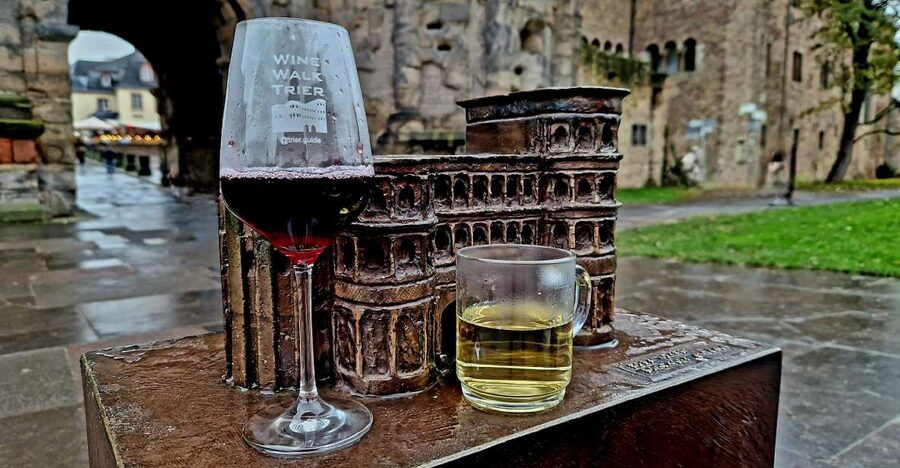
The meeting point is on the left side of the Tourist Information office, in front of the city model and near the flags. The tour is operated separately from the Tourist Information, so look for the guide rather than assuming the office staff are running the walk.
The route begins at the Porta Nigra, Trier’s famous Roman gate. This is an excellent starting point because the gate immediately shows the scale and importance of ancient Trier. You get a guided introduction and the first chance for a photograph before moving into the old center.
The Porta Nigra stop is brief in the advertised schedule. That means you should expect an explanation and orientation, not an extended archaeological lecture or a long interior visit. If you want time to study the stonework at length, return later on your own.
One practical tip: arrive early. The meeting point is near the center and close to the train station, but the square can be active and the flags or city model are easy to overlook if you arrive at the last moment.
Main Market and Trier’s public heart
From the Porta Nigra, the walk continues toward the Market Cross on the main market. This square is one of the best places to understand how Trier functions as a historic city rather than simply a collection of ruins.
Here, the guide connects the city’s commercial and civic life with its older layers. The Market Cross is also one of the tasting points, giving the wine a clear setting instead of treating it as a drink poured at random.
The open square can be noisy, especially when people are moving through the center. Stay within hearing range of the guide, particularly if you want to catch the smaller stories and local details. One participant specifically found city noise made listening a little difficult, though the information was worth the effort.
I like this stop because it helps you orient yourself. After the tour, you can return to the main market for your own photographs, shopping, or a slower look at the surrounding buildings.
Cathedral and Liebfrauenkirche
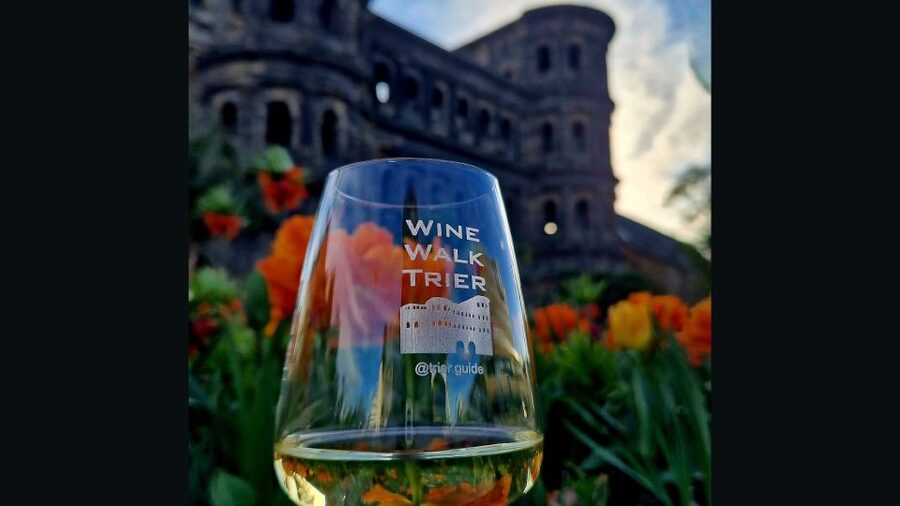
The next part of the route brings you to Trier Cathedral and the Liebfrauenkirche. These are among the city’s most important religious buildings, and they show how the Christian story took over a city first shaped by Rome.
The cathedral stop is listed as a photo and guided sightseeing stop. The Liebfrauenkirche also includes a wine tasting. That pairing gives the tour one of its more unusual touches: you are not only hearing about religious architecture, but also considering how the Moselle wine tradition fits into the region’s culture.
Do not expect a complete interior tour of both churches within the two-hour schedule. The guide may give you time to look inside or point out details, but the walk has several more stops to cover. If either church catches your interest, note its location and come back afterward with more time.
This is also where the tour’s broad time span becomes useful. You move from Roman infrastructure to the Christian city, then later to the political world of the prince-electors. The sequence is easy to follow even if you are new to Trier.
A few more wine days around Germany worth comparing
- Freiburg: Veni, vidi, vino – wine hike and tasting
★ 4.5 · 144 reviews - Dresden: Advent Tour with Stollen Tasting and Mulled Wine
★ 4.4 · 140 reviews - Lieser: Covered wagon ride, the rolling wine tasting with picnic basket
★ 4.7 · 51 reviews - Sylt: Shell safari with boat | incl. Mussel tasting & 1 glass of wine
★ 4.7 · 49 reviews
The basilica and Electoral Palace
The Aula Palatina, also called the Basilica of Constantine, is one of Trier’s defining Roman buildings. The huge interior was once an imperial audience hall, and its plain exterior can hide just how large the space is.
The tour then takes in the Electoral Palace, where Trier’s later religious and political power comes into view. The palace is associated with the prince-electors, and the route includes another wine tasting here.
This stop shows the tour at its best. The guide is not simply saying that Trier has old buildings. He is showing how the city changed hands and purpose over time, from imperial Rome to a powerful ecclesiastical center and then into the modern city.
The wine connection is also practical. You get a taste of regional production while standing among the buildings that made Trier important. The tasting is meant to support the story, not replace it.
Kaiserthermen and the Forum Baths
The walk continues to the Kaiserthermen, one of Trier’s major Roman bath complexes. The stop is for guided sightseeing and photographs, with no tasting listed at this point.
The route ends at the Forum Baths, another Roman bath site. This is not just a convenient finish. It gives the tour a strong Roman frame, beginning at the Porta Nigra and ending among the remains of ancient public life.
The Forum Baths are also where the tour ends, so plan the rest of your day from there rather than assuming you will return to the Tourist Information office. This is helpful if you want to continue sightseeing in the southern part of the center, but less convenient if you have left belongings somewhere near the starting point.
The published schedule gives only brief time markers for each stop. That does not mean you will receive only one minute at each place. It signals that the route is designed as a moving city walk, with short explanations and tastings spread across the two hours.
What you actually taste
In the warmer months, you taste five different regional wines. The guide explains how each wine relates to a place in central Trier or to the surrounding Moselle wine-growing area.
The tasting is served with water and breadsticks. That is a small but important detail. Five samples during a walking tour can feel much better with something plain to eat and water between pours. The experience is still a tasting, not a full meal, so have lunch or dinner separately.
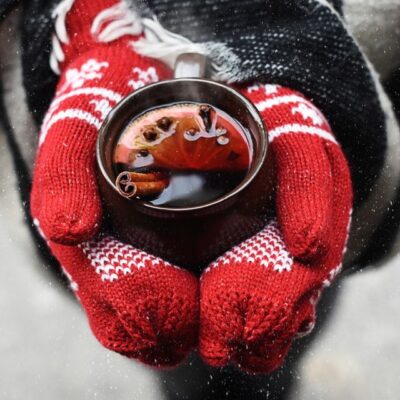
In winter, from the middle of November through the end of January, the experience may switch to four local mulled wines. This seasonal version requires at least six registered participants. If fewer than six people register, the information says the tour uses five different wines as in summer.
The winter format sounds especially fitting for Trier’s old center, but you should know that it is not simply the same tasting served hot. Mulled wine has spices and sweetness, so it gives you a different sense of the local wine tradition than a flight of Rieslings.
Nonalcoholic options are available. You can request four different grape juices by email when booking. That makes the walk workable for people who do not drink, though you should arrange the request ahead of time.
A wine glass is not included. You can buy one afterward for 6 euros, and a wine glass holder costs 3 euros. The tastings themselves are included, but these extras can matter if you want a souvenir or prefer to carry the glass during the walk.
Price, value, and the restaurant voucher
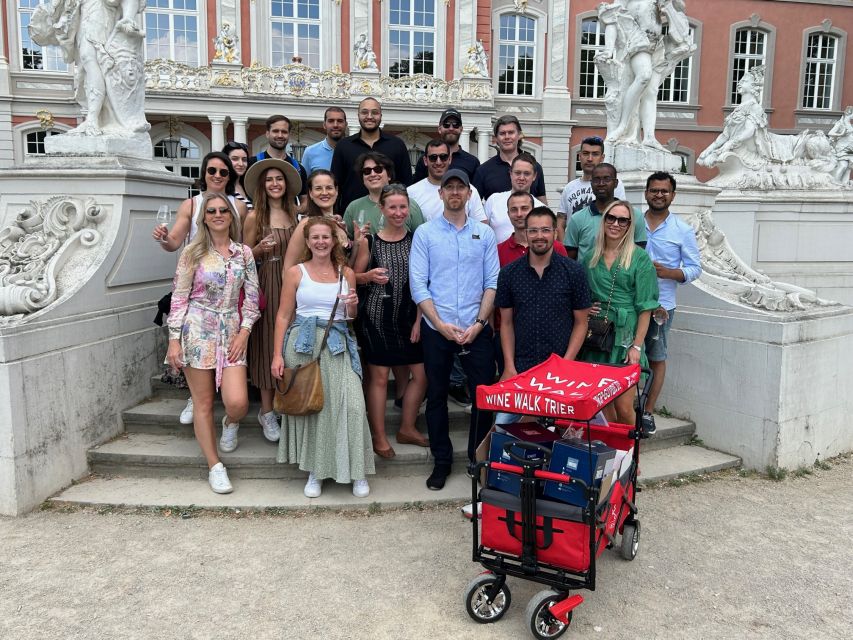
At $43 per person, this is priced above a basic free walking tour, but it includes more than a guide and a route. You receive two hours of sightseeing, five wines in summer or four mulled wines in the winter format, water, breadsticks, and a voucher for one glass of wine with a main course at Weinwirtschaft Friedrich-Wilhelm beside the basilica.
That voucher improves the value, especially if you already plan to eat there. It is not a free meal, since you must purchase a main course, but it gives you a useful place to continue the wine theme after the walk.
I would compare the price with what you would otherwise spend on a separate city tour and several tastings. For someone interested in both Trier and Moselle wine, the combination is efficient. If you mainly want a detailed archaeological tour, part of the fee is paying for the wine experience rather than long monument visits.
The guide is the key part of the value. Simon’s local background, wine knowledge, humor, and willingness to answer questions are repeatedly emphasized in the feedback provided. One particularly useful feature is his ability to point out details that are easy to miss without a local guide, including connections between wineries, wine styles, and the city’s past.
Walking conditions, weather, and accessibility
The route is completely barrier-free and does not require climbing steps. That is a strong point for anyone who needs an easier city walk or prefers not to tackle uneven stair routes.
The tour runs rain or shine. Bring suitable clothing in wet weather, since the tastings and explanations take place along the route rather than inside one tasting room. Rain did not prevent one group from enjoying the experience, but it did affect the comfort of the outing.
Summer can bring warm weather, and chilled Rieslings were especially welcome on a hot day. Winter changes the mood with mulled wines, but you will still be outside for much of the two hours.
The route covers several central sights at a steady pace. If you want to stop for long photographs, enter every church, or read every sign, you may feel hurried. I would treat this as an orientation walk, then return to your favorite sites afterward.
Who should book this experience?
I would recommend it to first-time visitors who want a clear introduction to Trier without choosing between a history tour and a wine tasting. It also suits couples and small groups looking for a social activity that leaves plenty of time for dinner or additional sightseeing.
It is a particularly good fit if you are staying in the Moselle region and want local wine context without arranging transport to several wineries. The walk keeps you in central Trier, so you see the city’s major sights while sampling regional wines.
Families can manage the route because it is barrier-free, though the experience is built around wine and historical explanation rather than children’s activities. Non-drinkers can request grape juice, but should do so by email.
You may want a different tour if your main aim is a long interior visit to the cathedral, basilica, or Roman baths. You should also think twice if you dislike tasting alcohol while walking outdoors or if you need a very slow pace for photography.
Should you book the Trier wine walk?
Book it if you want to understand Trier through its monuments, local wine, and a guide who clearly cares about the city. The route covers a lot in two hours, and the wine pairings give the historical stops a memorable local flavor.
I especially like it for a first afternoon in Trier. You will finish at the Forum Baths with a working map of the old center, a basic timeline, several wines to remember, and a voucher that can lead into dinner.
Skip it only if you want an in-depth single-site tour or prefer to visit wineries outside the city. At $43, it offers solid value for the combined sightseeing and tasting, provided you appreciate a lively overview more than a slow archaeological study.
FAQ
How long is the Trier Guided City Walk with Wine Tasting?
The tour lasts two hours.
Where does the tour meet?
Meet on the left side of the Tourist Information office, in front of the city model near the flags. The tour is not provided by the Tourist Information.
Where does the tour finish?
The walk ends at the Forum Baths.
How many wines are included?
The summer version includes five different regional wines. From mid-November through the end of January, the tour may include four different local mulled wines when at least six people register.
Are nonalcoholic drinks available?
Yes. Four different grape juices can be requested by email.
Is food included?
Water and breadsticks are included. A full meal is not included, but you receive a voucher for one glass of wine with a main course at Weinwirtschaft Friedrich-Wilhelm beside the basilica.
Is the tour wheelchair accessible?
Yes. The route is completely barrier-free and does not require climbing steps.
Does the tour operate in bad weather?
Yes. The tour runs rain or shine.
Can I cancel the booking?
You can cancel up to 24 hours in advance for a full refund. Reserve now and pay later is also available.
More Walking Tours in Germany
- Barcelona Tapas and Wine Experience Small-Group Walking Tour
★ 5.0 · 5,804 reviews - Barcelona: Tapas Walking Tour with Food, Wine, and History
★ 4.8 · 4,261 reviews - Lisbon: Food and Wine Small Group Walking Tour
★ 4.9 · 4,082 reviews - Madrid Tapas & Wine Tasting Walking Tour – Small Group Local Bars
★ 5.0 · 3,644 reviews
Just added around Germany
- Sylt: Shell safari with boat | incl. Mussel tasting & 1 glass of wine★ 4.7 · 49 reviews
- Stuttgart: Guided Vineyards Tour★ 4.3 · 146 reviews
- Stuttgart: Stuttgart Wine Museum Wine Tasting★ 4.7 · 55 reviews
- Heidelberg: Hills and Wine Region Segway Tour★ 4.9 · 89 reviews
- Reil, Mosel: Guided organic wine tasting and cellar tour★ 4.8 · 84 reviews
- Mulled wine ride in the Leipzig New Zealand★ 4.3 · 43 reviews
- Lieser: Covered wagon ride, the rolling wine tasting with picnic basket★ 4.7 · 51 reviews
- Kröv, Mosel: Covered wagon ride through the vineyards with wine tasting★ 4.8 · 46 reviews
Wine Tours in Germany, compared.

Heidelberg: Sightseeing Boat Tour with Mulled Wine
Read our review →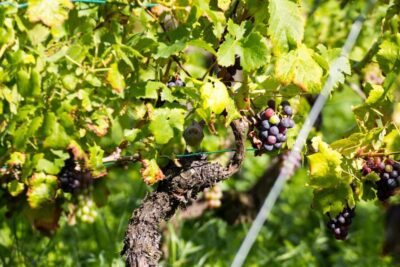
Freiburg: Veni, vidi, vino – wine hike and tasting
Read our review →
Dresden: Advent Tour with Stollen Tasting and Mulled Wine
Read our review →
Browse the lists this tour appears in