
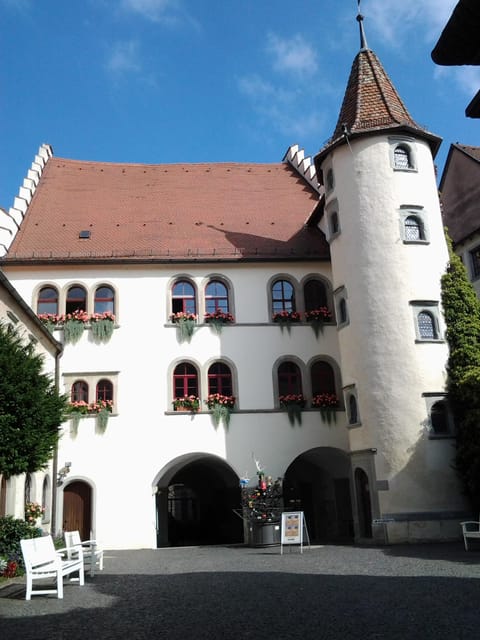
REVIEW · GERMANY
Constance: Public city tour with wine tasting
The best part of this Konstanz tour is the way wine and place are joined together. You do not sit in one tasting room and hear a lecture about the town afterward. You walk through the old center, stopping at handsome squares and waterfront spots to taste at least five wines from the Lake Constance area. I especially like the 15-minute rhythm at each stop and the chance to try Müller-Thurgau, Burgundy varieties, and other local pours while hearing the stories behind them.
I also like the generous basics: fresh bread and mineral water keep the tasting from becoming a blur, and the route covers major sights from the harbor to St. Stephan. The main consideration is pace. One recent booking described the walk as a little fast, so anyone who prefers long pauses for photos or a leisurely tasting should plan accordingly. The tour is in German, and it is for adults only.
Key points at a glance
- Five or more Lake Constance wines are tasted with bread and mineral water.
- Nine stops link the harbor, old town, cathedral, Niederburg, and St. Stephan.
- Ice Age soils and a mild climate help explain the character of wines from the region.
- The route mixes sightseeing and tasting, with wine served at selected scenic places.
- German is the tour language, with a live guide and wine ambassador leading the walk.
- A 150-minute schedule gives you a useful introduction, though the pace may feel brisk.
Why this tour works better than a standard city walk
Konstanz is easy to admire from the outside. The old town has medieval lanes, historic churches, the council building, and Lake Constance at its edge. A normal walking tour can show you those sights. This one adds a second thread: how the lake, sun, soil, and local wine culture shape the area.
That pairing gives the tour a clear purpose. At the harbor, you get your bearings. In the old town, you hear stories and anecdotes about Konstanz. At selected stops, you taste wines that connect the town to the surrounding vineyards. The result is less like a formal wine class and more like a moving introduction to the city.
I would not book this as a substitute for a full winery visit. You are tasting during a city walk, not touring vineyards or spending an afternoon with a single producer. But if you have only a few hours in Konstanz, this format makes good use of your time.
The advertised price is $47 per person. That is fair if you value both the guided sightseeing and the wine. The included bread and mineral water are simple, but important. You are paying for at least five wine samples, a German-speaking guide, local context, and a 150-minute route through the center rather than for wine alone.
More tastings around Germany:
- Trier: Guided City Walk with Wine Tasting
★ 4.8 · 979 reviews - Reil, Mosel: Guided organic wine tasting and cellar tour
★ 4.8 · 84 reviews - Berlin: Wine on Canvas – Paint Workshop and Wine Tasting
★ 4.7 · 59 reviews
Starting beside the harbor clock
The meeting point is the historic harbor clock, between the ticket office for Lake Constance shipping companies and the underpass. It is close to the council building and the boat docks, so the location is practical if you arrive by boat or are already near the waterfront.
Give yourself enough time to find the clock without rushing. A harbor area can have several signs, piers, and ticket points competing for attention. The exact meeting spot is not simply the harbor in general. It is the historic clock near the council building.
This first location sets up the tour well. Konstanz has long depended on its position beside the lake, and the waterfront gives you an immediate sense of the town’s connection to boats, trade, and water. The opening wine stop takes place around the port and lasts about 15 minutes, combining a guided introduction with tasting.
Wear shoes you can walk in for two and a half hours. The tour is wheelchair accessible, but comfort still matters. You will move through streets, squares, and historic areas rather than remain in one level indoor venue.
Lake Constance wine, explained without fuss
The wine portion is built around what makes this area different from other German wine regions. Vines around Lake Constance grow in soils shaped by the Ice Age, including weathered material left behind over time. The local setting is also known for plenty of sun, giving the wines a distinct regional character.
You do not need to know grape varieties before you arrive. The guide explains the basic points as you taste. One focus is Müller-Thurgau, a light white wine closely associated with Lake Constance. Its aroma and taste can recall Muscat, which gives it an accessible, lightly aromatic profile.
You also taste fine Burgundy-style wines. The supplied details do not specify every bottle or producer, so you should expect a representative selection rather than a fixed menu of named labels. The strength of the tasting is comparison. You can notice how lighter whites differ from fuller Burgundy varieties while learning why they suit the region.
The bread and mineral water are more than decoration. Bread gives you something to eat between samples, and water helps you pace yourself. Since the tasting unfolds over 150 minutes, you can enjoy the wine as part of the walk rather than treating each sample as a quick shot before the next sight.
From Konstanz Port to the Stadtgarten
After meeting at the harbor clock, the route begins around Konstanz Port. This is a natural place to connect the city to Lake Constance. You get a waterfront view, a first taste, and an introduction to the city’s position at the lake’s edge.
The next stop is Stadtgarten, a green public area near the water. The tour allows about 15 minutes here for guiding and tasting. It is a useful change from the harder surfaces of the harbor and old streets, and it gives the wine a more relaxed outdoor setting.
Do not expect every stop to feel like a long sit-down tasting. The schedule suggests short, purposeful visits. If you want to take careful notes on every wine, you may need to work quickly. If you prefer a moving tour with several small pauses, the timing should suit you.
A few more wine days around Germany worth comparing
- Freiburg: Veni, vidi, vino – wine hike and tasting
★ 4.5 · 144 reviews - Dresden: Advent Tour with Stollen Tasting and Mulled Wine
★ 4.4 · 140 reviews - Stuttgart: Stuttgart Wine Museum Wine Tasting
★ 4.7 · 55 reviews - Lieser: Covered wagon ride, the rolling wine tasting with picnic basket
★ 4.7 · 51 reviews
Fischmarkt and the old-town character
From Stadtgarten, the group continues to Fischmarkt. The name points to Konstanz’s working relationship with the lake and its markets. Here, the city walk shifts more firmly into the old center, where the route can show you how commerce, food, and waterfront life fit together.
The Fischmarkt stop includes another tasting and guided explanation. This is the sort of place where the city’s past can be easier to understand through its setting than through a long speech. You are not only hearing dates and names. You are moving through spaces that once served practical daily purposes.
The tour is designed to be entertaining, with funny anecdotes about viticulture around Lake Constance. That matters because wine information can quickly become technical. The stories help keep the tasting connected to people and local customs instead of reducing it to soil, grape, and alcohol content.
Münsterplatz and the cathedral
Münsterplatz brings you to one of the most important historic spaces in the city. The stop includes a wine tasting and guided tour, followed by a visit to Konstanz Cathedral, also known as the Münster.
The schedule allows about 15 minutes at Münsterplatz and another 15 minutes at the cathedral. That is enough for an introduction and a look at the setting, but not enough for an extensive architectural study. If the cathedral is a personal priority, you may want to return later with more time.
This is one of the tour’s best combinations. You taste a regional wine in the middle of the old town, then connect the surrounding buildings to Konstanz’s religious and civic past. The city’s identity is not only about the lake. Its old center contains the institutions and streets that made it a significant place long before modern sightseeing.
The route’s Mediterranean feel is part of the appeal. The term should not make you expect a southern European city. It refers to the mild, sunny atmosphere around the lake, the outdoor spaces, and the easy connection between historic streets and waterfront views.
Niederburg, the oldest-feeling part of the walk
Niederburg is the stop most likely to satisfy you if you enjoy narrow historic streets. It gives the walk a more intimate scale after the larger cathedral square and waterfront areas. The tour includes another tasting here, keeping the wine theme active as the setting changes.
This stop also shows why the tour benefits from a guide. In a compact old quarter, it is easy to walk past details without knowing what you are seeing. Local stories and anecdotes can turn a simple lane into part of a larger picture of Konstanz.
The tradeoff is that tight historic streets can make a group feel less free to wander. You should stay with the guide and keep your attention on the route. If you want independent photography at every corner, the guided schedule may feel restrictive.
Dominicans Island and the return toward St. Stephan
The route then reaches Dominicans Island, an especially scenic part of the city’s lakeside setting. Here, the water becomes a major part of the experience again. The stop includes guiding and wine tasting, giving you one of the clearest chances to link the glass in your hand with the lake in front of you.
This section should appeal to you if views matter as much as monuments. The tour is not confined to churches and civic buildings. It makes room for open water and outdoor perspectives, which helps explain the area’s sunny wine-growing conditions.
The final tasting stop is at St. Stephan’s Church. The route ends there, rather than returning to the harbor. That detail matters when planning the rest of your day. St. Stephan is not the same place as the starting point, so you should be comfortable making your own way onward after the tour.
The ending also gives the walk a clear geographic shape. You begin by the port, pass through the central old town, visit the cathedral and Niederburg, then finish on the St. Stephan side of the historic center. The route is not simply a loop around the most obvious sights.
Pace, language, and the practical fit
The total duration is 150 minutes. With nine listed stops, the timing averages out to short segments of walking, explanation, and tasting rather than long stays at a single attraction. A recent rating of the tour described the guidance as informative even in rainy weather, while another booking found the pace a bit fast. I would take both points seriously.
Rain will not necessarily ruin the tour, since the walk still covers indoor and outdoor sights. But the selected tasting places are part of the charm, so poor weather can affect how comfortable the stops feel. Check the forecast and wear sensible shoes and clothing.
The live guide speaks German. Some content is shown in its original language, so this is best for you if you understand German well enough to follow historical explanations, wine terms, and jokes. The tour does not advertise an English-language option.
The experience is wheelchair accessible. Still, the route passes through a historic old town, and the supplied information does not describe the exact surface or access conditions at every stop. If you have specific mobility needs, it is sensible to confirm the details before booking.
The tour is not suitable for children under 18 or for pregnant women because it centers on alcohol. It is designed for adults who want a social city walk with several tastings, not for families looking for a general sightseeing route.
How the $47 price measures up
At $47 per person, the value depends on how you divide the cost in your mind. If you want five or more wine samples alone, a dedicated tasting elsewhere might offer more time with each bottle. If you want a city tour alone, you might prefer a longer historical walk with fewer stops.
This experience combines the two. You get a guide and wine ambassador, at least five bottles represented in the tasting, bread, mineral water, and a route that includes many of Konstanz’s central sights. For a first afternoon in town, that combination can save you from arranging separate activities.
The price is strongest for you if you have limited time and want a guided introduction to both the city and its wine. It is less compelling if you dislike group pacing, want extensive time inside the cathedral, or prefer to choose every wine yourself.
A 4.5 rating from 34 bookings supports the idea that the format generally works. The most useful pattern is not the number alone. It is the consistent praise for an informative tour and the note that evening city atmosphere can add something special, balanced by the warning that the pace may feel quick.
Who should book this Konstanz walk
I would recommend it to adults who enjoy learning through place and tasting. It suits you especially well if you are visiting Konstanz for the first time, want a guided orientation, and are curious about regional wine without spending a full day at vineyards.
It is also a good match for a couple or small group that wants an activity with a clear structure. The 15-minute stops keep the afternoon moving, and the mix of harbor views, old streets, churches, and wine prevents the experience from becoming repetitive.
I would think twice if you want a slow, detailed architectural tour. The wine tastings create a deadline at each stop, and one recent booking found the pace brisk. I would also skip it if you need English guiding, are under 18, are pregnant, or want an alcohol-free activity.
Book it if you like your sightseeing with a local flavor and can keep up with a purposeful walk. Skip it if you prefer to linger over one bottle or explore the old town entirely on your own. For the right audience, this is a smart way to meet Konstanz: start by the lake, follow the old streets, and let each pour explain a little more about the place.
FAQ
How long does the Konstanz wine tour last?
The tour lasts 150 minutes, or two and a half hours.
Where does the tour begin?
It begins at the historic Konstanz harbor clock, between the Lake Constance shipping companies’ ticket office and the underpass, near the council building and boat docks.
Where does the tour finish?
The tour finishes at St. Stephan’s Church.
How many wines are included?
At least five bottles of wine are included in the tasting.
Are food and water provided?
Yes. Fresh bread and mineral water are provided with the wine tasting.
What language is the tour in?
The live tour guide speaks German. Some content is shown in its original language.
Is the tour wheelchair accessible?
Yes, the activity is listed as wheelchair accessible.
Can children join the tour?
No. The activity is not suitable for children under 18. Pregnant women should also not join.
Just added around Germany
- Sylt: Shell safari with boat | incl. Mussel tasting & 1 glass of wine★ 4.7 · 49 reviews
- Stuttgart: Guided Vineyards Tour★ 4.3 · 146 reviews
- Stuttgart: Stuttgart Wine Museum Wine Tasting★ 4.7 · 55 reviews
- Heidelberg: Hills and Wine Region Segway Tour★ 4.9 · 89 reviews
- Reil, Mosel: Guided organic wine tasting and cellar tour★ 4.8 · 84 reviews
- Mulled wine ride in the Leipzig New Zealand★ 4.3 · 43 reviews
- Lieser: Covered wagon ride, the rolling wine tasting with picnic basket★ 4.7 · 51 reviews
- Kröv, Mosel: Covered wagon ride through the vineyards with wine tasting★ 4.8 · 46 reviews
Wine Tours in Germany, compared.

Heidelberg: Sightseeing Boat Tour with Mulled Wine
Read our review →
Freiburg: Veni, vidi, vino – wine hike and tasting
Read our review →
Dresden: Advent Tour with Stollen Tasting and Mulled Wine
Read our review →Browse the lists this tour appears in