
REVIEW · ALBANIA
Tirana: Traditional Cooking Class with Wine & Raki Tasting
Tirana’s best food lesson may be the one that leaves you too full for dinner. In this family-run class, Sindi guides you through Tave Kosi, spinach and cheese lakror, and a sweet Albanian dessert, while her family’s wine and raki keep the table lively. I like the recipes you can repeat at home, and I like the easy social setting, where solo visitors and small groups cook together. One thing to consider: you work as a team, so you may not personally complete every step of every dish.
The class costs $41 per person for four hours, with ingredients, equipment, instruction, and drinks included. That is strong value for a full meal and a cultural introduction, though hotel pickup is not included and you must make your own way to the meeting point.
Key points to know before you book
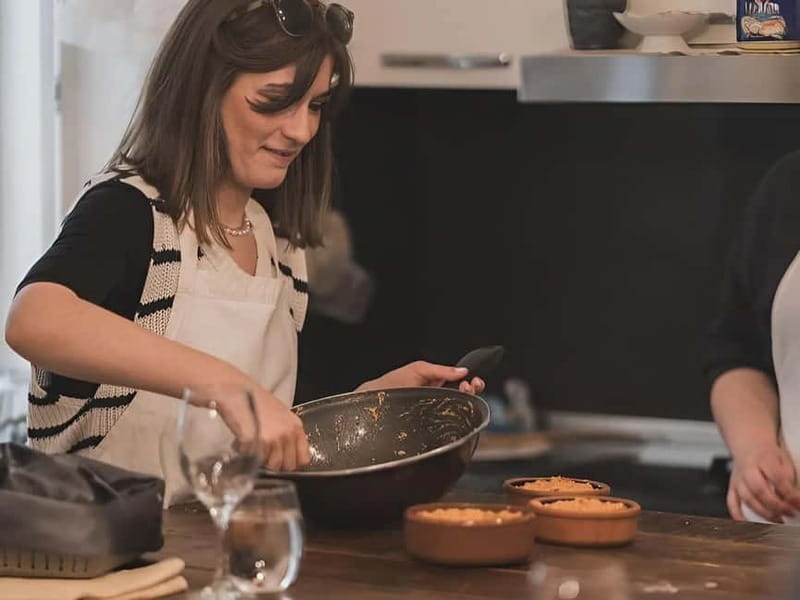
- Tave Kosi is the star dish: Learn the recipe tied to Ismail Qemali, Albania’s first prime minister.
- Three dishes make this a full meal: Prepare Tave Kosi, lakror, and sheqerpare, with local bites and desserts also served.
- Sindi leads the class in English: She explains each stage patiently and adjusts for allergies, intolerances, and vegan preferences when possible.
- Homemade drinks are part of the welcome: Sip family-made red wine and raki during the cooking and meal.
- The class is social by design: Group size can vary, from an intimate group of three to a larger class of nine.
- Bring an appetite: The food is filling, leftovers may be available, and several people found they needed no dinner afterward.
A family kitchen introduction to Albanian food
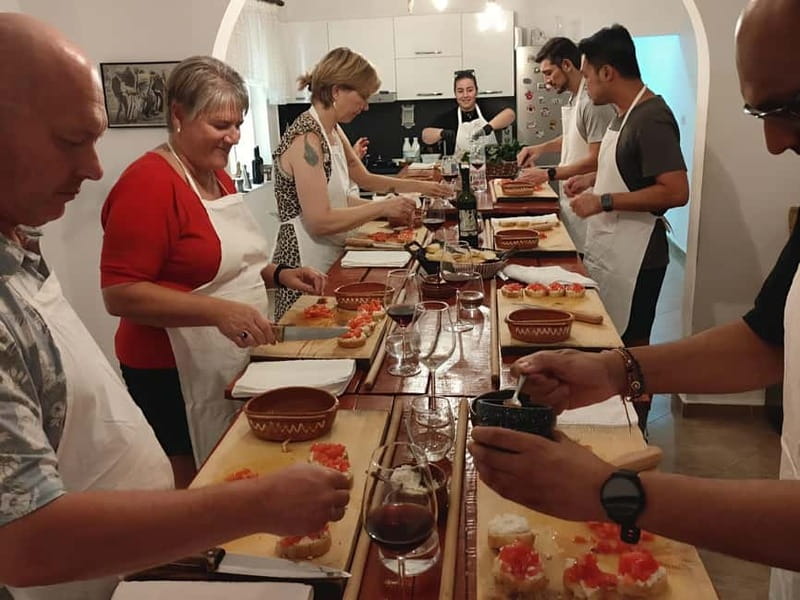
The class begins with introductions to Sindi and the brother-sister team behind the experience. This matters because the lesson is not built around a polished restaurant demonstration. It is based on family recipes passed down through generations, with stories about Albanian cooking customs mixed into the practical work.
Sindi has several years of experience running cooking classes and speaks English with confidence, including the food vocabulary needed to explain texture, ingredients, and technique. You are not left guessing what to do next. She gives clear instructions, checks that everyone is keeping up, and helps beginners without making them feel clumsy.
That last point is useful if your cooking skills stop at boiling pasta. The dishes are traditional but not presented as difficult tests. You learn simple methods such as whisking, rolling pastry, mixing fillings, and building the layers of a baked dish. The class has enough structure to teach you something, but it also leaves room for conversation and laughter.
The setting is described as clean and spacious, with work stations available for participants. Still, this is a shared class, not a private chef lesson. The exact atmosphere depends on the group booked that day. A small group can feel almost personal, while a larger class brings more conversation but may mean less time handling each ingredient yourself.
More cooking classes with wine in the world:
- Florence: Pasta Cooking Class with Unlimited Wine
★ 4.9 · 10,285 reviews - Florence: Pasta & Tiramisu Cooking Class with Unlimited Wine
★ 4.9 · 6,708 reviews - Florence: Pasta Cooking Class with Unlimited Wine
★ 5.0 · 6,413 reviews
Tave Kosi and the story behind Albania’s independence dish
The main lesson centers on Tave Kosi, a baked dish made with lamb and rice. It is often called the Independence Dish because it was a favorite of Ismail Qemali, Albania’s first prime minister.
The historical detail gives the recipe more meaning than a standard cooking demonstration. You are not simply mixing ingredients and waiting for a timer. You learn why this particular dish carries national importance and how food connects to Albania’s modern identity.
Tave Kosi is also a good choice for a class because it shows the comfort-food side of Albanian cooking. Lamb and rice form the base, while the baked mixture brings the dish together in a way that is hearty and satisfying. The result is substantial, so plan your day around a large meal rather than a light snack.
The class focuses on making the food from scratch, with Sindi explaining the steps as you go. You should expect to work alongside the other participants rather than receive a separate miniature kitchen and individual portion of every dish. This team approach makes the class friendly, but it also creates the one minor limitation: you may help with one part of a recipe and eat food prepared by someone else.
You do receive the recipes afterward, which balances that drawback. Even if you do not personally make every dish from start to finish, you leave with instructions you can use at home.
Rolling pastry for lakror
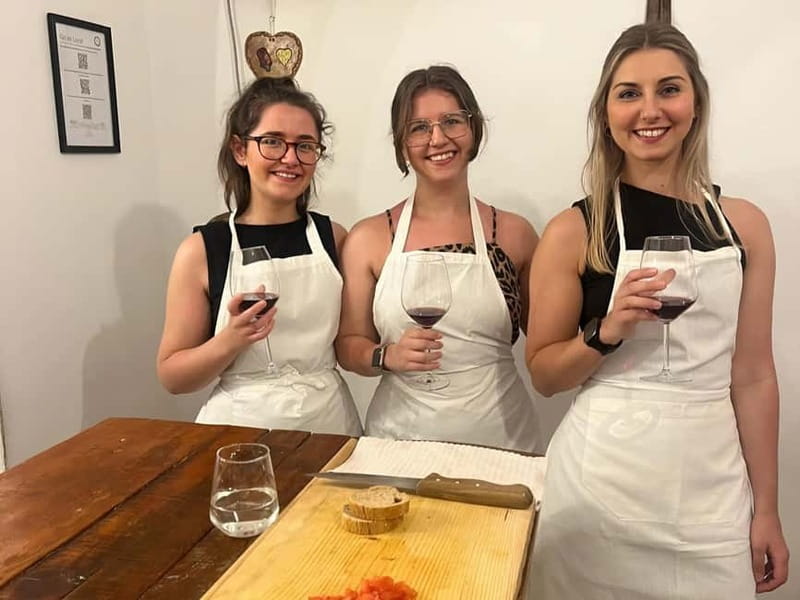
The second major cooking task is lakror, an Albanian pastry often compared with byrek. The version prepared in class can include spinach and cottage cheese, giving you a useful lesson in how a savory filling is combined with thin pastry.
This is one of the more hands-on parts of the afternoon. You may practice using a rolling pin, prepare the filling, and help shape the pastry. It is the sort of cooking that gives you a better feel for Albanian home food than simply watching a chef plate a finished dish.
The recipe is also practical for home cooks. The ingredients are familiar, the method is approachable, and the finished food works well as a shared dish. If you enjoy the pastry, you can ask questions about substitutions and preparation while Sindi is working with the group.
Do not expect a private master class in pastry technique. The class is designed for a mixed group, and everyone contributes to the meal. If you want a precise, individual lesson with a chef correcting every fold, this may feel informal. If you want to cook, eat, and talk with people from different countries, the shared format is part of the appeal.
A sweet finish with sheqerpare and local samples
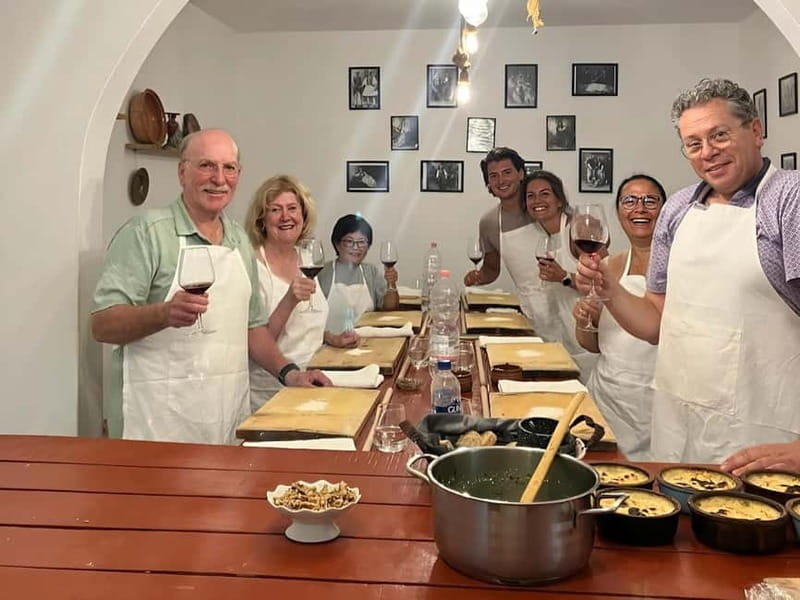
The menu is not limited to two savory dishes. A typical class also includes sheqerpare, a traditional Albanian sweet. The exact menu can vary, but the food served in the class has included three courses and a dessert, making the four-hour session closer to a complete Albanian dinner than a short recipe lesson.
The hosts also provide homemade appetizers and samples of local food. These extras have included items such as sausage and honey, along with other small tastes. They help you understand the wider table, not just the recipes you are assigned to prepare.
This is where the experience feels most like a visit to a family table. You cook the main dishes, then sit down to taste the result alongside foods you might not have ordered on your own. The meal becomes a chance to compare flavors and ask about everyday Albanian eating habits.
Some participants have been able to take leftovers home. That is not guaranteed, but it is worth asking if the group has prepared more food than can be eaten at the table.
A few more wine days around the world worth comparing
- Budapest: Unlimited Prosecco, Beer and Aperol Spritz Cruise
★ 4.8 · 37,304 reviews - From Porto: Douro Valley w/ Boat Tour, Wine Tasting & Lunch
★ 4.7 · 19,061 reviews - Florence: Chianti Wineries Tour with Wine Tasting
★ 4.5 · 10,071 reviews - From Split: Krka Waterfalls, Food & Wine Tasting Tour
★ 5.0 · 9,326 reviews
Homemade wine, raki, and the social side of the afternoon
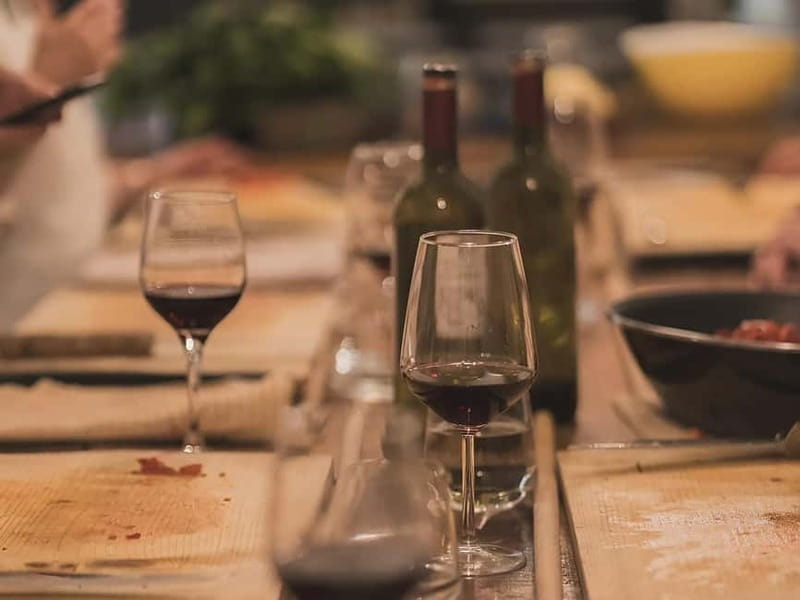
Drinks are included, and homemade red wine made by Sindi’s father is a recurring part of the experience. Raki is included too. The wine has received especially warm attention, and it is often served generously throughout the afternoon.
You should treat this as a social cooking class, not a sober technical workshop. The drinks help people relax and talk, but they can also make four hours pass quickly. Pace yourself, especially if you are not used to raki or if you have plans later in the day.
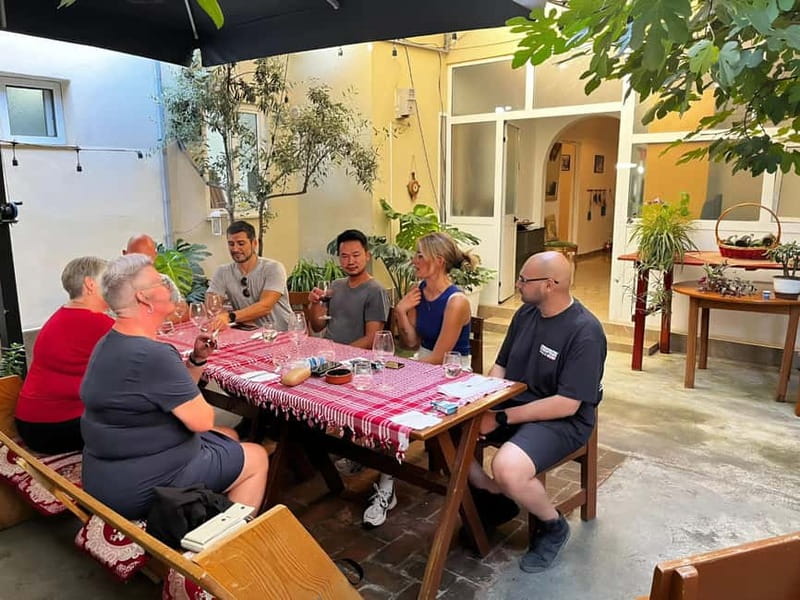
The group mix is one of the pleasures. Solo visitors can join a table without feeling out of place, while couples and friends have plenty to do together. Past groups have ranged from only three people to around nine, so the feel can change from one date to another.
You will likely spend part of the class learning about the other people at the table, where they come from, and why they chose Albania. That social exchange is not an extra charge or a separate activity. It is built into the way the class works.
Ingredients that connect the food to home cooking
The hosts try to source bio-organic local ingredients, including herbs and vegetables from their garden. Homemade wine and raki add another family touch, and some ingredients such as butter and cheese have also been described as homemade.
You should not read this as a formal farm-to-table certification. The useful point is simpler: the class aims to show Albanian food as it is prepared in a home setting, using fresh local products where possible. That makes the lesson more personal than a generic international cooking course.
Sindi also asks about allergies, intolerances, and vegan preferences when planning the food. This is important, but you should still communicate your needs clearly before the class begins. The menu centers on lamb, dairy, pastry, and other traditional ingredients, so anyone with strict dietary requirements should confirm what can be adapted.
The cooking rules are another interesting part of the lesson. Sindi explains certain habits followed in Albanian kitchens and where those practices come from. You get more than a list of measurements. You learn how a dish is handled and why the family prepares it that way.
What four hours really feels like
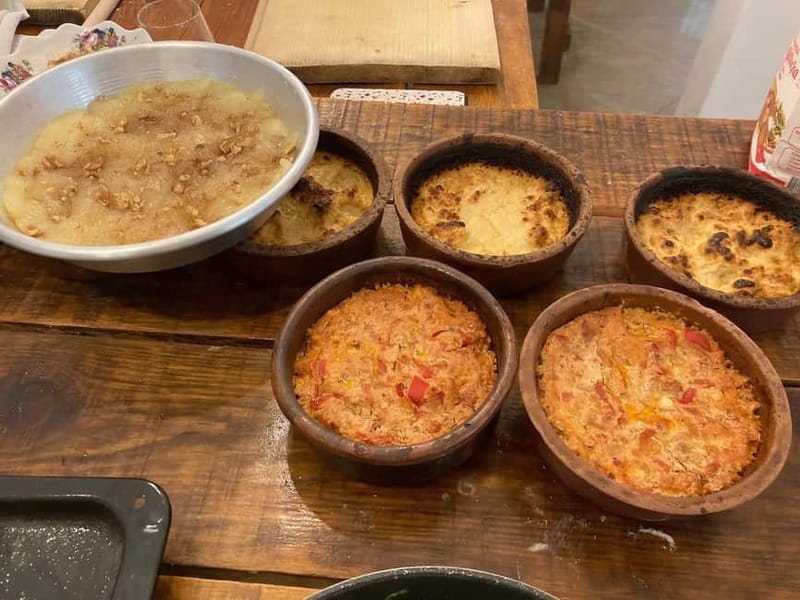
Four hours sounds long for a cooking class, but the schedule is spread across introductions, preparation, cooking, tasting, and conversation. The pace is relaxed rather than rushed. You have time to prepare the dishes, sit down to eat them, and sample the drinks and appetizers.
The length is a benefit if you want a proper cultural activity. You are not pushed out as soon as the last dish leaves the oven. It also explains why you should avoid booking another major food experience immediately afterward.
Several people have found the meal so filling that dinner plans were unnecessary. I would book this for lunch or an early afternoon if you want the rest of the evening free. If the class starts later, treat it as dinner.
The schedule may also work well on a rainy day. The activity keeps you indoors, gives you something active to do, and still feels tied to the place you are visiting. It is not merely a fallback for bad weather, though. The food and conversation are strong reasons to choose it in good weather too.
Is $41 good value?
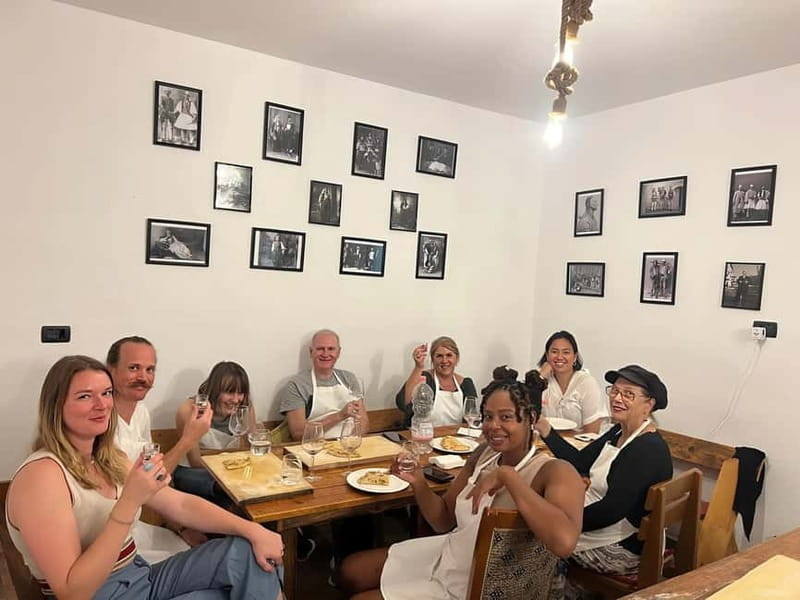
At $41, this is good value if you count the full package. You get four hours of instruction, all ingredients and equipment, several traditional dishes, appetizers, dessert, a full shared meal, homemade wine, and raki.
A cheaper restaurant meal would not give you the recipes or the time with a local host. A private cooking lesson would usually cost more, while a standard food tasting would give you less hands-on work. This class sits in a useful middle ground: social, filling, and practical without being a luxury experience.
The value is strongest for anyone who wants to recreate the food at home. The recipes are described as tasty and manageable, even for beginners. You also gain a better sense of Albanian flavors than you would from ordering one dish at a restaurant.
The price does not include hotel pickup or drop-off. You need to follow the meeting instructions and make your own way there. Sindi is known for sending clear directions, but check them carefully before setting out.
Free cancellation is available up to 24 hours before the activity for a full refund, and you can reserve now and pay later. Those terms are helpful if your Tirana schedule is still moving around.
Who will enjoy this class most?
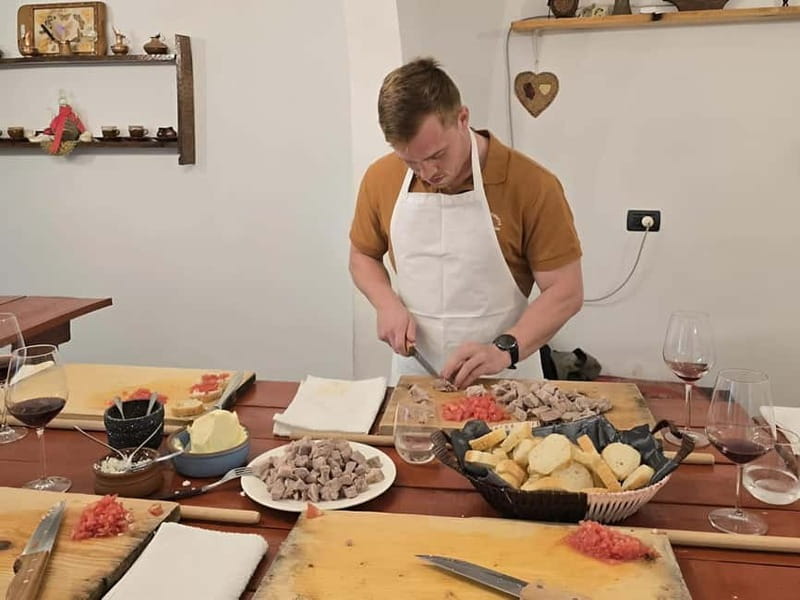
I would choose this experience if you fit one or more of these descriptions:
- You want to understand Albanian food through family recipes rather than only restaurant meals.
- You enjoy meeting people from different countries.
- You are a beginner cook and prefer patient, guided instruction.
- You like a full meal and do not mind wine or raki being part of the afternoon.
- You want recipes that are realistic to prepare again at home.
- You need a relaxed indoor activity in Tirana.
It is also a good choice for solo visitors. The group format gives you company without requiring you to arrange a private booking. Couples can enjoy it too, though you should be happy sharing the kitchen and dividing tasks with other people.
I would be more cautious if you want to complete every recipe alone, avoid alcohol entirely, or need a tightly controlled dietary menu. The class is collaborative, and the food is based on traditional Albanian ingredients. You can ask about adaptations, but do not assume every dish can be changed.
Final call: should you book it?
Yes, if you want a warm, hands-on introduction to Tirana through food. The strongest reasons are Sindi’s clear teaching, the family connection behind the recipes, the generous meal, and the chance to leave with instructions for Tave Kosi, lakror, and dessert.
Book it with an empty stomach and an open evening. Expect a shared kitchen rather than one-on-one training, and remember that the exact group size can change the rhythm of the class. For $41, the combination of cooking, food, homemade drinks, and local conversation makes this one of Tirana’s better-value cultural activities.
FAQ
How long does the cooking class last?
The class lasts four hours. This includes introductions, cooking, tasting the finished dishes, and time to eat and talk.
What dishes will I learn to prepare?
The class teaches Tave Kosi and lakror, the Albanian version of byrek. The menu can also include sheqerpare, a traditional dessert, along with appetizers and local samples.
Is the class taught in English?
Yes. The instructor language is English, and Sindi leads the class with English food and cooking terminology.
Are ingredients and cooking equipment included?
Yes. The cooking lesson, instructor, ingredients, equipment, and drinks are included in the price.
Are wine and raki included?
Yes. Local wine and raki are included, including homemade wine provided by the host’s family.
Is hotel pickup and drop-off included?
No. Hotel pickup and drop-off are not included, so you must make your own way to the meeting point using the directions provided.
More Workshops in the world
- Rome: Pasta & Tiramisu Class with Fine Wine by the Vatican
★ 4.9 · 4,852 reviews - Rome: Pasta Making Class with Wine, Limoncello, and Dessert
★ 4.9 · 3,177 reviews - Florence: Cooking Class Pasta & Tiramisu Making Unlimited Wine
★ 5.0 · 2,234 reviews - Fettuccine & Tiramisù: Cooking Class with Wine & Limoncello
★ 4.9 · 2,103 reviews
Just added around the world
- Bordeaux Wines Masterclass paired with cheeses & charcuterie★ 5.0 · 110 reviews
- Bordeaux Médoc Region Private Wine Lovers Tour with Chateau Visits & Tastings★ 5.0 · 40 reviews
- Bordeaux Food and Wine Tour : Authentic Artisanal Flavors★ 5.0 · 62 reviews
- Saint-Emilion Winery Morning Tour with Local Guide★ 5.0 · 67 reviews
- Médoc luxury wine tour aboard a Citroën DS Limousine Convertible★ 5.0 · 41 reviews
- Saint Emilion Morning Wine Tour – Winery & Tastings from Bordeaux★ 5.0 · 186 reviews
- Introduction to Bordeaux wines paired with cheeses & charcuterie★ 5.0 · 175 reviews
- Free Walking Bordeaux Tour ENG + 1 glass of wine (Tip based)★ 5.0 · 90 reviews
Wine Tours in Albania, compared.
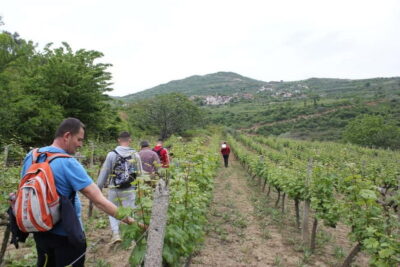
From Berat: Guided Winery Tour with Transfers and Tastings
Read our review →
Skadar Lake & Crnojevića River: Swimming, Snacks & Wine
Read our review →
Durrës Countryside Vineyard Experience with Wine & Food Pairing
Read our review →
Durres Countryside Vineyards Wine Tasting & Food Pairing
Read our review →Browse the lists this tour appears in