
REVIEW · PORTUGAL
Vila Nova de Gaia: Port Wine Tasting with Cheese Pairing
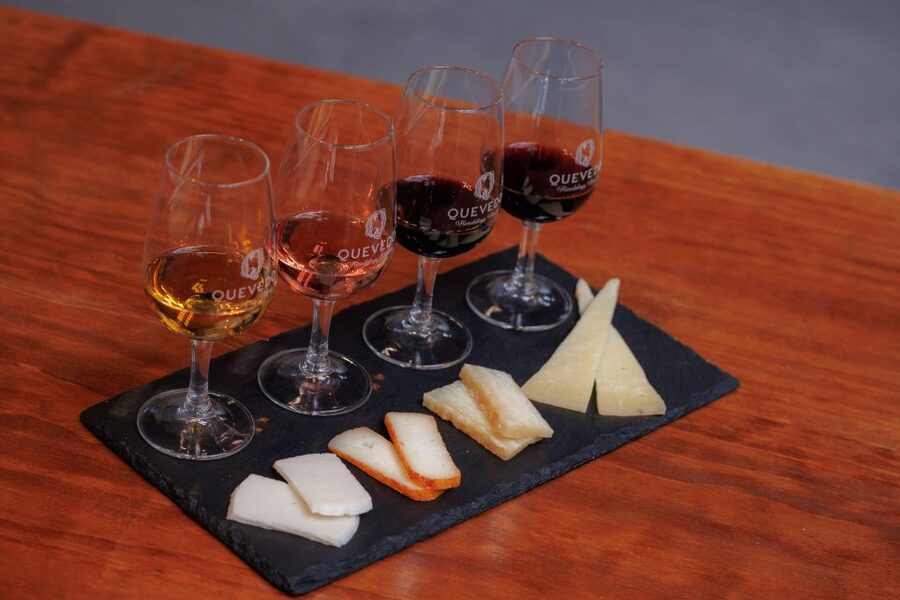
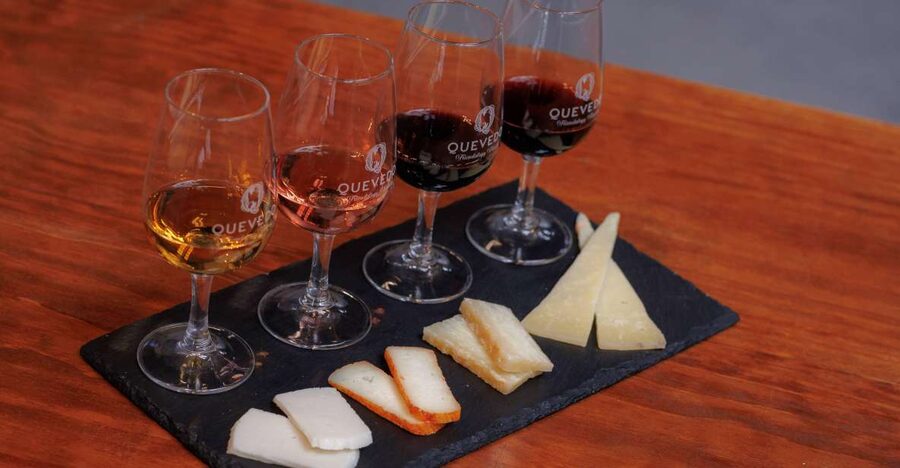
Port and cheese are the teaching tools here. In one hour at Quevedo’s cozy Vila Nova de Gaia lodge, you taste three distinct Ports, then see how aged sheep cheese, paprika cheese, and Azorean cheese with jam change each sip. I like the clear progression from Crusted to Tawny to White Colheita, and I like that the small group, limited to eight, leaves room for real questions.
The strongest part is the staff. Guides including Miguel, Bruna, Fernando, Inês, and Marcia are praised for explaining Port in plain language rather than burying you in wine jargon. The main consideration is simple: this is a tasting, not a full cellar or bodega visit, and the 40ml pours are modest.
Key points at a glance
- Three different Port styles: Crusted, 10-Year-Old Tawny, and 2009 White Colheita show very different sides of Portuguese fortified wine.
- Cheese is part of the lesson: Each pour comes with a carefully selected cheese, plus local jam with the White Port.
- Small groups matter: The maximum of eight makes it easier to ask questions and talk with the guide.
- A family-owned producer: Quevedo has made Port for more than five generations and farms vineyards and organic olive groves in the Douro Valley.
- Good central value: At $30 per person, the one-hour session gives you three wines, three pairings, and guided instruction.
- Tasting only: You will not tour a bodega, so book this for the wine education and food pairing rather than cellar access.
Why this one-hour tasting works
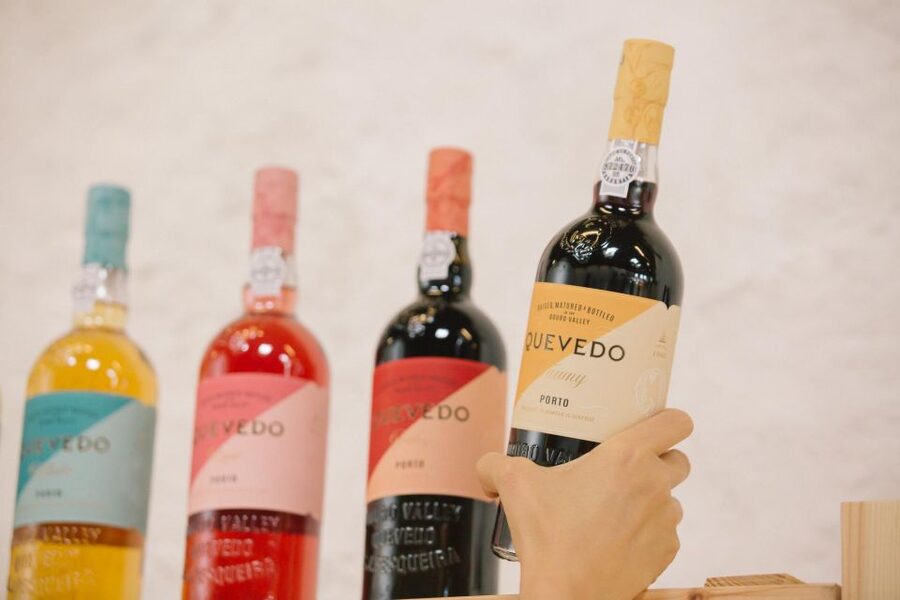
Port can seem simple until you taste several styles side by side. It is sweet, fortified, and often served in small glasses, but the differences between young, aged, red, and white Ports are substantial. This experience gives you a useful introduction without taking half a day from your Porto plans.
The session takes place at Quevedo in Vila Nova de Gaia, across the Douro from Porto. Gaia is closely tied to Port because the city has long been home to the wine lodges where Port was stored and sold. You do not need a long excursion into the Douro Valley to begin understanding the drink.
I like the format because the food is not an afterthought. You taste each Port first, then try it with its cheese. That gives you an immediate comparison. A cheese can soften sweetness, sharpen fruit, add salt, or make the finish seem longer. You are not simply being handed three glasses and told to decide which one you like best.
The whole experience lasts about an hour. That makes it easy to fit before dinner, after a walk along the Gaia riverfront, or between visits to other Port houses. It also means the guide has to keep the explanation focused. The best guides, including Miguel, Fernando, Inês, Bruna, and Marcia, have been praised for doing exactly that.
More food-paired tastings in Portugal:
- Port Wine class with 3 or 5 Port tasting and pairings
★ 4.9 · 441 reviews - Porto: 3 or 5 Port Wine Tasting with Pairings
★ 4.9 · 152 reviews - Pisa, Siena and San Gimignano Day Trip with Lunch & Wine Pairing
★ 4.5 · 6,006 reviews
Arriving at Quevedo in Vila Nova de Gaia
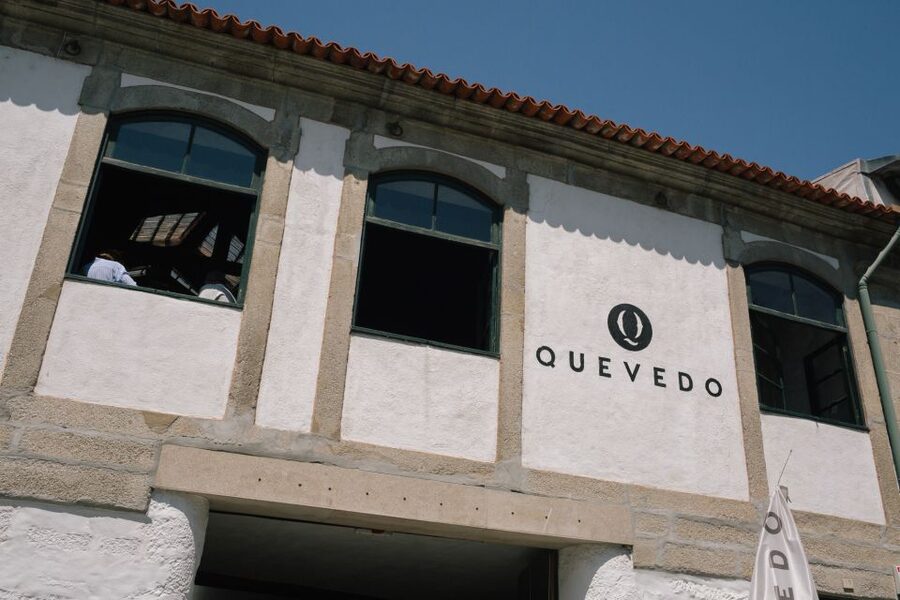
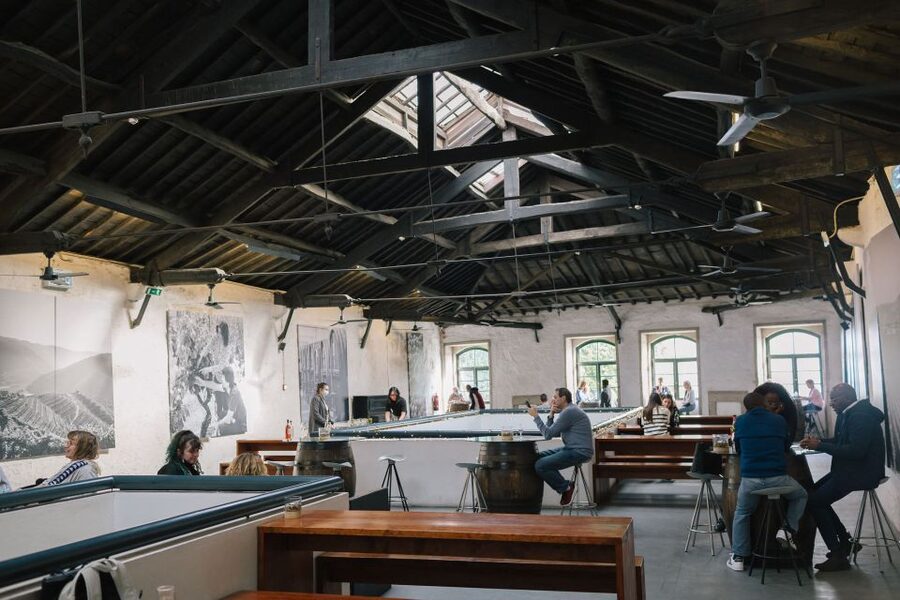
Your meeting point is Quevedo Port Wine. Go inside and speak with a local staff member rather than waiting outside for a tour bus or a separate guide. The activity is designed as a seated tasting in a cozy lodge, not as a transport-based excursion.
The setting has been described as peaceful, open, and airy. That matters in Gaia, where the riverfront can be busy and noisy. You get a quieter place to concentrate on what is in the glass.
This is a small-group experience with up to eight participants. Your group may be smaller. One session had only a few people, which allowed plenty of conversation and questions. A small group also gives the guide more time to notice what you are tasting and explain unfamiliar terms.
The activity is wheelchair accessible. The host or greeter may speak Portuguese, English, Spanish, or Russian. English-language guidance is available, and several guides have been praised for making complex wine ideas easy to follow.
One practical point: the atmosphere is friendly and informal, but it is not necessarily adults-only. One person found children in another group distracting. If you want a quiet, wine-focused setting, it may be worth choosing a time when the tasting room is likely to be calmer.
The first pour: Crusted Port with aged sheep cheese
The first pairing is Crusted Port with local aged sheep cheese. Crusted Port is a bottle-aged style that is not filtered before bottling, so it can develop sediment. You do not need prior Port knowledge to enjoy it, and the guide explains what makes it different from the other pours.
The aged sheep cheese gives the tasting a firm, savory opening. Sheep cheese often has more character than mild young cow’s cheese, but this pairing is meant to show how salt and age interact with Port’s sweetness and fruit.
I would pay attention to the contrast rather than trying to find a single correct answer. Taste the wine alone, then take a bite of cheese and taste again. You may find that the cheese makes the Port seem rounder, or you may prefer the wine on its own. That comparison is part of the point.
For someone new to Port, this first glass sets up the basic idea of the tasting: Port is not just a dessert drink. It can work with savory foods, especially cheeses with enough salt and flavor to stand up to it.
The second pour: 10-Year-Old Tawny with paprika cheese
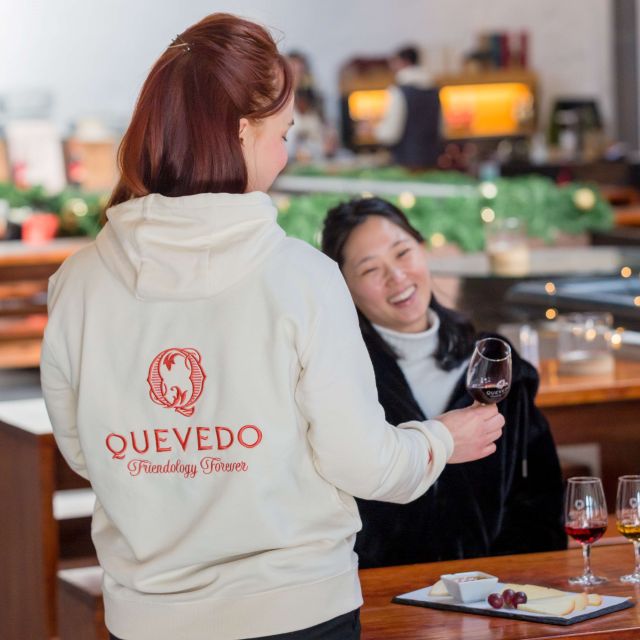
The second glass is a 10-Year-Old Tawny Port paired with a mixed cow, goat, and sheep cheese aged with paprika. Tawny Port is aged in wood and tends to develop softer, nuttier, and more mature flavors than a young red Port. The exact balance will vary, but this is the pour that often gives newcomers a clearer sense of why Port ages in different ways.
The cheese is a clever match because it combines several milks and adds paprika. The guide can use it to explain how flavor, spice, salt, and texture affect the wine. One of the most useful parts of this activity is learning that a pairing does not always make both items taste the same. Sometimes the contrast is more interesting than the harmony.
Several of the guides have been singled out for explaining these effects in a way that makes sense to people outside the wine trade. Miguel, in particular, has been praised for discussing how food changes the taste of different Ports. Fernando has also been noted for connecting the tasting to viticulture and wine making without making the talk too technical.
If you are trying to decide which Port style to buy later, this is likely the most useful glass. Tawny is widely available, but age statements can be confusing. A 10-Year-Old Tawny does not mean every drop spent exactly ten years in a barrel. It indicates an age category based on the style and blending of the wine. The guide can give you the practical explanation you need before you shop.
More port lodges and tastings:
- Porto: Live Fado Show with Glass of Port Wine
★ 4.8 · 6,498 reviews - Lisbon: Live Fado Show with Port Wine at Lisboa em Fado
★ 4.7 · 5,097 reviews - Porto: Bridges Cruise & Sunset & Port Wine Cellar Option
★ 4.2 · 4,180 reviews - Porto: Fado & Port Wine in Traditional Portuguese Music Shop
★ 4.8 · 2,906 reviews
The third pour: 2009 White Colheita with Azorean cheese
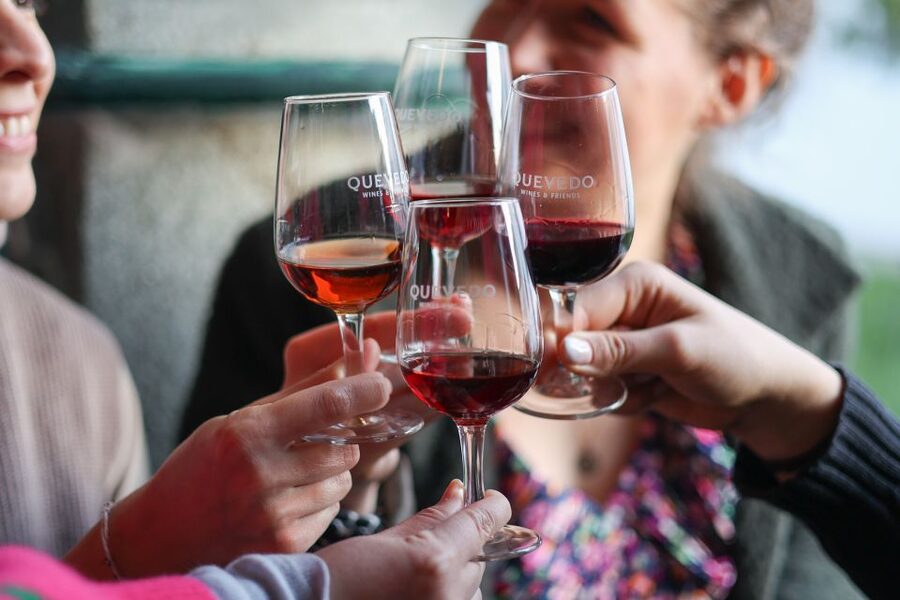
The final pairing is a 2009 White Colheita Port with a traditional Azores cheese aged for seven months, served with local jam. This is the most unusual combination of the three and gives the tasting a strong finish.
White Port is often overlooked by first-time visitors, who expect Port to be dark red and sweet. A White Colheita is made from a single harvest year and aged before release. The 2009 date gives the guide a natural opening to explain vintage-specific wines and how aging affects white Port.
The Azorean cheese brings a different character from the sheep cheese and the mixed-milk paprika cheese. The local jam adds another layer of sweetness and fruit. Try the cheese, jam, and wine in different orders. You may prefer the Port with the cheese alone, or find that the jam makes the combination more dessert-like.
This final pour is especially helpful if you think you already know whether you like Port. You may dislike heavy red Ports but enjoy a lighter white style. Or you may discover that you prefer the nutty Tawny to both. The point is not to force a favorite. It is to help you identify your own taste.
What Quevedo adds to the experience
Quevedo is a small family-owned Port producer with more than five generations of wine-making experience. The family began bottling under its own brand in 1993, after Portugal joined the European Union. That gives the company a relatively recent public identity despite its longer family connection to Port making.
The wines are raised, matured, and bottled in the Douro Valley. The producer farms 100 hectares of vineyards and 25 hectares of organic olive groves across five properties. The different sites provide grapes with varying aromas and flavors, which helps explain why the tasting includes distinct styles rather than three nearly identical wines.
You do not need to memorize these details. They matter because they place the tasting in the Douro rather than treating Port as a generic product sold in Porto. The guide can connect the bottle in front of you to the vineyards, harvests, and aging choices behind it.
This is also a useful stop if you want to support a Portuguese-owned Port house rather than visit only the biggest international names. The company is newer as a branded house, but its family background and Douro vineyards give the tasting a clear sense of place.
The guides make or break the hour
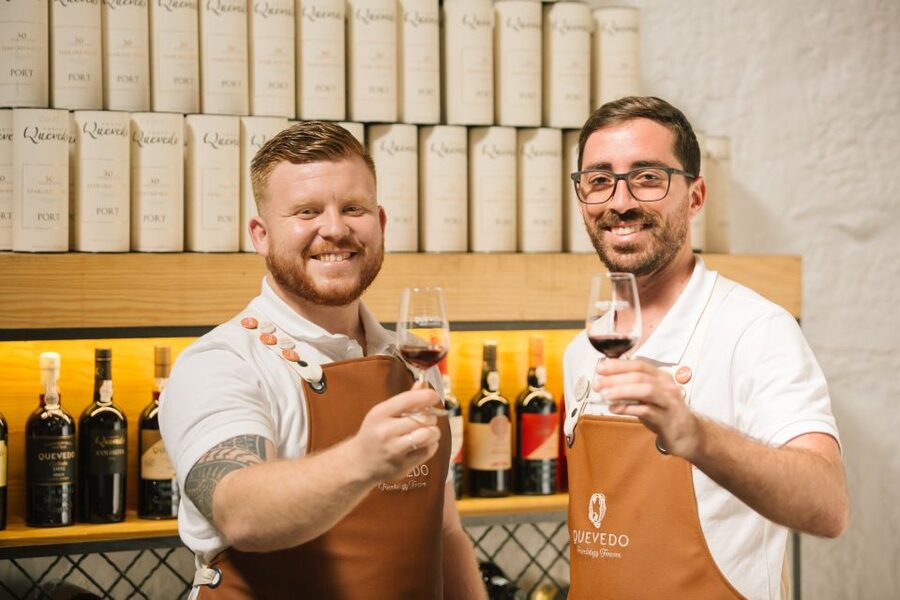
Wine tastings can be dull when the presenter recites labels and production dates. Here, the staff is a major reason to book. The most praised guides include Miguel, Bruna, Fernando, Inês, Marcia, Rafael, Dima, Francisco, and Antonio.
Their strengths are slightly different. Miguel has been praised for his command of Port, viticulture, and food pairing. Fernando is known for patience, local suggestions, and enthusiasm for the Douro Valley. Inês has been particularly good at translating technical wine language into explanations that make sense to a beginner.
You should feel free to ask basic questions. This is not a test, and you do not need to know the difference between Tawny, Ruby, Colheita, and Crusted Port before you arrive. The best use of the hour is to ask what you are tasting, why it tastes that way, and what you might look for when buying a bottle at home.
The style is usually relaxed rather than formal. Some sessions have included extra samples when the guide wanted to answer a particular question, but you should not count on additional wine because only three glasses are included. There is also no pressure to buy, which makes the tasting more comfortable for anyone who wants to learn without facing a sales pitch.
Occasionally, live fado music has been part of the setting. It is an appealing Portuguese touch, but it should be treated as a possible extra rather than a guaranteed feature.
Is $30 a fair price?
At $30 per person, the experience is good value if you want instruction along with your wine. You receive three 40ml pours, three cheese pairings, and a guided explanation in a small group. The portions are tasting sizes, not full glasses, so do not book this expecting a long drinking session.
The value is strongest for first-time Port drinkers. You get three styles in one place, and the cheese makes the differences easier to notice. You also avoid spending money on several separate glasses while trying to work out what you like.
For an experienced Port collector, the value depends on your goals. You may already understand the basic styles, and the three pours may feel limited. Still, the White Colheita and the food pairings can offer something more focused than a standard flight.
The main alternative is a larger Port-house visit that includes cellars or production spaces. Those tours may provide more background on storage and the old lodges of Gaia. Quevedo’s tasting is less about seeing the building and more about talking, tasting, and comparing.
Practical details before you book
The tasting is one hour long, and starting times vary, so check availability when booking. You can cancel up to 24 hours in advance for a full refund, and the reserve-now, pay-later option allows you to hold a place without paying immediately.
All standard wine pours are 40ml unless otherwise noted. Three glasses add up to 120ml, but the alcohol can still catch up with you because Port is fortified. Eat something before or after, and avoid scheduling several wine tastings back to back.
Additional wines and snacks are not included. If you want more wine, ask the staff what is available, but plan your budget around the three included pours.
The experience is wheelchair accessible. Languages offered by the host or greeter are Portuguese, English, Spanish, and Russian. Group size is limited to eight, which is one of the most important practical advantages.
Who should book this Port tasting?
I would recommend it to anyone who wants a clear introduction to Port without committing to a full-day Douro Valley excursion. It suits couples, friends, solo visitors, and curious drinkers who enjoy asking questions.
It is particularly good for you if:
- You have never tasted several Port styles side by side.
- You want food pairings rather than wine alone.
- You value a small group and direct conversation.
- You are staying near the Porto or Gaia riverfront.
- You want to understand what to buy before taking Port home.
- You prefer a relaxed tasting to a formal cellar tour.
It is less suitable if your priority is visiting a production facility, walking through historic cellars, or spending several hours in vineyards. You also may want a different activity if you dislike sweet wines or want full pours.
Should you book it?
Yes, if you want a compact, friendly introduction to Port with unusually useful cheese pairings. The strongest reasons are the three contrasting styles, the small group, and the staff’s ability to explain wine without making beginners feel out of place.
Book it with realistic expectations. You are getting a one-hour tasting, not a bodega tour or a trip to the Douro Valley. The 40ml pours are modest, but the $30 price is fair for three wines, three food matches, and personal guidance.
If you are in Gaia and want to make sense of Port before ordering another glass, Quevedo is a practical choice. Ask questions, taste each wine before and after the cheese, and pay special attention to the White Colheita. That final pairing may be the surprise that makes the hour worthwhile.
FAQ
Where does the Port tasting take place?
The activity takes place at Quevedo Port Wine in Vila Nova de Gaia. Go to Quevedo and speak with a local staff member.
How long does the experience last?
The tasting lasts one hour. Starting times vary, so check availability when booking.
Which Port wines are included?
You receive Crusted Port, 10-Year-Old Tawny Port, and a 2009 White Colheita Port. Each wine is paired with a different cheese, and the White Port also comes with local jam.
How much wine is served?
Standard tasting pours are 40ml per wine unless otherwise noted. Three included glasses are provided.
Is the tasting suitable for beginners?
Yes. The host or greeter can speak Portuguese, English, Spanish, or Russian, and the session is designed for both seasoned wine drinkers and people new to Port.
How large is the group, and is the activity wheelchair accessible?
The group is limited to eight participants, and the activity is wheelchair accessible.
More Wine Tastings in Portugal
- From Porto: Douro Valley w/ Boat Tour, Wine Tasting & Lunch
★ 4.7 · 19,061 reviews - Complete Douro Valley Wine Tour with Lunch, Wine Tastings and River Cruise
★ 5.0 · 12,920 reviews - Porto: Cálem Cellar Tour, Interactive Museum & Wine Tasting
★ 4.5 · 4,113 reviews - Douro Valley Small-Group Tour with Wine Tasting, Lunch and Boat
★ 5.0 · 3,642 reviews
More Wine and Cheese Tastings in Portugal
- Lisbon: Portuguese Wine and Cheese Tasting with Lunch
★ 4.7 · 353 reviews - Porto: Cálem Cellar with Chocolate, Cheese, and Wine Tasting
★ 4.6 · 310 reviews - Porto: Cheese and Port Wine Tasting in a Unique Place
★ 4.8 · 30 reviews - Amsterdam: Classic Saloon Boat Cruise with Cheese & Wine
★ 4.6 · 27,035 reviews
Just added around Portugal
- Grande Prova Honrado Vineyards★ 5.0 · 46 reviews
- Wines and Moonshines of Terceira★ 5.0 · 55 reviews
- Albufeira Wine Tasting: Boutique Winery Tour & Historic Silves★ 5.0 · 380 reviews
- Albufeira Wine Tour: 2 Vineyards, 6 Tastings & Historic Silves★ 5.0 · 123 reviews
- Wine Lovers: Winery Tour w/ Tasting & Tapas (Albufeira/Vilamoura)★ 4.5 · 246 reviews
- Wine Tasting, Chicken Piri Piri & Sights (Albufeira/Vilamoura)★ 5.0 · 137 reviews
- Albufeira Food Experience: Land & Sea Tapas w/ Wines★ 4.5 · 45 reviews
- Sunset Beach Safari w/ Champagne & Chicken Piri Piri Dinner★ 5.0 · 53 reviews
Wine Tours in Portugal, compared.

Douro Valley w/ Boat Tour, Wine Tasting & Lunch
Read our review →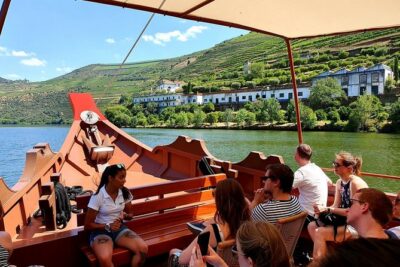
Complete Douro Valley Wine Tour with Lunch, Wine Tastings and River Cruise
Read our review →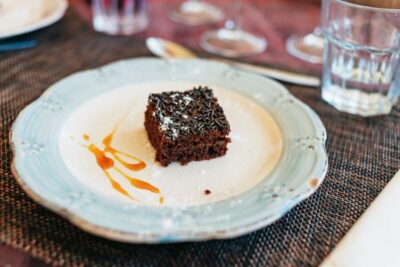
Douro Valley with Winery Lunch, Tastings & Cruise
Read our review →
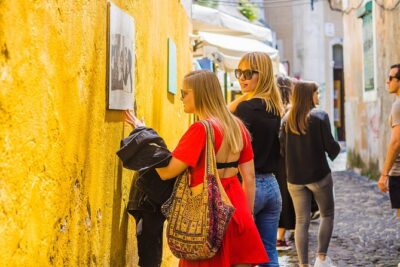
Winner 2025 Undiscovered Lisbon Food & Wine Tour by Eating Europe
Read our review →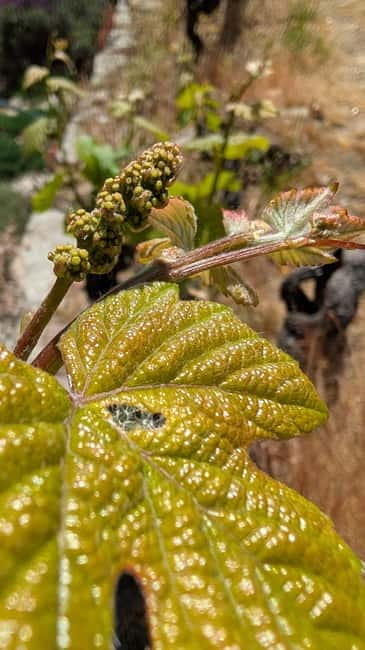
Historical Sites, Wine Experience, Lunch & Cruise
Read our review →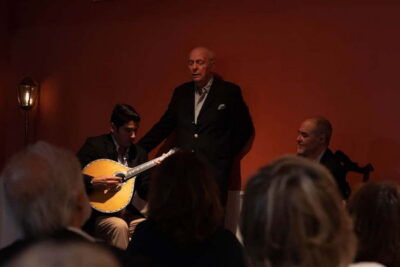
Live Fado Show with Port Wine at Lisboa em Fado
Read our review →Browse the lists this tour appears in