
REVIEW · PORTO
Porto: Cálem Cellar with Chocolate, Cheese, and Wine Tasting
Cálem’s best trick is to turn Port from a sweet after-dinner drink into a full tasting lesson. You’ll see working cellars, learn how the Douro’s grapes become Port, and compare three very different wines with cheese and chocolate. The Late Bottled Vintage, Vintage, and 20-year Tawny selection gives you a useful range rather than three near-identical pours.
I like the pairing, especially the Transmontano goat cheese and São Jorge cheese from the Azores, because each brings out different notes in the wine. I also like the interactive museum, which gives the cellar visit more shape than a talk beside a row of barrels. Guides such as Matthew, Anna, and Anastasia have been praised for making the subject clear and lively.
The main catch is group size. A large party can make it hard to hear, and some guides speak quickly. The hour can also stretch closer to two hours, so leave room in your schedule rather than booking this between tightly timed activities.
Key points at a glance
- Three distinct Port styles: Taste Late Bottled Vintage, Vintage, and 20-year Tawny in one sitting.
- Food pairing with a purpose: Try goat cheese, São Jorge cheese, chocolate, crackers, and jam with the wines.
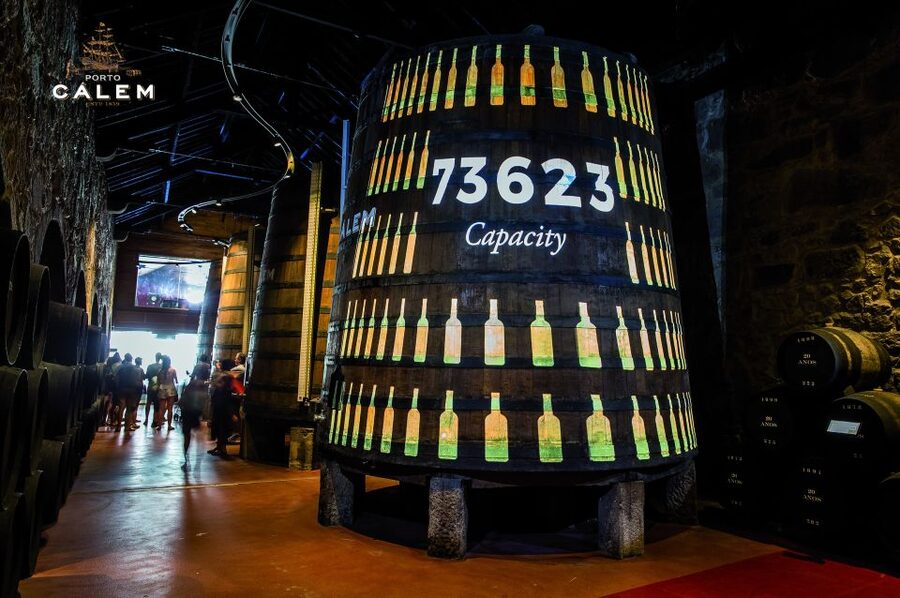
- A working cellar visit: See barrels where Port is stored away from light and heat.
- Interactive museum time: Use the exhibits to understand production before the tasting.
- Good for Port beginners: The guide explains the Douro region, production, and storage in plain terms.
- Allow extra time: The advertised duration is one hour, but some visits run longer.
Entering Cálem Cellars in Porto
Cálem Cellars sits in Porto’s Port-wine quarter, where the city’s famous fortified wines are stored and presented to the public. The attraction is not simply a bar with a few samples. It combines a guided cellar visit, museum displays, and a seated tasting built around food.
At $53 per person, this is not the cheapest way to sample Port. It is also more than a basic cellar admission. Your price covers the guided visit and a structured tasting of three named wines, plus cheese, chocolate, crackers, and jam. I think the cost makes the most sense if you want an explanation of what you are drinking, not just a glass in a tasting room.
The experience is sold as one hour. In practice, timing can vary. One visit included about 15 minutes in the interactive museum, followed by a cellar explanation and tasting, while another lasted close to two hours because the pace was relaxed. That is useful if you like a leisurely stop, but inconvenient if you have a train, restaurant booking, or second tour waiting.
Meeting arrangements can vary with the option you book, so check your confirmation carefully. The activity is offered in English, Portuguese, French, and Spanish, with a live guide.
More Wine Tours in Porto
- From Porto: Douro Valley w/ Boat Tour, Wine Tasting & Lunch
★ 4.7 · 19,061 reviews - Complete Douro Valley Wine Tour with Lunch, Wine Tastings and River Cruise
★ 5.0 · 12,920 reviews - Porto: Douro Valley with Winery Lunch, Tastings & Cruise
★ 4.7 · 7,002 reviews
The museum explains Port before the first sip
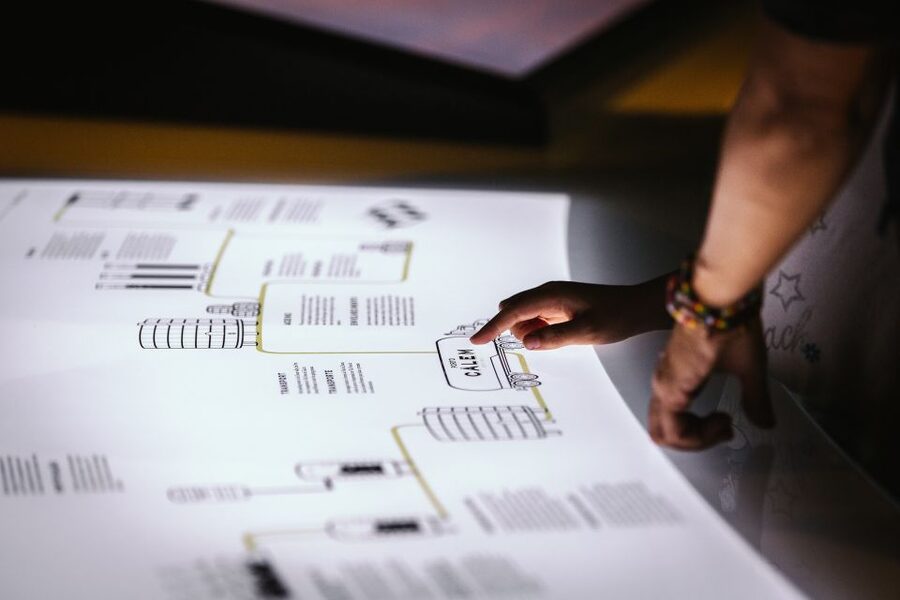
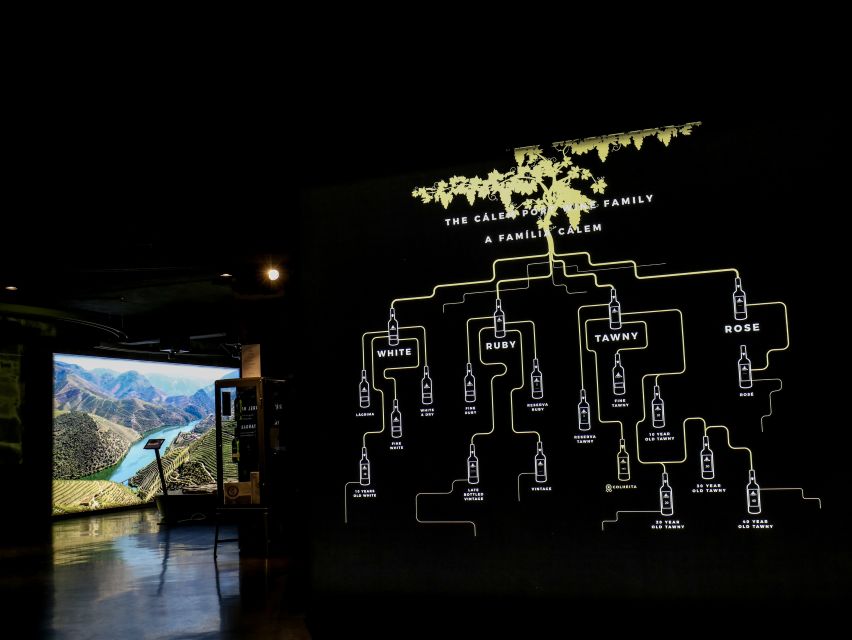
The Cálem Interactive Museum is a smart opening move. Port can seem confusing at first: Ruby, Tawny, Vintage, Late Bottled Vintage, age statements, barrels, bottles, and different storage periods all enter the conversation quickly.
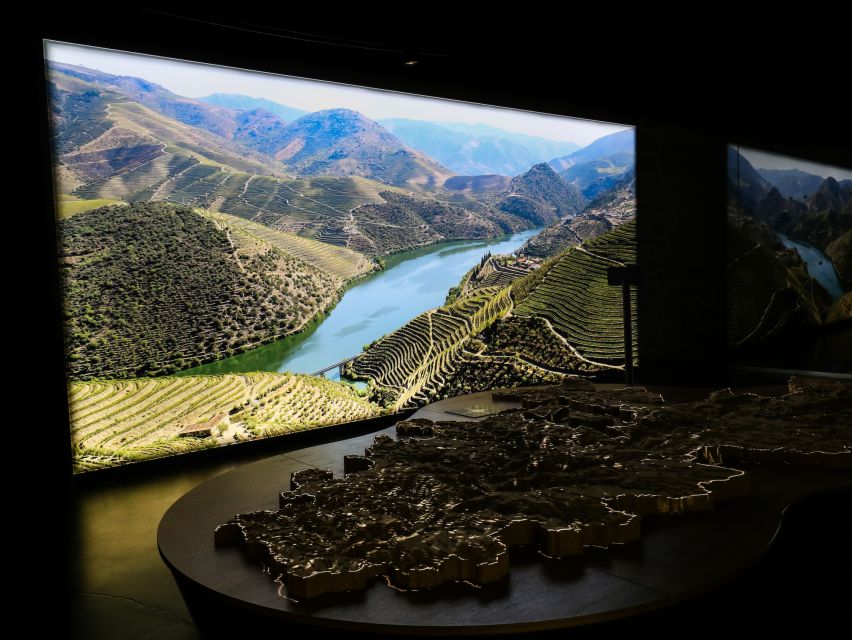
The displays give you a visual way to follow the process. You learn about the Douro Demarcated Region, the area where Port grapes are grown, and the basic steps that shape the finished wine. This matters because the tasting makes more sense once you know why a Tawny can taste different from a Vintage Port.
The museum is not a substitute for the cellar tour, and the visit does not spend hours on technical detail. That is probably the right balance for someone new to Port. If you already know the difference between LBV and Vintage Port, you may find the museum fairly introductory.
I would pay attention to the storage information. Port is not simply left in a bottle until it becomes better. The type of vessel, time, exposure to light, and heat all affect the result. The cellar section makes those points more concrete.
Inside the active cellar
The cellar is still active and open for visits, which gives the tour a useful sense of place. You are not looking at an empty historical room with a few props. The barrels and storage areas help explain where the wines mature and why the cellar environment matters.
Your guide introduces the Douro region and the production of Port, then explains the main types you will taste later. The talk also covers Cálem’s own story and the way the house has developed its wines.
This is where guide quality matters most. Matthew has been praised for combining clear information with humor, while Anna and Anastasia have also been singled out for strong presentations. A good guide helps you notice why one Port smells fruity, another shows more wood and caramel, and another feels fuller or more structured.
The weak point is sound. Several sessions have had large groups, with other guides speaking nearby. If you cannot hear well, move closer to the guide early. The presentation may also feel rushed when the group is too large. One session was described as informative but hard to follow because the guide spoke too fast.
The cellar walk is therefore best for a first or second Port experience. It gives you the essential framework, but it may not satisfy a serious Port collector looking for a long technical discussion of vineyards, vintages, or production methods.
Three Ports, three different lessons
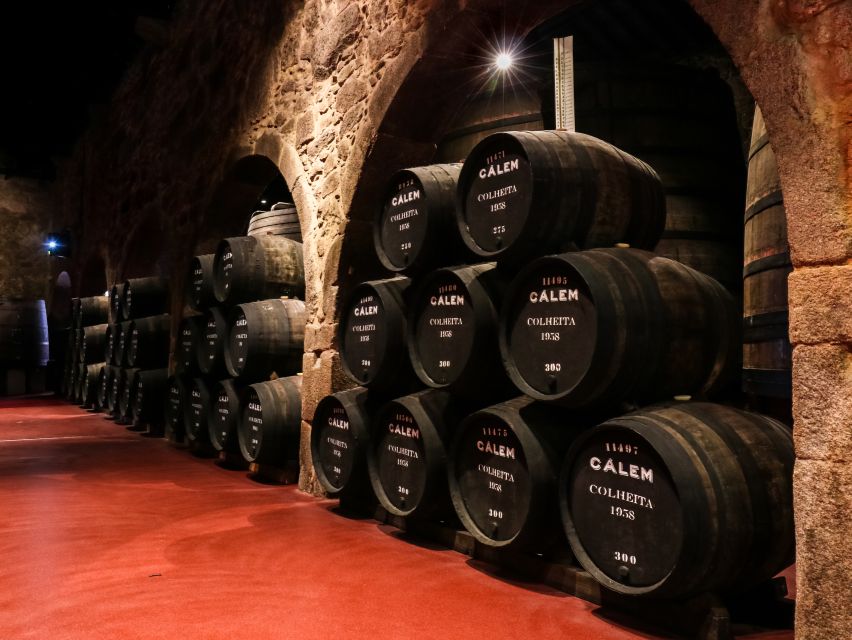
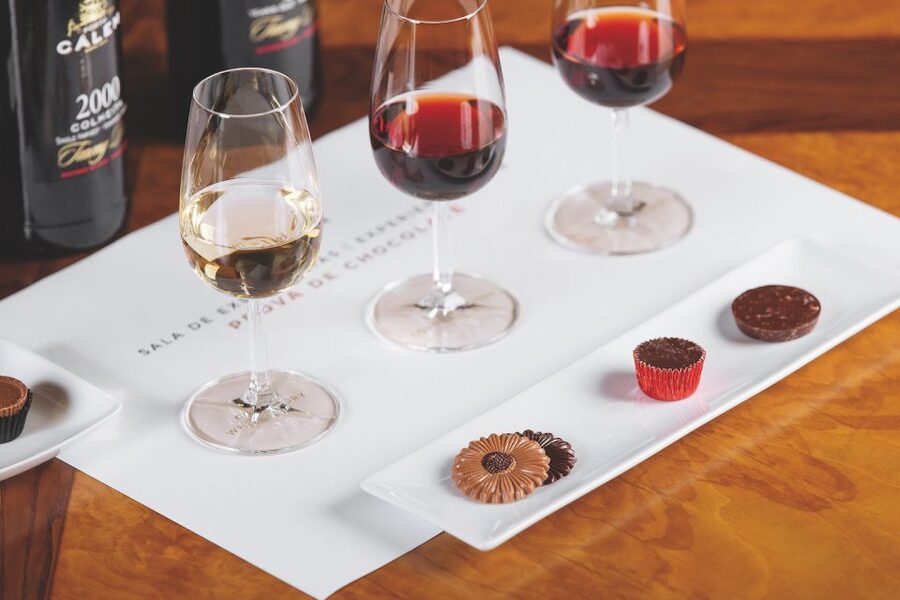
The tasting is the heart of the experience. You receive Cálem Late Bottled Vintage, Cálem Vintage, and Cálem 20 Years Old Tawny. That is a useful lineup because it lets you compare styles rather than simply sample three bottles from the same category.
Late Bottled Vintage Port gives you an approachable example of a wine that has spent longer in wood before bottling than a classic Vintage Port. Cálem Vintage represents a more concentrated, bottle-focused style. The 20-year Tawny brings a different profile, with the wood-aged character and caramel notes associated with older Tawny Port.
The guide explains the order of tasting and the matching foods. Follow that order. Eating the cheese or chocolate before the pour can change how you notice sweetness, acidity, fruit, and wood. The point is not to find one perfect combination. It is to see how the same wine changes when paired with something salty, creamy, fruity, or sweet.
The food selection includes Transmontano goat cheese, São Jorge cheese from the Azores, chocolate tartlets in dark and milk chocolate styles, crackers, and jam. The cheeses are particularly useful because they give you a savory comparison before the tasting moves toward chocolate.
I like that the food is not just an afterthought. It turns the tasting into a small lesson in balance. A sweet wine can taste less heavy beside salty cheese, while chocolate can make its fruit and caramel notes seem stronger. You do not need a trained palate to notice the contrast.
Service during the tasting can vary. Some sessions include a clear explanation of each pour and the matching order. In other cases, the person serving the wine gives only a quick introduction and moves on. If you want more detail, ask your tasting host directly while the wine is in front of you.
More cellar visits in Porto:
- Porto: Bridges Cruise & Sunset & Port Wine Cellar Option
★ 4.2 · 4,180 reviews - Porto: Cálem Cellar Tour, Fado Show & Wine Tasting
★ 4.4 · 3,530 reviews - Porto: City Train Tour, River Cruise & Wine Cellar
★ 3.9 · 2,601 reviews - Porto: Hop-on Hop-off Bus with Optional Cruise & Wine Cellar
★ 4.1 · 934 reviews
Cheese and chocolate are more than decoration
The pairing option is the reason I would choose this experience over a simple Port flight. Cheese gives you a savory route into Port, while chocolate makes the familiar dessert association more obvious.
The goat cheese from Trás-os-Montes has a sharper, more distinctive character than a mild cream cheese. São Jorge, made on the Azorean island of the same name, offers another firm, savory counterpoint. Crackers and jam fill out the plate and give you a neutral base between samples.
The dark and milk chocolate tartlets let you compare how cocoa intensity affects the wine. Milk chocolate tends to make a sweet Port feel softer, while dark chocolate can bring out deeper, more bitter notes. The tasting does not claim that every match works equally well. That is part of its value. You get to notice which pairing suits your own taste.
This also makes the activity workable for a mixed group. Someone who is less interested in wine can still enjoy the cheese and chocolate, while the person who came specifically for Port gets three different styles to compare.
Allergens matter here. The food may contain milk, dried fruits, soy, nuts, and eggs. Check the ingredients before booking if you have a serious allergy. The available information does not promise substitutions.
How the group size changes the experience
A small English-language group can make this feel almost personal. On one cold, rainy visit, the English group was tiny and the guide could give the presentation a more relaxed feel. That kind of quiet session is not something you can count on, but it shows what the format can be like at its best.
A large group produces the opposite result. You may need to stand close to the guide to hear, and it can be difficult to see displays or ask questions. The tasting may also separate from the main tour, which can cause confusion if instructions are not clear.
If your schedule allows, avoid treating this as a precise 60-minute appointment. The official duration is one hour, but several experiences ran longer, including one that lasted about two hours without feeling rushed. I would allow at least 90 minutes if you want to enjoy the tasting without checking your watch.
The pace is usually comfortable once you reach the wine. The main pressure comes during the cellar explanation, especially when several groups are using the same spaces. Arriving ready to move closer and listen carefully will improve your experience.
Who will get the most from this Port tasting?
This is a good choice for you if you are new to Port, enjoy food pairings, or want an easy introduction to Porto’s wine culture. The guide explains the basics without expecting you to know wine terminology, and the three pours give you a clear comparison.
It also suits couples and small groups who want a short cultural activity with food. The museum adds a visual element, and the cheese and chocolate make the tasting feel more substantial than three small glasses alone.
Families with older children may find the food pairing useful, although only the adults can take part fully in the wine tasting. The activity includes alcohol, so it is not designed as a children’s attraction.
I would be more cautious if you already have a strong Port background. The visit offers a broad introduction rather than a specialist seminar. You may want more detail about vineyard sites, harvest conditions, aging practices, and individual vintages than the standard format provides.
The activity is described as wheelchair accessible, but the same information also says it is not suitable for people with mobility impairments. That contradiction is worth resolving before you book. Ask Cálem directly about the exact route, standing time, and access for your needs.
Is $53 a fair price?
The value depends on what you would otherwise do. If you only want one glass of Port, $53 is high. If you want three named wines, a food pairing, a guided cellar visit, and museum access, the price is easier to justify.
You are paying for structure as much as for the alcohol. The guide tells you what to notice, the food gives you a comparison point, and the cellar explains how the wine gets from the Douro to your glass. That combination can save you from ordering random pours without knowing what separates them.
The tasting itself has received the strongest praise. The food is described as delicious, and several sessions were considered a highlight of a Porto visit. The cellar talk is less consistent because it depends heavily on group size, room noise, and the individual guide.
Free cancellation up to 24 hours before the activity gives you some flexibility, and you can reserve now while paying later. Those terms are useful if your Porto plans are still shifting, but check the conditions attached to your exact booking option.
Should you book Cálem Cellars?
Book it if you want a clear, friendly introduction to Port with a well-chosen cheese and chocolate pairing. The three-wine lineup is strong for comparison, and the cellar and museum give the tasting a proper setting.
Choose a quieter time if you can, and do not schedule anything immediately afterward. Arrive ready to stay close to the guide, especially if the group is large. If you have allergies or mobility concerns, confirm the practical details before paying.
I would recommend this most to Port beginners, food lovers, and anyone who wants more context than a simple bar tasting provides. If you are already an expert, or if you need a tightly timed one-hour activity, the format may feel too basic or too unpredictable.
FAQ
How long does the Cálem Cellar experience last?
The stated duration is one hour, but some sessions take longer. You may spend around 15 minutes in the interactive museum, followed by the cellar visit and tasting. Allow extra time if your schedule is tight.
Which Port wines are included?
The tasting includes Cálem Late Bottled Vintage, Cálem Vintage, and Cálem 20 Years Old Tawny.
What food is served with the Port?
The pairing includes Transmontano goat cheese, São Jorge cheese from the Azores, dark and milk chocolate tartlets, crackers, and jam.
Is the tour offered in English?
Yes. Live guides are available in English, Spanish, French, and Portuguese.
Is Cálem Cellars wheelchair accessible?
The activity information describes it as wheelchair accessible, but it also says it is not suitable for people with mobility impairments. Confirm the route and access details with the provider before booking.
What allergens are present?
The listed allergens are milk, dried fruits, soy, nuts, and eggs.
Can I cancel for a full refund?
You can cancel up to 24 hours in advance for a full refund, according to the stated booking terms.
Can I reserve now and pay later?
Yes. The activity offers a reserve-now, pay-later option, so you do not need to pay at the time of booking.
More Wine Tastings in Porto
- Douro Valley Small-Group Tour with Wine Tasting, Lunch and Boat
★ 5.0 · 3,642 reviews - Porto: Douro Valley Tour with Wine Tasting, Cruise and Lunch
★ 4.7 · 2,714 reviews - Douro Valley Tour: Wine Tasting, Cruise and Lunch from Porto
★ 4.5 · 2,645 reviews - Porto Food & Wine Tasting Tour with Lunch or Dinner Option
★ 5.0 · 2,303 reviews
More Wine and Cheese Tastings in Porto
- Porto: Cheese and Port Wine Tasting in a Unique Place
★ 4.8 · 30 reviews - Amsterdam: Classic Saloon Boat Cruise with Cheese & Wine
★ 4.6 · 27,035 reviews - Paris: Montmartre Cheese, Wine & Pastry Guided Walking Tour
★ 4.8 · 2,255 reviews - Amsterdam: Evening Candle Light Cruise With Wine & Cheese
★ 4.6 · 1,774 reviews
Just added around Porto
- Porto: Tuk tuk Tours with Port Wine Tasting★ 4.5 · 65 reviews
- Porto Wine Tasting Experience with Portuguese Tapas Plate★ 4.7 · 356 reviews
- Porto: Sunset Walking Tour with Port Wine and Views★ 4.6 · 95 reviews
- Porto: Tile Painting Workshop with Tea and Port Wine★ 4.9 · 66 reviews
- Porto: Taylor’s Port Cellar Tour & WOW The Wine Experience★ 4.5 · 136 reviews
- Porto: Self-Guided Bike and Boat Tour with Port Wine Tasting★ 4.7 · 52 reviews
- Porto: Douro River Boat Tour with Wine Tasting★ 4.9 · 167 reviews
- Porto: Douro River Cruise w/ Portuguese Wines & Local Host★ 4.9 · 166 reviews
Wine Tours in Porto, compared.

Douro Valley w/ Boat Tour, Wine Tasting & Lunch
Read our review →
Complete Douro Valley Wine Tour with Lunch, Wine Tastings and River Cruise
Read our review →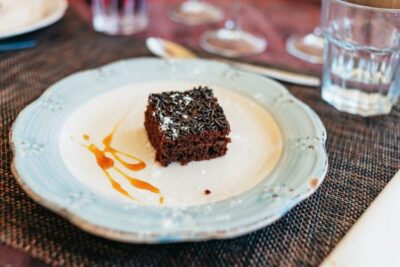
Douro Valley with Winery Lunch, Tastings & Cruise
Read our review →
Historical Sites, Wine Experience, Lunch & Cruise
Read our review →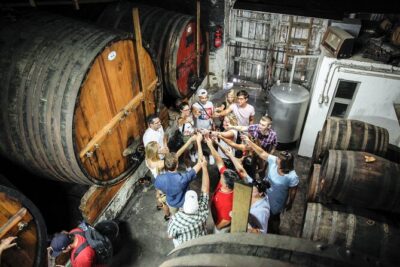
Authentic Small Group Douro Wine Tour with Lunch & River Cruise
Read our review →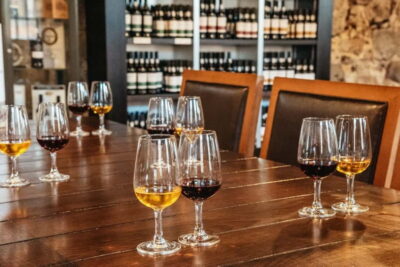
Bridges Cruise & Sunset & Port Wine Cellar Option
Read our review →Browse the lists this tour appears in