
REVIEW · FRANCE
Passy-Grigny: Chocolate and Champagne Tasting Tour
At Champagne Dom Caudron, you get more than a quick cellar tasting. The visit takes you from the village’s early wine-growing story to the modern vat house, then finishes with three Champagnes matched with three chocolates. That pairing is the clever part: it gives the tasting a clear focus instead of leaving you to sip three glasses without much comparison.
I like the small-house feel and the useful production lesson. You see how Champagne moves from pressing to bottling, and the guide explains the work in plain English or French. I also like the price: at $32, the tour gives you 90 minutes of organized sightseeing, a guided visit, and six tasting samples.
The main drawback is getting there. Passy-Grigny is outside the usual Reims and Épernay circuit, and public transportation is not available according to the practical information provided for the tour. Plan on a car or a taxi service, and allow extra time for the journey.
Key points to know before booking
- Three Champagne and chocolate pairings: Each of the three Champagnes is served with chocolate, making this more than a standard tasting.
- A 75-minute guided visit: The tour covers the first press, production facilities, a modern vat house, and a short film or presentation.
- English or French guides: Clémentine, Fanny, and Katja are among the guides praised for their warmth, humor, and clear explanations.
- A village setting in the Marne Valley: Passy-Grigny gives you a quieter alternative to the large Champagne names in Reims and Épernay.
- Good value at $32: You get the tour and both tastings without paying the price often attached to grand-brand visits.
- Bring your own transport plan: Reaching the village can be difficult without a car, Uber, or Bolt.
Why Passy-Grigny makes a good Champagne stop
Most first-time visitors to Champagne build their plans around Reims or Épernay. That makes sense, but it can also leave you seeing only the polished front door of the region. Passy-Grigny gives you a look at a working Champagne village and a producer tied closely to local growers.
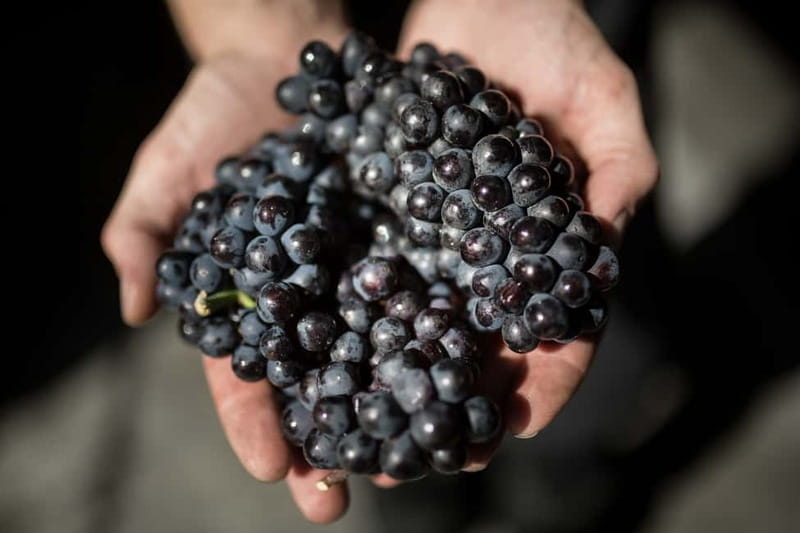
Champagne Dom Caudron traces its roots to Aimé Caudron, a priest from Passy-Grigny who brought the village’s winegrowers together in 1929. The story is linked to the Meunier grape, one of the three main grape varieties used in Champagne. The tour uses that local background to explain why this producer matters to the village.
You should not expect a grand palace or a famous-name brand experience. The appeal is more direct. You visit a Champagne house connected to the people and production of the Marne Valley, then learn how the drink is made before tasting it.
That distinction matters when you are choosing between several Champagne visits. Large houses often focus on polished presentation, prestigious labels, and famous cellars. Dom Caudron focuses more on the production process and the role of local growers. If you want to understand what happens behind the bottle, this is the better angle.
More champagne houses worth the trip:
- Paris: Moulin Rouge Cabaret Show Ticket with Champagne
★ 4.7 · 16,088 reviews - Paris: Paradis Latin Cabaret Show with Optional Champagne
★ 4.6 · 2,231 reviews - Paris 3-Courses Gourmet Dinner Seine River Cruise with Champagne
★ 4.0 · 1,659 reviews
Starting at Champagne Dom Caudron
The visit begins at Champagne Dom Caudron, at 10 Rue Jean York in Passy-Grigny. Your exact meeting arrangement can depend on the option selected, so check your booking details before setting off. The listed starting and ending point is the Champagne house itself.
The setting is part of the experience. You are not simply walking into a tasting room in a city center. You are heading into the Marne Valley, where the village location helps connect the bottle to the vineyards and growers around it.
Allow time to arrive without rushing. One practical note comes through clearly: public transport is limited, and one visitor specifically advised driving because local public transportation is not available apart from services such as Uber or Bolt. If you are staying in Reims or Épernay, a car makes the visit much easier and also lets you explore the surrounding villages at your own pace.
The house is wheelchair accessible, which is useful information when planning the day. Still, you should confirm the current meeting details and access arrangements if you need specific mobility support.
The 75-minute production tour
The main guided visit lasts about 75 minutes, with the full experience taking roughly 90 minutes once the tasting is included. That is a good length for this subject. You have enough time to understand the process, but the tour does not try to turn a short visit into a full-day technical course.
The tour begins with the story of the original Passy-Grigny winegrowers and Aimé Caudron’s 1929 initiative. This gives the visit a human starting point. Champagne is often presented as a luxury product, but here you first hear about the village and the growers who built the local operation.
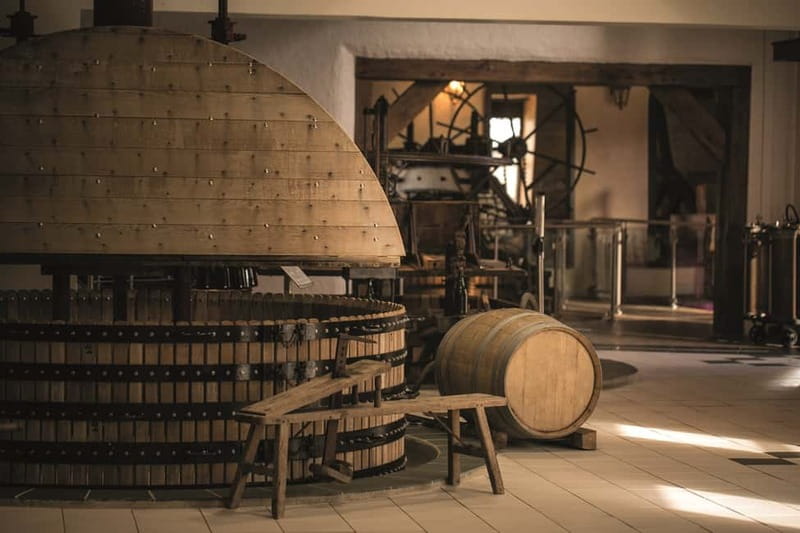
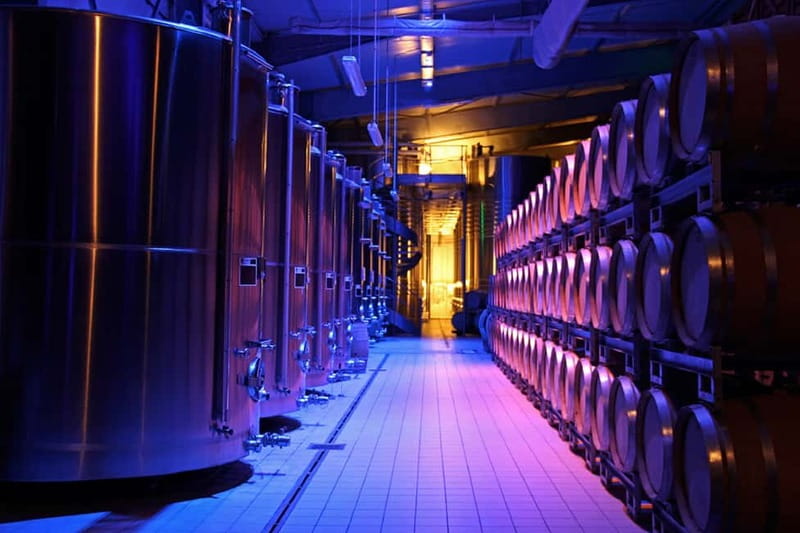
From there, the guide takes you through the production process. You learn about the first press used by the Passy-Grigny winegrower and see how the operation has developed into a modern vat house. That contrast is one of the most useful parts of the tour. It shows that Champagne is both a traditional product and a carefully managed modern one.
You can expect explanations about how the grapes move through production and how the wine is handled before it reaches the bottle. The precise route can vary, but the focus is on the real work behind Champagne rather than on decorative rooms alone.
The guides are a major part of the experience. Clémentine is repeatedly singled out for her friendly manner, and Fanny and Katja are also praised for making the visit personal and easy to follow. You may not have one of those exact guides on your date, but the available feedback points to a strong standard of guiding. The best guides here do more than recite facts. They answer questions, keep the pace moving, and make room for beginners.
That is important if you do not know the difference between pressing, fermentation, blending, and bottling. You do not need prior wine knowledge. The tour is also suitable if you already know Champagne and want to see a smaller producer’s operation.
The film and the museum-style displays
A short documentary or video presentation forms part of the visit. One visitor found it informative but suggested that it could use an update, particularly in how it presents the modern workforce. That is a fair point to keep in mind.
The film is useful because it helps explain the harvest and production stages in a compact way. It may not have the newest production style or the most polished international presentation, but it adds context before or during the facility tour.
You will also see showroom or museum-style displays. These help connect the past to the current operation, and some of the rooms have been described as especially attractive. I would treat them as supporting elements rather than the main reason to book. The strongest part of the visit is the guide’s explanation of how Champagne is produced.
The balance between film, displays, and the working facilities also helps the tour suit mixed groups. One adult can follow the technical side, while another person can enjoy the visual presentation and tasting. Families have found it workable, with juice offered to children instead of Champagne.
A few more wine days around France worth comparing
- Private Montmartre Food Tour with Wine, Cheese & Pastries
★ 5.0 · 1,027 reviews - Le Marais Walking Food Tour with Cheese, Wine & Pastries
★ 4.7 · 339 reviews - Libourne: Winery Tour with Wine and Chocolate Tasting
★ 4.9 · 74 reviews - Bordeaux Afternoon Food Tour : Sweets, Wine and Cheese
★ 5.0 · 38 reviews
Three Champagnes matched with three chocolates
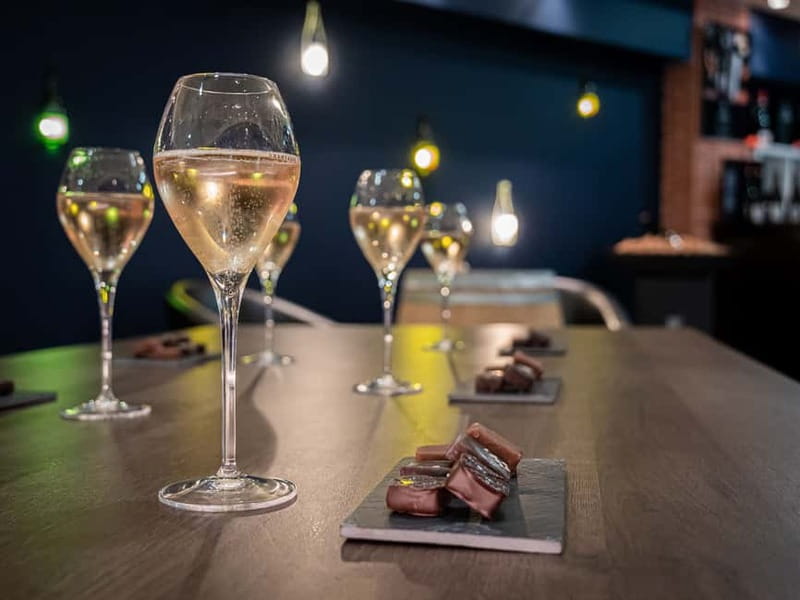
The tasting is the payoff, but it works because it comes after the production explanation. You taste three different Champagnes, each paired with a chocolate. The pairing gives you a simple way to compare flavors and notice how sweetness, acidity, fruit, and texture change when Champagne meets chocolate.
This is not a formal wine course, and the information provided does not specify the exact Champagne styles or chocolate flavors served on each date. Do not book expecting a fixed menu of named cuvées. The selection can change.
What you can expect is a guided tasting rather than a glass handed over without explanation. You will have the chance to try three Champagnes and three chocolates, with the guide helping you understand the combination. Several people found the chocolate quality a real highlight, and the Champagne was frequently praised as well.
I like this format because it gives you a reason to slow down. A standard tasting can become three quick sips. Here, each sample has a partner, so you can compare the Champagne on its own and then with the chocolate. That makes the final part more memorable, even if you are new to wine tasting.
The tasting is also practical for families. Children do not receive Champagne, but juice can be offered instead. That means adults can enjoy the full tasting without making the experience awkward for younger members of the group.
One special touch has appeared during a family visit: a guide demonstrated opening a bottle with a sabre for two young boys. This should not be treated as a guaranteed part of every tour, but it shows the sort of personal, informal moment that can happen during the visit.
Is $32 a fair price?
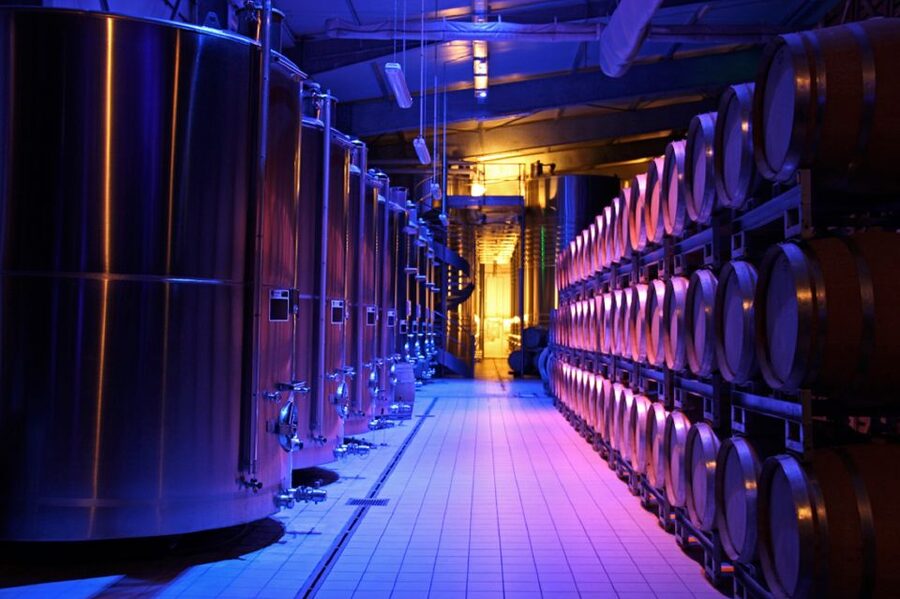
At $32 per person, this is a strong value for a 90-minute Champagne experience. The price includes the guided tour, the Champagne tasting, and the chocolate tasting. You are paying for an organized visit with a live English or French guide, not just for three small glasses.
The value becomes clearer when you compare the experience with a major Champagne brand visit. A famous house may offer grander rooms and a more carefully staged presentation, but it can also cost more and feel less connected to the surrounding village. Dom Caudron gives you a direct look at a smaller operation and adds a food pairing that many standard tours do not include.
There are limits. The visit is fairly short, and one person felt it needed more time and more information. If you want a long cellar walk, extensive technical detail, or a broad range of bottles, you may find the 75-minute tour brief.
For most people, that shorter format is actually useful. You can fit it into a morning or afternoon without giving up the rest of your day. It also makes the tour a good addition to a larger Champagne itinerary rather than a replacement for every other winery visit.
How it compares with a Reims or Épernay visit
This experience works best as a change of pace from the major Champagne centers. It takes you away from the city and into Passy-Grigny, where the visit feels more local and production-focused.
If you want grand architecture, famous labels, or a polished brand story, choose one of the large houses in Reims or Épernay. If you want to understand the machinery, the pressing, the vats, and the growers behind the bottle, Dom Caudron is a better match.
The tour also gives you a reason to explore the Marne Valley beyond the main city stops. One visitor described it as a welcome departure from Reims and Épernay, while another recommended renting a car and seeing the surrounding villages. That advice makes sense. The attraction here is not only the tasting room. It is the combination of a rural setting, local production, and a small-house visit.
Do not expect the experience to cover every aspect of Champagne culture. One useful distinction is that it focuses more on production than on a broad historical story. If that is what you want, this visit should fit well. If you mainly want famous names and long historical narratives, choose accordingly.
Who will enjoy this tour most?
I would recommend it to first-time Champagne visitors who want a clear explanation of how the drink is made. The guide-led structure keeps the visit approachable, and the tasting gives you an easy way to connect the lesson with what is in your glass.
It also suits couples and friends looking for a short activity with a distinctive food pairing. Champagne and chocolate are familiar pleasures, but trying them together gives the visit a clear identity.
Families can consider it too. The tour is not designed only for adults, and juice may be offered to children. The production story, displays, and occasional demonstrations can hold the attention of older children and teenagers, while younger children may prefer the tasting portion.
You may want something else if you dislike organized tours, need a long technical visit, or cannot arrange transportation to Passy-Grigny. The location is the one serious planning issue. The experience itself is easy to fit into a day, but reaching it requires more thought than a central Reims attraction.
Practical details for planning your visit
The experience is offered in English or French with a live guide. English speakers should have no trouble following the main visit, based on the strong feedback about the English-speaking guides.
The total duration is about 90 minutes, with roughly 75 minutes for the tour. Starting times vary, so check availability for your date. The meeting point may vary with the option you choose, even though Champagne Dom Caudron at 10 Rue Jean York is the listed location.
You can cancel up to 24 hours before the activity for a full refund, and a reserve-now, pay-later option is available. Those policies help if your Champagne plans are still shifting.
The tour is wheelchair accessible. If you have specific access needs, contact the provider before arrival so the current route and meeting details are clear.
Should you book Champagne Dom Caudron?
Book this tour if you want a good-value, production-focused visit with a memorable tasting at the end. The combination of three Champagnes and three chocolates is unusual enough to set it apart, and the village setting gives you a different view of the Champagne region.
I would especially choose it if you have a car and are already exploring the Marne Valley. The visit offers useful context, friendly guiding, and enough tasting time without taking over your whole day.
Skip it if transportation to Passy-Grigny is likely to become a headache, or if your priority is a grand, famous Champagne house. For everyone else, $32 buys a thoughtful introduction to local production, with a sweet finish and plenty of practical value.
FAQ
Where does the Champagne and chocolate tour take place?
The experience takes place at Champagne Dom Caudron in Passy-Grigny, at 10 Rue Jean York.
How long does the experience last?
The full experience lasts about 90 minutes. The guided tour itself lasts approximately 75 minutes.
What languages are available?
The live tour is offered in English or French.
How many Champagnes do I taste?
You taste three different Champagnes during the experience.
How many chocolates are included?
The tasting includes three chocolates paired with the three Champagnes.
Is the tour suitable for children?
Children can attend, and juice may be offered to a child instead of Champagne.
Is the experience wheelchair accessible?
Yes, the activity is listed as wheelchair accessible.
How do I reach Passy-Grigny?
The practical information indicates that public transportation is not available, apart from options such as Uber or Bolt. Driving is the most straightforward choice.
Does the tour explain how Champagne is made?
Yes. The visit covers the Champagne-making process, from the first press used by the Passy-Grigny winegrower to the modern vat house.
Can I cancel for a full refund?
Yes. You can cancel up to 24 hours in advance for a full refund.
More Food & Drink in France
- Authentic Parisian Gourmet Food Tour with 10 Local Dishes & Wines
★ 5.0 · 4,754 reviews - Bordeaux: Cité du Vin Entry Ticket and Wine Tasting
★ 4.6 · 3,885 reviews - Montmartre Hill French Gourmet Food and Wine Tasting Walking Tour
★ 5.0 · 2,588 reviews - From Paris: Loire Valley Castles Day Trip With Wine Tasting
★ 4.6 · 1,727 reviews
Just added around France
- Bordeaux Wines Masterclass paired with cheeses & charcuterie★ 5.0 · 110 reviews
- Bordeaux Médoc Region Private Wine Lovers Tour with Chateau Visits & Tastings★ 5.0 · 40 reviews
- Bordeaux Food and Wine Tour : Authentic Artisanal Flavors★ 5.0 · 62 reviews
- Saint-Emilion Winery Morning Tour with Local Guide★ 5.0 · 67 reviews
- Médoc luxury wine tour aboard a Citroën DS Limousine Convertible★ 5.0 · 41 reviews
- Saint Emilion Morning Wine Tour – Winery & Tastings from Bordeaux★ 5.0 · 186 reviews
- Introduction to Bordeaux wines paired with cheeses & charcuterie★ 5.0 · 175 reviews
- Free Walking Bordeaux Tour ENG + 1 glass of wine (Tip based)★ 5.0 · 90 reviews
Wine Tours in France, compared.
Authentic Parisian Gourmet Food Tour with 10 Local Dishes & Wines
Read our review →
Loire Valley Castles Day Trip from Paris with Complementary Wine
Read our review →
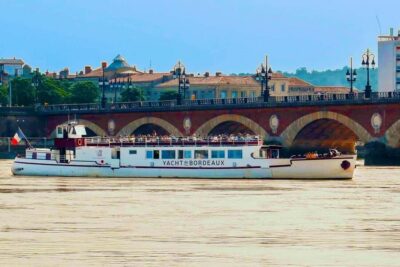
River Garonne Cruise with Glass of Wine and Canelé
Read our review →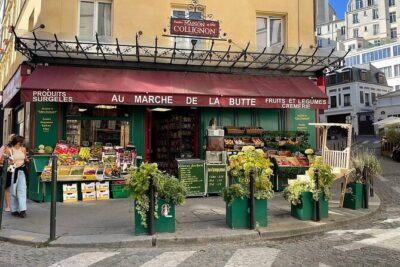
Montmartre Hill French Gourmet Food and Wine Tasting Walking Tour
Read our review →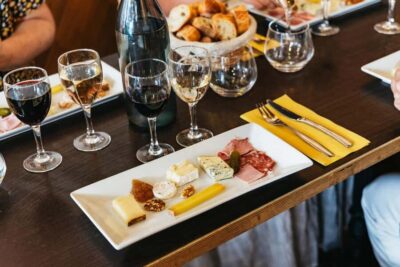
Montmartre Cheese, Wine & Pastry Guided Walking Tour
Read our review →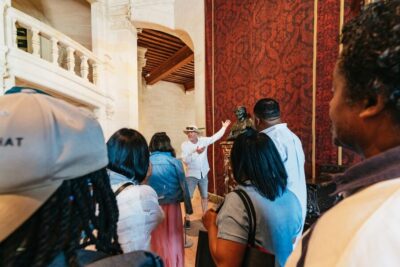
Loire Valley Castles Day Trip With Wine Tasting
Read our review →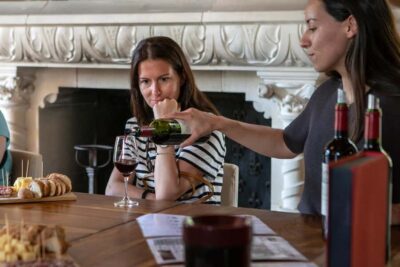
Afternoon Saint-Emilion Wine Tasting & snack
Read our review →Browse the lists this tour appears in