
REVIEW · LISBON
Lisbon: Guided Port Wine Tasting Apéritif/Digestif
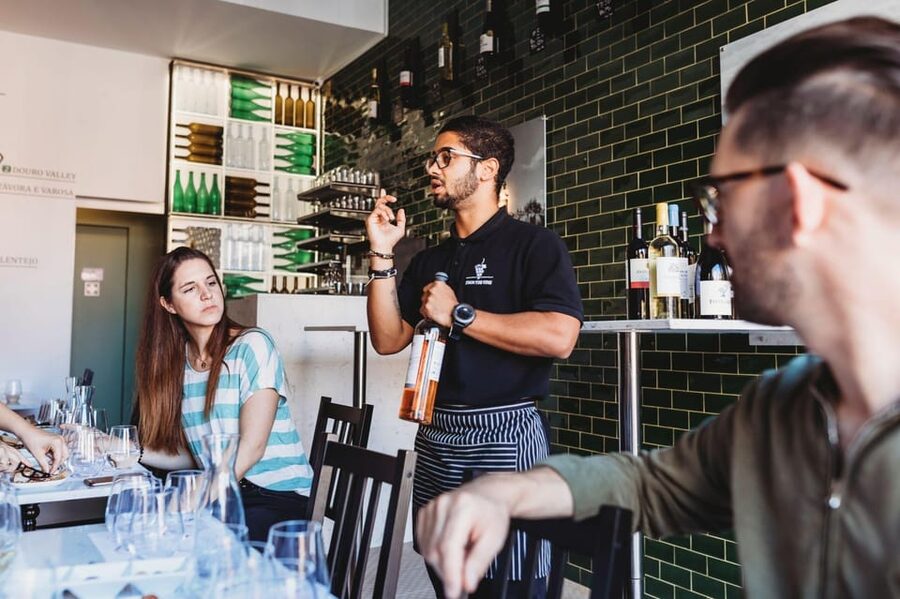
Lisbon’s Port tasting gives you six different ways to understand Portugal’s famous fortified wine in just one hour. You move from bright ruby and crisp white Port to older, more complex styles, with a guide explaining what changes from glass to glass. Caio is often the host, though guides can also include Jorge, Kyle, or another English or Portuguese-speaking wine expert.
I like the generous lineup and the small-group format. Six pours for $28 is strong value, especially with sweet and savory snacks included. I also like that the session welcomes people who do not already drink Port. The main drawback is atmosphere: one participant found the room less traditional than hoped, with English pop music instead of Portuguese music, and another tasting ended after about 45 minutes rather than the full hour.
Key points at a glance
- Six distinct Ports: Taste red tawny, red ruby, white, rosé, reserve, and 10-year-old Port in one sitting.
- A practical introduction: Your guide explains production, Port’s background, and how to taste each style.
- Small group setting: The experience is limited to 10 people, and may feel almost private if attendance is light.
- Good value at $28: Six samples plus sweet and savory pairings make this more substantial than a token tasting.
- Friendly, flexible guidance: Guides such as Caio and Jorge are praised for clear explanations and easy conversation.
- Central Lisbon stop: You meet at From The Vine: Port & Wine Tasting Bar, with no transport included.
Six glasses that show what Port can do
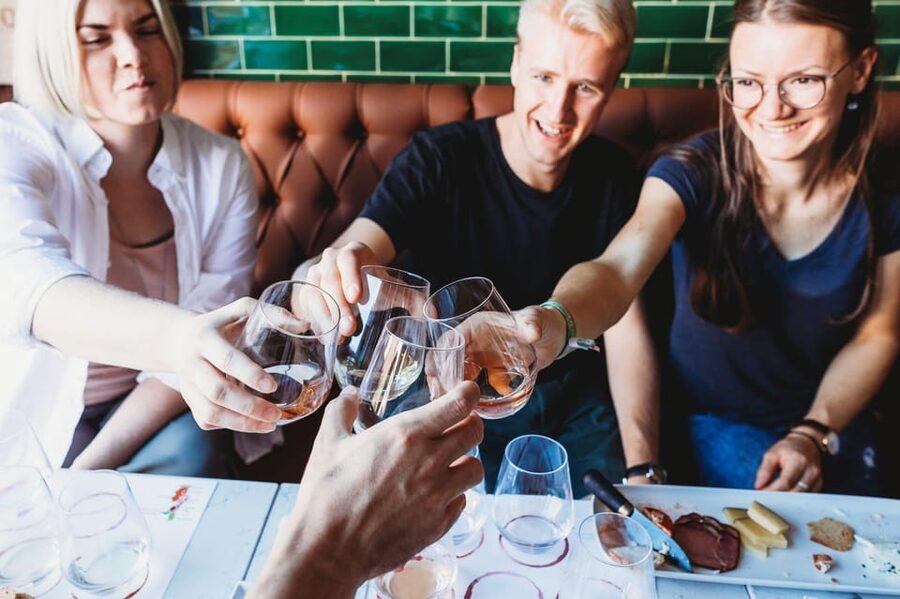
The clever part of this tasting is its range. Instead of pouring six versions of nearly the same drink, the session moves through several Port styles with noticeably different colors, aromas, textures, and levels of sweetness.
You begin with a red tawny Port, described as smooth and mellow. Tawny Port is a useful first comparison because it shows a softer side of red Port. It is less about bright fruit and more about a rounded, gentle feel.
The red ruby Port shifts the focus toward freshness, color, and fruit. It is bright and lively beside the tawny style. Tasting these two early in the session helps you notice how aging affects the wine rather than simply accepting the guide’s descriptions.
Next comes white Port, which offers a crisp and refreshing break from the red wines. This is especially useful if you assume Port is always dark, sweet, and heavy. The white style broadens the picture and gives your palate a change of pace.
The rosé Port is another surprise for many first-time tasters. It is light and floral, and several people particularly enjoyed discovering this less familiar style. If you normally avoid fortified wine, this may be the glass that feels most approachable.
The reserve Port brings more weight and age to the lineup. It is described as robust and aged, making it a good bridge between the younger styles and the final pour.
You finish with a 10-year-old Port, the most complex and rich-tasting glass in the set. This final sample gives the session a clear finish and lets you compare a mature Port with the simpler, fruitier pours from earlier.
I appreciate this order because it turns the tasting into a lesson in contrast. You do not need a trained palate. You only need to pause between glasses and notice what changes.
More Wine Tours in Lisbon
- Winner 2025 Undiscovered Lisbon Food & Wine Tour by Eating Europe
★ 5.0 · 6,390 reviews - Lisbon: Live Fado Show with Port Wine at Lisboa em Fado
★ 4.7 · 5,097 reviews - Lisbon: Food and Wine Small Group Walking Tour
★ 4.9 · 4,082 reviews
What the one-hour tasting is really like
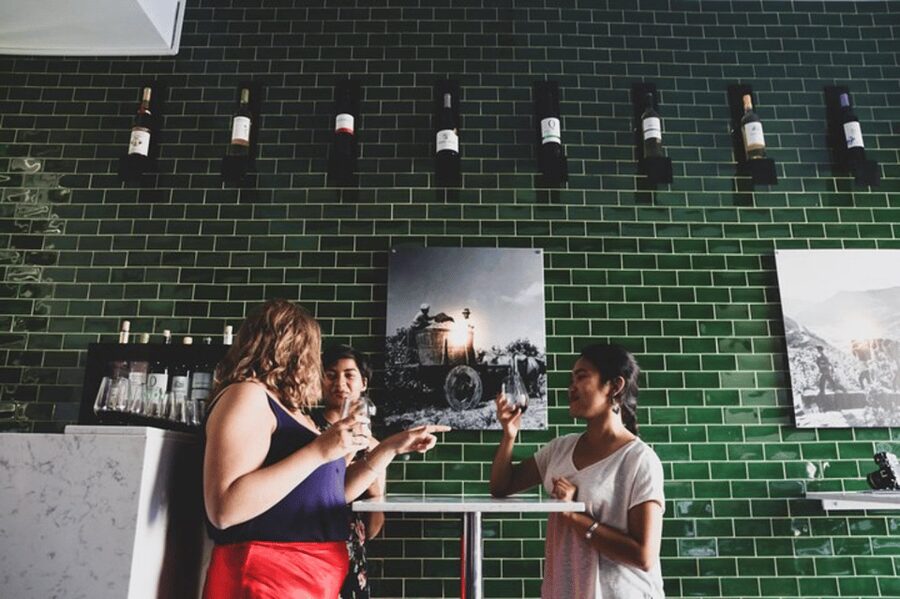
The session takes place at From The Vine: Port & Wine Tasting Bar in Lisbon. You arrive on your own, meet the guide, and settle in for a guided tasting rather than a meal or a winery visit.
The guide leads you through all six Ports and explains how each is made, where it fits in the Port family, and how to approach the glass. The tasting is not just a series of pours placed in front of you. You are shown how to smell, taste, and compare each one.
That makes the experience useful for a first Port tasting. You can ask why one glass feels fruity while another tastes smoother, or why an older Port seems more layered. The guides are praised for answering questions without making the session feel like a lecture.
Caio receives especially strong praise for combining wine facts with stories about Port’s origins, geography, and production. Jorge is also described as informative and entertaining. Other sessions have been hosted by Kyle and by guides whose names were not recorded, so the exact host may vary.
The advertised duration is one hour, though you should allow for the possibility of a shorter session. One small private tasting finished in roughly 45 minutes. That does not necessarily mean the experience felt rushed, but it is worth knowing if you are building a tight afternoon schedule.
Why the small group matters
The group is capped at 10 people. That number is small enough for questions and conversation, but large enough to give the tasting a social feel.
In a full group, you can expect a shared experience around the table rather than a one-to-one wine lesson. If attendance is light, the format can feel almost private. One couple found themselves alone at the tasting and appreciated being able to ask many questions and take the session at their own pace.
I see this as a good middle ground. You receive personal attention without paying for a private tour. It is also a better setup for people who are shy about wine tasting. You can listen to the guide and compare notes without having to perform as a wine expert.
The group size may also make the snack pairing more useful. Sweet and savory bites are included, giving you something to eat alongside the Port. These are pairings rather than a full meal, so do not book this as lunch or dinner.
Learning how Port is made
The educational part is simple and practical. You learn about the wine-making process, the background of Port, and the reasons different styles taste different.
The guide uses the six glasses to explain those differences as you taste. That approach works better than receiving a long history talk before the first pour. You have a direct example in front of you each time a production or aging point comes up.
The session also gives you a basic vocabulary for ordering Port later. You can decide if you prefer the fruity character of ruby, the softer feel of tawny, the lighter profile of rosé, or the fuller character of an older Port.
I would not expect a technical course in Portuguese wine production. The hour is designed as an accessible introduction, with enough detail to make the tasting meaningful. People who already know Port may find the basic explanations familiar, but the six-style lineup still provides a useful comparison.
Several people who did not normally drink Port found the guide made the tasting easy to join. That matters. A good wine session should help you understand your own preferences, not pressure you to like every glass.
More port lodges and tastings:
- Lisbon: Live Fado Show in Historic Alfama with Port Wine
★ 4.8 · 572 reviews - Lisbon: Premium Port Wine Tasting & Tapas
★ 5.0 · 54 reviews - Porto: Live Fado Show with Glass of Port Wine
★ 4.8 · 6,498 reviews - Porto: Bridges Cruise & Sunset & Port Wine Cellar Option
★ 4.2 · 4,180 reviews
The snacks and the pace
Sweet and savory snacks are included with the tasting. Their role is to balance the wine and give you a small bite between pours.
The snacks do not turn this into a full food tour. If you need a proper meal, eat before or after. Still, their inclusion improves the value of the $28 price and gives the session a more complete feel than six bare samples.
The pace is generally relaxed. You taste, listen, ask questions, and compare the Ports. The format suits an afternoon break, especially if you want something quieter than a crowded sightseeing stop.
I would schedule it when you are not rushing to another reservation. The listed duration is one hour, but meeting the guide, settling in, and walking onward all take a little extra time. The venue can also be difficult for a taxi driver to locate, so keep the exact meeting point handy: From The Vine: Port & Wine Tasting Bar.
Atmosphere at From The Vine
The tasting room is described as intimate and inviting, though the atmosphere may not feel strongly traditional. One person hoped for Portuguese music and instead heard English pop songs.
That detail will matter more to some people than others. If you want a polished cultural setting with traditional music and a strong sense of place, this may feel modest. If you care more about the wine, the guide, and the chance to ask questions, the room is likely to do its job.
I would think of From The Vine as a tasting bar in Lisbon rather than a vineyard cellar. You are not being transported to the Douro Valley, and no transportation is provided. The reward is convenience: you can study Port in the city without giving up half a day for a winery excursion.
The central Lisbon setting also makes this easy to pair with other plans. Just remember that the meeting point is the responsibility of the person booking, and some taxi drivers have had trouble finding it.
Is six Port wines too much?
Six pours may sound like a lot for one hour, but the point is comparison rather than quantity. Each style gives you a small taste, and the guide controls the pace.
Port is fortified and often sweet, so six samples can feel substantial even when the pours are modest. Use the snacks, take your time, and do not feel obliged to finish every glass. The supplied information does not specify pour sizes, so I would not assume you are receiving full glasses.
The order also helps. The tasting begins with lighter and more familiar contrasts before moving toward reserve and 10-year-old Port. The final older Port gives the session a natural ending rather than leaving you with six disconnected samples.
This is an adult-only activity. Everyone must be at least 18, and it is not suitable for children or pregnant women. Smoking is not allowed.
The value of $28 per person
At $28, the price is fair to good for Lisbon. You receive six Port styles, a guided explanation, and sweet and savory snacks. The small group limit adds value because you are not simply standing at a bar while someone names the wines.
The value is strongest if you are new to Port. Buying six different bottles or ordering six separate Port pours elsewhere would quickly cost more, and you would not necessarily receive the same clear side-by-side explanation.
The value is a little less obvious if you already know the main Port styles and want a longer technical session. The tasting lasts about an hour, and one session ended after 45 minutes. Still, the variety of the lineup gives experienced drinkers a reason to attend, especially if rosé Port or white Port is new to them.
Free cancellation is available up to 24 hours before the activity for a full refund. You can also reserve and pay later, which is useful when your Lisbon schedule is still changing.
Who will enjoy this Port tasting most
I would recommend it to first-time Port drinkers, couples, and small groups who want a focused activity without committing to a full-day wine trip.
It is also a good choice for people who usually say they do not like fortified wine. The white and rosé pours provide lighter alternatives, while the ruby and tawny styles show two classic red directions.
Wine lovers who already understand Port may enjoy the breadth of the tasting, but should keep expectations realistic. This is an introductory city tasting, not an advanced seminar or a trip through the Douro Valley.
The activity is wheelchair accessible, and the guide speaks English or Portuguese. You do not need to arrange transport, but you do need to reach the bar independently.
How to get the most from your hour
I would arrive with a little breathing room, especially because the meeting place has been hard for at least one taxi driver to find. Use the full name of the venue when arranging a ride and keep the address or booking details available.
Go in curious rather than determined to identify the best wine. First impressions can change once you taste each style beside the others. The Port you expect to like may not be the one that wins you over.
Pay attention to the differences between the red tawny and red ruby first. Then compare the white and rosé styles with the red wines. At the end, ask yourself if the 10-year-old Port tastes better to you, or simply more complex.
If you find a favorite, ask for another small taste if the guide offers it. One participant received an extra sample of the style they preferred, though this should be treated as a kind possibility rather than a promised part of the activity.
Should you book it?
I would book this Port tasting if you want a compact, good-value introduction to Portuguese wine in Lisbon. Six styles, snacks, and a guide who can explain the differences make it more useful than a quick bar pour.
Book it especially if you are curious about white or rosé Port, or if you normally avoid Port and want a friendly way to test the waters. The small group and easy conversation are major strengths.
I would hesitate only if you want Portuguese music, a historic cellar atmosphere, a full meal, or a longer wine lesson. In that case, the modest tasting-bar setting and possible 45-minute finish may disappoint. For most people seeking a focused hour of tasting and clear explanations, though, $28 is a sensible Lisbon splurge.
FAQ
Where does the Port tasting take place?
The meeting point is From The Vine: Port & Wine Tasting Bar in Lisbon.
How long does the activity last?
The stated duration is one hour. One session finished after about 45 minutes, so allow some flexibility in your schedule.
How many Port wines do I taste?
You taste six distinct Ports: red tawny, red ruby, white, rosé, reserve, and 10-year-old Port.
Are snacks included?
Yes. Sweet and savory snacks are included with the guided tasting.
Is a full meal included?
No. Meals are not included, so arrange separate food if you need lunch or dinner.
What languages does the guide speak?
The live guide speaks English or Portuguese.
How large is the group?
The activity is limited to 10 participants. If bookings are light, the tasting may feel almost private.
Is the tasting wheelchair accessible?
Yes. The activity is listed as wheelchair accessible.
Who can participate?
Participants must be at least 18 years old. The activity is not suitable for children under 18 or pregnant women, and smoking is not allowed.
More Food & Drink in Lisbon
- Lisbon Small-Group Portuguese Food and Wine Tour
★ 5.0 · 3,972 reviews - Lisbon Food Tour with 10+ Tastings of Local Delicacies & Wines
★ 5.0 · 1,339 reviews - Award-Winning Original Lisbon Food Wine Tour: 19 Curated Tastings
★ 5.0 · 1,288 reviews - Private Lisbon Arrabida Wine Tour: Food & Wines, Mountain and Sea
★ 5.0 · 907 reviews
More Wine Tastings in Lisbon
- Private Wine Tasting in the Setúbal Wine Region, from Lisbon
★ 5.0 · 611 reviews - Arrabida and Sesimbra Small-Group Day Trip from Lisbon with Wine Tasting
★ 5.0 · 494 reviews - Lisbon: 1-Hour Portuguese Wine Tasting Session
★ 4.6 · 368 reviews - From Lisbon: Évora and Monsaraz with Regional Wine Tasting
★ 4.7 · 345 reviews
Just added around Lisbon
- Sintra: Full-Day Tour from Lisbon with Wine Tasting★ 4.8 · 58 reviews
- Arrabida Wine Tour – Lisbon: Wineries-Tastings-Tile Factory★ 4.9 · 179 reviews
- Lisbon Sunset Sailing – Small Group (max 10) Wine & History★ 4.8 · 41 reviews
- Lisbon: Sunset Sailing Boat Cruise with Wine★ 5.0 · 75 reviews
- Lisbon: Sintra, Pena Palace & Wine Tasting Small-Group Tour★ 4.9 · 156 reviews
- Lisbon: Premium Port Wine Tasting & Tapas★ 5.0 · 54 reviews
- Lisbon: Sunset Sailing with Portuguese Wine and History★ 5.0 · 270 reviews
- Lisbon Small-Group Food & Wine Tour Eat & Drink like a Local★ 4.9 · 77 reviews
Wine Tours in Lisbon, compared.
Winner 2025 Undiscovered Lisbon Food & Wine Tour by Eating Europe
Read our review →
Live Fado Show with Port Wine at Lisboa em Fado
Read our review →
Lisbon Small-Group Portuguese Food and Wine Tour
Read our review →


2-Hour Lisbon Traditional Boats Sunset Cruise with White Wine
Read our review →
Browse the lists this tour appears in