
REVIEW · LISBON
Lisbon Food Tour with 10+ Tastings of Local Delicacies & Wines
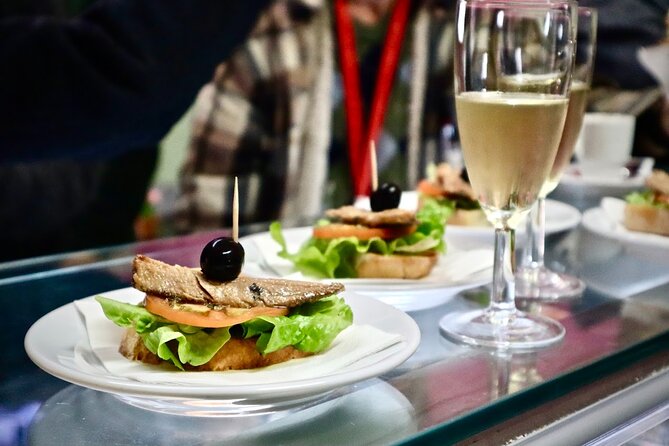
Lisbon’s food story makes the most sense on foot, and this tour ties each bite to the old streets around Mouraria, Baixa, and Alfama. In three hours, you sample cheese, pata negra, sardines, petiscos, bifana, wine, ginjinha, and pastel de nata, with history woven between the stops.
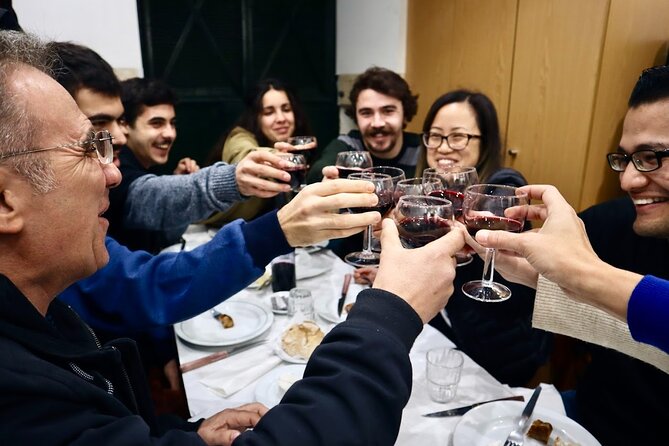
I like the small maximum of 12 people, which gives you a better chance to ask questions and keep up with the guide. I also like that guides such as Marta, Vanda, Claudia, and Marianna are praised for mixing food with practical advice about Lisbon’s hills, elevators, neighborhoods, and restaurants.
The main caution is value. At $97.94 per person, this is not a cheap lunch, and some portions of wine are small unless you arrange the extra drinks package through the operator. The food menu also changes, and the experience includes a fair amount of walking, standing, and waiting at busy stops.
Key points at a glance
- More than 10 tastings: Expect Portuguese cheese, cured meat, fish, pastries, petiscos, wine, and a secret dish, with the exact menu changing by day and availability.
- Two different menus: Monday through Saturday focuses on fresh fish, bifana, cheeses, Port, pastel de nata, and Vinho Verde. Sunday adds bacalhau, tinned fish, chocolate, craft beer, and pastel de Belém.
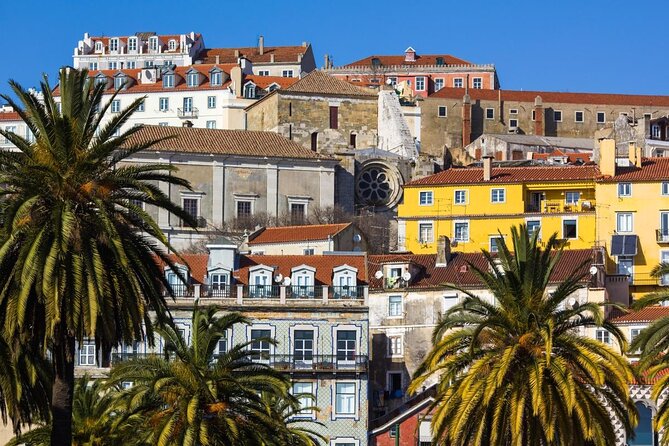
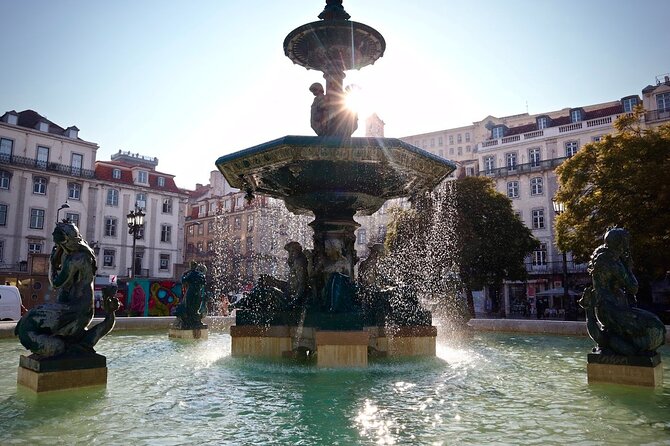
- Historic route: The walk connects Restauradores Square with Baixa, Mouraria, Alfama, São Jorge Castle, Santa Justa Lift, Rossio, and other central sights.
- Small group format: The maximum is 12 people, a useful size for a walking tour through narrow streets and crowded food stops.
- About two miles on foot: You will handle hills, cobblestones, and standing, although an elevator helps reduce the uphill work.
- Useful first-day activity: The guides often share restaurant and sightseeing suggestions that can help shape the rest of your Lisbon visit.
What the three-hour Lisbon food tour feels like
You meet your guide and group at Restauradores Square, then set off into central Lisbon. The tour returns to the same square, so you are not left trying to find your way across the city at the end.
The format is simple: walk, stop, taste, listen, and walk again. You visit several bars, shops, and restaurants favored for Portuguese food, rather than sitting down for one long meal. That makes the tour feel more like a guided introduction to Lisbon’s eating habits than a standard restaurant dinner.
The small group matters here. Lisbon’s older districts have narrow sidewalks, steep sections, and plenty of distractions. A group capped at 12 is easier to manage than a large coach-sized crowd, and you should have a better chance to hear the guide’s explanations.
The pace is generally easy, but it is not a static tasting. Allow for roughly two miles of walking, some hills, cobblestones, and time on your feet. Comfortable shoes are a must. If you have trouble with long periods of standing, ask about this before booking.
More Wine Tours in Lisbon
- Winner 2025 Undiscovered Lisbon Food & Wine Tour by Eating Europe
★ 5.0 · 6,390 reviews - Lisbon: Live Fado Show with Port Wine at Lisboa em Fado
★ 4.7 · 5,097 reviews - Lisbon: Food and Wine Small Group Walking Tour
★ 4.9 · 4,082 reviews
From Restauradores Square into Lisbon’s old center
Restauradores Square is a practical starting point. It sits in the center of Lisbon and connects naturally with Rossio, Baixa, and the streets leading toward the older hills.
From here, the walk brings you through parts of the city shaped by different periods of Lisbon’s past. You may pass landmarks rather than enter them, so think of the route as a food walk with sightseeing rather than a castle or museum tour.
The guide uses the streets as a classroom. You hear about Lisbon’s food customs, local drinks, neighborhoods, and the relationship between the city and Portugal’s wider culinary traditions. Several guides are praised for making the historical pieces lively and useful instead of turning the tour into a long lecture.
Rossio, officially Pedro IV Square, is one of the city’s main central gathering places. Its location makes it a natural link between the low streets of Baixa and the routes toward Alfama. It is also an easy place to return to after the tour if you want to continue shopping, sightseeing, or dining.
Baixa, Santa Justa Lift, and the city’s vertical problem
The Santa Justa Lift is one of the more memorable landmarks along this part of the route. It links the lower streets of Baixa with Largo do Carmo above, solving a problem Lisbon presents all day: the city is built on hills.
The lift also helps explain why the tour can cover historic areas without forcing you into a relentless uphill climb. The route still includes slopes and uneven pavement, but the elevator can make the transition easier.
Do not assume the tour includes a ride on every landmark mentioned along the way. The experience is centered on tasting and walking, and the stops can change according to weather, opening hours, and the availability of food locations. The landmarks add setting and context, but they are not substitutes for a dedicated sightseeing tour.
Baixa is also a good place to notice the contrast between orderly downtown streets and the more irregular lanes leading toward the older districts. I like this part of the route because you get a quick sense of Lisbon’s layout while moving toward the places where the food feels more local and informal.
Mouraria and Alfama between bites
Mouraria is associated with Lisbon’s layered culture and long food traditions. Alfama, climbing between São Jorge Castle and the Tejo River, is the city’s oldest district. Its narrow lanes and steep passages make it one of the most atmospheric sections of the walk.
The tour may include views or passing references to São Jorge Castle, but the castle itself is not listed as an included entry. That distinction matters if you are hoping for a full castle visit. Plan a separate ticket and visit if the fortress is a priority.
The walking sections give your stomach time to catch up. They also let the guide explain why Lisbon’s cooking includes so much fish, salted cod, preserved food, cured meat, pastries, and small shared plates. The historical material is most useful when it stays connected to what you are about to eat.
A former convent in Santa Maria Maior is another listed point along the route. As with the other landmarks, its value here is mainly as part of the neighborhood setting and story. The tour does not promise an extended interior visit.
A few more wine days around Lisbon worth comparing
- Lisbon Small-Group Portuguese Food and Wine Tour
★ 5.0 · 3,972 reviews - Award-Winning Original Lisbon Food Wine Tour: 19 Curated Tastings
★ 5.0 · 1,288 reviews - Private Lisbon Arrabida Wine Tour: Food & Wines, Mountain and Sea
★ 5.0 · 907 reviews - Lisbon Private Food Tour – Taste 10+ Local Dishes & Wines
★ 5.0 · 896 reviews
The weekday tasting menu: cheese, fish, bifana, and pastry
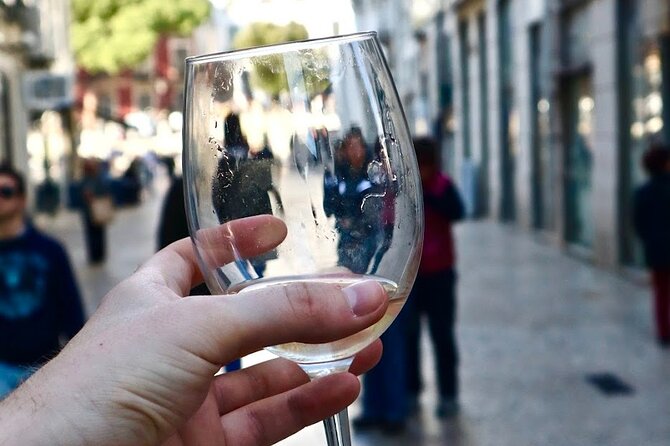
From Monday through Saturday, the food selections are built around familiar Portuguese staples with enough variety to keep the three hours interesting.
You may start with artisan Portuguese cheeses and pata negra, a prized cured meat. This is a good opening because both foods can be sampled in small amounts and give you an immediate sense of Portugal’s preference for salty, concentrated flavors.
Petiscos, the Portuguese answer to small plates, follow in some form. These are not necessarily identical to Spanish tapas, but the idea is similar: small portions meant for sharing, conversation, and trying several dishes rather than filling up on one plate.
Fresh Portuguese fish and sardines are important parts of the route. Sardines can be strongly flavored, so this is not the place for someone who wants only mild food. If you enjoy seafood, though, the tasting helps show why fish is central to Portuguese cooking.
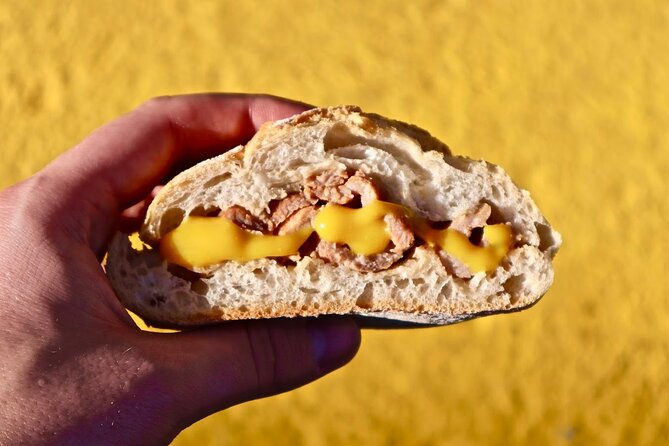
The bifana is another useful stop. It is a classic pork sandwich, and one of the most frequently praised foods from the route. It is simple, filling, and more substantial than a small canapé. The menu also describes a pastry bifana, so the exact preparation may vary.
Pastel de nata provides the sweet finish many people expect from Lisbon. The flaky pastry and custard tart are easy to compare with other versions you try during your stay. One practical tip is to ask the guide how the pastry is best served and what to notice in the custard and caramelized top.
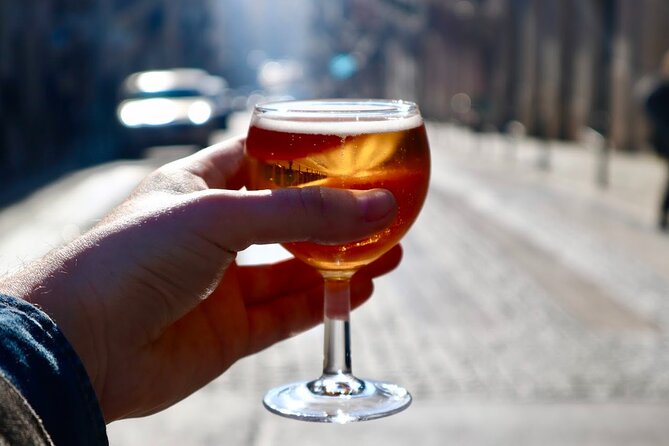
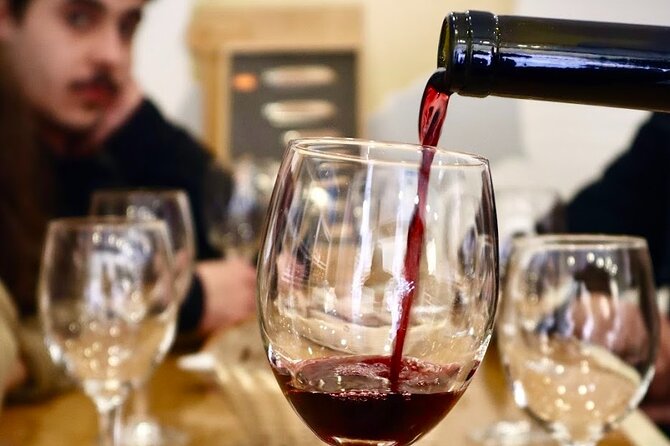
The weekday menu includes Port wine, red and white wine, non-alcoholic alternatives, and refreshing Vinho Verde. The portions may be tasting-size rather than full glasses. If you are hoping for several generous pours, check the drinks options before paying.
Sunday changes the menu, not the basic format
Sunday’s food list is different, so your day of booking affects the experience. Instead of the weekday selection, you may taste gourmet canned fish, crispy pastéis de massa tenra, bacalhau with spinach and potatoes, artisan Portuguese chocolates, and pastel de Belém.
The canned fish is especially interesting. Portugal’s preserved seafood is not merely a backup for the cupboard. Good tins can have careful preparation, strong flavor, and a place in modern Portuguese food culture. If you are curious about local shopping, this stop may give you ideas for edible souvenirs.
Bacalhau, or salted cod, appears with spinach and potatoes on the Sunday menu. It is one of Portugal’s most important ingredients, prepared in countless ways. A small tasting cannot explain every variation, but it gives you a useful starting point before you encounter cod on other restaurant menus.
Pastel de Belém is different in name and tradition from the generic pastel de nata, though both are custard pastries. The tour gives you a chance to try the Sunday version as part of the broader pastry story.
Sunday drinks include craft beer and ginjinha, the sour cherry liqueur associated with Lisbon. The common menu also includes Vinho Verde and a secret dish. Since the operator may adjust the route and menu, treat these as planned tasting categories rather than an absolute promise of every exact item.
Drinks, upgrades, and the value question
The $97.94 price includes food tastings, drinks, a guide, and the walking tour. It does not include hotel pickup or drop-off. For someone who would otherwise pay for lunch, drinks, and a separate orientation walk, the price can make sense.
The value depends heavily on what you want from a food tour. If you prefer many tiny bites at a long string of places, this may feel limited. The route has several stops, but some people find the food less varied than expected and would rather have smaller portions at more restaurants.
The drinks deserve special attention. The standard experience includes wine or other listed beverages, but pours can be modest. An upgraded drinks package is available when booking directly through the operator, while the option may not appear clearly through third-party booking channels.
That can create an awkward mismatch within the same group. Some people may have paid for extra alcoholic drinks while others receive the standard package. If additional wine matters to you, ask before booking and confirm exactly what your price includes.
The food itself is only part of the value. You are also paying for a guide who can connect the dishes to Lisbon’s streets and give practical suggestions for the rest of your visit. Guides such as Vanda and Marta receive especially strong praise for humor, local stories, and the ability to keep teenagers and older family members involved.
The guides make or break the experience
Guide quality is especially important on a food walk. A quiet or poorly organized guide can turn three hours of eating into a series of disconnected stops. A good one keeps the group moving, explains what is on the plate, and knows when to let everyone enjoy the food.
The strongest guide feedback centers on Vanda, Marta, Claudia, and Marianna. Vanda is often singled out for warmth, humor, and practical advice. Marta is praised for linking each dish to Lisbon’s history and keeping a wide age range interested. Claudia receives especially warm comments for her insight into the city.
The guide assigned to you will depend on the date. One less polished experience involved a newer food-tour guide whose English and presentation were still developing. That does not mean the tour is poorly run, but it is a reminder that the personality and experience of the guide can change the feel of the day.
Most important, confirm the meeting time and location carefully. A past scheduling problem involved a changed start time and conflicting meeting points, which caused unnecessary stress. The stated meeting point is Restauradores Square, but if the operator sends an update, compare it with your confirmation and contact them before heading out.
Who should book this Lisbon food walk?
I would choose this tour early in a Lisbon visit. The route gives you a basic map of central neighborhoods, and the food suggestions can help you decide what to order later. The return to Restauradores Square also makes it easy to continue exploring.
It suits first-time visitors who want history with their lunch, couples who like tasting several foods, and families who can manage two miles of walking. The small group is also useful for solo visitors who want company without joining a large crowd.
It is less suitable if you need a fully accessible route, dislike hills, or want a long sit-down meal. The information says most people can participate, but it does not promise a step-free route. Lisbon’s streets can be uneven, and the tour involves standing at food stops.
People with dietary needs should contact the operator in advance. The company says it will try to accommodate requirements, but because the menu and locations can change, you should not wait until the meeting point to explain a serious allergy or restriction.
Free cancellation is available up to 24 hours before the start time for a full refund. Changes or cancellations inside that window are not accepted and are not refunded.
Should you book the Lisbon Food Tour?
Book it if you want a compact introduction to Portuguese food, central Lisbon, and local drinks, all led by a guide who can add useful city advice. The strongest reason to choose it is the combination of small-group walking and tasting, not the promise of a massive meal.
Go in with realistic expectations about portion size, wine pours, and menu changes. If you want more alcohol, confirm the upgrade. If you want a full castle visit, a pastry-only crawl, or a long restaurant lunch, choose a more specialized activity instead.
At 5.0 from 1,339 ratings and a 99 percent recommendation rate, the overall record is strong. Still, the price and changing menu mean this is best for people who value the guide, setting, and variety of food more than sheer quantity.
FAQ
Where does the Lisbon food tour start?
The tour starts at Restauradores Square, Praça dos Restauradores, 1250-001 Lisbon.
Where does the tour end?
The tour ends at Restauradores Square, the same central location where it begins.
How long does the tour last?
The experience lasts approximately three hours.
How many people can join the tour?
The maximum group size is 12 people.
What food is included on the Monday to Saturday tour?
The weekday menu can include petiscos, artisan Portuguese cheeses, fresh Portuguese fish, bifana, pastel de nata, Port wine, and Vinho Verde. A signature secret dish is also included.
What food is included on the Sunday tour?
The Sunday menu can include gourmet canned fish, pastéis de massa tenra, bacalhau with spinach and potatoes, artisan Portuguese chocolates, pastel de Belém, craft beer, and ginjinha.
Are non-alcoholic drinks available?
Yes. Non-alcoholic options are available, although the exact choices can depend on the day and the locations used.
Does the tour include hotel pickup and drop-off?
No. Hotel pickup and drop-off are not included.
How much walking is involved?
The tour involves a fair amount of walking, with about two miles noted for the route. Expect hills, cobblestones, and standing, although an elevator helps make the route easier.
Can dietary requirements be accommodated?
You should contact the operator in advance with your dietary requirements. The menu and food locations can change, so advance notice is important.
Can I cancel for a full refund?
Yes. You can cancel at least 24 hours before the local start time for a full refund. Cancellations or changes made within 24 hours are not refunded.
More Food in Lisbon
- Eat & Walk Through Lisbon: A Local Food & Wine Experience
★ 4.9 · 458 reviews - Private Lisbon Food Tour in Baixa with Wine & Local Delights
★ 4.9 · 418 reviews - Lisbon: Food & Wine Walking Tour Through Baixa
★ 4.9 · 287 reviews - Lisbon Small-Group Food & Wine Tour Eat & Drink like a Local
★ 4.9 · 77 reviews
Just added around Lisbon
- Sintra: Full-Day Tour from Lisbon with Wine Tasting★ 4.8 · 58 reviews
- Arrabida Wine Tour – Lisbon: Wineries-Tastings-Tile Factory★ 4.9 · 179 reviews
- Lisbon Sunset Sailing – Small Group (max 10) Wine & History★ 4.8 · 41 reviews
- Lisbon: Sunset Sailing Boat Cruise with Wine★ 5.0 · 75 reviews
- Lisbon: Sintra, Pena Palace & Wine Tasting Small-Group Tour★ 4.9 · 156 reviews
- Lisbon: Premium Port Wine Tasting & Tapas★ 5.0 · 54 reviews
- Lisbon: Sunset Sailing with Portuguese Wine and History★ 5.0 · 270 reviews
- Lisbon Small-Group Food & Wine Tour Eat & Drink like a Local★ 4.9 · 77 reviews
Wine Tours in Lisbon, compared.
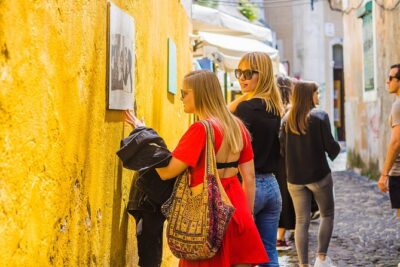
Winner 2025 Undiscovered Lisbon Food & Wine Tour by Eating Europe
Read our review →
Live Fado Show with Port Wine at Lisboa em Fado
Read our review →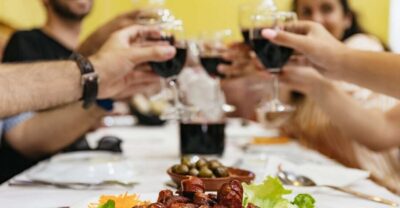
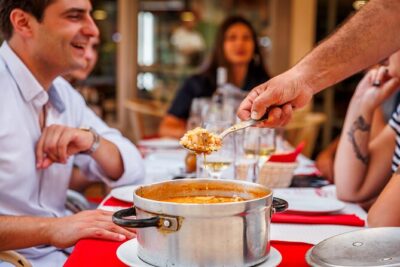
Lisbon Small-Group Portuguese Food and Wine Tour
Read our review →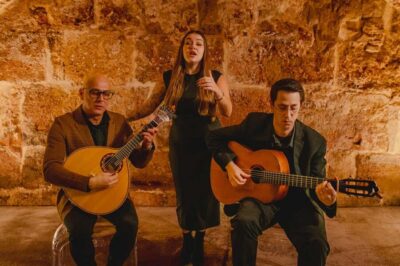


2-Hour Lisbon Traditional Boats Sunset Cruise with White Wine
Read our review →
Browse the lists this tour appears in