
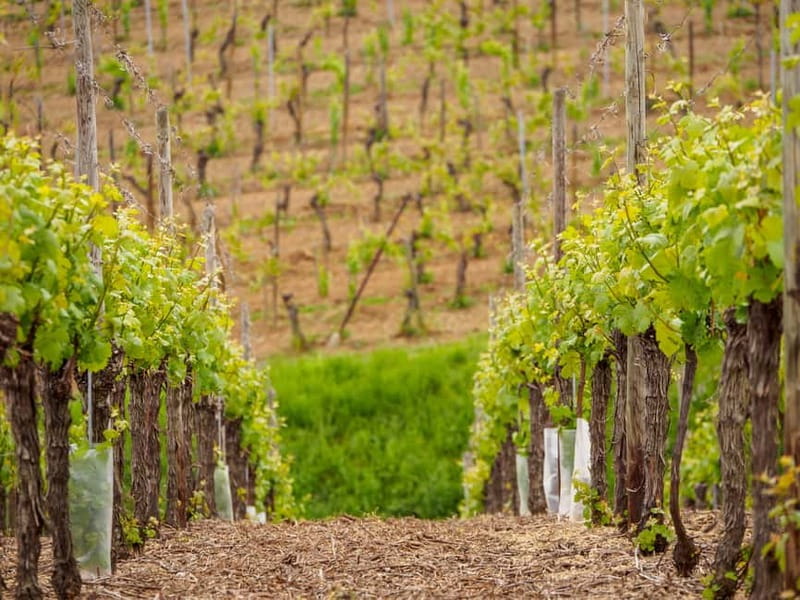
REVIEW · FRANCE
Alsace Half-Day Wine Tour from Strasbourg
Alsace wine is a fine excuse to leave Strasbourg, but the real pleasure here is seeing how quickly the city gives way to villages, vineyards, and small family cellars. You taste at two different wineries, then get a look at the people and methods behind the bottles rather than simply sampling wine in a city shop.
I like the compact four-hour format, especially if Strasbourg is one stop on a busy trip. I also like the tiny group, limited to eight people, and the chance to walk around Obernai before the second tasting. The main trade-off is simple: this is an introduction, not a full day among the vineyards, and the tastings do not include snacks.
Key points
- Two contrasting cellar visits: The stops can range from a traditional family winery to a more unusual or organic producer.
- Obernai adds more than wine: You get about two hours for a tasting and a walk in this attractive wine-route town.
- Seven Alsace wine types explained: The guide helps you sort out the region’s aromatic white wines and different styles.
- A genuinely small group: The minivan carries no more than eight passengers, making questions and conversation easy.
- Strong guide team: Florence, Laurence, Pauline, Jerome, Thierry, and others have been praised for wine expertise, local facts, humor, and safe driving.
- Good for a short Strasbourg stay: The tour uses half a day, leaving time for the cathedral, museums, or dinner in the city.
Why Alsace Makes Such a Good Wine Day Trip
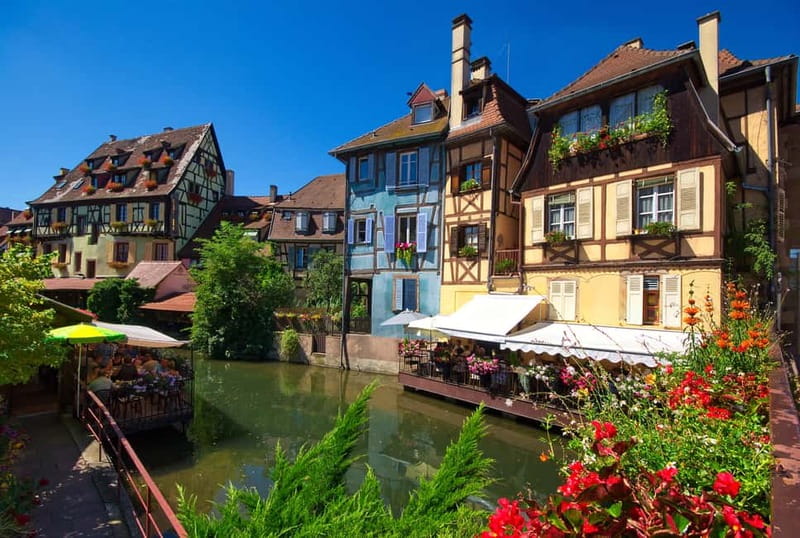
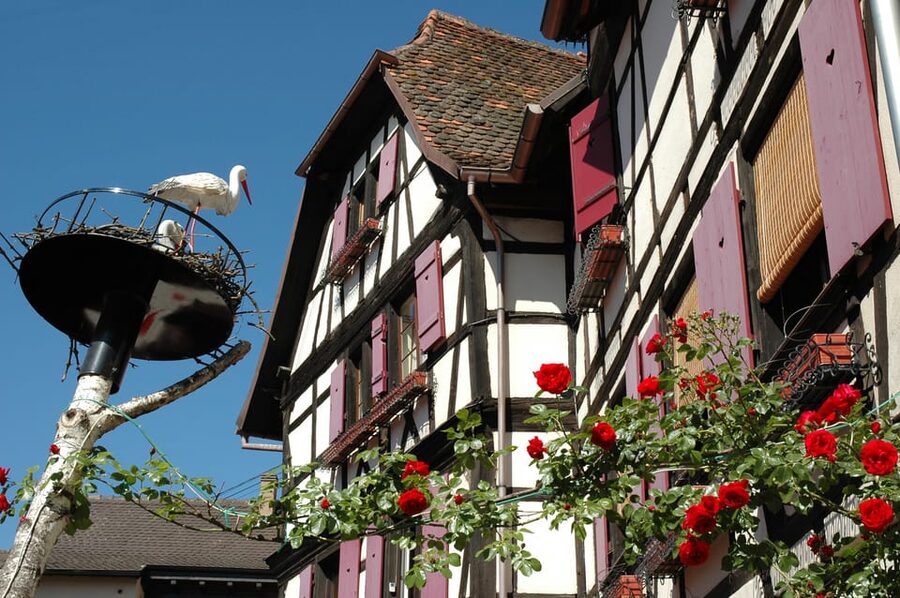
Alsace is one of France’s most distinctive wine regions. It sits close to the German border, and that shared history shows in the villages, architecture, grape names, and wine traditions. The region is especially known for aromatic white wines, shaped by a dry, sunny climate, varied soils, and good exposure on the eastern slopes of the Vosges.
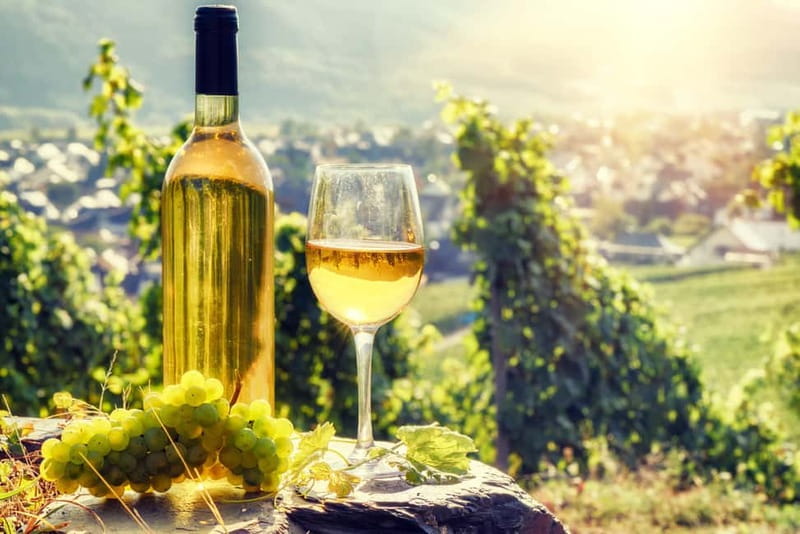
You do not need to be a wine expert to enjoy this outing. The guide explains the seven different types of Alsace wine in plain terms, helping you notice the difference between styles instead of treating every white wine as sweet. Several guides have also made a point of explaining that many Alsace whites are dry.
That lesson matters. If you usually avoid white wine because you expect sweetness, this tour may broaden your choices. If you already know Alsace wines, the value comes more from meeting producers and comparing two cellars than from a basic introduction.
The tour is run by Ophorus and costs $153 per person. That is not a cheap transfer to the countryside, but it includes transport, a driver-guide, and tastings at two wineries. You are paying for access to places that are awkward to reach by public transport, plus the guide’s explanations along the way. The price makes the most sense if you want a structured introduction without renting a car or giving up an entire day.
A few more wine days around France worth comparing
- Saint Emilion Half-Day Trip with Wine Tasting & Winery Visit from Bordeaux
★ 4.5 · 1,034 reviews - From Bordeaux: St. Emilion Village Half-Day Wine Tour
★ 4.7 · 728 reviews - From Bordeaux: Half-Day Saint-Émilion Tour and Wine Tasting
★ 4.7 · 699 reviews
Leaving Strasbourg from Place de la Gare
The meeting point is at 8 Place de la Gare, next to the pharmacy, outside Strasbourg’s main railway station area. That is a practical location if you arrive by train or stay near the center, though you should allow enough time to find the exact spot around the station.
From there, the minivan takes about 30 minutes to reach the Obernai area. The vehicle is described as comfortable and fully equipped, and transport has received a perfect rating from 88 percent of published ratings. That detail is worth noting because the roads between Strasbourg and the wine villages are part of the experience.
The small group size is a real advantage. With eight passengers or fewer, you can ask about a grape, a village, or a bottle without trying to speak over a busload of people. Guides including Florence, Laurence, Pauline, Jerome, and Thierry have been praised for clear English, local knowledge, humor, and careful driving.
The exact guide changes, so do not book expecting one particular person unless the operator confirms it. Still, the repeated praise for different members of the team suggests that the experience does not depend on a single star guide.
Obernai: Your First Taste and a Short Walk
Obernai is the first main stop, reached after roughly half an hour on the road. The schedule allows about two hours here for wine tasting and walking, so this is more than a quick pull-in at a roadside cellar.
The first tasting takes place at one of the selected wineries near Obernai. The setting may be a family-run operation, and the person pouring the wine may be closely involved in making it. That direct contact is one of the best parts of the tour. You are not only tasting a finished product. You are hearing how the winery operates, how the vines are cared for, and how local producers think about their work.
The exact winery can vary. Past visits have included places such as Noelle Bachert and other small family cellars. Some groups have found their first stop more traditional, while the second had a different character. That variety is useful because it keeps the tour from feeling like the same tasting repeated twice.
You may taste several wines at this first stop. The number is not fixed in the tour details, but past groups have sampled at least five or six wines at a cellar, and some tastings have been quite generous. Treat those numbers as a possibility, not a promise. The selection depends on the producer and the day.
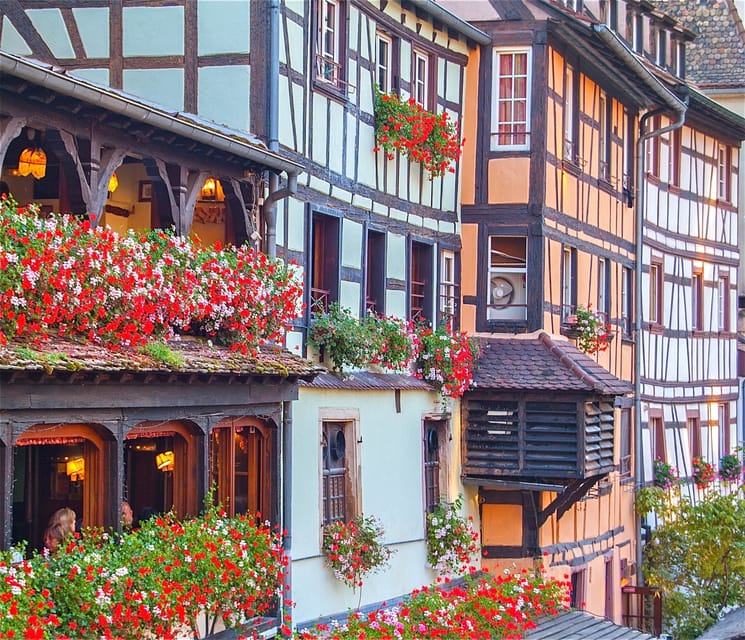
The walk through Obernai gives your palate a break and puts the wine in context. You can see the type of town connected to the vineyards rather than spending the whole morning indoors. The walk is also a chance to take photographs and ask the guide about the surrounding area.
Do not expect a full guided sightseeing visit to every monument in Obernai. The tour is built around wine, and the town visit fits within the tasting schedule. If you want a detailed architectural tour or time for a long lunch, you will need a separate visit.
The Alsace Wine Route Between the Two Tastings
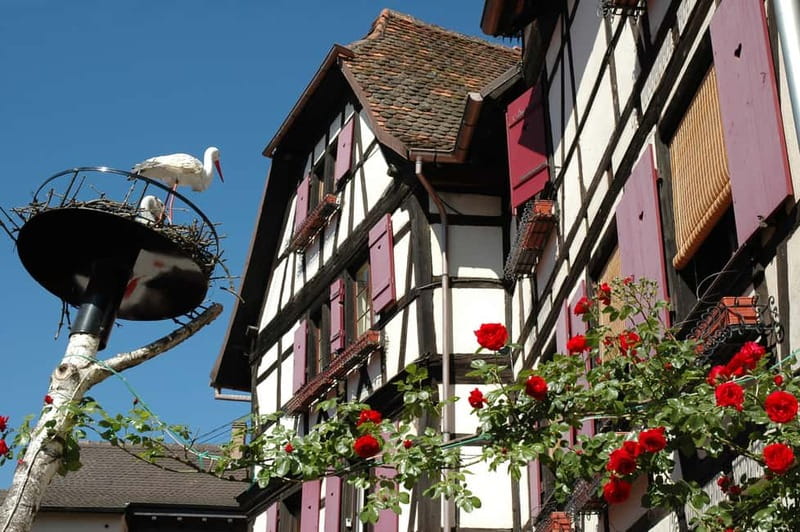
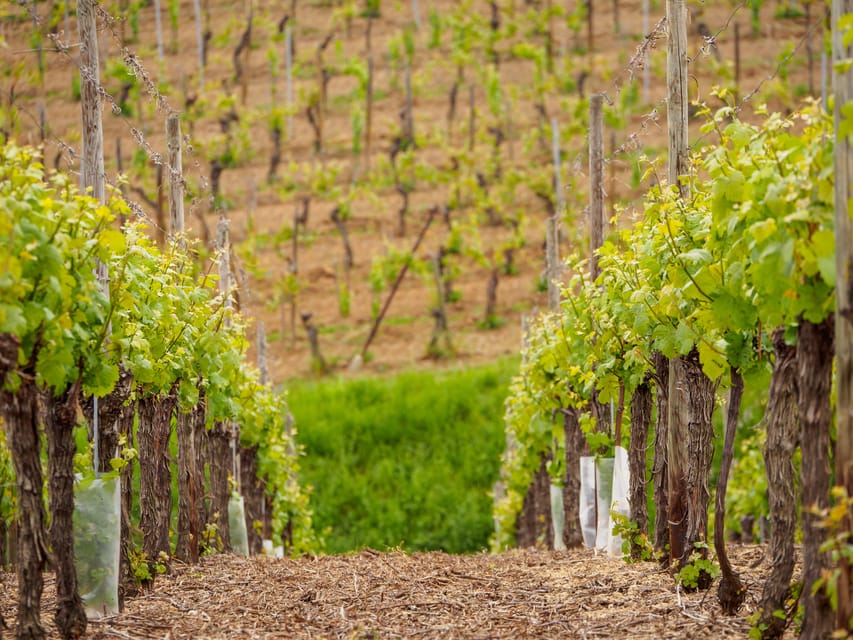
After Obernai, the minivan continues along the Alsace Wine Route. This is where the tour earns its name. You see the countryside from the road, pass through small villages, and get a sense of how closely the vineyards and settlements fit together.
The drive is about 30 minutes before the next wine stop. Guides use this time to explain local history, wine production, village life, and facts about the towns along the way. Florence, for example, has been praised for keeping the drive interesting with facts about the area, even in poor weather. Pauline and Thierry have also been singled out for explaining the region and its wines in a lively way.
The route is scenic, but weather can change the view. Rain does not cancel the basic value of the tour, since the tastings take place indoors, but it can limit photographs and walking. Bring comfortable shoes and a light layer suitable for changing conditions. The official advice also asks you to bring a passport or identity card.
The drive is not a scenic railway or a slow cycling tour. You will see the countryside through the van windows, with some walking at the stops. If your main goal is to hike through vineyards, this is not the right format. If you want a comfortable overview without managing directions, it works well.
Same region, a completely different afternoon:
- Paris: Moulin Rouge Cabaret Show Ticket with Champagne
★ 4.7 · 16,088 reviews - Authentic Parisian Gourmet Food Tour with 10 Local Dishes & Wines
★ 5.0 · 4,754 reviews - Loire Valley Castles Day Trip from Paris with Complementary Wine
★ 4.5 · 3,907 reviews - Bordeaux: Cité du Vin Entry Ticket and Wine Tasting
★ 4.6 · 3,885 reviews
A Second Cellar with a Different Personality
The second tasting takes place in a typical Alsace caveau along the wine route and lasts about 45 minutes. A caveau is a traditional wine-tasting room, often linked to a producer or cellar. This stop may feel different from the first winery, which is exactly what makes the pairing worthwhile.
Past visits have included producers such as Durmann and Vincent Stoeffler, though the route can change. Some groups have met wine makers directly and found the second cellar more personal or unusual than the first. One stop has been described as especially memorable because of the producer’s broad interest in nature and the vineyard environment.
That kind of variation is more valuable than visiting two identical tasting rooms. You can compare how different families present their wines, how they talk about production, and how the same regional identity takes different forms. One cellar may focus on a formal explanation and a structured tasting, while another may feel more relaxed and conversational.
The timing is short, so listen closely and ask questions early. You may taste several wines, but the exact number and selection are not guaranteed. The tour includes wine tastings, not a meal, and snacks are generally not supplied in France because producers want to keep food from affecting the wine’s flavor.
Have breakfast or lunch before you go. This is practical advice, not a minor detail. Wine on an empty stomach can make a pleasant half-day feel much less pleasant, especially when the pours are generous.
What You Learn About Alsace Wine
The guide’s main teaching task is to introduce the seven types of Alsace wine. You will hear how grape variety, soil, exposure, climate, and cellar methods affect the taste. The aim is not to turn you into a sommelier in four hours. It is to give you enough background to understand what is in your glass.
A good guide also helps with a common misunderstanding: Alsace whites are not all sweet. The region produces dry wines as well as more aromatic and sweeter styles. You can ask about this directly during the tasting and compare the answer with what you notice in the glass.
Several guides have a strong wine background. Laurence has been described as a sommelier and wine judge, while other guides bring years of local and regional experience. Their role is especially useful for first-time tasters who may feel awkward describing wine. You do not need special vocabulary. Ask what makes one wine dry, floral, crisp, or full-bodied, and let the guide lead you.
The best questions are simple:
- What makes this wine different from the previous one?
- Is this style usually served with food?
- Is the wine dry or sweet?
- What should I notice in the aroma?
- Can I buy this bottle or ship it home?
The producers may also explain how their family winery operates. This personal element gives the tasting more meaning than a generic sample at a retail counter.
Is $153 Good Value for Four Hours?
At $153 per person, this is a mid-to-high-priced half-day activity. You should not book it if you only want a few inexpensive glasses of wine. A self-guided visit to a nearby wine shop would cost less.
The tour becomes better value when you add up what it handles for you. You get round-trip transport from Strasbourg, an English-speaking driver-guide, a small group, a walk in Obernai, a drive along the wine route, and tastings at two wineries. You also avoid driving after drinking and do not need to work out rural bus connections.
The group limit matters here. A large coach can make a winery visit feel rushed and impersonal. Eight people or fewer gives the guide room to answer questions and lets the group interact. It also increases the chance of speaking directly with the producer.
The tour does not include meals, personal expenses, insurance, or entrance fees to monuments and attractions. In practice, those exclusions are not a problem unless you were expecting a full sightseeing program. Bring money or a card if you want to purchase bottles, and ask about shipping if you are flying home. Some groups have combined purchases from two wineries to reduce shipping costs, but any current shipping arrangements should be confirmed at the cellar.
Who Will Enjoy This Half-Day Tour?
I would choose this tour if you are staying in Strasbourg for only a few days and want to see beyond the city without surrendering a full day. It is also a smart option if you rely on public transport, since the rural wineries are much harder to reach efficiently on your own.
It suits couples, solo visitors, and small groups of adults who enjoy conversation and regional food and drink. You must be at least 18, and children cannot participate. Pets are not allowed, and the tour is not suitable for wheelchair users.
Wine beginners should feel comfortable here. The guide explains the basics, and the small group makes it easier to ask questions. Wine enthusiasts may also enjoy it, especially if the wineries differ from one another and the producer is available to talk.
The tour is less suitable if you want a long lunch, extensive village sightseeing, or a slow day spent walking through vineyards. It is also not ideal if you dislike van travel or prefer to choose every winery yourself. The route and cellar selection are arranged for you.
Practical Details Before You Book
The activity runs for four hours, with departure times depending on availability. It requires at least two adult passengers to operate. The tour is conducted in English only, so you should be comfortable following explanations and asking questions in English.
Cancellation is free up to 24 hours before departure, and you can reserve now and pay later. Those terms help if your Strasbourg plans may change, but check the booking details for the exact starting time.
Wear comfortable shoes. You will walk in Obernai and may move around winery floors or cellar areas. Bring identification, since a passport or ID card is listed among the things to carry.
Most importantly, eat before you go. Since snacks are not normally offered, a proper breakfast or lunch will keep the tasting enjoyable and help you make better judgments about the wines.
My Verdict: Book It for Access and Context
I would book this tour if you want an easy, well-organized introduction to Alsace wine, especially during a short stay in Strasbourg. The combination of Obernai, two different wineries, a small van, and strong English-speaking guides gives you far more context than a tasting in the city.
The tour’s best feature is its human scale. You may meet family wine makers, hear how their cellars work, and taste wines presented by the people who produce them. The guide team, including Florence, Laurence, Pauline, Jerome, and Thierry, has repeatedly been praised for warmth, wine knowledge, local facts, and safe driving.
I would skip it only if you want a full-day wine journey, a meal with the tasting, or complete control over the wineries visited. For most adults who want to see the Alsace countryside without renting a car, four hours is a sensible length and $153 is a reasonable price for the access and transport provided.
FAQ
Where does the Alsace half-day wine tour depart from?
The meeting point is 8 Place de la Gare, next to the pharmacy, at 67000 Strasbourg.
How long does the tour last?
The experience lasts four hours, including transport from Strasbourg, the visits, tastings, and the return journey.
How many wineries do you visit?
You visit two wineries or wine cellars in the Alsace region.
Is the tour conducted in English?
Yes. The tour is operated in English and includes a live English-speaking guide.
How many people are in the group?
The tour is limited to a maximum of eight passengers and requires at least two adult passengers to operate.
Is food included with the wine tastings?
No. Meals, snacks, and drinks are not included. You should eat breakfast or lunch before the tour.
Can children join the tour?
No. This is an adults-only activity, and participants must be at least 18 years old.
What should I bring?
Bring a passport or ID card and comfortable shoes. Pets are not allowed, and the tour is not suitable for wheelchair users.
Just added around France
- Bordeaux Wines Masterclass paired with cheeses & charcuterie★ 5.0 · 110 reviews
- Bordeaux Médoc Region Private Wine Lovers Tour with Chateau Visits & Tastings★ 5.0 · 40 reviews
- Bordeaux Food and Wine Tour : Authentic Artisanal Flavors★ 5.0 · 62 reviews
- Saint-Emilion Winery Morning Tour with Local Guide★ 5.0 · 67 reviews
- Médoc luxury wine tour aboard a Citroën DS Limousine Convertible★ 5.0 · 41 reviews
- Saint Emilion Morning Wine Tour – Winery & Tastings from Bordeaux★ 5.0 · 186 reviews
- Introduction to Bordeaux wines paired with cheeses & charcuterie★ 5.0 · 175 reviews
- Free Walking Bordeaux Tour ENG + 1 glass of wine (Tip based)★ 5.0 · 90 reviews
Wine Tours in France, compared.
Authentic Parisian Gourmet Food Tour with 10 Local Dishes & Wines
Read our review →
Loire Valley Castles Day Trip from Paris with Complementary Wine
Read our review →
River Garonne Cruise with Glass of Wine and Canelé
Read our review →
Montmartre Hill French Gourmet Food and Wine Tasting Walking Tour
Read our review →
Montmartre Cheese, Wine & Pastry Guided Walking Tour
Read our review →
Loire Valley Castles Day Trip With Wine Tasting
Read our review →
Afternoon Saint-Emilion Wine Tasting & snack
Read our review →Browse the lists this tour appears in