
REVIEW · SPLIT
Split&Sip: Educational wine tasting
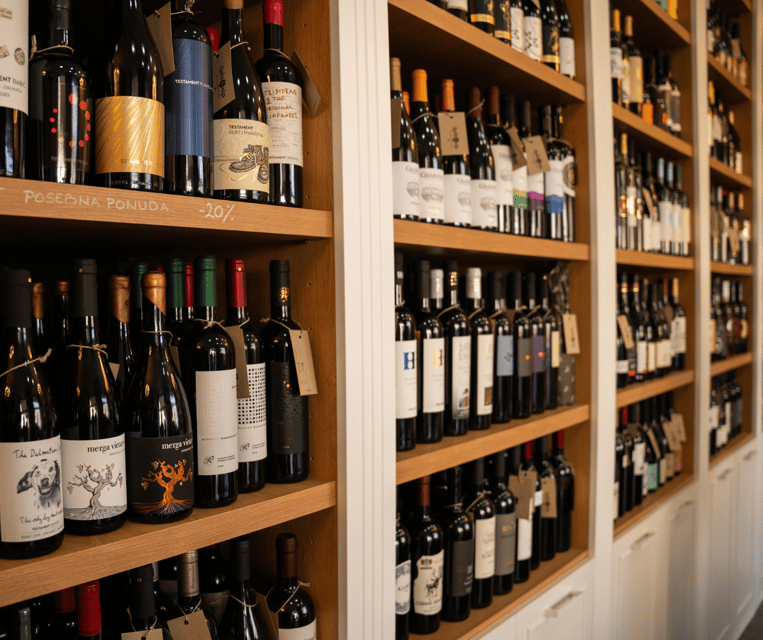
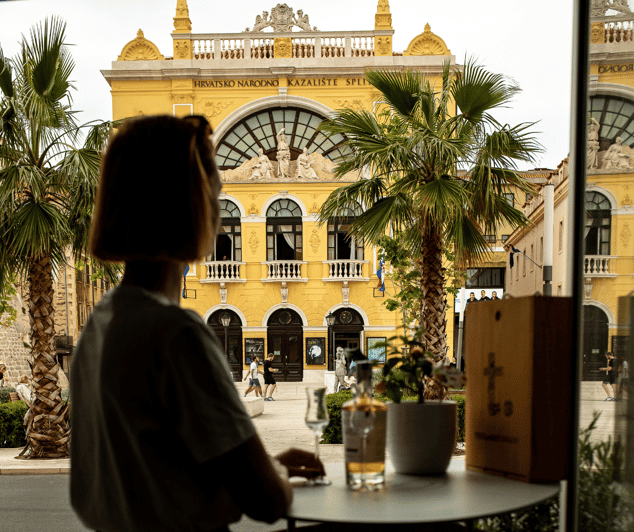
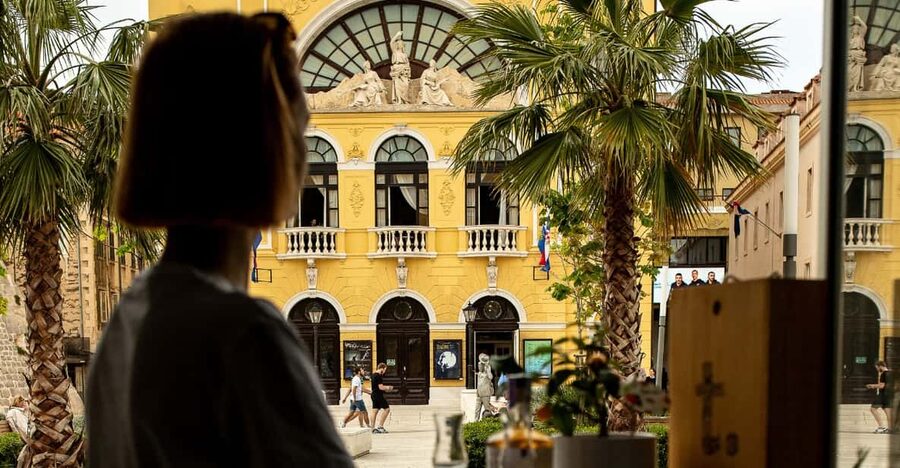
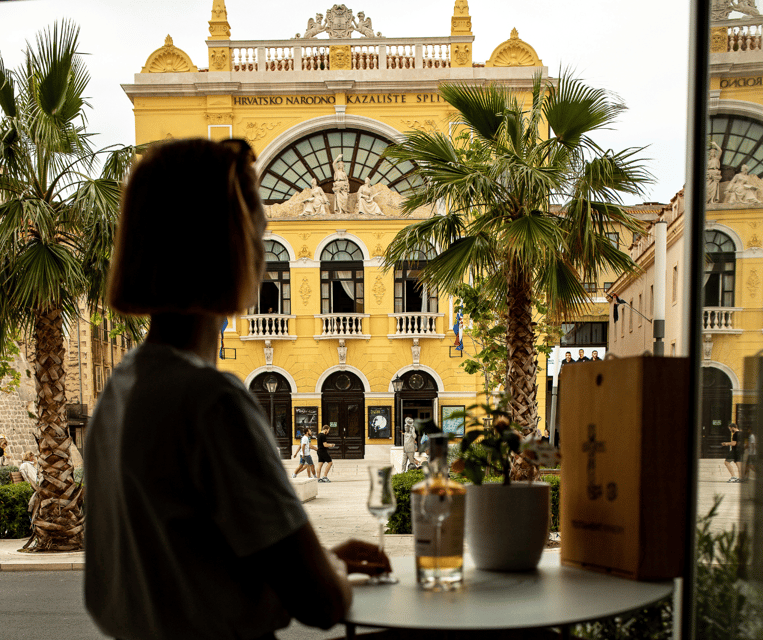
Croatian wine gets the spotlight here, not as a quick pour between sightseeing stops, but as a lesson in grapes, regions, climate, and local drinking culture. At Split&Sip, next to Split’s National Theatre, you taste several wines while a guide explains what is in your glass and why it tastes the way it does.
I like the central location, which makes this easy to fit into a day around Diocletian’s Palace. I also like the generous food pairing: local cheese, prosciutto, olives, and tapenade turn the tasting into a light snack. The main point to consider is that the quality of the presentation can depend on timing and the host, so make sure you have enough time to hear about each wine rather than rushing through the pours.
Key points at a glance
- Croatian wine in a city-center shop: Split&Sip sits on Trg Gaje Bulata, beside the National Theatre.
- Useful instruction for beginners: You learn about Croatian regions, grapes, climate, aromas, and flavor.
- Local pairings included: Cheese, prosciutto, olives, and tapenade accompany the wines.
- Hosts with different strengths: Sven is praised for detailed explanations, while Marina has helped adapt tastings for guests who do not eat meat.
- A small, social setting: The format can feel personal, especially when the group is small or private.
- A practical buying opportunity: You can purchase bottles after tasting, though shipping is not available, even within the European Union.
What happens at Split&Sip
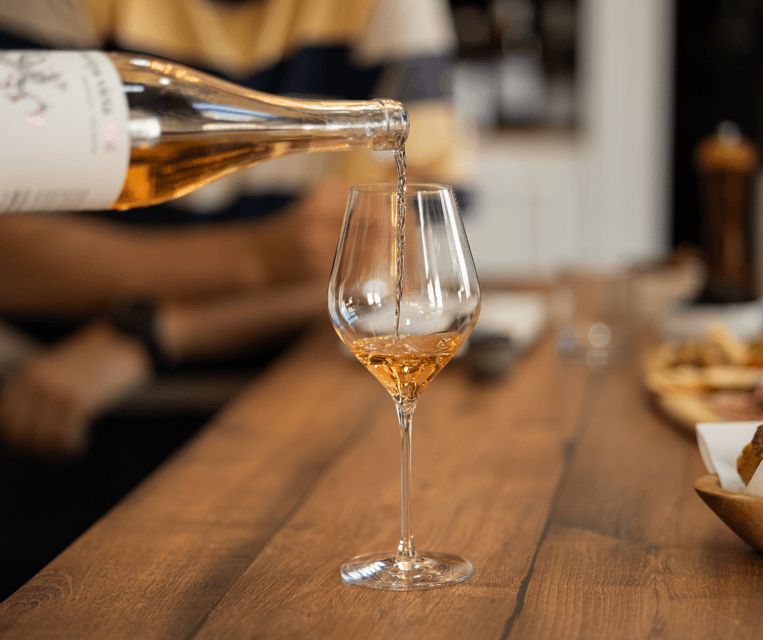
The tasting begins at the wine shop on Trg Gaje Bulata 6, with the meeting point tied to the option you book. It is in the heart of Split, right by the National Theatre, so you can reach it easily while walking through the central city.
This is not a vineyard visit or a countryside excursion. You will not leave town, tour cellars, or walk through grape fields. Instead, the shop gives you a compact introduction to Croatian wine in a setting designed for conversation, tasting, and questions.
The scheduled wine portion lasts about one hour, though the full activity may run from one to two hours. That longer range matters. A quiet session with a small group may take more time, while a faster presentation may finish near the one-hour mark.
The same central shop serves as the starting and ending point. There is no transport to arrange, and the drop-off location is also listed as Trg Gaje Bulata 6. That makes this a simple choice for a free afternoon, a pre-dinner stop, or a break from Split’s stone streets.
More Wine Tours in Split
- From Split: Krka Waterfalls, Food & Wine Tasting Tour
★ 5.0 · 9,326 reviews - From Split: Krka Waterfalls, Food & Wine Tasting Tour
★ 4.9 · 6,598 reviews - Krka National Park Tour with tour Guide & Wine tasting from Split & Trogir
★ 5.0 · 1,625 reviews
Learning Croatian wine one glass at a time
The strongest part of this activity is the educational side. You taste a selection of wines while the host explains the regions and grape varieties behind them. You can expect the discussion to cover how climate affects grape growing and how those conditions influence the flavor in your glass.
This is especially helpful if you know very little about wine. One first-time drinker arrived worried about asking basic questions and found the host patient and clear. That tells you something useful about the tone: you do not need wine vocabulary, prior experience, or a strong opinion about tannins to take part.
Sven has been singled out for his explanations of Croatian wine and culture. He also gives practical suggestions for things to do in Split after the tasting. Marina has been praised for explaining wine and olive oil, including their background, and for adjusting the food when a couple did not eat meat.
Hosts can change, so the exact style may vary. One session moved quickly enough that the second wine received less explanation than the others. If the teaching matters to you, ask questions as you go and let the host know you want the full story behind every pour.
Why Croatian wine is worth your attention
Croatia is not usually the first country people name when discussing European wine, which is one reason this tasting is useful. You get a chance to try local bottles that may be unfamiliar at home, rather than spending your trip with the same international labels you already know.
The tasting places wine within its local setting. You learn about the Croatian regions and the effect of climate on grapes, rather than simply hearing a list of wine names. That context helps you understand why two wines can taste different even when they are served in the same room.
I like this approach because it gives you a way to remember what you tasted. A grape name alone can vanish by the next morning. A connection between region, weather, grape, and flavor is more useful when you later choose a bottle at a restaurant or wine shop.
The selection changes according to what is being poured, and the available information does not promise a fixed menu. You should think of this as an introduction to Croatian wine styles, not a guaranteed list of particular labels.
Cheese, prosciutto, olives, and tapenade
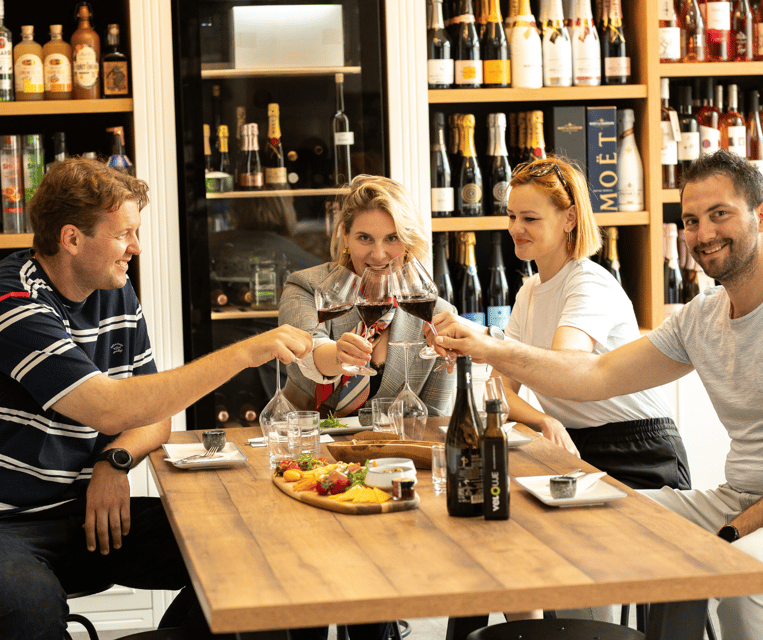
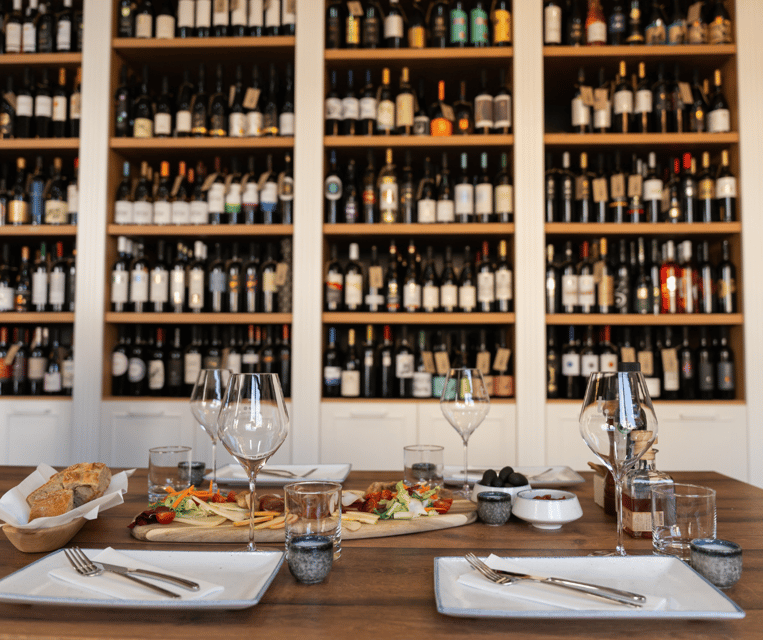
The food is more than decoration. Fine local cheeses, Croatian prosciutto, olives, and different tapenades are included with the tasting. These give you something to eat between pours and help show how wine works with salty, creamy, savory, and spreadable foods.
That makes the $56 price easier to assess. You are paying for guided instruction, several wines, and a substantial set of small bites in a central Split location. It is not the cheapest way to drink wine in town, but it offers more than buying a single glass at a bar.
If you do not eat meat, say so in advance or at the beginning. The food can be adjusted, as Marina did for one tasting. The supplied details confirm that a vegetarian adjustment has been made, but they do not set out a complete allergy menu, so guests with serious allergies should ask before booking.
The food also makes this a reasonable afternoon activity. You may not need a full meal immediately afterward, though the exact amount will depend on your appetite and how much you eat.
More tastings around Croatia:
- Split/Trogir: Krka National Park Day Trip with Wine Tasting
★ 4.7 · 925 reviews - Zadar: Guided Speedboat Tour with Food, Oil & Wine Tasting
★ 4.8 · 602 reviews - Split: Krka National Park Full-Day Tour with Wine Tasting
★ 4.9 · 142 reviews - Hvar: Hvar Wine Tasting Experience
★ 4.8 · 128 reviews
A relaxed setting beside the National Theatre
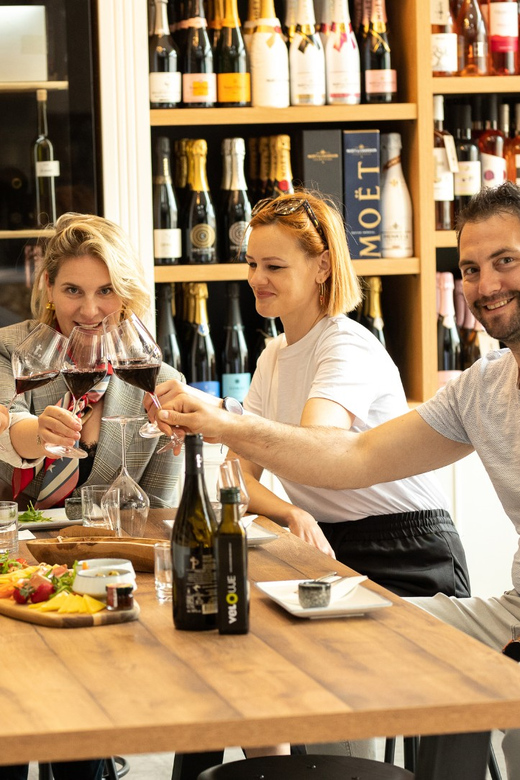
Split&Sip is a wine shop rather than a large formal tasting room. That gives the activity a more informal feel. You sit close to the bottles and the person leading the session, with room for conversation and questions.
The setting suits people who want a quiet break from sightseeing. Several participants enjoyed the small-group atmosphere, and one unusually small session became an intense one-on-one lesson. That can be a real benefit if you want personal attention.
It can also make the format less predictable. A private-feeling session is excellent for asking questions, while a fuller group may be better for meeting other people. One couple from the United States met another couple during the tasting and continued sharing a bottle afterward. That social side is possible, but it is not something you should treat as guaranteed.
The shop also sells other beverages, including craft beers, spirits, and non-alcoholic drinks. If one person in your group is not interested in wine, there are other choices on site, though the organized experience itself is built around wine tasting and is not intended for children.
Buying bottles after the tasting
A useful feature is the chance to buy a wine you enjoyed after trying it. Several participants chose bottles to take home, which is much safer than guessing from a shelf based only on a label.
The drawback is shipping. Split&Sip does not ship bottles, including within the European Union. You will need to carry any purchases yourself, and airline baggage rules may limit what you can bring home.
For that reason, I would treat bottle buying as an optional bonus rather than the main purpose of the visit. Take notes or a photo of the label if you cannot carry wine. Even if you do not buy anything, the tasting can help you identify Croatian styles to look for later.
The shop’s broader range also includes spirits and craft beer, so you can browse beyond the wines. Non-alcoholic drinks are available as well, though the information does not specify whether these are part of the formal tasting.
Who will get the most from this activity
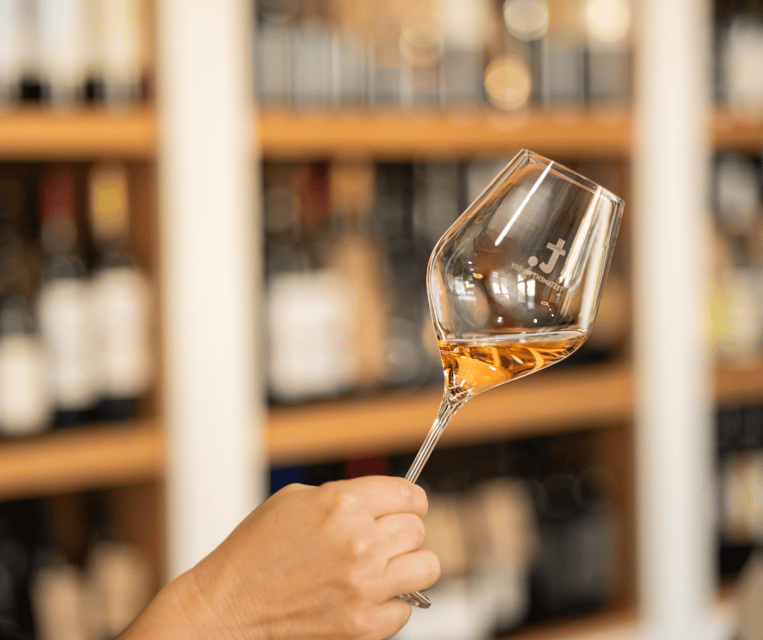
This is a good fit for a first-time wine drinker who wants guidance without a stiff classroom. You can ask basic questions, taste at a comfortable pace, and learn why a wine tastes the way it does.
It also suits an experienced wine drinker who wants to focus on Croatian bottles. The value for that person is less about learning wine basics and more about finding local grapes, hearing regional background, and getting suggestions from someone who works with the wines.
Couples, small groups, and solo visitors can all fit the format. A solo booking may be particularly good if you want close attention, while a shared session can add a friendly social element.
This is not suitable for children under 18. Pets are not allowed, and smoking is not allowed indoors. The shop is wheelchair accessible, which makes it a practical option for many visitors, though the exact meeting point can depend on the booking option.
Price, timing, and flexibility
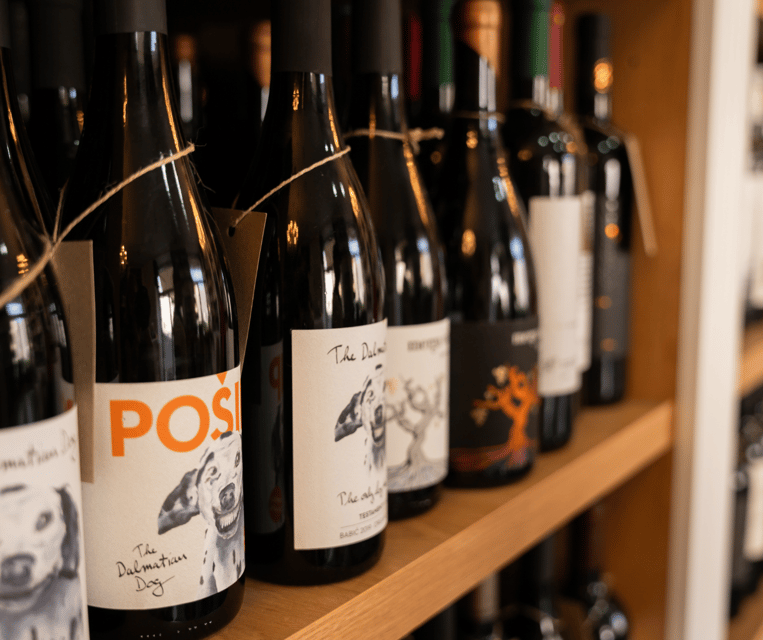
At $56 per person, the experience sits above the price of a casual glass of wine but includes more than a drink. You receive a guided tasting, local food pairings, and an hour or more of instruction in a central location.
I think the value is strongest when you care about learning. If you only want a glass of Croatian wine, you can likely spend less elsewhere. If you want to understand what you are drinking, compare several wines, and eat a light plate of local foods, the price is easier to justify.
The activity lasts one to two hours. Check the available starting times before booking, especially if you are fitting it between a palace visit, lunch, or an evening reservation. The compact format works well in Split because it does not consume half a day.
You can cancel up to 24 hours before the activity for a full refund. A reserve-now, pay-later option is also available, which helps if your Split plans are still shifting.
Language and accessibility
The live guide speaks Croatian and English. English-speaking visitors should be able to follow the tasting and ask questions directly.
The activity is wheelchair accessible. Since the meeting point may vary with the option booked, check the confirmed location and access details when you reserve.
There is no stated dress code, transport requirement, or outdoor walking component. You are visiting a central wine shop, so comfortable city clothing makes sense.
Is Split&Sip worth booking?
I would book Split&Sip if you want more than a quick drink and would enjoy learning how Croatian wine connects to place, climate, and local food. The central address, generous pairings, English-language instruction, and small-scale setting make it easy to fit into a Split itinerary.
I would be more cautious if you want a fixed list of famous bottles, a vineyard visit, or guaranteed equal attention to every wine. The presentation can vary by host and pace, and the shop cannot ship bottles home.
For most wine-curious visitors, especially beginners, $56 is a fair price for a focused introduction to Croatian wine. Go with questions, mention dietary needs early, and leave room in your luggage only if you are prepared to carry your purchases yourself.
FAQ
Where does the wine tasting take place?
The tasting takes place at Split&Sip in central Split, on Trg Gaje Bulata 6, next to the National Theatre. The precise meeting point may vary depending on the option booked.
How long does the activity last?
The activity lasts between one and two hours. The wine tasting itself is listed as one hour, and you should check the available start times when booking.
What food is included?
The tasting includes local cheeses, Croatian prosciutto, olives, and various tapenades.
Is the activity available in English?
Yes. Live guides speak Croatian and English.
Can I attend if I do not eat meat?
A meat-free adjustment has been made for previous participants. Contact the provider or mention your dietary needs before the tasting so the food can be arranged appropriately.
Can I cancel or pay later?
You can cancel up to 24 hours in advance for a full refund. A reserve-now, pay-later option is available.
More Food & Drink in Croatia
- Dubrovnik Gastronomy: 3-Hour Food and Wine Tour
★ 4.9 · 249 reviews - From Dubrovnik: Half-Day Wine Tasting and Cavtat City Tour
★ 4.8 · 112 reviews - Korcula: Buggy Safari with Local Food and Wine Tasting
★ 5.0 · 97 reviews - Hvar: Island tour with Wine and Olive Oil Tasting
★ 4.9 · 77 reviews
Just added around Croatia
- Split: Guided Sunset Sea Kayaking & Snorkeling Tour★ 4.8 · 185 reviews
- Dubrovnik: Sunset Wine Tasting At Panorama Point★ 4.9 · 72 reviews
- Split: Blue Lagoon & 3 Island Cruise with Wine & Snorkeling★ 5.0 · 111 reviews
- Šibenik: Croatia in a Day, Vistas, History, Olive Oil, Wine★ 5.0 · 30 reviews
- Split: Krka National Park Full-Day Tour with Wine Tasting★ 4.9 · 142 reviews
- Lumbarda: Half-Day Kayaking and History with Wine delight★ 5.0 · 49 reviews
- Lumbarda – Sunset Kayak Tour with a Picnic – Wine and Sweets★ 5.0 · 45 reviews
- From Korcula Town: Local Wine & Sightseeing Half-Day Tour★ 4.5 · 62 reviews
Wine Tours in Split, compared.
Krka National Park Tour with tour Guide & Wine tasting from Split & Trogir
Read our review →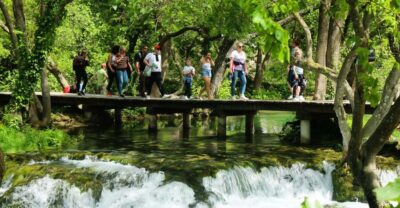
Krka Waterfalls With Boat Cruise, Wine and Olive Oil
Read our review →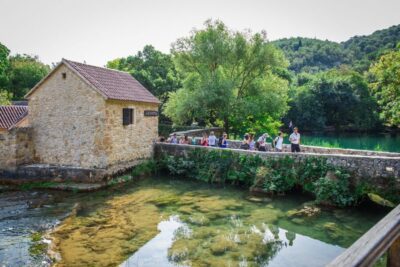
Split/Trogir: Krka National Park Day Trip with Wine Tasting
Read our review →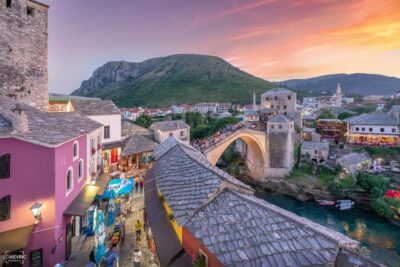
Split/Trogir: Mostar and Medjugorje Tour with Wine Tasting
Read our review →
Browse the lists this tour appears in