

REVIEW · CROATIA
Šibenik: Croatia in a Day, Vistas, History, Olive Oil, Wine
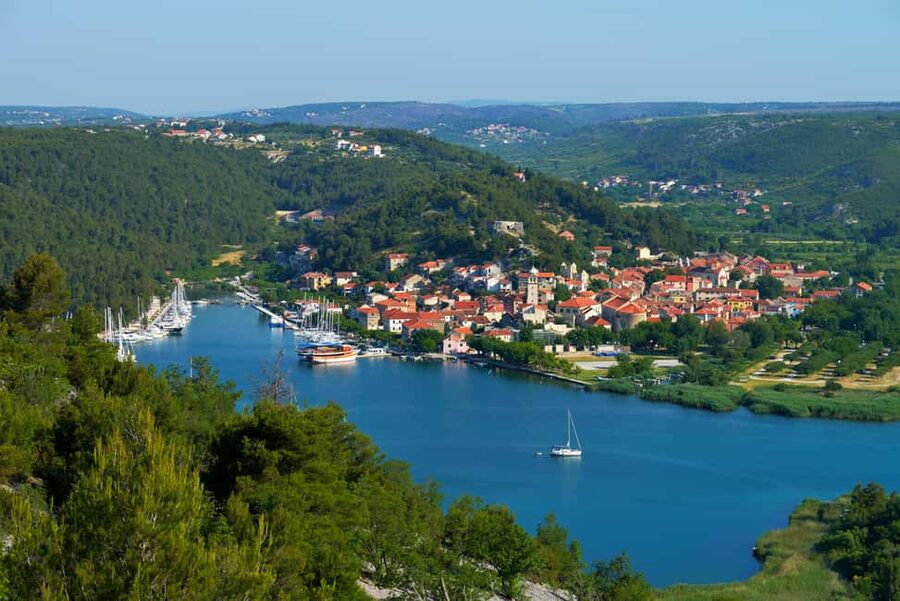
The best part of this half-day outing is the change of pace. You leave Šibenik’s coast behind and head inland to Okit Hill, a family-run olive mill, historic sites, and a high viewpoint above Lake Vrana. It is a useful way to see the Dalmatia that most visitors miss.
I like the mix of history and food. Guide Neil explains the region’s wars, political changes, and daily life in a clear, easy style, then the Lepur family gives you a hands-on look at olive growing and oil production. I also like the small size, with no more than eight people, and the generous tasting of five oils, Croatian wines, and local snacks.
The main consideration is the timing. The experience is advertised as six hours, generally from 11:30 to 17:30, but the practical information also describes it as five hours. Add the optional €20 lunch and you should treat this as your main afternoon activity, not a quick side trip.
Key Points at a Glance
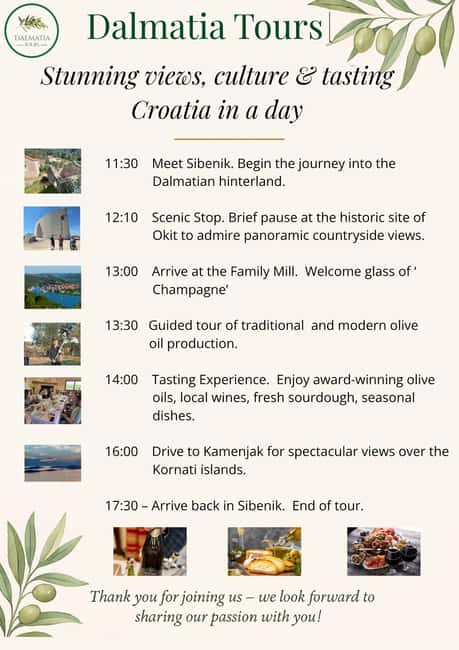
- Okit Hill views: Look over olive groves, vineyards, the Dalmatian hinterland, and the Kornati Archipelago from a hilltop sanctuary.
- Five olive oils: Learn how to compare aroma, balance, flavor, and the different qualities of extra virgin oil.
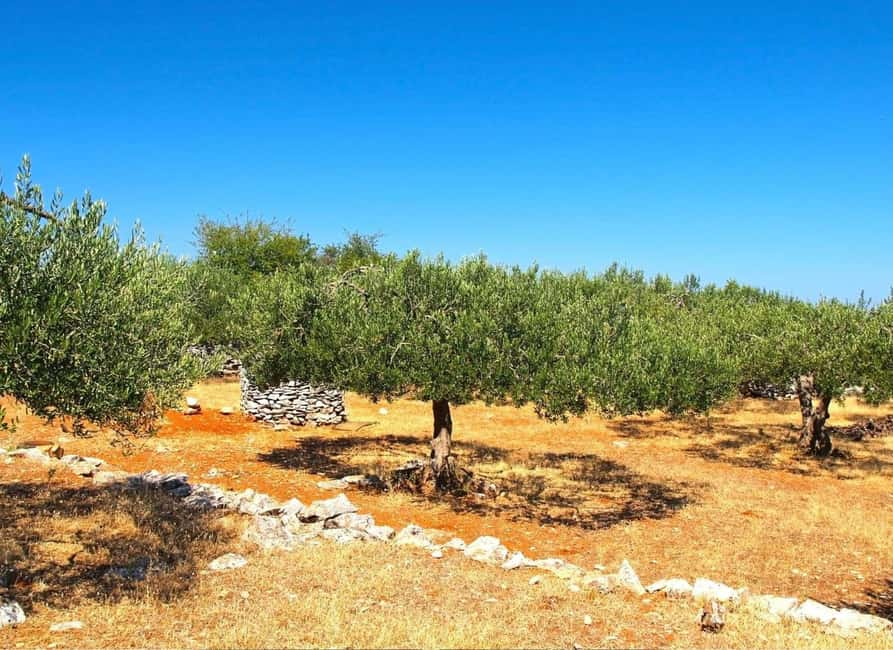
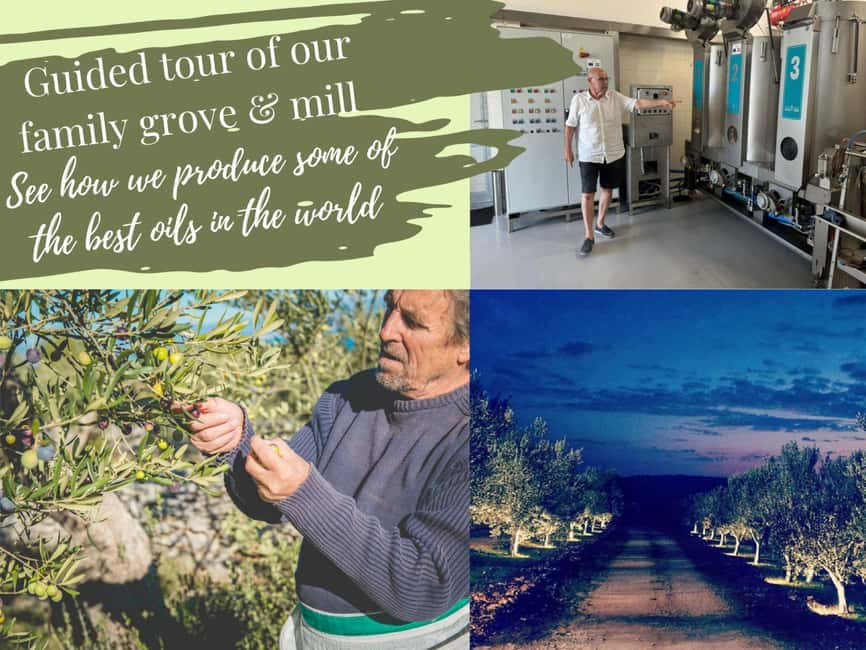
- Family-run Uljara Lepur: Walk through the olive grove and see a modern cold-press mill rooted in local tradition.
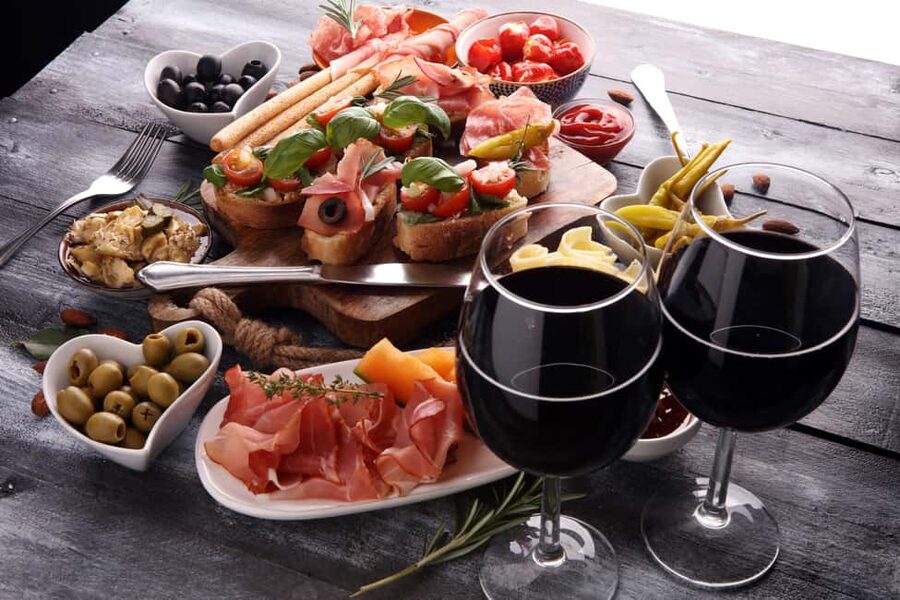
- Local wine and food: Taste Croatian sparkling wine, one red, two white wines, and Dalmatian snacks, with an optional cold buffet lunch.
- Personal guiding: Neil leads the trip in English and brings history, agriculture, and local life together in a small minibus.
- Kamenjak finale: Finish above Lake Vrana with a broad view toward the Kornati islands.
Why This Šibenik Excursion Works So Well
At $64 per person, this is not simply a transfer to an olive oil shop. Your fee covers transport, an English-speaking guide, several historic and scenic stops, five olive oil tastings, wine, welcome drinks, local bites, and the olive grove and mill visit.
That combination gives the price real value. A standard sightseeing trip might show you a viewpoint and a fortress, but it would not usually explain how olive oil is made or let you compare several oils side by side. A food tour, on the other hand, might skip the region’s difficult past and the countryside views. This experience joins the two.
I would especially consider it if you have already seen Šibenik’s cathedral, waterfront, and old town. The trip adds a different side of the area, one shaped by farming, strategic hilltops, village life, and the long contest between coast and inland settlements.
You should also know what this is not. It is not a long, formal museum tour, a winery-only visit, or a full-day national park trip. The stops are fairly short, and the central food experience takes place at one family-owned mill rather than across several producers.
More wine and olive oil tastings in Croatia:
- Split: Krka Waterfalls With Boat Cruise, Wine and Olive Oil
★ 4.3 · 1,507 reviews - Hvar: Island tour with Wine and Olive Oil Tasting
★ 4.9 · 77 reviews - Sorrento Farm and Food Experience including Olive Oil, Limoncello, Wine tasting
★ 5.0 · 2,524 reviews
Leaving Šibenik for Okit Hill
Pickup is available from your accommodation, or you can meet the silver Opel minibus at the central bus station in Šibenik. The vehicle is air-conditioned and the group is capped at eight people, a useful limit on a warm Croatian afternoon.
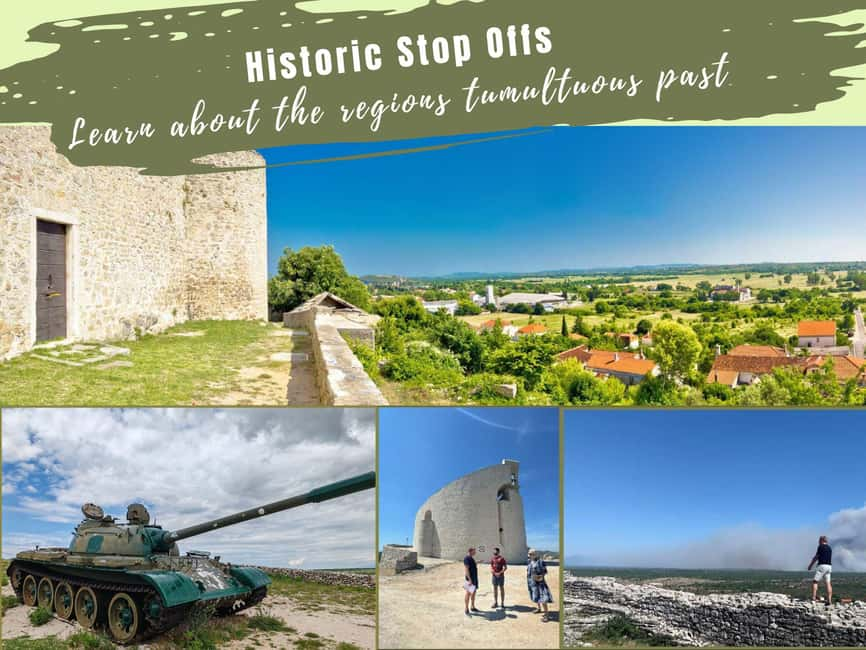
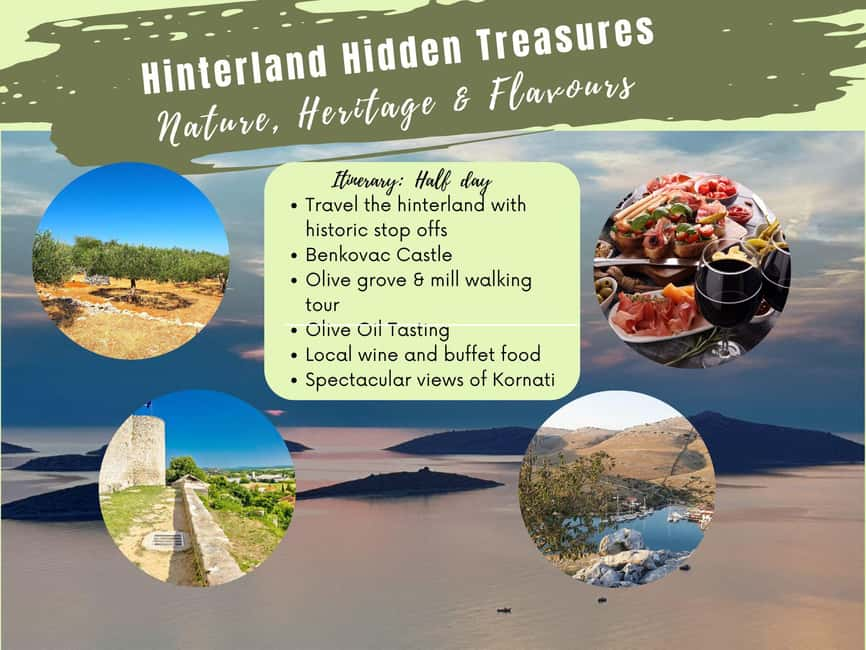
After a short safety briefing, you drive inland for about 15 minutes. The first stop is the Sanctuary of Our Lady of Carmel at Okit, a hilltop site with open views across the countryside.
The view is the reason to pay attention here. You can see olive groves, vineyards, the hinterland, and, from the right angle, the scattered Kornati Archipelago out at sea. It gives you a quick visual lesson in Dalmatia: dry inland ground, cultivated plots, rocky hills, and islands linked by the same winds and climate.
Neil also uses this stop to explain more than 2,000 years of regional history. That matters because Dalmatia’s past is not a simple sequence of Roman, Venetian, and modern Croatian chapters. The area has been a strategic crossing point between the Adriatic coast and the interior, with changing rulers, conflicts, communism, and the more recent war for independence all shaping local life.
You only spend about 15 minutes at Okit, so do not expect a long religious-site tour. It works better as an introduction, a viewpoint, and a chance to understand why hills like this mattered.
Kaštel Benković and the Region’s Troubled Past
After roughly 30 minutes on the road, the group reaches Kaštel Benković for a guided visit of about 35 minutes. This is one of the tour’s history-focused stops, placed between the two scenic viewpoints and the olive mill.
The itinerary describes this part as a historic site in a strategic area between the coast and hinterland. Neil connects the location to the region’s turbulent past, rather than treating the building as an isolated photo stop.
I appreciate that structure. You see the physical setting first, then hear why control of these routes mattered. The information is aimed at curious visitors rather than history specialists, and the guide’s storytelling style is one of the strongest parts of the experience.
The tradeoff is that the historical visits are brief. If you want a detailed architectural study or a long archaeological presentation, this will feel light. If you want context before tasting local food and seeing the countryside, the timing makes sense.
The Main Event at Uljara Lepur
A short transfer brings you to Uljara Lepur, a family-owned olive grove and mill in a historic village. This is where the tour changes from sightseeing to a more personal food and farming experience.
You are welcomed with a glass of local sparkling wine, described as Dalmatia’s answer to champagne. One past visit also included a homemade sherry, but the listed inclusion is the sparkling wine, so that is what you should count on.
The family introduces you to the olive grove and explains how land, sun, weather, and local practice affect the fruit. Depending on conditions, part of the grove visit may be on foot or by vehicle. One particularly unusual option described for this experience is a ride through the trees in a 40-year-old British fire engine.
That detail tells you something about the tone of the visit. This is not presented as a polished factory attraction with a scripted performance. It is a working family business, and the experience has a relaxed, personal feel.
Inside the mill, you learn how olives become oil through modern cold-press methods. The process is explained in practical terms, including why speed and temperature matter when the goal is high-quality extra virgin oil.
A few more wine days around Croatia worth comparing
- Dubrovnik Old Town: Night tour with History, Wine & Bites
★ 4.7 · 59 reviews - Lumbarda: Half-Day Kayaking and History with Wine delight
★ 5.0 · 49 reviews - Douro Valley: Historical Sites, Wine Experience, Lunch & Cruise
★ 5.0 · 5,133 reviews - Barcelona: Tapas Walking Tour with Food, Wine, and History
★ 4.8 · 4,261 reviews
How to Taste Five Olive Oils
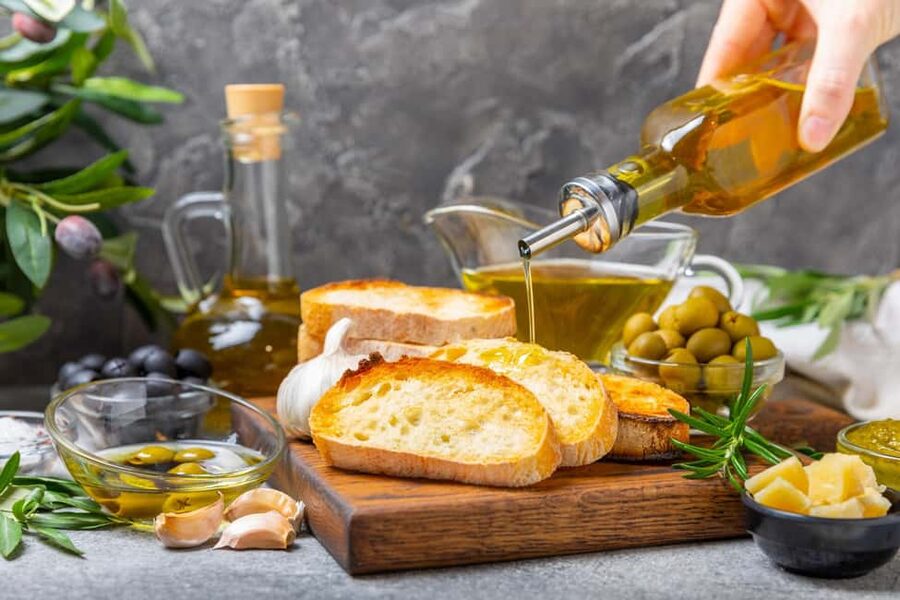
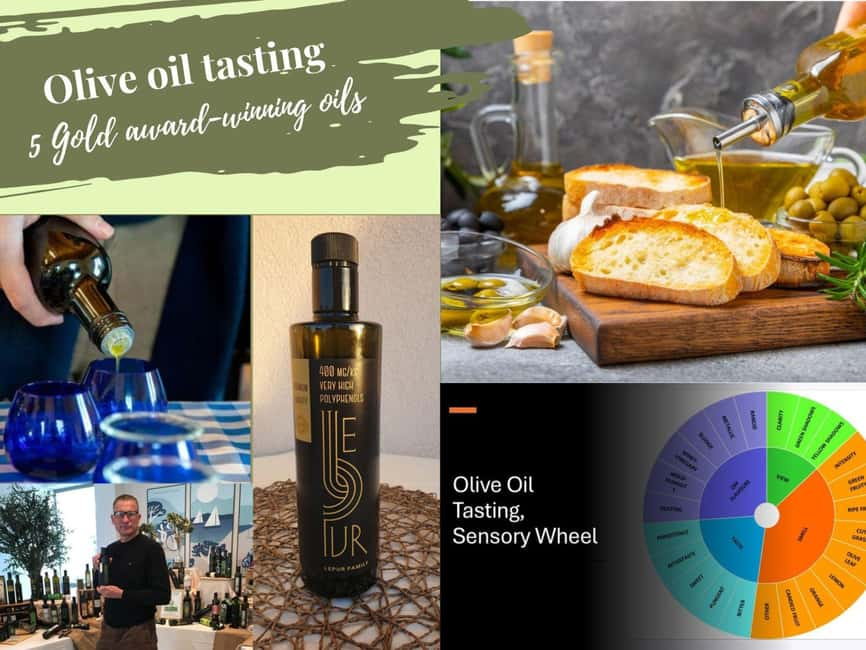
The oil tasting is more useful than simply dipping bread into a dish and choosing your favorite. You receive guidance on aroma, balance, flavor, and the health properties associated with high-quality olive oil.
Five award-winning oils are included. The exact oil varieties are not specified, so you should expect a comparison rather than a fixed tasting menu.
Pay attention to how each oil feels in the mouth. You may notice differences in fruitiness, bitterness, peppery notes, and overall balance. Those qualities are not flaws. Bitterness and a peppery finish can be signs of the natural compounds found in fresh extra virgin oil.
This is also a good place to ask questions. The experience explains the difference between grades of oil and why production choices affect flavor. If you discover a bottle you like, you can buy oil to take home, but purchases are not included in the $64 price.
I find this section particularly valuable for anyone who cooks. You leave with a better idea of how to use olive oil, how to compare labels, and why a good finishing oil can taste very different from a basic cooking oil.
Croatian Wine and Dalmatian Food
The oil tasting is paired with regional wines and local food. The listed wine selection includes Croatian sparkling wine, one red, and two white wines made from native Croatian grape varieties.
The tasting is not just a pause between attractions. The guide uses the wine to connect soil, climate, and local farming traditions, much as the olive oil discussion connects the grove to the mill.
Tasty local bites are included with the tasting. The food is meant to complement the oil and wine, not replace lunch. That distinction matters, since the separate lunch option costs €20.
The optional lunch is a cold Dalmatian buffet and may include meats, seafood, cheeses, fruit, and vegetable dishes. The menu changes from day to day, and wine is served with the meal, with pairings suited to your preferences.
I would add the lunch if you want a relaxed food-centered afternoon and do not have dinner plans immediately afterward. The portions described by past participants sound substantial, though the exact menu is not fixed. If you prefer a lighter outing, the included bites and tastings may be enough.
The price calculation is straightforward: $64 for the tour, plus €20 for the buffet lunch if you choose it. Since the base price already includes several drinks and a substantial tasting, the optional lunch is not required to make the trip worthwhile.
Lake Vrana and the Final View
After the mill visit and lunch, you drive for about 30 minutes toward Lake Vrana. The final photo stop is at Kamenjak Nature Park, high above the lake.
This is a strong ending because it returns the focus to the wider region. From above Lake Vrana, the view stretches toward the Kornati Archipelago, linking the inland olive groves you have just visited with the islands and coast you saw from Okit.
The stop is listed at about 10 minutes, so plan on a quick look and photographs rather than a hike. That short timing may disappoint you if you want to explore the nature park on foot. Still, as a closing viewpoint, it gives the trip a clear sense of place.
You finish with a final transfer and drop-off options that include Šibenik, Zadar, Šibenik-Knin County, and Biograd na Moru. The exact pickup and drop-off arrangement should be confirmed before the day, especially since the operator contacts you by WhatsApp or message.
What Neil Adds to the Day
Neil is the named guide, and his role goes beyond pointing out sights. He explains Croatian history, olive oil production, regional food, and local society while keeping the tone conversational.
His storytelling is especially useful during the drives. Instead of treating transfers as dead time, the route becomes a moving introduction to Dalmatia’s wars, political changes, and rural life.
The guide’s style is a good fit if you like asking questions and making connections between places. It may be less suitable if you prefer silence, independent wandering, or a tightly timed series of major monuments.
The family at Uljara Lepur also shapes the experience. The visit includes a welcome from the owner and a look at the business as a family operation. Depending on the day, you might meet other family members or people involved in preparing the food, but that should not be treated as guaranteed.
Who Should Book This Tour?
I would choose this for couples, friends, and small groups who want food, scenery, and history in one outing. It is also a strong choice if you have a spare afternoon in Šibenik and want to see more than the old town without committing to a full-day national park excursion.
The tour suits adults and older teenagers. Children under 12 are not accepted, and the experience is not suitable for people over 95. The itinerary includes vehicle transfers, short sightseeing stops, walking around an olive grove, and time standing for tastings, so comfortable shoes and sun protection make sense.
It is particularly good for olive oil fans, home cooks, and people who enjoy meeting local producers. The five-oil comparison is more than a souvenir stop, and you have the option to buy bottles afterward.
You should think twice if you want a beach afternoon, a long nature walk, or a tour built around a major archaeological site. The pace includes several transfers, and the best parts depend on listening to the guide and taking part in the tasting rather than wandering independently.
Free cancellation is available up to 24 hours before departure, and you can reserve now and pay later. The operator offers English guiding only, so confirm that suits your group.
Should You Book It?
Yes, if you want an easy way to connect Šibenik with the inland side of Dalmatia. The combination of Okit’s views, Kaštel Benković’s history, Uljara Lepur’s olive oil experience, Croatian wine, local food, and Kamenjak’s panorama gives you a satisfying half-day with plenty of variety.
I would book it with two expectations: the schedule may feel full, and the optional lunch turns it into a more food-heavy outing. For a small group, personal guiding, and a genuine look at olive production, $64 is a fair price. Add the €20 lunch when you want a leisurely meal, and skip it when you need to keep the afternoon lighter.
FAQ
Where does the tour start?
The standard meeting point is the central bus station in Šibenik. The vehicle is a silver Opel minibus.
Is pickup from my accommodation available?
Yes. Pickup is optional, and the operator can collect your group from your place of stay in an air-conditioned minibus.
How long does the experience last?
The tour is advertised as six hours, generally from 11:30 to 17:30. The practical information also refers to a five-hour duration, so you should allow most of the afternoon.
What olive oil tastings are included?
You taste five olive oils, including award-winning extra virgin oils, with guidance on aroma, balance, flavor, and health-related qualities.
What wine is included?
The tasting includes local Croatian sparkling wine, one red wine, and two white wines made from native Croatian grape varieties.
Is lunch included in the price?
A full cold buffet lunch is optional and costs €20. The menu can include meats, seafood, cheeses, fruit, and vegetable dishes, with Croatian wine served alongside the food. Tasty bites are included with the standard tasting.
Can I buy olive oil after the tasting?
Yes. You can purchase oil to take home after visiting Uljara Lepur. Purchase costs are not included in the tour price.
Just added around Croatia
- Split: Guided Sunset Sea Kayaking & Snorkeling Tour★ 4.8 · 185 reviews
- Dubrovnik: Sunset Wine Tasting At Panorama Point★ 4.9 · 72 reviews
- Split&Sip: Educational wine tasting★ 4.9 · 52 reviews
- Split: Blue Lagoon & 3 Island Cruise with Wine & Snorkeling★ 5.0 · 111 reviews
- Split: Krka National Park Full-Day Tour with Wine Tasting★ 4.9 · 142 reviews
- Lumbarda: Half-Day Kayaking and History with Wine delight★ 5.0 · 49 reviews
- Lumbarda – Sunset Kayak Tour with a Picnic – Wine and Sweets★ 5.0 · 45 reviews
- From Korcula Town: Local Wine & Sightseeing Half-Day Tour★ 4.5 · 62 reviews
Wine Tours in Croatia, compared.
Krka National Park Tour with tour Guide & Wine tasting from Split & Trogir
Read our review →
Krka Waterfalls With Boat Cruise, Wine and Olive Oil
Read our review →
Split/Trogir: Krka National Park Day Trip with Wine Tasting
Read our review →
Browse the lists this tour appears in