
REVIEW · ROME
Rome: Hands-On Pasta & Tiramisu Class with Unlimited Wine
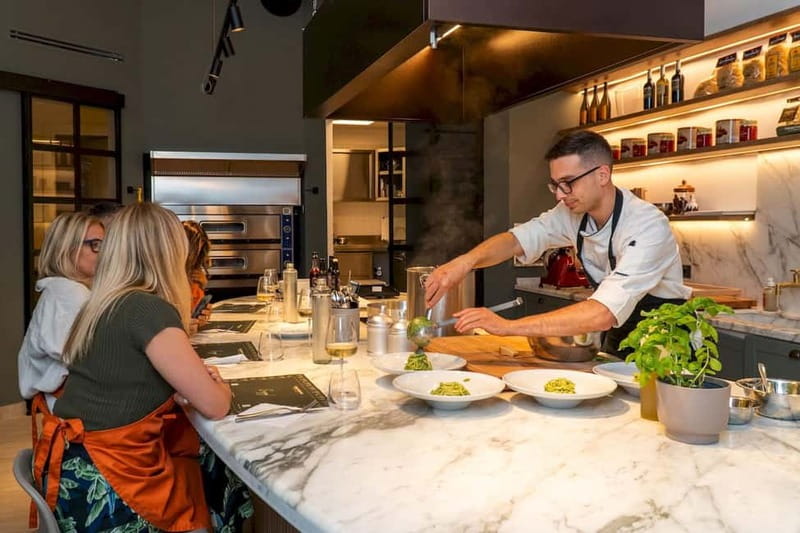
Fresh pasta is one of Rome’s best souvenirs, and this class lets you make it with your own hands rather than simply watching a chef work. Over three to three and a half hours, you’ll prepare fettuccine, stuffed ravioli, and tiramisu in a small-group kitchen, then sit down to eat what you made.
I like the hands-on format, which gives beginners clear guidance without turning the class into a lecture. I also like the small groups and free-flowing Italian wine, which make it easy to chat with other people while the dough rests and the pasta cooks.
The main drawback is dietary: this is not suitable for people with celiac disease or serious gluten or nut allergies. The class also has no gluten-free option, so check the ingredients carefully before booking.
Key Points at a Glance
- Three Italian classics: Make fresh fettuccine, stuffed ravioli, and tiramisu from basic ingredients.
- Chefs who teach with personality: Max, Marco, Alessandro, Jacopo, and Zori are among the instructors named for different sessions.
- Small-group kitchen setting: Classes may have as few as five or six people, with private options also available.
- A full meal, not just a demonstration: You cook, sit down, and eat the pasta and dessert you prepared.
- Unlimited wine included: Italian wine flows during the class, with coffee, soft drinks, and cooking snacks also provided.
- Recipes to take home: A recipe booklet helps you repeat the dishes after returning home.
A Roman Cooking Class Built Around Fresh Pasta
This experience works because it keeps you busy. You are not parked at a counter while somebody else prepares dinner. You mix flour and eggs, knead the dough, roll it thin, shape pasta, fill ravioli, and assemble tiramisu.
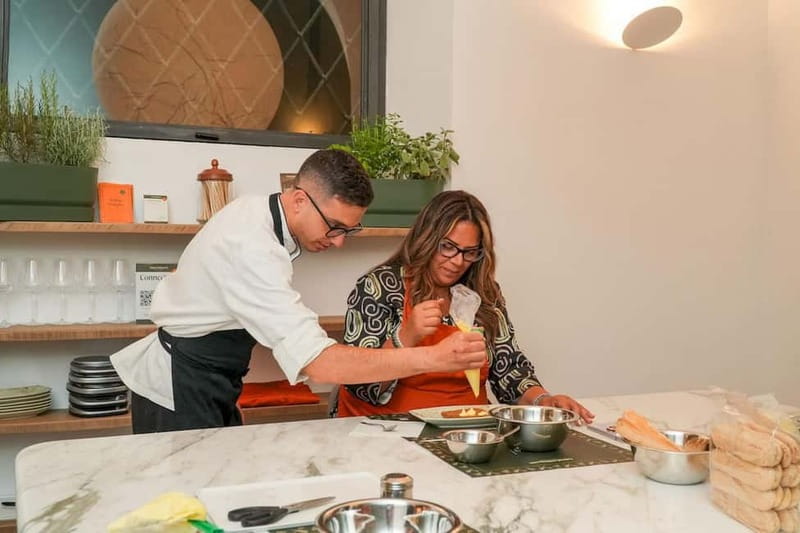
The class takes place in a dedicated kitchen described as clean, inviting, and well set up. One particularly useful detail is the personal guidance. Your chef watches the process, corrects your technique, and explains how the dough should feel as you work it.
That matters because fresh pasta is more about texture than exact measurements. A recipe can tell you how much flour to use, but your hands tell you when the dough is smooth enough. The instructor’s help is most valuable at this point, especially if you have never made pasta before.
English is the teaching language. Chefs named in the class feedback include Max, Marco, Alessandro, Jacopo, and Zori. The individual chef may depend on your booking date, but the teaching style appears designed to be friendly, practical, and lighthearted rather than formal.
The class has been run for very small groups, including sessions with five, six, and eight people. That is a useful size. You get enough attention to ask questions, but you also have a few people to chat with as you cook.
More Wine Tours in Rome
- Rome: Tuscany & Montepulciano Day Trip with Lunch & Wine Tasting
★ 4.5 · 5,232 reviews - Rome: Pasta & Tiramisu Class with Fine Wine by the Vatican
★ 4.9 · 4,852 reviews - Rome Food Tour: Unlimited Tastings with Fine Wine & Barolo
★ 5.0 · 3,365 reviews
Mixing, Kneading, and Rolling the Dough
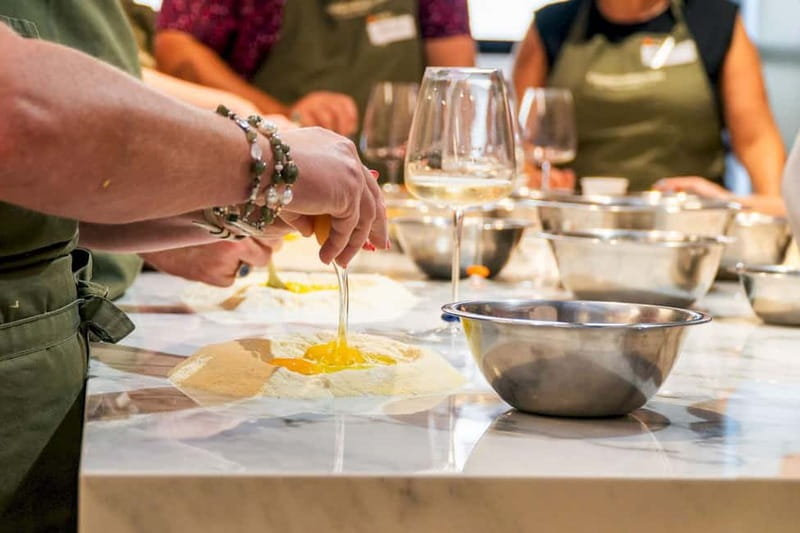
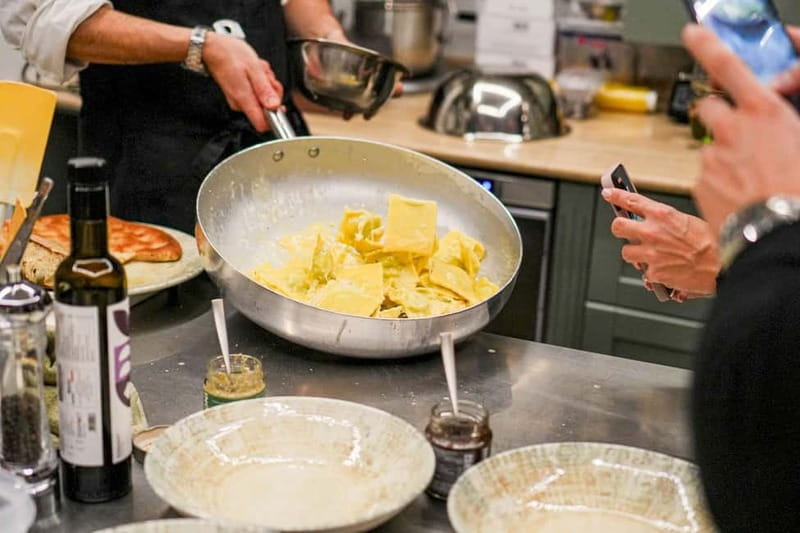
The first major task is fresh pasta dough. You combine flour and eggs by hand, then knead the mixture until it becomes soft and workable.
This is the part where the class earns its keep. Fresh pasta looks simple, but the dough can be sticky, dry, or too thick if you rush. Your chef shows you how to bring it together and how to roll it into thin sheets.
You will also learn that pasta-making is not only about producing a perfect result. It is a physical process, and the dough changes as you work it. The class gives you time to feel those changes instead of handing you a ready-made sheet.
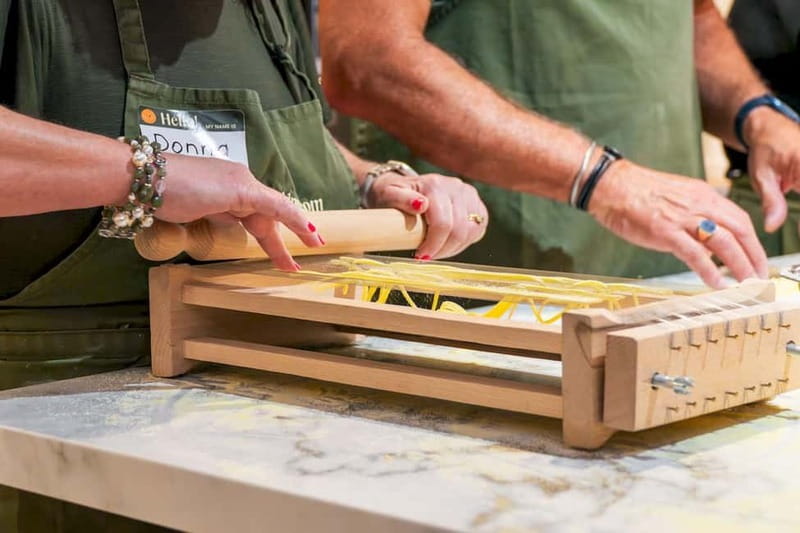
The pasta is then shaped into fettuccine. This long, ribbon-like pasta is a good choice for a first lesson because the shape is straightforward, yet the result feels dramatically different from dried supermarket pasta.
The cooking stage is just as important. The chef explains how to boil the pasta and how to judge when it is al dente. You may also see the pasta finished in a pan with sauces, tomatoes, and seasonings. One private class included both red and yellow tomatoes, followed by sautéing the pasta before serving.
That final step shows you how Italian pasta dishes come together. The sauce is not an afterthought poured over plain noodles. Pasta, sauce, heat, and timing all work together in the pan.
Making Ravioli With Seasonal Fillings
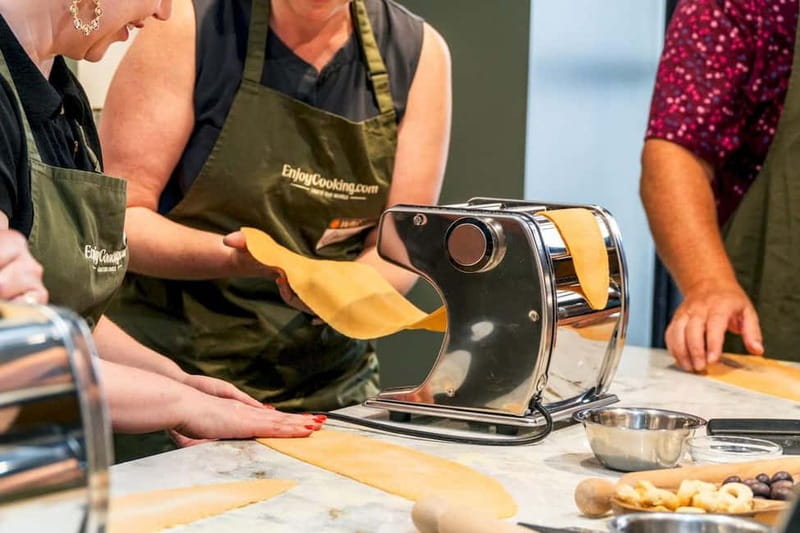
Next comes stuffed ravioli. You fill pasta sheets with a fresh mixture, seal the edges, and shape the individual pieces.
Ravioli takes more patience than fettuccine. You need enough filling for flavor, but not so much that the pasta bursts. You also need to press out trapped air and seal the edges firmly. These are small details, but they are exactly the sort of things that are hard to learn from a cookbook alone.
The filling may change with the ingredients available for the session. The description emphasizes fresh, seasonal fillings rather than one fixed recipe. That gives the class a more Italian feel, though it also means your exact dish may vary.
Once shaped, the ravioli goes into boiling water. You will see how quickly fresh pasta cooks compared with dried pasta. The finished pieces should be tender while holding their shape, and the chef guides you through that timing.
For me, the ravioli portion is likely the most satisfying part of the class. Fettuccine is forgiving, while ravioli gives you a real sense of craft. It also produces the kind of dish that looks impressive when you recreate it at home.
Tiramisu From Espresso to Cocoa
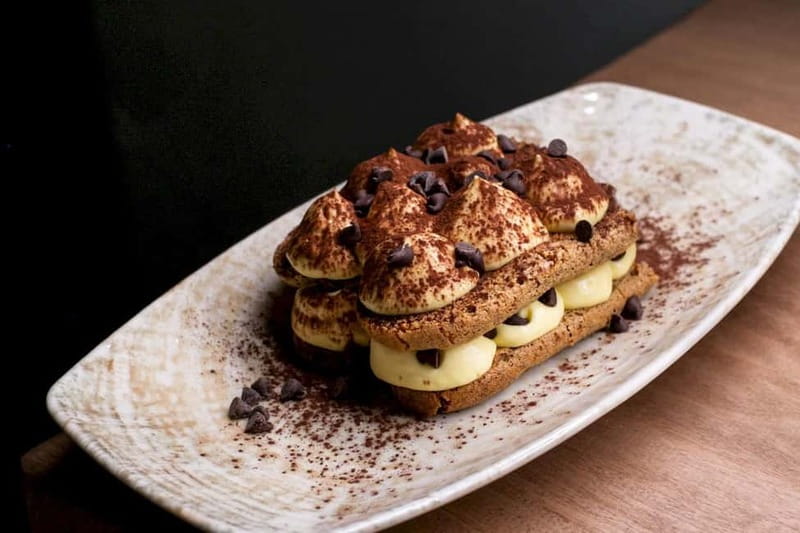
The dessert portion is shorter and calmer than the pasta work. You layer espresso-soaked biscuits with mascarpone cream, then finish the tiramisu with cocoa.
This is a smart choice for a group class. Tiramisu has a few clear steps, requires no complicated baking, and can be assembled while the pasta work is underway. It also gives the class a complete Italian meal rather than ending with another savory dish.
The instructor explains the classic method and the balance between coffee, creamy mascarpone, biscuits, and cocoa. You get the ingredients and process, then enjoy the dessert after the pasta course.
If you want to repeat the dish at home, the recipe booklet is useful. It gives you something more practical than a quick demonstration that disappears as soon as you leave the kitchen.
A few more wine days around Rome worth comparing
- Rome: Pasta Making Class with Wine, Limoncello, and Dessert
★ 4.9 · 3,177 reviews - Learn to Make Pasta & Tiramisu with Wine and Limoncello Included
★ 5.0 · 2,345 reviews - Pasta Making & Wine Tasting with Dinner in Frascati from Rome
★ 5.0 · 1,326 reviews - Rome Pasta and Tiramisu Class: Ravioli, Fettuccine & Fine Wine 5*
★ 5.0 · 1,319 reviews
Sitting Down to Eat Your Own Work
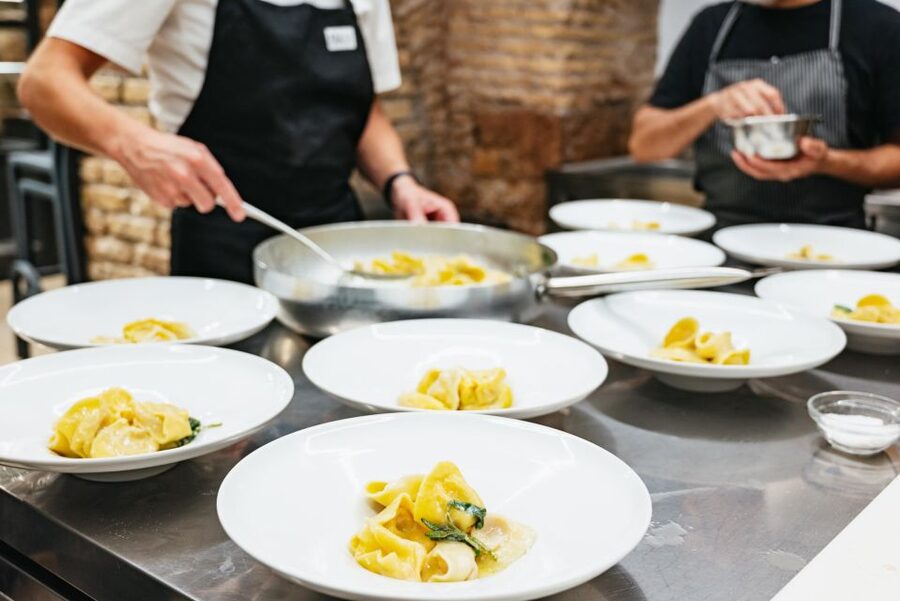
After the cooking, you gather around the table and eat the meal you prepared. The menu includes the fresh pasta, ravioli, sauces, and tiramisu.
This shared meal is a major part of the experience. Cooking classes can feel rushed when the instructor moves straight from the last step to a goodbye. Here, the eating time gives you room to slow down, compare results, and talk with the people in your group.
Unlimited Italian wine is included, along with coffee and nonalcoholic drinks. Snacks are available while you cook, so you are not waiting hungry for the finished meal.
The wine makes the class feel social, but it is worth keeping your own pace. Three hours of cooking, eating, and free-flowing wine can be a lot, especially if you have spent the day walking around Rome. If you prefer not to drink alcohol, the included nonalcoholic drinks and coffee give you alternatives.
The meal is also a good value check. At $112.15 per person, this is more expensive than buying a bowl of pasta. But you are paying for instruction, ingredients, a full meal, wine, and a recipe booklet. For someone who wants a cooking lesson rather than just dinner, the price is reasonable.
The value improves if you make use of the recipes afterward. A successful class can give you a repeatable meal for years, not just one evening in Rome.
Why the Small Group Matters
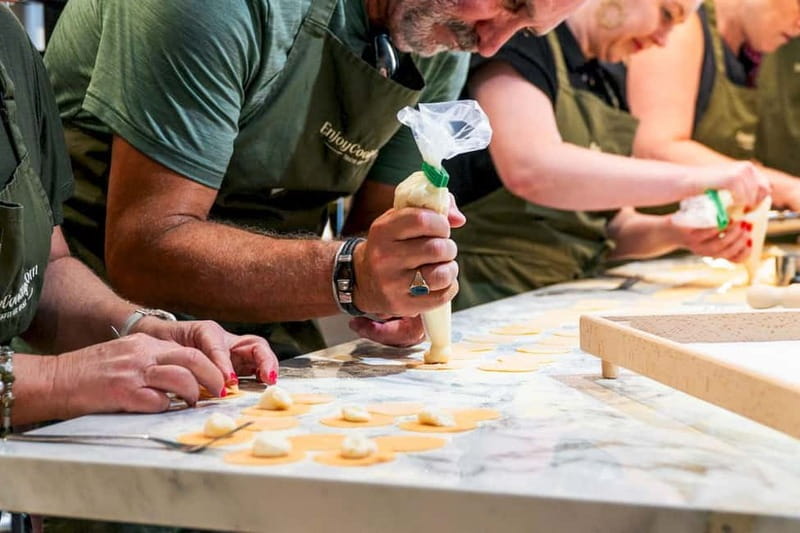
Small numbers change the tone. In a group of five or six, your chef can see what you are doing and help before a mistake becomes a problem. You also get more space at the workstations, which matters when you are rolling dough and shaping ravioli.
An eight-person class can still feel personal, especially when there is more than one staff member helping. Private sessions are available for people who want the class to focus entirely on their own group.
The social side is part of the appeal. You cook alongside couples, families, and other food lovers, then eat together. One family brought an almost two-year-old child and found the staff welcoming and accommodating, though you should still notify the provider about children or special needs before booking.
The class also suits mixed ability levels. You do not need professional kitchen experience. Beginners receive step-by-step help, while experienced home cooks can pay closer attention to pasta texture, filling, and sauce technique.
A Location That Fits a Rome Itinerary
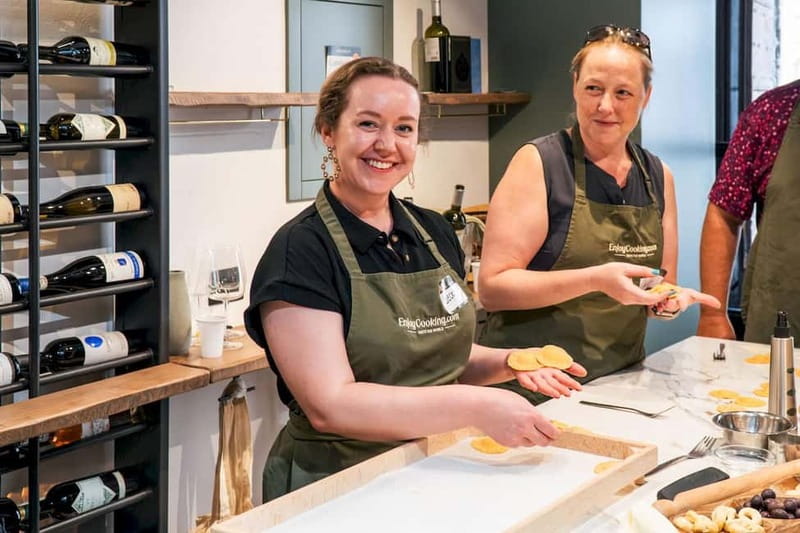
The exact meeting point depends on the option you book, so check your confirmation carefully. The activity ends back at the meeting point, and hotel pickup and drop-off are not included.
Some sessions have been held around the corner from the Colosseum. If that location applies to your booking, the class fits neatly into a day of sightseeing in central Rome. You could schedule it after nearby sightseeing, though allow enough time to arrive without rushing.
The class lasts three to three and a half hours. That is long enough for three dishes and a proper meal, but it is still manageable within a short Rome visit.
Check the available start times before planning the rest of your day. A morning class can finish in time for afternoon sightseeing, while an evening session works well as dinner with a built-in activity.
Because the meeting point may differ by option, do not rely only on a general map pin. Use the address and timing supplied for your specific reservation.
Dietary Limits You Should Take Seriously
This is a wheat-based pasta class. Gluten-free options are not available, and the experience is not recommended for people with celiac disease.
The kitchen may also contain traces of gluten and nuts. If you have a severe allergy, contact the provider before booking and explain exactly what you need. Special dietary requirements may be accommodated in some cases, but the class cannot promise a safe environment for serious gluten or nut allergies.
This point is not a minor footnote. Flour is central to the activity, and cross-contact is possible. If you need a strictly gluten-free kitchen, choose a different experience.
Vegetarian or other dietary requests should also be raised when you book. The ingredients and fillings may vary, so early notice gives the staff a chance to plan.
Who Will Enjoy This Class Most
I would recommend this class to you if you want an active food experience, not simply a restaurant reservation. It suits first-time pasta makers, confident home cooks, couples, families, and small groups of friends.
It is especially good for people who enjoy learning through their hands. You will knead dough, shape ravioli, and assemble dessert, so you should be ready to participate rather than sit back.
The class also makes sense for a rainy day in Rome. You still get local food, conversation, and a memorable activity without spending the whole day outside.
Families can benefit from the relaxed setting, although very young children may not take part in every step. Couples may prefer a private class if they want a quieter occasion, while solo visitors can use the small group as an easy way to meet people.
I would be more cautious if you have a packed schedule or little interest in cooking. Three hours is a meaningful block of time, and the class only pays off if you want to spend that time making food.
Is the Unlimited Wine a Real Benefit?
Yes, but it should be viewed as part of the social setting rather than the main reason to book. The wine flows during the class and meal, helping create a relaxed atmosphere while everyone works.
The real value is the combination of food and instruction. You receive personal guidance, cooking snacks, coffee, nonalcoholic drinks, a full meal, and recipes. The wine is a pleasant extra.
If you do not drink, you will not lose the main purpose of the class. Coffee and nonalcoholic drinks are included, and the cooking itself remains the focus.
Booking and Cancellation Details
The activity costs $112.15 per person and lasts three to three and a half hours. Private and small-group options are available, and English instruction is provided.
You can cancel up to two days in advance for a full refund. Since meeting points and start times vary by option, confirm both before you finalize your Rome schedule.
Should You Book It?
Book this class if you want to learn a few Italian dishes and eat a proper meal in a friendly kitchen. The strongest reasons are the hands-on work, small groups, attentive chefs such as Max and Marco, and the chance to take the recipes home.
I would choose this over a passive food tour if you like cooking and want a skill you can use after Rome. I would skip it if you have celiac disease, serious gluten or nut allergies, or would rather spend your evening sightseeing.
For most food-focused visitors, it is a strong use of half a day. You leave with a full stomach, new pasta skills, and a much better sense of why fresh Italian food depends so much on texture, timing, and simple ingredients.
FAQ
How long does the pasta and tiramisu class last?
The class lasts between three and three and a half hours. Check the available start times when selecting your date.
What dishes will I make?
You will make fresh fettuccine, stuffed ravioli, and classic tiramisu from scratch. The pasta is served with sauces, and the tiramisu is made with espresso-soaked biscuits, mascarpone, and cocoa.
Is wine included in the price?
Yes. Free-flowing Italian wine is included, along with coffee and nonalcoholic drinks. Snacks are also provided while you cook.
Is the class suitable for people with celiac disease?
No. The class is not recommended for people with celiac disease, and gluten-free options are not available. The kitchen may contain traces of gluten and nuts.
Can I book a private class?
Yes. Private and small-group options are available. The meeting point may vary depending on the option you choose.
Can I cancel for a full refund?
Yes. You can cancel up to two days in advance for a full refund.
More Workshops in Rome
- Fettuccine & Tiramisù: Cooking Class with Wine & Limoncello
★ 4.9 · 2,103 reviews - Rome Cooking Class: Make Pasta, Dine & Drink Wine With Local Chef
★ 5.0 · 1,263 reviews - Rome: Combo Pizza and Pasta Cooking Class with Wine
★ 4.6 · 1,180 reviews - Rome: Pizza & Tiramisu Class with Free Flowing Fine Wine
★ 5.0 · 973 reviews
Just added around Rome
- Rome: Painting Class with Unlimited Wine★ 4.8 · 109 reviews
- Rome: Vatican Street Food and Wine Tour with Farmers Market★ 5.0 · 37 reviews
- Rome: Trastevere Wine Tasting with Food Pairing and Gelato★ 4.9 · 168 reviews
- Rome: Trionfale and Prati Food and Wine Tasting Tour★ 4.8 · 115 reviews
- Rome: Trastevere Food Walking Tour with Beer and Wine★ 4.9 · 71 reviews
- Rome: Tipsy Painting Class with Fine Wine and Arts★ 4.9 · 178 reviews
- Rome: Testaccio Food & Market Tour with Pasta & Wine★ 5.0 · 38 reviews
- Rome: Private Tuk Tuk Tour with Hotel Pickup and Prosecco★ 4.9 · 68 reviews
Wine Tours in Rome, compared.
Tuscany & Montepulciano Day Trip with Lunch & Wine Tasting
Read our review →
Pasta & Tiramisu Class with Fine Wine by the Vatican
Read our review →
Rome Food Tour: Unlimited Tastings with Fine Wine & Barolo
Read our review →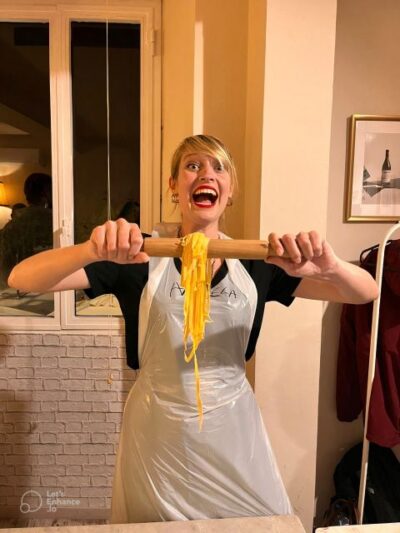
Pasta Making Class with Wine, Limoncello, and Dessert
Read our review →
Guided Food Walking Tour with Wine in Trastevere
Read our review →
Tuscany & Montepulciano Day Trip with Lunch & Wines
Read our review →
Trastevere Food tour with Free-Flowing Fine Wine
Read our review →
Browse the lists this tour appears in