
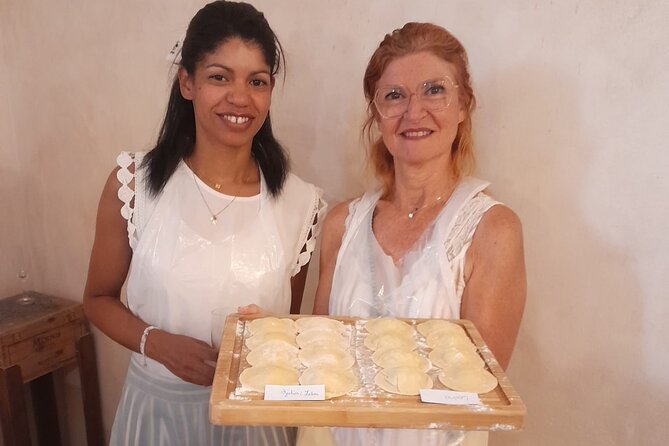
REVIEW · MILAN
Milan: Pasta and Tiramisu Small Group Cooking Class with Wine
Making pasta by hand is one of the best ways to understand Italian food. Here, you’ll mix and shape fresh dough, prepare tiramisu, then sit down to eat what the kitchen has made with wine and soft drinks. The small group, capped at 12, gives you a fair chance to follow the chef and meet other food lovers.
I especially like the central Milan setting and the useful explanations about flour, pasta fresca, pasta secca, and sauces. I also like that children can take part in much of the work, making this a practical family activity rather than a demonstration where you only watch. The main drawback is that the final cooking and plating can vary: one account found that the prepared pasta was combined with pasta from the whole group, so you may not eat only the portion you rolled and cut.
Key points to know before booking
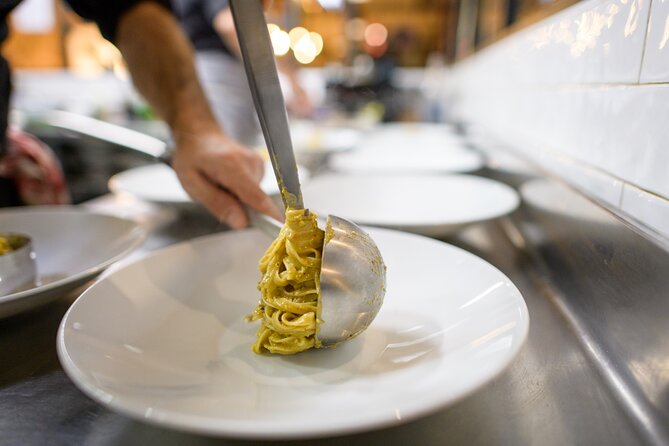
- You make two Italian classics: fresh pasta and tiramisu, with step-by-step instruction.
- The menu is substantial: fettuccine with tomato sauce, ricotta and spinach ravioli with butter and sage, and tiramisu.
- Wine is part of the meal: expect Prosecco on arrival, wine with lunch or dinner, and non-alcoholic drinks.
- The class is social but manageable: the group limit is 12 people.
- Several instructors may lead the session: names associated with classes include Francesco, Mimmo, Memmo, Alba, Federico, Dimitri, and Daniano.
- Allow about three hours: the time includes the lesson, meal, drinks, and restaurant service.
What the three-hour Milan cooking class is really like
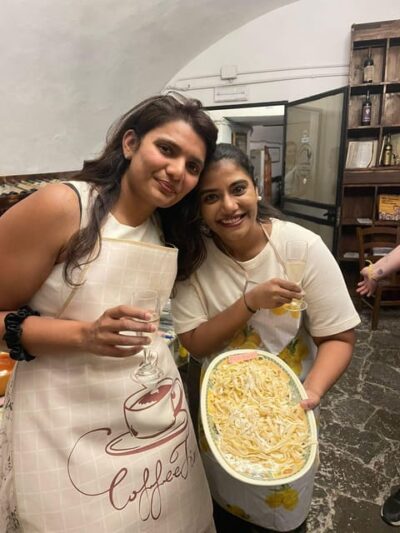
You arrive at a restaurant in central Milan, check in with your mobile ticket, and receive a welcome glass of Prosecco. From there, the activity moves into the working part of the restaurant, where you put on an apron and take a place at a workstation.
That start gives the class a useful sense of place. You are not simply in a rented classroom with a packet of ingredients. You get a look at how an Italian restaurant operates, then work toward a meal served in the same setting.
The class is conducted in English. The instructors named in accounts of the experience include Francesco, Mimmo, Memmo, Alba, Federico, Dimitri, and Daniano. That suggests the teaching style can depend on the person leading your session, but the consistent pattern is hands-on instruction, practical cooking tips, and a friendly tone.
The group size matters. With no more than 12 people, the chef can show techniques and help individual participants. It is still a group activity, so you will share a table and kitchen space, but it should feel more personal than a large demonstration.
More Wine Tours in Milan
- Milan: Pasta and Tiramisu Cooking Class with Wine
★ 4.8 · 1,106 reviews - Gnocchi, Pasta, Tiramisù and Wine Class
★ 5.0 · 691 reviews - Small-Group Barolo Wine Tasting, Alba & UNESCO Piedmont Hills
★ 5.0 · 689 reviews
Learning the difference between pasta fresca and pasta secca
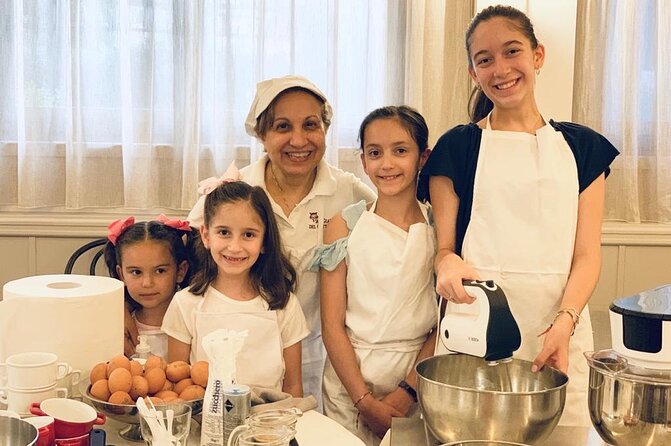
The pasta lesson begins with dough. You learn which flour to use, how the dough should feel, and how pasta fresca differs from pasta secca. These are small details, but they are the part you can carry home most easily.
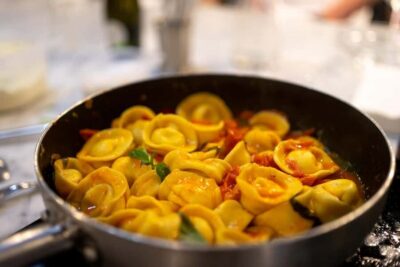
You then roll out the dough and cut it into noodles. The planned menu includes fettuccine with tomato sauce and ricotta and spinach ravioli with butter and sage. That gives you two different pasta styles to work with: a long noodle and a filled pasta.
The ravioli is especially useful for understanding how fresh pasta changes when you add a filling. You are not only making dough, but also seeing how shape, filling, and sauce work together. The butter and sage preparation keeps the dish simple, while the tomato sauce gives the fettuccine a familiar, direct flavor.
Do not expect a professional kitchen apprenticeship. One account described the activity as mostly rolling out pasta, with the restaurant team handling some of the cooking. That is an important distinction. You take part in the preparation, but the chef may cook the pasta and finish the dishes rather than handing you full control of the stove.
Still, the work is real enough to make the meal feel earned. You handle the dough, cut the noodles, and learn the basic method. If your main goal is to leave with a repeatable pasta recipe, this class should deliver more than a standard restaurant meal.
Tiramisu is the relaxed second lesson
After the pasta work, you learn to prepare tiramisu. This part is less physically demanding, which makes sense after rolling, cutting, and shaping dough.
You work with the mascarpone filling and the other basic components, following the chef’s instructions before the dessert is served at the end of the meal. The lesson is simple enough for families and first-time cooks, while still giving you techniques to repeat at home.
One amusing detail from the class accounts is that a couple enjoyed too much of the mascarpone mixture before assembling the dessert. That is a fair warning: keep enough filling for the top. It also captures the relaxed feel of the activity. This is not a strict culinary exam.
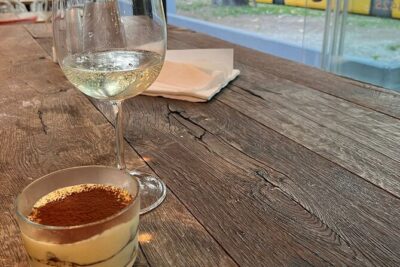
The tiramisu seems to be one of the strongest parts of the meal. Several accounts describe it as delicious, and the dessert gives you a second recipe to take home. You leave with more than a plate of pasta, which helps justify the price.
Lunch or dinner with Prosecco and wine
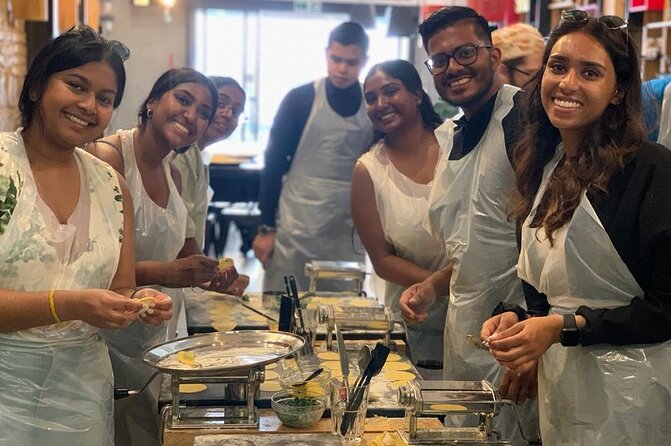
At the end, everyone sits down to eat. The stated menu includes fettuccine with tomato sauce, ricotta and spinach ravioli with butter and sage, and tiramisu. Drinks include Prosecco, red wine, white wine, and non-alcoholic options.
The welcome Prosecco helps set a social tone, while the wine served with the meal makes the class feel like a full Italian dining experience. If you prefer not to drink alcohol, soft drinks are included, so you are not required to make the wine part of the experience.
The meal is a real part of the value here. A three-hour class that ends with only a small taste would feel thin at $83.44 per person. Here, you receive the lesson, the food, dessert, and drinks in one package.
There is one practical point to keep in mind. The restaurant serves regular diners as well as class participants, and service can become slow when both are happening at once. One account found the explanations too long and the restaurant service frustrating. If you need a fast meal before a show or train, this is not the safest choice.
The experience is better suited to an open evening or a leisurely lunch. Give the schedule room to breathe, especially if the class is full.
More cooking classes with wine in Milan:
- Milan: Italian Cooking Class with Food and Wine
★ 4.7 · 509 reviews - Milan: Pasta, Gnocchi and Tiramisù Cooking Class with Wine
★ 5.0 · 117 reviews - Pizza and Tiramisu Cooking Class with Wine in Milan
★ 4.9 · 80 reviews - Florence: Pasta Cooking Class with Unlimited Wine
★ 4.9 · 10,285 reviews
How much hands-on cooking should you expect?
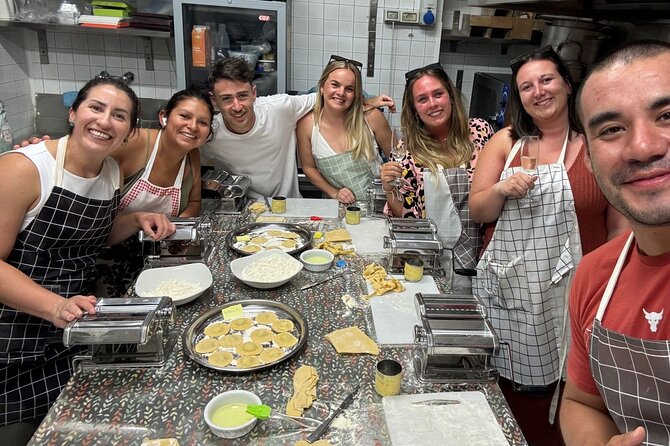
The phrase cooking class can mean different things in Milan. In some classes, you cook every element from start to finish. Here, the emphasis is on preparing the dough, shaping the pasta, making tiramisu, and learning the methods. The restaurant team may handle boiling the pasta and final service.
That arrangement has advantages. You can focus on technique without worrying about a crowded stove or a complicated restaurant kitchen. The chef can keep the class moving and serve a polished meal.
The tradeoff is control. You may not cook your individual pasta portion yourself, and the finished pasta may be combined for service. If eating exactly the noodles you made is essential to you, ask the host at the start how the class will handle the pasta.
This is also why expectations matter. Book it as a social, hands-on food lesson with a shared meal, not as a private chef training session. For most people, that balance is part of the fun. You learn enough to recreate the dishes, but you do not spend the whole evening managing pans and timing.
The instructors shape the experience
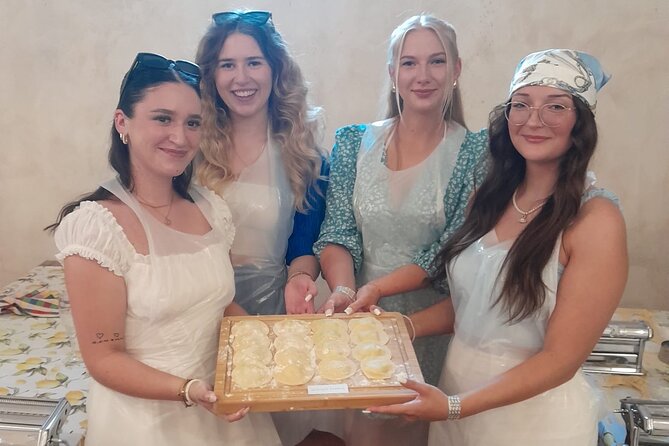
The class has received particularly strong praise for its instructors. Francesco is described as lively, funny, patient, and good at engaging the whole group. Memmo is noted for patient pasta instruction, while Alba is associated with clear demonstrations of both pasta and tiramisu.
Mimmo and his family have also led sessions, with a patient and supportive approach. Dimitri and his team have been described as warm and enthusiastic about Italian food. Federico is associated with useful guidance on both the pasta and dessert.
You cannot choose among these instructors from the information provided, and staffing may change. Still, the repeated names are useful because they show what to look for in the teaching style: clear demonstrations, humor, help at the workstation, and practical advice rather than a lecture.
English is offered, and the class is designed for people of different ages. A 12-year-old was able to manage the work independently, and families with children as young as five reported having a good time. Younger children may need help with dough and kitchen routines, but the activity is not limited to adults.
A good choice for families, couples, and solo visitors
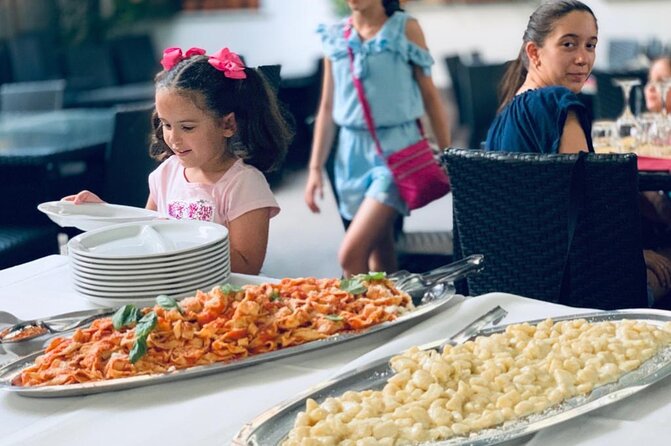
For families, this is one of the more useful Milan activities because it gives children something to do with their hands. A child can roll dough, cut noodles, and help with tiramisu rather than simply follow parents through another museum.
For couples, the class offers an easy shared activity with a meal built in. You can work side by side, then sit down with wine and the food prepared during the session. It also avoids the formality of a long restaurant dinner where conversation is the only activity.
Solo visitors may find the group format especially helpful. The class creates a natural way to meet people, with conversation built around flour, pasta shapes, sauces, and dessert. You do not need to arrive with a companion to take part.
Food-focused visitors will appreciate the regional basics, particularly the discussion of flour and the difference between fresh and dried pasta. If you already make pasta regularly, the lesson may feel introductory. The value then comes more from the Milan setting, the meal, and the social atmosphere.
Location, timing, and practical value
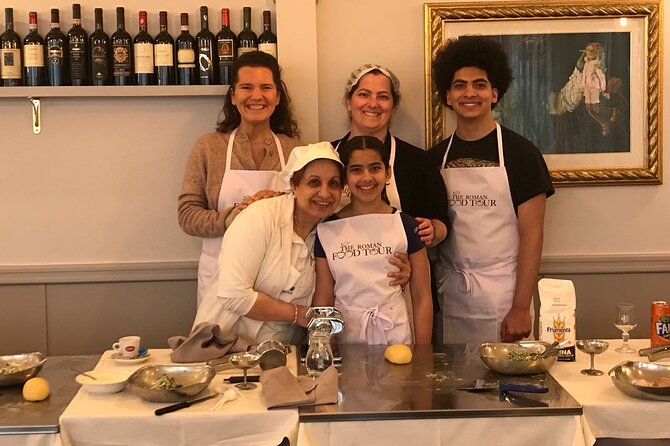
The meeting point is in a convenient central part of Milan and is near public transportation. Some accounts place the restaurant in a popular area near the Navigli canals, but the exact restaurant setting can vary by session, so check your confirmation carefully.
The activity lasts about three hours. That includes arrival, the welcome drink, instruction, pasta and tiramisu preparation, and the final meal. A lunch session can fit neatly into a day of sightseeing, while an evening class works well as dinner.
The price is $83.44 per person. That is not cheap for a meal, but it is reasonable for a three-hour activity that includes instruction, fresh pasta, tiramisu, Prosecco, wine, and soft drinks. You are paying for participation and guidance, not just food at a table.
The best value comes if you plan to use what you learn. The dough method, flour advice, pasta shapes, and tiramisu process can all be repeated at home. If you only want to eat Italian food, a restaurant meal will usually be simpler and may cost less. If you want an activity that combines dinner with a skill, the price makes more sense.
Tips are not included. Bring a little extra if you feel the chef and restaurant team earned it.
The main weakness: restaurant pace and shared pasta
The high rating reflects how much people enjoy the teachers, food, family suitability, and social setting. Still, the less favorable experience points to a real operational issue: the class shares space with ordinary restaurant service.
That can mean slow pacing. Lengthy explanations may be entertaining when the chef is engaging, but they can feel excessive when you are hungry or waiting for the meal. A busy restaurant can also make the class feel less private and less tightly organized.
The shared pasta issue deserves attention. You prepare your own dough and cut noodles, but the restaurant may cook a combined amount for the group. That means your final plate may not contain only the pasta you personally shaped.
For many people, this will not matter. The point is to learn the method and enjoy a communal meal. But if personal ownership of the finished dish is central to your idea of a cooking class, this is the detail most likely to disappoint.
Booking advice and cancellation terms
The activity is often booked well ahead, with an average booking time of about 26 days before the date. That does not mean you must reserve a month out, but it is sensible to plan ahead during a busy Milan visit.
You receive confirmation at booking, and the experience is offered in English. The maximum group size is 12. Free cancellation is available if you cancel at least 24 hours before the local start time. Cancellations or changes inside that window are not refunded or accepted.
Should you book this Milan pasta class?
I would book this class if you want a friendly food activity with real preparation, a full meal, and drinks included. It is especially well suited to families, couples, solo visitors, and anyone who wants to learn enough pasta technique to try it at home.
I would be more cautious if you want a tightly timed lesson where you cook every stage yourself. The restaurant setting can slow things down, and the final pasta may be prepared as a shared batch rather than served strictly by individual workstation.
For most visitors, the balance is attractive. You get fresh pasta, ravioli, tiramisu, English instruction, wine, and a chance to meet people without committing to a full-day food tour. Just arrive expecting a lively restaurant class, not a private kitchen session, and the $83.44 price offers solid value.
FAQ
How long does the Milan pasta and tiramisu class last?
The experience lasts approximately three hours, including the cooking lesson, meal, dessert, and drinks.
What food do you prepare?
You learn to prepare fresh pasta and tiramisu. The menu includes fettuccine with tomato sauce and ricotta and spinach ravioli with butter and sage.
Are drinks included?
Yes. The experience includes Prosecco, red wine, white wine, and non-alcoholic beverages. Lunch or dinner with pasta and tiramisu is also included.
Is the class conducted in English?
Yes. The activity is offered in English.
How many people can join the class?
The group has a maximum of 12 participants.
Is cancellation free?
You can cancel for a full refund up to 24 hours before the local start time. Cancellations or changes made less than 24 hours before the experience are not accepted or refunded.
More Workshops in Milan
- Rome: Pasta Making Class with Wine, Limoncello, and Dessert
★ 4.9 · 3,177 reviews - Florence: Cooking Class Pasta & Tiramisu Making Unlimited Wine
★ 5.0 · 2,234 reviews - Fettuccine & Tiramisù: Cooking Class with Wine & Limoncello
★ 4.9 · 2,103 reviews - Sorrento: Pizza Lesson, Wine, and Limoncello at a Local Farm
★ 5.0 · 1,513 reviews
More Pasta in Milan
- Milan: Pasta Class with Gelato or Tiramisù & Unlimited Wine
★ 4.9 · 233 reviews - Florence: Pasta & Tiramisu Cooking Class with Unlimited Wine
★ 4.9 · 6,708 reviews - Florence: Pasta Cooking Class with Unlimited Wine
★ 5.0 · 6,413 reviews - Rome: Pasta & Tiramisu Class with Fine Wine by the Vatican
★ 4.9 · 4,852 reviews
Just added around Milan
- Pizza and Tiramisu Cooking Class with Wine in Milan★ 4.9 · 80 reviews
- Milan: Wine Tasting Experience in the City Centre★ 4.5 · 113 reviews
- Milan: Pasta, Gnocchi and Tiramisù Cooking Class with Wine★ 5.0 · 117 reviews
- Milan Wine Tasting Aperitivo★ 4.4 · 31 reviews
- Milan: History & Street Food Tour with Wine Tasting★ 4.9 · 30 reviews
- Milan: Pasta Class with Gelato or Tiramisù & Unlimited Wine★ 4.9 · 233 reviews
- Milan: Food and Wine Experience★ 4.5 · 30 reviews
- From Milan: Barolo Wine Tasting, Alba Tour and Castle Visit★ 4.9 · 44 reviews
Wine Tours in Milan, compared.

Small-Group Barolo Wine Tasting, Alba & UNESCO Piedmont Hills
Read our review →
Milan Urban Winery: Taste & Tour at Cantina Urbana
Read our review →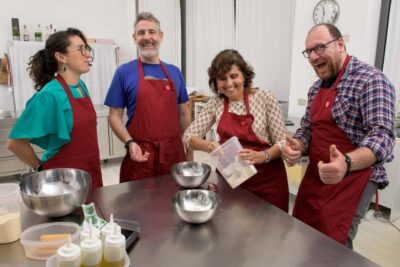
Pasta Class with Gelato or Tiramisù & Unlimited Wine
Read our review →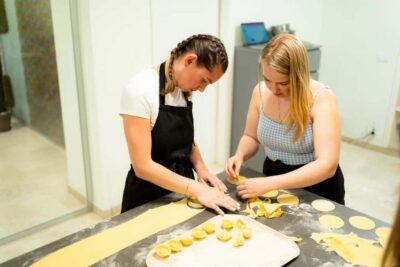
Pasta, Gnocchi and Tiramisù Cooking Class with Wine
Read our review →
Browse the lists this tour appears in