
REVIEW · SPAIN
Gran Canaria: Winery Tour, Wine Museum, and Tasting
Gran Canaria’s wine story comes alive at Bodega San Juan, a family winery dating to 1912. You’ll walk among organic vines, see a century-old stone lagar where grapes were once trodden, and enter a cellar that still smells of wine in wooden casks. The family history and the small wine museum give this short tour real character.
I like two things especially: the personal guide, often Maria, who explains the estate with humor and care, and the relaxed tasting in the garden with local cheese, toast, and olives. The main drawback is practical: there’s no hotel pickup, and reaching the finca by bus can be awkward. Bring clear directions and allow extra time.
Key points to know before booking
- A five-generation winery: Bodega San Juan has been in the family since 1912.
- Gran Canaria’s only wine museum: Old machinery and family photographs show how production changed.
- A real working cellar: You can smell wine fermenting and aging in wooden casks.
- Two wines with local food: The tasting includes cheese, toasted bread, and olives.
- A compact 1.5-hour visit: It fits neatly into a day of exploring the island.
- A self-drive or taxi outing: Hotel transfers are not included, so plan your route carefully.
Why this old family winery is worth your time
Gran Canaria is best known for beaches, volcanic scenery, and resort towns. Wine gives you another way to understand the island. At Bodega San Juan, the focus is not on a grand modern tasting complex. It is a small, family-run estate where old tools, family memories, vineyards, and current production sit close together.
That makes the visit feel more personal than a standard tasting stop. You are not simply handed a glass and told which notes to find. You see where the grapes grow, how the family worked in earlier generations, and how the winery now makes its organic wine.
The tour costs $34 per person and lasts about 1.5 hours. I consider that good value if you want more than a tasting. The price covers the farm tour, guided visit, two wines, and snacks. You are paying for the story and access to the working estate as much as for the drinks.
The setting also helps. The vineyards and old buildings offer plenty of photo opportunities, while the final tasting gives the visit an easygoing finish. It is a useful choice for a quieter afternoon, especially if you have already spent several days around Gran Canaria’s busier resort areas.
More wineries worth an afternoon in Spain:
- Barcelona: Montserrat, Cogwheel, Black Madonna & Winery Tour
★ 4.8 · 5,633 reviews - Montserrat with Black Madonna & Medieval Winery with Tapas/Lunch
★ 5.0 · 5,209 reviews - Montserrat Full Day Tour with Farmhouse Lunch and Winery Visit
★ 5.0 · 1,068 reviews
Finding Bodega San Juan at Finca El Mocanal
You meet at Bodega San Juan, Finca El Mocanal. The winery does not provide hotel pickup or drop-off, so transportation is your responsibility. That is the main planning issue with this experience.
One person found the bus journey complicated but still manageable. Another group was delayed by an accident on the GC-1 and was moved to a later tour, which suggests the operator can be practical when road problems interfere. Still, I would not leave your arrival until the last minute.
The meeting instructions use the same winery name twice, so take a moment to confirm the exact location before setting out. If you are driving or taking a taxi, this should be straightforward once you have the address. If you are using public transport, check the route in advance and allow a buffer.
The host or greeter speaks English. Maria is frequently the guide, and she has also handled groups with different language needs. The tour can take place rain or shine, so bring suitable clothing rather than assuming the island’s usual sunshine will hold all day.
Walking through five generations of family history
The tour begins with the story of the estate and the family behind it. Old photographs help put the winery into context. You get a sense of how the property has been handed down through five generations and how the work has changed over time.
The 1912 date matters because it gives the buildings and equipment a genuine connection to the island’s past. This is not a newly styled tasting room made to look old. The visit includes working traces of earlier wine production, and the family connection remains part of the experience.
Maria has been praised for making this section lively, funny, and easy to follow. That personal touch is important in a small winery. Without a good explanation, old photos and machinery can become a quick glance before the tasting. With a good guide, they show how the family adapted to changing equipment, production methods, and growing conditions.
You should expect a friendly, conversational pace rather than a formal lecture. The guide explains the estate, answers questions, and moves the group through the grounds. The quality of the visit depends partly on who leads your time slot, but Maria has been the most frequently named guide and is clearly a central part of the experience.
Organic vines, volcanic soil, and island conditions
The farm walk takes you into the organic vineyards. Here, the guide explains the grape varieties grown on Gran Canaria and points out endemic types that are tied to the Canary Islands.
The volcanic soil is another key part of the story. The guide explains why the soil matters and how the island’s conditions affect the crop. You also hear about the work required to keep the vines in good condition and bring the grapes to proper ripeness under the island sun.
This section gives the tasting more meaning. Instead of treating wine as a finished product with a label, you see the first stage of the process. You learn that the flavor in your glass begins with grape varieties, soil, climate, and constant care in the field.
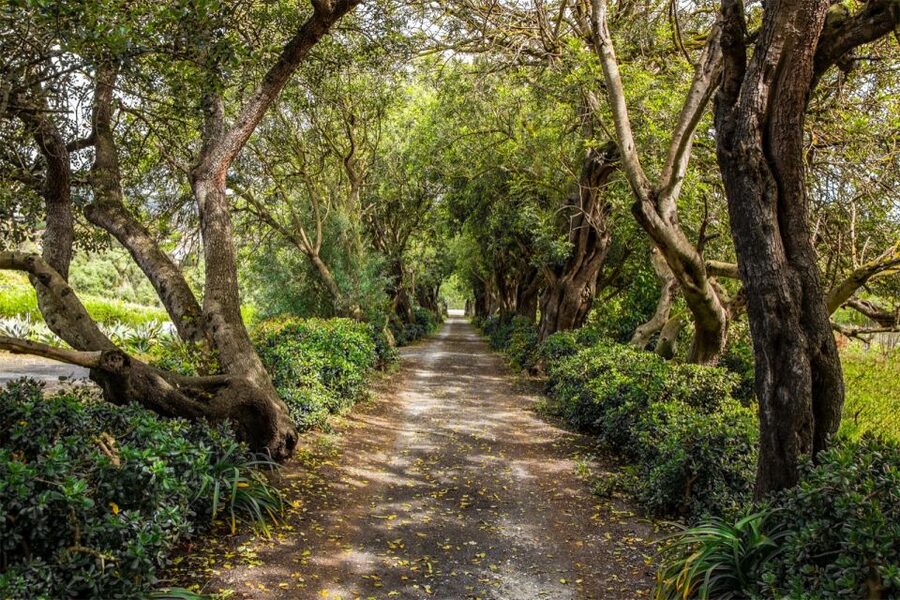
The vineyard walk is also one of the better photo stops. The rolling rows of vines and historic buildings make a pleasant backdrop, particularly if you enjoy taking pictures of places that feel connected to local life. The amount of time outdoors depends on the guide and the group, but the farm tour is part of the planned visit.
A few more wine days around Spain worth comparing
- Montserrat & Cogwheel Train, Gourmet Wine Tasting & Tapas/Lunch
★ 5.0 · 6,290 reviews - Barcelona: Tapas Walking Tour with Food, Wine, and History
★ 4.8 · 4,261 reviews - Madrid Tapas & Wine Tasting Walking Tour – Small Group Local Bars
★ 5.0 · 3,644 reviews - Sevilla Food Tour: Tapas, Wine, History & Traditions
★ 5.0 · 3,468 reviews
The 100-year-old stone lagar
One of the most memorable objects on the estate is the old stone lagar. This is where grapes were once trodden by foot. It gives you a clear picture of how much wine production depended on manual work before modern machinery took over.
The lagar is more than a decorative antique. It links the family photographs and old equipment to a physical place where the work actually happened. You can see the scale of the old process and compare it with the modern facility later in the tour.
If you are interested in traditional food and drink production, this is likely to be one of the strongest parts of the visit. It is also useful for anyone who does not know much about wine. The guide can show you the basic path from grape to bottle without burying you in technical terms.
Gran Canaria’s only wine museum
The small wine museum continues the old-to-new comparison. It contains machinery and objects connected with production at the estate. You will see how methods evolved from the days of hand work and stone pressing to more modern equipment.
The museum is not a large institution, and that is part of its appeal. You can take in the collection during a short visit without spending hours reading displays. The guide supplies the context, connecting the objects to the family and the winery.
This is where the tour feels most useful for the price. A simple tasting would give you two glasses of wine and a snack. The museum adds a layer of place and memory. You leave with a better idea of how wine has been made on this island and how one family kept the tradition going.
Entering the cellar and comparing old with new
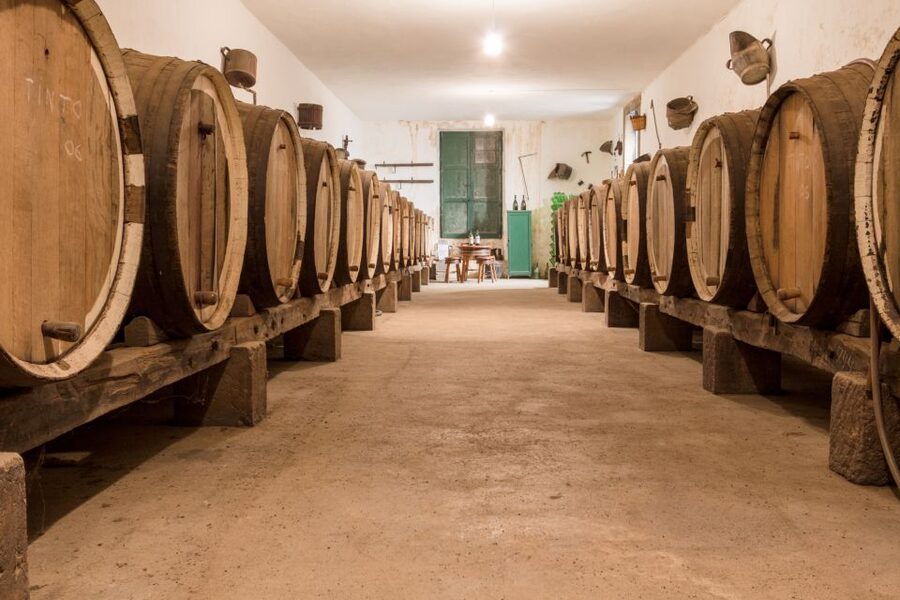
The cellar brings the tour back to the senses. As you enter, you can smell wine fermenting or aging in wooden casks. That aroma makes the process feel immediate in a way that photographs and explanations cannot.
You then compare the older cellar with the modern facility. This contrast is central to the visit. The winery has not abandoned its earlier identity, but it has updated parts of the production process. You get to see both sides rather than being shown only a polished tasting room.
The guide explains the route from grape to bottle and the work involved in making organic wine. The emphasis is on understanding the process, not on pretending that small-scale wine production is effortless. You hear about crop care, fermentation, cellar work, and the changes that come with modern production.
The cellar may be less comfortable than the garden, especially if you are sensitive to strong smells or cooler enclosed spaces. Most people will find the wine aroma part of the charm, but it is worth knowing that this is a working cellar, not simply a display area.
Two wines with cheese, toast, and olives
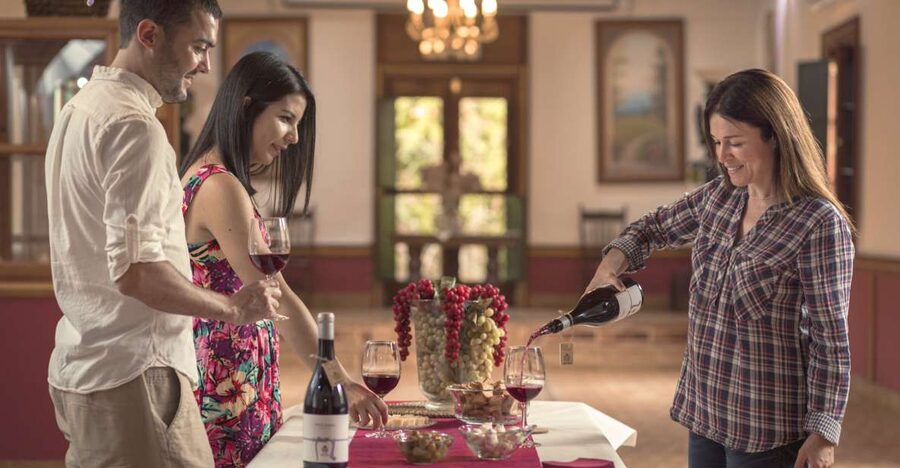
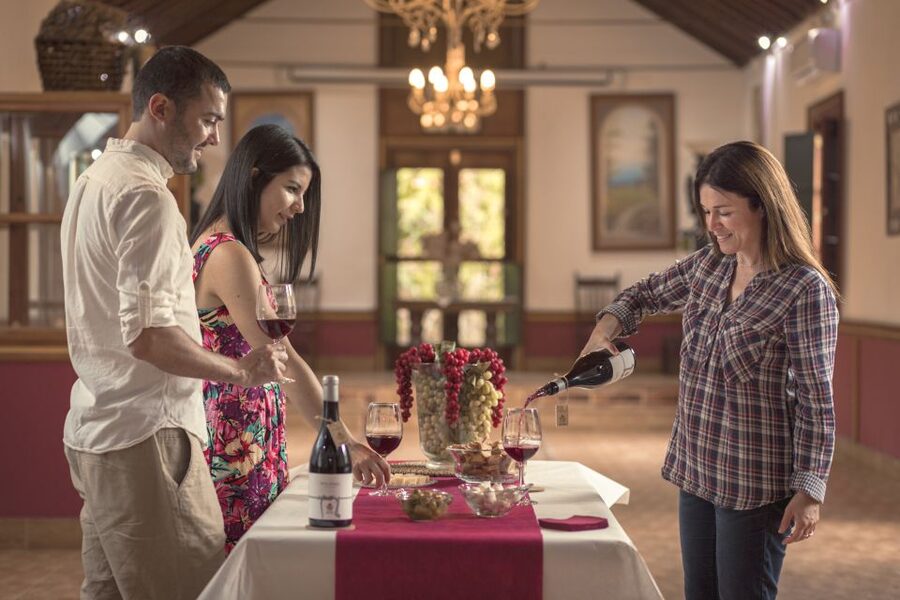
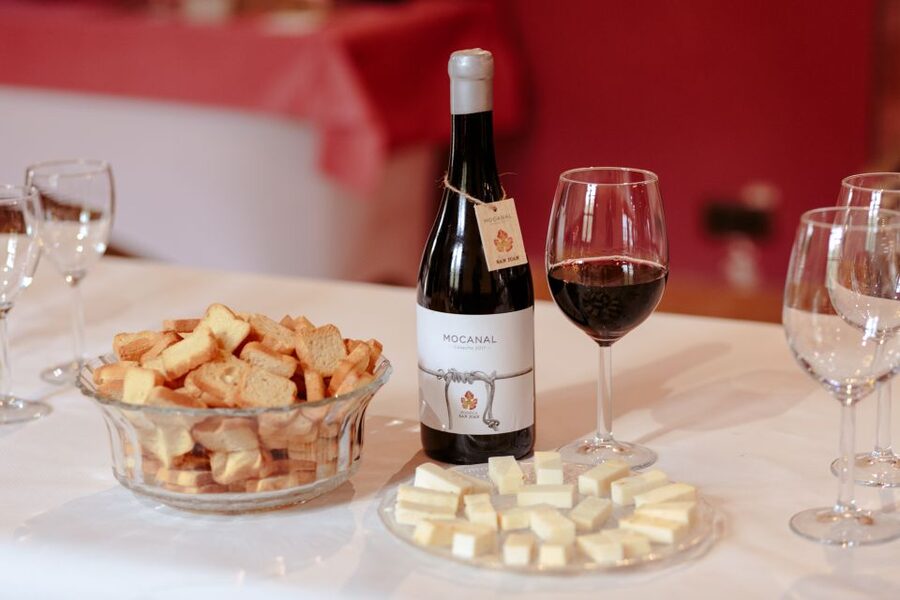
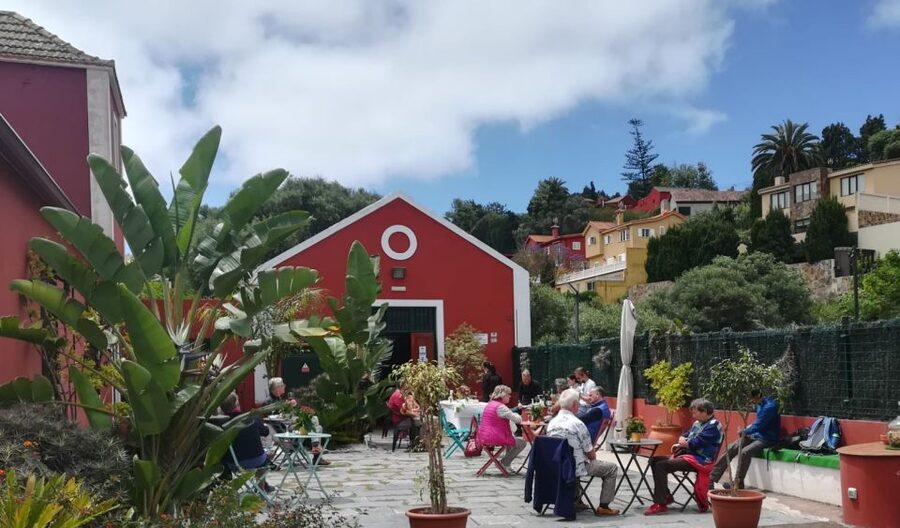
The tasting comes at the end of the guided tour. You sample two wines alongside Gran Canaria cheese, toasted bread, and olives. The food is modest, but it is enough to make the tasting feel complete rather than rushed.
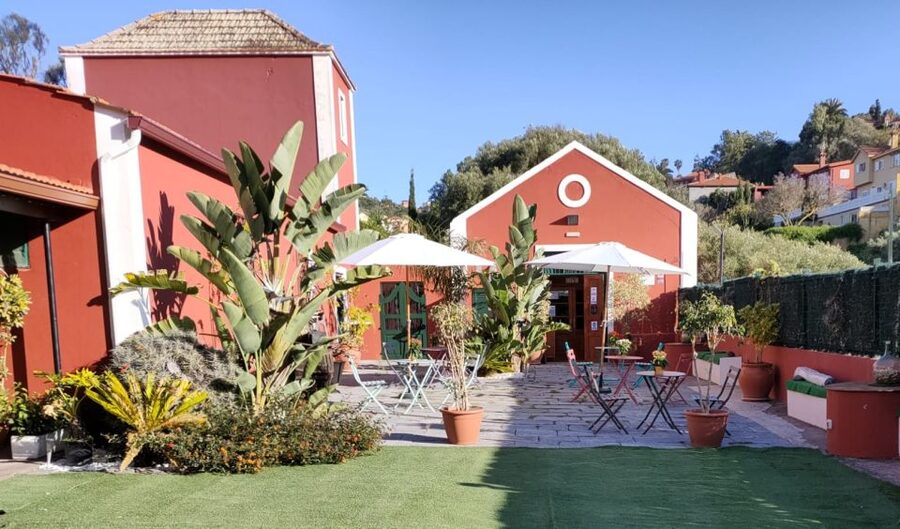
The garden setting is a particular strength. You may taste outdoors among the estate’s buildings and plants, with butterflies sometimes nearby. It is a calm finish after the walk through the vineyard, museum, and cellar.
The wines have received very strong praise, and some people have bought bottles to take home. Availability can vary, though. On one visit, the estate’s own red wine was not available to buy, despite being a favorite. So enjoy the tasting first and treat bottle shopping as a bonus, not a guarantee.
The food pairing also gives you a practical way to compare the wines. Taste each with the cheese and bread, then try it again on its own. You do not need to be a wine expert to enjoy this part. The guide can explain the wines, but the setting is relaxed enough for a beginner.
How the guide shapes the experience
The guide matters here more than it would on a large commercial tour. The buildings and old equipment are interesting, but you need someone to connect them. Maria has been praised for her humor, clear English, stories about the estate, and ability to make the group feel welcome.
She has also taken photos for couples and helped arrange a taxi for a departing group. Those are small details, but they show the practical value of having a host who is paying attention. On the other hand, one person found the initial greeting abrupt and was not given a clear explanation of where the tour would begin. The experience improved once the tour got underway.
That is a fair warning to keep expectations balanced. Most of the feedback has been highly positive, with a 4.7 out of 5 rating from 131 ratings, but no guide is perfect every time. Confirm the meeting point, arrive prepared, and ask questions if the opening instructions are unclear.
Who will enjoy this 1.5-hour visit
I would recommend this tour to wine lovers, couples, families with older children, and anyone who enjoys local history in small doses. It is also a good choice if you want an activity that feels connected to Gran Canaria rather than another resort-based attraction.
You do not need previous wine knowledge. The guide covers the basics and gives you enough information to understand what you are seeing. The tasting is approachable, and the cheese, bread, and olives make it suitable for people who care about food as much as wine.
The compact duration is useful. At 1.5 hours, the visit will not take over your whole day. You can fit it between other plans, though transportation time is separate and may be longer than the tour itself.
I would think twice if you want a large, polished winery with many wines, an extensive shop, or a long formal tasting. This is a small family estate. The appeal is the personal story, old equipment, garden setting, and direct connection between the vineyard and the glass.
Price, timing, and practical value
At $34 per person, the tour offers more than a basic drink stop. You get a farm visit, the wine museum, access to the cellar and modern facility, a guide, two wines, and local snacks.
The strongest value comes from the combination. If you only wanted two glasses of wine, you could find cheaper options elsewhere. If you want to understand Gran Canaria’s grape growing and family wine traditions, the added history and behind-the-scenes access make the price reasonable.
You can cancel up to 24 hours before the activity for a full refund, and you can reserve now while paying later. Starting times depend on availability. The tour runs in rain or shine, so check the forecast and dress for both outdoor walking and time inside the cellar.
Should you book Bodega San Juan?
Book it if you want a friendly, small-scale introduction to Gran Canaria’s wine culture. The 1912 family estate, old stone lagar, only wine museum on the island, organic vines, and relaxed tasting give the visit more substance than its short length suggests.
I would make this a particularly strong choice if Maria is leading your time slot and you enjoy personal stories, photographs, and local food pairings. Just plan your transport carefully, confirm the meeting point, and do not count on every wine being available to buy afterward.
If you prefer a large commercial winery or a long tasting with many labels, choose something else. For most people seeking a calm, good-value afternoon away from the resort circuit, this is an easy tour to recommend.
FAQ
Where does the Gran Canaria winery tour meet?
The meeting point is Bodega San Juan at Finca El Mocanal.
How long does the activity last?
The guided winery visit and tasting last about 1.5 hours.
What is included in the price?
The price includes the farm tour, wine tasting, cheese, toast, and olives.
How many wines do you taste?
You taste two wines at the end of the guided tour.
Is hotel pickup included?
No. Hotel pickup and drop-off are not included.
Is the tour offered in English?
Yes. The host or greeter language is English, and the activity information lists English as the tour language.
What will I see at the winery?
You can see the organic vineyards, old family photographs, a 100-year-old stone lagar, the wine museum with old machinery, the cellar with wooden casks, and the modern production facility.
Can I cancel the booking?
Yes. You can cancel up to 24 hours in advance for a full refund. You can also reserve now and pay later.
More Museums in Spain
- Picasso Museum and Walking Tour Plus Optional Wine & Food Tasting
★ 5.0 · 596 reviews - Tenerife: Wine Museum Ticket with Local Wines & Food Tasting
★ 4.5 · 393 reviews - Picasso Museum and Walking Tour Plus Wine Tasting Upgrade
★ 4.3 · 111 reviews - Porto: Cálem Cellar Tour, Interactive Museum & Wine Tasting
★ 4.5 · 4,113 reviews
Just added around Spain
- Rioja wine region with visit to winery & Vitoria-Gasteiz★ 4.5 · 32 reviews
- Bilbao Pintxo Tasting Paired With Spanish Wines★ 5.0 · 55 reviews
- La Rioja Boutique Wine Tour & Charming Lunch (From Bilbao)★ 5.0 · 62 reviews
- Rioja Wine Tour: 2 Wineries From Bilbao★ 5.0 · 111 reviews
- Rioja & Txakoli Wine Tasting in Bilbao with a Local Sommelier★ 5.0 · 40 reviews
- Basque Best Bites – #1 Food & Wine tour of Bilbao★ 5.0 · 268 reviews
- Complete winery experience: visit, tasting and traditional food★ 4.5 · 175 reviews
- 2 Wineries Small Group Tour with Free Hotel PickUp from Sitges★ 5.0 · 83 reviews
Wine Tours in Spain, compared.

Montserrat Half-Day Tour with Tapas and Gourmet Wines
Read our review →
Montserrat & Cogwheel Train, Gourmet Wine Tasting & Tapas/Lunch
Read our review →
Barcelona Tapas and Wine Experience Small-Group Walking Tour
Read our review →
Montserrat, Cogwheel, Black Madonna & Winery Tour
Read our review →
Montserrat with Black Madonna & Medieval Winery with Tapas/Lunch
Read our review →
Tapas Walking Tour with Food, Wine, and History
Read our review →
Madrid Tapas & Wine Tasting Walking Tour – Small Group Local Bars
Read our review →
Sevilla Food Tour: Tapas, Wine, History & Traditions
Read our review →Browse the lists this tour appears in