
REVIEW · PARIS
Paris: Cheese and Wine Class in a 17th Century Cellar
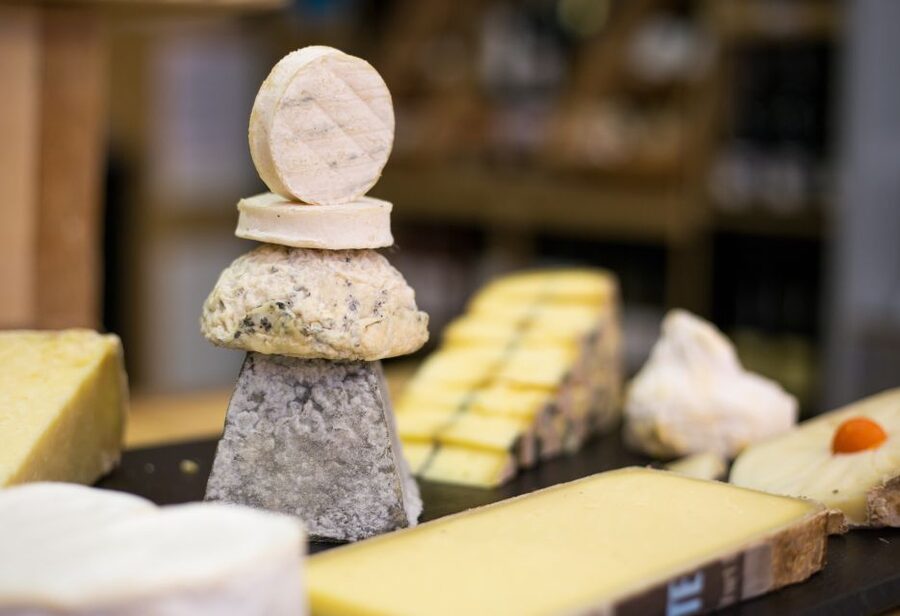
A 17th century cheese cellar is a fine place to learn why French cheese is far more than a plate of snacks. At the Living Cheese Museum on Île Saint-Louis, you taste seven cheeses from different regions, milks, textures, and styles while an English-speaking guide explains how each one is made and matured.
I like the small-group format, which can make it easier to ask questions and follow the tasting at your own pace. I also like the clear three-part menu: seven cheeses, three French wines, and fresh baguette, all served in a setting with real character.
The main drawback is practical rather than culinary: 90 minutes goes quickly, especially if you enjoy asking about every cheese. The class is also not suitable for people with lactose intolerance, and you must be at least 18 to drink the wine.
Key points to know before booking
- Seven cheeses from across France: Expect differences in milk, texture, style, and region rather than seven versions of the same cheese.
- Three wine pairings: The guide explains how wine can change the flavor of cheese, not simply accompany it.
- A 17th century cellar: The setting gives the tasting a stronger sense of place than a standard shop counter.
- English-speaking instruction: Guides including Pierre, Agathe, Guillaume, Gala, and Marie have been praised for clear explanations, humor, and enthusiasm.
- A small-group class: One recent group was limited to 12 people, while another had only six, though the exact size may vary.
- A central Île Saint-Louis meeting point: You meet at Musée Vivant du Fromage, 39 rue Saint Louis en l’île, 75004 Paris.
Inside the 17th century cheese cellar
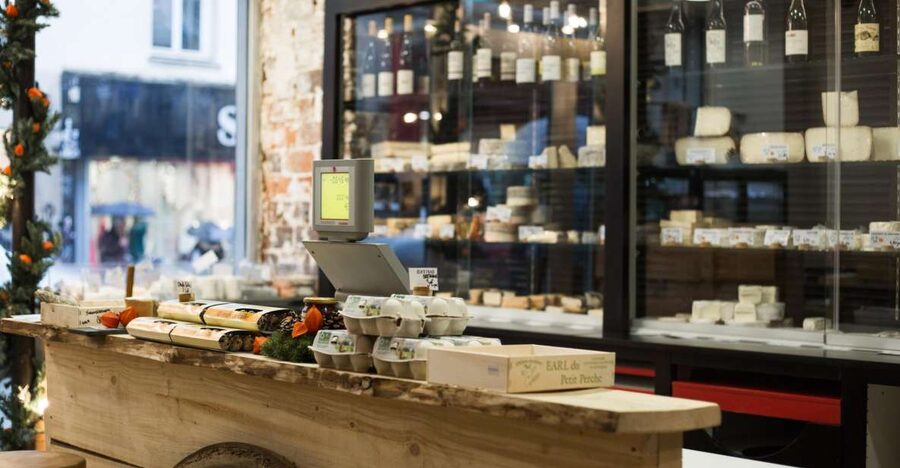
The experience begins at Musée Vivant du Fromage, on rue Saint Louis en l’île. This puts you on Île Saint-Louis, one of the easiest places in central Paris to combine with a walk along the Seine or a visit to nearby sights.
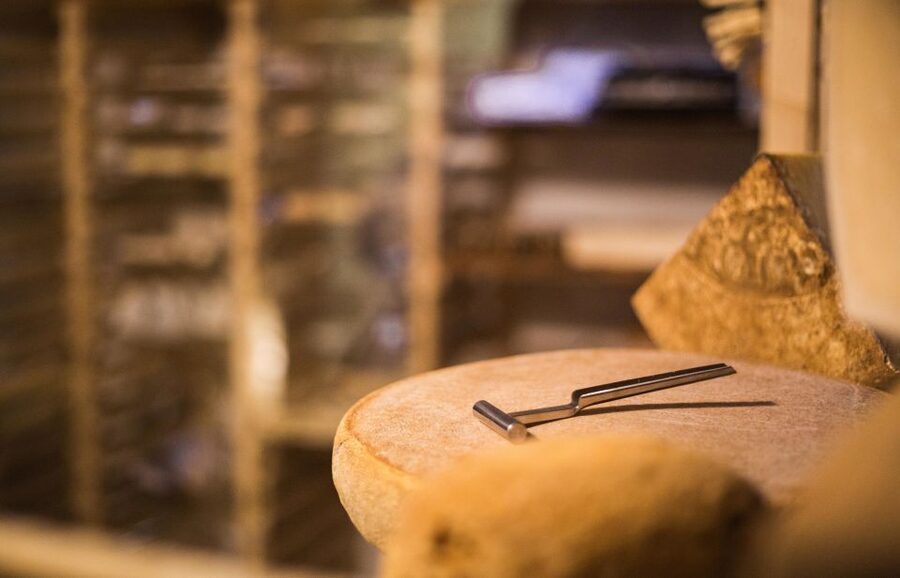
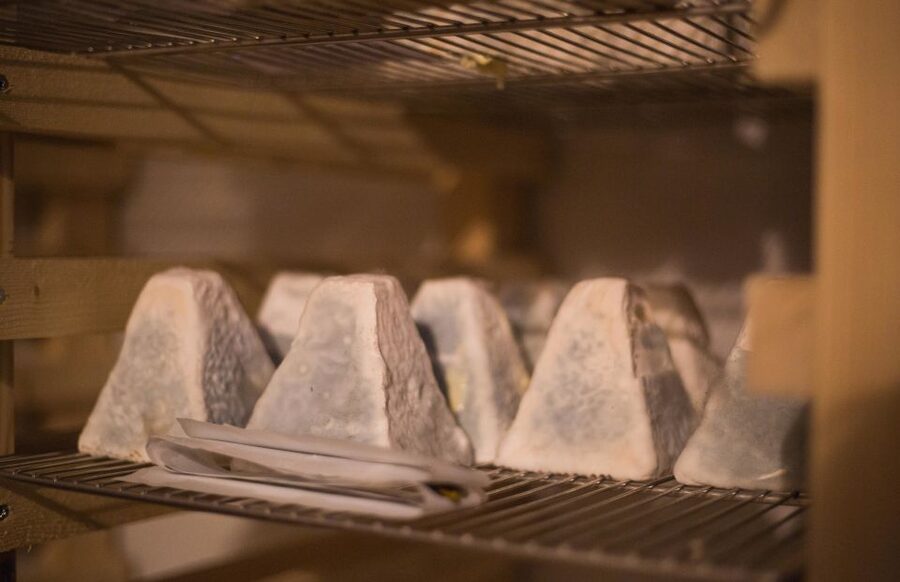
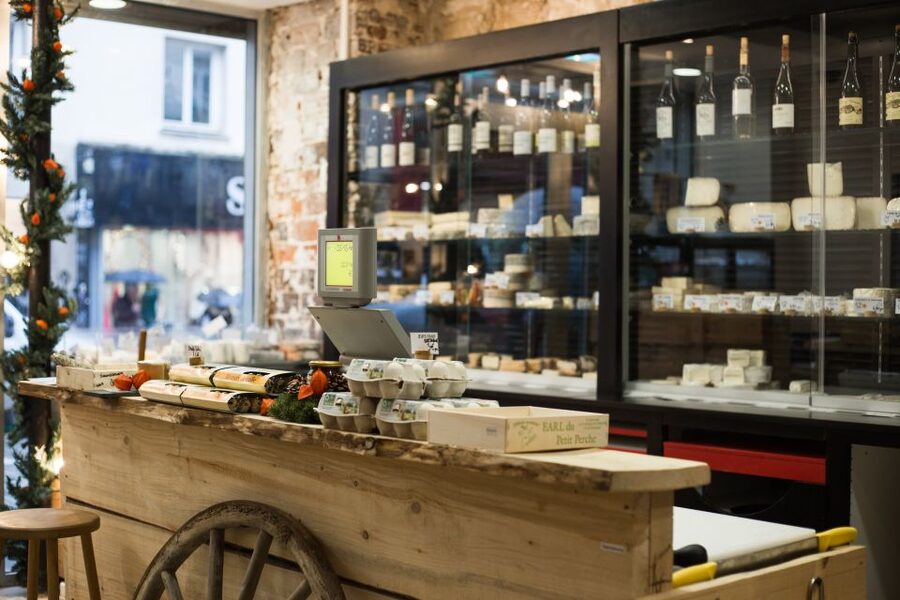
You do not simply sit down in a bright tasting room and receive a plate. The cellar is part of the lesson. You see where cheese is matured and learn why time, temperature, and storage matter. That context helps explain why two cheeses made from similar milk can end up with very different smells, firmness, and flavors.
The cellar also gives the class a bit of atmosphere. It is comfortable, according to the available details, but it has the character of an old working food space rather than a polished hotel lounge. If you like your food experiences to connect with place and craft, this setting does a lot of the work.
Your guide leads the class in English. The names vary by departure, but Pierre, Agathe, Guillaume, Gala, Marie, and other hosts have led sessions. The strongest part of the instruction is the balance between information and conversation. You learn how cheese is produced without sitting through a technical lecture.
More Wine Tours in Paris
- Paris: Moulin Rouge Cabaret Show Ticket with Champagne
★ 4.7 · 16,088 reviews - Authentic Parisian Gourmet Food Tour with 10 Local Dishes & Wines
★ 5.0 · 4,754 reviews - Loire Valley Castles Day Trip from Paris with Complementary Wine
★ 4.5 · 3,907 reviews
Seven cheeses, seven different lessons
The tasting includes seven French cheeses from different regions and categories. The exact selection can change, so you should not book with one particular cheese in mind. The point is the range.
You may compare cheeses made from different types of milk, along with differences in texture and age. Some may be soft and fragrant, while others may be firmer, stronger, or more restrained. The guide explains what you are tasting and how the cheese reached that point.
This is useful if you normally choose cheese by appearance alone. A rind, a scent, or a crumbly center can tell you something about production and maturing, but it does not tell the whole story. The class gives you a simple method: notice the smell, feel the texture, taste the cheese on its own, then try it with the suggested wine.
I like that the tasting is not only about naming famous French cheeses. The guide also talks about the work behind them. You get a better sense of why cheesemaking is a careful craft and why the maturing stage can change a cheese so dramatically.
The food is served with fresh baguette. Bread gives you a familiar pause between stronger flavors, though it can also fill you up quickly. If you want to pay close attention to all seven cheeses, take small pieces of bread rather than treating the baguette as a meal.
Three wines and the logic of pairing
The class includes three French wines. That is enough variety to show how different wines affect the same general category of food, without turning the session into a long wine seminar.
The guide pairs each wine with selected cheeses and explains the reason. Sometimes the wine may soften a salty bite. Sometimes it may balance a creamy texture or bring out a flavor you missed when tasting the cheese alone.
This is where the class becomes more useful than a basic cheese sample. You are not only asking if you like a particular cheese. You are learning what happens when you combine two strong flavors.
The pairing process is also interactive. Hosts such as Pierre and Agathe have been praised for answering questions and keeping the class lively. That matters because wine and cheese vocabulary can become confusing fast. A good guide gives you plain comparisons and lets you form your own opinion.
You should also keep the drinking age in mind. Wine is part of the included tasting, and the minimum drinking age is 18. The activity is not designed as a nonalcoholic cheese class.
Why the guide matters so much
The guide is the difference between a pleasant snack and a useful workshop. This is not a self-guided museum visit. Your host explains the cheese, describes the production process, and shows you how to assess the pairing.
Several guides have received especially strong praise for their style. Pierre is described as welcoming, funny, interactive, and deeply informed about cheese and wine. Agathe is known for enthusiasm, humor, and interesting facts without dragging the class into too much detail. Guillaume has led entertaining sessions, while Gala and Marie have also been singled out for clear instruction.
You should expect the personality to vary slightly from one session to another. That is normal with a class led by different hosts. The consistent feature is the English-language format and the focus on answering questions.
A small group helps here. A group of 12 is still large enough to have some energy, but small enough for a guide to speak with people directly. A group of six feels more personal. The exact number is not guaranteed, so keep that flexibility in mind when comparing this with a private tasting.
More cellar visits in Paris:
- Paris: Champagne Cellars Tour and Tastings with a Sommelier
★ 4.9 · 74 reviews - Paris: French Wine Experience in Parisian Cellar
★ 4.5 · 54 reviews - Porto: Bridges Cruise & Sunset & Port Wine Cellar Option
★ 4.2 · 4,180 reviews - Porto: Cálem Cellar Tour, Interactive Museum & Wine Tasting
★ 4.5 · 4,113 reviews
What 90 minutes feels like
Ninety minutes is a sensible length for this activity. It gives you time to taste all seven cheeses, sample three wines, hear about production and maturation, and ask questions without taking half a day from your Paris plans.
Still, the clock matters. The experience is compact, not leisurely. If you want a long meal, this will feel short. If you want a focused introduction to French cheese and wine between sightseeing stops, the timing works well.
I would avoid booking it immediately before a hard-to-reach appointment. You need to arrive at the museum, and the class itself is fixed at 90 minutes. There is no pickup or drop-off, so you handle your own transport to and from 39 rue Saint Louis en l’île.
The location is convenient for building a walking route. You can pair it with time on Île Saint-Louis, a stroll beside the Seine, or other central Paris plans. Since the activity takes place in a cellar, you might also appreciate having a light schedule afterward rather than rushing straight into another major attraction.
Is $82 a fair price?
At $82 per person, this is not a bargain snack. You are paying for seven cheeses, three wines, baguette, a professional guide, museum setting, and a structured lesson lasting 90 minutes.
The value depends on what you want. If you only want to taste French cheese, a market or shop will cost less. But that cheaper option will not give you the same explanation of production, maturing, and pairing. You also lose the social side of sitting with a small group and asking a specialist about what is on your plate.
For someone who already plans to buy cheese and wine in Paris, the class can help you make better choices afterward. You learn what textures and styles suit you, and you may leave with a new favorite. One session offered a 10 percent discount on wine purchases afterward, but you should confirm that this is available on your date rather than treating it as guaranteed.
The best value comes if you participate fully. Taste each cheese without bread first. Pay attention to the wine pairing. Ask why the guide selected that combination. If you simply eat and drink while chatting, you are paying workshop prices for a tasting.
Who will enjoy this most
I would recommend this for adults who want a food experience with some instruction but not a full cooking course. It suits couples, friends, solo visitors, and families with adult children who can meet the drinking-age rule.
It is also a good choice if you have already seen several major Paris sights and want something that uses your senses instead of another museum ticket. The class gives you a break from monuments without sending you far from central Paris.
Cheese enthusiasts will get the most from the range of regional styles and the chance to ask detailed questions. Beginners should enjoy it too, since the guides explain the basics rather than assuming you already know French cheese terminology.
I would be more cautious if you dislike strong aromas, do not drink alcohol, or need a full meal. The activity centers on cheese and wine, with baguette as the accompaniment. It is a tasting class, not lunch or dinner.
People with lactose intolerance should not book this experience. Pets are not allowed, and the drinking age is 18.
Small-group atmosphere and practical expectations
The small-group setting creates a social mood without requiring you to perform. You can listen, taste, and ask questions. One group had six people, while another had 12, so the exact atmosphere can range from intimate to lively.
A group of 12 may mean less individual attention during the busiest moments. On the other hand, more people can make the discussion more fun, especially when everyone notices different flavors in the same cheese.
The class is conducted in English. That makes it easy to follow the technical parts, including cheese production and wine pairing. You will still be in Paris and surrounded by French food culture, but you will not need advanced French to benefit from the session.
You should also expect the cheese list to vary. That is a positive feature if you enjoy discovery, but it can disappoint you if you are hoping for a specific famous variety. The experience is about learning to taste across styles, not checking off a fixed menu.
How to make the most of the tasting
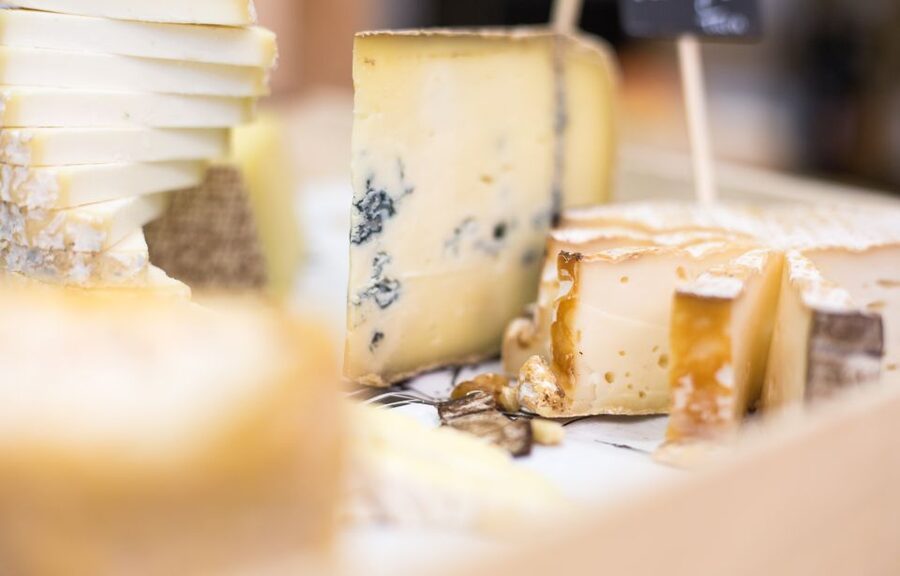
Arrive ready to focus on flavor rather than simply filling up. Start with small bites and notice the difference between the cheese alone and the cheese with wine. The baguette is useful for clearing your palate, but do not let it take over the tasting.
Ask the guide about the cheese you like best. You can learn how it is made, how long it is matured, and what other wine might work with it. This is also the moment to ask about buying cheese or wine later in your trip.
Take notes if you are serious about shopping afterward. A quick description such as soft, earthy, salty, mild, or firm may help you remember what appealed to you. You might discover that you prefer a cheese style you would have passed by in a shop.
Give yourself time around the class. The meeting point is on Île Saint-Louis, and the activity does not include hotel transport. A little planning keeps the tasting from becoming a race across Paris.
Cancellation and booking flexibility
You can cancel up to 24 hours in advance for a full refund. The reserve-now-and-pay-later option also helps if your Paris schedule is still changing.
Starting times vary, so you need to check availability for your date. The meeting point is Musée Vivant du Fromage, 39 rue Saint Louis en l’île, 75004 Paris. Pickup and drop-off are not included.
Should you book this Paris cheese and wine class?
Book it if you want more than a quick cheese sample. The combination of a historic cellar, seven cheeses, three wines, and a guide who explains the craft gives you a useful introduction to French food culture.
I especially recommend it for adults who enjoy asking questions and trying unfamiliar flavors. The guides, including Pierre, Agathe, and Guillaume, have made the class warm and engaging, but the format remains structured enough for beginners.
Skip it if you are lactose intolerant, under 18, avoiding alcohol, or looking for a substantial meal. Also skip it if you would rather browse independently at a market.
For most food-minded visitors, $82 is reasonable for a focused 90-minute lesson in a central Paris setting. You will leave with a better idea of how French cheese is made, how to pair it with wine, and what to look for when you visit a fromagerie on your own.
FAQ
Where does the cheese and wine class meet?
The meeting point is Musée Vivant du Fromage, 39 rue Saint Louis en l’île, 75004 Paris.
How long does the experience last?
The class lasts 90 minutes.
How many cheeses are included?
The tasting includes seven French cheeses from different regions, types, textures, and kinds of milk.
How many wines are included?
Three French wines are included in the tasting.
Is bread provided?
Yes. Bread is included as part of the cheese and wine tasting.
Is the class taught in English?
Yes. The listed instructor language is English.
Can children attend the wine tasting?
The minimum drinking age is 18 years old.
Is the activity suitable for people with lactose intolerance?
No. The experience is not suitable for people with lactose intolerance.
Can I cancel for a refund?
Yes. You can cancel up to 24 hours in advance for a full refund.
More Cheese in Paris
- Cheese & Wine Tasting in Montmartre with Local Cheesemonger
★ 5.0 · 470 reviews - Paris Wine Tasting plus Cheese Lunch with an Expert Sommelier
★ 5.0 · 424 reviews - Le Marais Walking Food Tour with Cheese, Wine & Pastries
★ 4.7 · 339 reviews - Paris: Wine and Cheese Tasting with a Chef Sommelier
★ 4.7 · 277 reviews
More Wine and Cheese Tastings in Paris
- Paris: Montmartre Cheese, Wine & Pastry Guided Walking Tour
★ 4.8 · 2,255 reviews - Private Montmartre Food Tour with Wine, Cheese & Pastries
★ 5.0 · 1,027 reviews - Paris Le Marais Food Tour With 10+ Tastings, Cheese, Wine & More
★ 5.0 · 985 reviews - Paris: Wine and Cheese Lunch
★ 4.9 · 596 reviews
Just added around Paris
- Top Private Cruises in Paris with Champagne + more surprises★ 5.0 · 309 reviews
- Private tour of Paris by Night with Champagne★ 4.7 · 323 reviews
- Paris: Wine Tasting Experience with 6 Wines and Cheese Board★ 4.9 · 80 reviews
- Paris: The Ultimate Wine and Cheese Tasting in English★ 5.0 · 33 reviews
- Paris: Wine and Cheese Tasting with a Chef Sommelier★ 4.7 · 277 reviews
- Paris: Tasting of 3 Wine and 3 Cheese★ 5.0 · 74 reviews
- Paris: Wine and Cheese Tasting★ 4.6 · 91 reviews
- Paris: Seine River Champagne Dinner Cruise with Live Music★ 4.4 · 287 reviews
Wine Tours in Paris, compared.
Authentic Parisian Gourmet Food Tour with 10 Local Dishes & Wines
Read our review →
Loire Valley Castles Day Trip from Paris with Complementary Wine
Read our review →
Montmartre Hill French Gourmet Food and Wine Tasting Walking Tour
Read our review →
Montmartre Cheese, Wine & Pastry Guided Walking Tour
Read our review →
Loire Valley Castles Day Trip With Wine Tasting
Read our review →
Top Private Cruises in Paris with French Champagne and surprises
Read our review →
Day Trip to Champagne with 8 Tastings & Lunch
Read our review →
First Show Moulin Rouge with Champagne & Seine Cruise
Read our review →Browse the lists this tour appears in