
REVIEW · BUDAPEST
Budapest: Wine, Cheese, and Charcuterie Tasting
Hungary’s wine story is far more interesting than many visitors expect, and this 90-minute tasting gives you a quick, well-guided introduction without sending you out of Budapest. You’ll taste five Hungarian wines, usually including two whites, two reds, and a sweet Tokaj wine, alongside local cheese and charcuterie.
I like the focus on indigenous grapes and local styles, many of which you may not find easily outside Hungary. I also like the practical pairing of wine with Mangalica sausage, buffalo salami, smoked duck, grey beef sausage, cheese, bread, and artisan oils. The main consideration is simple: this is a seated tasting, not a vineyard visit, so wine lovers seeking countryside scenery should choose a longer trip outside the city.
Key points to know
- Five Hungarian wines in 90 minutes: Expect a broad sample of white, red, and sweet styles rather than one narrow wine category.
- Tokaj gets its proper place: The final pour is a sweet wine from one of Hungary’s most important wine regions.
- Local food does real work: Mangalica pork, water buffalo salami, smoked duck, grey beef sausage, and artisan cheeses give the wines a sense of place.
- English-speaking sommelier: Hosts including Thomas, John, Sam, and Bence have led sessions, with the exact guide depending on the date.
- Easy central location: The Tasting Table Budapest is 150 meters from the National Museum and close to Astoria and Kálvin tér.
- Good value for a short activity: At $50 per person, you receive five wines, a food plate, bread, oil, tasting sheets, and a regional wine map.
Why Hungarian wine deserves an afternoon
Hungarian wine can be a blind spot for visitors. Budapest is famous for its cafés, thermal baths, and grand architecture, but its wine tradition is just as worth your attention. The country has several distinct wine regions, local grape varieties, and styles shaped by its position in Central Europe.
This tasting is designed to give you the outline quickly. Rather than pouring five similar wines, the sommelier uses the lineup to explain major regions, grape varieties, wine styles, and newer directions in Hungarian winemaking. That makes the experience useful even if you know little about wine.
You are not expected to identify obscure aromas or speak like a professional. The hosts keep the talk friendly and clear. Thomas, John, Sam, and Bence are among the guides who have led sessions, and the strongest part of the experience is the way the information stays connected to what is in your glass.
For a first look at Hungarian wine, that approach makes sense. You learn by tasting, not by sitting through a long lecture.
More Wine Tours in Budapest
- Budapest: Unlimited Prosecco, Beer and Aperol Spritz Cruise
★ 4.8 · 37,304 reviews - Budapest: Unlimited Prosecco, Beer & Aperol Spritz Cruise
★ 4.5 · 3,371 reviews - Budapest: Danube River Cruise with Dinner and Prosecco
★ 4.3 · 2,471 reviews
Arriving at The Tasting Table Budapest
The meeting point is The Tasting Table Budapest on Bródy Sándor utca 9 in District VIII. It is only about 150 meters from the National Museum, so it fits neatly into a day spent around the museum, the Great Market Hall, or the inner Pest district.
The location is also easy by public transport. Astoria on metro line M2 and Kálvin tér on metro line M3 are both about a five-minute walk away. Trams 47 and 49 serve those same central stops.
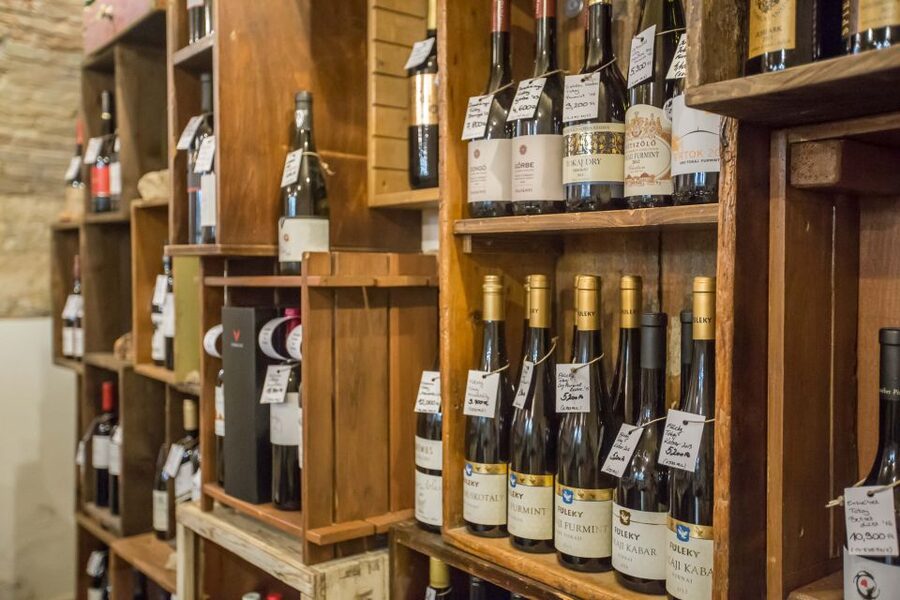
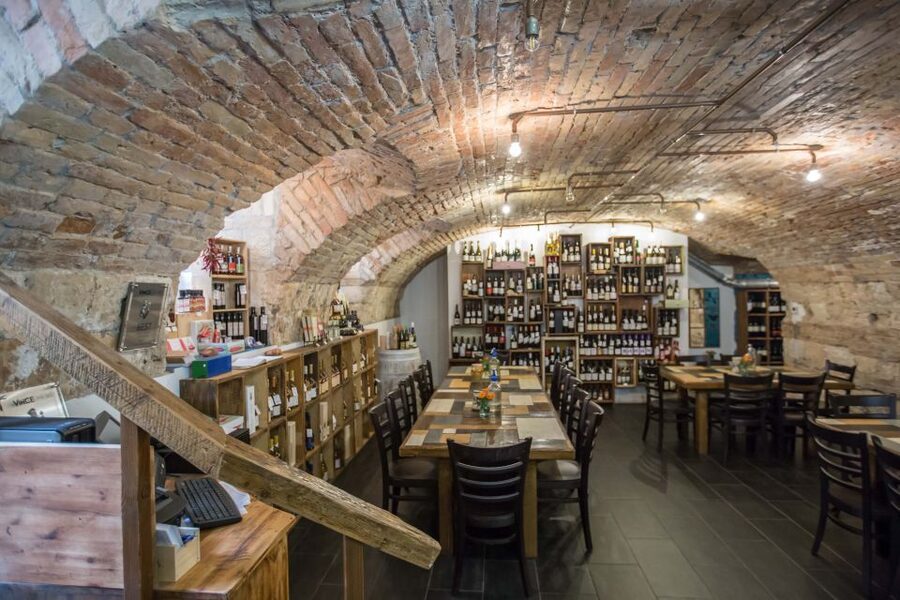
The tasting takes place in a shop and tasting room, with an old cellar atmosphere that has been praised for its brickwork and arched room. It is not a grand palace or a vineyard estate. That is part of the appeal. You are in a compact urban setting where the focus stays on the bottle, the plate, and the person explaining both.
Plan to arrive with enough time to find the room. The experience is scheduled for a fixed start time, and a tasting works best when everyone begins together.
The first pours: building a map of Hungary
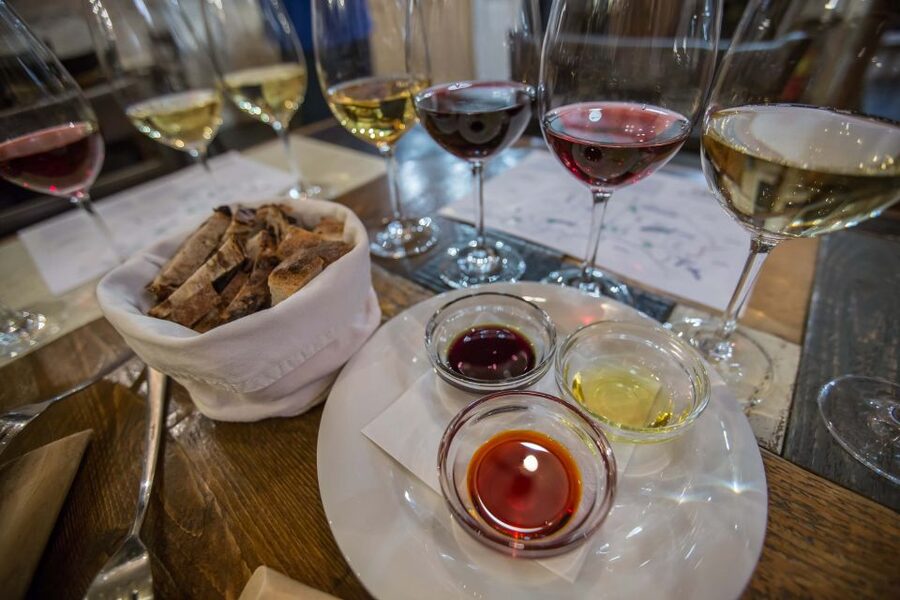
The opening wines are your orientation. The sommelier explains where the wine comes from, what grapes are involved, and what makes the style recognizably Hungarian. You receive tasting sheets and a map of the country’s wine regions, which helps turn unfamiliar names into something you can place.
The first wines may be white or red depending on the selection, but the overall structure is designed to show variety. You might taste a crisp, fresh white, a fuller white, a lighter red, and a more structured red before reaching the dessert wine. The point is not to decide that one color is best. It is to see how much range exists within Hungary.
I appreciate this format because it gives you useful reference points. If you later see a Hungarian wine on a restaurant menu, you will have some idea of what questions to ask and which styles appeal to you.
The exact bottles can change, so do not book expecting a fixed list of labels. The experience is about the country’s major styles and local grapes rather than a guaranteed bottle-by-bottle program.
Cheese, charcuterie, bread, and oil
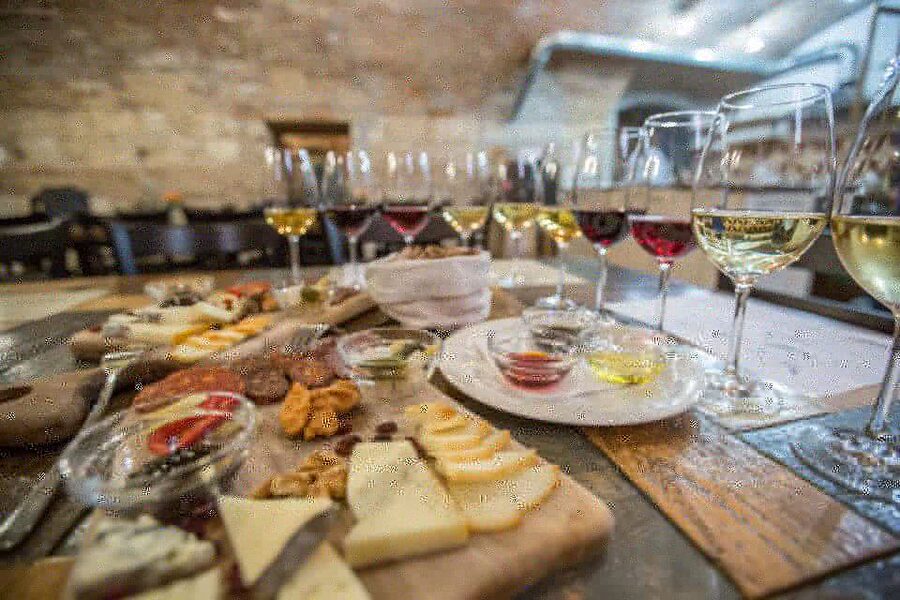
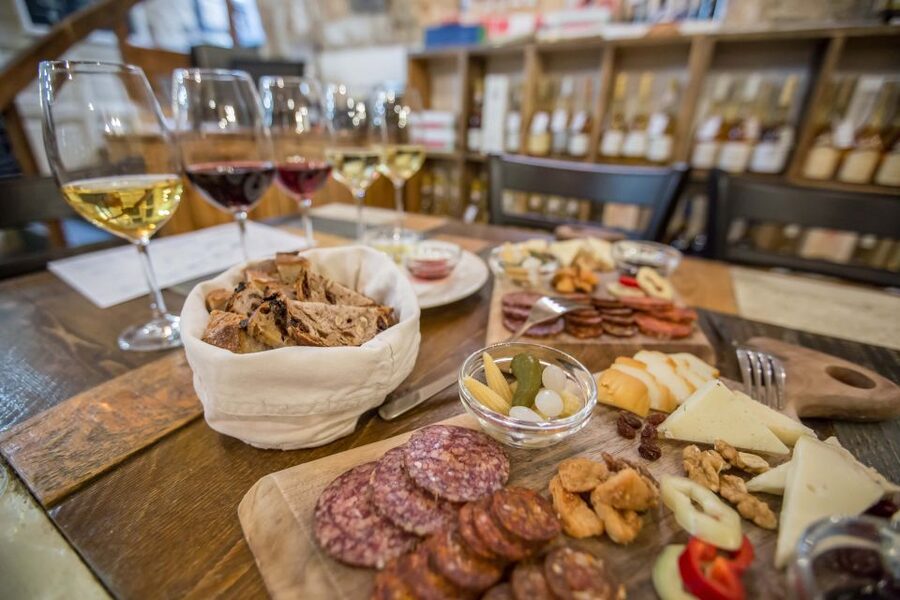
The food is more than a snack to keep you comfortable between pours. Each wine is paired with local cheese or charcuterie, allowing you to see how salt, smoke, fat, and texture change the taste of wine.
The board may include Mangalica pork sausage, free-range water buffalo salami, smoked duck breast, grey beef sausage, and several kinds of cheese. Mangalica is especially interesting because this Hungarian pig breed is known for its fatty, strongly flavored meat. It gives you a very different comparison from a standard European salami.
Bread and artisan oils are also served. One particularly memorable option noted by past diners is pumpkin oil, which can be a surprising change from the olive oil most people expect at a tasting. Bread, oil, and water are replenished during the session.
Vegetarians are not left with an empty plate. The food selection includes several cheeses, and one person specifically found the cheese portion satisfying while another member of the party enjoyed the meat. Still, if you do not eat meat, it is sensible to mention this when booking or on arrival so the host understands your needs.
The pairing portion is generous enough to feel like part of the experience, but this is not a full meal. You should still plan dinner if you are hungry after the tasting.
More wine and cheese tastings in Budapest:
- Hungarian Wine Tasting (with Cheese and Charcuterie) in Budapest
★ 5.0 · 531 reviews - Amsterdam: Classic Saloon Boat Cruise with Cheese & Wine
★ 4.6 · 27,035 reviews - Paris: Montmartre Cheese, Wine & Pastry Guided Walking Tour
★ 4.8 · 2,255 reviews - Amsterdam: Evening Candle Light Cruise With Wine & Cheese
★ 4.6 · 1,774 reviews
Tokaj and the sweet final glass
The final wine is a sweet wine from Tokaj, and this is an important part of the session. Tokaj is not just another stop on a Hungarian wine map. Its sweet wines are central to the country’s wine identity and are known around the world.
Ending with dessert wine also gives the tasting a clear change of pace. After dry whites and reds, the sweetness, weight, and perfume of Tokaj make a strong contrast. The sommelier can explain why the region matters and how its style fits into Hungary’s wider wine story.
If you usually avoid sweet wine, keep an open mind here. The final pour is included because it shows something distinctive, not because the session needs a sugary finish. It may become your favorite glass, or it may simply help you understand why Tokaj has such a strong reputation.
The five-wine structure is one of the best reasons to choose this activity. You get enough variety to compare styles, but the session remains short enough to fit into a busy Budapest itinerary.
The sommelier makes the difference
Wine tastings can go wrong when the host either rushes through facts or assumes everyone already understands the subject. This experience works best when the guide treats the table as a conversation.
Thomas has been praised for making the session fun while explaining Hungarian wine history and regional differences. John has also led relaxed, engaging tastings, and Sam and Bence have received similar praise for their friendly style. The exact host depends on the date, but the format is built around a live English-speaking guide rather than a recorded explanation.
You can ask questions about grapes, regions, food pairings, and bottles you may want to buy afterward. Several past participants purchased a bottle of a favorite wine, and the tasting room gives you a chance to do that without pressure. Buying wine is optional.
The best advice I can give is to speak up if you are new to wine. You do not need to know the difference between every grape variety before arriving. The host’s job is to give you enough context to notice what is in the glass.
A relaxed setting with an international table
The cellar room is intimate and cozy, with seating around a shared table. That means you may be tasting with people from different countries, which adds a social element without turning the activity into a party.
The atmosphere is relaxed rather than formal. You can take notes on the provided sheets, listen to the explanation, or simply enjoy the food and wine. The hosts are described as humorous and approachable, but the tone remains focused on the tasting.
This setup suits couples and solo visitors who like meeting people during a trip. It also works for someone who does not drink wine often. One useful feature of the session is that you can enjoy it without pretending to be an expert.
The setting does have limits. A shared table is not ideal if you want a private, romantic tasting for just two people. The room is also indoors, so you are choosing atmosphere and instruction over vineyard views.
Is $50 a fair price?
At $50 per person, this is not the cheapest way to drink wine in Budapest. You could order a glass or two at a wine bar for less. But that comparison misses what is included.
Your price covers five glasses of Hungarian wine, a local cheese and charcuterie plate, bread, artisan oil, tasting sheets, a regional map, and 90 minutes with a sommelier. You are also paying for access to bottles and local food that can be difficult to choose confidently on your own.
The value is strongest if you are curious about Hungary rather than simply looking for alcohol. The guide provides context, the pairings help explain the wines, and the short duration makes it easy to fit between sightseeing plans.
It is less compelling if you do not enjoy wine, want a full dinner, or expect a large meal. The food is substantial for a tasting, but it should not replace an evening meal.
When to schedule it in your Budapest plans
The tasting is available on most days from 3:00 p.m. to 5:00 p.m. That timing works well after a morning museum visit or a walk through central Pest. It can also be a pleasant bridge between afternoon sightseeing and dinner.
Because the activity lasts only 1.5 hours, you do not lose an entire day. You can still visit the National Museum, explore District VIII, or continue to a restaurant afterward.
Remember that you will be drinking five wines, so avoid stacking the tasting between several other alcohol-based activities. Eating a proper lunch beforehand is sensible, especially if you are not used to tasting several wines in a short period.
The minimum booking requirement is two people. If too few people are booked, the activity may be canceled after confirmation, with an alternative or full refund offered.
Who should book this tasting?
I would choose this for:
- First-time visitors who want an introduction to Hungary beyond the usual sights
- Couples looking for a relaxed afternoon activity
- Wine drinkers curious about lesser-known Central European bottles
- People who enjoy food pairings and local specialties
- Visitors who prefer a central indoor activity with easy public transport
- Beginners who want clear explanations without a formal wine course
I would look elsewhere if you want to visit vineyards, see production facilities, or spend a whole day in the countryside. This is a city tasting with local character, not a rural wine tour.
You must be at least 18 to participate, which is Hungary’s legal drinking age. Children under 18 cannot join.
Practical booking advice
The experience is conducted in English. Confirm the start time when booking, since availability can vary by day.
Cancellation is flexible up to 24 hours before the activity for a full refund, and you can reserve now and pay later. That is useful when your Budapest schedule is still shifting.
Wear something comfortable for a seated tasting and bring a small appetite, not the expectation of a full meal. If you are vegetarian, say so ahead of time. The cheese selection can work well, but the standard board includes meat.
Do not count on a particular sommelier by name. Thomas, John, Sam, and Bence have all led tastings, but the guide is assigned according to the date. The consistent feature is the English instruction, five-wine format, and food pairing.
Should you book it?
Book this tasting if you want a compact, friendly introduction to Hungarian wine with enough food to make the pairings worthwhile. The Tokaj finale, unusual local meats, tasting map, and central cellar setting give it more substance than a simple flight at a bar.
At $50, it offers fair value for a guided 90-minute session, especially if you might buy a bottle afterward. Skip it if you are looking for a vineyard outing or a full lunch. For most wine-curious visitors in Budapest, though, this is an easy way to add local flavor to an afternoon.
FAQ
Where does the Budapest wine tasting take place?
It takes place at The Tasting Table Budapest, Bródy Sándor utca 9, 1088 Budapest, in District VIII.
How close is the tasting room to public transport?
The venue is about a five-minute walk from Astoria on metro line M2 and Kálvin tér on metro line M3. Trams 47 and 49 also stop at Astoria and Kálvin tér.
How long does the experience last?
The tasting lasts 1.5 hours.
How many wines are included?
You receive five glasses of Hungarian wine. The selection includes a sweet wine from Tokaj, and the lineup commonly includes two whites, two reds, and one dessert wine.
Is food included?
Yes. The experience includes a local cheese and charcuterie plate, bread, and artisan oil. Additional food and drinks are not included.
Is the tasting conducted in English?
Yes. The live guide conducts the experience in English.
What is the minimum age?
Participants must be at least 18 years old. Children under 18 cannot take part.
Can I cancel the booking?
You can cancel up to 24 hours before the activity for a full refund. Reserve now and pay later is also available.
More Food & Drink in Budapest
- Budapest: Hungarian Wine Tasting with 8 Wines and Tapas
★ 4.9 · 446 reviews - Budapest: Food Tour Market to Tavern: 14+ Tasters & Wines
★ 4.9 · 375 reviews - 8-Tier Hungarian Wine Tasting in a Cozy Downtown Wine Bar
★ 4.9 · 269 reviews - Budapest: Essentials of Hungarian Wine Tasting Class
★ 4.9 · 174 reviews
More Cheese in Budapest
- Amsterdam: Cozy Cheese & Wine Cruise Tasting Experience
★ 4.5 · 1,156 reviews - Vila Nova de Gaia: Port Wine Tasting with Cheese Pairing
★ 4.8 · 1,074 reviews - Private Montmartre Food Tour with Wine, Cheese & Pastries
★ 5.0 · 1,027 reviews - Paris Le Marais Food Tour With 10+ Tastings, Cheese, Wine & More
★ 5.0 · 985 reviews
Just added around Budapest
- Budapest: 1 hr Sunshine Booze Cruise with Prosecco★ 4.5 · 31 reviews
- Budapest: Summer Brunch & Cruise with Prosecco or Cake★ 4.2 · 193 reviews
- Budapest: Wine & Dine Cruise on the Danube★ 4.6 · 41 reviews
- Budapest: Sip & Sail Danube Cruise with Prosecco Cocktails★ 4.5 · 441 reviews
- Budapest: Hungarian Wine Tasting with 8 Wines and Tapas★ 4.9 · 446 reviews
- Budapest: Guided Street Food Tour with Sweet Wine★ 4.9 · 149 reviews
- Budapest: Unlimited Prosecco and Wine Sightseeing Cruise★ 4.3 · 271 reviews
- Budapest: Guided Food Tour with Wine, Beer, and Shots★ 4.8 · 71 reviews
Wine Tours in Budapest, compared.
Countryside Half-day Gastro-Wine Tour from Budapest Meal & pickup
Read our review →
Sip and Sail River Cruise with Unlimited Prosecco
Read our review →

Parliament Panorama Cruise with Törley Prosecco
Read our review →
Budapest Cooking Class & Market Tour with Local Guide & Wines
Read our review →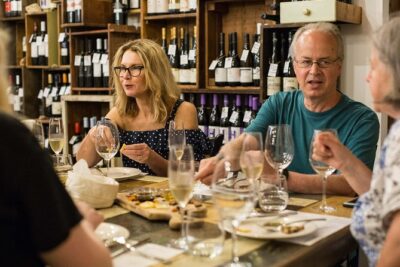
Hungarian Wine Tasting (with Cheese and Charcuterie) in Budapest
Read our review →Browse the lists this tour appears in