
REVIEW · BUDAPEST
8-Tier Hungarian Wine Tasting in a Cozy Downtown Wine Bar
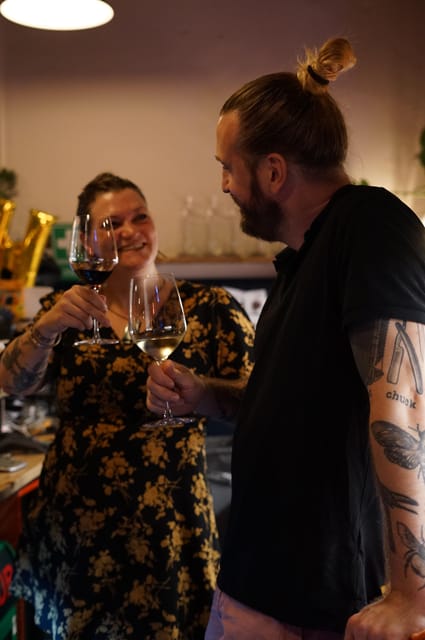
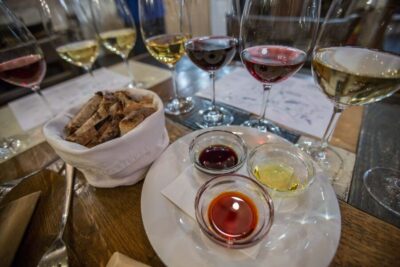
Hungary’s wine story is far bigger than most visitors expect, and this two-hour tasting gives you a lively introduction without sending you out into the countryside. At Bortodoor, a cozy central Budapest wine bar, you move from sparkling wine through three whites, a light red, and three reds while a sommelier explains what is in your glass and where it came from.
I like the eight-wine format, which gives you real variety for $55, and the generous board of Hungarian cheeses, meats, bread, and other nibbles. I also like the relaxed teaching style. Guides such as Sally, Suze, Smike, and Mike are praised for making the session social rather than stiff. The main consideration is time: two hours can pass quickly, and many people stay on afterward, so do not schedule a tight dinner reservation.
Quick takeaways from the Bortodoor tasting
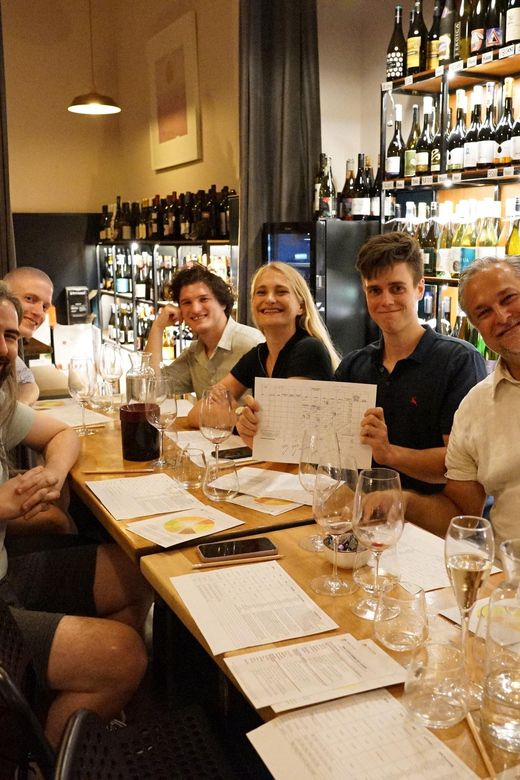
- Eight distinct pours: One sparkling wine, three whites, one light red, and three reds give you a broad sample of Hungarian styles.
- A friendly English-speaking guide: Sally, Suze, Smike, Mike, and other Bortodoor hosts lead sessions with humor, questions, and practical tasting advice.
- Local food is part of the experience: Hungarian cheeses, meats, breads, olives, and other small bites help show how wine works with food.
- Tokaj may be a highlight: The famous Tokaj region receives attention, and its wine has been a favorite for many tasters.
- A social evening, not a lecture: Solo visitors, couples, and mixed groups often end up talking over the wines and staying longer.
- Good value in central Budapest: Transportation is not included, but the wine, food, instruction, and tasting notes are covered in the $55 price.
Why Hungarian wine deserves two hours of your Budapest trip
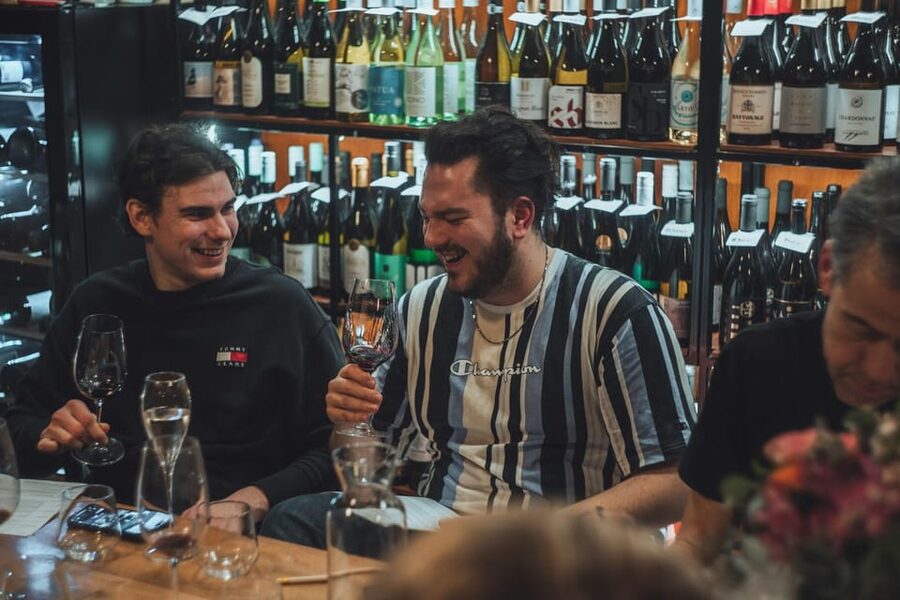
Many people arrive in Budapest knowing about thermal baths, paprika, and ruin bars, but not Hungarian wine. That is a shame. Hungary has several wine regions and a long winemaking tradition, yet its bottles remain less familiar internationally than those from France, Italy, or Spain.
This tasting gives you a useful first map. You are not simply handed eight glasses and left to guess what you like. The sommelier explains the regions, grapes, production methods, and flavors as the evening moves from lighter wines to fuller reds.
The historical context adds weight without turning the evening into a classroom. The guides have discussed how Hungarian wine changed through Ottoman rule, the imperial period, communism, and modern winemaking. That matters because wine is tied to politics, trade, farming, and local identity. You get a better sense of why certain styles exist and why small producers matter today.
I especially like this approach for visitors who think they do not know enough about wine. You do not need a trained palate. The hosts encourage you to notice what you smell, taste, and prefer. There is no single correct answer, and the setting makes it easy to ask basic questions.
More Wine Tours in Budapest
- Budapest: Unlimited Prosecco, Beer and Aperol Spritz Cruise
★ 4.8 · 37,304 reviews - Budapest: Unlimited Prosecco, Beer & Aperol Spritz Cruise
★ 4.5 · 3,371 reviews - Budapest: Danube River Cruise with Dinner and Prosecco
★ 4.3 · 2,471 reviews
Arriving at the white circular sign
The meeting point is Bortodoor, a wine bar in central Budapest. Look for the large white circular sign outside the door. There is no transportation included, so you arrange your own way to the bar, but the central location makes this a sensible stop before dinner or an evening walk.
The room is warm, intimate, and comfortable rather than formal. It has enough energy to feel social, but the tasting remains focused on the wines. On some evenings, live music adds another layer to the night. That can make the bar feel more like a relaxed evening out than a scheduled tour.
Bortodoor also has several areas for sitting and enjoying wine and finger food. The space can become pleasantly busy, especially later in the evening. If you prefer a very quiet, private tasting, this may feel more social than expected. If you are traveling alone or want to meet people, that is part of the appeal.
The first glass sets the pace
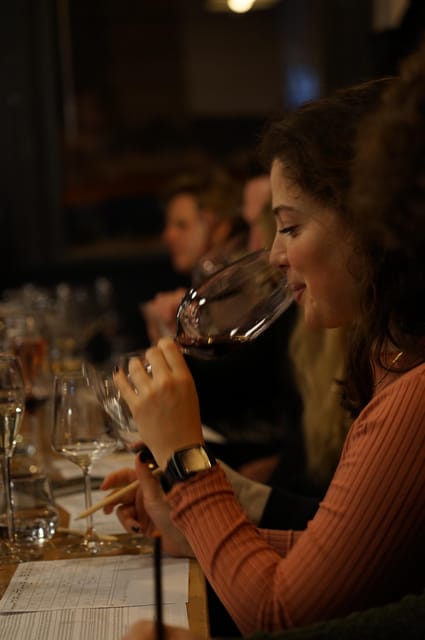
The tasting begins with a glass of sparkling wine. This is a smart opening because it gives everyone a light, refreshing start and offers an easy way to learn the basic tasting routine.
You receive a takeaway note page with information about Hungarian wine regions, a simple wine-tasting guide, and space for your own observations. Use it. After eight pours, details blur together, especially if several wines are new to you. Writing down a favorite grape, region, or style gives you something useful to take home.
The sommelier usually explains how to look at the wine, smell it, taste it, and think about its finish. The goal is not to make you perform like a professional. It is to give you a few tools so you can compare one glass with the next.
Three whites show Hungary’s range
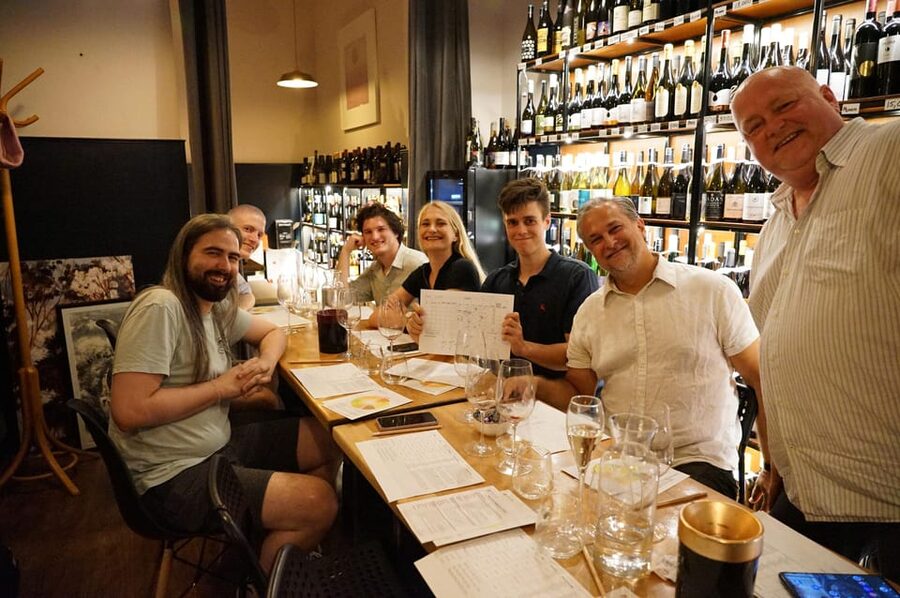
The next three wines are whites. This part is often especially useful because white wine can show a broad range of Hungarian climates, grapes, and winemaking choices.
You may encounter crisp, fresh styles alongside fuller or more aromatic examples. The important point is comparison. One white may be bright and easy with food, while another may have more body, perfume, or texture. The guide connects those differences to the grape, region, and way the wine was made.
The staff source bottles from small Hungarian producers they work with directly. That gives the tasting a local focus instead of relying only on famous export labels. You are likely to hear why a particular bottle was chosen and what makes its producer worth knowing.
This is also where the charcuterie board becomes useful. Try a sip before eating, then another with cheese, meat, or bread. You may notice that a wine changes when paired with salt, fat, or a sharper flavor. The board is not just decoration. It makes the tasting more practical and helps you picture how to serve these wines at home.
More tastings around Budapest:
- Hungarian Wine Tasting (with Cheese and Charcuterie) in Budapest
★ 5.0 · 531 reviews - Budapest: Hungarian Wine Tasting with 8 Wines and Tapas
★ 4.9 · 446 reviews - Budapest: Essentials of Hungarian Wine Tasting Class
★ 4.9 · 174 reviews - From Porto: Douro Valley w/ Boat Tour, Wine Tasting & Lunch
★ 4.7 · 19,061 reviews
A lighter red provides a useful bridge
The single light red sits between the whites and the three deeper reds. That middle step prevents the tasting from jumping abruptly from delicate whites to heavy reds.
For a newcomer, this can be one of the most revealing pours. You may discover that you prefer lighter reds with bright fruit and less weight, or you may find yourself ready for the fuller bottles that follow. Either reaction is useful.
The hosts invite discussion throughout the session. You can say what you like, what you do not like, and what surprises you. The tone is informal and direct. One of the strengths of this tasting is that the guides do not treat personal taste as a test you can fail.
Three reds finish the tasting with more weight
The final three wines are reds, giving the evening a fuller finish. The sequence lets you compare several styles rather than assuming all Hungarian red wine tastes alike.
You might notice differences in body, tannin, acidity, fruit, oak, or spice. The sommelier explains what to look for and how the wine fits into the wider picture of Hungarian production. You do not need to memorize every region. Even leaving with two or three names and a clearer idea of your preferences is a worthwhile result.
Tokaj often receives special attention in the program, and it has been a favorite for some tasters. The region is best known for its sweet wines, although the broader Hungarian selection is not limited to that style. If Tokaj is the wine that catches you, ask the guide for more information and write it down before the evening ends.
The full selection is described as seven conventional and exceptional Hungarian wines after the sparkling pour. The wording may sound slightly formal, but the experience itself is not stuffy. You sample a deliberately varied set of wines, not eight near-identical glasses.
The food board makes the $55 price easier to judge
At $55 per person, this is not the cheapest way to drink wine in Budapest. It is also not simply eight small pours. The price includes the guided session, all eight wines, a board of local cheeses and meats, breads and other snacks, and the written tasting material.
That package compares well with paying separately for several glasses at a bar, particularly if you value explanation. You also get access to bottles and producers you might not find by randomly ordering from a menu.
The food portions have been described as generous, and the pairings are planned to work with the wines. Still, this is a tasting board, not a full dinner. If you arrive hungry, you may want to eat beforehand or plan a meal afterward. The bar can provide a pleasant start to the evening, but the charcuterie should not be treated as a guaranteed replacement for dinner.
Staff also pay attention to the wines you enjoy. You may be offered a chance to try another related bottle or receive advice on what to order after the formal tasting. Any additional glasses or bottles cost extra, so keep that in mind when setting your budget.
The social side can stretch the evening
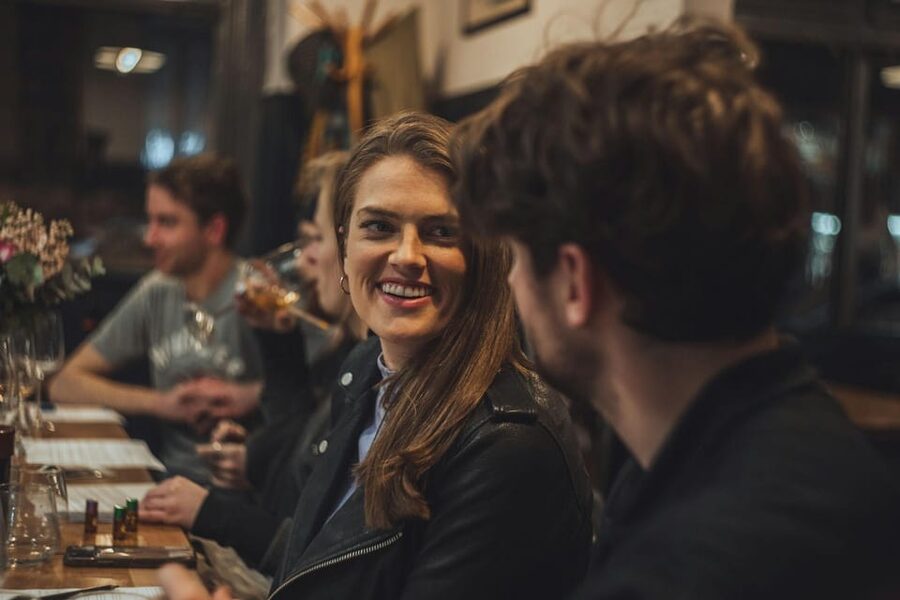
The stated duration is 120 minutes, but the relaxed format often encourages people to stay for another drink. That is not a problem if you plan for it. It is a problem if you have booked a restaurant across town for a fixed time.
The group may include couples, solo visitors, and people from several countries. You are seated close enough to talk, and the wine gives everyone an easy subject. Some groups continue chatting for hours after the official tasting ends.
This social element is one of the experience’s strongest features, but it is not guaranteed in exactly the same way each night. The guide, group mix, music, and mood can vary. If you want a private date with no interaction beyond your own table, a standard bottle service may suit you better.
For solo visitors, I would give this format extra consideration. The English-speaking hosts make it easy to join in, and the tasting creates natural conversation. You do not have to arrive with a group to enjoy the evening.
What the guides add to the experience
The guides are central to the value. Sally is repeatedly praised for explaining wine regions and production clearly while keeping the room comfortable and lively. Suze is known for warmth and enthusiasm. Smike, Mike, and Miki are also mentioned for their humor, energy, and ability to answer questions.
Staffing can vary, so you should not book expecting one particular guide unless the booking system confirms it. The common thread is a personal, informal approach. You receive facts about grapes and regions, but you also get opinions, stories, and suggestions about what to drink next.
I like that the guides can appeal to both beginners and experienced wine drinkers. If you already know wine, ask about producers, regional differences, or food pairings. If you are new to it, ask the guide to slow down and explain the basics. The format has enough flexibility for both.
One small criticism is that the time between pours may feel slow for some people. That pause allows conversation and food pairing, but you may prefer a faster sequence. The best way to handle it is to treat the tasting as an evening activity, not a quick pre-dinner stop.
Practical details before you book
The activity is offered in English and is for adults 18 and older. Children cannot join, even if they would not be drinking.
Cancellation is free up to 24 hours before the start time, and you can reserve now and pay later. Starting times vary, so check availability for your date. The bar is the meeting point, and transportation is not included.
Wear something comfortable for sitting and tasting over two hours. You do not need special wine equipment or prior knowledge. If you have a dietary requirement, tell Bortodoor in advance. The food board includes cheeses, meats, bread, and other snacks, so advance notice is sensible.
The experience has a 4.9 rating from 269 reviews, which fits the main strengths: strong hosts, a welcoming room, varied wines, and a good amount of food for the cost. Ratings do not guarantee that every bottle will suit your palate. Wine is personal. The point is to discover what you like, not to love every pour.
Should you book this Hungarian wine tasting?
Book it if you want a practical introduction to Hungarian wine without leaving central Budapest. It suits curious beginners, couples looking for an easy evening activity, solo visitors, and experienced drinkers who want access to smaller local producers.
The best reasons to go are the eight-style progression, the friendly guides, and the chance to compare wines with Hungarian food in a comfortable bar. The main reasons to hesitate are simple: you cannot bring children, transport is not provided, and the tasting may run socially beyond its stated two hours.
I would book this early in your Budapest stay if wine interests you. You can use what you learn later when ordering at restaurants or choosing bottles to take home. Leave your evening open, arrive ready to ask questions, and expect the formal tasting to be only the beginning of the night.
FAQ
Where does the Hungarian wine tasting take place?
It takes place at Bortodoor, a wine bar in central Budapest. Look for the large white circular sign outside the door.
How long does the tasting last?
The scheduled experience lasts 120 minutes, or two hours. You may want to allow extra time because the relaxed bar setting can encourage people to stay afterward.
How many wines are included?
Eight wines are included: one sparkling wine, three whites, one light red, and three reds.
Is the tasting conducted in English?
Yes. The live tour guide and tasting are offered in English.
What food is included?
You receive an artisanal charcuterie board with local Hungarian cheeses, meats, breads, and other snacks.
Is transportation included?
No. You make your own way to Bortodoor.
Are tasting notes included?
Yes. You receive a takeaway page with information about Hungarian wine regions, a wine-tasting guide, and space for personal tasting notes.
Can children attend?
No. The activity is not suitable for children under 18.
How much does the experience cost?
The listed price is $55 per person.
Can I cancel for a refund?
Yes. You can cancel up to 24 hours in advance for a full refund. You can also reserve now and pay later.
More Food & Drink in Budapest
- Budapest: Wine, Cheese, and Charcuterie Tasting
★ 4.9 · 647 reviews - Budapest: Food Tour Market to Tavern: 14+ Tasters & Wines
★ 4.9 · 375 reviews - Budapest: Guided Street Food Tour with Sweet Wine
★ 4.9 · 149 reviews - Budapest Culinary & Wine Walk—Budapest’s Signature Food Tour
★ 4.8 · 37 reviews
More Drinking Tours in Budapest
- Budapest: Guided Food Tour with Wine, Beer, and Shots
★ 4.8 · 71 reviews - Laid back, Yarra Valley Wine Tour: Wine, Cider, Gin, Beer + Choc
★ 5.0 · 4,552 reviews - Madrid Tapas & Wine Tasting Walking Tour – Small Group Local Bars
★ 5.0 · 3,644 reviews - Epic Yarra Valley Wine Tour + Lunch, Chocolate & Gin/Beer Option
★ 5.0 · 1,819 reviews
Just added around Budapest
- Budapest: 1 hr Sunshine Booze Cruise with Prosecco★ 4.5 · 31 reviews
- Budapest: Summer Brunch & Cruise with Prosecco or Cake★ 4.2 · 193 reviews
- Budapest: Wine & Dine Cruise on the Danube★ 4.6 · 41 reviews
- Budapest: Sip & Sail Danube Cruise with Prosecco Cocktails★ 4.5 · 441 reviews
- Budapest: Guided Street Food Tour with Sweet Wine★ 4.9 · 149 reviews
- Budapest: Hungarian Wine Tasting with 8 Wines and Tapas★ 4.9 · 446 reviews
- Budapest: Unlimited Prosecco and Wine Sightseeing Cruise★ 4.3 · 271 reviews
- Budapest: Guided Food Tour with Wine, Beer, and Shots★ 4.8 · 71 reviews
Wine Tours in Budapest, compared.
Countryside Half-day Gastro-Wine Tour from Budapest Meal & pickup
Read our review →
Sip and Sail River Cruise with Unlimited Prosecco
Read our review →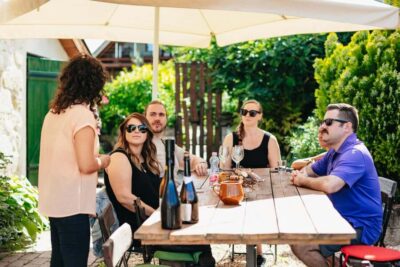

Parliament Panorama Cruise with Törley Prosecco
Read our review →
Budapest Cooking Class & Market Tour with Local Guide & Wines
Read our review →Browse the lists this tour appears in