
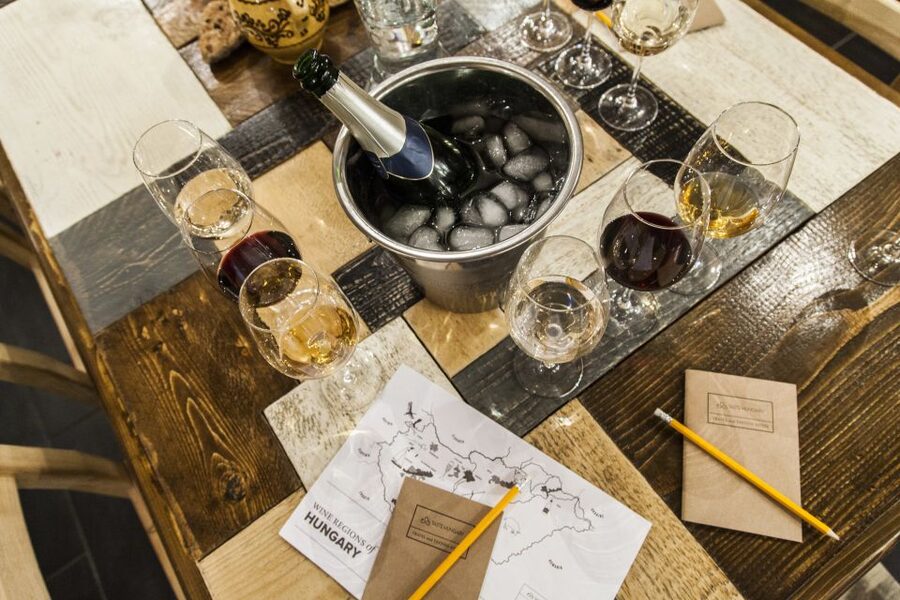
REVIEW · BUDAPEST
Budapest: Essentials of Hungarian Wine Tasting Class
Hungary’s wine story is far bigger than sweet Tokaj. This two-hour class gives you a useful map of the country’s wine regions, then pours eight wines that show how varied Hungarian grapes and styles can be. The evening usually moves from an aperitif through whites and reds to a botrytised Tokaj aszú.
I especially like the small-producer focus and the way each bottle has a purpose in the lesson. I also like the food: local cheeses, meats, bread, and other Hungarian flavors turn this from a formal tasting into a sociable evening that can cover much of your dinner.
The main consideration is the generous pouring. Eight full or near-full tasting pours can leave you pleasantly tipsy, so eat beforehand, pace yourself, and use the water provided. One session also ran long because the group kept talking and tasting, which is fun but worth remembering if you have evening plans.
Key points at a glance
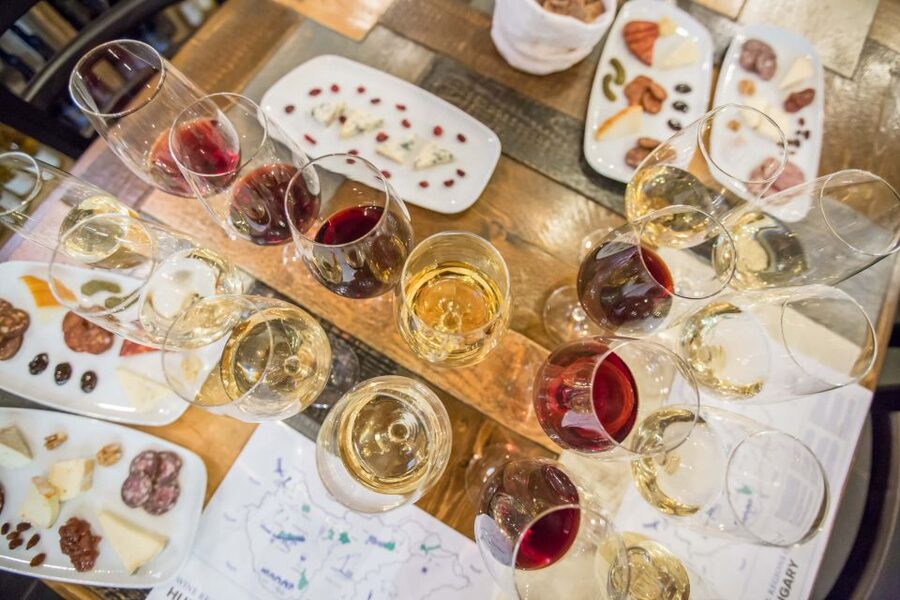
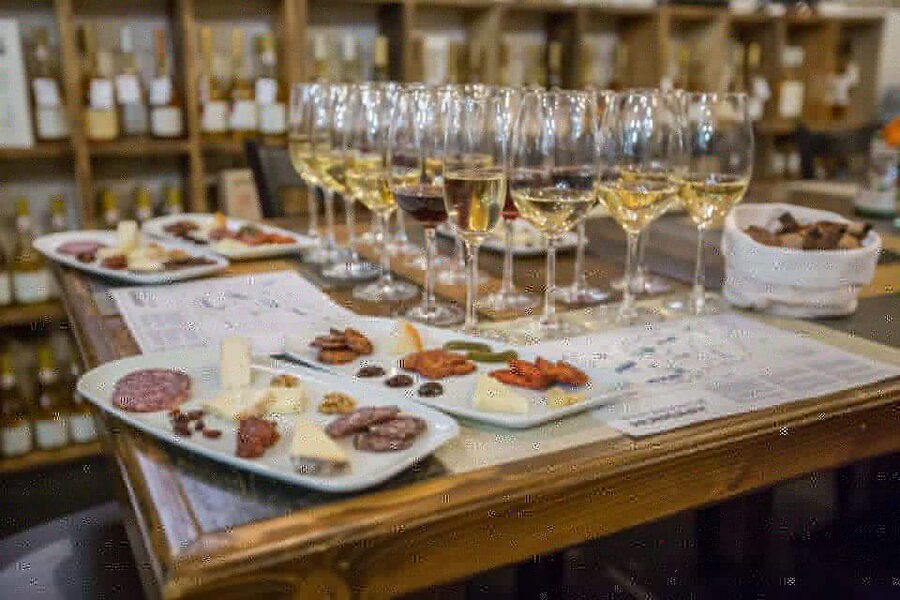
- Eight wines in a clear progression: Start with an aperitif, continue through whites, reds, and possibly rosé, then finish with sweet Tokaj aszú.
- Hungarian wine in two hours: Learn the major regions, grapes, soils, climate, styles, and current direction of the country’s wine scene.
- A friendly old-cellar setting: The Tasting Table Budapest is near the National Museum, with a charming brick-arched room and an easy central location.
- Food is part of the lesson: Cheese, charcuterie, bread, and local flavors help explain how the wines work with food.
- Good for beginners and wine fans: You do not need prior wine knowledge, yet the class has enough detail to keep serious wine drinkers interested.
- English-language evening timing: Most sessions run from 6:00 PM to 8:00 PM, making this an easy addition to a Budapest day.
Why Hungarian wine deserves two hours of your Budapest time
Budapest is famous for its thermal baths, grand cafés, ruin bars, and paprika-heavy cooking. Wine is an equally useful way to understand Hungary, but it can be harder to approach on your own. Labels may feature grapes you do not recognize, and the country’s many wine areas are not always easy to connect on a restaurant list.
This class solves that problem with a simple structure. Instead of presenting eight unrelated bottles, the sommelier uses the wines to tell a national story. You get the broad picture first, then taste examples that give the facts some flavor.
I like this format because Hungary has no single house style. The wines can be crisp, aromatic, mineral, full-bodied, spicy, or sweet. A short lesson on regions and grapes helps you remember what you are drinking instead of reducing the evening to a series of anonymous glasses.
You will also hear about the effect of soil and climate. The point is not to memorize every Hungarian wine district. It is to leave with a few reference points so you can recognize a region, grape, or style when you see one again.
More Wine Tours in Budapest
- Budapest: Unlimited Prosecco, Beer and Aperol Spritz Cruise
★ 4.8 · 37,304 reviews - Budapest: Unlimited Prosecco, Beer & Aperol Spritz Cruise
★ 4.5 · 3,371 reviews - Budapest: Danube River Cruise with Dinner and Prosecco
★ 4.3 · 2,471 reviews
Arriving at The Tasting Table Budapest
The meeting point is The Tasting Table Budapest at Bródy Sándor utca 9 in District VIII. It is only about 150 meters from the National Museum and roughly a five-minute walk from Astoria on metro line M2 or Kálvin tér on metro line M3. Trams 47 and 49 also stop at both of those transport points.
That location matters. You do not need to spend half your evening crossing Budapest to reach the tasting, and you can easily pair it with the National Museum area or a walk through central Pest. The 6:00 PM start is especially useful: it gives you time to see the city during the day, then settle into the wine class before dinner.
The shop and tasting room have an intimate feel. Past sessions have taken place in an attractive brick-arched cellar, which suits the subject much better than a bright conference room. The setting is photogenic without feeling overly polished, and the room encourages conversation among people seated together.
Group size can vary. The experience is designed to work as a shared table, so you should expect to meet other wine drinkers rather than receive a private lesson for just your own party. That social setup is part of the appeal, though a talkative group can make it harder to catch every word.
The first glass: an introduction to Hungary
The tasting begins with an aperitif, often a sparkling wine. This is a good opening because it eases you into the evening rather than starting with a heavy red or a technical lecture.
Your sommelier introduces the class, explains how the session will run, and lays out the basic map of Hungarian wine. The lesson covers the major regions, important grapes, winemaking traditions, and newer developments. You receive tasting sheets and a map of the wine regions, so you can make notes as you go.
The hosts vary by date. Past sessions have been led by Tomas, Carlos, John, Christian, Sebastian, Sam, Somali, and others. The strongest part of the experience is the teaching style: warm, conversational, and practical rather than stuffy. You can ask questions without needing to know the correct wine vocabulary first.
A useful tip: do not try to write down every adjective. The class contains a lot of information, and one past participant found the presentation almost too detailed. I would note the grape, region, and one thing you liked or disliked about each wine. Those notes will be much more useful later than a page filled with tasting terms.
Whites, reds, and unfamiliar Hungarian grapes
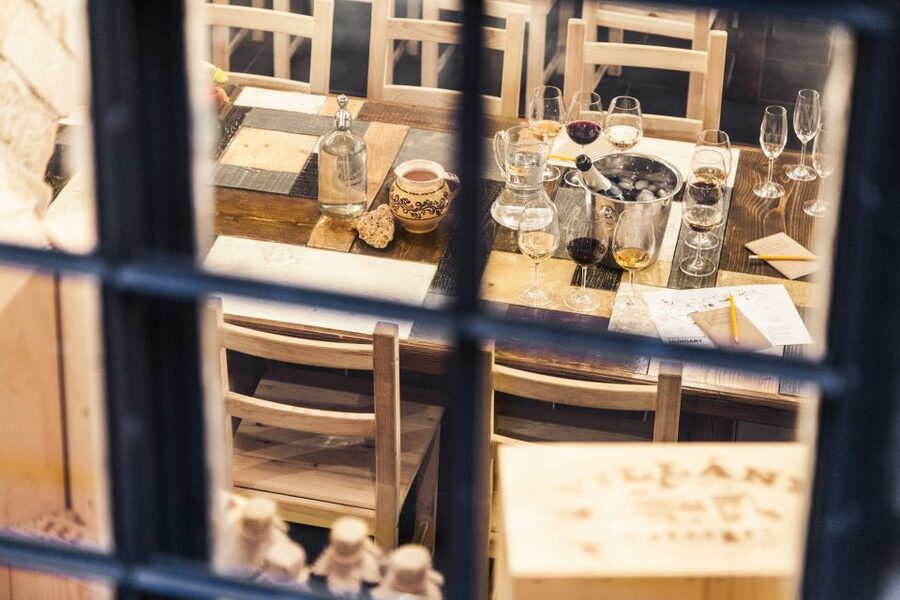
After the aperitif, the tasting moves through a selection of white wines, reds, and perhaps a rosé. The exact bottles can change, which is a strength for repeat visitors and a small uncertainty for anyone hoping to taste one particular label.
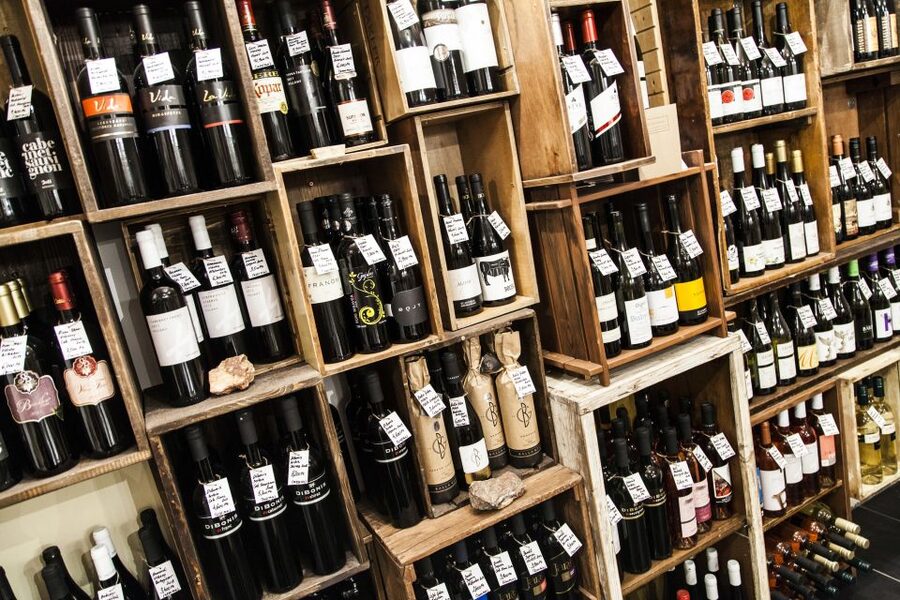
The wines are purchased directly from producers known to the team, with much of the selection coming from smaller wineries. That gives the session a local focus. You are not simply sampling famous export brands. You are getting an introduction to producers and grapes you might not meet in a standard Budapest restaurant.
The white wines show why it is useful to taste by region rather than by grape alone. Climate, soil, winemaking choices, and local tradition all affect the result. Your guide connects those differences to the map and gives you a way to compare the glasses side by side.
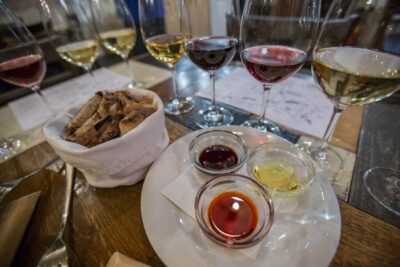
The red section gives the class more weight and spice. This is where the food pairings become especially helpful. Cheese, cured meats, bread, and other Hungarian flavors give you a practical sense of how the wines behave with food, not just how they taste on their own.
I would not expect every bottle to suit your personal taste. That is not a flaw. A useful tasting should include contrasts, and the stated aim is to represent Hungary rather than serve eight versions of the safest crowd-pleaser.
One small practical issue came up in the feedback: glasses may not always be changed between white and red wines. If you are very sensitive to wine residue in the glass, you may notice it. Most people will probably find this a minor point, but it is worth knowing if you take tasting technique seriously.
More tastings around Budapest:
- Hungarian Wine Tasting (with Cheese and Charcuterie) in Budapest
★ 5.0 · 531 reviews - Budapest: Hungarian Wine Tasting with 8 Wines and Tapas
★ 4.9 · 446 reviews - 8-Tier Hungarian Wine Tasting in a Cozy Downtown Wine Bar
★ 4.9 · 269 reviews - From Porto: Douro Valley w/ Boat Tour, Wine Tasting & Lunch
★ 4.7 · 19,061 reviews
Cheese, charcuterie, and local flavors
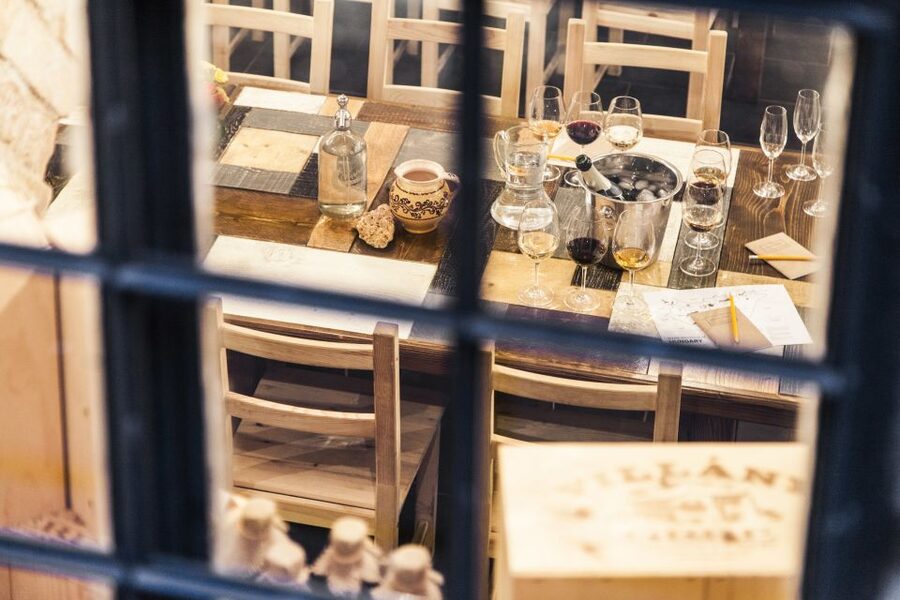
The food is more than a decorative plate placed beside the wine. Cheese and charcuterie help keep the evening grounded in Hungarian food culture, and the pairings make the pours feel generous.
Several sessions included substantial boards of cheese and cured meats, along with bread and other local flavors. One participant found the food sufficient for dinner, while another wanted more snacks to match the amount of wine. The sensible view is somewhere between those two: the food is an important part of the experience, but you should not arrive expecting a full restaurant meal.
The pairings also make this class friendlier for beginners. If you find a wine sharp, earthy, sweet, or heavy, a bite of cheese or meat can change the balance. You learn through your own palate rather than through a lecture alone.
I would eat a light meal or substantial snack before arriving, especially if you are not used to tasting several wines in one sitting. Water is included, and you should use it regularly. The pours have been described as generous, sometimes closer to normal glasses than tiny professional samples.
Ending with Tokaj aszú
The final wine is a sweet botrytised Tokaj aszú, one of Hungary’s best-known wine styles. It provides a memorable finish and gives the class a chance to explain why Tokaj has such a strong place in the country’s wine identity.
Ending with sweetness is also smart from a teaching point of view. After the sparkling, white, rosé, and red wines, the Tokaj shows that Hungarian wine cannot be reduced to one flavor or one tradition. It leaves you with a clear example of a style that has international importance but remains closely tied to Hungary.
You may find that the dessert wine becomes one of the evening’s highlights, even if you normally prefer dry wine. The contrast makes the final glass feel like a conclusion to the tasting rather than just another sample.
At the end, there may be an opportunity to buy bottles from the wines tasted. A past session also offered a discount on sampled wines, though you should confirm current shop terms rather than assume that discount is always available. If you find a bottle you love, buying it immediately is easier than trying to remember its name later.
How the teaching style shapes the evening
The guides are central to the experience. Tomas has been praised for explaining how soil and climate affect flavor. Carlos has led relaxed sessions that ran longer because the group continued talking. John brought both wine knowledge and personal stories, while hosts such as Sebastian, Christian, Sam, and Somali have also led sessions.
That list matters because the evening is not a recorded presentation with the same script every time. The personality and pacing may vary. Most sessions appear to aim for a balance: explain the wine, pour it, let you taste and talk, then move to the next bottle.
I prefer that approach to a nonstop lecture. You get enough background to understand what is in the glass, but you also have time to compare impressions with the people at your table. The experience works particularly well for solo visitors and couples who want a social evening without joining a loud bar crawl.
There is one tradeoff. A passionate sommelier can cover a great deal of material in two hours, and not all of it will stick. If you want a relaxed night with very little instruction, this may feel too academic. If you enjoy stories, maps, and grape comparisons, the amount of information is a benefit.
Is $65 a fair price?
At $65 per person, this is not the cheapest way to drink wine in Budapest. You can certainly buy a bottle for less. That comparison misses the point, though, because the price includes eight wines, a sommelier-led lesson, mineral water, tasting sheets, a regional map, and food pairings.
The value is strongest if you would otherwise spend money on several separate bottles without knowing what to choose. The class gives you a broad first look at Hungarian wine and helps you identify styles worth ordering later. Direct access to smaller producers also adds something you may not get from a routine bar tasting.
The generous pours improve the value, but they also require restraint. You are paying for a lesson with wine, not a contest to finish every drop. I would treat the water and food as part of the plan, and I would avoid scheduling a demanding activity immediately afterward.
A session can also extend beyond two hours when discussion continues. That is pleasant if you have no deadline. It is less convenient if you have a concert, dinner reservation, or evening train to catch.
Who should book this tasting?
I would recommend it to anyone curious about Hungary but unsure where to begin. It is especially useful if you enjoy wine yet know little about Hungarian grapes, or if you want an indoor evening activity that does not depend on good weather.
It also suits solo visitors. The shared table gives you a natural way to meet people, and the tasting provides enough structure to avoid awkward small talk. Couples and small groups will enjoy it too, though you should be ready to share the room and conversation.
This may not be the right choice if you dislike group activities, want a private sommelier, or prefer a quiet meal with only one or two glasses. It is also not ideal for anyone who cannot drink alcohol, since the core of the experience is eight wine pours.
The legal drinking age in Hungary is 18, and anyone aged 18 or older can participate. The host language is English.
Booking details worth knowing
Most sessions run from 6:00 PM to 8:00 PM, though you should check the available time when booking. The minimum booking requirement is two people, and a session can be canceled if there are not enough participants. In that event, you are offered an alternative or a full refund.
You can cancel up to 24 hours in advance for a full refund. A reserve-now, pay-later option is also available, which helps if your Budapest schedule is still taking shape.
The meeting point is central and easy to reach by metro or tram, but give yourself a few minutes to find Bródy Sándor utca 9. Arriving on time matters because the wines are presented in sequence, and joining after the opening explanation means missing the map that makes the later glasses easier to understand.
Should you book it?
Yes, if you want a practical introduction to Hungarian wine rather than a simple night of drinking. The combination of eight carefully chosen bottles, local food, an attractive cellar setting, and an English-speaking sommelier gives you a useful foundation for the rest of your Budapest visit.
Book it early in your stay if possible. Then you can use what you learn when ordering wine with Hungarian food, shopping for bottles, or deciding if a trip to a wine region belongs in your wider Hungary plans.
Just arrive fed enough to pace yourself, drink the water, and leave room for a lot of information. At $65, the class offers solid value for anyone who wants context with their wine and a friendly evening indoors.
FAQ
Where does the Hungarian wine tasting take place?
It takes place at The Tasting Table Budapest, Bródy Sándor utca 9, 1088 Budapest, in District VIII. The venue is about 150 meters from the National Museum.
How long does the wine tasting last?
The scheduled duration is two hours. Most evening sessions run from 6:00 PM to 8:00 PM, although some sessions may continue longer when discussion and tasting carry on.
How many wines are included?
Eight Hungarian wines are included. The tasting begins with an aperitif, continues through whites and reds, possibly includes rosé, and ends with a sweet botrytised Tokaj aszú.
Is food included?
Yes. The experience includes food pairings featuring local Hungarian flavors, including cheese, charcuterie, meats, bread, and similar tasting accompaniments.
Is the tasting taught in English?
Yes. The host or greeter and the tasting are in English.
What is the minimum age?
The legal drinking age in Hungary is 18, so participants must be at least 18 years old.
Can I cancel the booking?
Yes. You can cancel up to 24 hours in advance for a full refund. A reserve-now, pay-later option is also available.
More Workshops in Budapest
- Budapest Cooking Class & Market Tour with Local Guide & Wines
★ 5.0 · 553 reviews - Florence: Pasta Cooking Class with Unlimited Wine
★ 4.9 · 10,285 reviews - Florence: Pasta & Tiramisu Cooking Class with Unlimited Wine
★ 4.9 · 6,708 reviews - Florence: Pasta Cooking Class with Unlimited Wine
★ 5.0 · 6,413 reviews
More Food & Drink in Budapest
- Budapest: Wine, Cheese, and Charcuterie Tasting
★ 4.9 · 647 reviews - Budapest: Food Tour Market to Tavern: 14+ Tasters & Wines
★ 4.9 · 375 reviews - Budapest: Guided Street Food Tour with Sweet Wine
★ 4.9 · 149 reviews - Budapest: Guided Food Tour with Wine, Beer, and Shots
★ 4.8 · 71 reviews
Just added around Budapest
- Budapest: 1 hr Sunshine Booze Cruise with Prosecco★ 4.5 · 31 reviews
- Budapest: Summer Brunch & Cruise with Prosecco or Cake★ 4.2 · 193 reviews
- Budapest: Wine & Dine Cruise on the Danube★ 4.6 · 41 reviews
- Budapest: Sip & Sail Danube Cruise with Prosecco Cocktails★ 4.5 · 441 reviews
- Budapest: Guided Street Food Tour with Sweet Wine★ 4.9 · 149 reviews
- Budapest: Hungarian Wine Tasting with 8 Wines and Tapas★ 4.9 · 446 reviews
- Budapest: Unlimited Prosecco and Wine Sightseeing Cruise★ 4.3 · 271 reviews
- Budapest: Guided Food Tour with Wine, Beer, and Shots★ 4.8 · 71 reviews
Wine Tours in Budapest, compared.
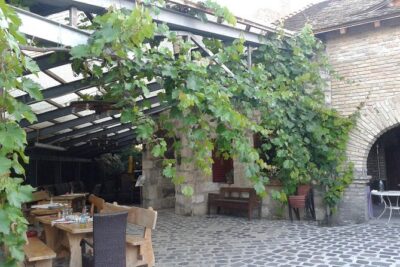
Countryside Half-day Gastro-Wine Tour from Budapest Meal & pickup
Read our review →
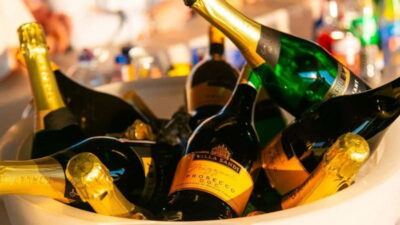
Sip and Sail River Cruise with Unlimited Prosecco
Read our review →

Parliament Panorama Cruise with Törley Prosecco
Read our review →
Budapest Cooking Class & Market Tour with Local Guide & Wines
Read our review →Browse the lists this tour appears in