
REVIEW · ARGENTINA
From Salta: Cafayate, land of wines and imposing ravines
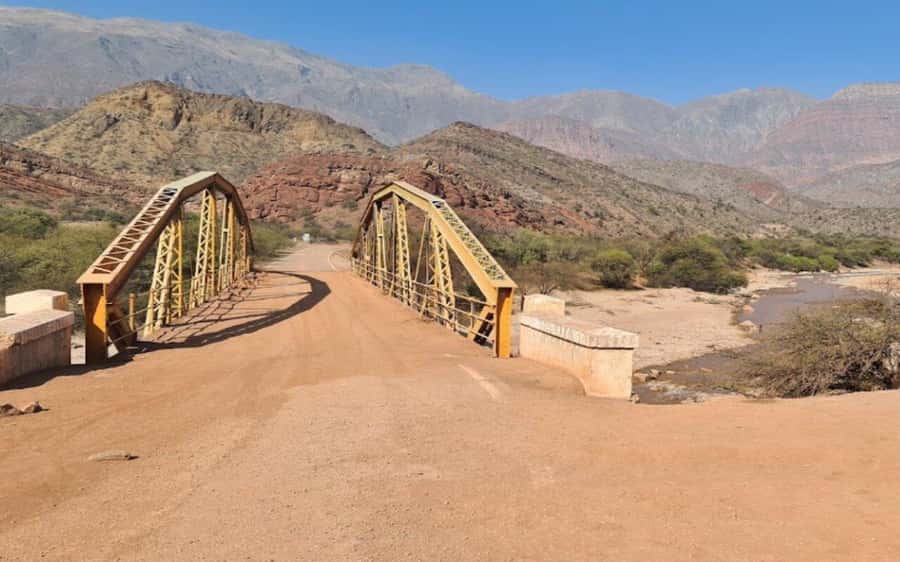
The best part of this day is the road itself. From Salta, you cross the Lerma Valley and enter Las Conchas Gorge, where red and orange cliffs twist into shapes with names like the Devil’s Throat, the Amphitheater, and the Toad. I like the steady run of photo stops and the chance to see Cafayate’s wine country without arranging a car. I also like the guides, including Carolina, Martín, Angie, and Santiago, who have been praised for clear bilingual commentary and warm local insight.
The tradeoff is simple: this is a long 12-hour day, with about two hours each way on the bus. Cafayate itself gets roughly two hours, which some people find excessive after the gorge stops, while others appreciate the chance to eat and wander. The winery visit is fairly brief, and the road can be bumpy, so the scenery is the main event.
Key points before you book
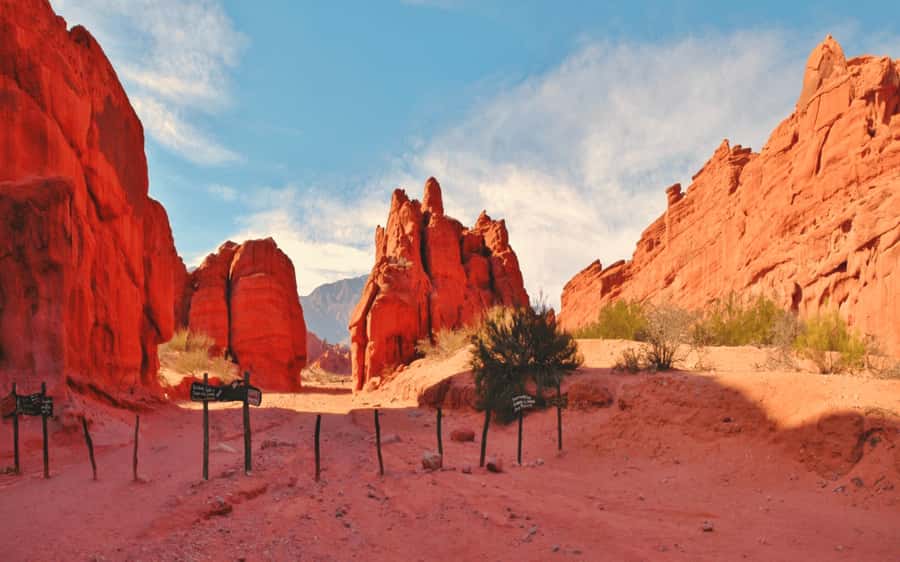
- Las Conchas Gorge is the star: Expect red, orange, and pale rock formations shaped by erosion along Ruta 68.
- The day mixes scenery and wine: The winery visit includes a guided stop and tasting, but this is mainly a gorge tour, not a full wine excursion.
- You spend many hours on the road: The route is about 180 kilometers from Salta to Cafayate, with roughly two hours in each direction.
- The bilingual guiding is a real advantage: Guides such as Martín, Carolina, Angie, and Santiago have provided commentary in Spanish and English.
- Cafayate time is generous: You get about two hours for lunch, walking, shopping, and a look around town.
- Pack for a long day: Bring identification, comfortable walking shoes, water, and snacks. Pickup is limited to hotels or central addresses near Salta’s main square.
Why the road to Cafayate matters
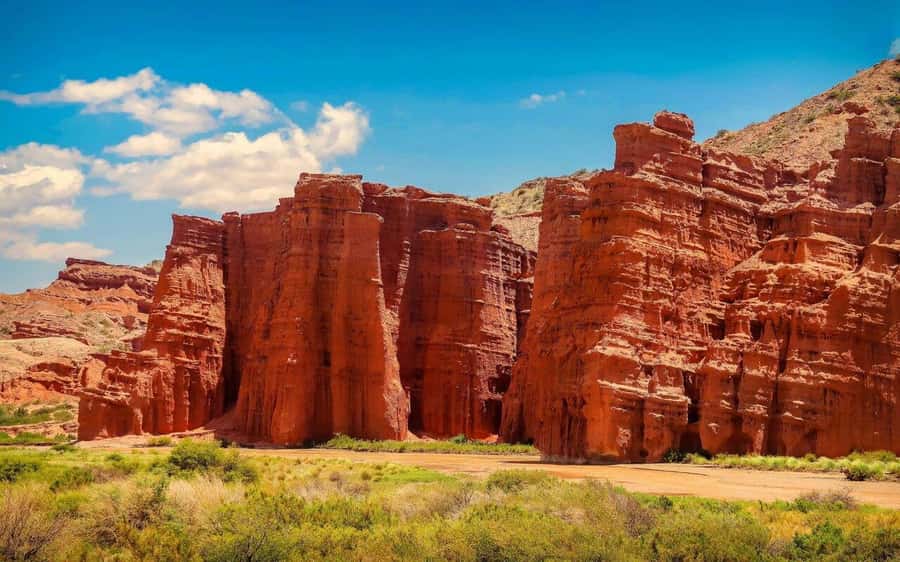
Cafayate is often described as Salta’s wine destination, but the journey there is just as important as the town. The road leaves Salta through the center and south of the Lerma Valley before entering the Calchaquí Valleys and the Las Conchas Gorge Natural Reserve.
This is not a quick transfer between two cities. The route is a scenic corridor, and the bus pauses often enough to let you step out, take photographs, and see the formations from ground level. You will spend a lot of time seated, but the stops break up the journey.
I like this arrangement for a first visit to the area. You can see a long stretch of northern Argentina in one day, hear explanations about the region, and avoid the responsibility of driving an unfamiliar road. The price of $29 per person is especially fair if you value transport, a bilingual guide, and several organized stops.
The low price also tells you what this is not. It is not a private tour with a flexible schedule, a long winery lunch, or a quiet drive in a luxury vehicle. Transport is by transit, Sprinter, or minibus, and conditions vary. Several people have found the vehicles comfortable and well air-conditioned, while others have found the seats cramped or uncomfortable on a bumpy stretch.
A few more wine days around Argentina worth comparing
- From Mendoza: 3 Wineries, Olive Oil Factory Tour & Tasting
★ 4.6 · 901 reviews - Mendoza: Half-Day Wine Tour with Tastings
★ 4.3 · 727 reviews - From Salta: Full-Day Tour to Cafayate with Wine Tasting
★ 4.5 · 478 reviews
The first two hours from Salta
Pickup is offered from hotels or central addresses within about 15 blocks of Salta’s main square. You are asked to wait in the lobby 10 minutes before the scheduled time. The driver carries a sign with the surname provided for the booking, and the vehicle will wait no more than five minutes after pickup time.
Once everyone is collected, the route heads south. The first two hours are mostly transport, though the scenery gradually changes as the city gives way to the open valley. A short café stop provides about 10 minutes to stretch, use facilities, or buy something for the road.
Bring your own water and snacks. Food and drinks are not included, and the day is long enough that you will probably want more than the brief café breaks provide. A small fan can also be useful in warm weather, though several vehicles have been praised for good air conditioning.
If you are tall, ask about seating early if the group arrangement allows it. One person found the minibus roomy enough for long legs, while another ended up over the wheels and felt sore by the end. You cannot count on choosing the best seat, but arriving promptly at pickup gives you a better chance.
Entering Las Conchas Gorge
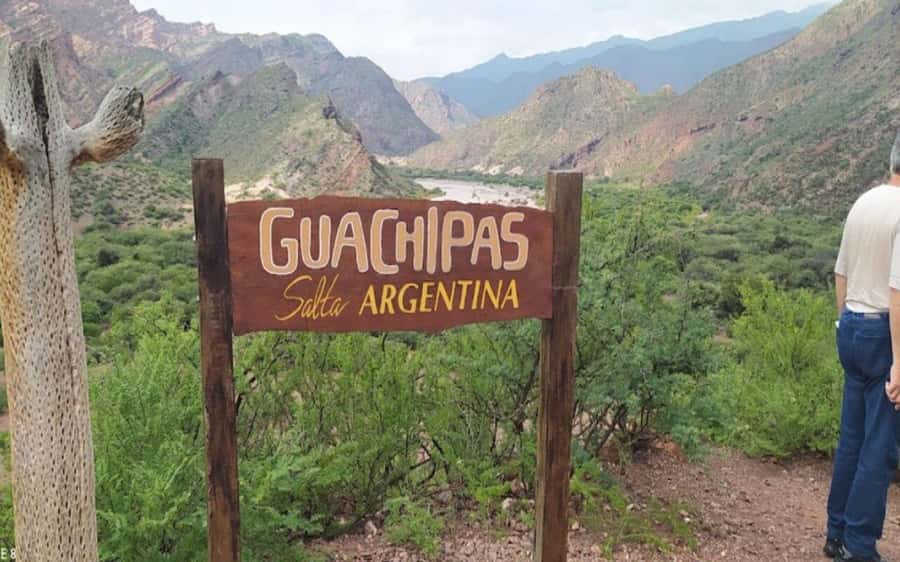
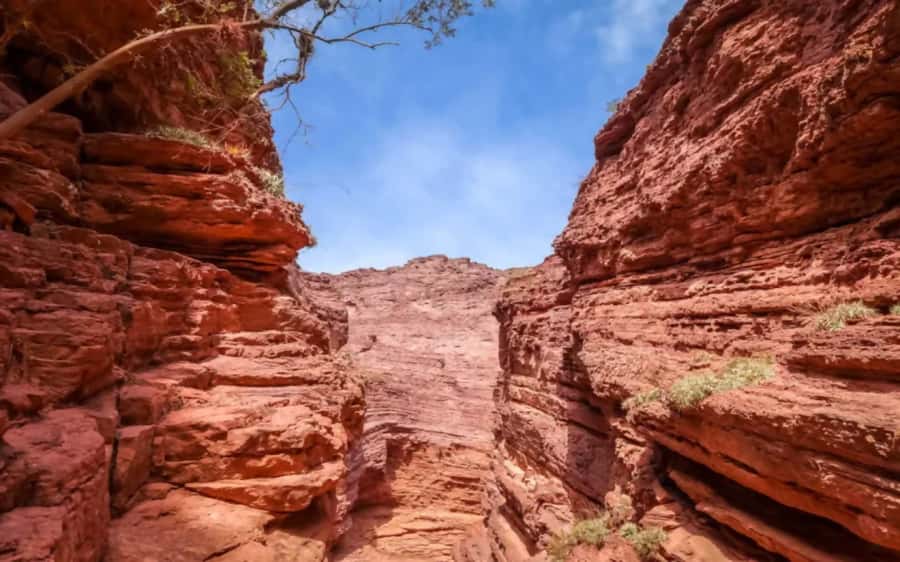
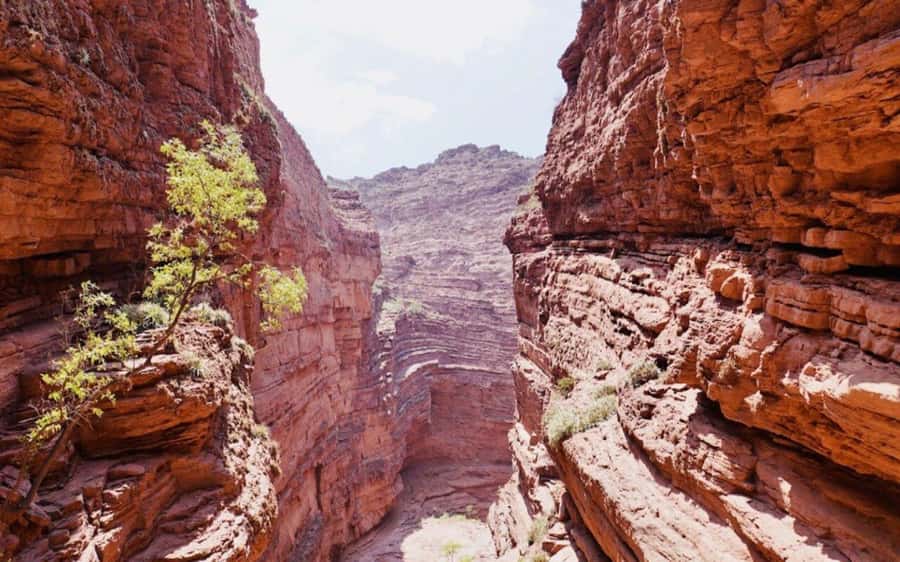
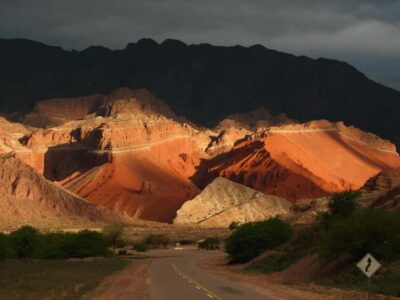
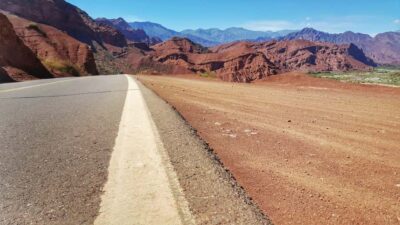
The gorge is where the excursion becomes special. The road narrows between colored hills, with orange, red, cream, and muted purple tones appearing in the exposed rock. Wind and water have cut the cliffs into towers, openings, folds, and theatrical shapes.
The main stops are short, usually between five and 20 minutes. That means you can get out, walk a little, take photographs, and listen to the guide, but you should not expect a long hike at every formation. Wear shoes with a secure sole because some stops involve uneven ground.
The Devil’s Throat
The Devil’s Throat is one of the first major stops and one of the most dramatic. The formation rises like a rough natural passage cut into the cliff. It is a good place to understand the scale and color of the gorge before the bus continues deeper into the reserve.
You get about 20 minutes here for a guided visit, sightseeing, and photographs. The stop can feel busy because it is a well-known point on the route, but the short pause works well for a first look.
Same region, a completely different afternoon:
- From Salta: Cafayate Day Trip with Wine Tasting
★ 4.4 · 226 reviews - Buenos Aires: Wine Tasting and Lunch at Bodega Gamboa
★ 4.8 · 177 reviews - Mendoza: Full Day Wine Tour with 3 Course Lunch
★ 4.3 · 153 reviews - Mendoza Hop-On Hop-Off Wine Tour
★ 4.0 · 130 reviews
The Amphitheater
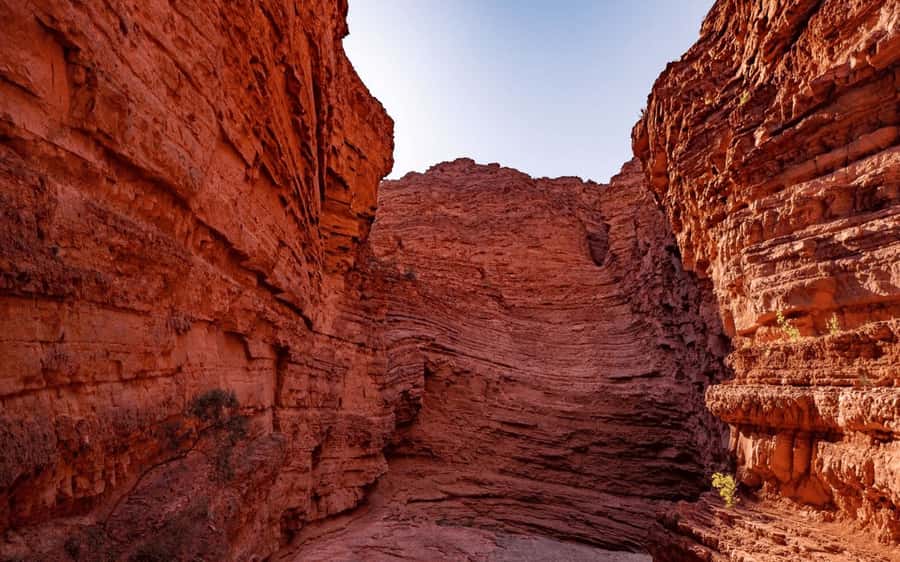
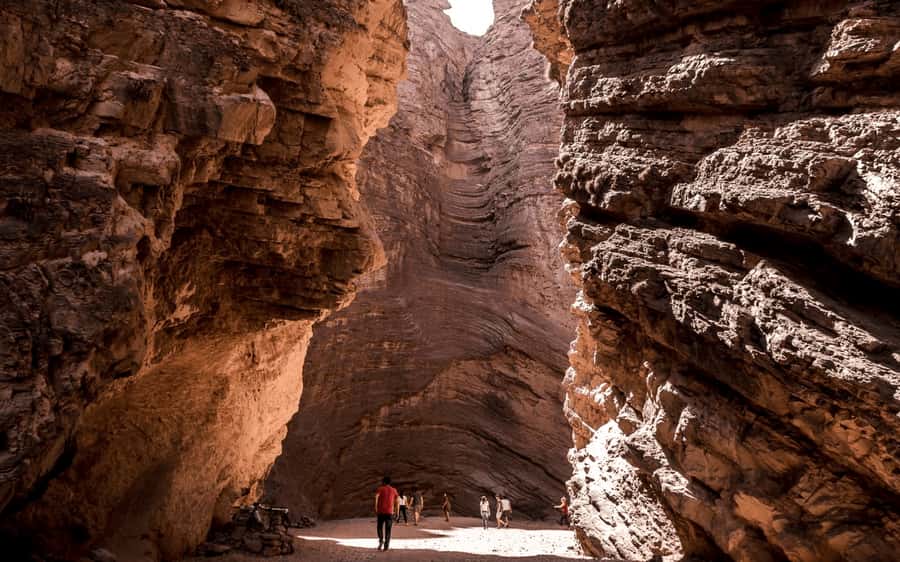
The Amphitheater is another major stop, with a concave rock formation that creates a natural bowl. The shape gives the place its name and makes it more than a simple roadside viewpoint.
You have around 20 minutes for a guided visit and some free time. Take a moment to look upward and around the walls rather than rushing straight to photographs. The scale is easier to appreciate from inside the formation.
The guide may provide commentary in both Spanish and English. Bilingual explanations can take a little longer, but guides such as Carolina and Angie have handled the language switch well, according to the information available. If you speak English only, you should still receive a useful explanation, though the exact balance depends on the group.
Tres Cruces viewpoint
Mirador Tres Cruces gives you a wider view of the gorge and surrounding hills. The stop lasts about 15 minutes, enough for photographs and a quick look across the folds of the valley.
This is the kind of pause that helps connect the individual formations. The Devil’s Throat and Amphitheater are close-up experiences, while Tres Cruces gives you a broader sense of how the gorge runs through the region.
The shorter formations along the route
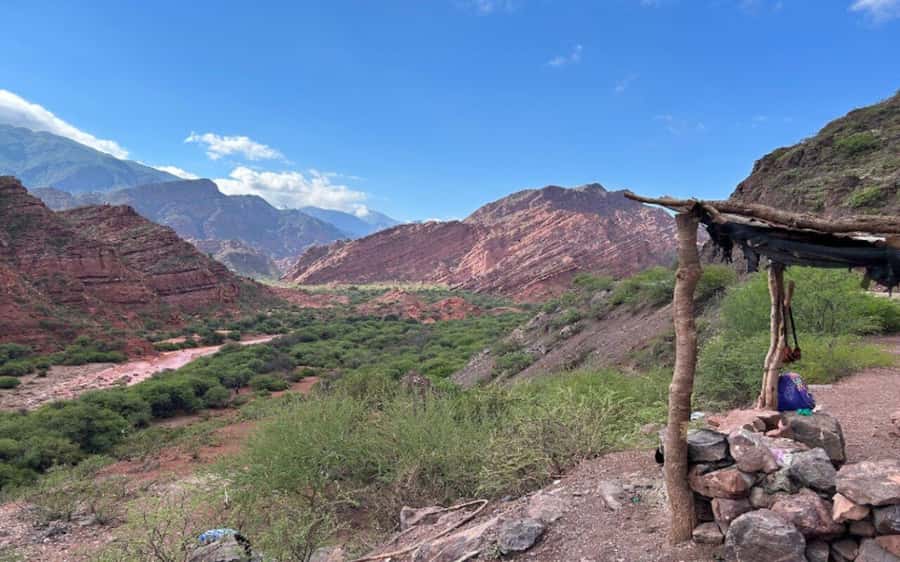
After the main stops, the bus continues past a string of smaller formations. Some are brief photo stops, while others are seen from the vehicle. The pace is quick, but the variety keeps the road interesting.
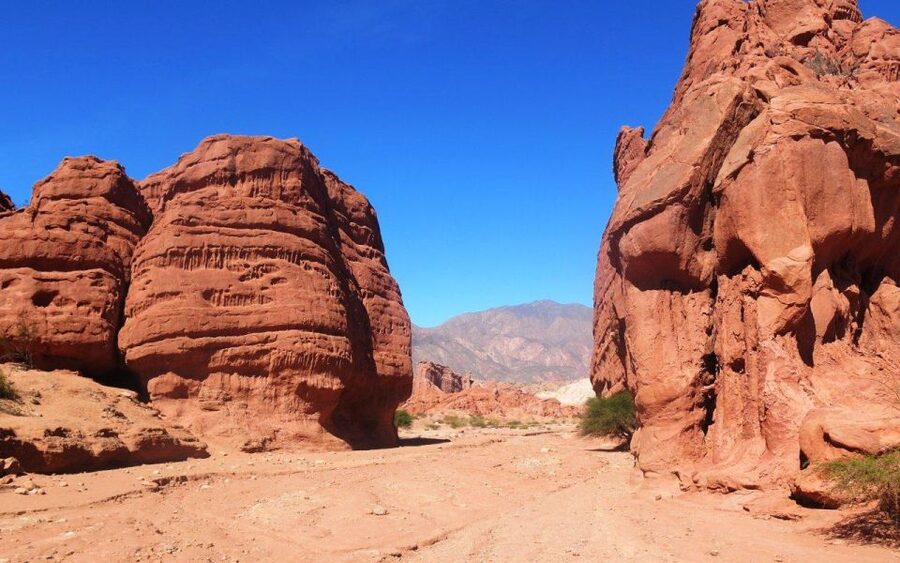
At El Sapo, or the Toad, you stop for about five minutes. The shape is easy to recognize and makes a fun, fast photograph. El Fraile, or the Friar, is mainly viewed as you pass, with a short pause or scenic look depending on the timing.
La Casa de los Loros, or House of the Parrots, is another named formation along the gorge. El Obelisco and Las Ventanas, or the Windows, are also mostly passing views. These names may sound playful, but they help you read the rock shapes and connect local descriptions to what you see.
La Yesera
La Yesera is one of the more detailed stops, with around 10 minutes for a visit and walk. The pale, chalky colors differ from the stronger reds and oranges elsewhere in the gorge, giving the route some needed contrast.
This stop is a reminder that the area is not one continuous wall of red rock. The colors and textures change from point to point, and the guide’s explanation helps you notice those differences instead of treating the whole drive as one long photo opportunity.
Los Castillos
Los Castillos, or the Castles, provides another chance to get out and look closely at the formations. The stop lasts about 10 minutes and includes free time, walking, and photographs.
It is easy to see why some people wish for even more time at stops like this. The scenery changes around every bend, and the scheduled pauses are designed to cover many named points in one day. If you want a slow walk or a quiet period to sketch and observe, a rental car would give you more control, but you would need to manage the route yourself.
The winery visit and Cafayate’s wine country
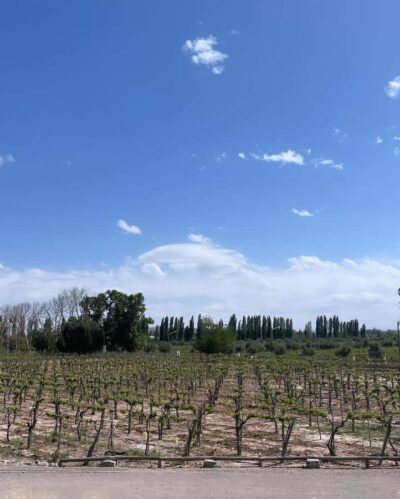
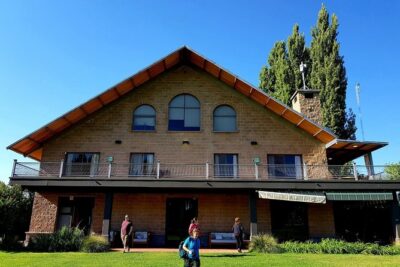
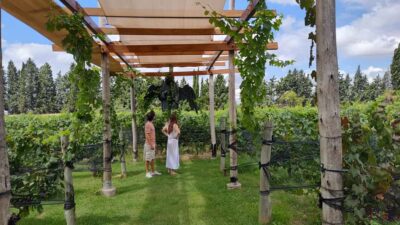
Cafayate sits in the Calchaquí Valley and is the center of the area’s wine route. The excursion includes a visit to a winery with a guided portion, wine tasting, and some time for shopping.
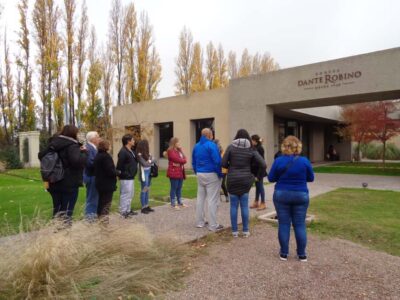
Set your expectations correctly. The winery is not the main part of the day. The scheduled stop is about 45 minutes, but the actual explanation and tasting may feel short, especially if you are passionate about wine. The winery presentation may be conducted in Spanish, even when the main guide speaks English. The wine tasting follows, and you can usually try local wine before returning to the bus.
That arrangement works well for curious beginners and people who want a first introduction to Cafayate wine. It is less suitable if your main goal is several detailed tastings, vineyard walks, or a long meal with a sommelier.
I like the balance for a general sightseeing day. You get a taste of the region’s wine culture without sacrificing the gorge stops. If wine is your top priority, look for a dedicated winery tour instead.
Two hours in Cafayate
The town stop lasts about two hours, giving you time to walk, shop, take photographs, and arrange lunch. This is the most flexible part of the excursion, though it is also where opinions differ.
Some people find two hours useful after the fast-moving gorge stops. You can sit down, eat, browse, and get your bearings without racing back to the minibus. Others find the time too long because the town is smaller than the surrounding scenery and the food choices can be limited, particularly for vegetarians.
You will need to pay for lunch and drinks yourself. A guide may recommend a restaurant and an ice cream shop, but you are not required to use them. If you have dietary needs, bring a snack and ask the guide early about suitable food. The supplied information does not promise a set meal or included restaurant.
Use this stop as a reset. After several hours of looking at rock formations, you can walk at your own pace and enjoy a simple pause. If you would prefer another viewpoint or a longer gorge walk, this is the part of the schedule you may find too generous.
The return to Salta
The return follows the same route, with another roughly two-hour bus ride and a short café break of about 10 minutes. In theory, the return is familiar. In practice, the changing light can make the gorge look different, and you get another chance to photograph views missed in the morning.
The road can be bumpy. One account described the return drive as feeling like a roller coaster, while another raised concerns about a driver’s speed on a difficult road. Most of the available comments describe safe or comfortable driving, but this is still a mountain and gorge route, not a smooth motorway.
If you get motion sickness, sit near the front if possible, keep water close, and look out toward the horizon. Front seats were specifically recommended by one person who had taken the excursion. Seat requests are not guaranteed, but they are worth asking about.
Guides, language, and the pace of the day
The guide can make a major difference on a long shared excursion. The strongest names associated with this experience include Carolina, Martín, Angie, Santiago, Lourdes, Fernando, Vanessa, and Luciana. Martín was especially praised for clear English and strong explanations of local traditions, history, and daily life. Carolina and Angie were also singled out for handling Spanish and English smoothly.
The tour is bilingual in Spanish and English. You should expect information to be given in both languages, which naturally takes more time than a single-language tour. The quality of English can vary by guide. Most of the comments describe the bilingual explanations as useful, but one person found the English level poor.
The best guides do more than identify rock formations. They explain the places you pass, talk about Argentine customs, and help the scenery make sense. That extra context is valuable because the day contains many short stops and many unusual names.
Who will enjoy this excursion most?
I would choose this tour if you have limited time in Salta and want to see the major sights south of the city in one day. It is also a good fit if you prefer not to rent a car, want a bilingual guide, or like having transport and timing handled for you.
You will probably enjoy it most if you:
- Like dramatic rock formations and frequent photo stops.
- Are happy spending several hours in a minibus.
- Want a brief wine tasting rather than a full wine-focused day.
- Appreciate local explanations in Spanish and English.
- Prefer a fixed schedule to planning a long self-drive route.
I would think twice if you dislike long road days, need a spacious seat, or want deep time at each viewpoint. The best scenery is outside the vehicle, but the route requires patience between stops.
What to bring and what to know
Bring your passport or ID card, comfortable shoes, sports shoes, water, and snacks. Food and drinks are not included, and the short café stops should not be treated as full meal breaks.
The excursion runs even in rain or poor weather. That keeps your plans intact, but it also means the colors and visibility may not be as striking on a cloudy or wet day. The route still operates, so pack for conditions rather than assuming perfect sunshine.
Alcohol and drugs are not allowed, and pets cannot join the excursion. Free cancellation is available up to 24 hours before departure, and you can reserve now and pay later. Starting times vary, so check the available departure when booking.
Should you book the Salta to Cafayate day trip?
Book it if you want a high-value introduction to the road between Salta and Cafayate. The price covers transport, a bilingual guide, the gorge route, the principal formations, the winery visit, and time in Cafayate. For $29, that is a strong deal, especially when you consider the distance and the number of organized stops.
Do not book it expecting a leisurely wine tour. The mountains and rock formations are the reason to go. The winery is a pleasant extra, and Cafayate gives you a welcome town break, but the gorge carries the day.
My practical advice is to bring snacks, aim for a front seat, wear proper shoes, and accept the long return ride as part of the bargain. If you can handle the hours on the road, this is one of the most efficient ways to see the remarkable scenery south of Salta.
FAQ
How long is the Salta to Cafayate excursion?
The excursion lasts 12 hours, including transport, sightseeing stops, the winery visit, time in Cafayate, and the return to Salta.
How far is Cafayate from Salta?
Cafayate is about 180 kilometers from Salta. The scheduled bus journey takes roughly two hours each way.
Is pickup included?
Yes. Pickup is included from hotels or central addresses within about 15 blocks of Salta’s main square.
What languages are offered?
The live tour guide service is offered in Spanish and English. The guide gives explanations in both languages, though the exact English quality can vary by guide.
Is a winery visit included?
Yes. The excursion includes a winery visit in Cafayate, with a guided portion, wine tasting, free time, and shopping.
Is lunch included?
No. Food and drinks are not included. You have free time in Cafayate to arrange lunch independently.
How much time do I get in Cafayate?
The planned stop in Cafayate lasts about two hours. You can use the time for lunch, walking, sightseeing, photographs, or shopping.
What should I bring?
Bring a passport or ID card, comfortable shoes, sports shoes, water, and snacks. You should also prepare for a long day on the road.
Does the tour operate in bad weather?
Yes. The excursion is not suspended because of rain or bad weather.
Can I cancel the booking?
You can cancel up to 24 hours in advance for a full refund. The activity also offers a reserve-now, pay-later option.
Just added around Argentina
- Mendoza: Premium Wine Tasting★ 4.4 · 48 reviews
- Mendoza: Winebike Tasting Tour with Optional Lunch★ 4.1 · 73 reviews
- Mendoza: Top Wineries Guided Tour with Transportation★ 4.8 · 99 reviews
- Mendoza: Wine Tasting Tour with Lunch and Private Transport★ 4.6 · 48 reviews
- From Salta: Cafayate Day Trip with Wine Tasting★ 4.4 · 226 reviews
- Buenos Aires: Wine Tasting and Lunch at Bodega Gamboa★ 4.8 · 177 reviews
- Buenos Aires: Palacio Barolo Guided Night Tour with Wine★ 4.4 · 54 reviews
- Premium Empanadas Cooking Class & Wine Tasting Experience★ 4.9 · 35 reviews
Wine Tours in Argentina, compared.
Buenos Aires: Wine Tasting and Lunch at Bodega Gamboa
Read our review →
Browse the lists this tour appears in