
REVIEW · ARGENTINA
From Salta: Cafayate Day Trip with Wine Tasting
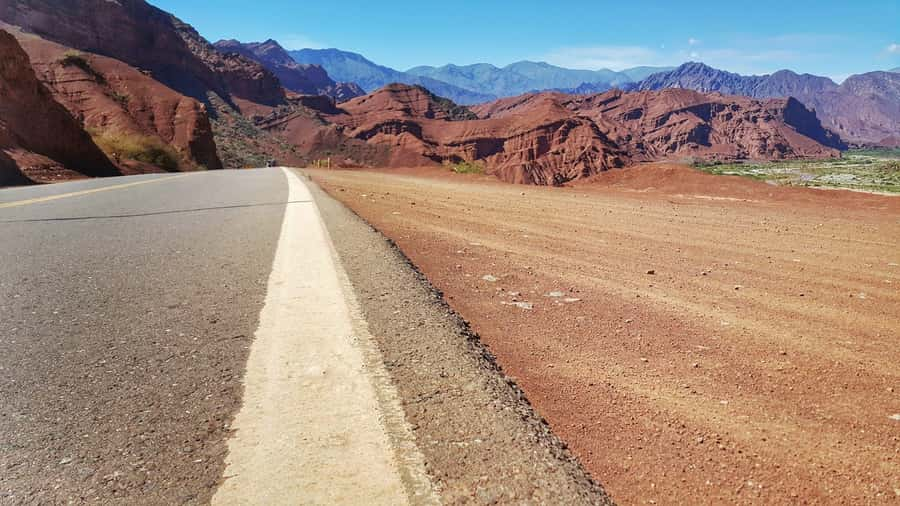
The best part of this 12-hour trip from Salta is the road itself. You pass from the green Lerma Valley into red cliffs, dry ravines, and strange rock towers in the Quebrada de las Conchas. The Devil’s Throat, Amphitheater, and Castles are not quick roadside curiosities. They give the day its real purpose.
I like the generous number of photo stops, and I like having two hours in Cafayate rather than being rushed through town. Guides such as Angie and Jasmine have also made a big difference for English speakers, often explaining the same material in Spanish and English with plenty of local stories. The tradeoff is simple: this is a long bus day, and the winery visit is fairly short, with small tasting pours.
Key points at a glance
- The scenery is the main event: Red cliffs and unusual rock formations fill the route through the Quebrada de las Conchas.
- You taste local Torrontés: The winery stop introduces you to one of Argentina’s best-known white wines, along with other regional bottles.
- Guides can shape the day: Angie and Jasmine have been especially effective with bilingual groups, while the standard of English explanation may vary.
- Cafayate gets real free time: You have about two hours for lunch, shops, ice cream, and a walk around the town center.
- Expect an early start: Hotel pickup, when available, runs roughly from 6:30 to 7:15 a.m.
- The $40 price is strong value: Transport, a bilingual guide, and wine tasting are included, but food and drinks are extra.
Why the Quebrada de las Conchas makes this day worthwhile
From Salta, the route heads south through the Lerma Valley, where historic villages provide an early look at local life. This first section is less dramatic than the canyon, but it helps you see the change from Salta’s settled valley to the dry, red-toned country farther south.
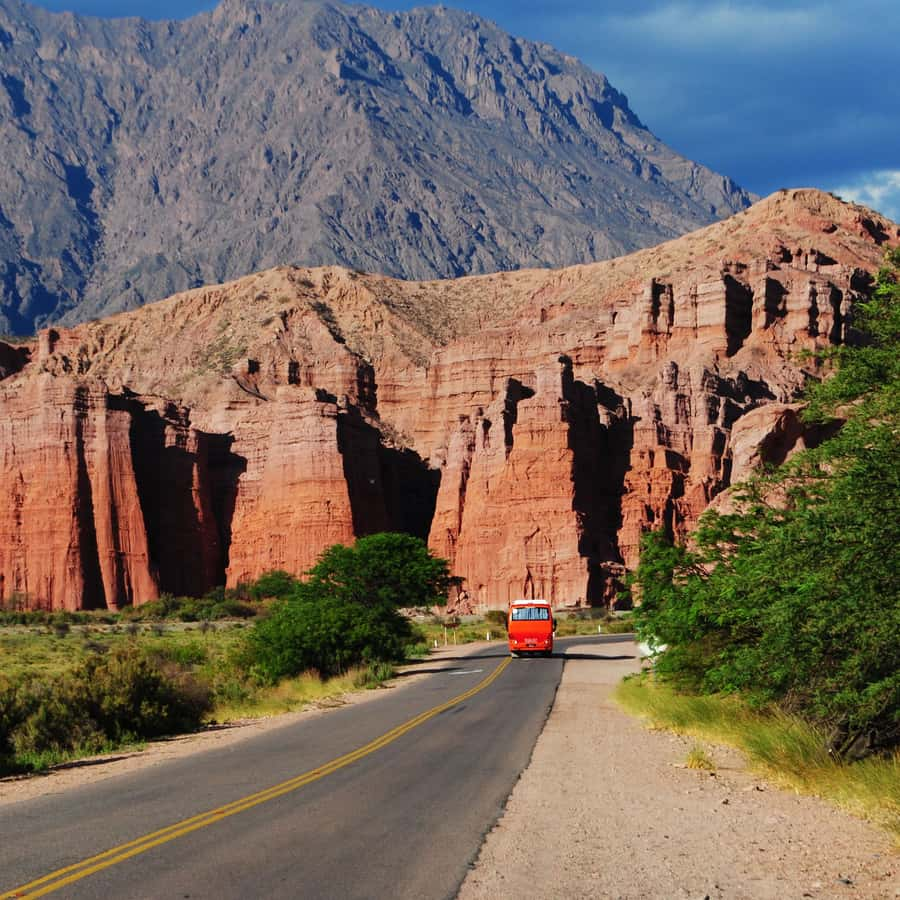
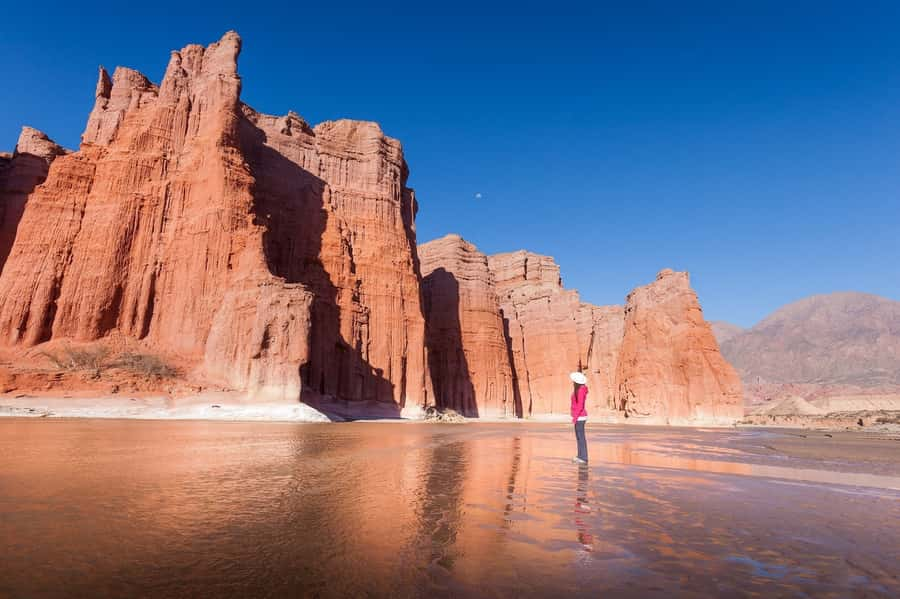
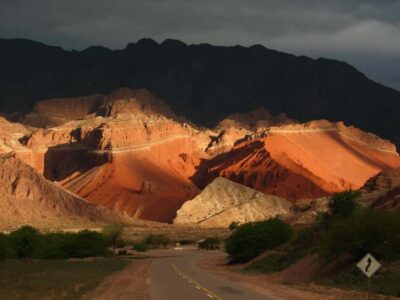
The Quebrada de las Conchas is the reason to book this excursion. Water and strong winds have shaped the ravine for centuries, leaving walls, spires, folds, and hollows that look almost deliberately carved. You stop at several named formations, including the Devil’s Throat, the Amphitheater, and the Castles.
Each stop gives you a different view of the rock. The Devil’s Throat is a tall, narrow formation with a dark interior. The Amphitheater forms a natural hollow where the rock walls curve around you. The Castles are more open and vertical, with weathered shapes that resemble towers.
You are not simply driven past these sights. The day includes several stops for photographs and short walks, plus longer guided visits. That matters because the colors and shapes change with the angle of the sun, and a single roadside glance would not do the canyon justice.
The main drawback is time on the road. The journey takes roughly two hours in one early section, and the full route includes many hours of driving. The scenery keeps the trip interesting, but you should not book this expecting a relaxed winery outing with only a short transfer.
More tastings around Argentina:
- From Salta: Full-Day Tour to Cafayate with Wine Tasting
★ 4.5 · 478 reviews - Buenos Aires: Wine Tasting and Lunch at Bodega Gamboa
★ 4.8 · 177 reviews - Mendoza: Premium Wine Tasting
★ 4.4 · 48 reviews
The early departure and ride from Salta
Pickup is arranged from central Salta, with hotel pickup available for accommodations within about eight blocks of the 9 de Julio central square. The usual hotel pickup window is 6:30 to 7:15 a.m., and you should be ready 15 minutes early.
In some cases, the vehicle cannot reach the hotel entrance. You may instead be asked to meet at a nearby point, so keep your phone available on the morning of the tour. During busy periods, the operator may use a large bus and ask everyone to gather at a designated meeting point.
Transport depends on group size. A minivan can make the trip feel more personal, while a full coach is less nimble and can slow down the group at stops. One departure had about 45 people, which made the pace slower than it would be in a small vehicle. Other departures had groups of around 12.
You should bring a passport or ID card. Large bags and luggage are not allowed, so take only a small day bag with water, sun protection, and anything you need for the long day.
Lerma Valley villages before the red rock country
The first cultural section takes you through historic villages south of Salta in the Lerma Valley. This portion breaks up the drive and gives the guide room to explain local customs, folklore, and the area’s past.
The experience depends heavily on the guide here. Angie has been praised for adding music, objects, personal stories, and local food suggestions to her explanations. Jasmine has also been singled out for a warm, funny approach and clear information in English.
You may hear the information first in Spanish and then in English, especially when most of the group is Spanish-speaking. That can mean a little waiting between explanations, but strong guides use the time well. For English speakers, Angie in particular has handled this balance carefully, making sure smaller English-speaking groups are not left out.
The quality of the English presentation can vary. Some departures have had excellent bilingual explanations, while other parts of the day, especially at the winery, have been Spanish only. If learning about the region is central to your plans, the guide matters almost as much as the scenery.
Photo stops at Devil’s Throat and the Amphitheater
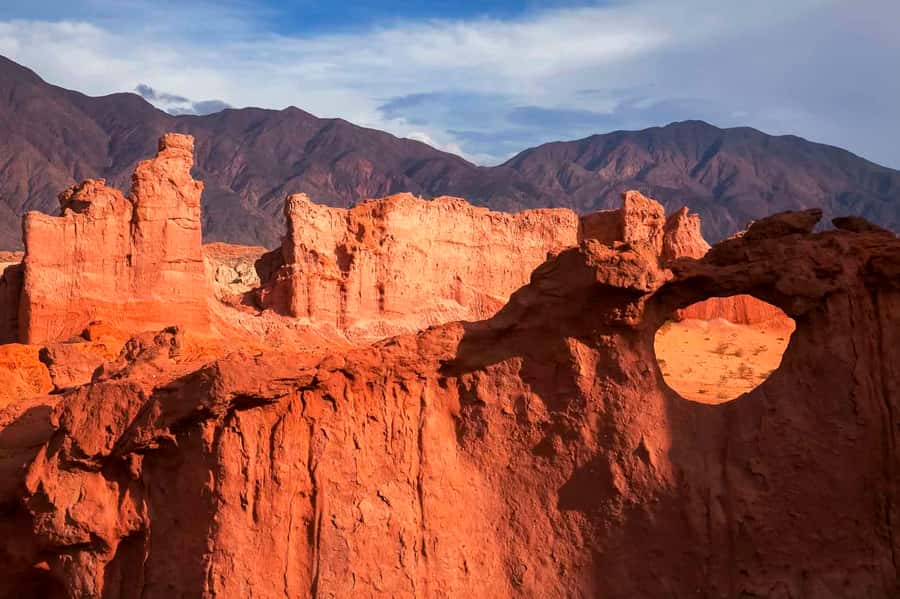
The canyon portion usually includes a series of short stops rather than one long walk. This works well for a broad range of interests. You can take photographs, look at the formations from several angles, and return to the vehicle without needing to cover a long trail.
At the Devil’s Throat, the rock closes around a narrow passage and creates one of the most memorable views of the day. The Amphitheater offers a different experience, with curved walls that make the space feel enclosed and unusually quiet. The Castles and other formations add variety, so the day does not feel like the same red cliff repeated again and again.
The guide normally gives context at the stops, pointing out how wind and water have shaped the stone. This is where a good bilingual guide earns the fare. Without explanation, you still have striking scenery. With explanation, you gain a better sense of why each formation has its name and how the canyon developed.
The stops also make the long drive easier. You are not trapped in the vehicle for the entire morning, though the ride remains a major part of the excursion. Wear sturdy shoes and clothing suitable for getting on and off a bus several times. The tour is not recommended for people with limited mobility, and it is not suitable for wheelchair users.
A few more wine days around Argentina worth comparing
- From Mendoza: 3 Wineries, Olive Oil Factory Tour & Tasting
★ 4.6 · 901 reviews - Mendoza: Winebike Tasting Tour with Optional Lunch
★ 4.1 · 73 reviews - Premium Argentinian Wines and Malbec Tasting Experience
★ 4.6 · 60 reviews - Mendoza: Wine Tasting Tour with Lunch and Private Transport
★ 4.6 · 48 reviews
Wine tasting in Cafayate
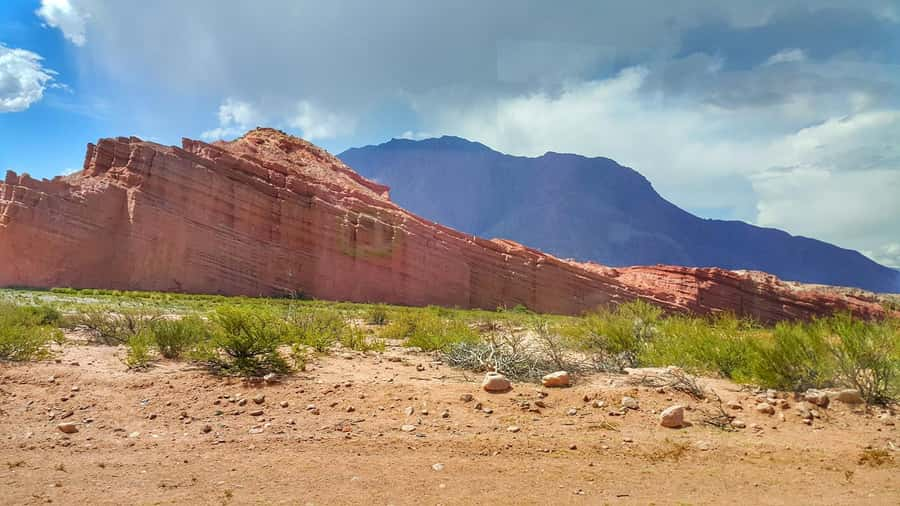
Cafayate is one of Argentina’s best-known wine areas, and the tasting gives you an introduction to the local production. Torrontés is the key wine to try. This aromatic white grape is strongly associated with Argentina and is a natural match for a visit to the region.
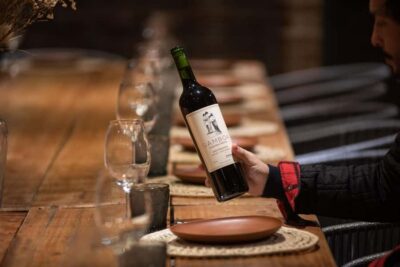
The winery stop lasts about 30 to 40 minutes. You generally taste around three wines, but the pours may be quite small, sometimes less than a full sip. That makes the tasting a useful introduction, not a serious wine tour.
You may also have time to buy bottles directly from the producer. One stop included an explanation from a fifth-generation family member, which added a personal touch to the visit. But English interpretation at the winery is not guaranteed. The general guide may translate, or the winery presentation may be Spanish only.
This distinction is important. If you are booking mainly to taste wine, the experience may feel too brief. If you are booking for the canyon and want a regional tasting as part of the day, the winery is a pleasant addition.
Two hours in Cafayate
After the tasting, you get about two hours of free time in Cafayate. This is one of the tour’s better choices. You are not limited to a rushed photograph beside the main square.
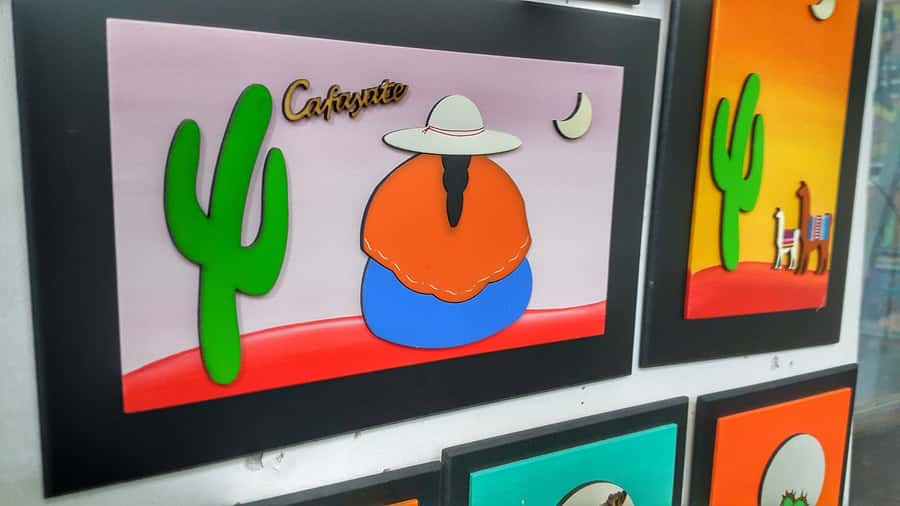
Use the time for lunch, a walk through the central streets, local crafts, wine shops, or ice cream. Regional dishes such as tamales and goat have been recommended by guides, and vegetarian choices are available at the suggested restaurant. You may also find honey, handmade creams, mate cups, and other local goods at shops and market stalls.
Cafayate itself is pleasant, but the town is not the main reason to come. The canyon scenery on the way there and back is more striking. Think of the two-hour break as a useful pause, a chance to eat and stretch your legs before the return journey.
You can also use this time to make independent plans nearby, but be careful with the meeting time. The group cannot wait for late diners or shoppers. A simple lunch near the central area is the safest choice.
The return through the canyon
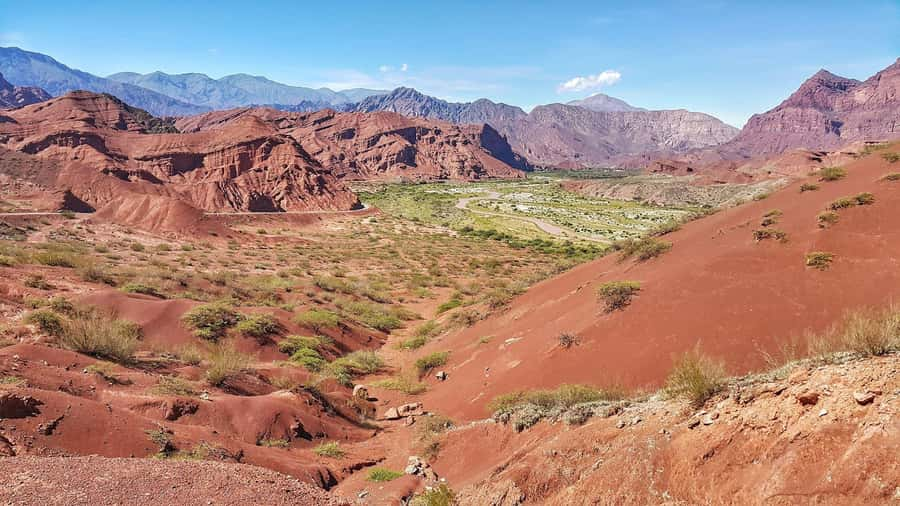
The return route passes through the Quebrada de las Conchas again, with more guided stops and photo opportunities. Seeing the canyon in the opposite direction gives you different views of the formations and makes the return feel less like a repeat drive.
The schedule includes roughly three hours for the final visits and guided sections before arriving back at the original meeting point in Salta. In practice, the exact pace depends on traffic, group size, and how long people take at each stop.
The return is also when the day’s length becomes noticeable. You may be tired after the early pickup, several hours on the road, and a full set of stops. Still, the scenery gives the journey a clear payoff. Bring water and buy food during the day, since meals and drinks are not included.
Guides, language, and group size
The strongest part of this experience is often the guide. Angie has led several especially well-received departures, using humor, folklore, music, and objects from her backpack to make the region feel personal. She has also taken time to translate fully for English speakers, even when Spanish speakers made up most of the group.
Jasmine has received similar praise for clear English, warmth, and a good sense of timing. Mauricio, Martin, and Guillermo have also been noted as careful drivers. These names do not guarantee who will lead your departure, but they show how much the staff can affect the day.
The tour is bilingual in Spanish and English. You should expect some information to be delivered in both languages, which can extend the length of stops. On the other hand, a patient guide can make the experience work very well for a mixed group.
Group size is less predictable. A small minivan is more comfortable for conversation and quicker at stops. A large coach can be slower, especially when everyone needs to get on and off. The price remains attractive in either case, but the smaller vehicle usually feels more personal.
Is $40 good value?
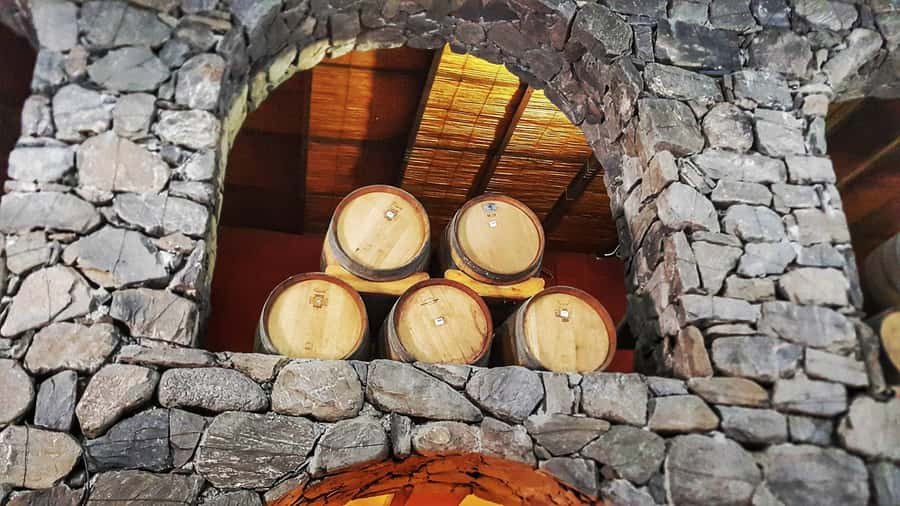
At $40 per person, this is a strong deal for a full-day excursion. The price covers transport from Salta, a bilingual guide, the main canyon stops, free time in Cafayate, and a wine tasting. Booking a private vehicle and arranging the same route independently would cost much more.
The value is strongest if you want to see the Quebrada de las Conchas without driving. You can look out the window, listen to the guide, and let someone else handle the long route. The included tasting is a bonus rather than the core product.
Food and drinks cost extra. You should also account for the fact that the tasting is short and the pours are small. The tour is not the right choice for a serious wine-focused visit, but it is good value for scenery, transport, and a first taste of Cafayate’s wines.
Free cancellation is available up to 24 hours before departure, and you can reserve while paying later. Those terms give you some useful flexibility when planning a longer Argentina itinerary.
Who should book this Salta day trip?
I would recommend it to you if:
- You have only one day to see Cafayate and the Quebrada de las Conchas.
- You want dramatic rock formations without renting a car.
- You enjoy guided sightseeing mixed with free time.
- You speak English and are comfortable with a bilingual Spanish-English group.
- You want to try Torrontés but do not need a long winery tour.
- You can manage a full day with an early start and extended bus travel.
I would think twice if you dislike long rides, need wheelchair access, or want an intimate wine experience. You may also prefer a smaller private tour if you want more time at each winery or more control over meals and stops.
Should you book it?
Book this tour for the Quebrada de las Conchas, not for the tasting alone. The red cliffs, Devil’s Throat, Amphitheater, Castles, and changing views make the long day worthwhile, while Cafayate gives you a practical lunch and walking break.
At $40, the combination of transport, a guide, canyon stops, and wine tasting is hard to fault. Just arrive ready for an early pickup, possible changes to the meeting point, a mixed-language group, and many hours on the road. If you get a guide such as Angie or Jasmine, the cultural side can be excellent. If the winery explanation is Spanish only, enjoy the wine, then save your best attention for the canyon.
FAQ
How long does the Cafayate day trip last?
The trip lasts about 12 hours, including transport from Salta, stops in the Lerma Valley and Quebrada de las Conchas, the winery visit, free time in Cafayate, and the return journey.
What time is hotel pickup?
Hotel pickup is generally scheduled between 6:30 and 7:15 a.m. It is available for centrally located accommodations within about eight blocks of Salta’s 9 de Julio central square. You should be ready 15 minutes before pickup.
Is wine tasting included?
Yes. Wine tasting in Cafayate is included. The tasting usually lasts around 30 to 40 minutes and may include three small pours, including Torrontés.
Is lunch included?
No. Food and drinks are not included. You have about two hours of free time in Cafayate to arrange lunch, buy refreshments, and explore the town.
Is the tour offered in English?
Yes. The tour has live guides in English and Spanish. The general tour guide may explain information in both languages, but the winery presentation may be Spanish only.
Can I bring luggage or use a wheelchair?
Large bags and luggage are not allowed. The tour is not recommended for people with limited mobility and is not suitable for wheelchair users.
More 1-Day Tours in Argentina
- Tuscany Day Trip from Florence: Siena, San Gimignano, Pisa and Lunch at a Winery
★ 5.0 · 21,634 reviews - Pisa, Siena and San Gimignano Day Trip with Lunch & Wine Pairing
★ 4.5 · 6,006 reviews - Rome: Tuscany & Montepulciano Day Trip with Lunch & Wine Tasting
★ 4.5 · 5,232 reviews - San Gimignano, Siena, Monteriggioni, Chianti Day Trip with Lunch & Wine Tasting
★ 4.5 · 4,432 reviews
Just added around Argentina
- Mendoza: Premium Wine Tasting★ 4.4 · 48 reviews
- Mendoza: Top Wineries Guided Tour with Transportation★ 4.8 · 99 reviews
- Mendoza: Winebike Tasting Tour with Optional Lunch★ 4.1 · 73 reviews
- Mendoza: Wine Tasting Tour with Lunch and Private Transport★ 4.6 · 48 reviews
- Buenos Aires: Wine Tasting and Lunch at Bodega Gamboa★ 4.8 · 177 reviews
- Buenos Aires: Palacio Barolo Guided Night Tour with Wine★ 4.4 · 54 reviews
- Premium Empanadas Cooking Class & Wine Tasting Experience★ 4.9 · 35 reviews
- Premium Argentinian Wines and Malbec Tasting Experience★ 4.6 · 60 reviews
Wine Tours in Argentina, compared.
Buenos Aires: Wine Tasting and Lunch at Bodega Gamboa
Read our review →
Browse the lists this tour appears in