
REVIEW · ROME
Rome: Pasta Cooking Class with Market Visit and Wine
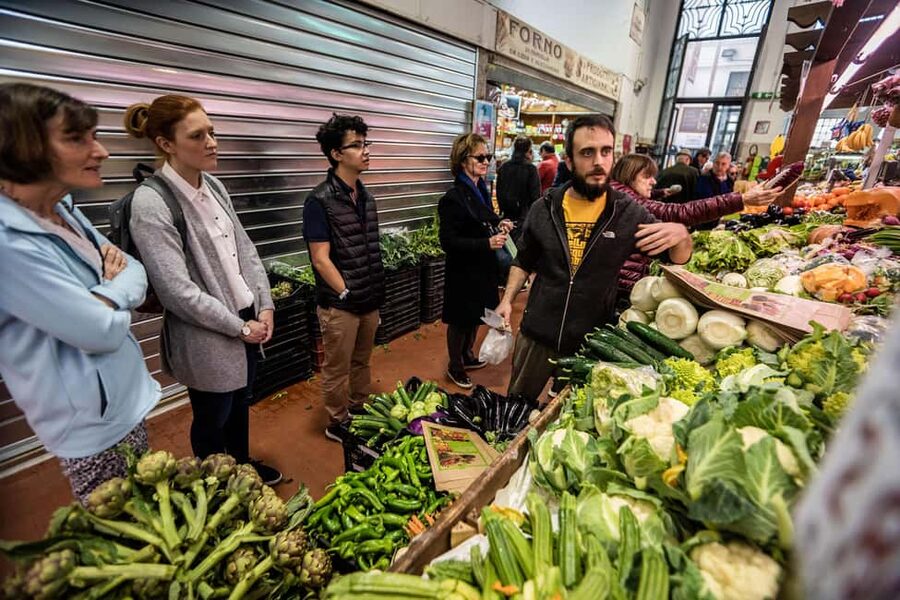
The best part of this Rome experience is that it starts with shopping for ingredients, not with a flour-covered table. You walk to Nomentano Market, learn how a local cook chooses produce, and hear bits of Roman history along the way. Then chef Marco turns that market haul into a hands-on pasta lesson.
I like the individual work stations, which give you room to practice instead of simply watching a demonstration. I also like the full meal afterward: pasta, sauces, wine, coffee, and limoncello. The main consideration is that gluten-free diners cannot take this class, and the cooking is social rather than quiet or highly private.
Key points to know
- Nomentano Market comes first: You see the fresh ingredients before learning how they end up in the dishes.
- Marco leads the class: Expect a warm, funny teacher who checks each person’s dough and pasta shapes.
- You make several kinds of pasta: Sessions have included linguine, ravioli, tortellini, and other shapes, sometimes as many as five to seven varieties.
- Lunch is part of the lesson: You eat the pasta you prepare with sauces made during the class, plus Italian wine.
- The finish is distinctly Italian: Coffee, limoncello, recipes, and a participation certificate are included.
- Plan for four hours: Meet at Via Palestro 51 at least 10 minutes early.
Starting at Via Palestro 51
The meeting point is Via Palestro 51, 00185 Rome. You should arrive at least 10 minutes before the start, since the group heads out together for the market and a late arrival could miss the opening walk.
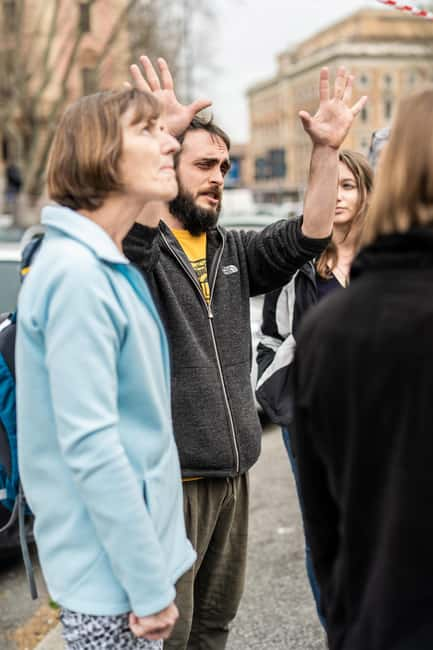
This is a useful location for a food class because the experience does not begin in an isolated teaching room. You get a short walk through the neighborhood before the cooking starts. Marco has used that walk to share stories about Rome and Italian food, giving the class a little city context before anyone touches the flour.
The exact starting time varies, so check availability for your date. The published duration is four hours. That is a substantial part of an afternoon, but it is also long enough to make several types of pasta, eat a proper meal, and enjoy the conversation without rushing every step.
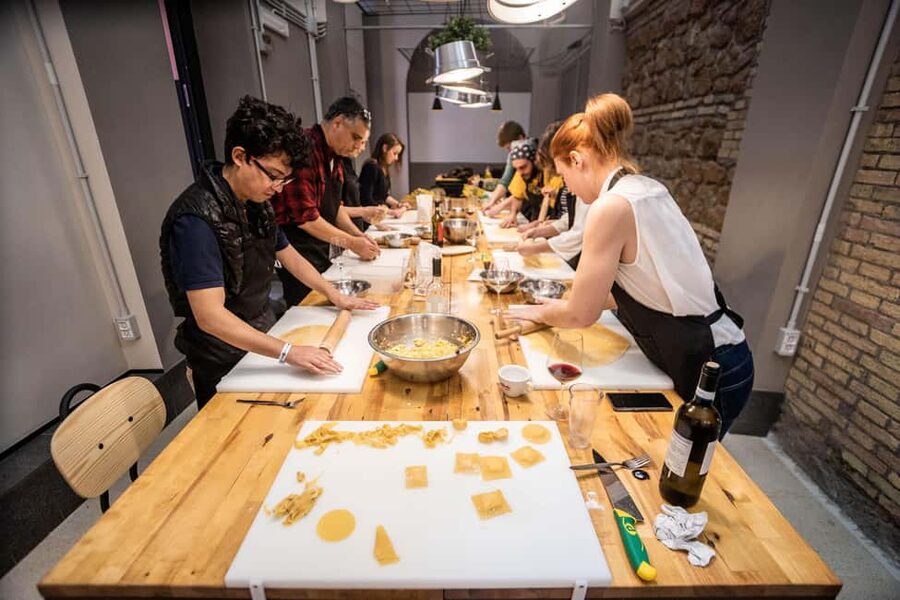
You should arrive ready to walk and work with your hands. This is not a show where you sit back and watch a chef do everything. You will mix, knead, roll, cut, shape, and fill pasta, with Marco moving around the room to help.
More Wine Tours in Rome
- Rome: Tuscany & Montepulciano Day Trip with Lunch & Wine Tasting
★ 4.5 · 5,232 reviews - Rome: Pasta & Tiramisu Class with Fine Wine by the Vatican
★ 4.9 · 4,852 reviews - Rome Food Tour: Unlimited Tastings with Fine Wine & Barolo
★ 5.0 · 3,365 reviews
Shopping at Nomentano Market
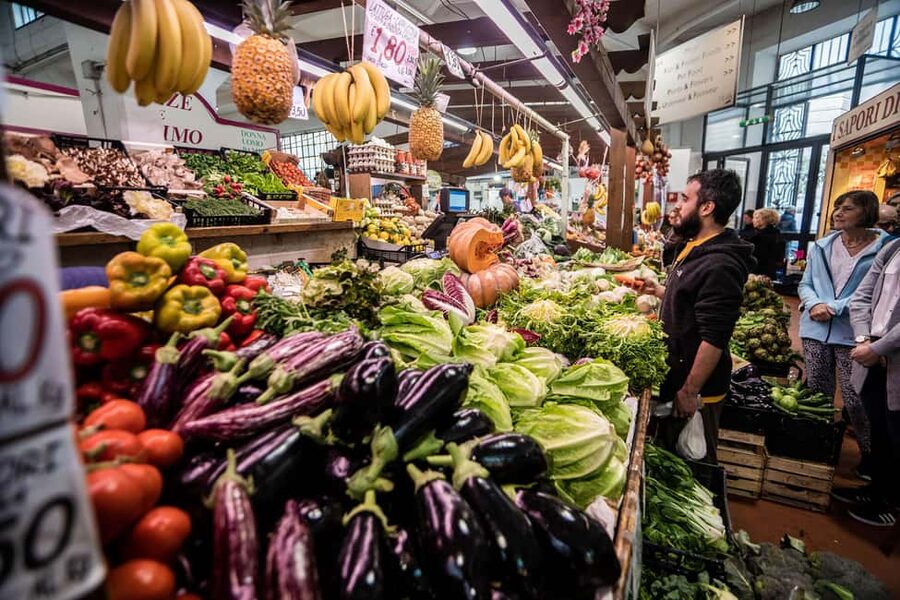
The walk to Nomentano Market is a small but important part of the experience. Many pasta classes begin with ingredients already measured and waiting. Here, you first see the kind of produce used in the cooking, and Marco explains why he chooses particular ingredients for particular dishes.
The market visit has practical value. You learn to look at vegetables, herbs, cheese, meat, and other products as components of a meal rather than as a decorative backdrop. In one set of dishes, pumpkin, ricotta, sage, and mushrooms worked together in ravioli. That combination shows how the class moves beyond the usual spaghetti lesson.
The market is also where the experience feels most connected to Rome. You are not simply following a recipe printed for tourists. You are walking to a local food market and gathering products for the class. Marco introduces you to vendors and explains how he selects ingredients.
Do not expect a long market tour with a separate lecture on every stall. The walk and shopping stop are tied to the cooking lesson. That is a strength if you want practical food knowledge, though it may feel brief if your main goal is a dedicated market exploration.
The market can also be a useful place to buy food souvenirs, though shopping for extras is not the purpose of the class. Keep your attention on the ingredients and the cooking plan, since the group needs to return to the kitchen.
Learning in the Kitchen of Mamma
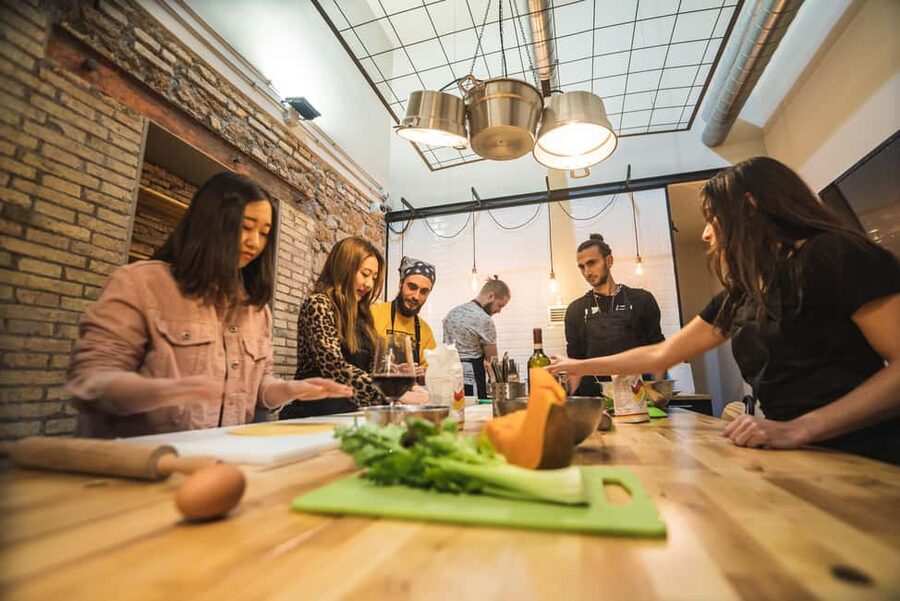
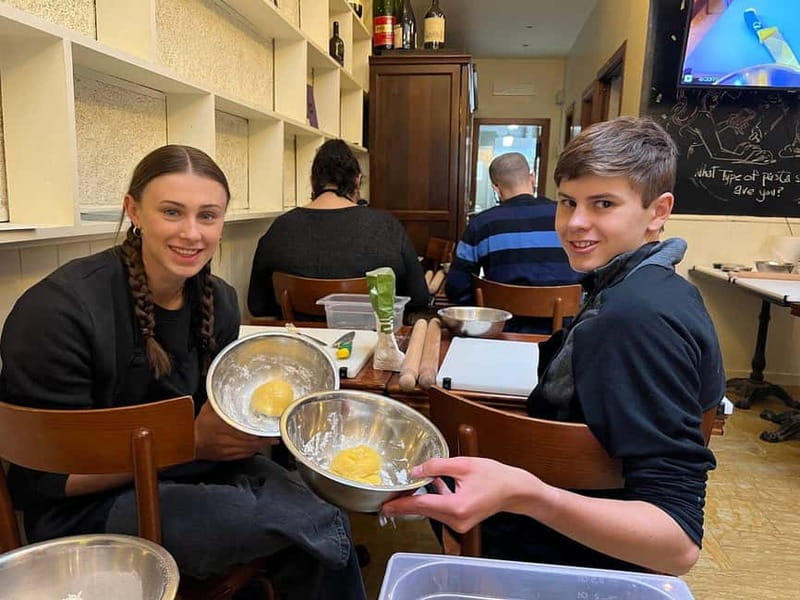
Back at the Kitchen of Mamma, you take a place around a shared table or at your own work station. Having your own area matters. You can make mistakes, correct them, and compare your dough with Marco’s example without losing track of what your hands should be doing.
The foundation is fresh pasta dough. Marco explains the process, demonstrates each stage, and then gives you time to copy it. He checks the dough as you work, which is especially helpful for first-time pasta makers. The class requires no previous skill, and the instruction is designed for beginners.
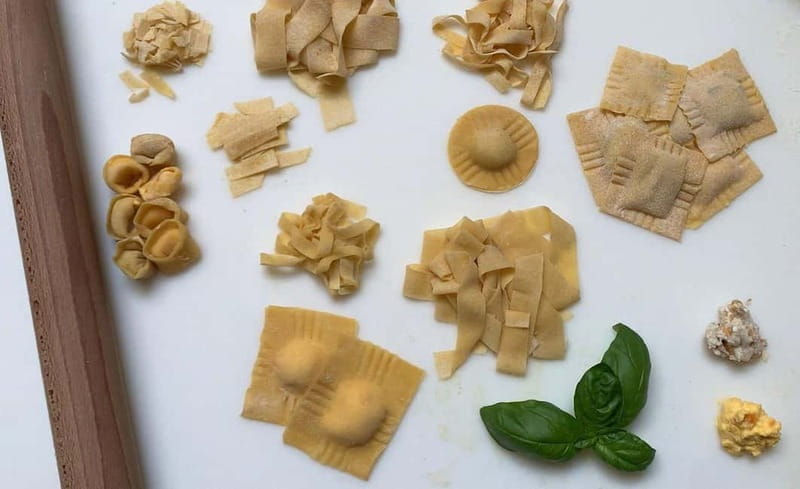
The lesson covers more than one basic noodle. Depending on the session, you may work with linguine, ravioli, tortellini, and other shapes. Past classes have included roughly five to seven kinds of pasta, including stuffed forms that require a different touch from long noodles.
Stuffed pasta is often the most rewarding part. You learn how to place filling, seal the dough, and fold it into shapes such as ravioli or tortellini. The folds may not look perfect on the first attempt, and that is part of the fun. Marco’s style is hands-on and relaxed, so you get help without feeling that every imperfect edge is a failure.
The class may also include bolognese and other sauces. Marco prepares some fillings and sauces while explaining what goes into them, and the group takes part in the pasta work. This means you should not assume that every sauce is cooked entirely by each participant. The focus is pasta making, with sauce preparation included as part of the meal.
More than spaghetti
If your idea of an Italian cooking class is one bowl of dough followed by spaghetti, this experience offers more variety. The range of shapes gives you a useful introduction to how pasta changes with different cuts, fillings, and cooking methods.
You may learn to cut several widths of pasta, shape stuffed parcels, and pair the finished forms with different sauces. The lesson can include pumpkin and ricotta filling, mushroom combinations, sage, and meat sauce. The exact menu can change with the ingredients available, so you should treat the class as a practical introduction rather than a fixed restaurant menu.
That variety is valuable when you return home. A simple dough recipe is useful, but knowing how to turn it into several shapes gives you more options. The included recipes help you repeat the dishes later, although your first home attempt will likely need practice.
I especially like that the class teaches technique through repetition. You are not handed one finished portion and told that you made it. You handle the dough, see how it changes, and get direct correction from Marco. That makes the lesson more useful than a polished demonstration.
More cooking classes with wine in Rome:
- Rome: Pasta Making Class with Wine, Limoncello, and Dessert
★ 4.9 · 3,177 reviews - Fettuccine & Tiramisù: Cooking Class with Wine & Limoncello
★ 4.9 · 2,103 reviews - Pasta Making & Wine Tasting with Dinner in Frascati from Rome
★ 5.0 · 1,326 reviews - Rome Cooking Class: Make Pasta, Dine & Drink Wine With Local Chef
★ 5.0 · 1,263 reviews
Lunch with wine, coffee, and limoncello
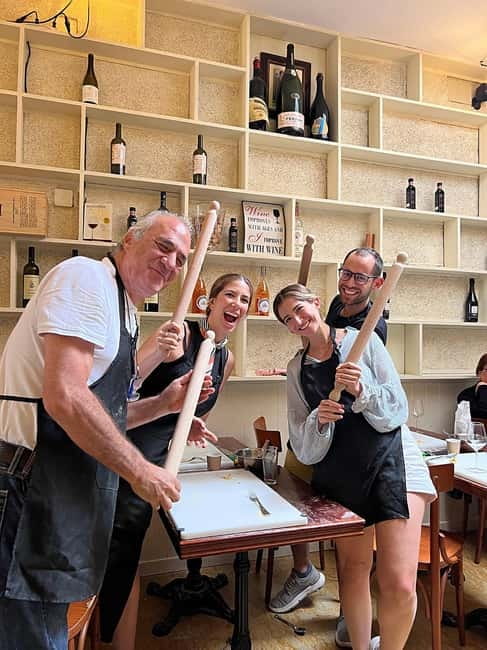
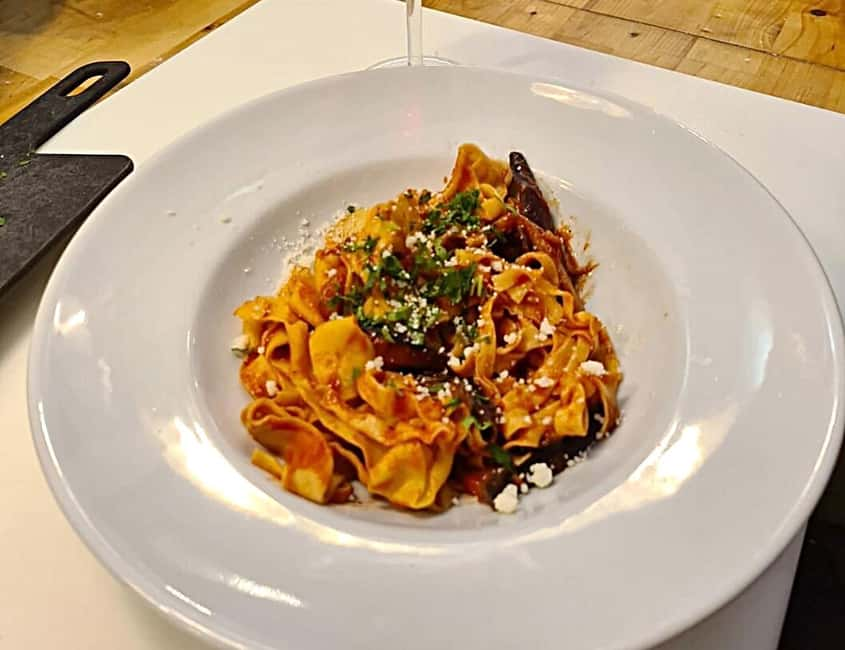
Once the pasta is ready, the work becomes lunch. The class includes the pasta you have made, sauces prepared during the session, and a glass of Italian wine. Portions have been described as generous, and extra food may sometimes be available to take home, though you should not treat that as a guaranteed inclusion.
The meal is also the social center of the class. You sit with the group, talk about the food, and hear Marco’s Italian stories. His humor and easy manner help people relax, especially when the room contains a mix of couples, families, and solo participants.
Wine is included, but the experience is not only for drinkers. One parent attending during pregnancy received suitable nonalcoholic drinks, and the class was handled with care. Still, if you have dietary restrictions, tell the provider before booking or at the start. The supplied information specifically rules out people with gluten intolerance.
Vegetarian needs have been accommodated in the past, and a guest who avoided pork and red meat was asked about food restrictions before a meat sauce was prepared. That is encouraging, but the only clearly stated restriction is gluten intolerance. Ask ahead rather than assuming every dietary request can be managed.
Coffee and limoncello finish the meal. These small touches make the class feel like a complete Italian lunch rather than a lesson that ends when the pasta leaves the pot. The coffee helps close the meal, while limoncello gives it a familiar Roman trattoria-style finish.
Marco’s teaching style
The teacher matters greatly in a cooking class, and Marco is the central personality here. His approach combines instruction, jokes, Roman stories, and individual help. You can expect him to move around the table, check your dough, answer questions, and keep the pace comfortable.
He is also part chef and part host. That matters because four hours with strangers can feel long if the instruction is stiff. Marco’s relaxed manner helps the group talk to one another, and several sessions have turned into an easy afternoon of cooking and conversation.
His teaching is not formal culinary school training. You will learn a strong foundation, not professional kitchen certification. The recipes and certificate mark your participation, but the real result is practical experience with dough, fillings, shaping, and sauces.
This class suits people who want a friendly teacher who gets involved. If you prefer a silent, highly technical lesson with exact measurements and little conversation, you may find the style too casual. If you want to learn while laughing and sharing a table, it fits well.
What the $103 price gets you
At $103 per person, the price is not just for a bowl of pasta. It covers the market walk, instruction, ingredients, lunch, wine, coffee, limoncello, recipes, and a participation certificate. You are also paying for a four-hour experience with a chef who gives personal attention.
The strongest value comes from the combination of activities. A short market visit alone would not justify the cost, and a restaurant lunch alone would not teach you much. Together, the market, cooking lesson, and meal create a fuller afternoon centered on Roman food.
The individual work stations improve the value further. In some classes, you spend most of your time watching one person roll dough. Here, you have your own place to work and can receive corrections as you go.
Still, price-sensitive visitors should compare the experience with the cost of a normal Rome lunch and a shorter cooking demonstration. You are paying for participation and a social experience, not simply food. The class makes the most sense if you genuinely want to learn pasta technique and take the recipes home.
Who should book this class
This is a strong choice for couples, families, and solo visitors who enjoy hands-on activities. Families in particular can share the work, and the cooking gives children and adults something to do together. The class is also a good rainy-day plan, since much of the time is spent indoors after the market walk.
Food lovers who have already eaten carbonara and cacio e pepe will appreciate the wider range of pasta shapes. You get to see how filled pasta is formed and how different cuts change the meal.
The class is less suitable for anyone with gluten intolerance. It may also be a poor fit if you dislike group activities, shared meals, or alcohol-centered social settings, even though wine is only one part of the afternoon.
You should leave space in your schedule afterward. The activity is listed as four hours, and the combination of walking, cooking, eating, and conversation deserves an unhurried afternoon. Do not book it immediately before a timed museum entry or evening event across town.
Practical details before booking
The activity is offered in English and Italian. Marco’s teaching style is conversational, and the class includes explanations as you work rather than a lecture delivered all at once.
Free cancellation is available up to 24 hours before the activity for a full refund. You can also reserve and pay later, which helps if your Rome schedule is still changing.
Bring a willingness to work with dough and ask questions. The recipes and participation certificate are included, so you do not need to prepare materials in advance. You should mention dietary needs, pregnancy, or food restrictions before sauces and fillings are finalized.
The meeting point is Via Palestro 51, 00185 Rome. Arrive at least 10 minutes early, since the group leaves for Nomentano Market together.
Should you book it?
I would book this class if you want a hands-on food experience with a human touch rather than a polished demonstration. The market visit gives the afternoon a local starting point, and Marco’s teaching keeps the cooking practical and friendly.
The value is strongest for first-time pasta makers, families, and anyone who wants recipes to use at home. Skip it if you need a gluten-free class, dislike group cooking, or want a short activity with no meal attached.
For most food-minded visitors, four hours is a good investment in Rome. You eat well, learn several useful techniques, and get a better sense of how ingredients move from a neighborhood market to the table.
FAQ
How much does the Rome pasta cooking class cost?
The listed price is $103 per person. It includes the market walk, cooking class, pasta lunch, a glass of Italian wine, coffee, limoncello, recipes, and a participation certificate.
How long does the activity last?
The published duration is four hours. Starting times vary, so check availability for your chosen date.
Where is the meeting point?
Meet at Via Palestro 51, 00185 Rome. You should arrive at least 10 minutes before the activity begins.
Which languages are offered?
The class is offered in English and Italian.
Is previous cooking experience required?
No. The class is designed for beginners, and the instructor demonstrates the techniques and helps participants at their work stations.
What food and drinks are included?
You make and eat pasta with sauces, enjoy a glass of Italian wine, and finish with coffee and limoncello.
Can someone with gluten intolerance join?
No. The activity is listed as unsuitable for people with gluten intolerance.
More Markets in Rome
- Rome: Testaccio Food & Market Tour with Pasta & Wine
★ 5.0 · 38 reviews - Rome: Vatican Street Food and Wine Tour with Farmers Market
★ 5.0 · 37 reviews - Bologna Food & Market Tour with 6 Tastings, Pasta, Wines & More
★ 5.0 · 1,328 reviews - Paella Cooking Class, Wine Tasting & Central Market in Valencia
★ 5.0 · 1,150 reviews
More Pasta in Rome
- Learn to Make Pasta & Tiramisu with Wine and Limoncello Included
★ 5.0 · 2,345 reviews - Rome Pasta and Tiramisu Class: Ravioli, Fettuccine & Fine Wine 5*
★ 5.0 · 1,319 reviews - Rome: Combo Pizza and Pasta Cooking Class with Wine
★ 4.6 · 1,180 reviews - Rome: Pasta Making with Wine Tasting and Dinner in Frascati
★ 4.9 · 979 reviews
Just added around Rome
- Rome: Painting Class with Unlimited Wine★ 4.8 · 109 reviews
- Rome: Vatican Street Food and Wine Tour with Farmers Market★ 5.0 · 37 reviews
- Rome: Trastevere Wine Tasting with Food Pairing and Gelato★ 4.9 · 168 reviews
- Rome: Trionfale and Prati Food and Wine Tasting Tour★ 4.8 · 115 reviews
- Rome: Tipsy Painting Class with Fine Wine and Arts★ 4.9 · 178 reviews
- Rome: Testaccio Food & Market Tour with Pasta & Wine★ 5.0 · 38 reviews
- Rome: Trastevere Food Walking Tour with Beer and Wine★ 4.9 · 71 reviews
- Rome: Private Tuk Tuk Tour with Hotel Pickup and Prosecco★ 4.9 · 68 reviews
Wine Tours in Rome, compared.
Tuscany & Montepulciano Day Trip with Lunch & Wine Tasting
Read our review →
Pasta & Tiramisu Class with Fine Wine by the Vatican
Read our review →
Rome Food Tour: Unlimited Tastings with Fine Wine & Barolo
Read our review →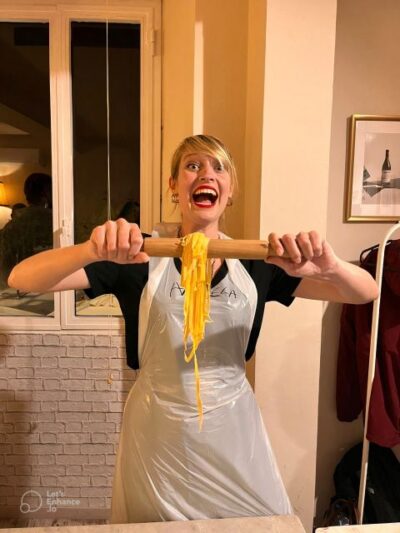
Pasta Making Class with Wine, Limoncello, and Dessert
Read our review →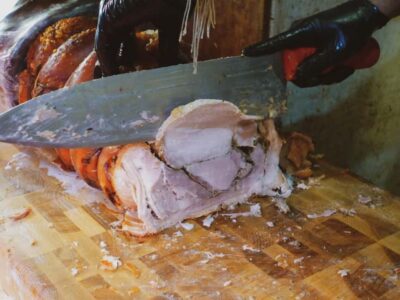
Guided Food Walking Tour with Wine in Trastevere
Read our review →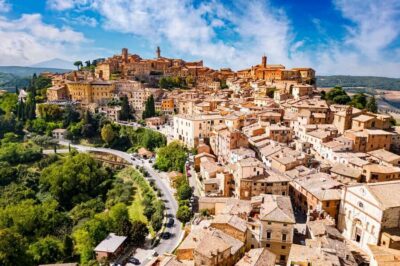
Tuscany & Montepulciano Day Trip with Lunch & Wines
Read our review →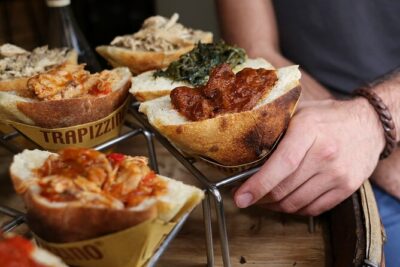
Trastevere Food tour with Free-Flowing Fine Wine
Read our review →
Browse the lists this tour appears in