
REVIEW · PORTO
Porto: The Wine Experience, Best Wine Museum in the World
The Wine Experience at Porto’s WOW complex turns winemaking into a walk-through lesson, from soil and grape variety to fermentation, cork, bottle, and glass. You finish with three tastes: red, white, and port. It is made for curious beginners as much as seasoned wine drinkers.
I like the interactive displays and clear progression, which make a technical subject easy to follow. I also like the focus on Portugal, from Vinho Verde and the Douro Valley to Madeira and the Azores, rather than treating wine as one broad global topic.
The main consideration is time. The stated visit lasts 90 minutes, but careful readers can spend two to two and a half hours inside. The tasting is pleasant and useful, though some visitors may find the wines fairly simple for the price.
Key things to know before you go
- Wine from root to bottle: Follow each stage of production, including soil, climate, grapes, fermentation, ageing, and bottling.
- Portugal takes center stage: Learn how regions such as the Douro, Alentejo, Vinho Verde, Madeira, and the Azores shape different wines.
- Three samples included: Taste one red, one white, and one port, with a non-alcoholic option available.
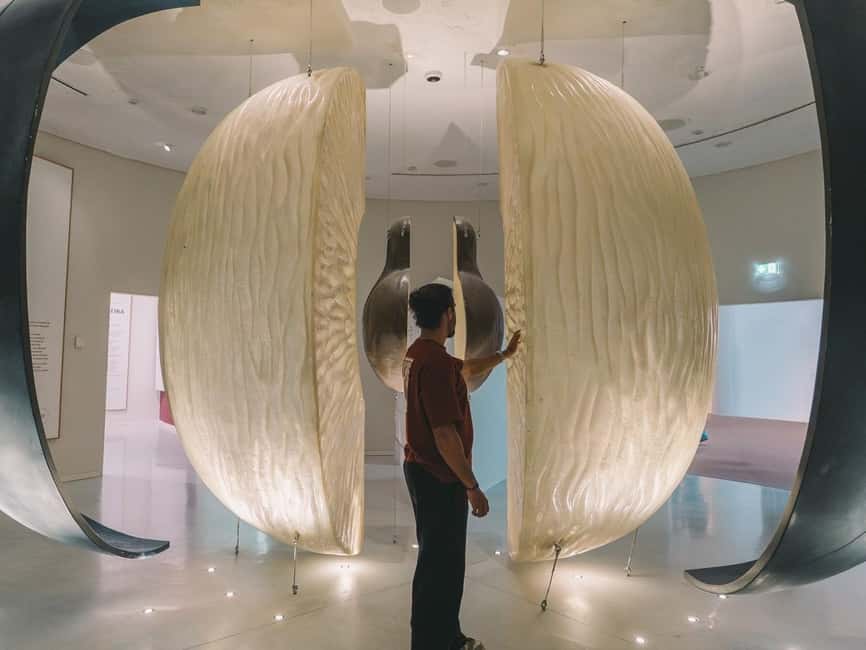
- A modern museum format: Expect short films, scent activities, visual displays, information panels, and hands-on features.
- Allow extra time at WOW: The Wine Experience is one part of a larger complex with restaurants, shops, outdoor areas, and other museums.
- Easy access: The museum is wheelchair accessible, and the audio guide is available in English, Spanish, Portuguese, French, German, and Korean.
Entering WOW and finding the Wine Experience
The Wine Experience sits at the heart of WOW, the World of Wine complex in Vila Nova de Gaia, across the river from Porto. This is an important detail when planning your visit. WOW contains several museums, shops, restaurants, and open spaces, so the entrance can be confusing at first.
Your ticket is shown directly at The Wine Experience. Once inside, you can use the audio guide in one of six languages: English, Spanish, Portuguese, French, German, or Korean. The guide gives you more control than a fixed tour, especially if you prefer to read slowly or skip sections that cover familiar ground.
The museum is open daily from 10:00 AM until 7:00 PM, with last entrance at 7:00 PM. You can use your ticket at any time on the selected date during those hours. Bank holiday hours may change, so check before setting out.
I would not schedule this as a rushed stop between lunch and another timed activity. The museum is laid out in a sequence, and the tasting comes at the end. If you enter late, you may find yourself hurrying through the exhibits to reach the final pour.
More Wine Tours in Porto
- From Porto: Douro Valley w/ Boat Tour, Wine Tasting & Lunch
★ 4.7 · 19,061 reviews - Complete Douro Valley Wine Tour with Lunch, Wine Tastings and River Cruise
★ 5.0 · 12,920 reviews - Porto: Douro Valley with Winery Lunch, Tastings & Cruise
★ 4.7 · 7,002 reviews
Starting with soil, climate, and the grape
The first part explains why wine tastes different from place to place. You look at soil, climate, grape variety, and geography, then see how those factors work together to shape a bottle.
This opening is especially useful if you know wine mainly by color or sweetness. It gives you a basic framework for understanding why a wine from a cool region may taste different from one grown in hot, dry conditions. You do not need prior knowledge, and the museum keeps the information in manageable pieces.
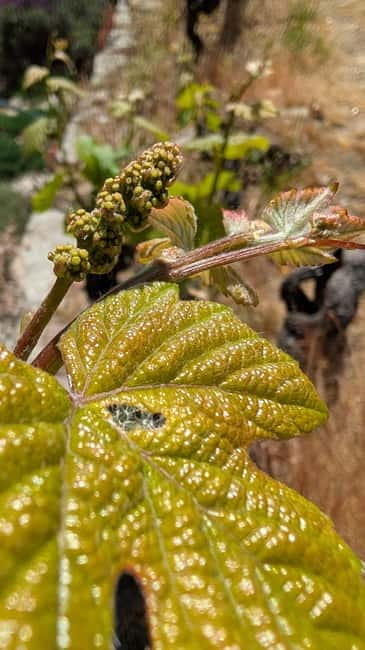
The displays also cover the vine itself. You follow the plant from its roots and first growth through the grapes that eventually become wine. That beginning matters because many wine displays jump straight to barrels and bottles. Here, the agricultural work gets proper attention.
I like this section for practical reasons. It helps you understand what you are tasting later, and it gives you a better way to compare Portuguese wines when you visit a wine shop or restaurant. You may not leave able to identify every grape, but you should feel more confident asking why two wines taste so different.
Following the grape through fermentation and bottling
The middle of the museum follows the production process in order. You see how grapes are handled, how juice becomes wine through fermentation, and how the finished drink reaches the bottle and glass.
Short films, visual props, and interactive features keep this from feeling like a wall of text. You might encounter information panels beside a hands-on activity, then move on to a video explaining a traditional method. The design gives you several ways to learn, which helps families and people who do not normally enjoy museums.
The museum also covers details that are easy to overlook, including the role of cork and the final bottling stage. That full sequence gives the visit a satisfying shape. You are not simply looking at bottles from different countries. You are seeing a chain of choices that starts in the vineyard and ends at the table.
Some sections may feel basic if you already work in wine or have toured several wineries. For most visitors, though, the plain explanations are a benefit. The goal is not to test you. It is to give you a working understanding of the subject without burying you in technical language.
Portugal’s wine regions, from Vinho Verde to Madeira
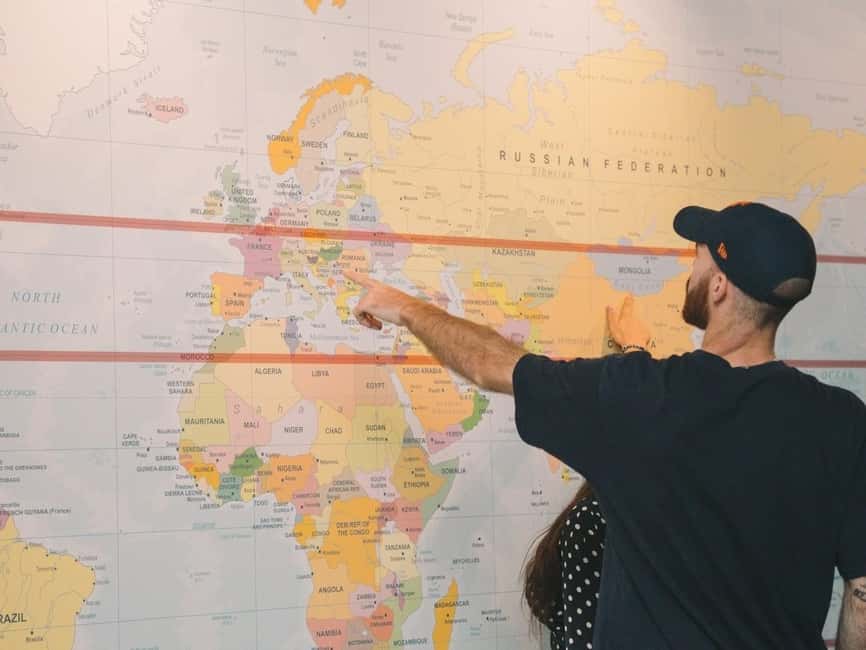
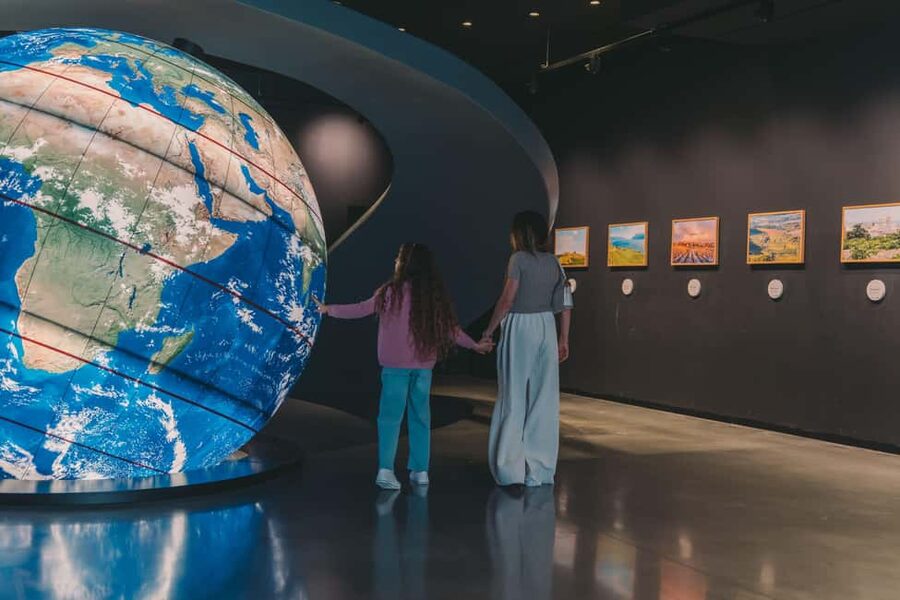
The strongest cultural section focuses on Portugal’s many wine regions. You move from the cool, green hills associated with Vinho Verde to the warmer Alentejo, then to the steep terraces of the Douro Valley.
The Douro is particularly important for anyone visiting Porto. Port wine is tied closely to the river valley and to the city’s long wine trade, so this section adds context before your tasting. It also helps explain why a port from Portugal is not simply another sweet wine.
The display reaches beyond the mainland. You also learn about volcanic soils and island winemaking in the Azores and Madeira. That wider view is valuable because Portugal’s wine identity is not limited to the Douro or to port.
I would pay close attention here even if your main interest is drinking rather than production. The regional material connects geography with taste and tradition. It also gives you ideas for future travel. A visit to Porto can introduce you to wines from places you may not have considered visiting or trying.
The museum presents wine as part of Portugal’s culture and geography, not only as a luxury product. That makes the visit useful for people who want a broader understanding of the country.
A few more wine days around Porto worth comparing
- Porto: Cálem Cellar Tour, Interactive Museum & Wine Tasting
★ 4.5 · 4,113 reviews - Bordeaux Wine and Trade Museum Admission Ticket with Wine Tasting
★ 4.5 · 599 reviews - Picasso Museum and Walking Tour Plus Optional Wine & Food Tasting
★ 5.0 · 596 reviews - Tenerife: Wine Museum Ticket with Local Wines & Food Tasting
★ 4.5 · 393 reviews
Interactive displays that work for different ages
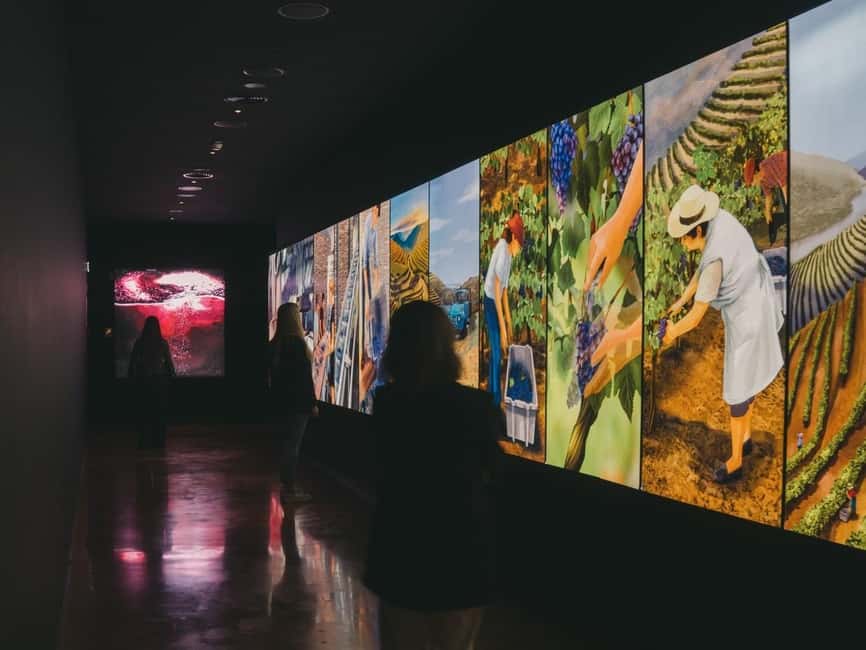
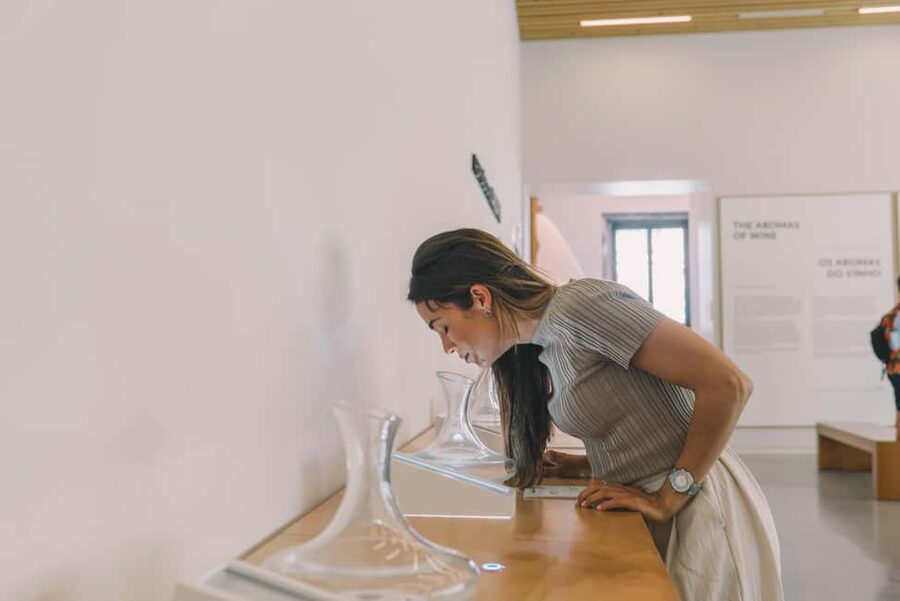
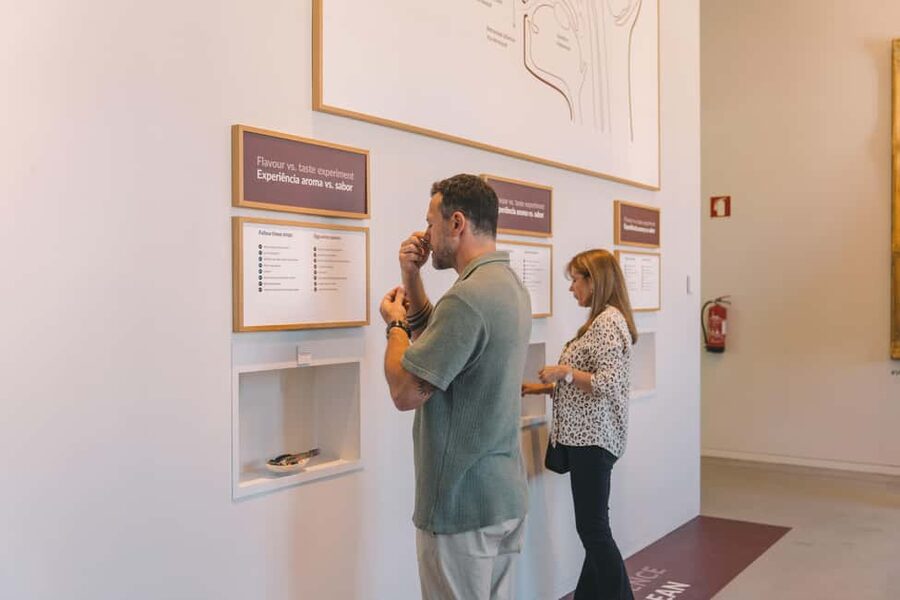
The exhibition uses videos, scent activities, visual props, and touchable or interactive elements to break up the reading. You may compare aromas, watch a short explanation, then move through a display about grapes or production.
This varied format is one of the museum’s biggest strengths. A wine museum can easily become a long series of labels and facts. Here, the changes in presentation help you stay focused. A 14-year-old can find enough to hold their attention, while an adult can stop and read more closely.
The museum is also a good choice on a hot day because it offers an indoor break from Porto’s streets. Lifts help with wheelchair access inside the museum, although the shops may not have the same level of access.
The design is modern and polished, but do not mistake modern presentation for shallow content. One section examines viticulture, which is often skipped in favor of the more glamorous parts of wine. Another looks at traditional port production. You get both the practical process and the cultural background.
The downside is that the museum can take longer than expected. If you enjoy interactive exhibits and read every panel, 90 minutes may feel short. A visit of two hours or more is quite reasonable.
The three-wine tasting at the end
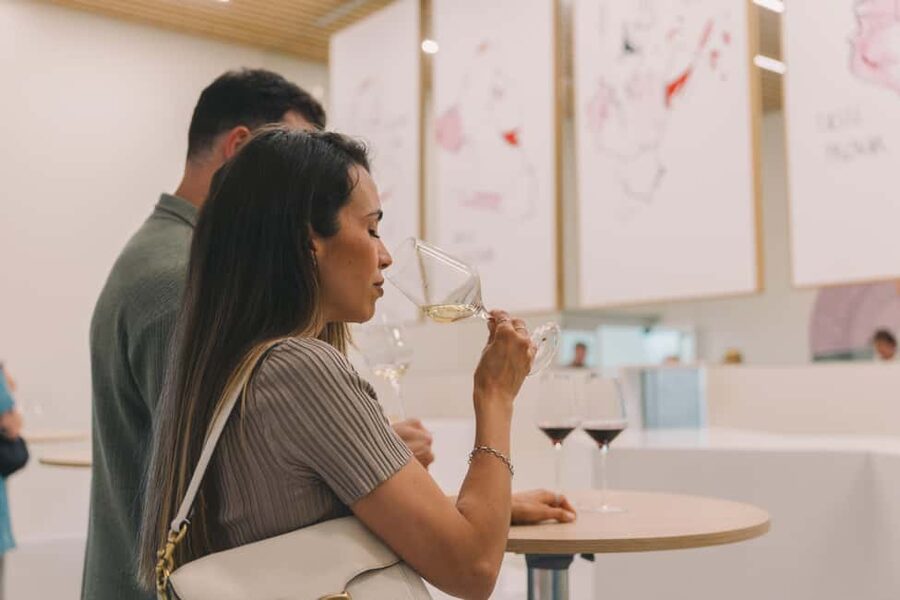
The tasting is included in the admission price and features a red wine, a white wine, and a port. You can request a non-alcoholic alternative if needed.
This is not a grand cellar tasting with a long flight of rare bottles. It is a short, guided introduction designed to connect the museum displays with your senses. You learn how to look at the wine, smell it, taste it, and describe what you like.
The quality of the explanation depends partly on the Wine Expert leading your session. João receives special praise for making the tasting friendly and clear, and Audrianna is also noted for explaining the process well. Staff members are welcoming and ready to help, which is useful if you are new to wine vocabulary.
The tasting gives the museum a practical finish. After learning about soil, grapes, climate, and production, you can consider how those factors show up in the glass. You may notice sweetness in the port, freshness in the white, or differences in body and aroma in the red.
Keep your expectations in line with the ticket price. At $29 per person, the tasting adds real value, but the pours are not intended to be a luxury wine event. If your main goal is sampling top Portuguese labels, a dedicated cellar tasting may suit you better. If you want a clear introduction with three different styles, this format works well.
One useful detail is timing. The tasting takes place at the end, and the last session of the day may come sooner than you expect. Give yourself enough time to complete the museum first.
Is $29 a fair price?
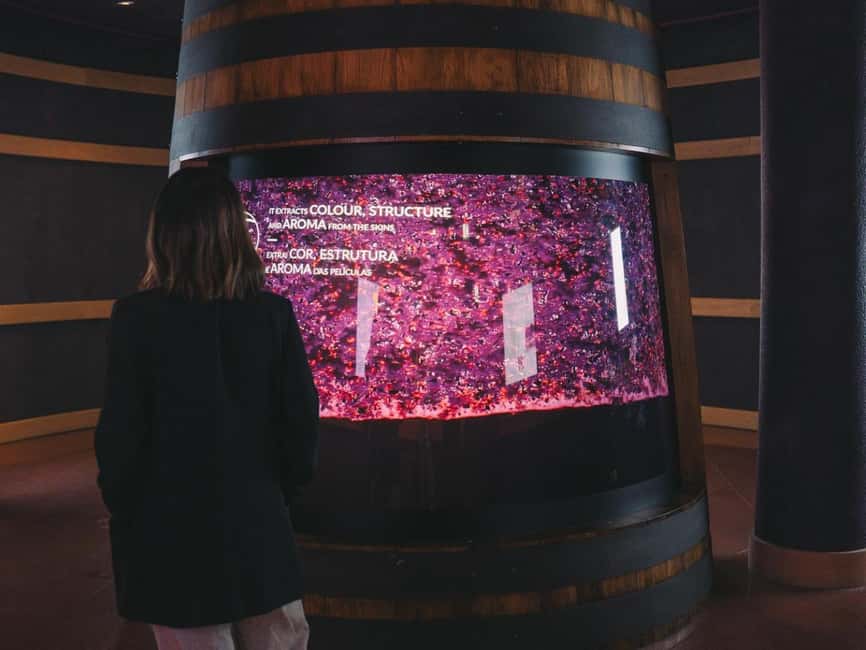
At $29, you are paying for more than three glasses. The ticket includes the museum, the audio guide, and the guided tasting. You also get a structured introduction to Portuguese wine that would be difficult to gather from a single bar visit.
I think the price is fair for people who plan to spend at least 90 minutes inside. It becomes better value if you stay for two hours and use the exhibits fully. The museum is also part of a larger WOW visit, so you can pair it with a meal, a shop visit, another museum, or time outside with views toward the river.
The value is less clear if you only want to taste wine. Some visitors find the wines simple, and the tasting itself is not long. In that case, you may prefer to spend $29 on several glasses at a wine bar, depending on what you want from the day.
For couples, families, and first-time wine drinkers, the price makes more sense because the museum provides context as well as drinks. For serious wine collectors, the educational displays may matter more than the samples.
How long should you plan?
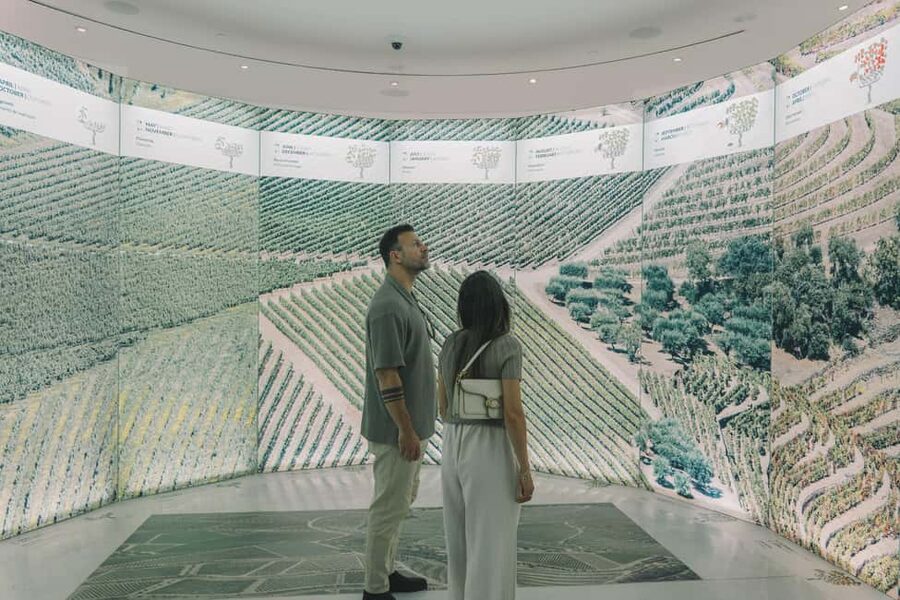
The official duration is 90 minutes. That is enough for a steady visit through the main displays and the final tasting, especially if you use the audio guide selectively.
I would plan two hours if you want to read the panels, try the interactive features, watch the short films, and pause at the regional displays. Several people spend around two and a half hours, which is easy to do if you are interested in the production side.
Add extra time if you want to explore the rest of WOW. The complex includes other experiences, gift shops, restaurants, and outdoor spaces. The plaza offers views over the river area, and drinks are reasonably priced according to the available information.
For the smoothest visit, go earlier in the day or leave enough space before your next booking. A quiet morning can make the museum feel almost private, while a busier period may require more patience at interactive stations.
Who should book this experience?
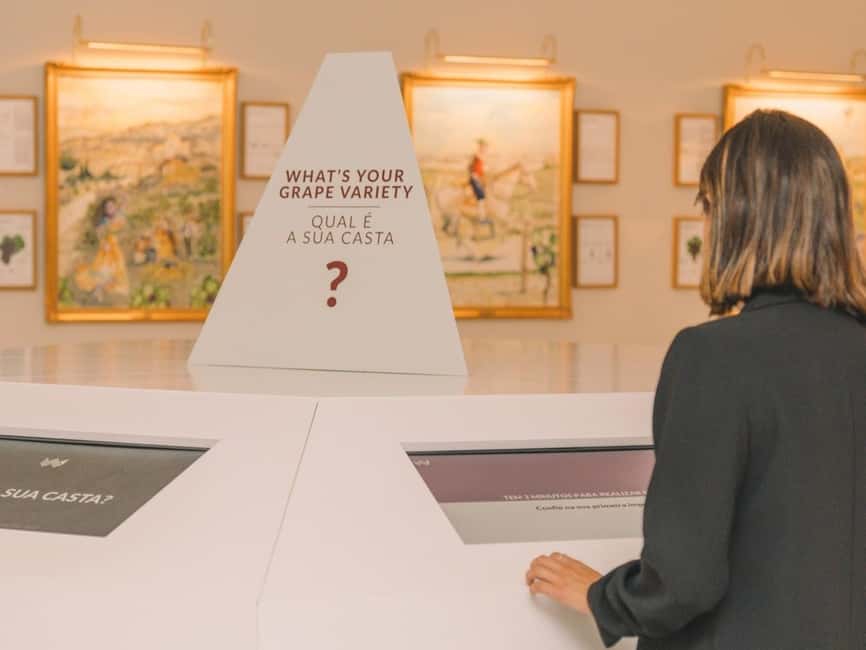
I would recommend The Wine Experience to:
- First-time wine drinkers who want simple explanations
- Visitors who want to understand Portuguese wine before tasting it
- Couples looking for an indoor cultural activity in Porto
- Families with older children or teenagers interested in interactive museums
- Wine lovers who enjoy production, geography, and history as much as drinking
- Wheelchair users looking for an accessible museum visit
I would be more cautious if you want a small, intimate cellar visit or an advanced tasting of rare wines. This is a large, polished museum experience, not a working vineyard tour or a specialist certification class.
It also suits people who prefer to learn at their own pace. The audio guide and self-guided layout let you spend more time on subjects that interest you and less on sections you already understand.
Practical tips for a better visit
Show your ticket at The Wine Experience itself, not at another WOW museum. Look for the correct entrance before committing to the visit, since the complex contains several separate attractions.
Choose your language for the audio guide when you begin. English, Spanish, Portuguese, French, German, and Korean are available.
Allow enough time to reach the final tasting. If you arrive late in the day, you may have to move quickly through the museum to avoid missing it.
If you do not drink alcohol, ask for the non-alcoholic alternative. The museum experience still works without the tasting wines because most of the visit focuses on production and culture.
Wear comfortable shoes. The museum is easy to navigate, but you may spend two hours or more moving through the displays and stopping to read.
Finally, consider combining the museum with time in WOW’s outdoor areas. The river views and nearby restaurants can turn a 90-minute ticket into a fuller half-day stop.
Should you book The Wine Experience?
Book it if you want a clear, modern introduction to wine and Portuguese wine regions, especially if you are visiting Porto for the first time. The best parts are the root-to-bottle sequence, the focus on Portugal’s regional variety, and the final tasting with a Wine Expert such as João or Audrianna.
Skip it if your only goal is a high-end tasting or a visit to a traditional cellar. The included wines are approachable rather than rare, and the museum may cover more basic material than an expert needs.
For most visitors, $29 is a fair price if you give the experience enough time. Plan for at least 90 minutes, preferably two hours, and treat the tasting as the practical finish to a well-designed lesson about wine.
FAQ
How much does The Wine Experience cost?
The listed price is $29 per person. The ticket includes entry to The Wine Experience Museum, an audio guide, and a tasting of three wines.
How long does The Wine Experience last?
The stated duration is 90 minutes. You can spend two to two and a half hours if you read the displays, use the interactive features, and take your time before the tasting.
What wines are included in the tasting?
The tasting includes one red wine, one white wine, and one port wine. A non-alcoholic alternative is available.
Is the audio guide available in English?
Yes. Audio guides are available in English, Spanish, Portuguese, French, German, and Korean.
What are the opening hours?
The Wine Experience is open daily from 10:00 AM until 7:00 PM, with last entrance at 7:00 PM. Hours may vary on bank holidays.
Can I visit at any time on my selected date?
Yes. You can use your ticket at any time on the selected date during the museum’s opening hours.
Is the museum wheelchair accessible?
Yes. The museum is wheelchair accessible, and lifts are available. Accessibility in the shops may differ.
Can I cancel my booking?
You can cancel up to 24 hours in advance for a full refund. A reserve now and pay later option is also available.
Just added around Porto
- Porto: Tuk tuk Tours with Port Wine Tasting★ 4.5 · 65 reviews
- Porto Wine Tasting Experience with Portuguese Tapas Plate★ 4.7 · 356 reviews
- Porto: Sunset Walking Tour with Port Wine and Views★ 4.6 · 95 reviews
- Porto: Tile Painting Workshop with Tea and Port Wine★ 4.9 · 66 reviews
- Porto: Douro River Boat Tour with Wine Tasting★ 4.9 · 167 reviews
- Porto: Taylor’s Port Cellar Tour & WOW The Wine Experience★ 4.5 · 136 reviews
- Porto: Self-Guided Bike and Boat Tour with Port Wine Tasting★ 4.7 · 52 reviews
- Porto: Douro River Cruise w/ Portuguese Wines & Local Host★ 4.9 · 166 reviews
Wine Tours in Porto, compared.
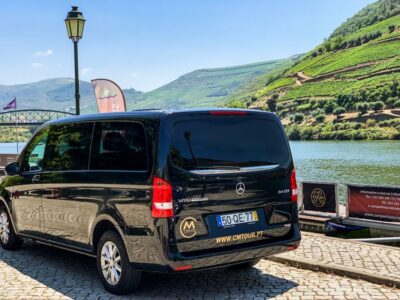
Douro Valley w/ Boat Tour, Wine Tasting & Lunch
Read our review →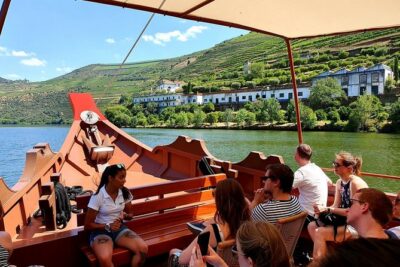
Complete Douro Valley Wine Tour with Lunch, Wine Tastings and River Cruise
Read our review →
Douro Valley with Winery Lunch, Tastings & Cruise
Read our review →
Historical Sites, Wine Experience, Lunch & Cruise
Read our review →
Authentic Small Group Douro Wine Tour with Lunch & River Cruise
Read our review →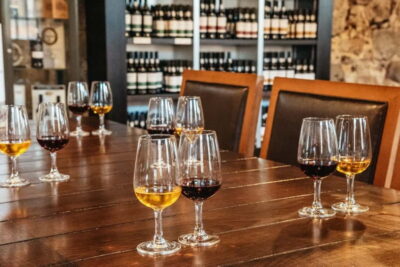
Bridges Cruise & Sunset & Port Wine Cellar Option
Read our review →Browse the lists this tour appears in