
REVIEW · PORTO
Porto: Port Cellar Visit and Wine Tasting at Fonseca
Fonseca’s cellars offer a smart introduction to Port without requiring a full-day trip into the Douro Valley. You follow the story from the vineyards at Quinta do Panascal to the aging rooms, then settle in for a tasting of Bin 27 and Siroco extra dry white Port.
I like the freedom of the self-guided format, especially if you prefer to read at your own speed. I also like the final tasting room, where staff such as Christiano add clear explanations, food-pairing ideas, and a friendly human touch. The main drawback is that the tour can feel more like a small museum visit than a traditional guided cellar tour, and the steep, uneven floors are not suitable for people with walking difficulties.
Key points to know before you go
- Two centuries of Port making: Fonseca traces its story to 1815, giving the displays a useful historical frame.
- A self-guided visit: You can move at your own pace through photographs, objects, information panels, and cellar spaces.
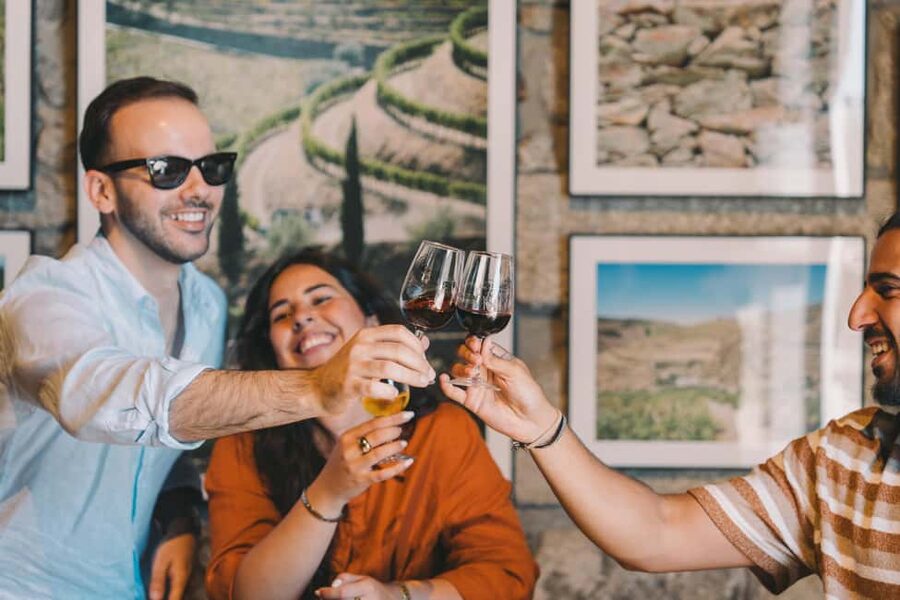
- Two standard tastings: The included tasting features Fonseca Bin 27 and Siroco extra dry white Port.
- A fine Porto viewpoint: Look for a seat by the window, where the river and Dom Luís I Bridge provide a memorable backdrop.
- Useful for first-time Port drinkers: The explanations cover production, aging, grape growing, and the Douro Valley in plain terms.
- A practical price: At about $18 per person, the visit is good value if you want a short cultural stop with wine included.
Why Fonseca makes a good first Port stop
Port can seem simple at first glance: sweet, strong, and served in a small glass. Fonseca’s visit helps explain what sits behind those three impressions. You learn how grapes from the Douro Valley become fortified wine, why the wine is aged, and how different styles can vary in color, sweetness, and aroma.
The setting matters, too. Fonseca’s cellars are in Vila Nova de Gaia, across the river from Porto’s historic center. This is the traditional Port district, where many famous houses keep their stocks for aging. A stop here gives you a taste of the city’s wine identity without asking you to spend the day on a rural excursion.
I would not treat this as a substitute for a full Douro Valley vineyard visit. You will not be walking through the vineyards or touring the entire production chain in the countryside. But if your Porto schedule is tight, Fonseca gives you the essential background in a compact and easy-to-plan format.
More Wine Tours in Porto
- From Porto: Douro Valley w/ Boat Tour, Wine Tasting & Lunch
★ 4.7 · 19,061 reviews - Complete Douro Valley Wine Tour with Lunch, Wine Tastings and River Cruise
★ 5.0 · 12,920 reviews - Porto: Douro Valley with Winery Lunch, Tastings & Cruise
★ 4.7 · 7,002 reviews
Entering the 1815 Fonseca story
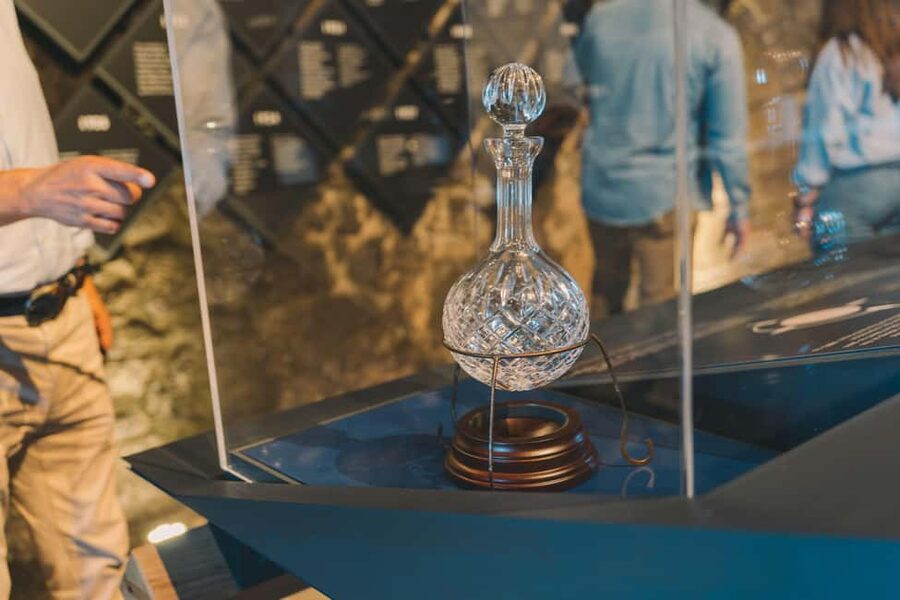
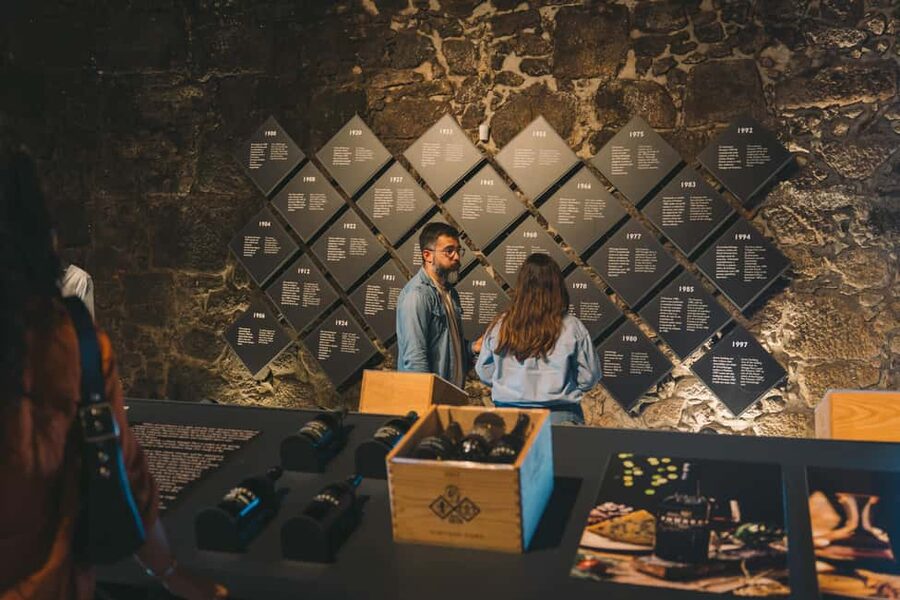
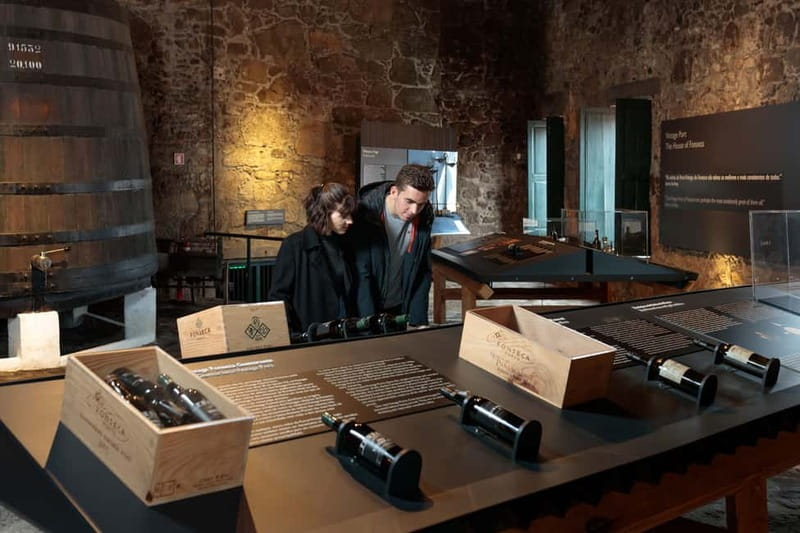
The visit begins with the history of Fonseca, a Port house dating back to 1815. The early displays use photographs, written explanations, objects, and old winemaking tools to show how the company and the Port trade developed over time.
I like this museum-style opening because it gives you context before the tasting. Port is not just a drink produced somewhere beyond Porto. Its story is tied to the Douro Valley, the river, the cellars of Gaia, and the long process of transporting and aging wine.
The information is presented mainly in Portuguese and English. French and Spanish material is available through QR codes, while the audio guide is offered in Portuguese, English, French, Spanish, German, and Korean. That range makes the experience useful for international visitors, though you should check the audio setup when you arrive. Some people have found that the system works through an app, while another visit did not include an English device.
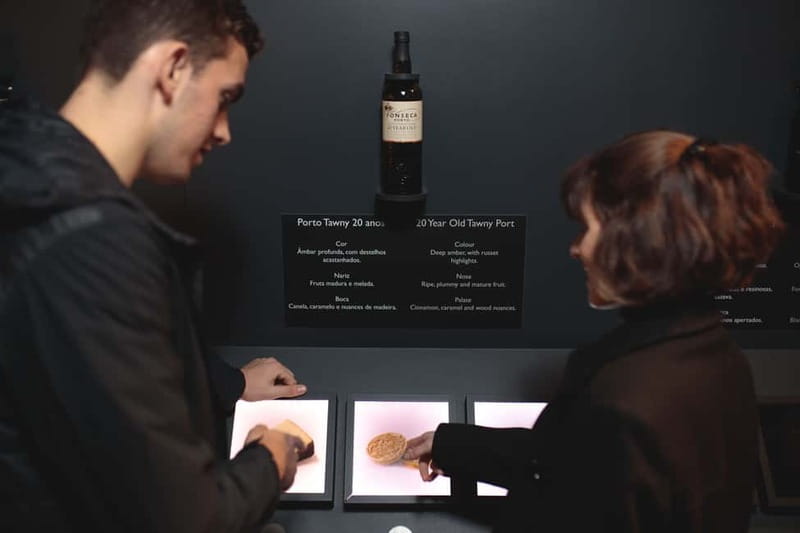
The displays are not overfilled with objects, so you can take your time without feeling lost. One particularly enjoyable feature is the scent activity, where you try to identify aromas connected with wine. It gives the visit a more active feel than simply reading panels.
From Quinta do Panascal to the aging cellars
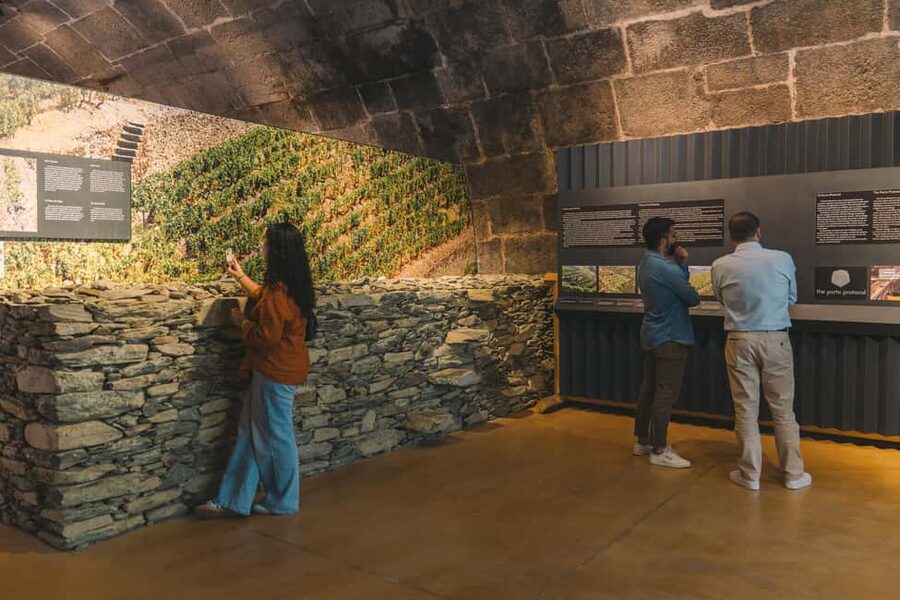
The central lesson is the path Port takes from the Douro Valley to the cellar. Fonseca connects its wines to Quinta do Panascal, where its Port begins its life. The Douro is important because its hot, dry conditions and steep vineyard areas help shape the grapes used for Port.
You learn about the basic production process, including the point at which the wine is fortified. This is what gives Port its higher alcohol level and helps preserve sweetness in many styles. The visit also explains the role of aging, showing why time in the cellar affects the character of the finished wine.
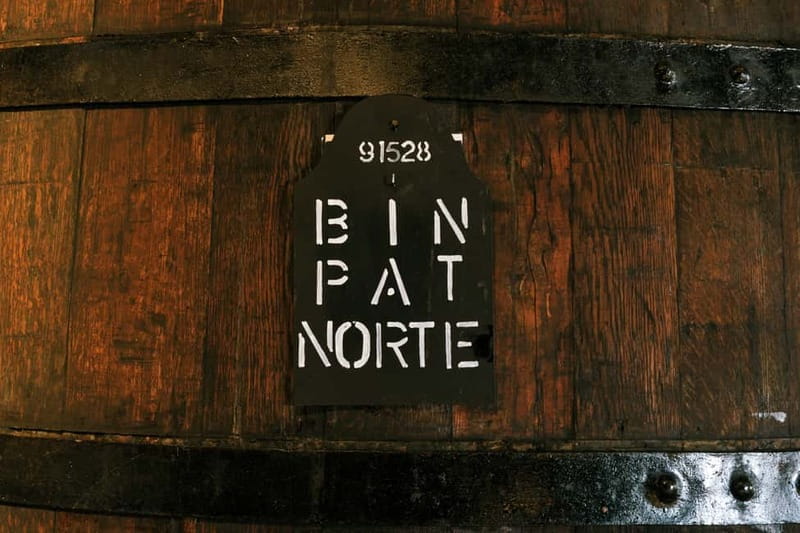
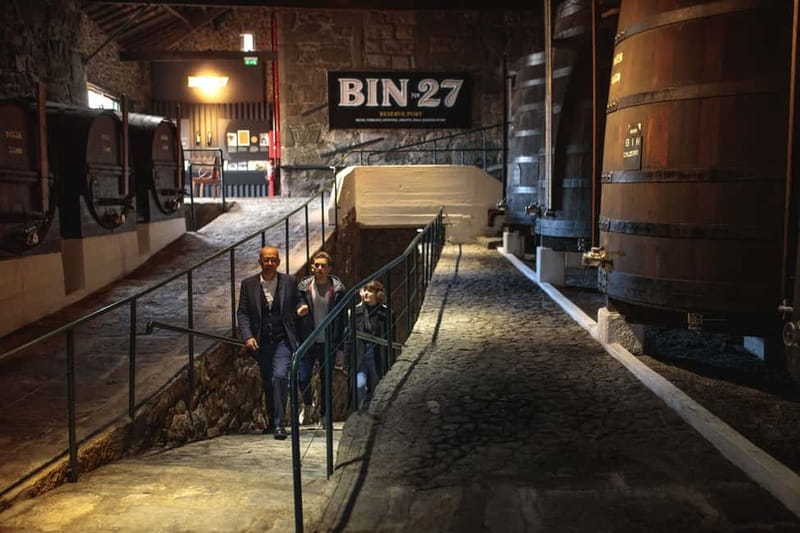
The cellar rooms themselves are a major part of the atmosphere. They are not simply storage areas, since the dark, cool setting helps explain why Gaia became such an important place for Port. The contrast between the historic tools and the modern explanations gives you a clear sense of how old methods and present-day wine production fit together.
Do keep your expectations realistic. This is a self-guided route, not a staff member leading you through every room. The information is there, but you must choose your pace and give yourself time to read. If you rush straight to the tasting, you will miss much of the value.
The self-guided format: freedom with a small trade-off
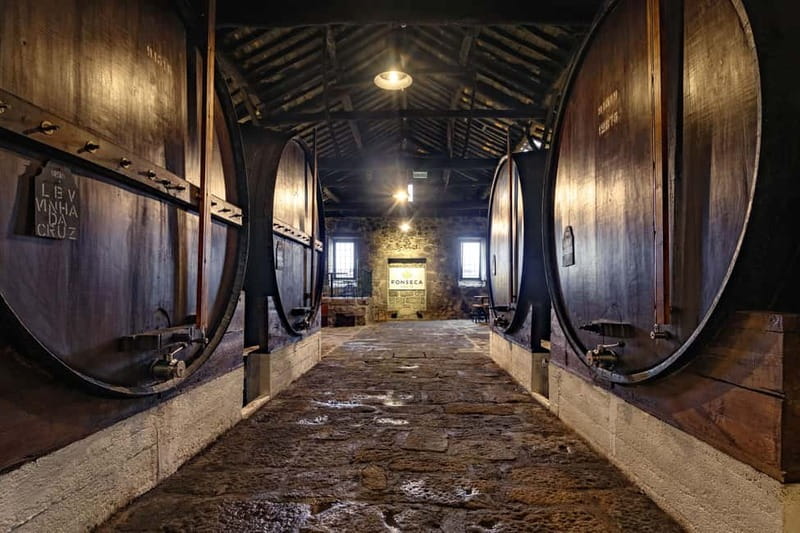
Self-guided touring works well here. You can stop at a photograph, replay an audio section, or move on when a display does not interest you. If you are traveling with someone who wants to study every detail while you prefer a quick look, this format avoids the usual group-tour pressure.
I also like it for a rainy afternoon in Porto. The visit gives you an indoor activity close to the riverfront, and you can fit it around other sights in Vila Nova de Gaia. The opening hours are daily from 11:00 am, with last entry at 6:00 pm, although holiday hours can change.
The trade-off is that the explanations may feel long if you are looking for a fast tasting. One audio tour user found the material more extended than expected, while another described the museum portion as adequate and preferred the tasting room. You should allow enough time to read, but you do not need to follow every piece of information in detail.
The experience is listed as valid for one day, with entry at the date and time selected when you book. That gives you a clear window for planning, rather than leaving you unsure when to arrive.
More port lodges and tastings:
- Porto: Live Fado Show with Glass of Port Wine
★ 4.8 · 6,498 reviews - Porto: Bridges Cruise & Sunset & Port Wine Cellar Option
★ 4.2 · 4,180 reviews - Porto: Fado & Port Wine in Traditional Portuguese Music Shop
★ 4.8 · 2,906 reviews - Porto: What is Fado? Commented Live Concert with Port Wine
★ 4.8 · 2,839 reviews
The tasting: Bin 27 and Siroco
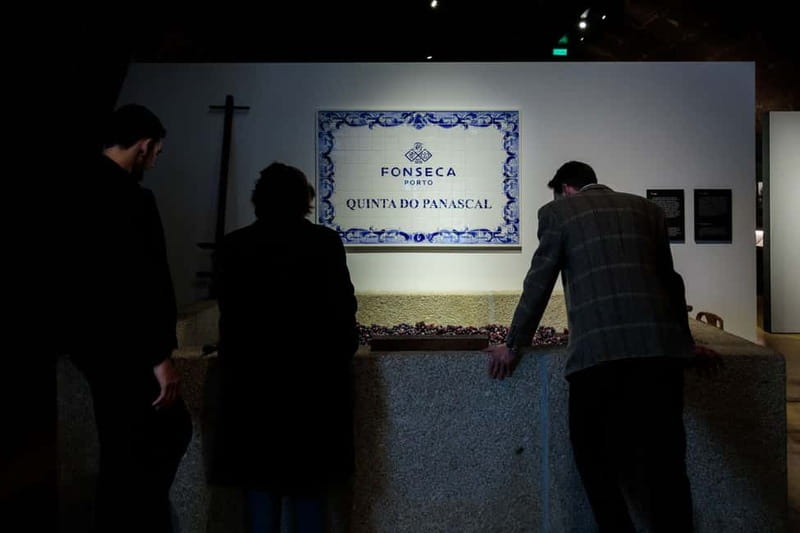
The included tasting is the payoff. The standard visit includes one glass of Fonseca Bin 27 Port and one glass of Siroco extra dry white Port. Children aged 8 to 17 receive grape juice from the Douro Valley instead of wine.
Bin 27 is the bottle most likely to win over someone who does not usually choose red wine. It is a full, sweet style with the concentrated character people often expect from Port. If you usually find red wine too dry or sharp, Bin 27 offers a softer introduction.
Siroco provides a useful contrast. As an extra dry white Port, it shows that Port is not limited to dark, sweet styles. The white wine can taste quite different from Bin 27, and some visitors prefer it. Both are strong wines at roughly 20 percent alcohol, so sip slowly and have the tasting with food if possible.
The tasting is commented, not simply placed on the table without explanation. Staff explain what you are drinking and can discuss the wines in a practical way. Christiano has been singled out for his good humor and warm manner, and the tasting team generally adds the personal element that the self-guided displays lack.
The amount poured is described as generous, and some tasting sessions have included four Ports. However, the standard package clearly lists Bin 27 and Siroco, so you should not book expecting a larger flight unless you choose an additional tasting set. Fonseca offers expanded sets with more wines for people who want to compare vintages or styles.
Pairings, the shop, and the final view
The tasting room is more than a place to collect two glasses and leave. Cheese and biscuits may accompany the tasting, and the staff can suggest food combinations. That small detail helps you understand how Port works at the table, particularly with salty cheese, desserts, or simple snacks.
Try to sit by the window if a seat is available. The view toward Porto, the river, and the Dom Luís I Bridge gives the final part of the visit a strong sense of place. It is one of the best details of this experience because you are tasting a wine tied to the region while looking back at the city that helped make Port famous.
Afterward, the Fonseca Shop sells bottles and souvenirs. Bin 27 is often priced around €14 per bottle, though prices can change. That makes a bottle an easy purchase if you discover a style you like, and the shop is a useful place to ask which wine will travel well or suit a particular meal.
You do not need to buy anything, of course. The shop is simply a convenient final stop rather than a hard sales pitch. If you are looking for a Port to take home, tasting first is much better than choosing a bottle by its label alone.
Sustainable winemaking and the Douro Valley
Fonseca also uses the visit to explain sustainable winemaking. This adds a modern layer to the old cellar story. You learn that Port production is not only about tradition, barrels, and historic houses, but also about how vineyards and wineries can reduce their impact over time.
The sustainability section is useful because it connects the wine in your glass with the land where the grapes grow. The Douro Valley is not an easy farming region, and its steep vineyard areas require careful work. Even if you do not plan a separate Douro excursion, this background helps you understand why the region is so closely linked to Port’s identity.
The material is introductory rather than a technical winemaking course. Still, it is a welcome part of the experience, especially if you want more than a short explanation of sweetness and alcohol.
Price, timing, and practical value
At around $18 per person, this is a reasonable Porto activity. You receive entry to the cellars, the historical and production displays, an audio guide, and two Port tastings. In a city where many central attractions charge separately for admission and refreshments, the combined price makes sense.
The value depends on how you use it. If you spend ten minutes looking at the displays and only want a quick drink, you may find similar tasting packages elsewhere in Gaia. If you take time with the history, cellar route, aroma activity, view, and staff commentary, the price feels much stronger.
Plan for roughly an hour or a little more, depending on how closely you read the displays and which tasting option you choose. The supplied duration is one day because the ticket is valid on the selected date, not because you need to spend an entire day inside the cellars.
The location is best for people already exploring Porto’s riverfront or Vila Nova de Gaia. No transport is included, and the meeting point is directly at Fonseca Port Wine Cellars. Check the exact address and route before setting out, especially if you are coming from Porto’s upper streets.
The cellars contain steep and uneven surfaces. If walking is difficult for you, this is not the right choice. The venue is also unsuitable for people with mobility impairments, so take that warning seriously rather than assuming the route will be easy.
Who will enjoy this Fonseca visit most?
I would recommend it to a first-time Port drinker who wants a clear introduction without committing to a full Douro Valley day trip. It also suits couples and small groups who like to explore at different speeds, since nobody has to stay with a guide from start to finish.
It works well for wine drinkers who want to compare a red Port with a dry white style. Bin 27 provides the familiar sweet, dark starting point, while Siroco shows a less expected side of Port.
Families can bring older children aged 8 to 17, who receive Douro Valley grape juice. The cellar displays may interest curious teenagers, especially the scent activity, though the visit is still built mainly around adult wine education.
I would choose another format if you want a vineyard walk, a long technical tasting, or a fully guided tour with every stage explained in person. Fonseca gives you structure and background, but it leaves much of the pacing to you.
Should you book Fonseca?
Book this experience if you want a well-priced Port introduction in Porto, a comfortable self-guided route, and a tasting that includes both Bin 27 and Siroco. Make time for the displays, ask the tasting staff questions, and look for the river view at the end.
Skip it if you have limited mobility or if your main goal is to visit vineyards in the Douro Valley itself. For most visitors who want to understand what they are drinking before buying a bottle, Fonseca is a useful and enjoyable stop, with enough history to give the tasting real context and enough freedom to keep the visit relaxed.
FAQ
Where does the Fonseca Port experience begin?
You start at the Fonseca Port Wine Cellars in Vila Nova de Gaia, across the river from Porto.
What wines are included in the standard tasting?
The standard tasting includes one glass of Fonseca Bin 27 Port and one glass of Siroco extra dry white Port.
Is the Fonseca visit guided?
The cellar visit is self-guided. An audio guide is available in Portuguese, English, French, Spanish, German, and Korean. Written information is in Portuguese and English, with French and Spanish available through QR codes.
Can children take part?
Children aged 8 to 17 can receive one glass of grape juice from the Douro Valley instead of wine.
What are the opening hours?
Fonseca is open daily from 11:00 am until 6:00 pm for last entry. Hours can change on bank holidays, so check before visiting.
Is the experience suitable for people with mobility impairments?
No. The cellars have steep and uneven surfaces, and the activity is not suitable for people who have difficulty walking or have mobility impairments.
More Wine Tastings in Porto
- Douro Valley Small-Group Tour with Wine Tasting, Lunch and Boat
★ 5.0 · 3,642 reviews - Porto: Douro Valley Tour with Wine Tasting, Cruise and Lunch
★ 4.7 · 2,714 reviews - Douro Valley Tour: Wine Tasting, Cruise and Lunch from Porto
★ 4.5 · 2,645 reviews - Porto Food & Wine Tasting Tour with Lunch or Dinner Option
★ 5.0 · 2,303 reviews
More Cellar Visits in Porto
- Porto: Cálem Cellar Tour, Fado Show & Wine Tasting
★ 4.4 · 3,530 reviews - Porto: City Train Tour, River Cruise & Wine Cellar
★ 3.9 · 2,601 reviews - Porto: Hop-on Hop-off Bus with Optional Cruise & Wine Cellar
★ 4.1 · 934 reviews - Porto: Magic Train Tour and Port Wine Cellar with Tastings
★ 3.9 · 730 reviews
Just added around Porto
- Porto: Tuk tuk Tours with Port Wine Tasting★ 4.5 · 65 reviews
- Porto Wine Tasting Experience with Portuguese Tapas Plate★ 4.7 · 356 reviews
- Porto: Sunset Walking Tour with Port Wine and Views★ 4.6 · 95 reviews
- Porto: Tile Painting Workshop with Tea and Port Wine★ 4.9 · 66 reviews
- Porto: Taylor’s Port Cellar Tour & WOW The Wine Experience★ 4.5 · 136 reviews
- Porto: Self-Guided Bike and Boat Tour with Port Wine Tasting★ 4.7 · 52 reviews
- Porto: Douro River Boat Tour with Wine Tasting★ 4.9 · 167 reviews
- Porto: Douro River Cruise w/ Portuguese Wines & Local Host★ 4.9 · 166 reviews
Wine Tours in Porto, compared.

Douro Valley w/ Boat Tour, Wine Tasting & Lunch
Read our review →
Complete Douro Valley Wine Tour with Lunch, Wine Tastings and River Cruise
Read our review →
Douro Valley with Winery Lunch, Tastings & Cruise
Read our review →
Historical Sites, Wine Experience, Lunch & Cruise
Read our review →
Authentic Small Group Douro Wine Tour with Lunch & River Cruise
Read our review →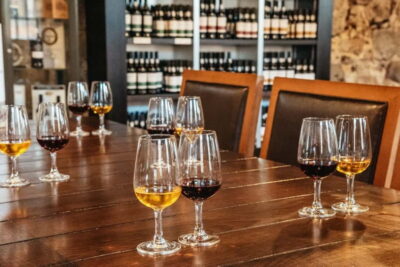
Bridges Cruise & Sunset & Port Wine Cellar Option
Read our review →Browse the lists this tour appears in