
REVIEW · PORTO
Port Wine class with 3 or 5 Port tasting and pairings
Port wine makes more sense once you taste it side by side. This small-group class in central Porto gives you that chance without sending you across the river to a traditional cellar. You meet opposite the Palácio da Bolsa, hear how Port was created, then sample three or five styles with Portuguese snacks.
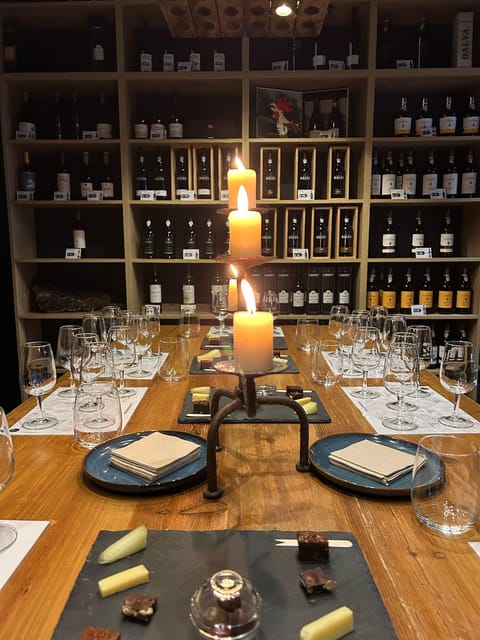
I like the intimate group size, limited to 10 people, and the easy city-center setting. I also like the thoughtful pairings, which show how Port changes with salty olives, fruit, cheese, chocolate, and brownie. The main consideration is that this takes place in a shop room, not in a historic wine cellar. Seating may also be on benches rather than comfortable chairs.
Key points
- Five styles in one sitting: The longer option includes two White Ports, Tawny, Ruby Reserve, and Late Bottled Vintage Port.
- Opposite the Palácio da Bolsa: You can fit the class neatly into a walking day in Porto’s old center.
- A real lesson, not just a drink: The host explains how Port began, how it is made, and how its styles differ.
- Food pairings are part of the experience: Olives, fruit, chocolate, cheese, and brownie are served with the wine.
- Small groups encourage questions: The room holds no more than 10 participants, and hosts often make the session lively and personal.
- Allow 45 to 75 minutes: The three-Port version is shorter, while five Ports take about an hour and 15 minutes, sometimes longer when discussion flows.
A Port class across from Porto’s Palácio da Bolsa
The meeting point could hardly be more convenient. The shop is directly opposite the Palácio da Bolsa, one of Porto’s best-known buildings, in the heart of the city. You do not need a taxi, river crossing, or separate trip to Vila Nova de Gaia to reach the tasting.
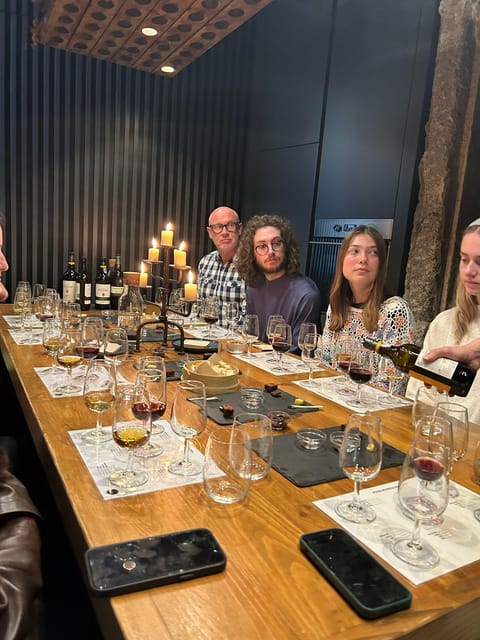
There is one practical wrinkle. The class is held in a room inside the same building as the tourist office, so you should check in there rather than search for a grand wine-cellar entrance. One participant found the storefront name less obvious than expected, so take a moment to confirm the shop when you arrive.
That central position makes this an easy add-on to a day of sightseeing. You can visit the Palácio da Bolsa, walk toward the Ribeira, or explore the nearby streets before or after the tasting. Since the class lasts less than 90 minutes, it will not swallow your afternoon.
The setting is functional and intimate. It is not presented as a cellar tour, and that matters if you want stone corridors, old barrels, or a look at large-scale wine storage. Here, the focus is on conversation, tasting, and clear explanations.
More Wine Tours in Porto
- From Porto: Douro Valley w/ Boat Tour, Wine Tasting & Lunch
★ 4.7 · 19,061 reviews - Complete Douro Valley Wine Tour with Lunch, Wine Tastings and River Cruise
★ 5.0 · 12,920 reviews - Porto: Douro Valley with Winery Lunch, Tastings & Cruise
★ 4.7 · 7,002 reviews
The opening lesson: how Port came to be
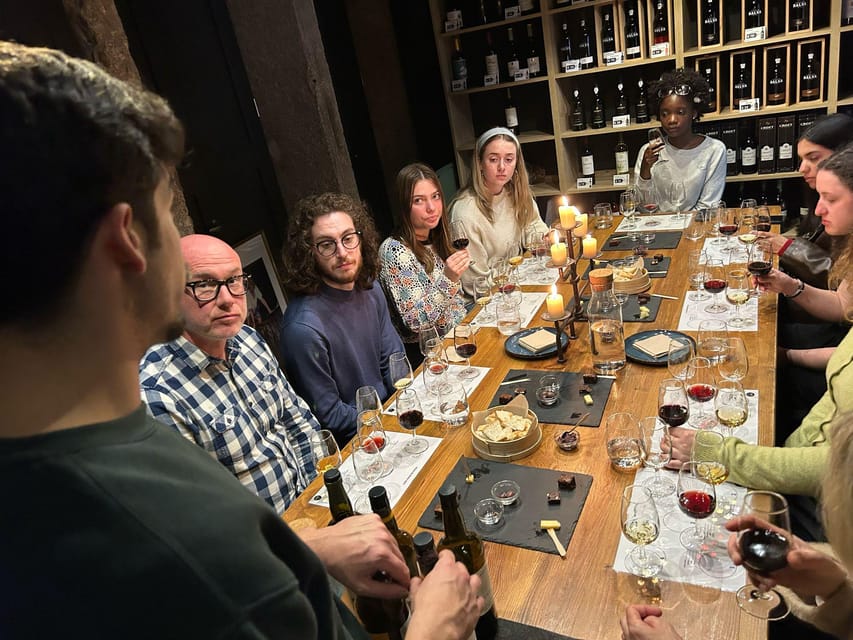
The session begins with the story of Port wine. Your host explains how and why the wine was created, then traces its development to the styles poured at the table. This introduction gives the tasting a useful framework.
That context is important because Port is not simply one sweet red drink. White, Tawny, Ruby Reserve, and Late Bottled Vintage Ports can differ in color, texture, sweetness, and the way their flavors develop. Hearing the basic story first helps you notice those differences instead of treating every glass as the same.
The hosts are a major part of the experience. Rui, Ruan, João, Pedro, José, and others have led sessions described as warm, funny, and clear. The names vary by date, so you cannot book a particular person from the information available, but the teaching style appears to be conversational rather than stiff.
You should feel free to ask questions. The stated duration is flexible, and the class can run longer when people want more explanation. That is a good sign for anyone who wants to understand the wine rather than simply collect a few samples.
Some hosts add a little performance to the class. One session ended with guitar and singing, including flamenco and fado, and another included a surprise ending. Those touches are not listed as guaranteed parts of every class, so treat them as possible extras, not promises.
Three Ports or five: choosing the right option
You can choose between a three-Port tasting and a five-Port tasting. The shorter option takes about 45 minutes. The five-Port version usually takes about 75 minutes, though questions and conversation can extend the session.
The three-Port option suits a packed sightseeing day or anyone who wants a brief introduction. It gives you a useful comparison without committing much time. It may also be enough if you are unsure how much Port you actually enjoy.
I would choose the five-Port option if the price difference is reasonable when you book. It gives you a fuller picture of the category and makes the class feel more like a lesson than a quick sample. One person who chose three wished they had selected five, which is useful advice if you already have some interest in wine.
The five wines listed for the longer tasting are:
- Two White Ports
- One Tawny Port
- One Ruby Reserve Port
- One Late Bottled Vintage Port
Tasting two White Ports is especially useful because it lets you compare within one style. You can then see how Tawny differs from Ruby Reserve, and how Late Bottled Vintage fits into the wider range.
The class does not promise specific producers or brands in advance. The purpose is to compare styles and learn how Port is produced. If you want a tasting devoted to one famous house or a visit to the Douro Valley, this is not that experience.
White Port with savory and fresh pairings
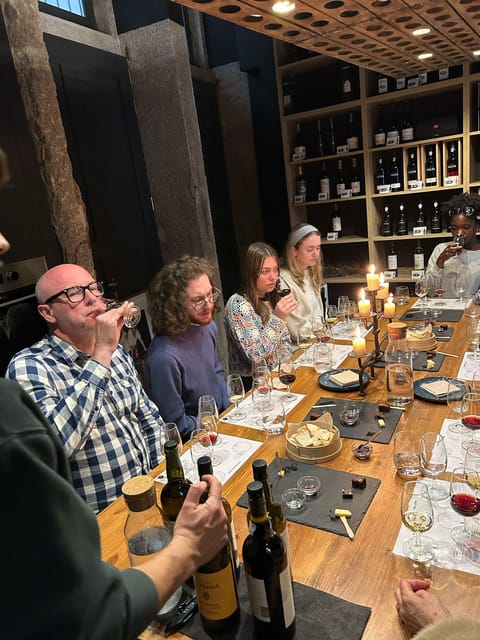
White Port is a good starting point because it can feel lighter and more approachable than the darker styles that many people associate with Porto. The two White Ports in the five-sample option give you a chance to compare them before moving into deeper-colored wines.
The pairings include olives and fruit. That combination helps show how Port behaves with salt and freshness. It also keeps the tasting from turning into five sweet bites in a row.
You do not need advanced wine vocabulary. The host explains what you are drinking and how it was made, then gives you room to form your own opinion. That is helpful if you are new to fortified wine or usually avoid dessert wines.
The food is not just decoration. It gives you a simple way to test the wine. Try a sip on its own, take a bite, and taste again. The contrast can make a Port seem sweeter, softer, or more balanced.
More food-paired tastings in Porto:
- Porto: 3 or 5 Port Wine Tasting with Pairings
★ 4.9 · 152 reviews - Pisa, Siena and San Gimignano Day Trip with Lunch & Wine Pairing
★ 4.5 · 6,006 reviews - Vila Nova de Gaia: Port Wine Tasting with Cheese Pairing
★ 4.8 · 1,074 reviews - Paella Cooking Class in Madrid with Bottomless Wine Pairing
★ 5.0 · 985 reviews
Tawny, Ruby Reserve, and Late Bottled Vintage
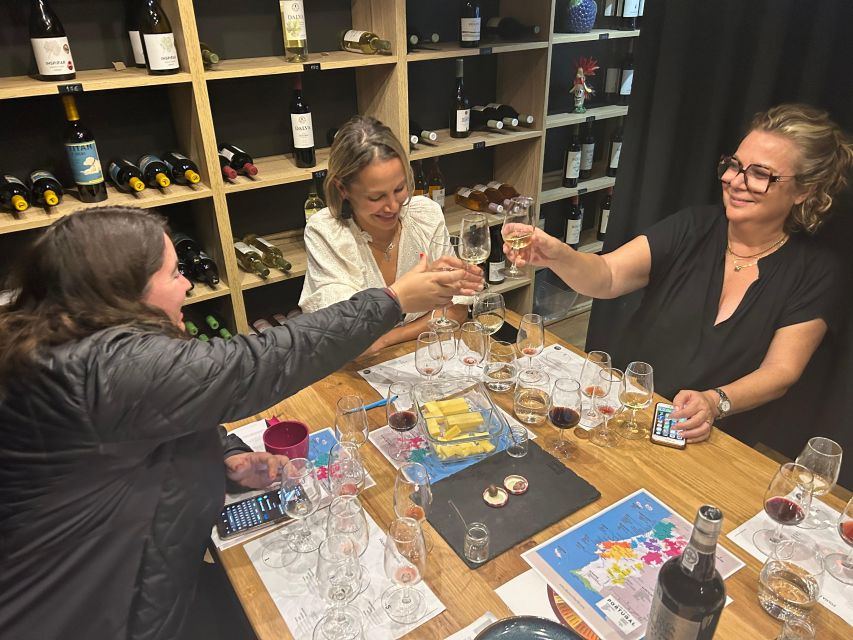
The darker Ports bring the clearest lesson in style. Tawny Port, Ruby Reserve Port, and Late Bottled Vintage Port are presented as distinct wines rather than interchangeable pours.
Tawny is paired with food that may include cheese, fruit, or other snacks from the provided selection. Ruby Reserve and Late Bottled Vintage are served alongside items such as chocolate and brownie. The exact order and pairing arrangement can depend on the host, but the session includes olives, fruit, cheese, chocolate, and brownie across the tasting.
Chocolate and brownie make obvious partners for sweeter, fuller Port. Cheese brings a salty, creamy contrast. The point is not to declare one perfect match, but to let you see how the same wine changes with different flavors.
The five-Port sequence also gives you a better buying guide for later. After the class, you should have a clearer idea of whether you prefer the lighter White Ports, the nutty direction of Tawny, or the darker fruit character of Ruby Reserve and Late Bottled Vintage.
The portions have been described as generous, and some sessions include a top-up of a favorite pour. That is pleasant, but remember that five fortified wines can add up quickly. Eat the snacks, pace yourself, and avoid planning a demanding activity immediately afterward.
Food pairings that make the lesson practical
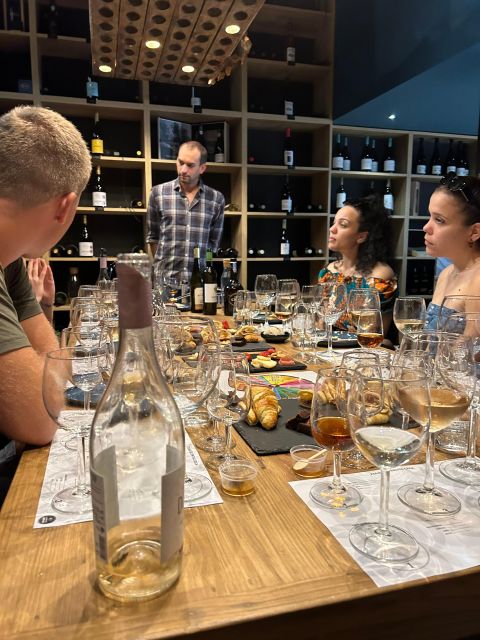
The included food is olives, fruit, chocolate, cheese, and brownie. It is a modest spread, not a full meal, but it is more useful than a bowl of crackers.
I like that the pairing list covers several flavor types. Olives bring salt, fruit brings freshness, cheese adds creaminess, and chocolate and brownie echo the dessert side of Port. You can compare the same wine with different foods instead of accepting the host’s explanation without testing it.
The quantities are described as good, and the snacks are part of the value at $23 per person. Still, do not book this expecting lunch or dinner. If you are hungry, eat beforehand or plan a meal afterward.
The food also makes the class social. A shared table gives solo visitors and couples an easy way to talk with people from other countries. Several sessions included a mix of nationalities, and some participants continued on for drinks afterward. That social side is a bonus, especially if you are exploring Porto alone.
The host makes or breaks the hour
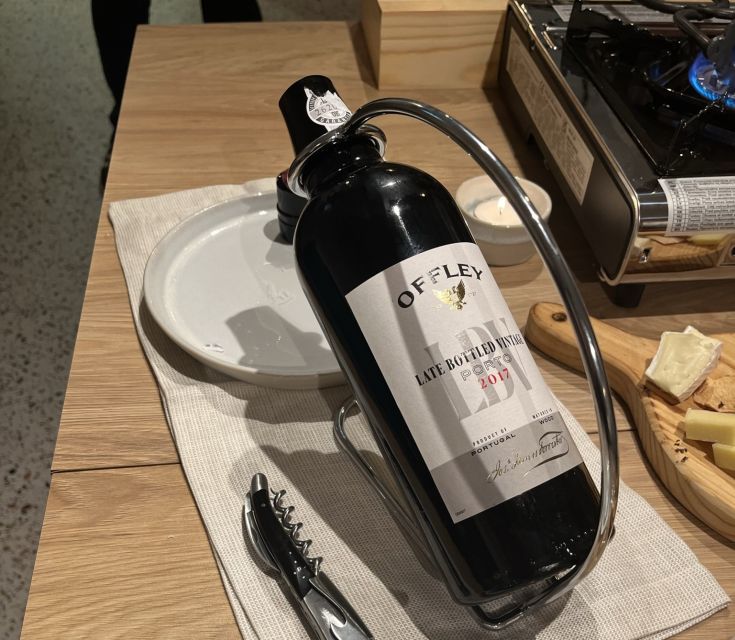
The strongest feature here is the person leading the class. Rui and Ruan are repeatedly praised for humor and warmth, while João and Pedro are singled out for clear explanations and good conversation. José has also led a session described as engaging and friendly.
That does not mean every class will have the same personality. Hosts vary, and a wine lesson always depends partly on the group in the room. Still, the format encourages interaction, and the maximum of 10 people gives the host a fair chance to answer questions.
You may get a serious explanation of production, a few jokes, and an unexpected musical moment. One host was described as playing guitar and singing at the end, while another used humor to keep a group involved. These details make the class feel less like a scripted sales talk.
Solo visitors should feel comfortable booking. The small room and shared table make it easy to join in, and the hosts have been praised for helping people feel included. Couples and friends will also enjoy the relaxed format, but you do not need a private group to get value from it.
Comfort, access, and timing
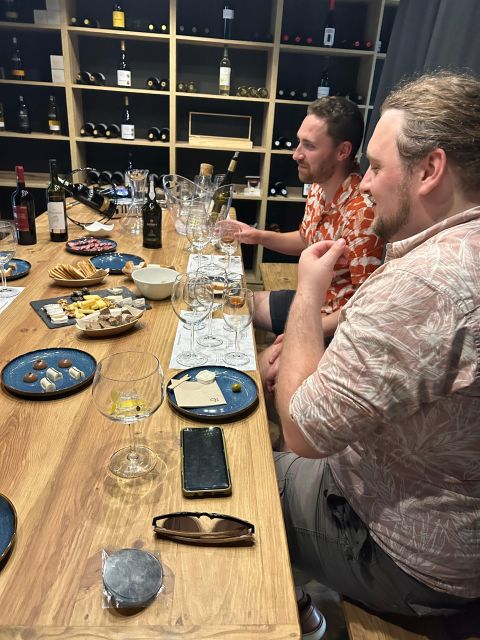
The experience lasts from one hour to 90 minutes, depending on the option and the amount of discussion. The three-Port version takes around 45 minutes. The five-Port version takes about an hour and 15 minutes.
The class is wheelchair accessible. The room is air-conditioned, which can be welcome on a sunny Porto afternoon. Seating may be on long benches, though, and one person found chairs would have been more comfortable. If back support is important to you, keep that in mind.
The activity is offered in English, with an English-speaking host or greeter. The supplied information does not promise other languages, so English is the safe choice for following the history and tasting explanations.
Because the class is in the center, you can walk there from nearby sights. The meeting point is in front of the Palácio da Bolsa, but check in at the tourist office in the same building. That small detail may save you a few minutes of circling the block.
Cancellation is flexible: you can cancel up to 24 hours ahead for a full refund. You can also reserve and pay later, which helps if your Porto schedule is still shifting.
Is $23 a good value?
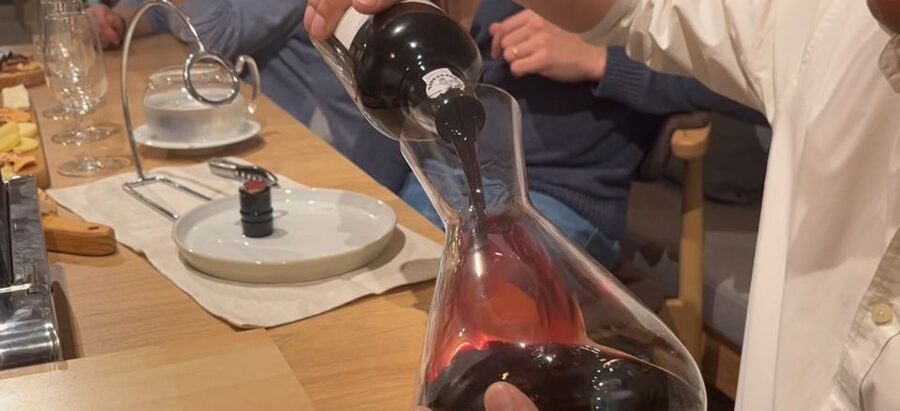
At $23 per person, this is strong value for a city-center wine experience. You receive a guided lesson, three or five Port samples, food pairings, and a small-group setting. The five-Port option gives you more material to compare and is the better buy for anyone who enjoys wine.
You are not paying for transport, a vineyard visit, or a grand cellar tour. That keeps the price down, but it also defines what you get. The value lies in the host’s explanations and the chance to taste several styles in one sitting.
A cellar visit may offer more atmosphere and a stronger sense of place. This class offers convenience, structure, and direct comparison. If you have only a short stay in Porto, those advantages may matter more than historic barrels and underground rooms.
The near-perfect 4.9 rating from 441 ratings supports the idea that the format works well for most people. I would still judge it by your own priorities. Wine beginners are likely to gain the most, while serious Port collectors may want a specialist tasting with named producers and more technical detail.
Who should book this Port tasting?
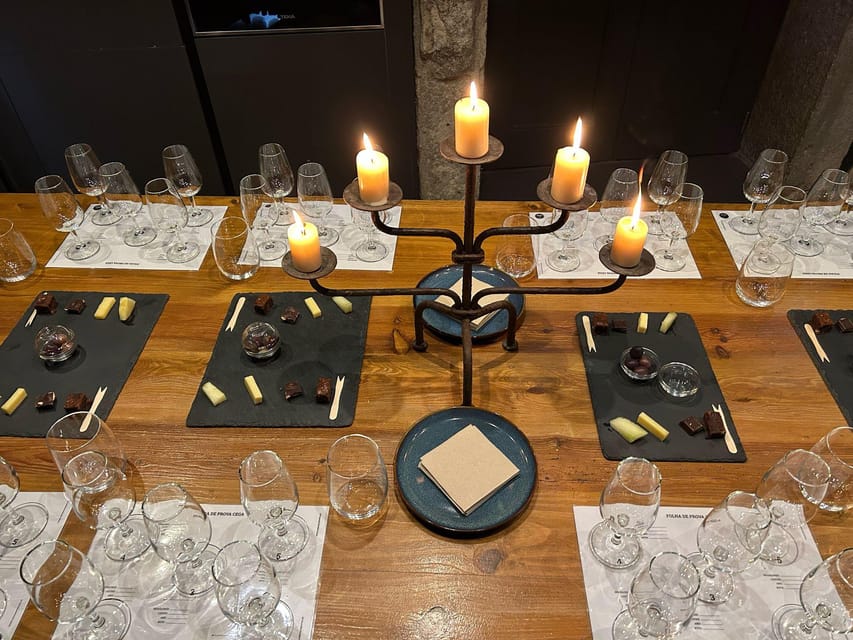
Book it if you want a friendly introduction to Port, especially if you are visiting Porto for the first time. It is also a smart choice when you do not have time for a trip to the wine cellars or the Douro Valley.
The experience suits:
- First-time Port drinkers
- Couples looking for a short food-and-wine activity
- Solo visitors who enjoy meeting people
- Wine fans who want to compare several styles
- Anyone seeking an indoor break in the city center
- Visitors who prefer an English-language class
You may want something else if your priority is visiting vineyards, walking through a working cellar, or tasting a long list of specific brands. You should also skip the five-Port version if you do not drink alcohol or prefer a quick, non-social stop.
Should you book the three-Port or five-Port class?
I would book the five-Port option if your schedule allows it. The added samples make the differences between White, Tawny, Ruby Reserve, and Late Bottled Vintage much easier to understand, and the longer session leaves more room for questions.
Choose three Ports if you want a compact introduction before dinner or another appointment. It is still enough to learn the basic story and get a taste of several styles.
The class is not a replacement for a Douro Valley excursion, but it is an efficient Porto activity. You get a useful lesson, a range of pours, good snack pairings, and a central location for $23. Just arrive at the correct tourist-office entrance, remember that the setting is a shop room rather than a cellar, and book five Ports if you think you may wish you had stayed longer.
FAQ
Where does the Port wine class take place?
It takes place in a shop opposite the Palácio da Bolsa in Porto city center. Check in at the tourist office because the tasting room is inside the same building.
How long does the experience last?
The three-Port tasting takes around 45 minutes. The five-Port tasting takes about one hour and 15 minutes, though questions can make the session longer. The stated duration range is one hour to 90 minutes.
How much does the activity cost?
The listed price is $23 per person.
How many people can join the class?
The class is limited to 10 participants, making it a small-group experience.
Is the tasting held in a Port wine cellar?
No. It takes place in an intimate room inside a shop in Porto city center, not in a cellar.
Which Ports are included in the five-Port option?
The five-Port selection includes two White Ports, one Tawny Port, one Ruby Reserve Port, and one Late Bottled Vintage Port.
What food is served with the Port?
The pairings include olives, fruit, chocolate, cheese, and brownie.
What language is the class offered in?
The host or greeter speaks English, and English is the listed language for the experience.
Is the activity wheelchair accessible?
Yes, the activity is listed as wheelchair accessible.
Can I cancel for a refund?
Yes. You can cancel up to 24 hours in advance for a full refund. You can also reserve now and pay later.
More Food & Drink in Porto
- Douro Valley Small-Group Tour with Wine Tasting, Lunch and Boat
★ 5.0 · 3,642 reviews - Porto: Cálem Cellar Tour, Fado Show & Wine Tasting
★ 4.4 · 3,530 reviews - Porto: Douro Valley Tour with Wine Tasting, Cruise and Lunch
★ 4.7 · 2,714 reviews - Douro Valley Tour: Wine Tasting, Cruise and Lunch from Porto
★ 4.5 · 2,645 reviews
More Port Wine Tastings in Porto
- Porto: Live Fado Show with Glass of Port Wine
★ 4.8 · 6,498 reviews - Porto: Bridges Cruise & Sunset & Port Wine Cellar Option
★ 4.2 · 4,180 reviews - Porto: Fado & Port Wine in Traditional Portuguese Music Shop
★ 4.8 · 2,906 reviews - Porto: What is Fado? Commented Live Concert with Port Wine
★ 4.8 · 2,839 reviews
Just added around Porto
- Porto: Tuk tuk Tours with Port Wine Tasting★ 4.5 · 65 reviews
- Porto Wine Tasting Experience with Portuguese Tapas Plate★ 4.7 · 356 reviews
- Porto: Sunset Walking Tour with Port Wine and Views★ 4.6 · 95 reviews
- Porto: Tile Painting Workshop with Tea and Port Wine★ 4.9 · 66 reviews
- Porto: Taylor’s Port Cellar Tour & WOW The Wine Experience★ 4.5 · 136 reviews
- Porto: Self-Guided Bike and Boat Tour with Port Wine Tasting★ 4.7 · 52 reviews
- Porto: Douro River Boat Tour with Wine Tasting★ 4.9 · 167 reviews
- Porto: Douro River Cruise w/ Portuguese Wines & Local Host★ 4.9 · 166 reviews
Wine Tours in Porto, compared.
Douro Valley w/ Boat Tour, Wine Tasting & Lunch
Read our review →
Complete Douro Valley Wine Tour with Lunch, Wine Tastings and River Cruise
Read our review →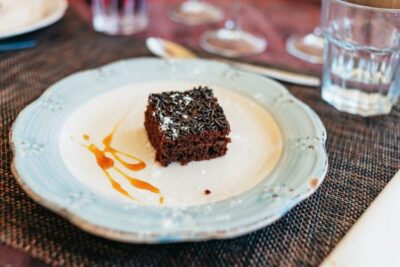
Douro Valley with Winery Lunch, Tastings & Cruise
Read our review →
Historical Sites, Wine Experience, Lunch & Cruise
Read our review →
Authentic Small Group Douro Wine Tour with Lunch & River Cruise
Read our review →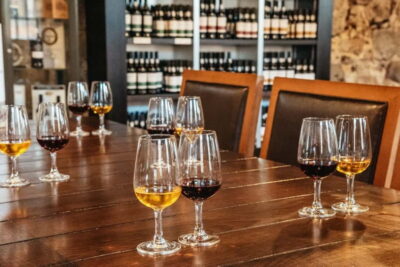
Bridges Cruise & Sunset & Port Wine Cellar Option
Read our review →Browse the lists this tour appears in