
REVIEW · MILAN
Milan: Italian Cooking Class with Food and Wine
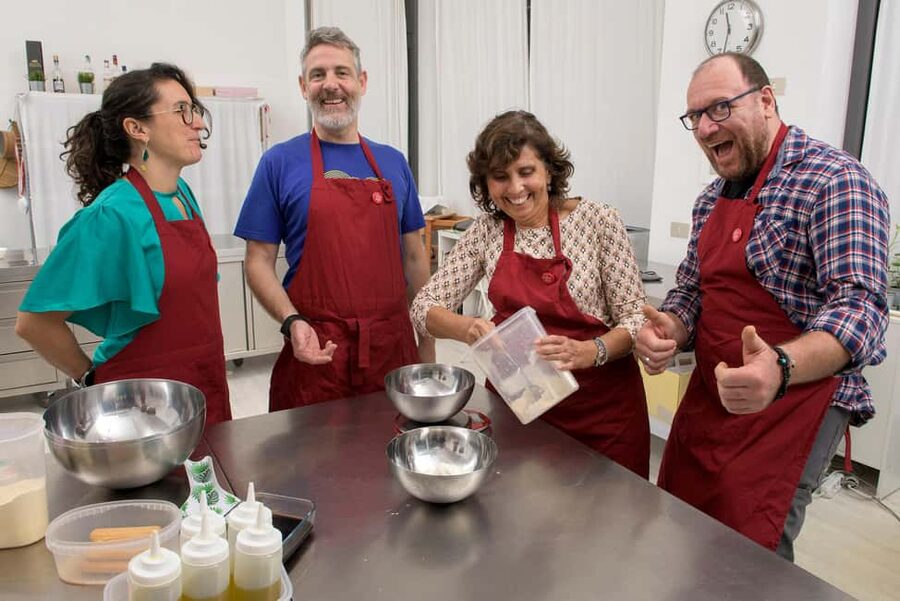
Fresh pasta is the star here, but the best part is learning why Italian cooks do things a certain way. Chef Ilaria explains technique, food traditions, and small kitchen rules that make a real difference, from handling pasta dough to keeping carbonara free of cream. You finish with a shared meal and wine, not just a certificate and a quick taste.
I like the hands-on setup, where you work at your own station with tools, an apron, and gloves. I also like the useful recipe collection, since you can make the dishes again at home. The main consideration is that the menu can change, and some sauces may already be prepared because they take longer than a three-hour class.
Key points
- Fresh pasta from scratch: Learn to make shapes such as tagliatelle, ravioli, or other pasta, often using a pasta machine.
- Three-hour food-and-wine experience: Cook several dishes, enjoy small snacks, then eat the finished meal together.
- Chef Ilaria’s practical teaching: Expect clear instructions, kitchen tips, cultural background, and a good deal of humor.
- Recipes to take home: Receive the recipes used in class, including sauces that may be prepared ahead of time.
- Social but hands-on: The class suits solo visitors, couples, families with older children, and small groups.
- Important limits: Children under 10, pets, smoking, large bags, and people with mobility impairments are not permitted.
Making Pasta the Milanese Way
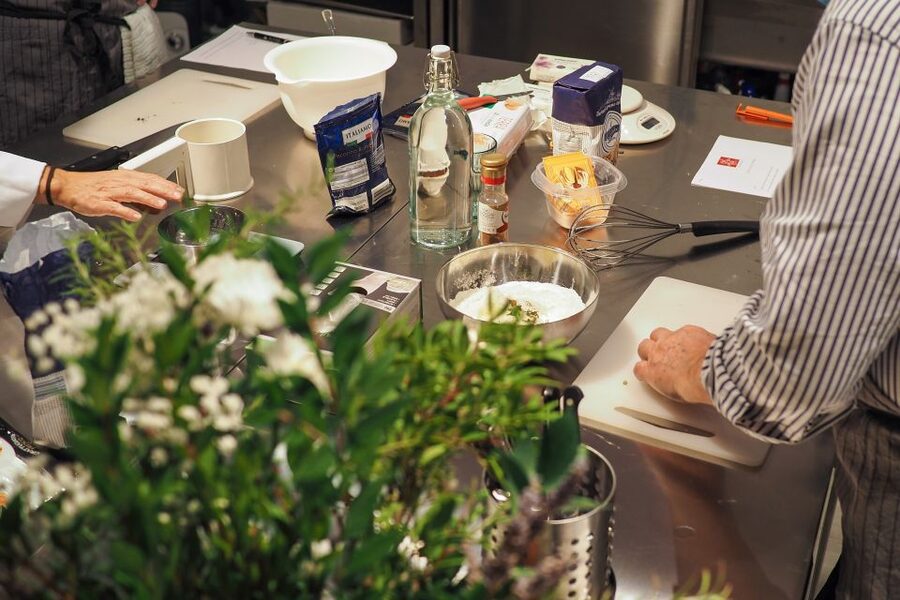
This three-hour cooking class at Chef and the City is built around participation. You are not simply watching a chef toss pasta in a pan while standing at the back of a room. You work at your own personal station, use the provided tools, and take part in preparing the dishes.
The exact menu can vary. Past classes have included combinations such as bruschetta, fresh tagliatelle, gnocchi, ravioli, tiramisù, biscotti, cantucci, apple strudel, and other traditional dishes. The advertised possibilities also include focaccia, eggplant parmigiana, cacio e pepe, and ragù.
That variety is useful, but it means you should not book expecting one fixed menu. If making gnocchi or tiramisù is especially important to you, check the current details before booking. The class is strongest when you arrive ready to learn the techniques rather than chase one particular dish.
Chef Ilaria is the main name associated with the experience. Fernando and other members of the team may also help with the class, and some sessions may be led by another instructor depending on scheduling. Instruction is available in Italian and English.
More Wine Tours in Milan
- Milan: Pasta and Tiramisu Cooking Class with Wine
★ 4.8 · 1,106 reviews - Gnocchi, Pasta, Tiramisù and Wine Class
★ 5.0 · 691 reviews - Small-Group Barolo Wine Tasting, Alba & UNESCO Piedmont Hills
★ 5.0 · 689 reviews
What Happens Before the Cooking Starts
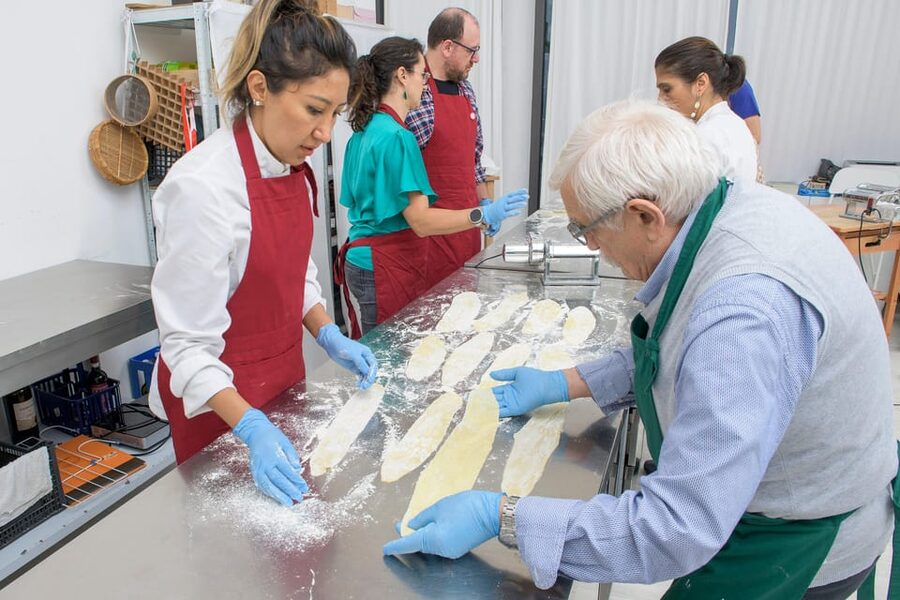
The session begins in a professional cooking lab at street level. Look for the Chef and the City shop with three large windows and three red signs above them. Ring the bell at the main window door when you arrive.
You may have light snacks while the class is being organized or during breaks. The spread can include cheese, sun-dried tomatoes, mortadella, olives, cookies, biscuits, candies, coffee, tea, infusions, and water. These small bites are a welcome touch, especially if your class takes place near a meal hour.
Once cooking begins, the rules become more serious. You cannot eat or drink while working, and tasting during preparation is not allowed. Long hair must be tied back. This may sound strict, but it makes sense in a professional kitchen and keeps the shared work area clean.
Aprons, gloves, and cooking tools are provided. You do not need to arrive with special equipment, though you should wear clothes that are comfortable for standing and working with flour, sauces, and other ingredients.
The Three-Dish Cooking Session
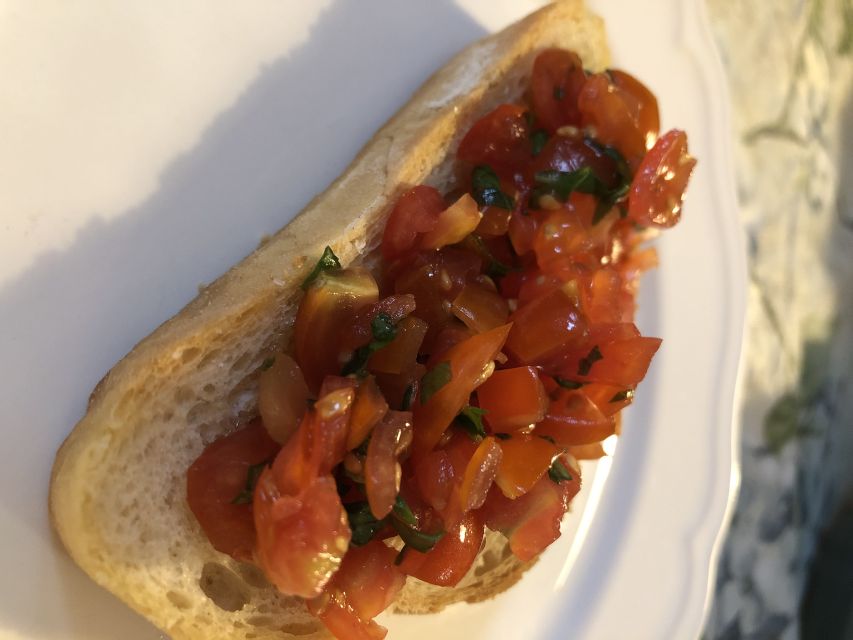
The usual format is an appetizer, a main dish, and a dessert. Bruschetta is a common starting point because it teaches simple principles: good bread, balanced toppings, proper seasoning, and careful preparation. It is not technically difficult, but it gives you an early success and lets you settle into the rhythm of the class.
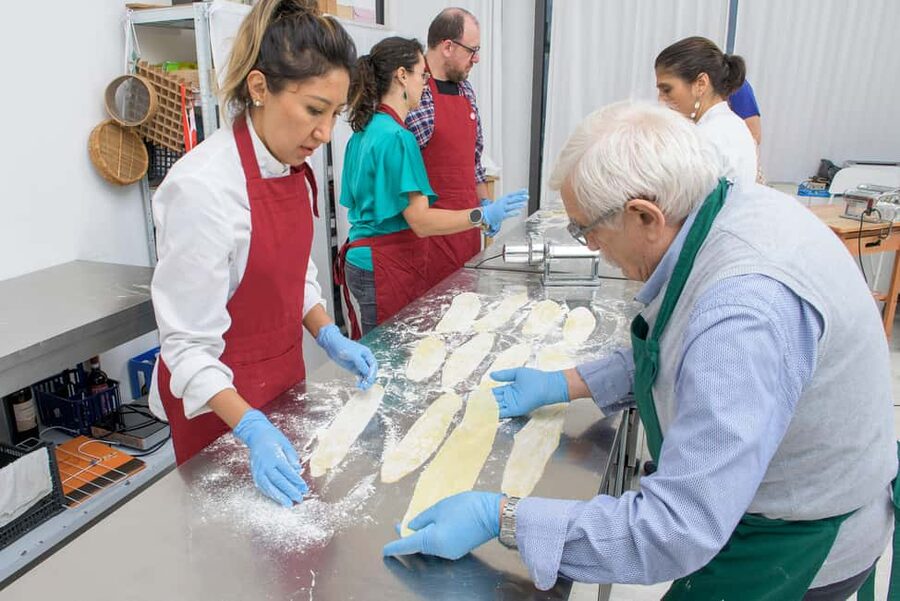
Fresh pasta is often the main event. You may mix and work the dough, roll it, and shape it into tagliatelle, ravioli, or another pasta style. A pasta machine may be part of the process, so you get to see how the dough changes as it becomes thinner and more workable.
This is where the class offers real value for home cooks. Pasta dough looks simple, but flour, moisture, pressure, and timing all matter. The instructor can correct your technique as you work, which is far more useful than trying to copy a recipe without seeing the texture.
One detail worth knowing is that the sauce may not always be made from start to finish during the class. Ragù, for example, can take hours to cook properly. In one session, the chef provided homemade ragù and cacio e pepe sauces while teaching the group how to prepare the pasta itself. The recipes were still supplied for home use.
That arrangement is practical, though it may disappoint you if you want to make every component yourself. The class focuses on skills that fit within three hours, so some longer preparations are handled in advance.
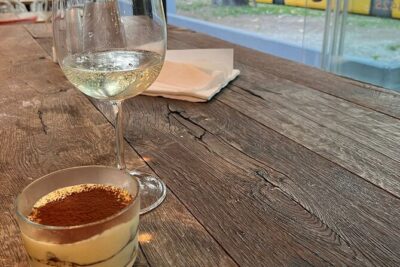
Dessert options vary. You might make tiramisù, biscotti, cantucci, or strudel. The dessert portion is not just filler at the end. You learn details about Italian habits and ingredients, including the proper treatment of classic recipes. One useful lesson is that traditional tiramisù does not need amaretto, despite its popularity in some versions outside Italy.
Useful Italian Kitchen Lessons
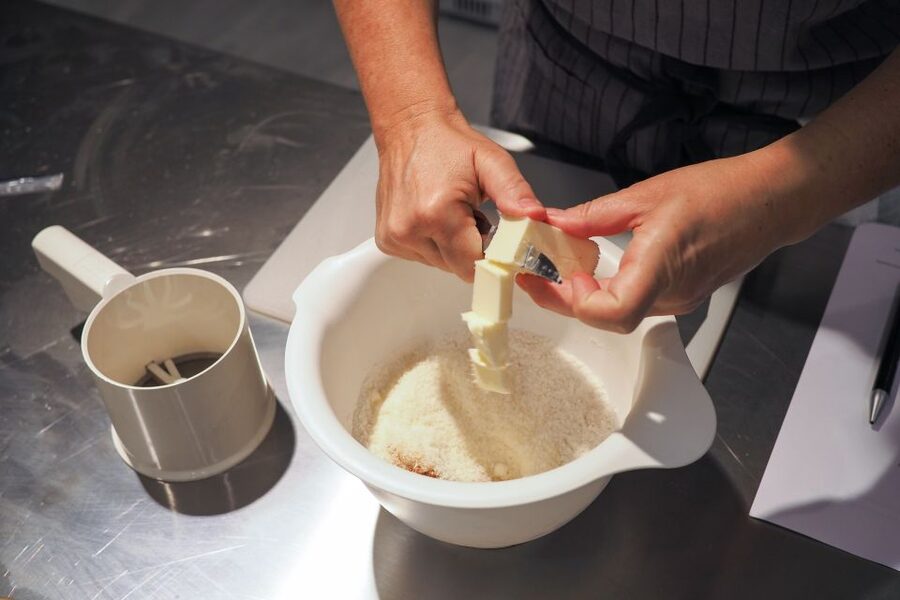
Chef Ilaria’s teaching style is part of the appeal. She explains the reasoning behind each step rather than asking you to copy movements without context. You may hear about the background of a dish, how Italians traditionally prepare it, and which shortcuts are acceptable at home.
Her approach also leaves room for personal taste. You can adjust a recipe in your own kitchen, but she makes clear when a change creates a different dish. Her lesson on carbonara was particularly direct: traditional carbonara uses neither cream nor bacon. You can adapt it at home, but it should not then be called classic carbonara.
That sort of firm opinion adds character to the class and gives you a better sense of Italian food culture. You are not just collecting recipes. You are learning which details matter to the cook and which rules are flexible.
The class also presents Italian cooking as healthy and low-waste. The emphasis is on sensible use of ingredients, practical preparation, and avoiding unnecessary waste. This is useful if you want techniques that fit an ordinary home kitchen rather than restaurant-style cooking that demands expensive equipment.
More cooking classes with wine in Milan:
- Milan: Pasta and Tiramisu Small Group Cooking Class with Wine
★ 5.0 · 660 reviews - Milan: Pasta, Gnocchi and Tiramisù Cooking Class with Wine
★ 5.0 · 117 reviews - Pizza and Tiramisu Cooking Class with Wine in Milan
★ 4.9 · 80 reviews - Florence: Pasta Cooking Class with Unlimited Wine
★ 4.9 · 10,285 reviews
The Meal at the End
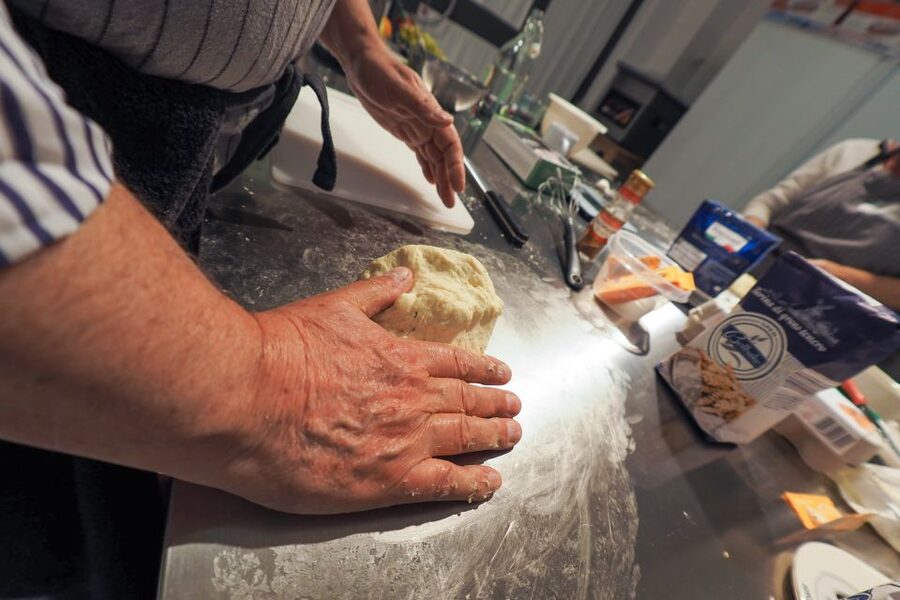
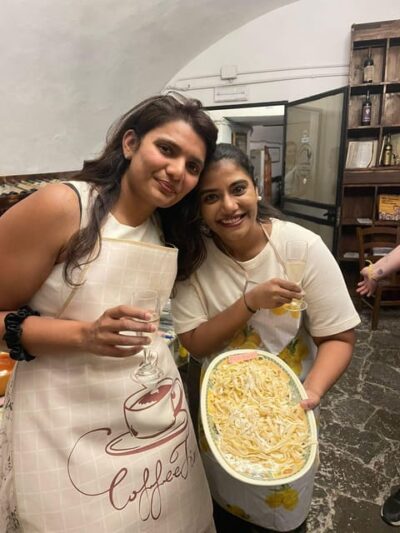
After the cooking is finished, the class moves to the dining room. You sit down together and eat the dishes you prepared. Wine is included, with red and white options available, and the meal becomes a relaxed social finish to the work in the kitchen.
This shared table changes the mood. During the cooking, you need to pay attention to instructions and timing. At the meal, you can talk with the other participants, compare results, and enjoy the food without rushing to the next step.
The class often attracts people from different countries, and it can be a pleasant way to meet others if you are visiting Milan alone. It also works well for couples and friends who want an activity with more substance than a standard restaurant meal.
Wine is included in the price, and several people have specifically found there was plenty to drink. Use good judgment, especially because you still need to travel back to your accommodation afterward. The cooking comes first, so this is not simply a wine tasting with a little food preparation added.
Group Size and Atmosphere
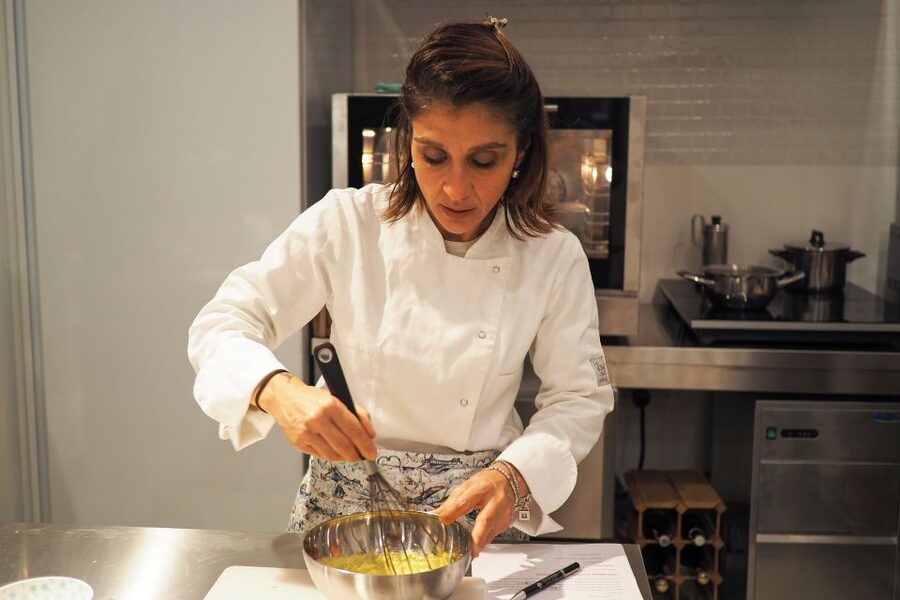
The group size can vary. Some sessions feel small and personal, while others include a lively mix of participants. A very small class can mean more direct help from the chef, though it may feel quieter if you hoped for a large social gathering.
The teaching style is friendly and energetic. Chef Ilaria is known for humor and a warm manner, which helps beginners relax when their pasta dough or shaping technique is less than perfect. You should expect corrections, but they are part of the hands-on format.
The class is suitable for beginners. You do not need advanced cooking skills to take part, and the instructions are designed to be followed step by step. More experienced cooks can still get value from pasta shaping, sauce technique, ingredient handling, and the cultural notes around each dish.
The atmosphere is social without making participation optional. If you prefer to sit quietly and watch, this may not be the right choice. You will be expected to work, follow kitchen rules, and cooperate with the group.
Is the $80 Price Fair?
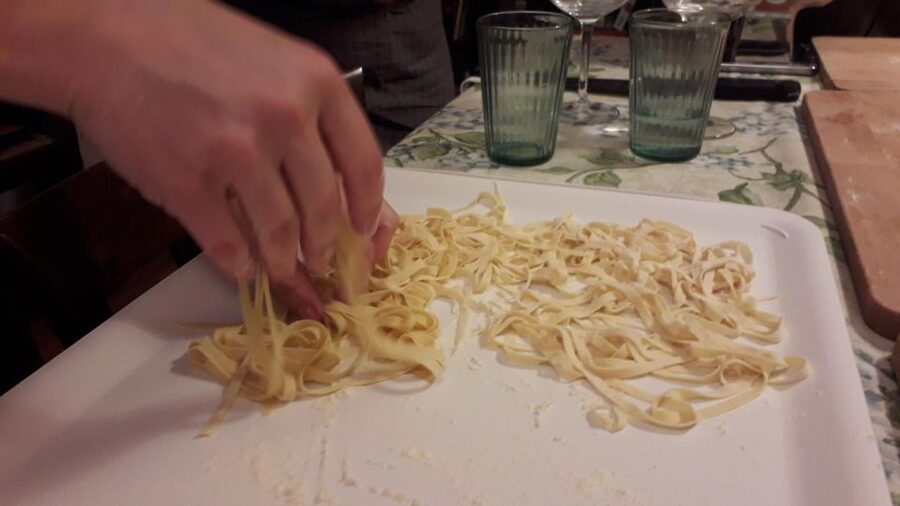
At $80 per person, the class is fairly priced for a three-hour activity that includes food, wine, ingredients, tools, gloves, an apron, instruction, and recipes. You are also getting a full meal, not just a few samples.
The value is strongest if you plan to cook the recipes at home. Fresh pasta lessons can save you repeated trial and error, while the recipe handouts give you a starting point for recreating the meal. The experience also combines a class, dinner, and a social evening in one booking.
It is less appealing if you want a highly specialized regional menu or a private lesson. The menu can change, the class may be shared with other participants, and some long-cooking sauces are prepared ahead of time. You are paying for a friendly group workshop, not a private chef demonstration.
For a first cooking class in Italy, the price makes sense. You get practical instruction, a meal, wine, and an activity that stays with you after the holiday ends.
Who Should Book This Class?
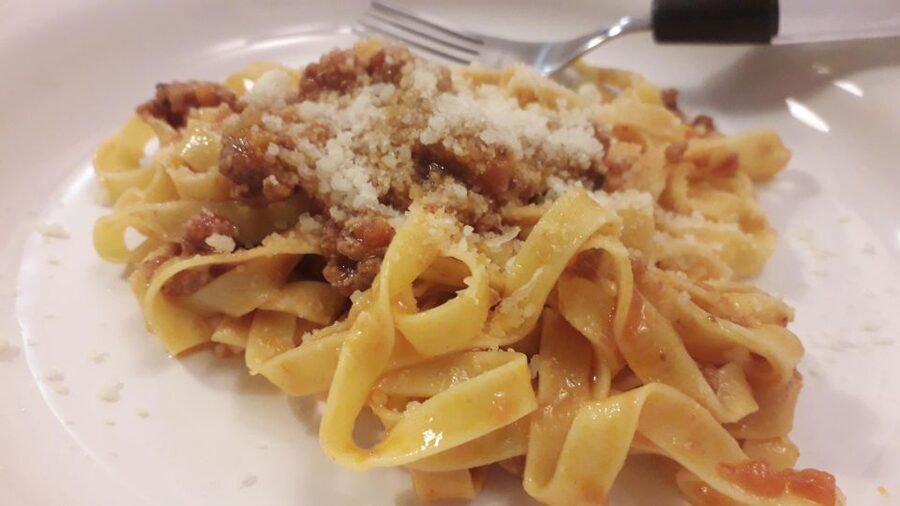
I would recommend it to you if you want to do more than eat Italian food in Milan. It suits anyone curious about fresh pasta, especially beginners who want an instructor to correct mistakes in real time.
It is also a good choice for solo visitors. The group format gives you an easy way to meet people, and the shared meal keeps the evening from feeling awkward. Couples and friends should enjoy it too, particularly if you like food-based activities that offer something to do together.
The class is not suitable for children under 10. It is also not suitable for people with mobility impairments, since the experience takes place in a working kitchen and requires active participation. Pets, smoking, luggage, and large bags are not allowed.
If you have allergies or dietary restrictions, tell the provider in advance. The kitchen has accommodated gluten-free needs and other food restrictions in past sessions, but you should not assume every menu can be changed without notice.
Getting There and Planning the Evening
Private transportation is not included, so you are responsible for reaching Chef and the City. The meeting point is easy to identify from the street: a shop with three large windows and three red signs bearing the business name.
Do not bring a suitcase or large bag. There is no luggage storage, and the rules specifically prohibit luggage in the cooking area. Plan to arrive with only what you need for the class.
The activity lasts three hours, but allow extra time before and after for getting there and returning to your accommodation. Starting times vary, so check availability when booking.
Cancellation is flexible up to 24 hours before the activity for a full refund. You can also reserve now and pay later, which helps if your Milan plans are still shifting.
Should You Book It?
Book this class if you want a friendly, practical introduction to Italian cooking with a real meal at the end. The strongest reasons are the hands-on pasta work, Chef Ilaria’s clear and entertaining instruction, the included wine, and the recipes you can use at home.
Think twice if you need a fixed menu, a private class, or the chance to prepare every sauce completely from scratch. For most people, though, the combination of cooking, culture, food, and conversation is good value at $80. Bring an appetite, tie back your hair, and leave the suitcase at your accommodation.
FAQ
How long does the cooking class last?
The experience lasts three hours. Starting times vary, so check the available options when booking.
What dishes might I prepare?
The menu can vary, but dishes may include fresh tagliatelle, gnocchi, ravioli, bruschetta, focaccia, eggplant parmigiana, cacio e pepe, ragù, tiramisù, biscotti, cantucci, and strudel.
Is wine included?
Yes. Food and wine are included, along with other beverages, cooking tools, gloves, and aprons.
Are recipes provided?
Yes. You receive copies of the recipes so you can recreate the dishes at home. Some longer-cooking sauces may be prepared in advance during the class.
Is the class suitable for children?
No. The activity is not suitable for children under 10.
What should I bring or avoid bringing?
Do not bring pets, smoking materials, luggage, or large bags. Long hair must be tied back, and food and drinks are not allowed while you are cooking.
More Food in Milan
- Milan: Food and Wine Experience
★ 4.5 · 30 reviews - From Split: Krka Waterfalls, Food & Wine Tasting Tour
★ 5.0 · 9,326 reviews - From Split: Krka Waterfalls, Food & Wine Tasting Tour
★ 4.9 · 6,598 reviews - Winner 2025 Undiscovered Lisbon Food & Wine Tour by Eating Europe
★ 5.0 · 6,390 reviews
More Food & Drink in Milan
- Milan: Wine Tasting Experience in the City Centre
★ 4.5 · 113 reviews - From Milan: Barolo Wine Tasting, Alba Tour and Castle Visit
★ 4.9 · 44 reviews - Milan Wine Tasting Aperitivo
★ 4.4 · 31 reviews - Milan: History & Street Food Tour with Wine Tasting
★ 4.9 · 30 reviews
Just added around Milan
- Pizza and Tiramisu Cooking Class with Wine in Milan★ 4.9 · 80 reviews
- Milan: Wine Tasting Experience in the City Centre★ 4.5 · 113 reviews
- Milan: Pasta, Gnocchi and Tiramisù Cooking Class with Wine★ 5.0 · 117 reviews
- Milan Wine Tasting Aperitivo★ 4.4 · 31 reviews
- Milan: History & Street Food Tour with Wine Tasting★ 4.9 · 30 reviews
- Milan: Pasta Class with Gelato or Tiramisù & Unlimited Wine★ 4.9 · 233 reviews
- Milan: Food and Wine Experience★ 4.5 · 30 reviews
- From Milan: Barolo Wine Tasting, Alba Tour and Castle Visit★ 4.9 · 44 reviews
Wine Tours in Milan, compared.

Small-Group Barolo Wine Tasting, Alba & UNESCO Piedmont Hills
Read our review →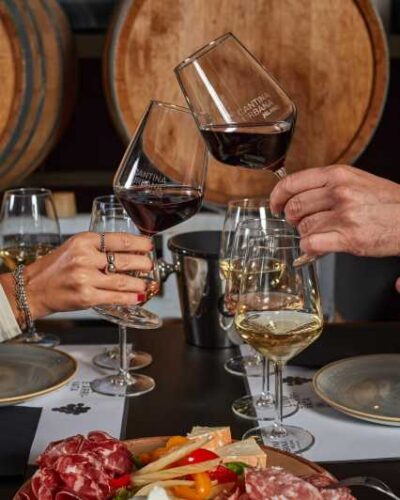
Milan Urban Winery: Taste & Tour at Cantina Urbana
Read our review →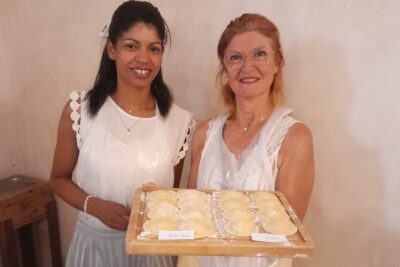
Pasta and Tiramisu Small Group Cooking Class with Wine
Read our review →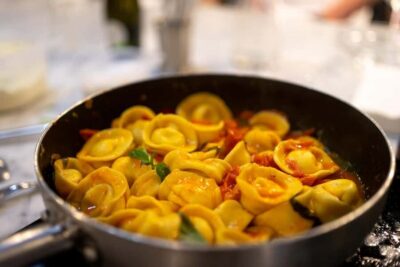
Pasta Class with Gelato or Tiramisù & Unlimited Wine
Read our review →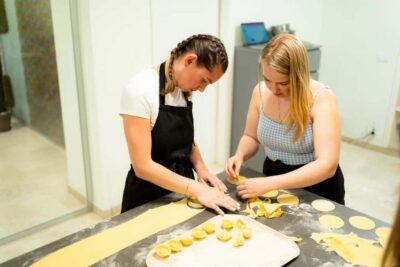
Pasta, Gnocchi and Tiramisù Cooking Class with Wine
Read our review →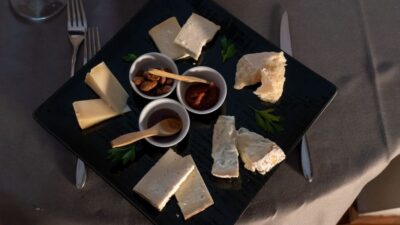
Browse the lists this tour appears in