
REVIEW · GREECE
Thessaloniki: Small-Group Wine Tasting Tour with Appetizers
Thessaloniki’s best wine lesson may happen not in a vineyard, but at three friendly bars tucked into the city center. This 2.5-hour walk takes you from Aristotelous Square to six Greek wines, with each glass paired with a little cheese, olive, tomato, or rusk.
I like the all-Greek lineup, especially because it includes less familiar grapes such as Xinomavro, Vidiano, Mandilaria, and Asyrtiko. I also like the small-group format and the guides, including Konstantina, Thomas, Elli, and Vassilis, who add local life and city suggestions to the wine talk. The main caution is simple: this is a tasting with snacks, not dinner, so eat a sensible meal before you go.
Key points at a glance
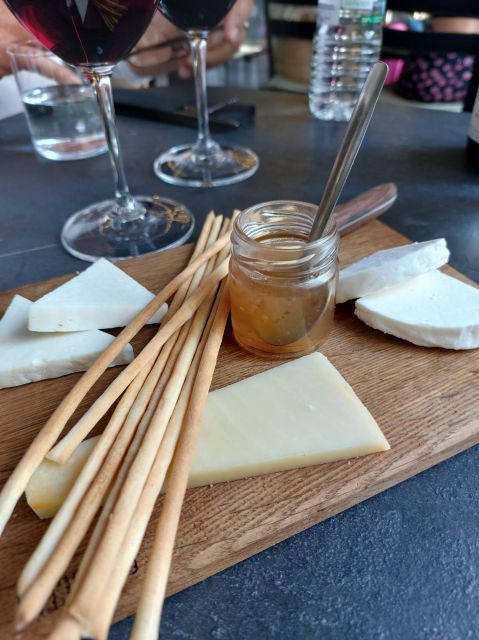
- Six 75ml pours: Two whites, two reds, and two rosés, all grown and made in Greece.
- Three city-center wine bars: Each stop has its own atmosphere, history, and style.
- Meze at every stop: Expect cheese, olives, tomato, rusks, or salty sticks to match the wine.
- A walking tour as well as a wine tasting: The route includes walks of about 10, 10, and 15 minutes.
- English-speaking local host: Guides such as Konstantina, Thomas, Elli, and Vassilis bring wine knowledge and Thessaloniki tips.
- Good value for serious tasters: At $99, the price pays for six pours, three venues, food pairings, and a hosted city experience.
Starting at Aristotelous Square
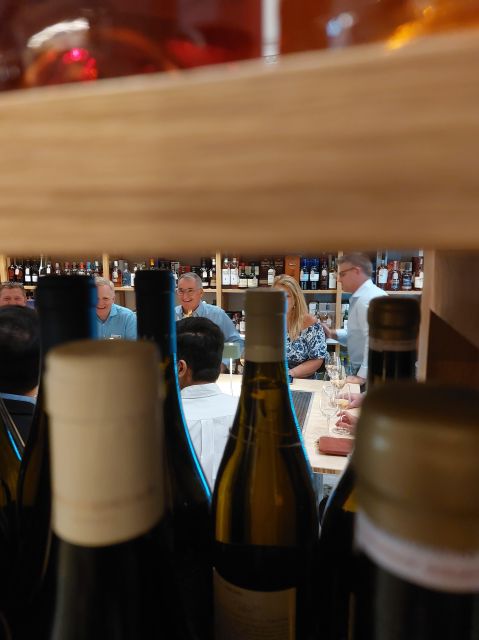
You meet in front of the Electra Palace Hotel, beside Aristotelous Square. This is an easy place to find in central Thessaloniki, and it puts you right in the middle of the city rather than at a distant winery or hotel pickup point.
The opening walk takes about 10 minutes. That matters because the experience begins with the city itself. You move through central streets on foot, with the guide explaining Greek wine, local customs, and the places you pass. It is not a vineyard tour, but you do get a better sense of how wine fits into modern Thessaloniki life.
The route is urban and social. You should be comfortable walking between stops and spending time on your feet. The walks are short, but the third leg lasts about 15 minutes, so sensible shoes will make the evening easier.
Because the meeting point is central, you can pair this outing with a day of sightseeing. It works well as a first or second-night activity, since the guide may also offer ideas for restaurants and places to see later in your stay.
More tastings around Greece:
- Santorini: Top Sights Day Trip, Wine Tasting, & Oia Sunset
★ 4.6 · 2,492 reviews - Santorini Wine Adventure with 12 Wine Tastings, Tapas and Sunset
★ 5.0 · 1,715 reviews - Tour and Wine Tasting in Mykonian Land
★ 5.0 · 1,357 reviews
Stop one: your first Greek pour
The first wine bar lasts about 35 minutes. This is where the guide sets the pattern for the evening: a reserved table, a wine explanation, a tasting pour, and a small plate of something salty or fresh.
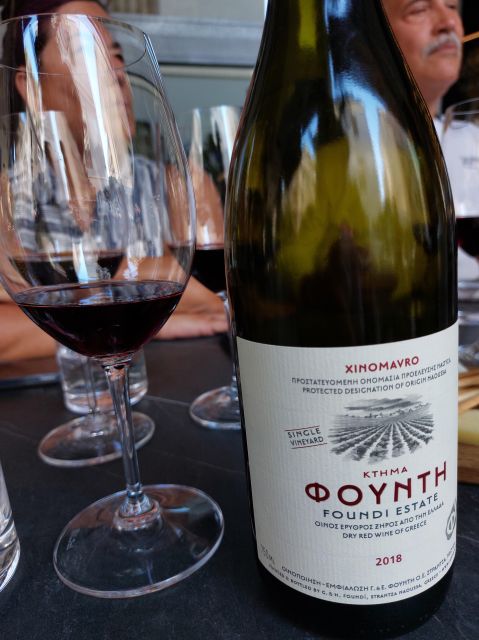
The six wines are divided across the three venues, with two wines at each stop. The full selection includes Moschofilero and Moschato among the whites, Agiorgitiko from Nemea and Xinomavro from Naoussa among the reds, and Mandilaria and Amyntaio Xinomavro among the rosés.
That gives you useful contrast from the start. Instead of tasting six versions of the same style, you move between light whites, fuller reds, and pink wines with different regional identities. The guide explains how each wine is made and where the grapes come from, which helps you connect a name on the menu with a place in Greece.
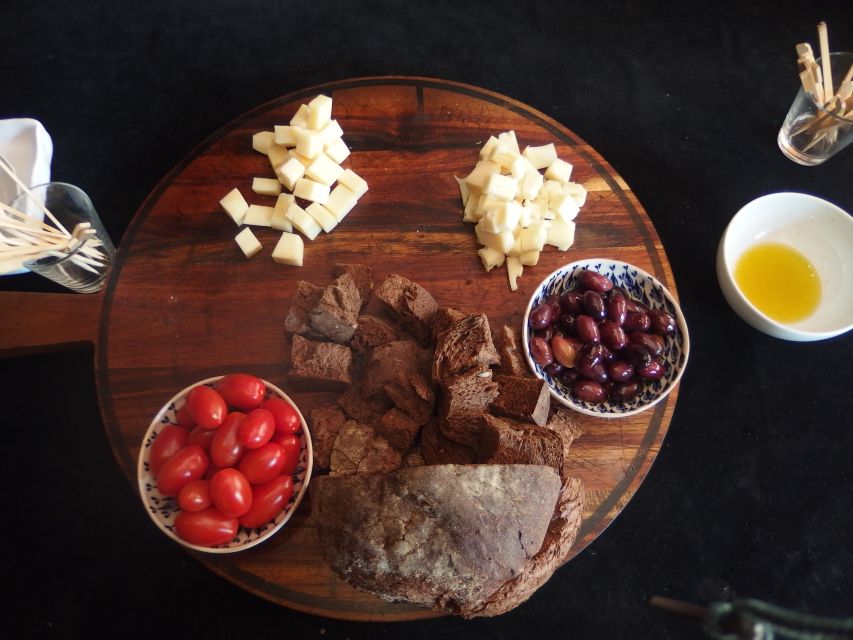
The first meze is deliberately modest. You might receive rusks or salty sticks, cheese, olives, and tomato. These are not elaborate dishes, but they do useful work. Food softens the alcohol, clears the palate, and shows how Greek wines function with everyday table food.
Do not expect long tasting notes or a formal wine-school lecture. The tone is more relaxed and conversational. That will suit you if you want to ask basic questions without feeling tested. It may feel light if you already have advanced wine-training experience.
The second bar and a wider taste of Greece
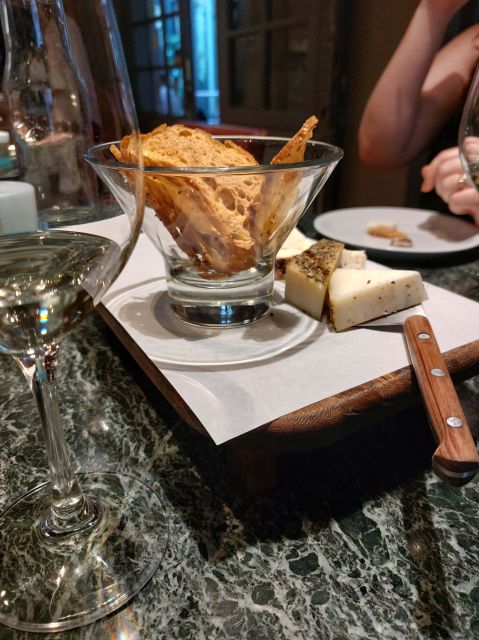
After another 10-minute walk, you reach the second local bar. The change of setting is part of the point. You are not sitting in one tourist venue while bottles arrive in a fixed order. You get three separate rooms, teams, and serving styles, all connected by the guide.
This middle stop is a good place to pay attention to the difference between grape variety and wine color. Xinomavro appears in both a red wine from Naoussa and a rosé from Amyntaio, showing how one grape can produce very different results depending on the style of winemaking.
Agiorgitiko from Nemea gives you another red reference. Moschofilero and Moschato bring a different side of Greek wine, while Asyrtiko and Vidiano add further white-wine interest in the overall selection. Not every named variety appears in the six-glass list, so think of Vidiano as an example of the wider Greek wine world rather than a guaranteed pour.
The food remains in the meze category. You may receive cheese, olives, tomato, rusks, salty sticks, or similar small accompaniments. Some tasting groups have received more generous snack plates, including cheese and meat, but you should plan around the stated offering rather than count on a full platter.
This is also where a good guide makes the difference. Konstantina has been praised for combining wine information with talk of Thessaloniki and local archaeology. Thomas has been appreciated for his recommendations for the rest of a stay. The guide can help turn unfamiliar grape names into something you remember after leaving the bar.
The third stop and the final two glasses
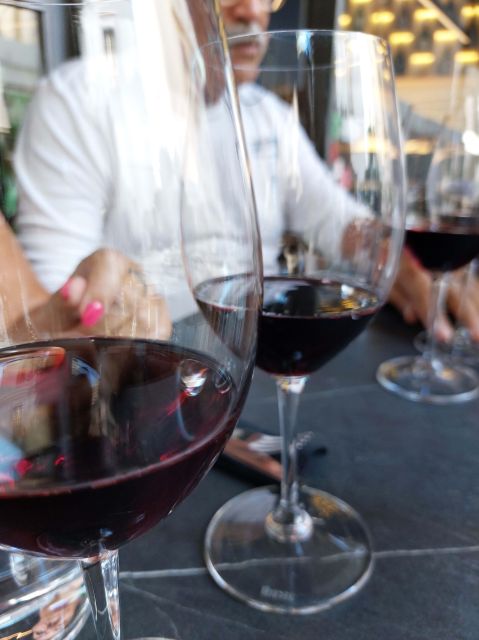
The last walk takes about 15 minutes and leads to the third wine bar. By now, you have a useful basis for comparison. You can think about how the white, red, and rosé wines differ, which food pairings helped most, and which grapes you would look for at a shop or restaurant.
The final 35-minute stop completes the six-glass tasting. Each pour is 75 milliliters, so the total is 450 milliliters per person. That is close to three standard glasses of wine, spread over 2.5 hours with food and walking in between. You should still pace yourself, especially if you are not used to tasting several wines in one evening.
One venue specifically associated with the experience has been Ble Vin, where a server named Magos received warm praise for the welcome. The exact bars may depend on the operating schedule, so I would not book this expecting a fixed list of venues. The appeal is the three-stop format, not a guarantee of one particular bar.
A reserved table at each venue is a practical advantage. You do not have to wait for seats or hover near the bar while the group gathers. It also keeps the outing feeling organized without turning it into a rushed procession.
A few more wine days around Greece worth comparing
- Santorini Wine Stories: Sunset Tour with Tasting & Dinner
★ 5.0 · 1,285 reviews - Athens: Food Market Visit and Cooking Class with Wine
★ 4.9 · 1,087 reviews - Santorini Highlights Small-Group Tour with Wine Tasting option
★ 5.0 · 699 reviews - Santorini: Wine Tasting Tour with Snacks
★ 5.0 · 693 reviews
What you actually taste
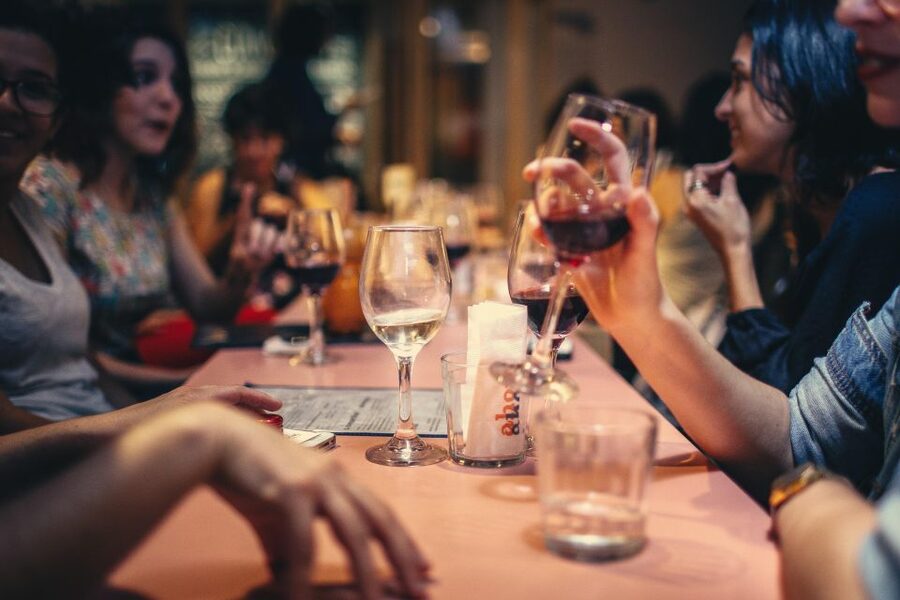
The selection is built to introduce you to Greece rather than imitate a standard international wine flight.
The whites include Moschofilero and Moschato. These give you a chance to compare two local varieties with different identities, rather than simply drinking familiar Chardonnay or Sauvignon Blanc. Asyrtiko and Vidiano are also discussed as examples of Greek white wine, though the stated six-glass menu specifically lists Moschofilero and Moschato.
The reds include Agiorgitiko from Nemea and Xinomavro from Naoussa. These are important names to remember if you plan to order Greek wine later. Xinomavro also appears in the rosé selection from Amyntaio, making it especially useful for comparison.
The rosés include Mandilaria and Amyntaio Xinomavro. This part of the tasting prevents the evening from becoming too heavy, particularly if you prefer lighter wines or are visiting during warm weather.
The guide explains production methods and the origins of the grapes. That context is valuable because many Greek varieties are unfamiliar outside Greece. You are not just asked to decide if you like a wine. You learn what to look for the next time you see a Greek label.
Meze, portions, and the dinner question

The food is one of the strongest practical features of the tour, but the wording matters: it is meze, not a full food menu.
At each wine bar, you receive accompaniments such as rusks or salty sticks, cheese, olives, and tomato. Some groups have also received small plates with cheese and meat. These snacks are chosen to go with the wine, so they are part of the tasting rather than a separate meal.
I recommend eating a light meal beforehand. Do not arrive stuffed, but do not arrive hungry either. One person found the snack portions more extensive than expected and wished they had eaten less beforehand. That is a useful reminder that the food may add up across three stops, even though none of the venues is serving dinner.
If you have dietary restrictions, ask before booking or at the start. The supplied information does not specify vegetarian, vegan, gluten-free, or allergy arrangements, so you should not assume that every meze item will suit you.
The guides make the difference
The experience includes an English-speaking facilitator who stays with you throughout the route. Named hosts connected with the tour include Konstantina, Thomas, Elli, Vassilis, and a younger guide praised for translating wine information and talking about local life.
The strongest pattern is the personal tone. Konstantina has been described as friendly and well informed about wine, the city, and archaeology. Thomas has been praised for his warmth and practical recommendations. Elli has helped make Greek wine accessible to someone who had rarely encountered these varieties elsewhere in Europe.
That kind of hosting matters more here than on a simple bar crawl. Six unfamiliar wines can blur together unless someone gives you a thread to follow. A good guide helps you remember the grape, place, color, and food pairing.
Guide assignments can change, so you should not book solely to meet one named host. Still, the range of positive comments about different guides suggests that the human side of the tour is a major part of its appeal.
Is $99 a fair price?
The cost is $99 per person. That is not a bargain if you compare it with buying six modest pours at one bar. The comparison changes when you count what is included: three wine bars, six 75ml glasses, three sets of meze, reserved tables, a live English-speaking guide, and a walking route through central Thessaloniki.
You are paying for access and organization as much as for wine. The guide selects local bottles, explains them, handles the movement between venues, and gives you a structured way to taste. You also avoid the risk of ordering unfamiliar Greek wines at random and hoping for the best.
The value is strongest if you enjoy learning while you drink. If you only want a large glass of wine and a full dinner, $99 is harder to justify. If you would otherwise pay separately for a meal, several tastings, and local advice, the package makes more sense.
The small-group setting adds value too. It allows questions and makes it easier to talk with the guide. One outing had only a guest and Konstantina, creating a relaxed conversation rather than a formal group presentation. Group size can vary, so do not assume every departure will be that intimate.
Timing, walking, and alcohol
The entire activity lasts 2.5 hours. Each bar visit takes about 35 minutes, with three short walks between them. The pace is steady but not frantic.
You should wear comfortable shoes and leave room in your schedule for the full duration. Since this is a walking route, it is not suited to someone who wants to remain seated in one place.
The wine total is substantial enough to require common sense. Six 75ml pours equal 450ml, and the tour includes both reds and whites as well as rosés. The food helps, but it does not replace a meal. Do not plan to drive afterward.
The tour is conducted in English. If you want a tasting in another language, the available information does not promise one.
Who will enjoy this most?
I would choose this for you if you are curious about Greek wine but do not know where to begin. It also suits couples, solo visitors, and small groups who want an easy social evening without committing to a formal vineyard excursion outside the city.
It is especially useful early in a Thessaloniki stay. You will hear names such as Xinomavro, Agiorgitiko, and Moschofilero, then have a chance to recognize them on later menus.
Food-focused visitors should enjoy the repeated meze pairings, though anyone expecting a full dinner should book a restaurant afterward. The tour also suits people who like city walks and local conversation more than technical wine lectures.
I would hesitate if you dislike walking, need a guaranteed full meal, or prefer to choose every wine yourself. It may also be less useful for a serious wine professional seeking rare bottles or advanced analysis. The strength is introduction, variety, and atmosphere.
Should you book the Thessaloniki wine walk?
Book it if you want a friendly introduction to Greek wine with enough food to support the tasting and enough walking to keep the evening connected to the city. The three-bar format, six local varieties, reserved tables, and personal guide make it more useful than a single seated flight.
Go in with the right expectations. You are buying a guided tasting with meze, not a winery visit and not dinner. Eat lightly beforehand, wear comfortable shoes, and keep the evening open for a proper meal afterward if needed.
At $99, I see the best value for curious drinkers who want context and local recommendations. If that sounds like you, this is a strong way to spend an evening in central Thessaloniki.
FAQ
Where does the tour meet?
The meeting point is in Aristotelous Square, in front of the Electra Palace Hotel.
How long does the experience last?
The tour lasts 2.5 hours.
How many wines are included?
You receive six glasses per person, with each pour measuring 75 milliliters.
Which wines are included?
The stated selection includes two whites, Moschofilero and Moschato, two reds, Agiorgitiko from Nemea and Xinomavro from Naoussa, and two rosés, Mandilaria and Amyntaio Xinomavro.
Is food included?
Yes. Greek meze is served at each wine bar, including items such as rusks or salty sticks, cheese, olives, and tomato. It is not a full food menu.
What language is the tour conducted in?
The tour includes a live English-speaking guide.
Just added around Greece
- Athens: Greek Wines Tasting with Sommelier and Acropolis Views★ 5.0 · 88 reviews
- Small-Group Wine Tour in Athens with Tasting★ 5.0 · 33 reviews
- Wine Trails Private Tour/ Nemea visit 3 wineries from Athens or Nafplion (10 h)★ 5.0 · 44 reviews
- Athens: Wine Workshop Create your Own Wine under the Acropolis★ 5.0 · 77 reviews
- Private Day Trip to Santorini from Athens: Sightseeing Highlights★ 5.0 · 39 reviews
- Acropolis Private Wine Tasting @ Finewine store★ 5.0 · 46 reviews
- Greek Gastronomy & Wine Pairing Cruise with a Sommelier in Athens★ 5.0 · 120 reviews
- Sail the Athenian Coastline on a Catamaran with Meal & Wine★ 5.0 · 165 reviews
Wine Tours in Greece, compared.
Top Sights Day Trip, Wine Tasting, & Oia Sunset
Read our review →
Santorini Wine Adventure with 12 Wine Tastings, Tapas and Sunset
Read our review →
Santorini Wine Stories: Sunset Tour with Tasting & Dinner
Read our review →
Classic Cooking Class with Market Visit and Wine
Read our review →
Food Market Visit and Cooking Class with Wine
Read our review →
Swimming Cruise with Lunch, Wine & Live DJ on Board
Read our review →
Greek Cuisine Cooking Class in Santorini with Recipes and Wine
Read our review →Browse the lists this tour appears in