
REVIEW · ITALY
Sardinia: Winery Tour and Wine Tasting Experience
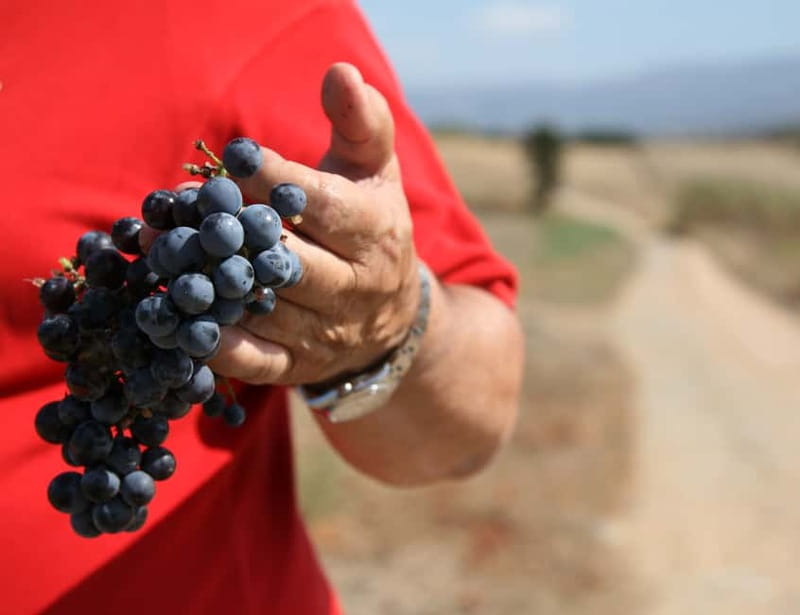
Sardinia’s wine country comes into focus at Ferruccio Deiana Vini, where you can follow the grape from vineyard to bottle rather than simply sit down for a tasting. The visit includes rolling views near Cagliari, the production rooms, barrel cellar, museum, and a tasting of three local wines with snacks.
I like the clear look at the full wine-making process, and I like the personal touch provided by guides such as Alice, who explains the wines and food pairings in a relaxed, easy-to-follow way. The main drawback is transport: the winery is outside central Cagliari, and public transport can be tricky, so you should plan your ride before arriving.
Key points to know before you go
- A full production visit: See the route from grape delivery and processing through aging, bottling, and the tasting room.
- A private guided experience: The visit is designed for personal attention, with English and Italian available.
- Three wines with Sardinian snacks: The tasting connects each wine with local food rather than treating the wine as a stand-alone drink.
- A scenic setting near Cagliari: Su Leunaxiu is known for rolling hills and fertile valleys shaped by vines, wheat, and olive trees.
- Alice is a memorable guide: She is praised for clear explanations, warm conversation, and help with arranging a taxi after the tour.
- Allow about two hours on site: The cellar tour itself lasts roughly 1.5 hours, followed by the tasting and related stops.
Why this winery visit feels different
Many winery visits begin and end at a table. Here, the tasting comes after you have seen the work behind the bottle. That order matters. When you walk through the vineyards, production rooms, cellar, museum, and tasting room first, the final glass has a story attached to it.
Ferruccio Deiana Vini is in the Su Leunaxiu area of the province of Cagliari. This part of southern Sardinia has long supported grapevines, wheat, and olive trees, thanks to its fertile valleys and gently rolling hills. You are not visiting an urban tasting bar with a few Sardinian labels on a shelf. You are going to the place where the wine is made.
The experience is private and guided, with tours offered in English or Italian. The published visit takes about two hours, while the guided cellar portion lasts around 1.5 hours. The remaining time covers the tasting and the transitions between the winery’s different spaces.
That makes this a good choice if you want more than a quick sample. It also means you should not squeeze it into an overly tight schedule. Wine is best enjoyed at a slower pace, and this visit gives you room to ask questions.
More wineries worth an afternoon in Italy:
- Tuscany Day Trip from Florence: Siena, San Gimignano, Pisa and Lunch at a Winery
★ 5.0 · 21,634 reviews - Florence: Chianti Wineries Tour with Wine Tasting
★ 4.5 · 10,071 reviews - From Florence: Siena, San Gimignano, Pisa & Lunch at Winery
★ 4.8 · 4,538 reviews
Arriving at Ferruccio Deiana Vini
Your meeting point is simple: go to the winery entrance, in front of the wine shop. The tour starts and ends there, so you do not need to coordinate a second meeting location.
The practical issue is getting there. Hotel pick-up and drop-off are not included, and the winery is outside the center of Cagliari. Public transport can be difficult in this area, so I would arrange a car or taxi in advance rather than hoping to find an easy connection after your tasting.
That small bit of planning makes a real difference. You can enjoy the wines without worrying about the ride back. If you need help after the visit, Alice has helped visitors find a taxi at the end of the tour, but it is still wiser to organize your transport ahead of time.
The tour runs rain or shine. Since part of the visit includes the surrounding vineyards, check the forecast and dress for the conditions. Comfortable shoes are sensible, especially if you want to enjoy the outdoor portion without fuss.
The vineyards and Sardinia’s wine country
The first part of the visit introduces the setting around the winery. The views are one of the strongest reasons to choose this experience over a tasting in town. You see the area where the grapes grow and gain a better sense of how closely the winery is tied to its surroundings.
The Su Leunaxiu area is associated with farming traditions that reach back through the centuries. Vines share this productive part of Sardinia with wheat and olive trees. That gives you useful context without turning the tour into a history lecture.
I like this beginning because it makes the wine feel connected to place. You are not only learning the name of a grape or being handed a glass. You are seeing the hills and valleys that shape the work of the winery.
The outdoor section is also the part most affected by weather. Since the experience continues in rain or sunshine, bring a light layer or sun protection as needed. The tour does not promise a long vineyard walk, so think of this as an introduction to the growing area rather than a strenuous countryside hike.
Following the grapes from delivery to bottle
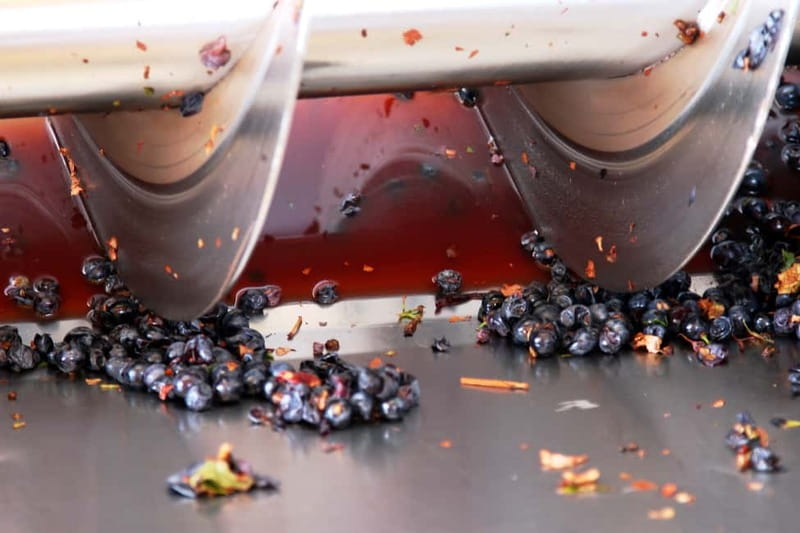
The guided tour continues into the production area, where you see the stages involved in making the wine. The route covers the arrival of the grapes, the different production areas, and the process leading to bottling.
This is the most useful section for anyone who has ever wondered what happens between harvest and the bottle on the table. You can ask about the order of the work and see how the winery manages each stage. The focus is not just on finished labels, but on the decisions and equipment behind them.
Ferruccio Deiana’s approach has been shaped by new studies, research, and winemaking experience from around the world. The company uses advanced and sophisticated techniques, while still working in a Sardinian setting with local agricultural traditions.
That combination makes the tour appealing to two kinds of people. If you already know wine, you can ask about methods and production choices. If you are new to wine, the guide helps turn technical steps into a clear story.
A good guide matters here. Alice is repeatedly praised for explaining the process in a way that is easy to follow, while also making time for questions and conversation. She has a strong grasp of the wines, but the tone is friendly rather than formal.
More tastings around Italy:
- Small-Group Wine Tasting Experience in the Tuscan Countryside
★ 5.0 · 7,392 reviews - Rome: Tuscany & Montepulciano Day Trip with Lunch & Wine Tasting
★ 4.5 · 5,232 reviews - SMALL-GROUP Wine Safaris: Tuscan Wine Tasting Tours from Florence
★ 5.0 · 5,088 reviews - San Gimignano, Siena, Monteriggioni, Chianti Day Trip with Lunch & Wine Tasting
★ 4.5 · 4,432 reviews
The barrel cellar and museum
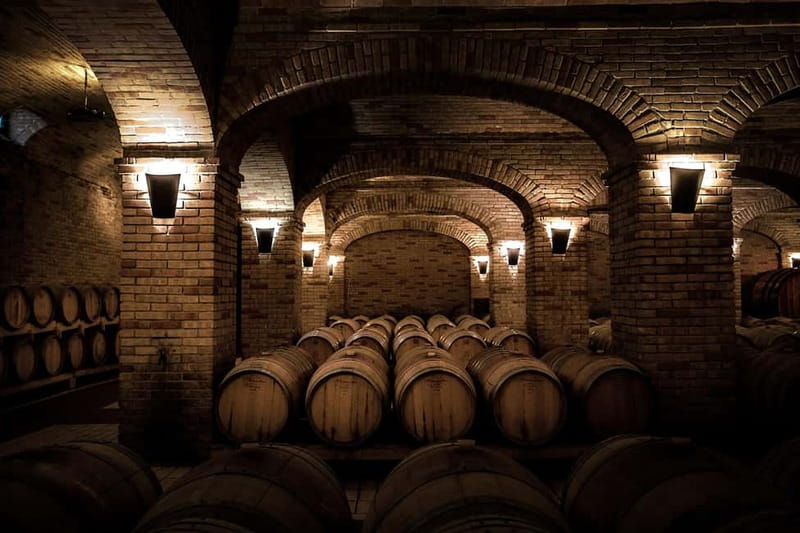
The barrel cellar gives the production story a quieter, more traditional setting. After seeing the active stages of wine-making, you get a chance to consider what happens during aging and how the wine changes before bottling.
The exact cellar presentation can vary with winery operations, but the visit is designed to show the production cycle in full. You are not simply passing through a decorative room. The barrel area is part of the explanation of how the finished wines develop.
The museum adds another layer. It helps connect the modern winery to the tools, practices, and culture of wine-making. This is especially helpful if you want a broader Sardinian experience rather than a technical tasting alone.
The museum is also a useful pause between the working areas and the tasting room. By this point, you have moved through the vineyards and production spaces, so the museum gives you time to place what you have seen in a wider context.
Tasting three wines with local food
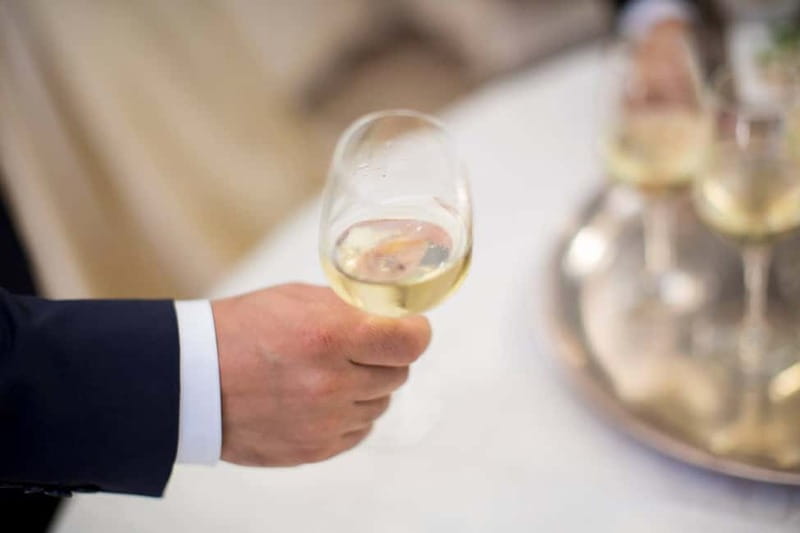
The visit ends in the wine tasting room with three iconic wines. Each is served with local gastronomical delicacies, giving you a chance to consider how the wines work with food.
This pairing is one of the best parts of the experience. Wine tasting can become abstract when you only focus on aromas and flavor notes. Sardinian snacks make the lesson more practical. You can compare the wines while also noticing how food changes the taste and balance of each glass.
The tasting is not presented as a rushed sequence. You have time to talk with the guide, ask about flavors, and learn why certain foods suit particular wines. Alice has helped explain the differences between wines and the logic behind their pairings, which is useful even if you know little about tasting.
The standard experience includes three wines. Some visitors have tasted more than three through a tailored arrangement, but you should confirm any expanded tasting when you book. The supplied experience specifically includes three iconic wines, so do not assume a larger flight is part of the basic visit.
The snacks are included, but this is not described as a full meal. If you want a substantial lunch, plan that separately. Think of the food as a thoughtful match for the wine, not a substitute for dining.
The guide can shape the whole visit
A winery tour depends heavily on the person leading it. Alice is a real strength here. She is described as warm, patient, and easy to talk with, while also able to explain both production and pairing clearly.
That mix matters. A guide who only lists facts can make a cellar feel dry. A guide who only chats can leave you without much useful information. Alice appears to handle both sides well, giving the visit a personal feel without losing its focus.
The owner may also welcome you personally, adding another human touch to the stop. You should not count on a private meeting with the owner every time, but the winery presents itself as a place where personal contact is part of the experience.
Tailor-made options are available by visit request or telephone. This is worth considering if you want to adjust the tasting or discuss a particular interest. Ask before booking, since the standard format is a guided visit with three wines and matching snacks.
How much value do you get?
The price is not provided here, so I cannot judge it against a specific euro amount. I can tell you what you are paying for: a private guided visit, vineyard access, an explanation of the complete production cycle, the barrel cellar, a museum stop, three wines, and matching local snacks.
That is a stronger package than a basic tasting at a shop. You get a setting, a guide, and a clear connection between the wine and the place where it is produced. For visitors staying in Cagliari who want a half-day-style outing without committing to a full day of sightseeing, the value can be good.
Transport can change the calculation. If you need a taxi both ways, add that cost when comparing this experience with a tasting in central Cagliari. The tour itself lasts about two hours, but the journey to and from the winery takes extra time.
I would choose this visit if you care about how wine is made, enjoy asking questions, or want a quieter taste of Sardinia’s countryside. I would skip it if you only want a quick drink in the city or do not want to arrange transport beyond Cagliari.
Who will enjoy this Sardinian wine tour?
You will likely enjoy this experience if you:
- Like learning the story behind food and wine
- Want a guided visit rather than an independent tasting
- Are curious about production methods and aging
- Enjoy scenic countryside near Cagliari
- Prefer a personal tour with time for questions
- Want local snacks served alongside the wines
- Are comfortable arranging your own transport
It also suits couples and small private groups looking for a calm activity. The friendly guide style makes it approachable for beginners, while the production details give experienced wine drinkers something to discuss.
Families with children may find the outdoor and museum portions interesting, but the core activity is wine tasting, so it is best suited to adults. The supplied information does not specify child pricing or a separate nonalcoholic option, so ask the provider directly if that matters for your group.
Practical advice for a smooth visit
Book your transport before the day of the tour. The lack of hotel pick-up is not a problem if you plan ahead, but public transport around the winery can be hard to manage.
Meet at the winery entrance, in front of the wine shop. Since the activity ends at the same place, you can leave from there by car or taxi after the tasting.
Give yourself more than the stated two hours if you need to catch a train, reservation, or other timed activity. The tour itself has a set structure, but a good conversation with the guide can make the visit feel less hurried.
Wear something comfortable for the vineyard portion and be ready for changing weather. The tour operates rain or shine, so the experience does not depend on a perfect forecast.
The tour is available in English and Italian. If you need a more customized tasting or have a particular interest in Sardinian wine, ask about tailor-made arrangements before your visit.
Cancellation is free up to 24 hours in advance, and you can reserve now and pay later. These terms are useful if your Cagliari plans are still moving around, but check the booking conditions at the time you reserve.
Should you book Ferruccio Deiana Vini?
I would book this tour if you want a genuine winery visit near Cagliari rather than a city-center tasting. The combination of vineyards, production rooms, cellar, museum, and local food gives you a rounded look at Sardinian wine, and Alice can make the technical side easy to understand.
The decision comes down to two things: your interest in wine and your transport plans. Arrange the ride first, then enjoy the visit without worry. If you do that, Ferruccio Deiana Vini offers a personal, useful, and scenic way to spend part of your time in southern Sardinia.
FAQ
Where does the winery tour start?
The meeting point is at the entrance of Ferruccio Deiana Vini, in front of the wine shop.
Where does the tour end?
The activity ends back at the same winery meeting point.
How long does the experience last?
The guided cellar visit lasts about 1.5 hours, and the full activity is described as taking about two hours. Check availability for the starting time.
How many wines are included?
The standard experience includes three iconic wines.
Is food included with the tasting?
Yes. The wines are served with snacks that match the tasting.
Is hotel pick-up included?
No. Hotel pick-up and drop-off are not included, so you need to arrange your own transportation.
What languages are available?
The live tour guide is available in English and Italian.
More Food & Drink in Italy
- Winner 2025 Florence Sunset Food & Wine Tour by Eating Europe
★ 5.0 · 5,015 reviews - From Florence: Small Group Wine Tasting Tour to Tuscany
★ 4.9 · 3,902 reviews - Rome Food Tour: Unlimited Tastings with Fine Wine & Barolo
★ 5.0 · 3,365 reviews - Rome: Guided Food Walking Tour with Wine in Trastevere
★ 4.9 · 3,105 reviews
Just added around Italy
- Wine Degustation Ebrezze★ 4.5 · 86 reviews
- Guided winery tour with tasting in Bolzano at the SKYWINE PAVILLON★ 5.0 · 61 reviews
- Bologna: Tagliatelle & Ragù Home Cooking Class with wine★ 4.5 · 55 reviews
- Bologna Food & Wine tour with a local Chef★ 3.0 · 30 reviews
- The downtown wine experience★ 5.0 · 35 reviews
- Parmigiano Wine and Balsamic Vinegar Experience from Bologna★ 5.0 · 30 reviews
- Eating Bologna Food and Wine Tour★ 5.0 · 96 reviews
- Private Bologna Food & Market Tour with 6 Tastings & Wine★ 5.0 · 102 reviews
Wine Tours in Italy, compared.
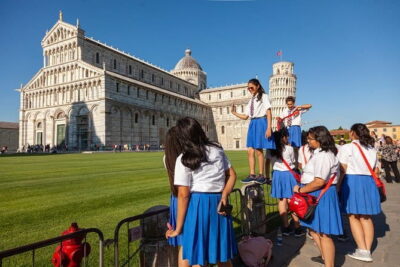
Tuscany Day Trip from Florence: Siena, San Gimignano, Pisa and Lunch at a Winery
Read our review →
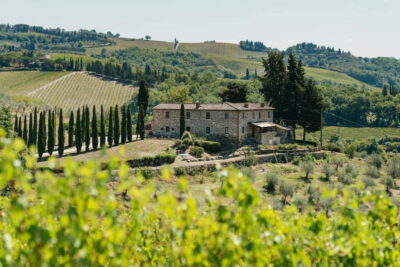
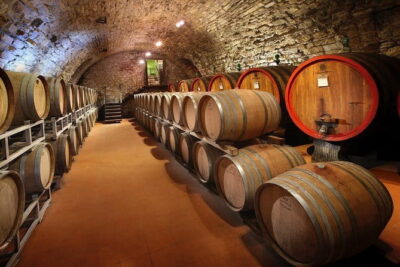
Small-Group Wine Tasting Experience in the Tuscan Countryside
Read our review →
Pasta & Tiramisu Cooking Class with Unlimited Wine
Read our review →
Pisa, Siena and San Gimignano Day Trip with Lunch & Wine Pairing
Read our review →
Tuscany & Montepulciano Day Trip with Lunch & Wine Tasting
Read our review →Browse the lists this tour appears in