
REVIEW · BEAUNE
Private Tasting in Beaune : The Best of Burgundy Wines
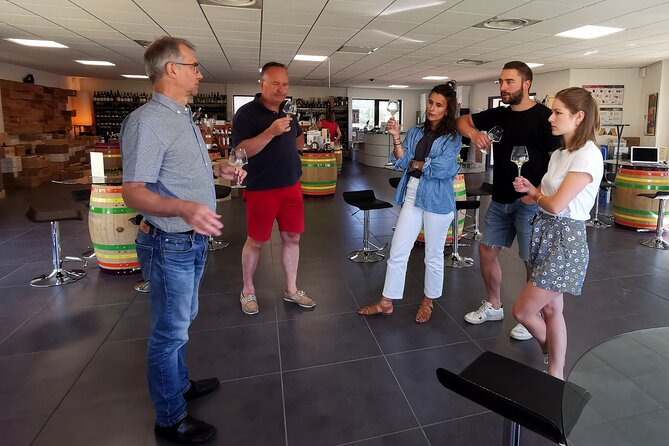
Burgundy can seem like a puzzle of villages, vineyards, and labels. This private tasting makes the subject manageable, placing seven Premier and Grand Cru wines in front of you while a sommelier explains what separates Rully from Meursault, Chablis from Corton, and a village from a Grand Cru.
I especially like the private format, which lets you ask basic questions without feeling out of place, and the chance to taste serious wines that may be difficult to find by the glass elsewhere. Hosts including Alex, Alexandre, and Thierry are praised for their patience and clear English. The main drawback is price: at $82 per person, this is a serious tasting, and bread is not included between wines.
Key points to know before you book
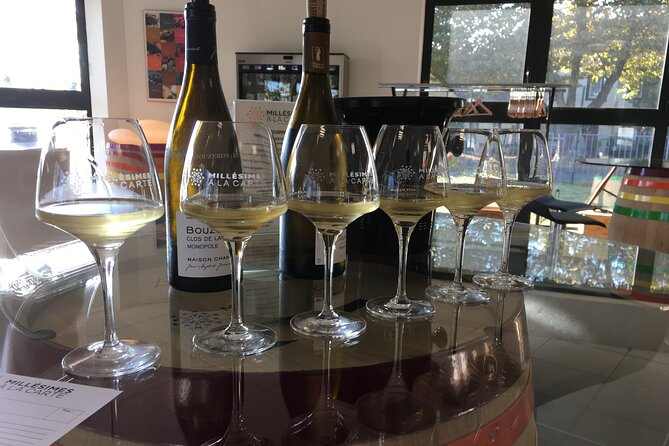
- Seven high-level wines: The planned tasting includes two white Premier Crus, one white Grand Cru, two red Premier Crus, and two red Grand Crus.
- A private conversation: Your sommelier adjusts the explanation to your questions and experience, in French or English.
- A useful Burgundy lesson: The wines represent different appellations, producers, vintages, and parts of the region rather than one narrow style.
- A specialist shop attached: You can buy tasting wines, older bottles, and more than 200 cuvées connected with the Hospices de Beaune.
- A little outside central Beaune: The shop has private parking, which is handy if you are driving, but you should plan the short trip to 1 rue du Moulin Noize.
- Plan on more than 90 minutes: The listed duration is 90 minutes, but the tasting information advises allowing 1.5 to 2 hours.
Why this Beaune tasting is different
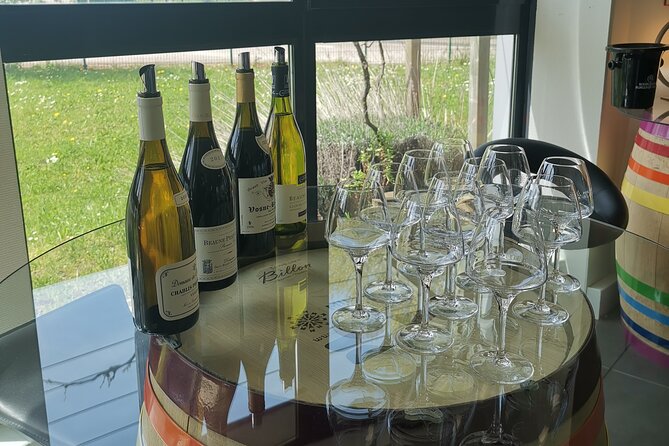
Many wine tastings give you a quick flight of samples and a few broad facts. This experience is more focused. You sit down with a sommelier for an individual session, so the pace can follow your level of interest.
If you are new to Burgundy, you can ask what Premier Cru and Grand Cru actually mean, why the same grape can taste different from one village to another, and how to read a Burgundian label. If you already know your way around wine, you can spend more time discussing producers, vintages, vineyard sites, and buying decisions.
The team at Millésimes à la Carte has worked with Burgundy wines for more than 35 years. That matters here because the tasting is not only a set of expensive bottles. It is meant to show how Burgundy changes from place to place and producer to producer.
I also like the fact that the tasting room is connected to a wine shop. You can taste first, ask questions, then decide if a bottle is worth taking home. That is much more useful than buying a costly Burgundy on a label alone.
More Wine Tours in Beaune
- Burgundy Bike Tour with Wine Tasting from Beaune
★ 5.0 · 674 reviews - Beaune: Wine Tasting at Château de Pommard
★ 4.6 · 353 reviews - From Beaune: Burgundy Day Trip with 14 Wine Tastings
★ 4.8 · 248 reviews
Seven wines, from Rully to Clos-Vougeot
The advertised sample selection moves through both white and red Burgundy. Appellations and vintages can change with availability, so you should treat the following as an example of the level and range, not a fixed promise.
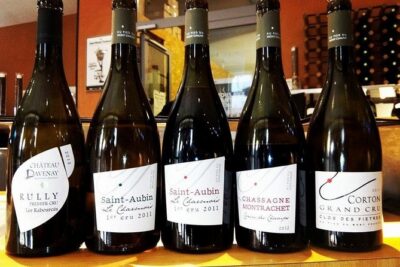
The white flight may include a Rully Premier Cru from Château de Rully, a Meursault Premier Cru Les Charmes from Domaine Jean Marie Bouzereau, and a Chablis Grand Cru from Domaine Long-Depaquit.
That is a smart introduction to white Burgundy. Rully gives you a useful starting point from the Côte Chalonnaise. Meursault brings a more prestigious Côte de Beaune reference, while Chablis shows a different expression of Chardonnay from farther north in Burgundy.
The red flight may include Savigny Premier Cru Aux Peuillets, Nuits-Saint-Georges Premier Cru Les Cailles, Corton Grand Cru Les Bressandes, and Clos-Vougeot Grand Cru.
Here the progression moves from respected Premier Cru sites to some of Burgundy’s most famous Grand Cru names. Corton and Clos-Vougeot carry particular weight, but the point is not simply to chase labels. You are comparing the character of different places, domaines, and years.
Some sessions have included eight wines rather than seven, according to the tasting information provided by past participants. Since availability changes, confirm the exact number and bottles when you book. The reliable promise is seven wines in a carefully chosen Premier and Grand Cru selection.
What the sommelier adds to the glass
The strongest part of this experience is the conversation. Alex is specifically praised for being patient with questions and for explaining Burgundy clearly in English. Alexandre has also led tastings, and Thierry is another named host associated with the sessions.
That variety means your exact presentation may differ by date, but the format remains personal. You are not being moved through a large group while a guide repeats a script. The host can spend more time on the wines that interest you and slow down if Burgundy’s classification system is new to you.
This is particularly helpful for first-time wine tasters. One couple arrived with little experience beyond the occasional glass at dinner and found the explanations patient enough to build confidence. You do not need a developed palate or a working knowledge of French wine before arriving.
For experienced wine drinkers, the value is different. You can ask about specific domaines, older vintages, and the reasons a bottle might be worth buying. Several tastings have lasted close to two hours because the discussion continued at a comfortable pace.
The commentary is offered in French or English. The feedback on English has been positive, though accents and wine vocabulary can vary from one host to another. If your questions are detailed, simply tell the sommelier what level of explanation you want.
The pace, seating, and amount of wine
The listed duration is 90 minutes, but you should keep 1.5 to 2 hours free. A private tasting works best when you do not have a train, lunch reservation, or driving schedule pressing you to leave.
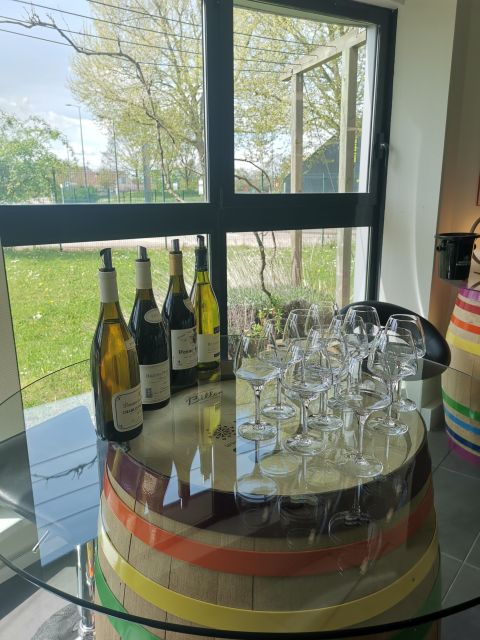
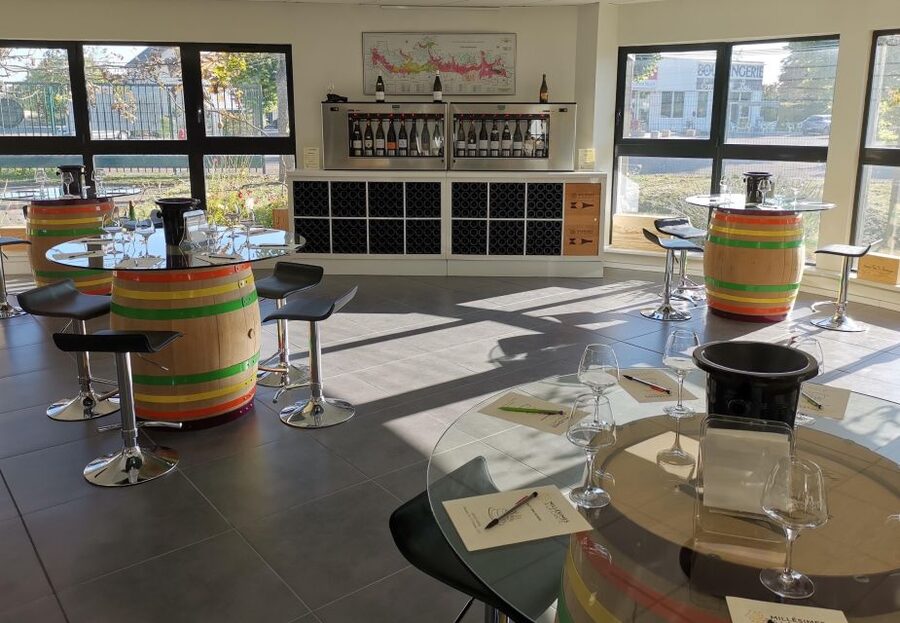
The format is seated rather than a quick stand-up sampling. That makes a real difference with seven substantial wines. You have time to look at each glass, listen, take notes on the tasting sheet, and ask why one wine tastes or smells different from the next.
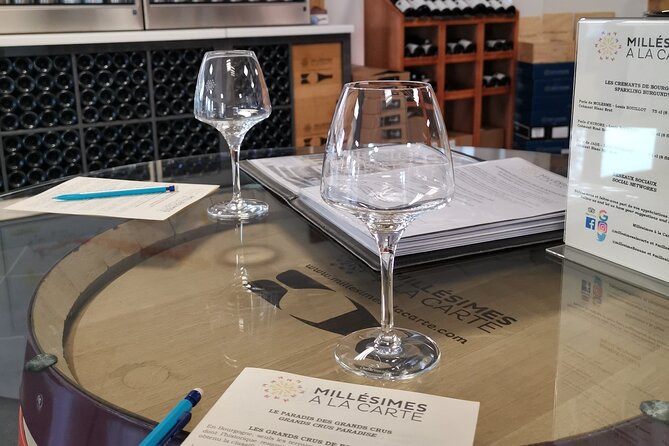
The tasting sheet is included and gives you something practical to take away. Use it to record the appellation, producer, vintage, and your own reaction. Burgundy labels can blur together after several glasses, so notes are more useful than relying on memory.
The selection includes both white and red wine. Because several wines may be powerful or highly structured, consider eating beforehand. A warm plate of nine small gougères, the local cheese puffs, is available as an extra. Bread between wines is not included, which one participant found disappointing.
That is a small but real consideration. The gougères may help, but they cost extra, and you should not assume food is part of the $82 price. If you prefer a more traditional wine-and-cheese setting, ask about the gougères when arranging your session.
A few more wine days around Beaune worth comparing
- Beaune: Maison Champy Guided Cellar Tour with Wine Tasting
★ 4.7 · 213 reviews - Private Wine Tasting Tour – Burgundy Uncorked!!
★ 5.0 · 74 reviews - Private Tasting in Beaune : The Best of Burgundy Wines
★ 5.0 · 66 reviews - Private wine tasting workshop by Dufouleur – Bourgogne
★ 5.0 · 57 reviews
Why Premier Cru and Grand Cru comparisons help
Burgundy’s reputation comes from its detailed classification system. A tasting that puts Premier Cru and Grand Cru wines side by side gives you a better sense of what the labels mean than a single glass in a restaurant.
Premier Cru wines come from named vineyard sites within an appellation. Grand Cru wines come from Burgundy’s most highly ranked sites. That does not mean every Grand Cru will be your favorite, or that every Premier Cru will seem less interesting. Personal taste, vintage, producer, and serving condition still matter.
The tasting examples are useful because they cover several parts of the region. Rully and Savigny introduce appellations that may receive less attention than the biggest names. Meursault, Nuits-Saint-Georges, Corton, Chablis, and Clos-Vougeot show why Burgundy is rarely understood through one bottle.
You also get a chance to compare Chardonnay and Pinot Noir in a structured setting. The purpose is not to memorize tasting language. It is to notice how the wines differ and to leave with a clearer idea of what you actually like.
The wine shop: useful after the tasting
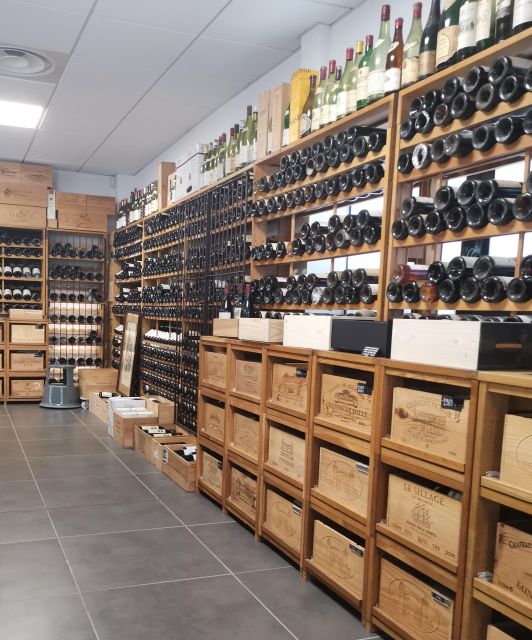
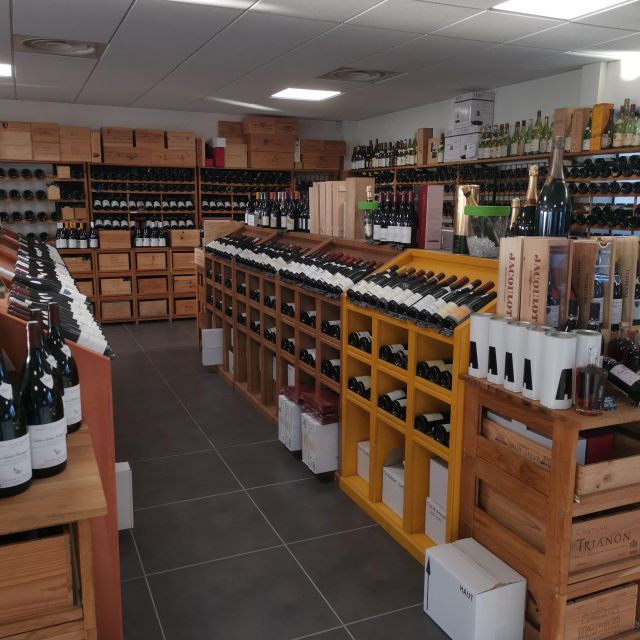
Millésimes à la Carte has been a tasting room and wine shop in Beaune for more than a decade. Its stock is unusually broad, with nearly 40 wines available by the glass, more than 200 cuvées from the Domaine des Hospices de Beaune, selections from wineries across France, and older bottles dating from 1858 and throughout the last century.
You will not necessarily taste those older bottles during the standard session. Still, the shop gives you a chance to browse beyond the seven wines in your appointment. If you are looking for a particular producer, appellation, or vintage, ask before assuming it is available.
All wines used in the tasting can be purchased and shipped worldwide. This is one of the clearest practical benefits of booking with a specialist shop rather than tasting in a restaurant. You can make a decision after trying the wine, and the staff can explain the purchase and shipping options.
Keep your expectations sensible. Burgundy bottles can become expensive quickly, especially at Premier Cru and Grand Cru level. The tasting helps reduce the risk of buying a famous name that does not suit your taste, but it does not turn costly wine into a bargain.
Is $82 per person good value?
At $82 per person, this is not a budget activity. You are paying for a private session and a lineup that includes three Grand Cru wines in the planned format, plus four Premier Cru wines. In Beaune, where serious Burgundy bottles can cost a great deal, tasting seven high-level examples can be a reasonable use of money.
The value is strongest if you want education and access, not simply alcohol. A basic tasting of local wine can cost less, but it may not include this mix of appellations, the private discussion, or the chance to buy directly afterward.
I would be more cautious if you are mainly looking for a casual introduction or a social afternoon with snacks. The price is harder to justify if you are not interested in Burgundy’s differences between vineyard sites and producers.
Past sessions have been described as worth the cost, with particular praise for the time given to each person and the quality of the bottles. One important detail is that private does not always mean rushed or rigid. The format allows time for questions, which is where much of the value lies.
Getting there and planning the visit
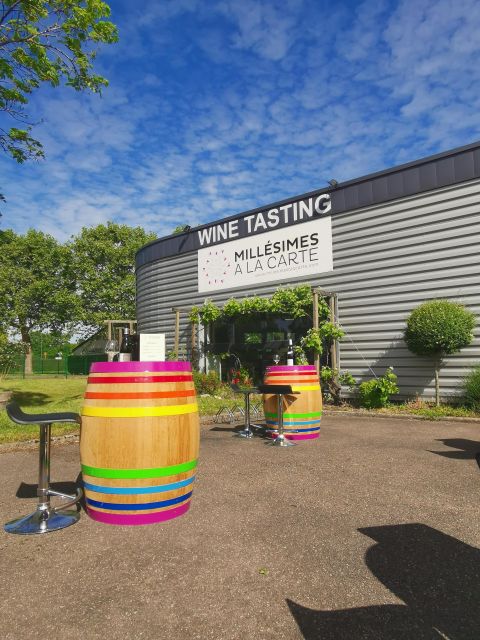
The meeting point is Millésimes à la Carte, 1 rue du Moulin Noize, 21200 Beaune. You enter the shop and begin the tasting there.
Private parking is available, making this convenient if you are exploring the Côte de Beaune by car. The location is not in central Beaune, so you should account for that when arranging your day. The information provided does not give a walking time from the historic center, so check the route before setting out on foot.
The experience lasts 90 minutes on the booking information, but keep up to two hours. You may want additional time in the shop afterward, especially if you are considering purchases or browsing the older vintages.
You can cancel up to 24 hours in advance for a full refund, and the reserve-now, pay-later option keeps your plans flexible. The activity is wheelchair accessible. These details make it easier to fit the tasting into a changing Burgundy itinerary.
Who will enjoy this most?
I would choose this for a couple, solo wine drinker, or small private group that wants serious instruction without joining a large public tasting. The format also works well if people in your party have different levels of wine experience.
It is especially suitable for:
- First-time Burgundy drinkers who want a clear introduction
- Experienced wine buyers comparing producers and vineyard classifications
- Visitors hoping to purchase Burgundy and arrange worldwide shipping
- Couples who prefer a quiet, question-friendly activity
- Drivers who appreciate private parking outside the center
I would think twice if you want a relaxed tasting with a full meal, a lower price, or a fixed list of exact vintages. Wine availability changes, and food is an optional extra rather than part of the standard package.
Should you book this Beaune tasting?
Book it if Burgundy is a main reason for your time in Beaune and you want more than a quick glass at a wine bar. The private setting, seven-wine Premier and Grand Cru structure, patient English-speaking hosts, and specialist shop make this a useful lesson as well as a tasting.
I would schedule it early in your Beaune stay. That gives you a better frame of reference for later cellar visits, restaurant wine lists, and bottle purchases. Allow two hours, eat beforehand or add the gougères, and ask about the exact wines available that day.
At $82, it asks more than a casual tasting. For someone serious about understanding Burgundy, the chance to compare several major appellations with Alex, Alexandre, Thierry, or another sommelier is a fair trade. For everyone else, a simpler and less costly tasting may be enough.
FAQ
Where does the tasting take place?
It takes place at Millésimes à la Carte, 1 rue du Moulin Noize, 21200 Beaune, France.
How long does the experience last?
The listed duration is 90 minutes. You should allow 1.5 to 2 hours to enjoy the tasting at a comfortable pace.
How many wines are included?
The standard tasting includes seven wines: two white Premier Crus, one white Grand Cru, two red Premier Crus, and two red Grand Crus.
Are the exact wines guaranteed?
No. Appellations and vintages depend on availability. The listed wines are examples of the type of Burgundy selection offered.
Is the tasting available in English?
Yes. The tasting is offered in French or English.
Is this a private experience?
Yes. It is arranged for a private group, with an individual tasting and commentary tailored to your questions and interests.
Is food included?
Food is not included in the standard tasting. You can purchase an extra plate of nine warm gougères, which are local cheese puff cakes.
Can I buy the wines after tasting them?
Yes. The wines served during the tasting are available for purchase and can be shipped worldwide.
Just added around Beaune
- Private Wine Tasting Tour – Burgundy Uncorked!!★ 5.0 · 74 reviews
- Private wine tasting workshop by Dufouleur – Bourgogne★ 5.0 · 57 reviews
- Luxury Luxury Wine Tour Experience★ 5.0 · 69 reviews
- Private Tasting in Beaune : The Best of Burgundy Wines★ 5.0 · 66 reviews
- Half-day guided tour on the Burgundy wine Route in a classic car★ 5.0 · 45 reviews
- Discovery by bike & Tasting in the vineyards★ 4.5 · 36 reviews
- 2 Hour Sparkling Wine Tasting and visit in Beaune★ 4.5 · 36 reviews
- From: Dijon/Beaune: Burgundy Region Winery Tour with Lunch★ 4.7 · 43 reviews
Wine Tours in Beaune, compared.
Burgundy Bike Tour with Wine Tasting from Beaune
Read our review →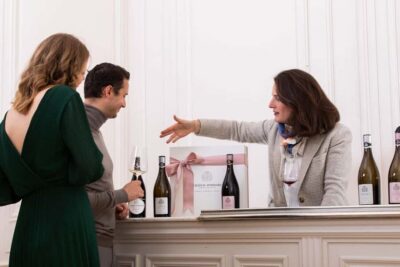
From Beaune: Burgundy Day Trip with 14 Wine Tastings
Read our review →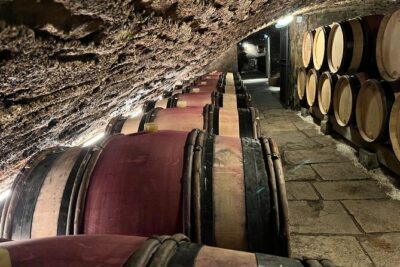
Burgundy Grand Crus Route Day Tour – 14 Wines Tastings in Domains
Read our review →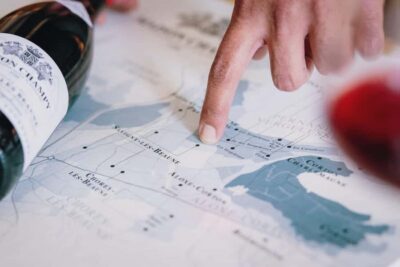
Beaune: Maison Champy Guided Cellar Tour with Wine Tasting
Read our review →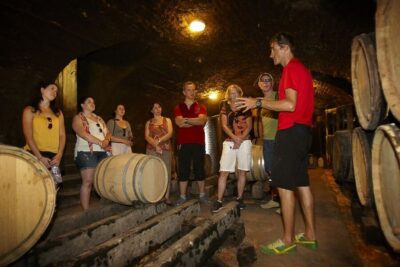
From Beaune: Full-Day Bicycle and Wine Tour in Burgundy
Read our review →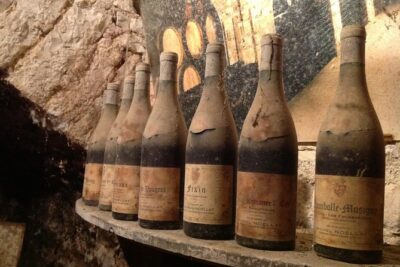
Private Wine Tasting Tour – Burgundy Uncorked!!
Read our review →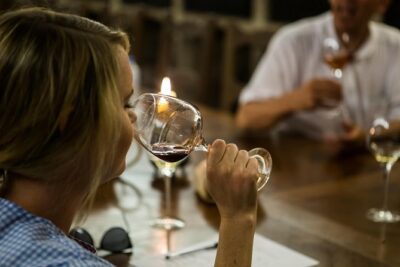
Browse the lists this tour appears in